
Hirohiko Araki began JoJo's Bizarre Adventure in 1987 and has not stopped. What started as a Victorian-era brawler between two adopted brothers became something far stranger: a multigenerational epic that reinvents its own rules every few years, swaps protagonists, jumps continents and decades, and keeps finding new ways to be visually, conceptually outrageous. Each part has its own JoJo, its own villain, its own power system, and its own aesthetic obsession borrowed from Western fashion, art history, or horror. The through-line is not plot continuity but sensibility: a commitment to spectacle and sincerity that refuses to choose between the two. Fans come for the poses and stay for the philosophy.
The Manga and Its Extensions
Araki's original source material and its spin-offs in print


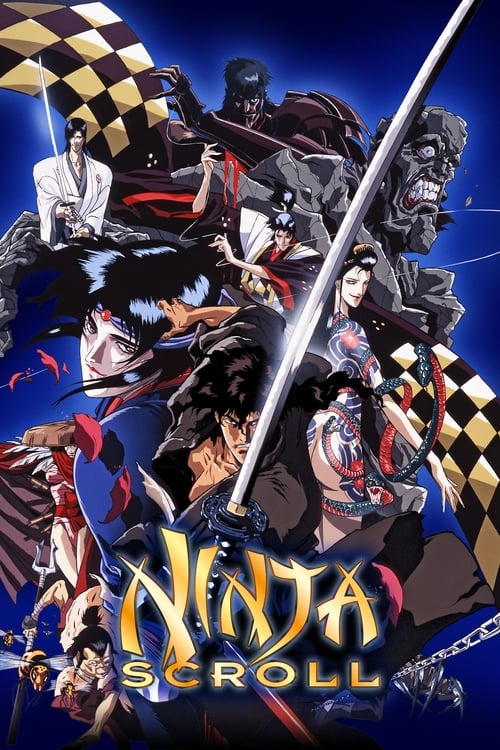
On Screen: Films and Adaptations
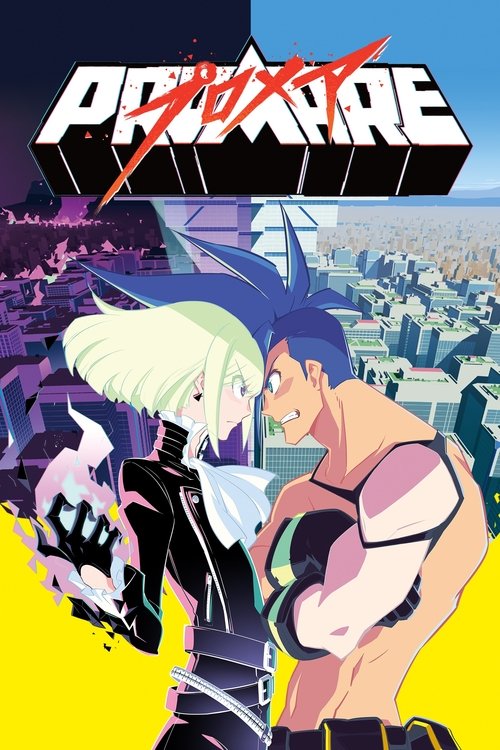
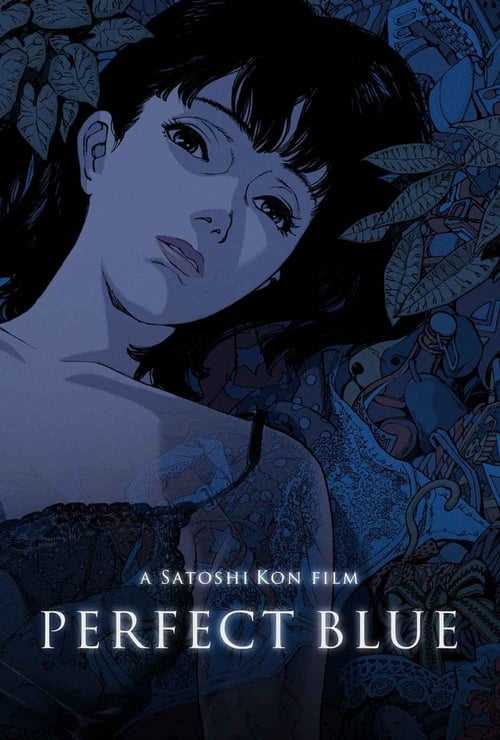
Live-action and animated features that share JoJo's theatrical intensity


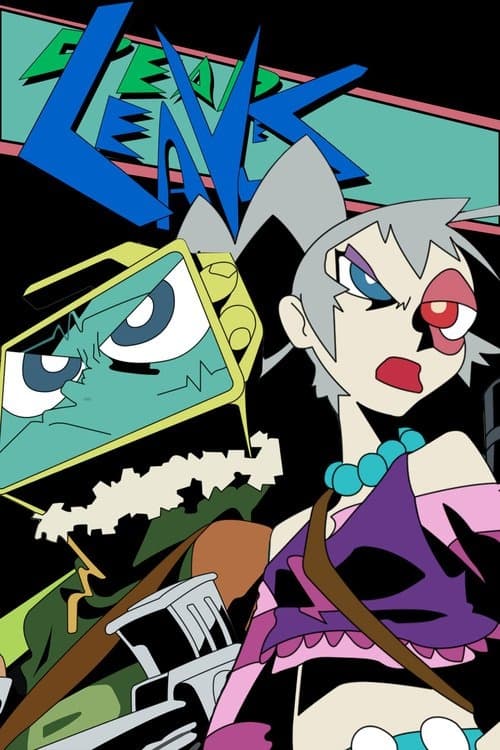
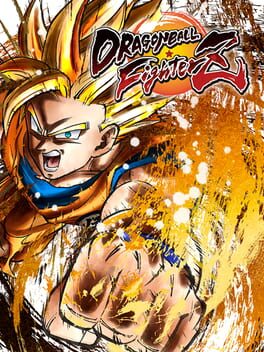
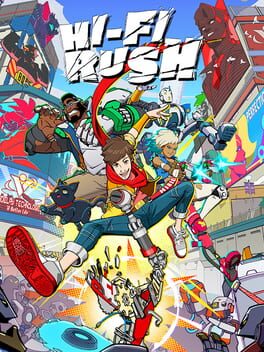
Games With the Same Flair
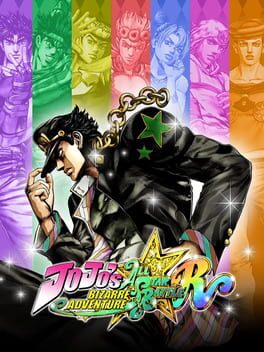
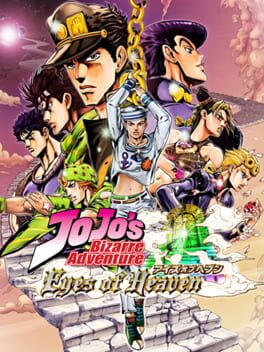
Stylish, over-the-top, and mechanically inventive
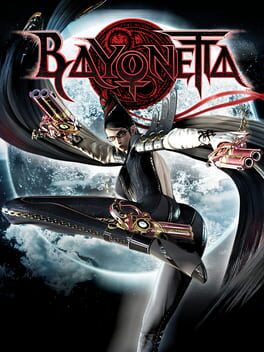
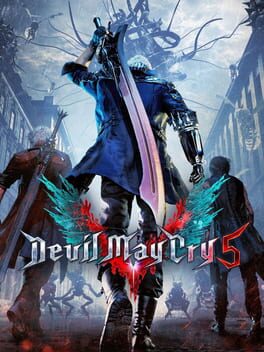
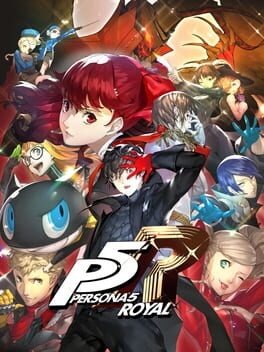
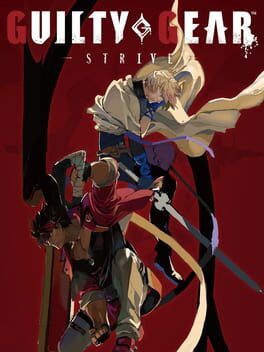
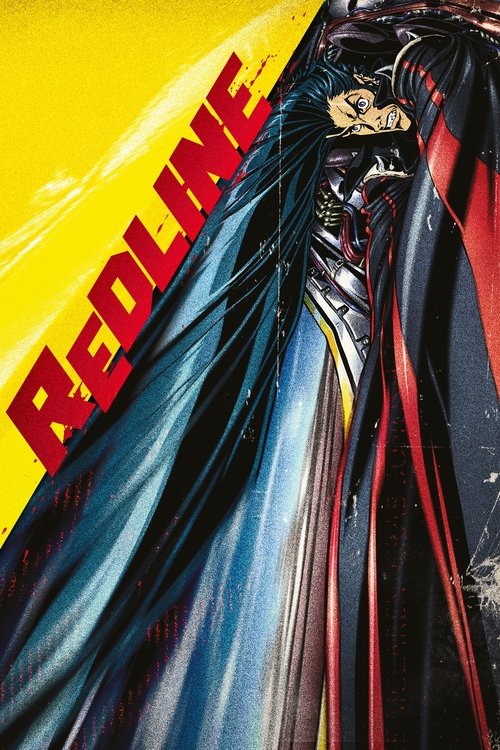
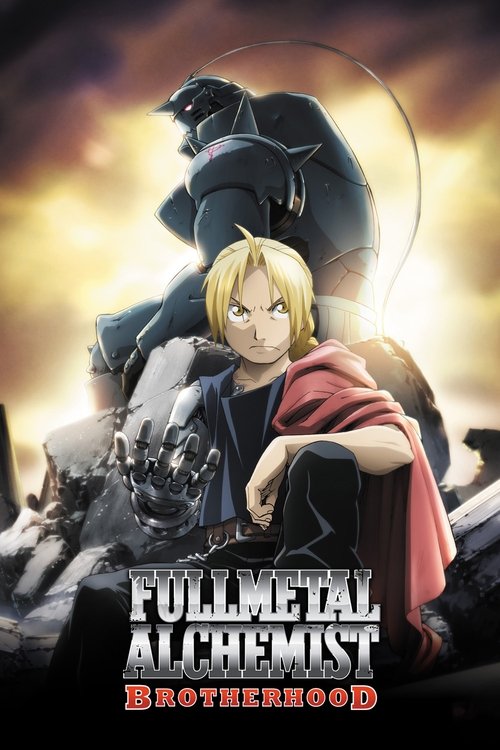
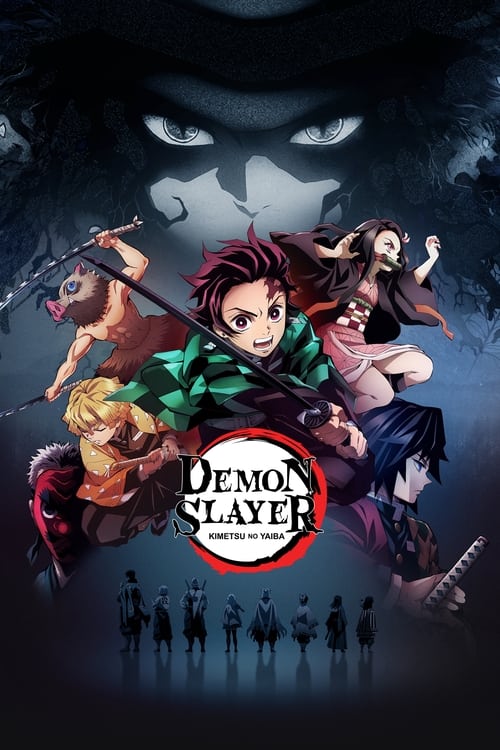
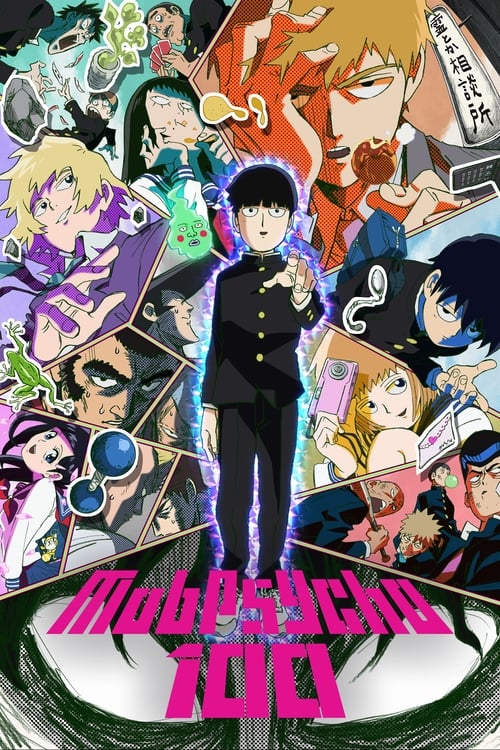
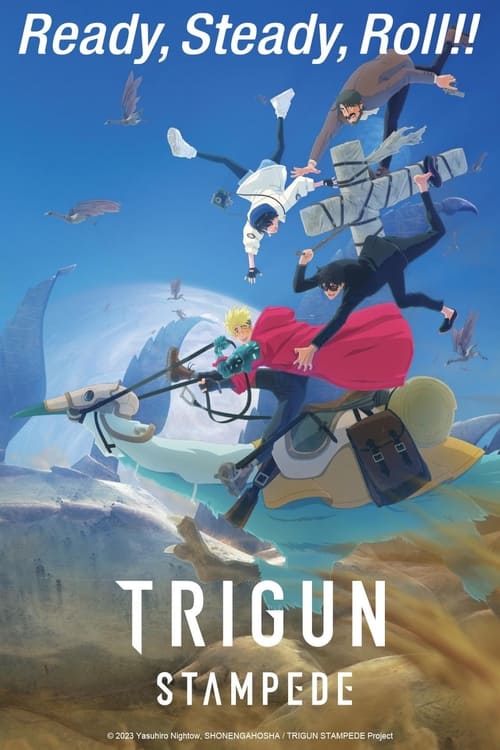
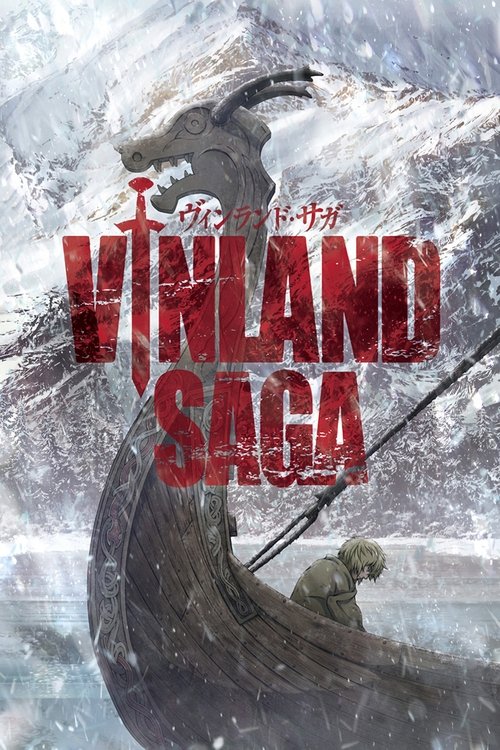
If You Love JoJo: Similar Anime and Manga
Shows and series with the same appetite for the operatic and the strange

The Part System Is a Feature, Not a Bug
Every few years, JoJo kills its protagonist and begins again. Part 1 is Victorian action-horror. Part 4 is a small-town mystery. Part 5 is Italian crime opera. Part 6 is a prison drama that ends the universe. The series never coasts on what worked before. Each arc functions as a standalone entry point, which means the show you discover first shapes your idea of what JoJo is, and the fan community has quietly been having that argument since 1989.

Stands Turned Shonen Power Systems Into Art
Before Stands arrived in Part 3, the series ran on Hamon, a ripple-based martial art. The pivot to psychic manifestations was Araki's masterstroke. Stands are external, visual, and weirdly personal: each one reflects something about its user's psychology or obsession. Crazy Diamond repairs anything except people. King Crimson erases causality. Made in Heaven accelerates time. The system rewards creative problem-solving over raw power, which is why the best Stand battles read less like fights and more like logic puzzles with a body count.
Araki's Fashion Obsession Is Structural
Araki's style is not decoration. His long career collaborating with fashion houses (Gucci commissions, Vogue Italia covers) is visible in how JoJo's characters move: not naturally, but as if permanently aware they are being drawn. That self-consciousness is the point. Villains and heroes alike treat every confrontation as a performance. The poses became an internet meme but they were always a philosophical statement about pride, presentation, and the theatricality of violence.
JoJo Through the Decades
- 1987Phantom Blood begins serialization in Weekly Shonen Jump Jojo's bizarre adventure
- 1989Stardust Crusaders launches, introducing Stands and Dio Brando's global threat Jojo's bizarre adventure
- 1992Diamond is Unbreakable begins, shifting the tone to small-town mystery Jojo's bizarre adventure
- 1995Golden Wind (Vento Aureo) starts, relocating the saga to Naples and Italian organized crime Jojo's bizarre adventure
- 2000Stone Ocean begins, starring the first female JoJo protagonist, Jolyne Cujoh Jojo's bizarre adventure
- 2004Steel Ball Run launches in Ultra Jump, a Western race reimagining the saga from scratch Jojo's bizarre adventure
- 2011JoJolion begins in Ultra Jump, set in post-earthquake Morioh Jojo's bizarre adventure
- 2012David Production anime adaptation premieres, bringing Phantom Blood and Battle Tendency to screen JoJo's Bizarre Adventure
- 2014Stardust Crusaders anime airs, cementing DIO and Star Platinum in mainstream anime culture JoJo's Bizarre Adventure
- 2021Stone Ocean anime announced for Netflix, the most experimental anime part yet JoJo's Bizarre Adventure
- 2023The JOJOLands begins serialization, Part 9, continuing the ongoing saga Jojo's bizarre adventure
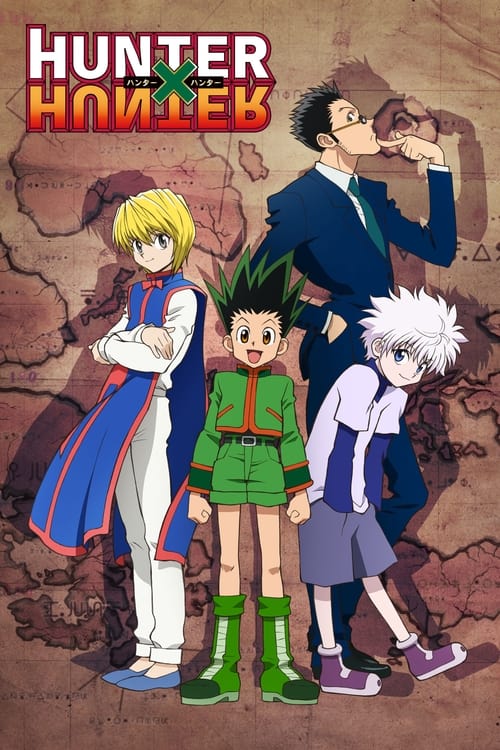
More dark-fantasy shonen and Stand-style sagas
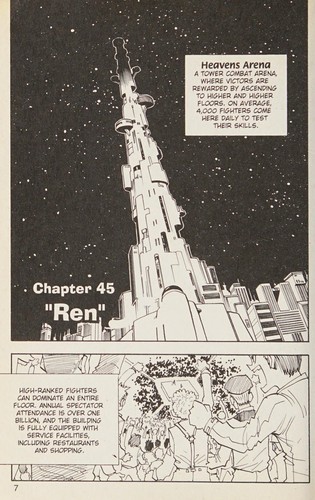
For Fans of Hunter x Hunter
Explore the For Fans of Hunter x Hunter guide →Every JoJo fan has a favorite part, and every part has fans who think it is the only real JoJo. That argument will never end. It is, in its own way, the point.CrossBinge editors