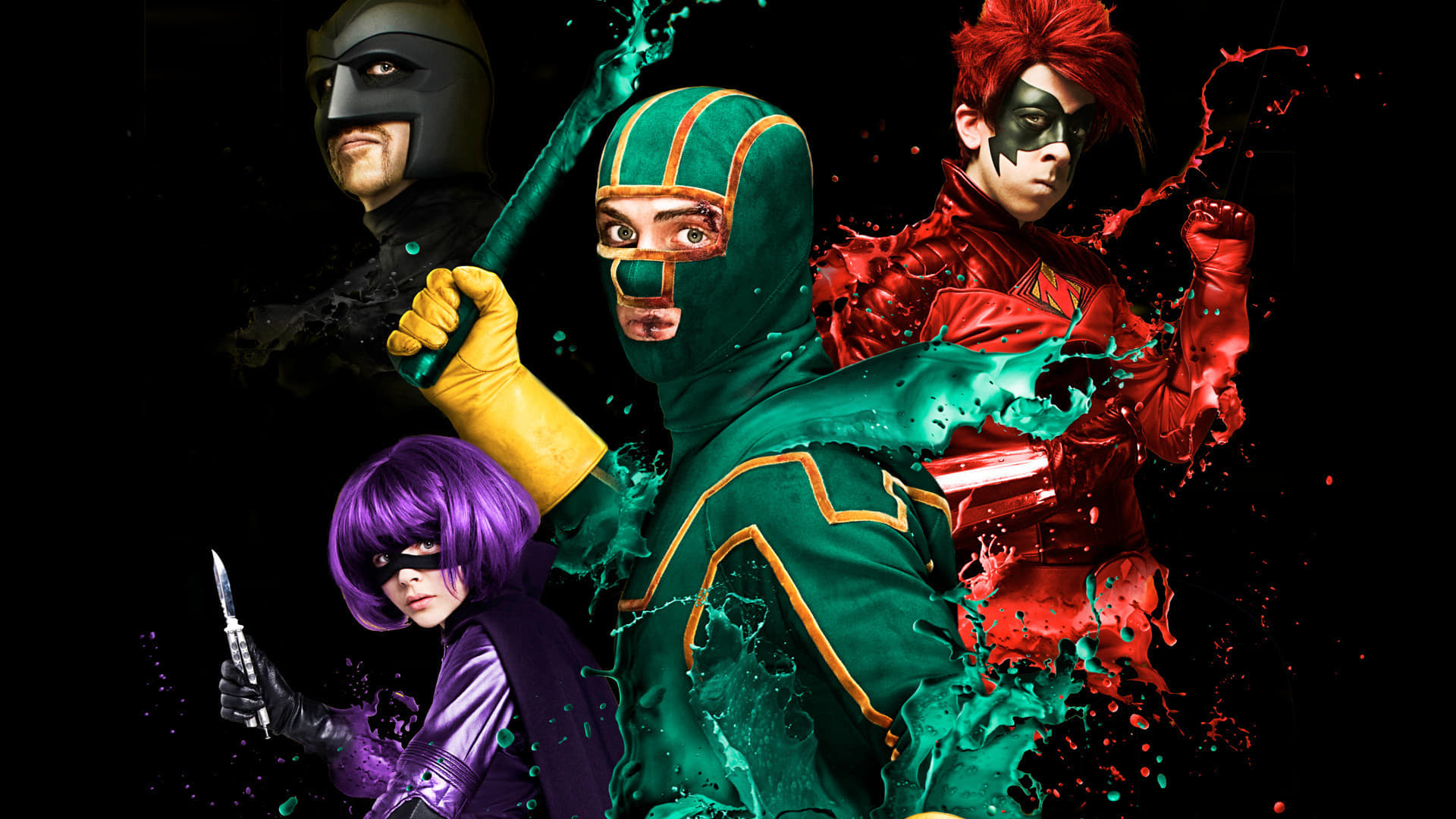

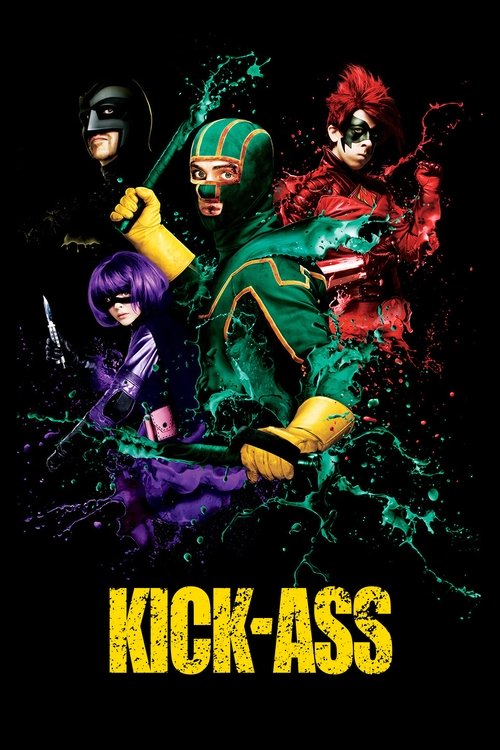
Mark Millar launched Kick-Ass in 2008 with John Romita Jr. as a deliberately bruising deconstruction of superhero wish-fulfillment. Dave Lizewski is not gifted, not chosen, not secretly powerful. He buys a wetsuit, names himself Kick-Ass, and gets hospitalised on his first night out. What made the comic (and Matthew Vaughn's 2010 film adaptation) land so hard was the refusal to let the power fantasy off the hook. The violence is real, the consequences are ugly, and Hit-Girl became one of the most iconic characters in modern comics precisely because she is eleven years old and terrifyingly competent. If you love Kick-Ass, you are after a specific flavour: superhero stories stripped of myth, soaked in pop culture, and honest about the gap between the idea of heroism and the reality of a fist to the face.
Essential Kick-Ass
The comics and films at the heart of it


More Millar: The Expanded Universe
Other Mark Millar comics that share the same irreverent energy


Deconstructed Heroes on Screen
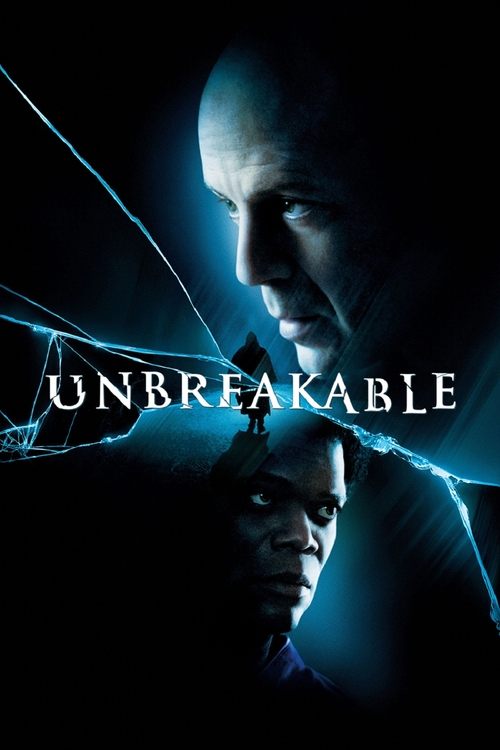
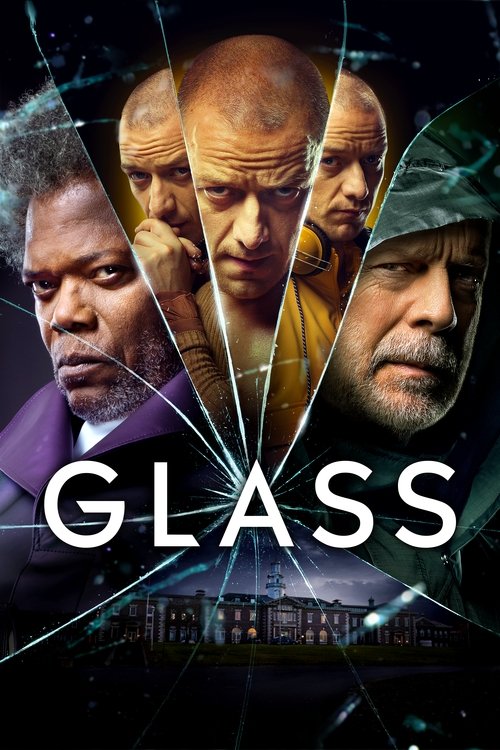
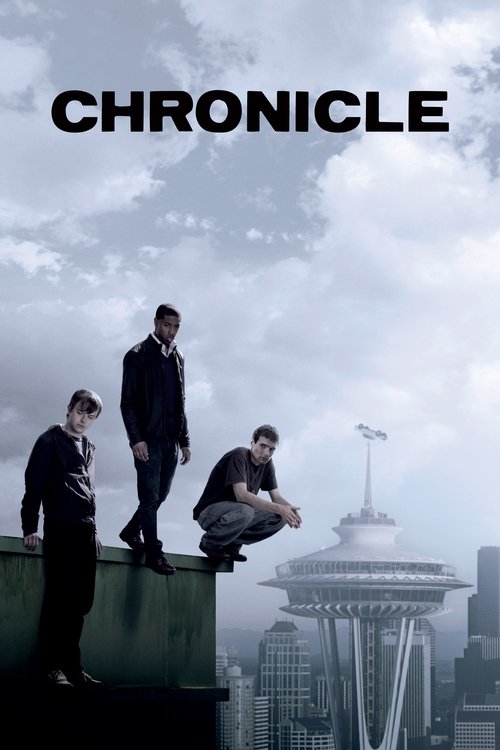
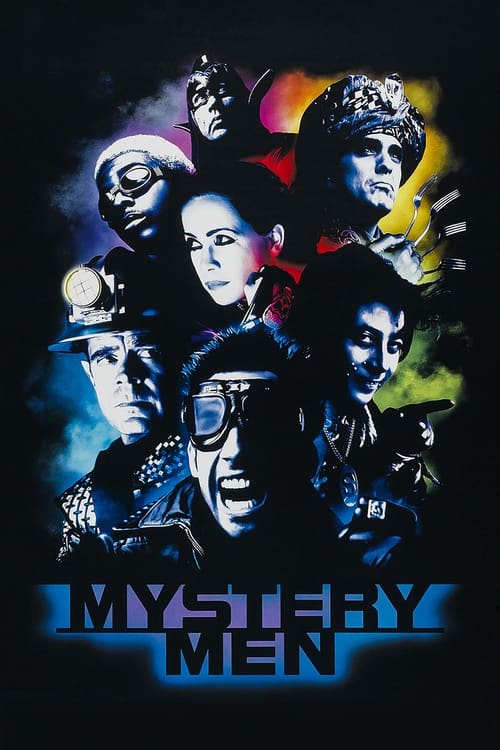
Films and series that treat the superhero premise with the same hard-nosed skepticism

Comics that Pull No Punches
Graphic novels and comic runs for readers who liked Kick-Ass's willingness to go there


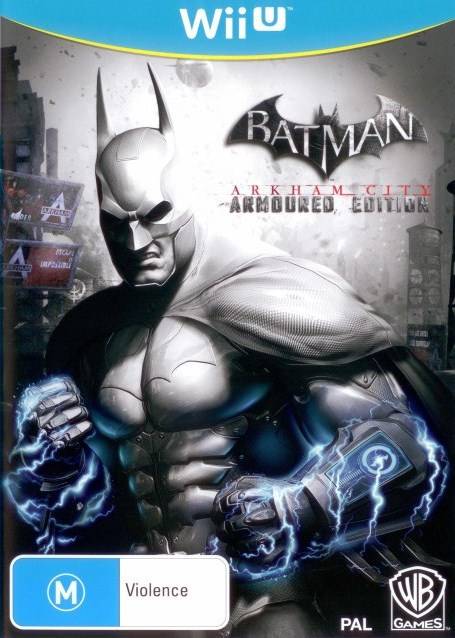
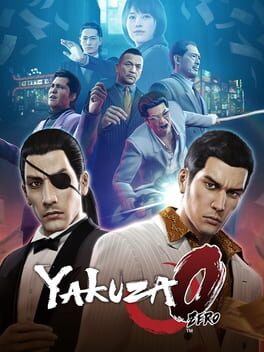
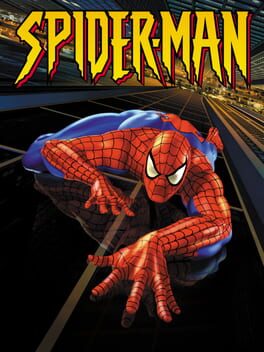
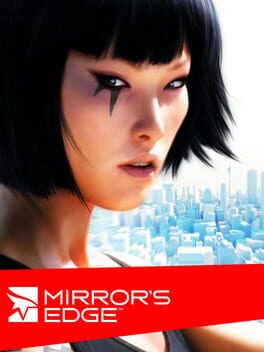
Games Where Ordinary People Get Extraordinary
Games that share Kick-Ass's DIY-hero energy or brutal, grounded action

Hit-Girl Changed What a Comic Protagonist Could Be
Mindy Macready, alias Hit-Girl, is the most consequential character Millar ever created. She is twelve years old, trained from infancy by a vigilante father with a grudge, and more capable than every adult around her. The discomfort is the point: Kick-Ass keeps asking whether what Big Daddy did to her is heroic or monstrous, and refuses to give you a clean answer. She became the template for a wave of hyper-competent child characters in comics precisely because she was never sanitised.
Matthew Vaughn Got the Tone Exactly Right
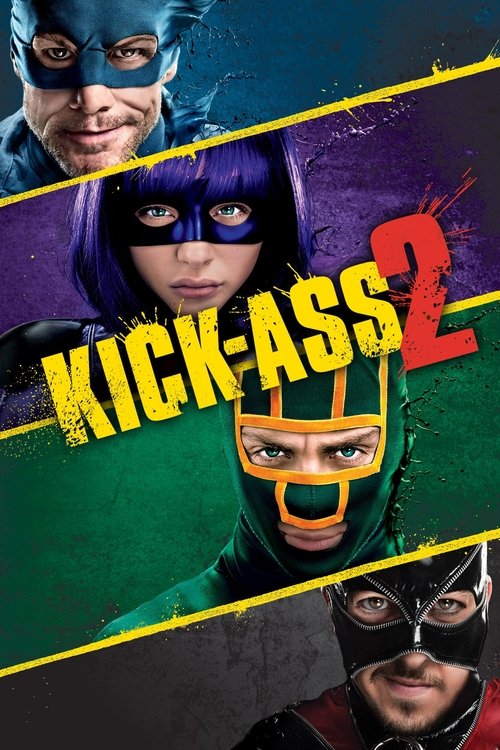
The 2010 film is one of the rare comic adaptations that understood its source well enough to diverge from it productively. Vaughn kept the irreverence and the violence but gave the ending a different shape, and the casting of Chloe Grace Moretz as Hit-Girl and Nicolas Cage doing an Adam West impression as Big Daddy turned two potentially unplayable roles into the film's emotional core. The sequel, directed by Jeff Wadlow, lost the balance, which makes the original feel even more precisely calibrated in hindsight.
Millar's Real Subject is Always Mythology
Across Kick-Ass, Wanted, Civil War, and Old Man Logan, Millar keeps returning to the same question: what happens when the myths we built around heroes are stripped away? His best work uses genre as a pressure test for ordinary people who want to believe the world is organized around heroism and discover it is not. That tension is what distinguishes his strongest books from the shock-value reputation they sometimes get saddled with.
Kick-Ass: A Timeline
- 2008Kick-Ass comic series begins (Mark Millar and John Romita Jr., Marvel/Icon)
- 2010Matthew Vaughn's film adaptation lands, making Hit-Girl a cultural phenomenon Kick-Ass
- 2010Wanted film adaptation, based on Millar's earlier comic, reaches a wider audience Wanted
- 2012Hit-Girl solo comic series launched
- 2012Kick-Ass 2 comic arc concludes
- 2013Kick-Ass 2 film released Kick-Ass 2
- 2014Netflix acquires Millarworld; Millar's comics enter a new publishing phase
- 2021Super Crooks anime adaptation on Netflix Super Crooks
Ordinary people, brutal vigilante heroics
Vigilantes & Street Justice
Explore the Vigilantes & Street Justice guide →With no power comes no responsibility. Except that wasn't true either.Dave Lizewski, Kick-Ass