
The vigilante is the loneliest character in popular fiction, and the most uncomfortable. He is the answer to a question the genre keeps asking and never quite resolves: what do you do when the system that was supposed to protect you fails, and the people who hurt you walk free? Paul Kersey buys a gun. Travis Bickle cleans his. Frank Castle keeps a list. The thrill these stories sell is also their problem. We want the bad guy to pay, and we want someone to make it happen, and we know in the daylight that a man deciding for himself who lives and who dies is exactly the thing the law exists to prevent.
That tension is the genre's engine. The best vigilante stories never let you off the hook. Taxi Driver dares you to call Travis a hero and then shows you what he actually is. Watchmen asks who watches the watchmen and answers: nobody, and that is the whole horror. The worst ones flatter you, hand you a clean target and a clear conscience, and let you cheer. This guide covers both, across film, television, games, comics and the music that scored the rampage, because the figure of the avenger with no jurisdiction has haunted every medium we have.
Essential street justice
The canon: avengers, watchmen and one-man crime waves across every medium
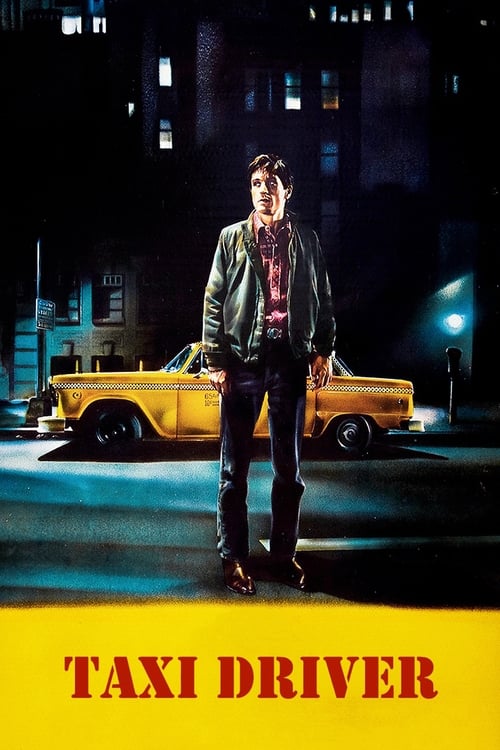
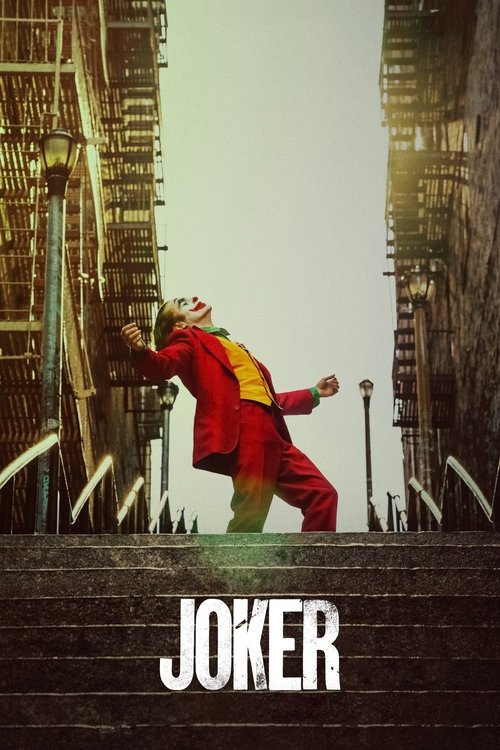
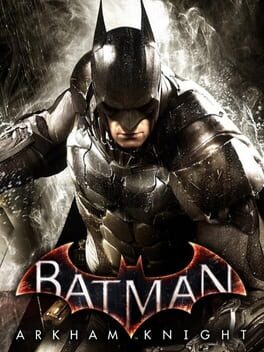
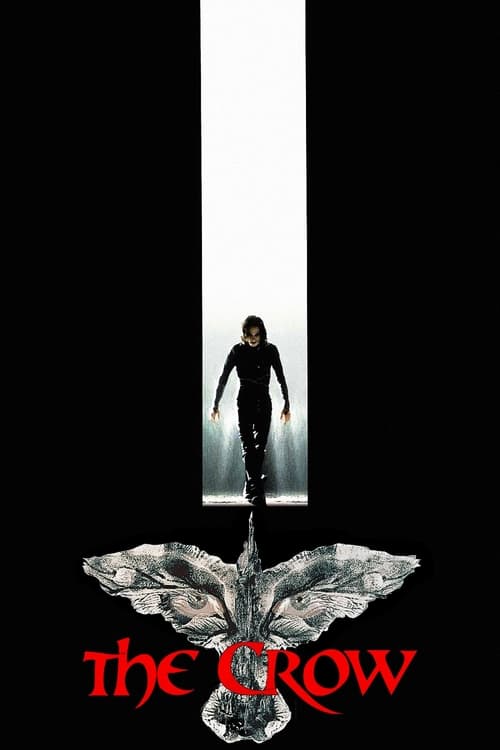

Taxi Driver is the one that refuses to let you cheer
Martin Scorsese's Taxi Driver is the film every other entry on this list has to answer to. Travis Bickle is not a hero who happens to be damaged. He is a damaged man who decides, almost arbitrarily, that violence will give his life meaning, and the city he wants to scrub clean is mostly a projection of his own rot. Robert De Niro plays him as a void that talks. The genius of the ending is that the press treats his killing spree as heroism, and the film lets that read sit there, unresolved, like a bruise. Was he a vigilante or a lucky lunatic? The movie's answer is that the distinction is thinner than we want it to be.
Everything the genre would later sand smooth, the clean target, the deserving victim, the cathartic kill, Taxi Driver leaves jagged on purpose. It is the rare film about a man taking the law into his own hands that makes you afraid of him rather than for him.
The avengers with no badge
Death Wish, Man on Fire, John Wick and the long lineage of the wronged man with a gun
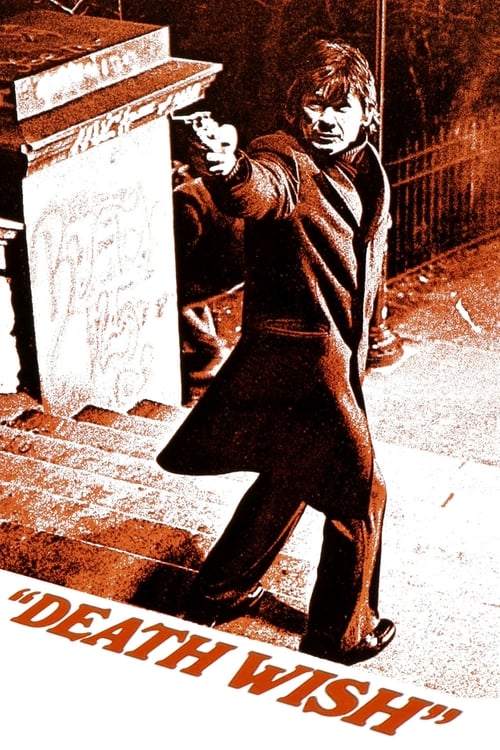
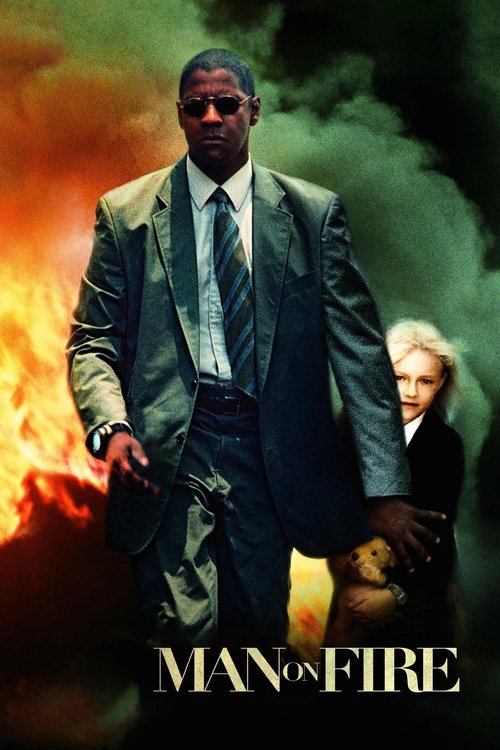
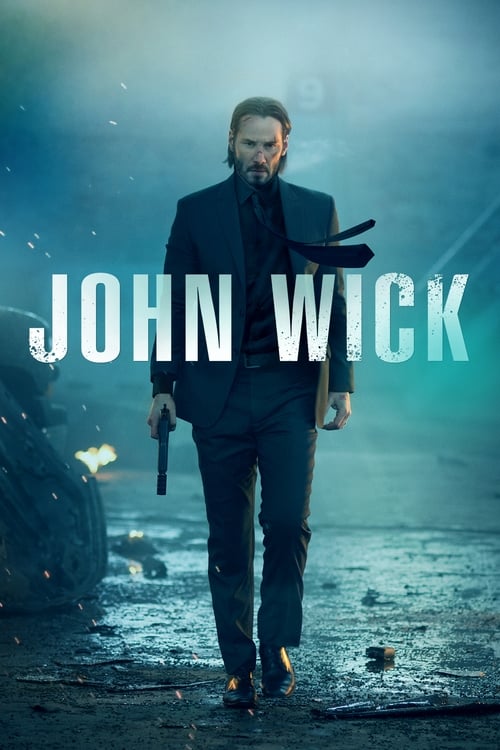
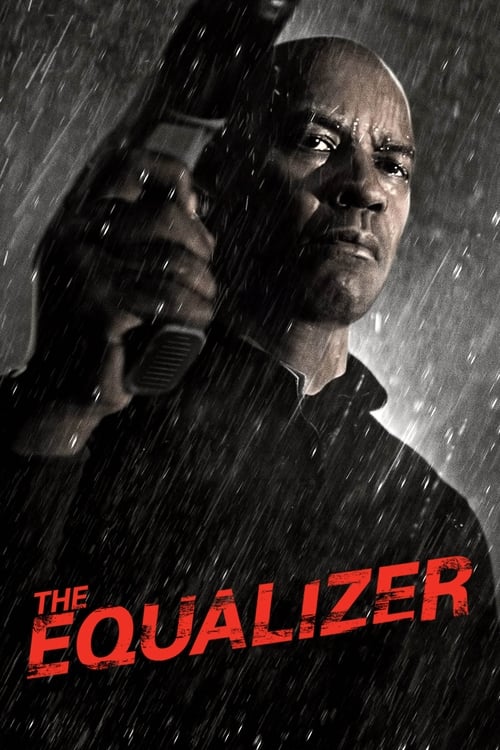
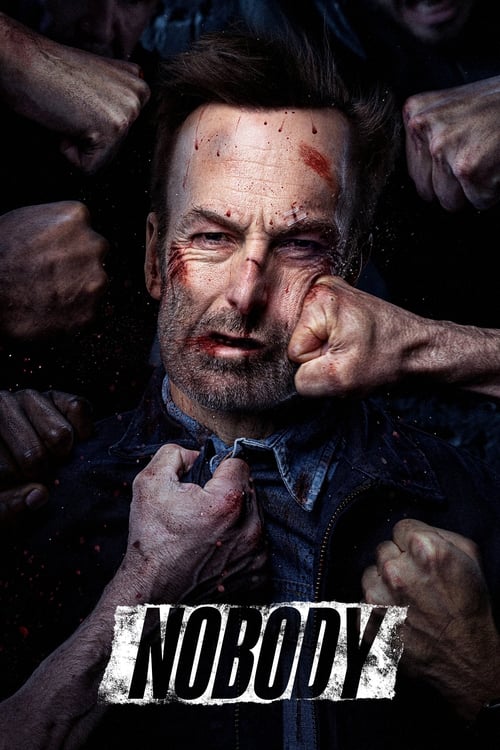

The ordinary man at the end of his rope
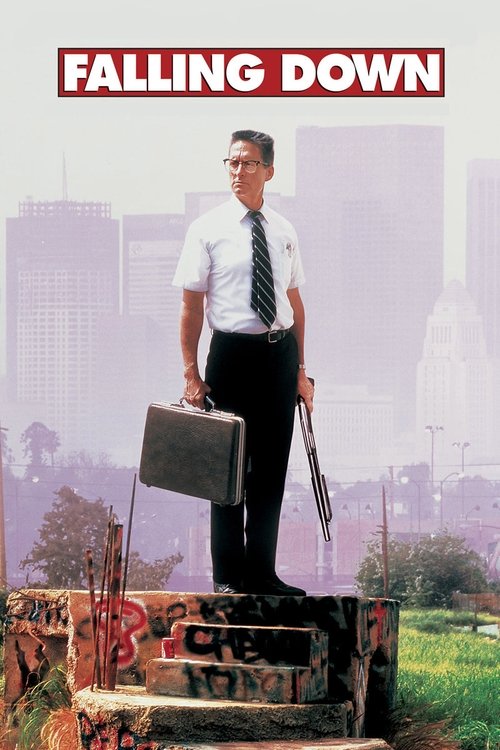
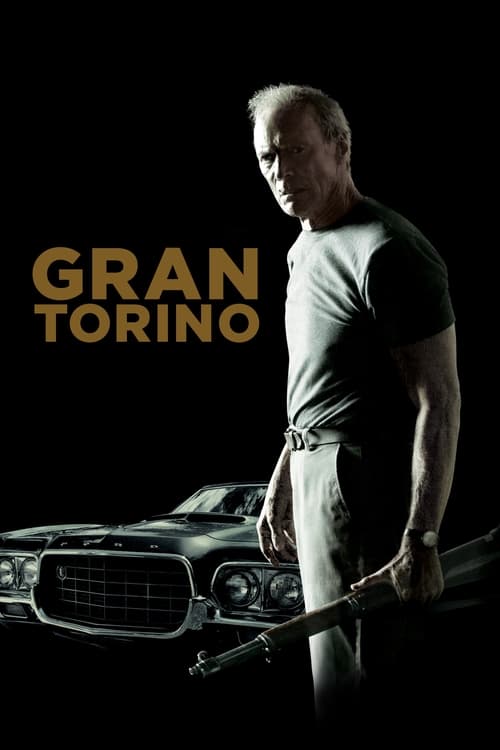
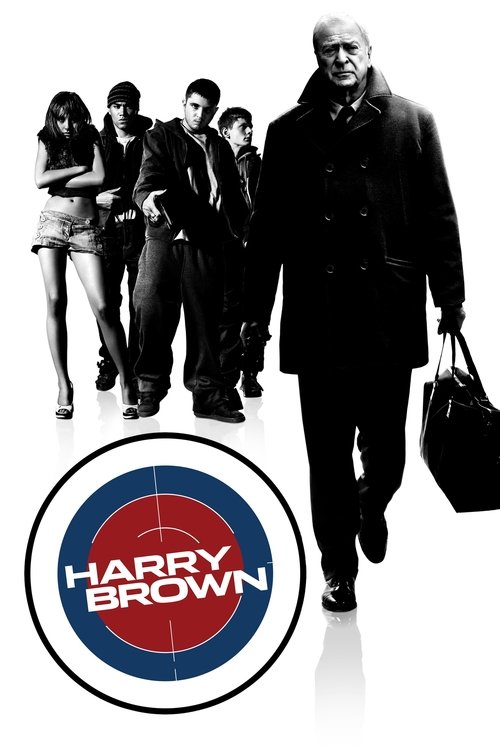
Not every vigilante wears a costume or trains for years. The most disturbing strain of the genre is the one about a regular person who simply breaks. Falling Down follows a laid-off defense worker, played by Michael Douglas, who abandons his car on a gridlocked freeway and walks across Los Angeles getting progressively more violent, convinced the entire city has personally wronged him. The film is careful never to let you fully side with him, even as it understands the rage. Harry Brown does something similar with an elderly widower on a decaying London estate, and Gran Torino hands Clint Eastwood a porch, a rifle and a neighborhood he despises until he doesn't.
These are the stories that take the genre's fantasy seriously enough to be frightened of it. The line between the citizen who has had enough and the killer looking for an excuse is exactly where the drama lives.
Ordinary people, breaking point
Falling Down, Gran Torino and the quiet citizens who finally snap
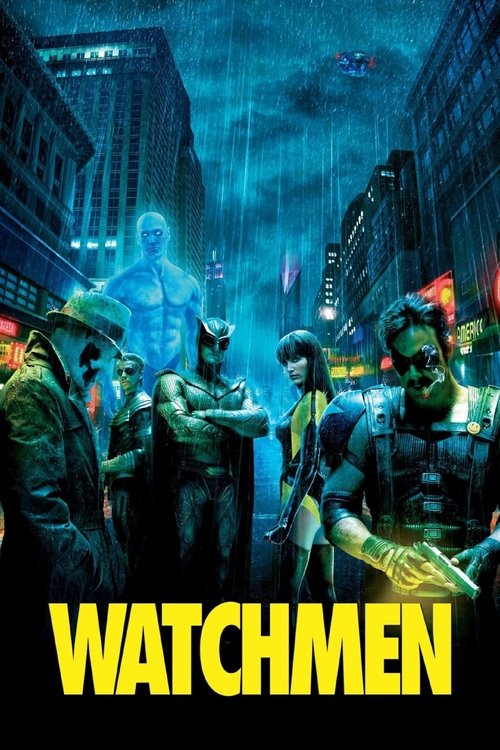
Watchmen is the only superhero story brave enough to indict the whole idea
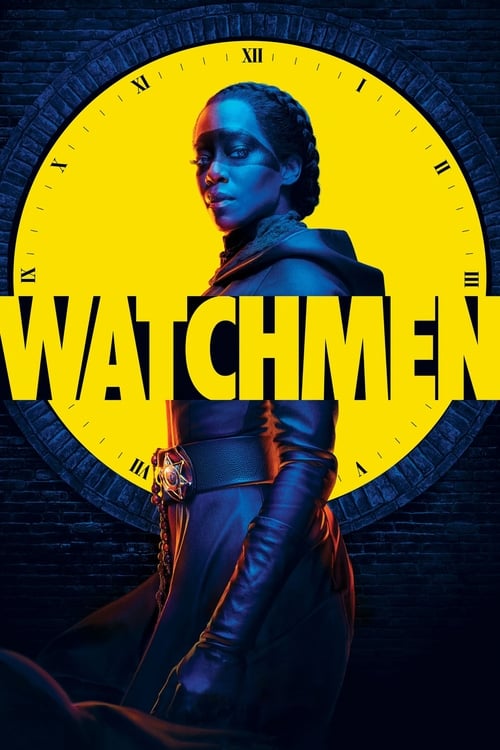
Alan Moore wrote Watchmen as a demolition of the costumed-hero fantasy, and it remains the smartest thing the genre has produced in any medium. Its vigilantes are not noble. Rorschach is a paranoid moralist who would rather die than compromise, and the book makes his absolutism both admirable and monstrous in the same breath. The Comedian is a rapist and a killer the government finds useful. The whole point of the masks is that they let damaged people act on impulses the rest of us suppress.
The 2009 film is a faithful, gorgeous, slightly airless adaptation. The 2019 HBO series is the braver work: it picks up the book's thread decades later and ties American vigilantism directly to American racial violence, which is where the genre always pointed but rarely looked. The graphic novel is still the foundation, and it is the one work here that treats taking the law into your own hands as a sickness rather than a solution.
Masks and the men who break the law to keep it
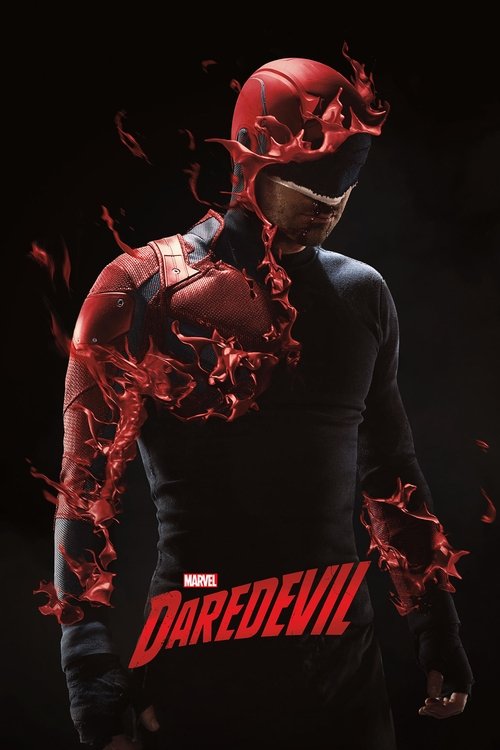
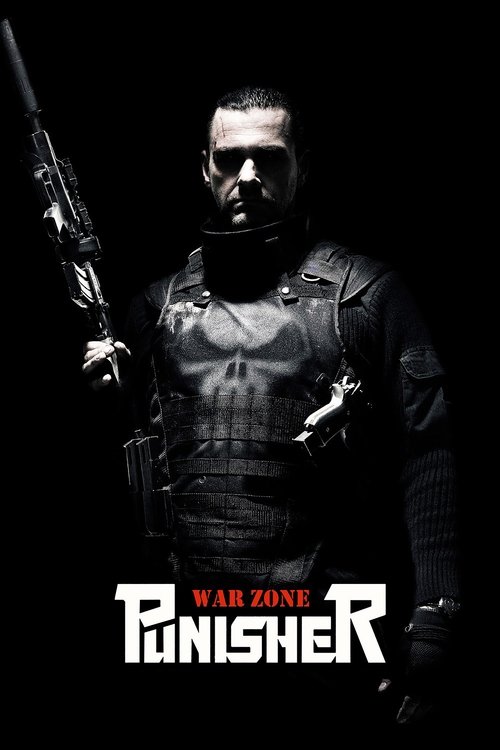
Daredevil, The Punisher, The Boys and the serialized morality of street-level heroes
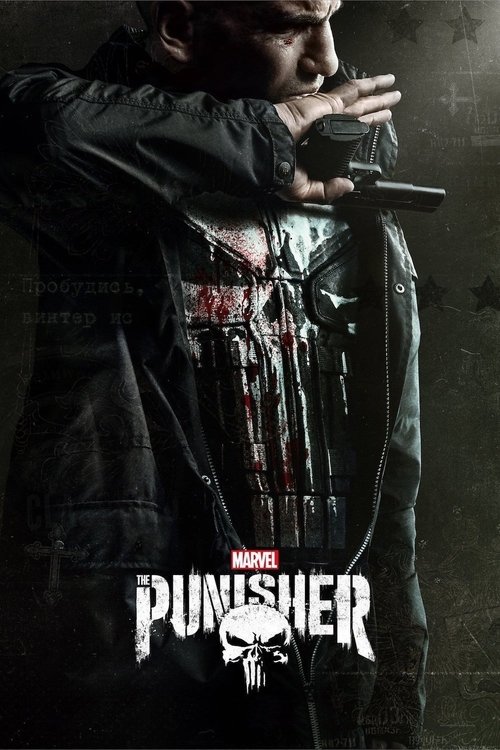


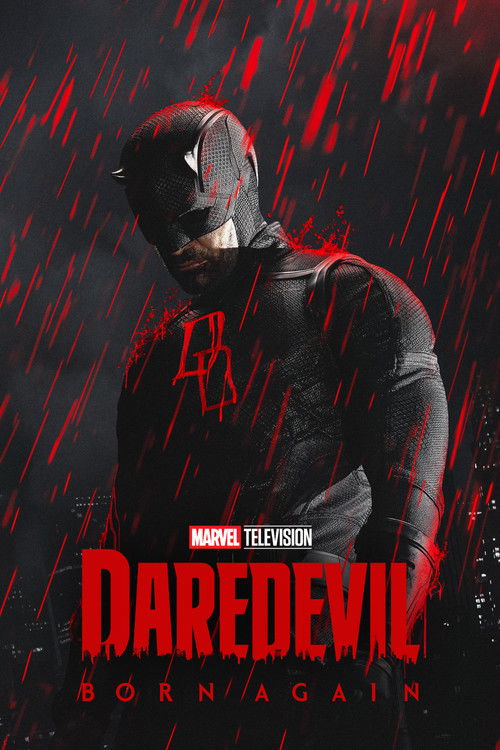
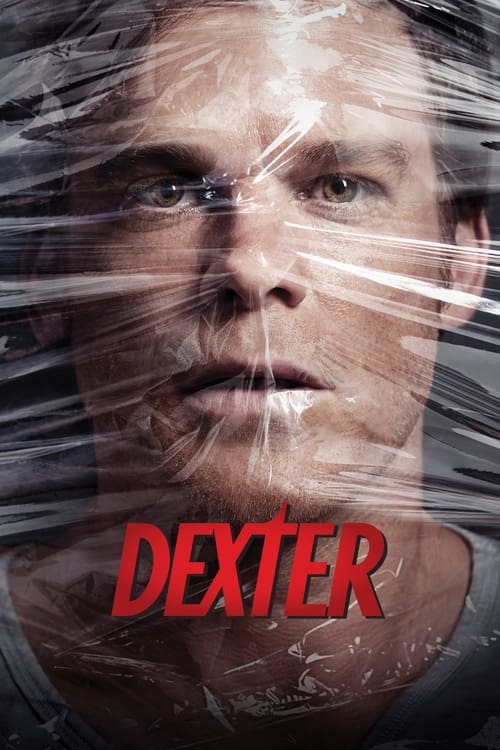
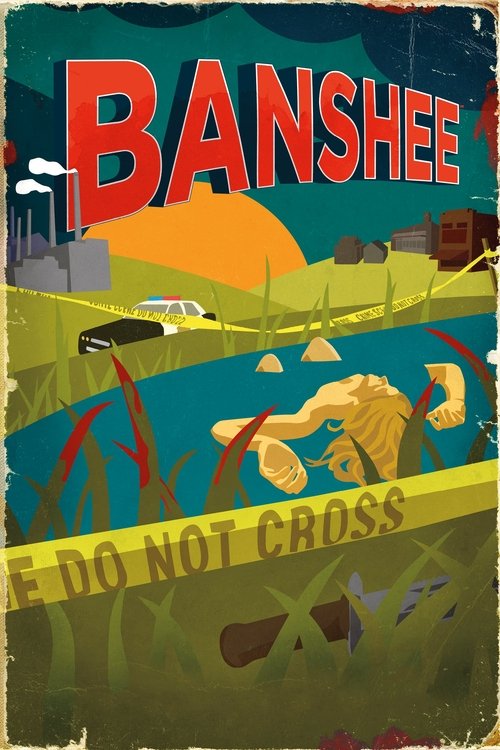
One thing you should know about me. I have no problem with killing. The slate is wiped clean.Frank Castle, the logic that every vigilante story has to either embrace or refuse
The best vigilante you can actually play is a cop who was a machine first
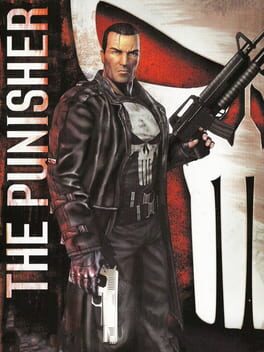
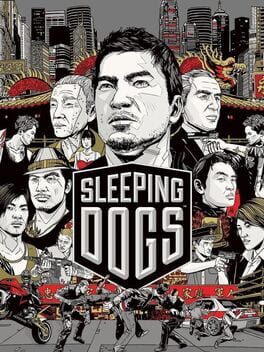
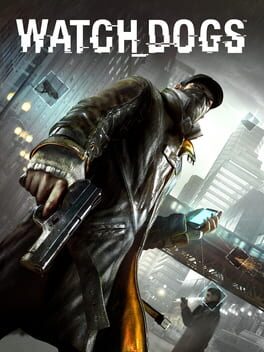
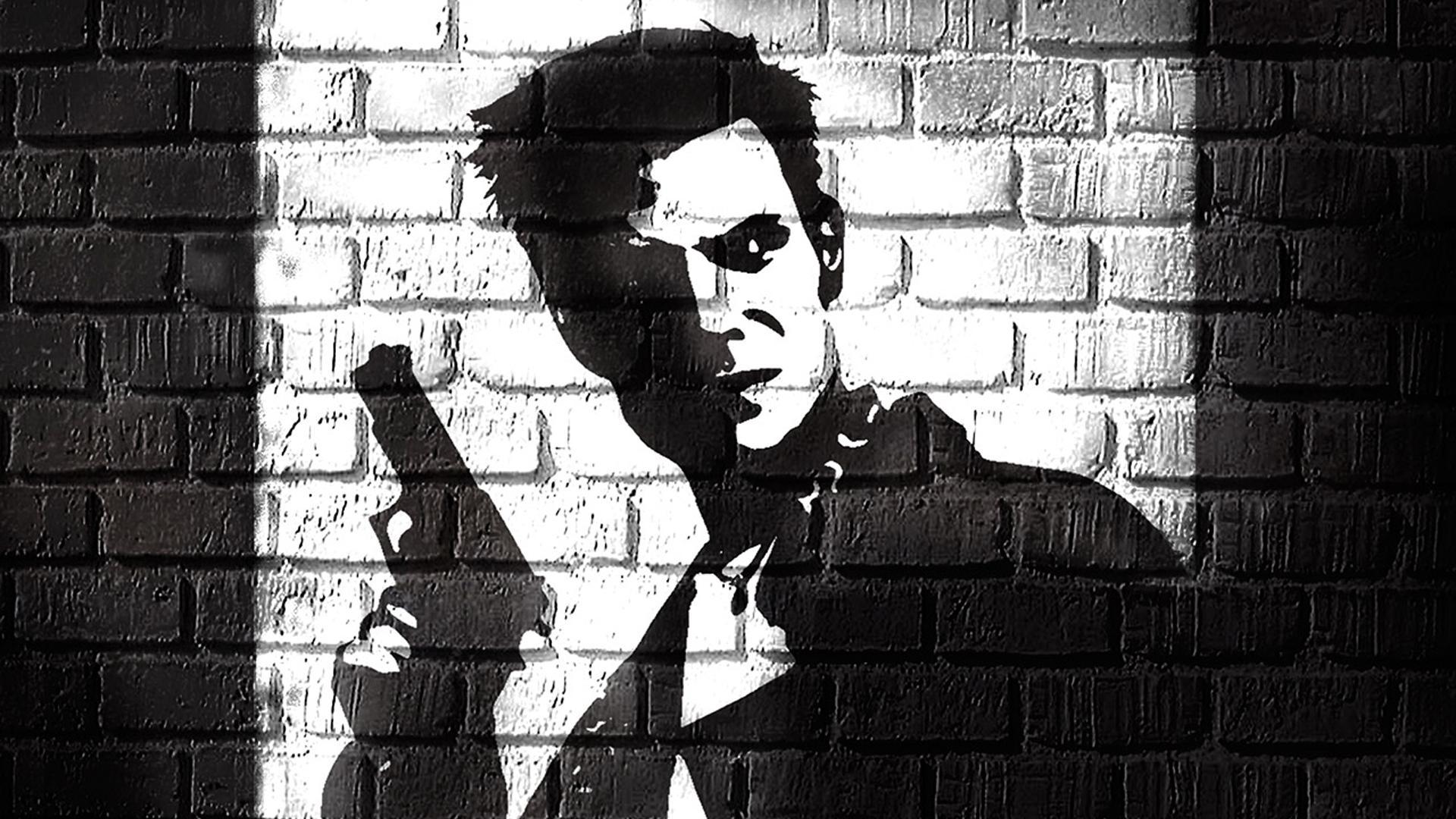
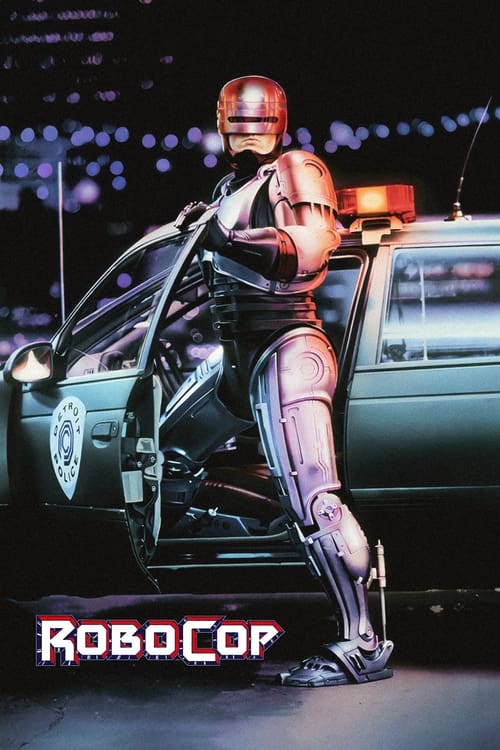
Games are uniquely suited to the vigilante fantasy because they hand you the gun and make you pull the trigger, which means the genre's central moral problem stops being abstract. The Batman: Arkham trilogy is the high-water mark: it understands that Batman's entire deal is refusing to kill while beating dozens of men unconscious, and the combat is built to make that contradiction feel like a discipline rather than a loophole. RoboCop: Rogue City goes the other way, letting you be a literal machine of street justice in a Detroit that has given up, and it is smarter about police violence and corporate rot than a licensed shooter has any right to be.
Then there is the morality slider. inFamous and its sequel Second Son build the choice into the engine: be the protector the city needs or the tyrant it fears, and watch the world reshape itself around what you decide. That is the vigilante question made interactive. No film can ask it the way a game can, because no film makes you answer it yourself.
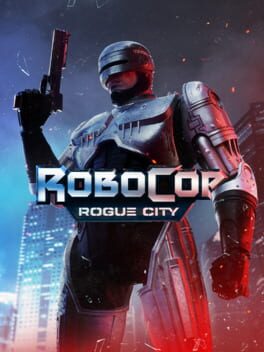
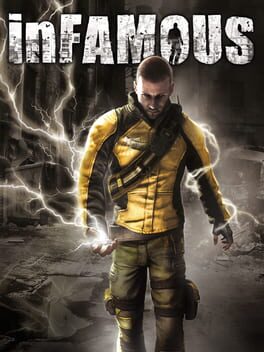
Street justice you control
Arkham, inFamous, RoboCop and the open cities where you decide who pays
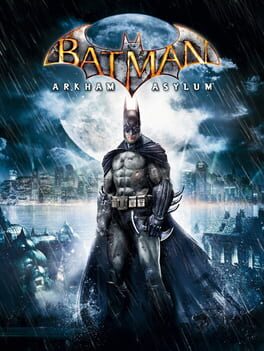
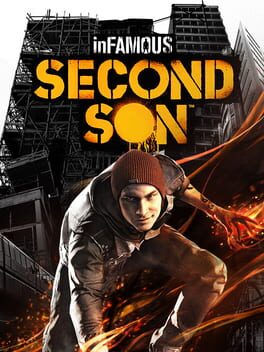
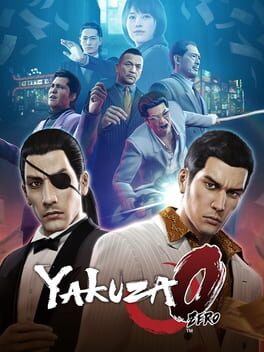
The page is where it started, and where it stays sharpest
The vigilante was a literary figure before he was a movie star. Brian Garfield wrote Death Wish as a novel in 1972 and spent the rest of his life dismayed that the film turned his cautionary tale about a man's moral collapse into a crowd-pleasing revenge fantasy. The book is the corrective: it is appalled by Paul Kersey, where the films increasingly were not. That gap between intent and reception is the whole genre in miniature.
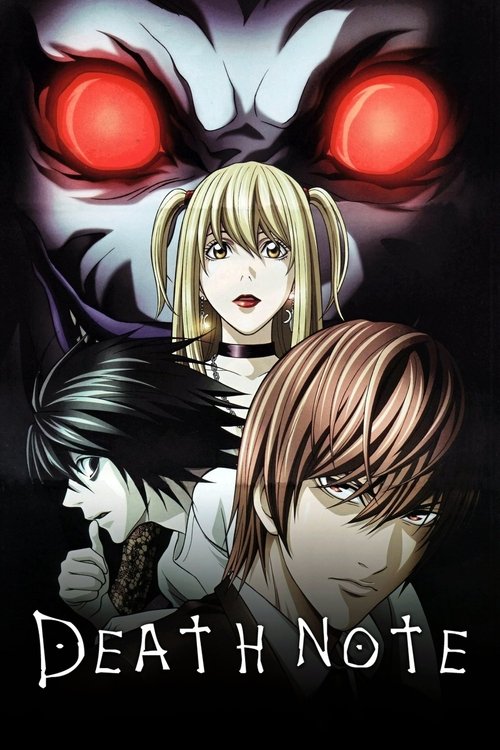
Comics took the idea and ran. Alan Moore's V for Vendetta put a mask on anarchism and asked whether a man who blows up Parliament is a freedom fighter or a terrorist, and refused to answer. James O'Barr's The Crow turned grief into gothic revenge poetry. And on the other side of the world, Death Note gave us Light Yagami, a brilliant student who finds a notebook that kills anyone whose name he writes in it and promptly appoints himself god of a new world. It is the purest vigilante story ever told, because it strips away the gun and the fists and leaves only the will to judge.
Vigilantes on the page
Garfield, Moore, O'Barr and the manga that made judgment a god complex


Kick-Ass is the genre laughing at itself, and meaning it
Mark Millar's Kick-Ass asks the obvious question nobody in the genre wants to: what actually happens when a normal teenager with no powers and no training decides to be a superhero? The answer is that he gets stabbed and hit by a car almost immediately, and that honesty is the joke and the heart of it. The 2010 film keeps the satire but can't resist also being a genuinely thrilling action movie, which is the contradiction at the center of every vigilante story made for entertainment. We mock the fantasy and we indulge it in the same breath.
Hit-Girl is the real provocation. An eleven-year-old trained from birth to kill is either the most disturbing image in the genre or its most cathartic, depending on the minute. Kick-Ass 2 loses some of the first film's nerve, but the original remains the sharpest comedy the genre has produced, precisely because it knows the fantasy is absurd and refuses to fully let it go.
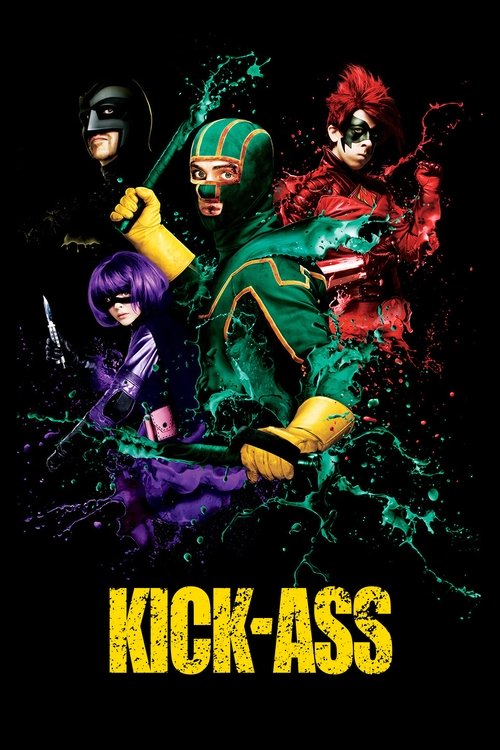
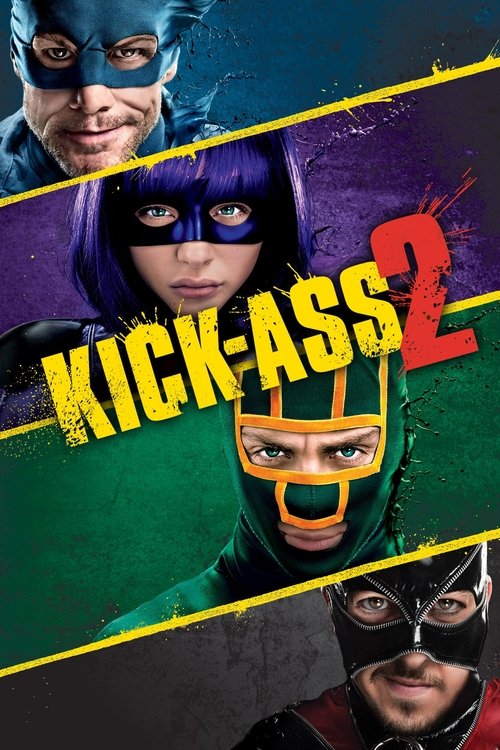
Pulp, neon and the comic-book end of the street
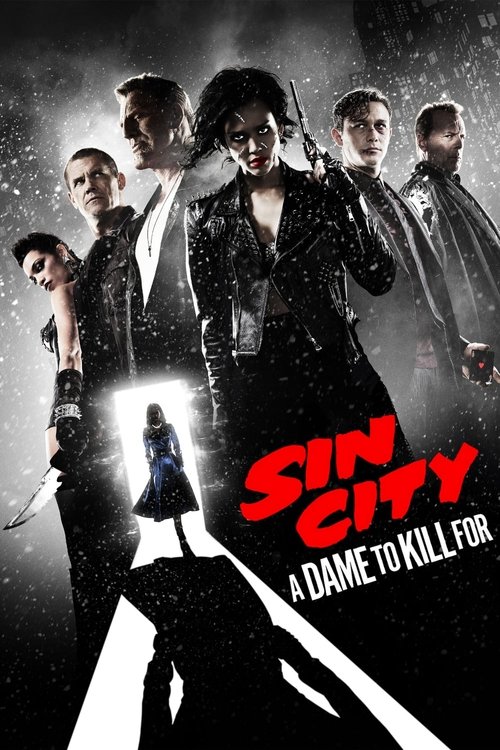
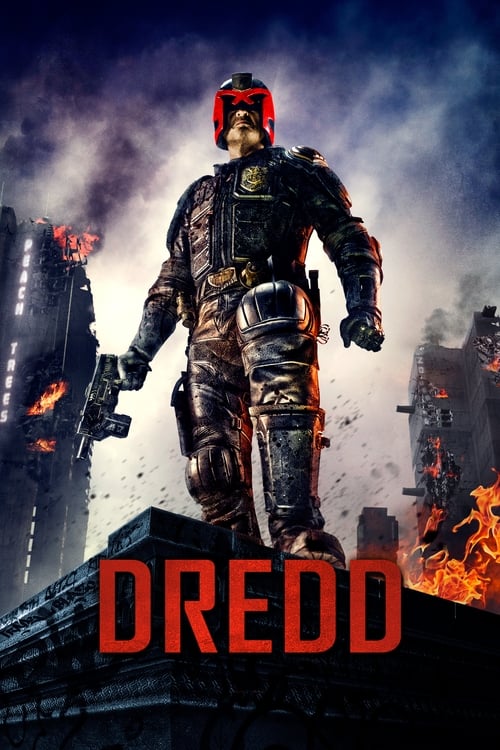
Sin City, Dredd, Joker, RoboCop and the stylized cities where the law gave up
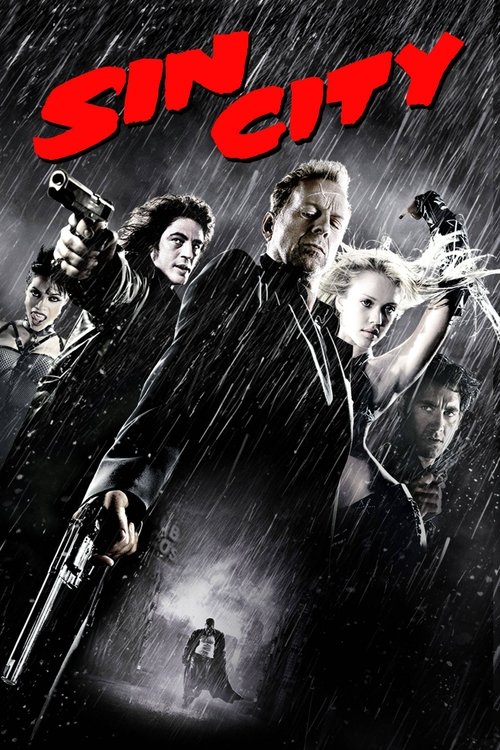
The sound of the rampage
From Phoebe Bridgers to the score that gave Gotham its dread