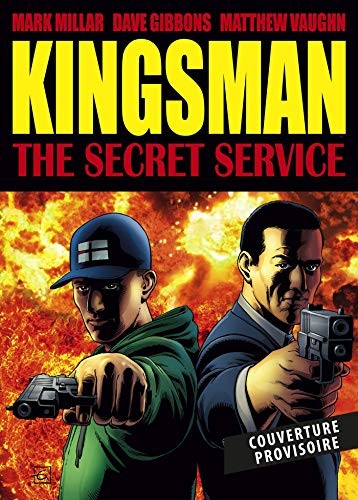

The Kingsman franchise arrived in 2014 as a love letter to spy cinema that also happened to be a corrective slap. Matthew Vaughn and writer Jane Goldman adapted Mark Millar and Dave Gibbons's comic The Secret Service into something gleefully irreverent: a secret British spy agency hidden behind a Savile Row tailor shop, populated by gentlemen killers with impeccable manners and zero mercy. What made it stick was the tension between those two registers. The films play the action absolutely straight while the premise stays knowingly ridiculous, and that gap is where all the pleasure lives. Three films, one prequel series, a spin-off in development, and a graphic novel source, Kingsman has built a coherent universe around the idea that style is armor and violence can be choreographed like a ballet.
Essential Kingsman
The films and source material at the heart of the franchise


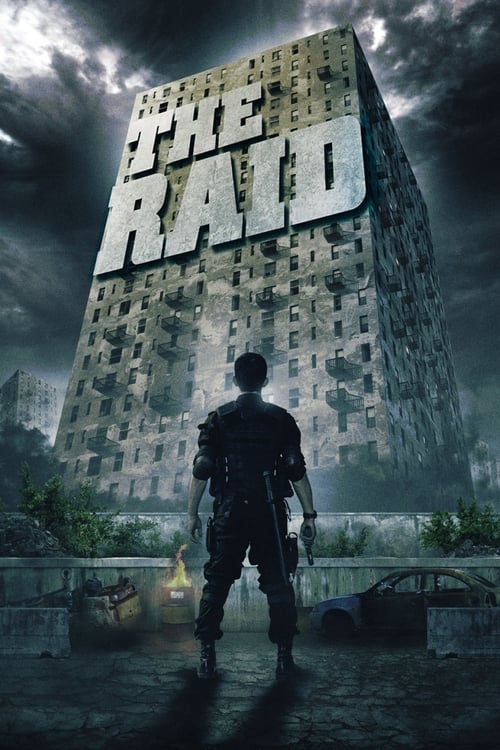
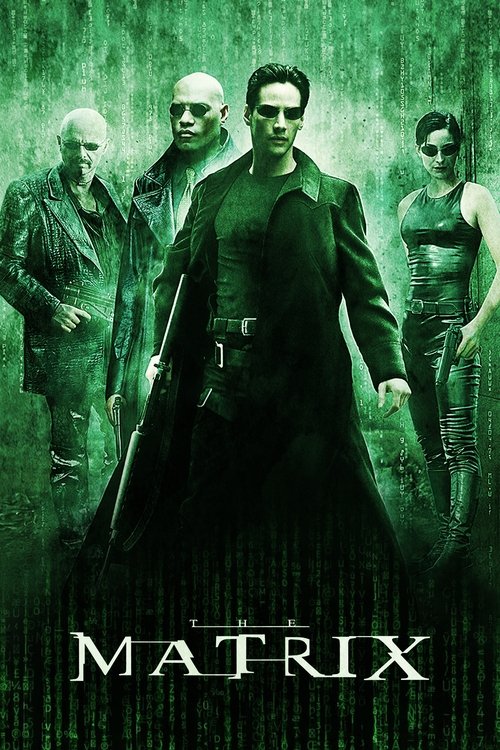
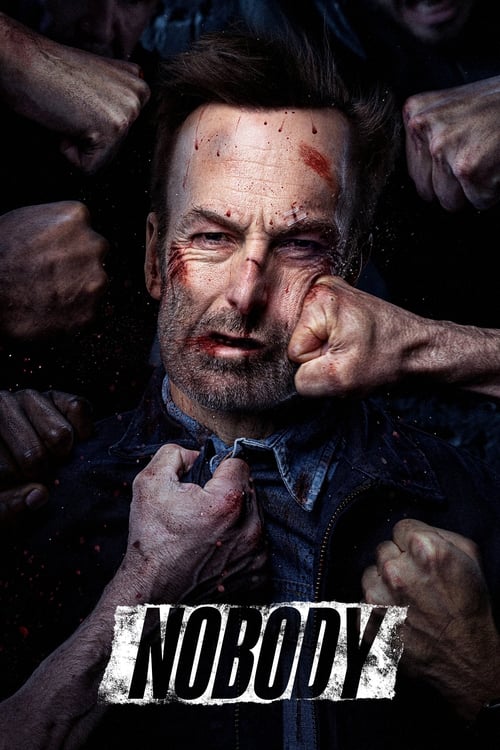
If You Love the Choreographed Carnage
Films and series that treat action as kinetic art



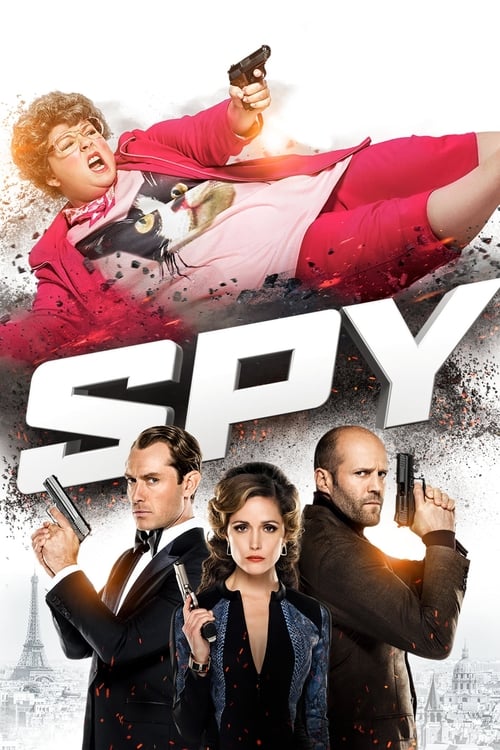
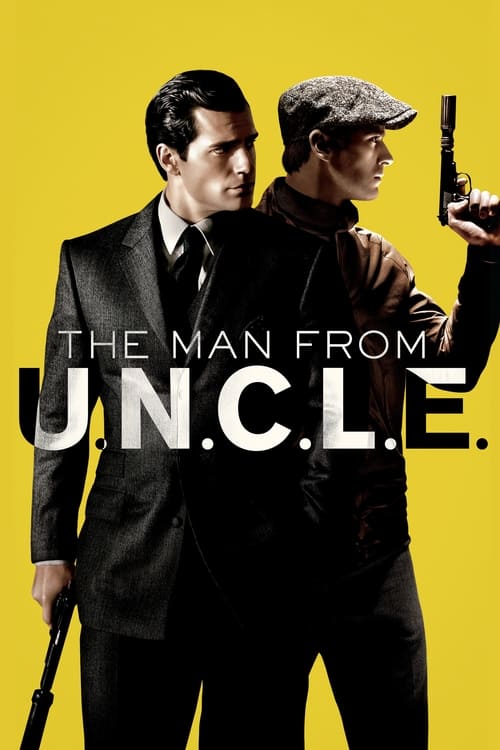
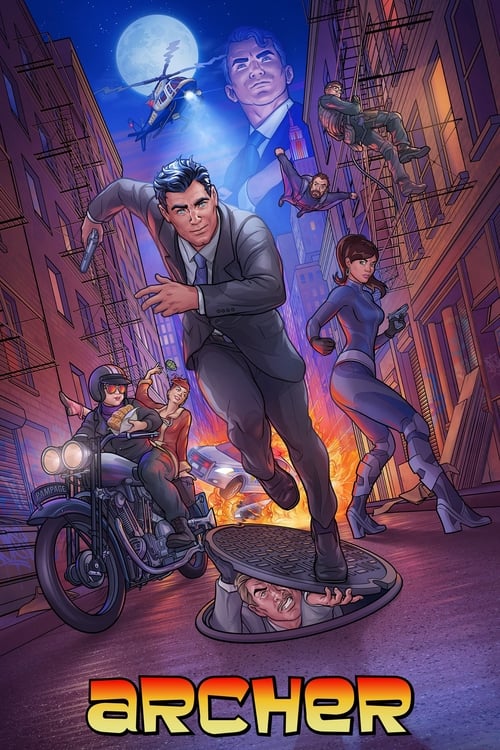
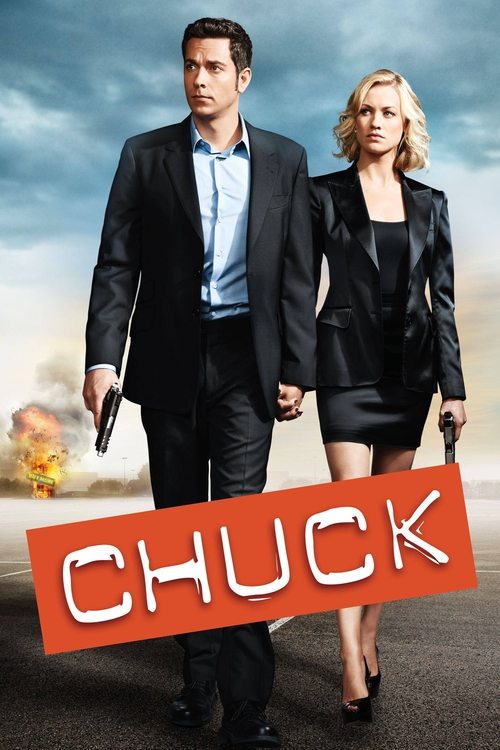
If You Love the Spy Satire
Espionage that winks at its own genre, from screen to page
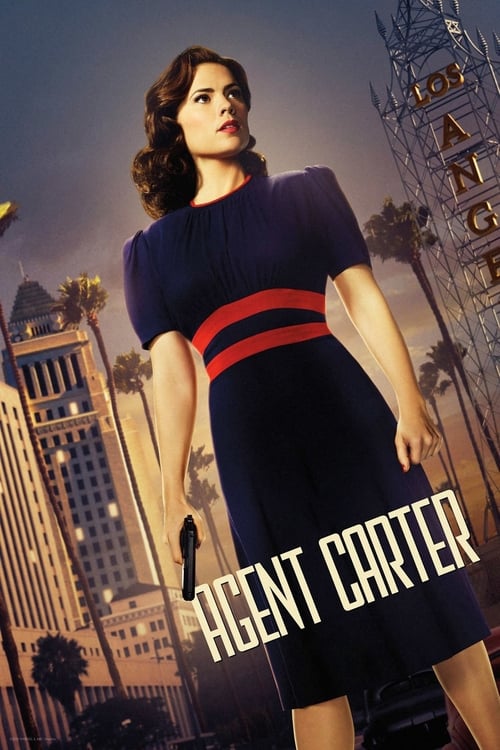


If You Love the British Class Inversion
Stories about outsiders crashing exclusive institutions and reshaping them

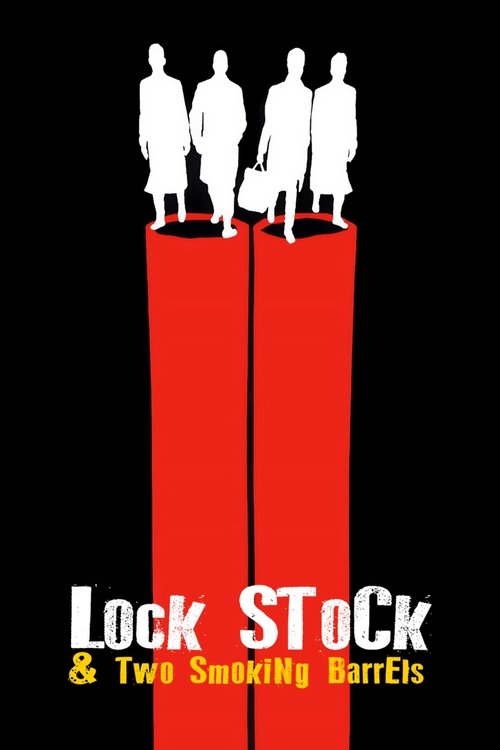

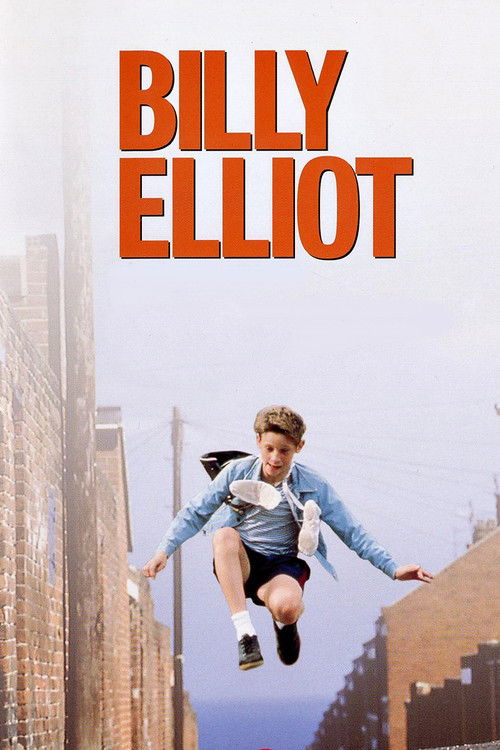
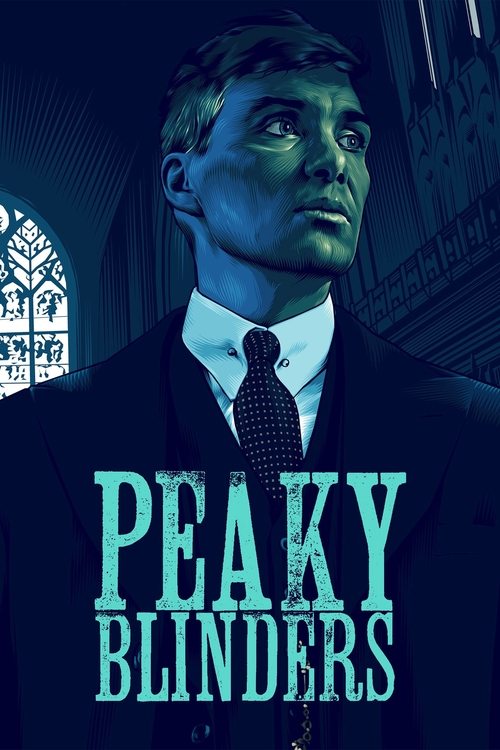


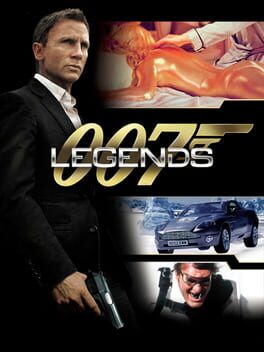
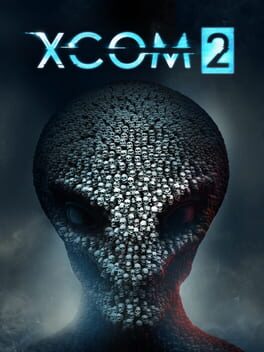
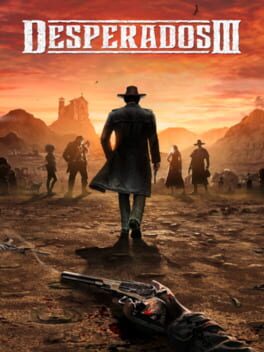
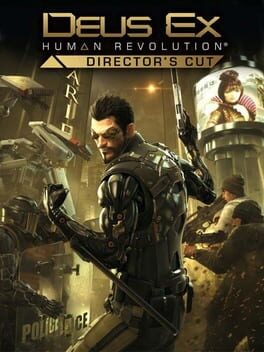
Spy Games Worth Playing
Games that share Kingsman's mix of tactical cool and stylized violence

Music That Fits the Suit
Albums and artists whose swagger matches Kingsman's frequency
The Church Scene Changed the Language of Action
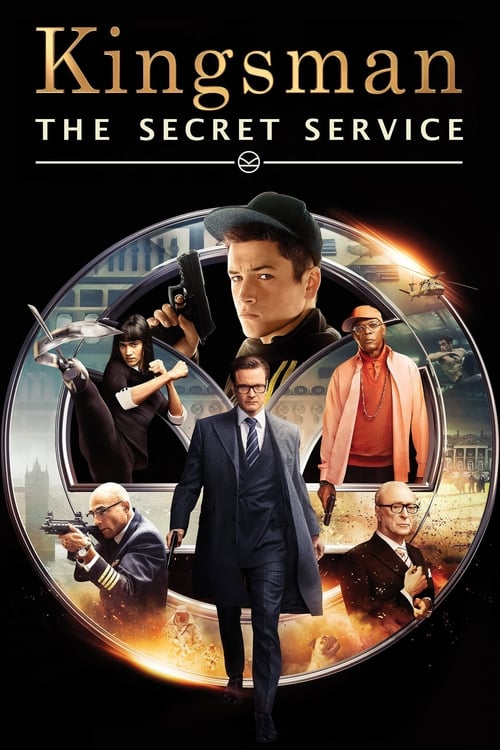
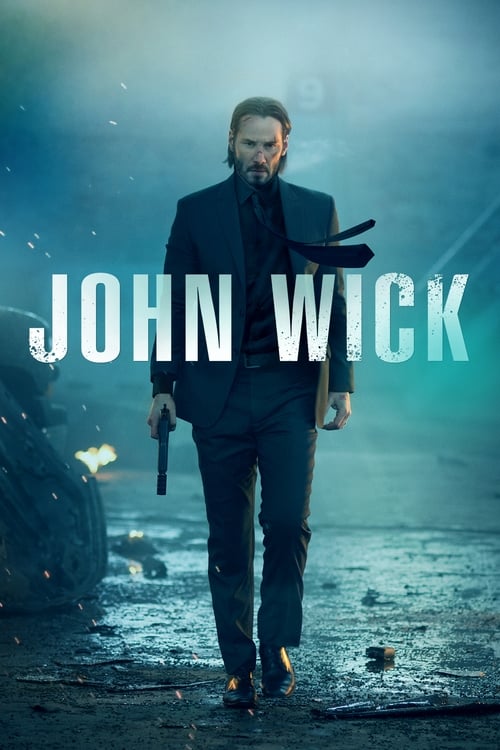
The Free Will Baptist Church sequence in The Secret Service is the most formally inventive action scene of the 2010s. Shot as a near-unbroken take with a whip-pan score by Henry Jackman and Matthew Margeson, it turned hyper-violence into something closer to performance art. The sequence forced every subsequent action film to reckon with what choreography actually means when cameras can follow a body through a crowd without cutting. Its influence is all over John Wick's Continental shootouts and the Atomic Blonde stairwell.
The King's Man Was the Franchise Finding a Third Gear
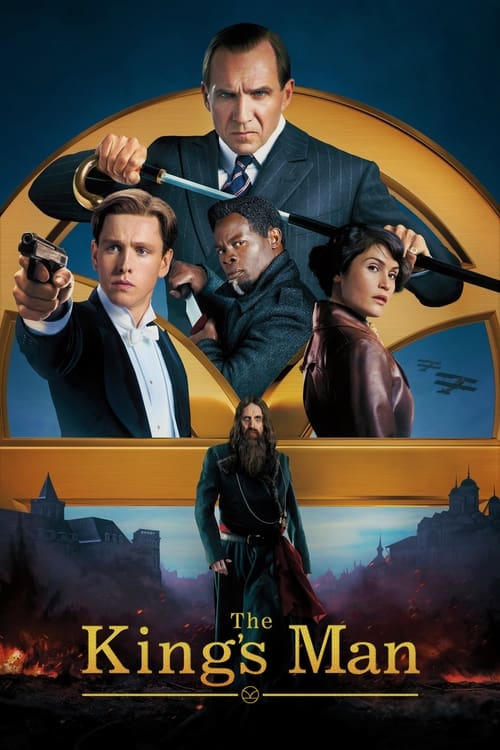
The 2021 prequel repositioned Kingsman from comic romp to something bleaker: a story about how the gentleman ideal calcified in grief and imperial hubris. Set against WWI and actual historical figures handled with obvious dramatic license, it asked what these institutions cost the men who built them. It is messier than the first film and more interesting for it. The franchise earned the right to be complicated.

Mark Millar Knew Exactly What He Was Deconstructing
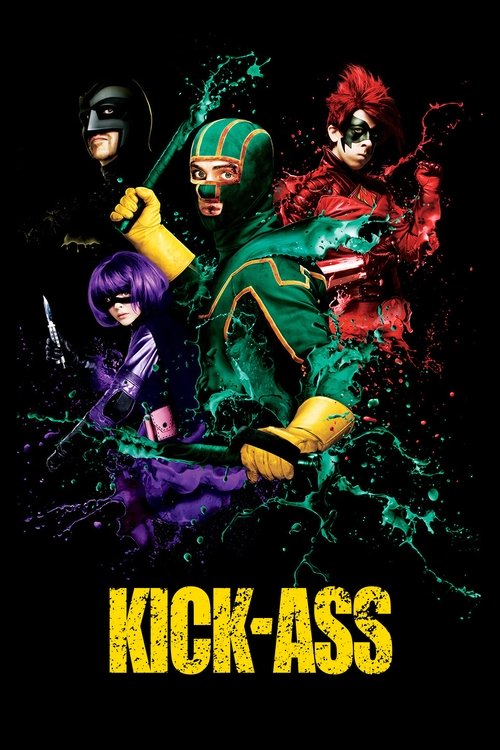
The Secret Service comic (Millar and Dave Gibbons, 2012) predates the film and reads as a more cynical document: class is a trap, the institutions are rotten, the spy fantasy is class warfare in a tuxedo. Vaughn's adaptation softened that into something more lovable, but the original source remains the sharper object. Millar's Kick-Ass covers similar ground from a superhero angle: wish fulfillment fiction interrogating why we want what we want.
The Villain Monologue Has Never Been More Self-Aware
Samuel L. Jackson's Valentine explaining his plan while eating a McDonald's burger is one of the decade's best gags about its own genre. The Kingsman franchise understood that the Bond villain monologue is absurd, leaned all the way in, and made the absurdity the point. The Golden Circle's Poppy Adams (Julianne Moore) carries the same energy: cheerful malevolence dressed in Americana kitsch. These villains work because they are as costume-conscious as the heroes.
Kingsman: A Franchise Chronology
- 2012The Secret Service comic debuts from Millar/Gibbons at Marvel/Icon The Secret Seven
- 2015Film adaptation opens, the church scene goes viral overnight Kingsman: The Secret Service
- 2017Sequel expands to a transatlantic Statesman partnership in the US Kingsman: The Golden Circle
- 2021WWI-era prequel reveals the origins of the Kingsman organization The King's Man
- 2024The King's Man spin-off series announced for Disney+
Spy cinema with style and swagger
Spies & Espionage
Explore the Spies & Espionage guide →Manners maketh man. And the man who forgets his manners had better know how to run.Kingsman: The Secret Service