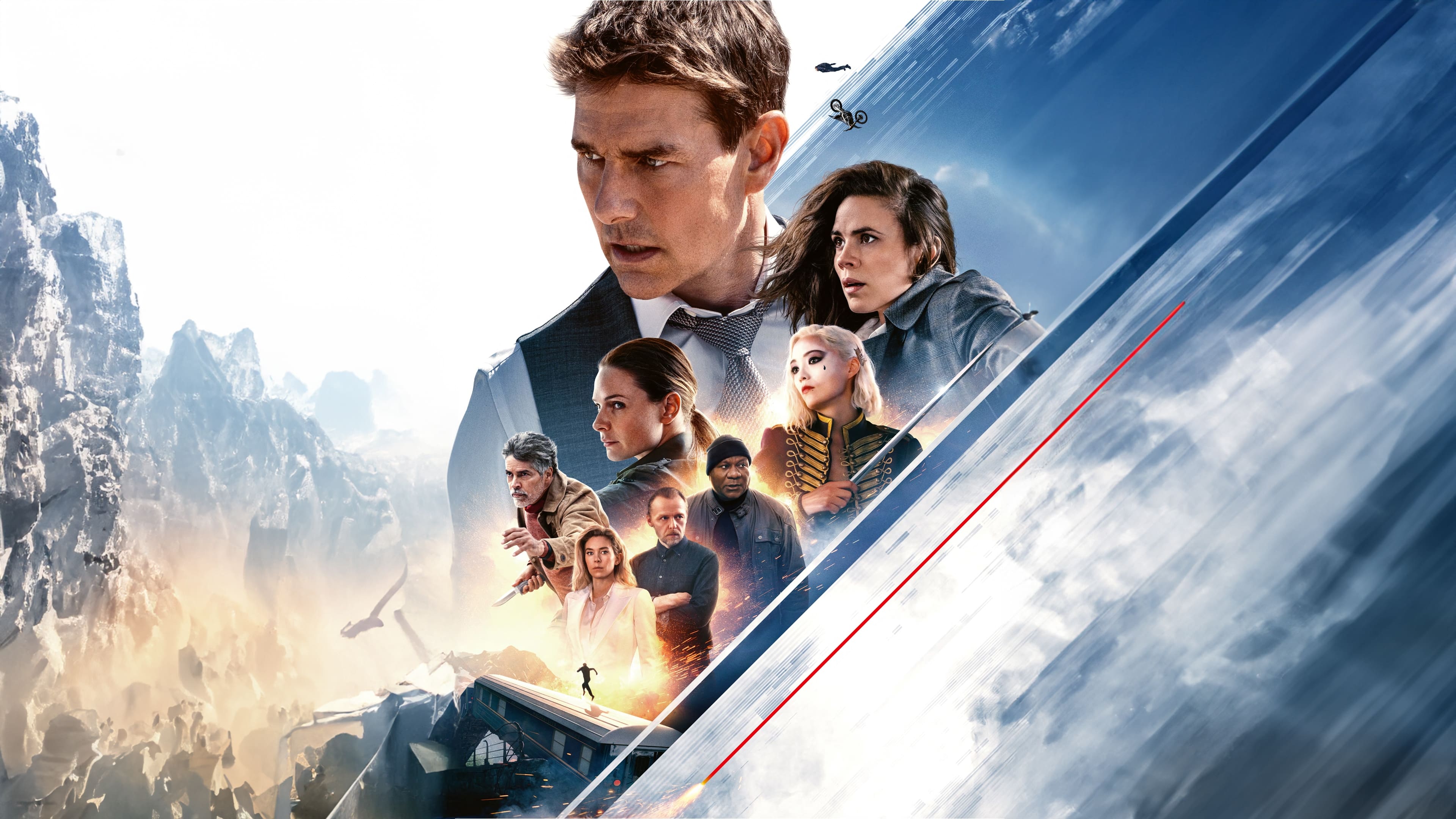

Mission: Impossible began as a Cold War TV anthology in 1966 and mutated, forty years later, into one of cinema's great action franchises. What binds every iteration is a specific promise: the plan will fall apart, the team will improvise, and Ethan Hunt will do something physically inadvisable to save the world anyway. Brian De Palma's 1996 film set the template (paranoia, identity switches, a very memorable aquarium), and successive directors including John Woo, J.J. Abrams, Brad Bird, and Christopher McQuarrie have each pushed the formula harder without breaking it. What keeps the series vital is its commitment to the craft of spectacle: practical stunts, real locations from Vienna to Casablanca to the Himalayas, and a lead actor who insists on doing the dangerous thing himself. The through-line a fan loves is not just action but precision under pressure combined with stylish teamwork and a plot that expects you to keep up.
Essential Mission: Impossible
The franchise's own films, ranked by ambition
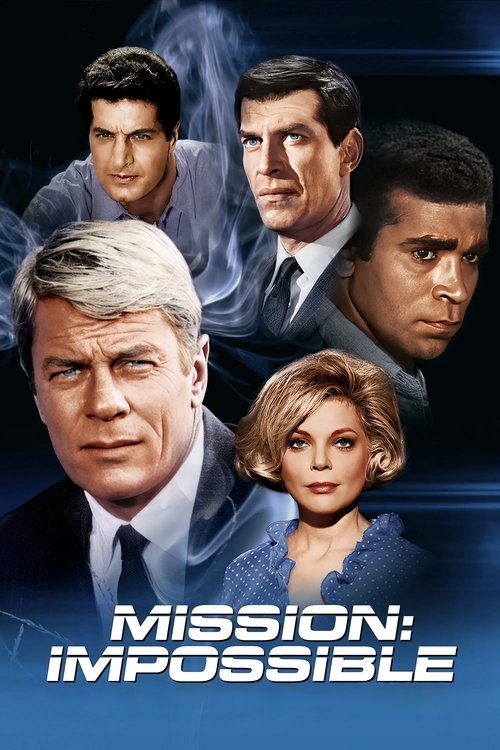
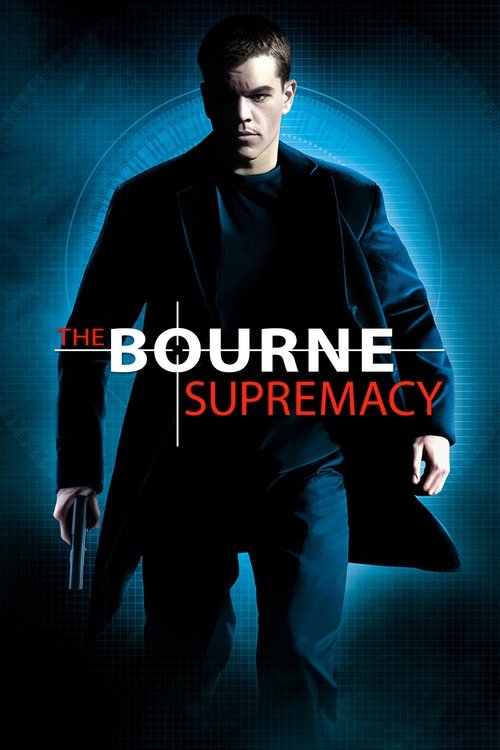
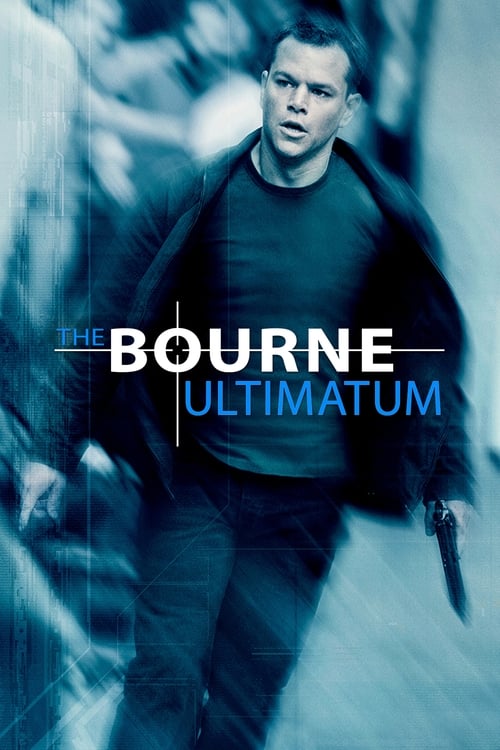
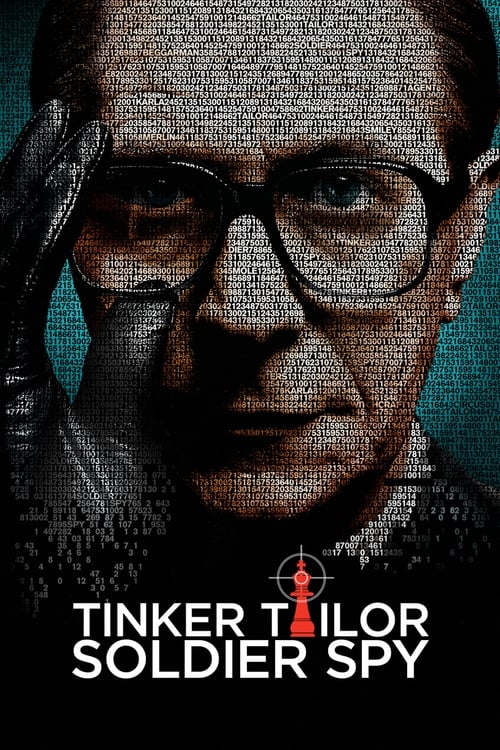
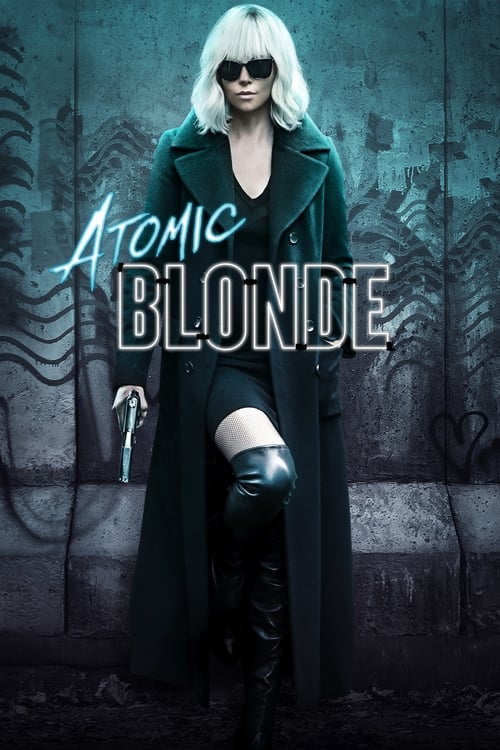
Same-DNA Spy Thrillers
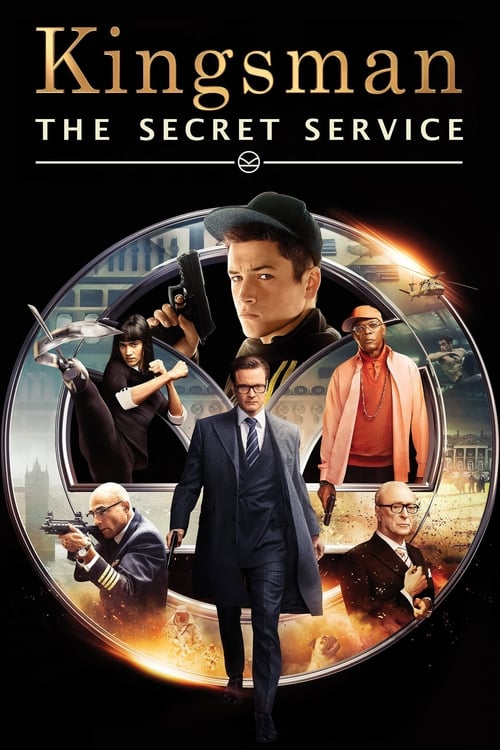
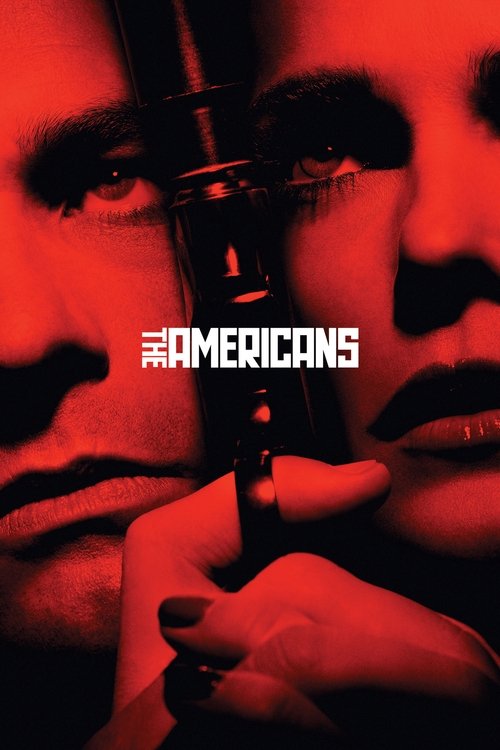
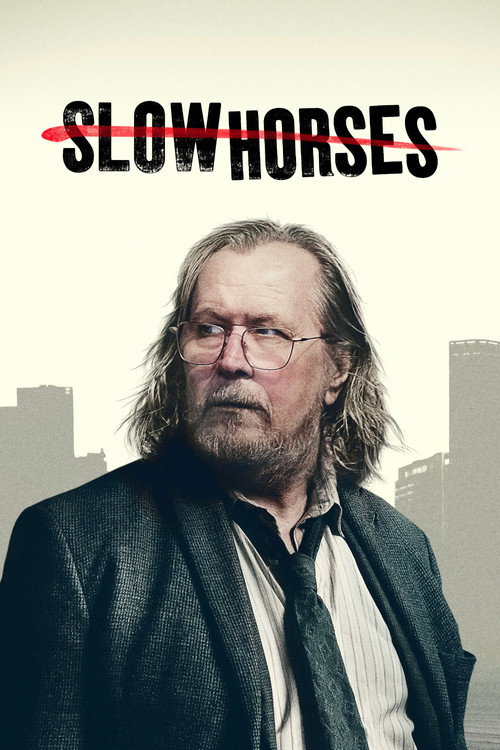
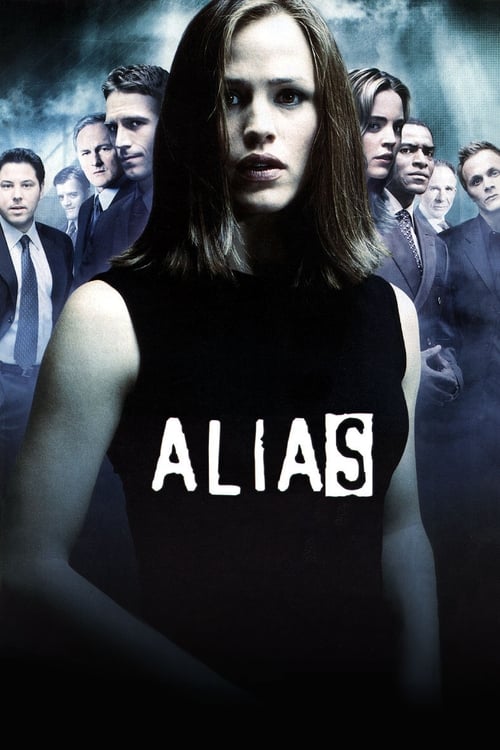
Films and series that share the globe-hopping tradecraft and precise set-piece DNA
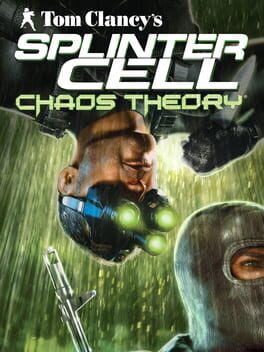
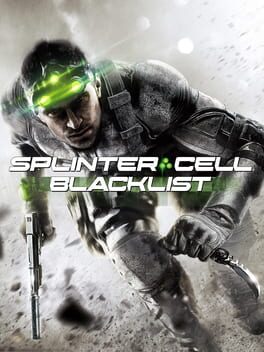
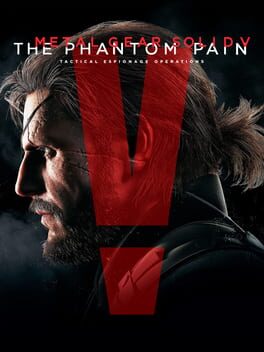
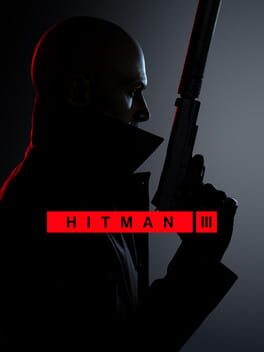
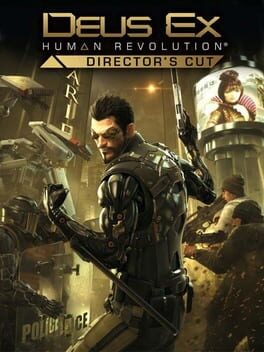
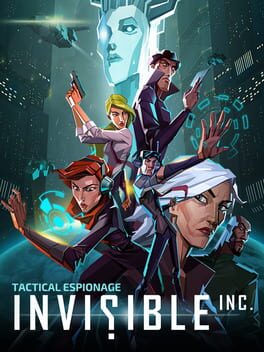
Precision Action: Games with the Same Pulse
Stealth, infiltration, and split-second decision-making under fire

Spy Fiction on the Page
Novels that deliver the same mix of tradecraft, paranoia, and field improvisation


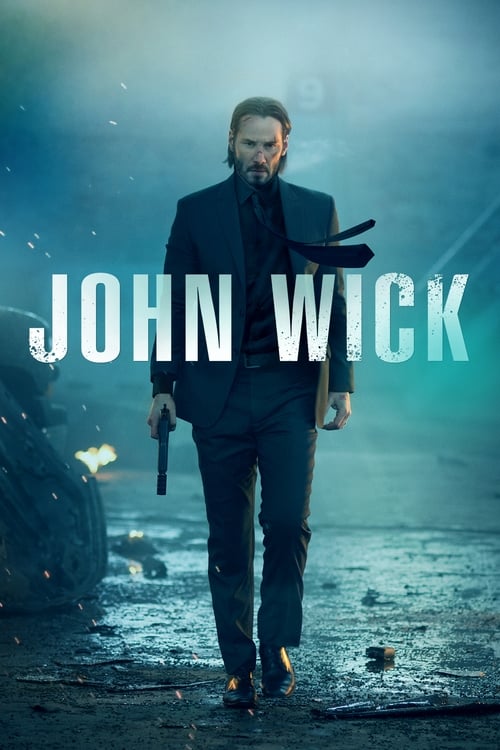
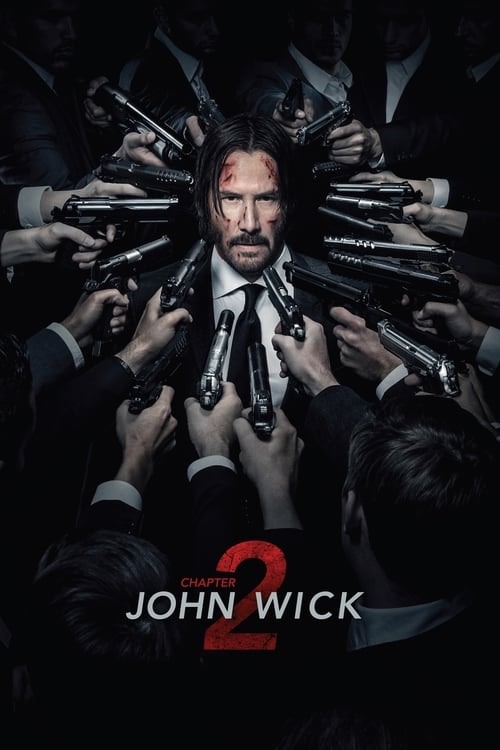
Big-Franchise Energy
Action universes built around set-piece escalation and returning ensemble casts

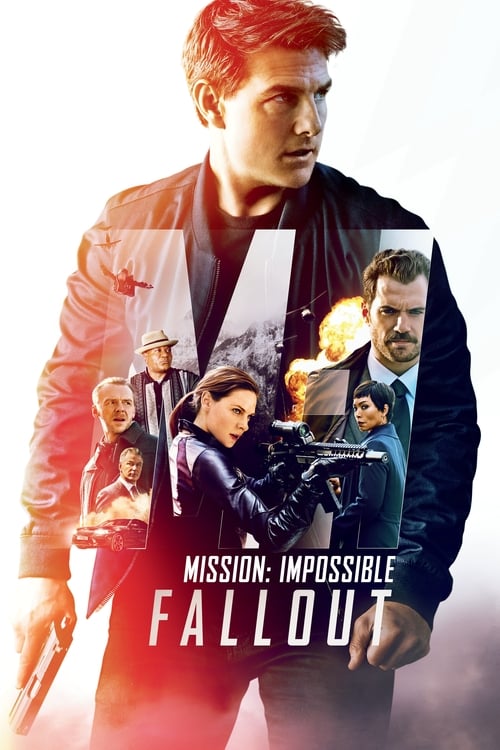
Fallout Is the High-Water Mark of Modern Action
Mission: Impossible - Fallout (2018) is the rare action sequel that earns its two-and-a-half-hour runtime. Director Christopher McQuarrie turns the fifth film's threads into a tightened garrote here: every callback pays off, the Paris chase is the best motorcycle sequence in recent memory, and the Preikestolen cliff finale is sustained tension at a level most films never touch once. It is also a film that genuinely grapples with the cost of Ethan Hunt's choices, giving Simon Pegg, Rebecca Ferguson, and Ving Rhames real dramatic weight alongside the stunts.
The TV Series Was Smarter Than You Remember
The original Mission: Impossible series (1966-1973) was less about action than about procedure: a team of specialists running a long con against political targets, with the viewer let in on the plan from the start. That structural confidence, building dramatic irony rather than withholding information, made it compulsively watchable and influenced every heist and spy procedural that followed. Peter Graves' Jim Phelps is one of television's great ensemble leaders: calm, resourceful, and almost entirely without ego.
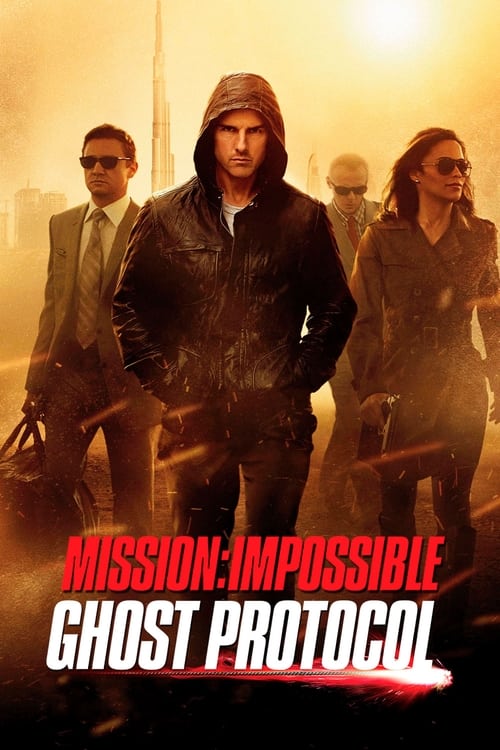
Ghost Protocol Proved the Franchise Could Reinvent Itself
After the mixed reception to Mission: Impossible III, Ghost Protocol (2011) under Brad Bird (his live-action debut) reset expectations entirely. The Burj Khalifa sequence remains a gold standard for practical-effect vertigo, but what the film really understood was that the franchise needed ensemble warmth. Jeremy Renner, Simon Pegg, and Paula Patton turned a one-man-show into a team picture. The IMF disavowed, the gadgets failing at the worst moments: Bird found the comedy inside the tension without defusing it.
The message will self-destruct. The plan almost always does too. That is exactly the point.CrossBinge editors
Mission: Impossible Through Time
- 1966Original TV series premieres on CBS Mission: Impossible
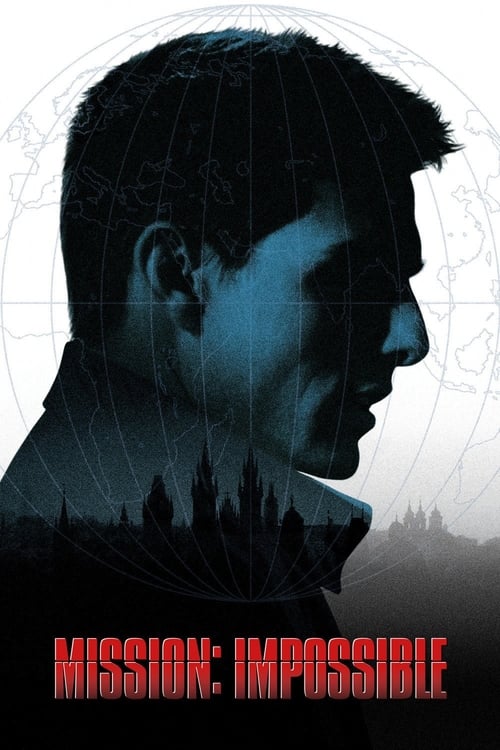
- 1996Brian De Palma's feature relaunch opens the film era Mission: Impossible
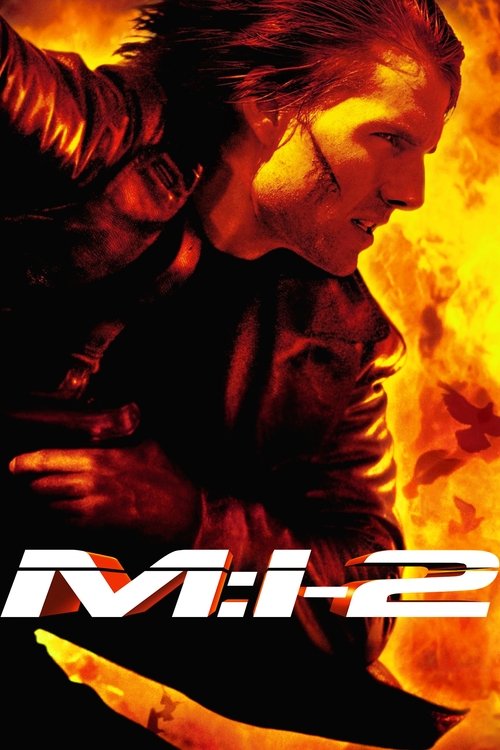
- 2000John Woo's kinetic sequel goes maximalist Mission: Impossible II
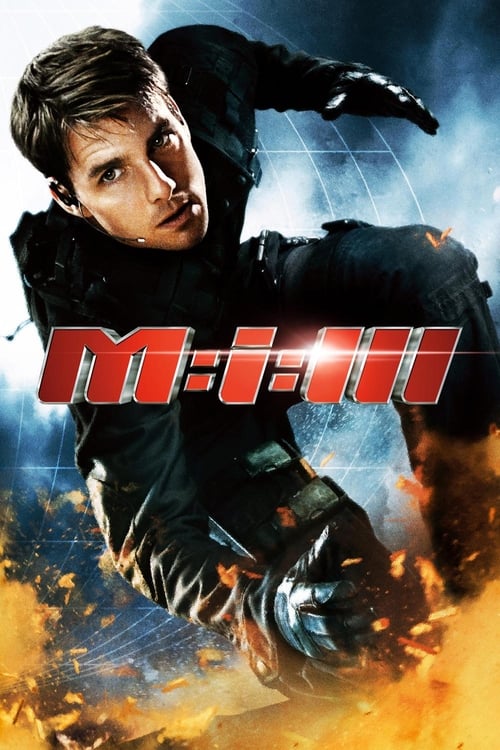
- 2006J.J. Abrams introduces Philip Seymour Hoffman as the franchise's best villain Mission: Impossible III
- 2011Brad Bird's Ghost Protocol redefines practical-stunt cinema Mission: Impossible - Ghost Protocol
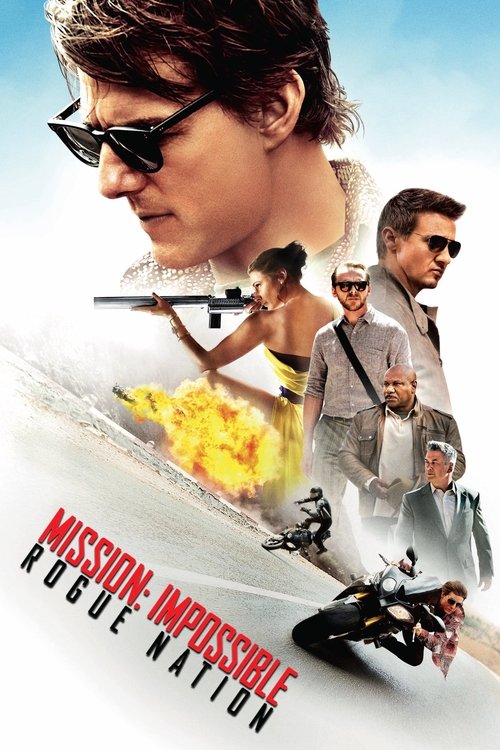
- 2015Rogue Nation introduces Ilsa Faust and the Syndicate Mission: Impossible - Rogue Nation
- 2018Fallout delivers the franchise's most acclaimed entry Mission: Impossible - Fallout
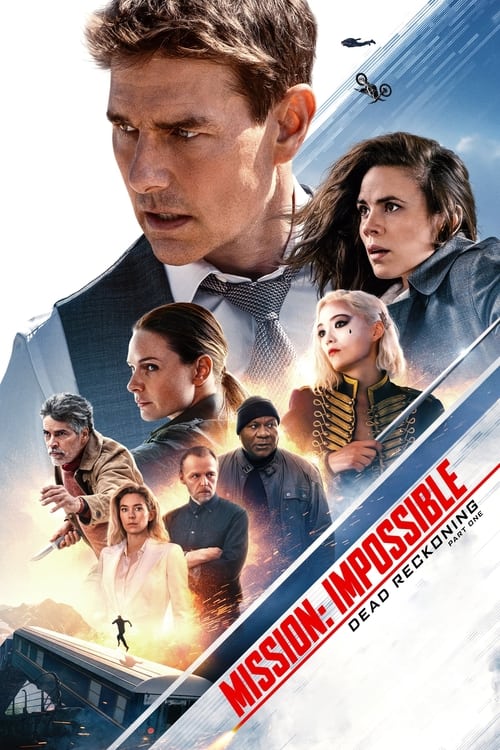
- 2023Dead Reckoning Part One opens the AI-age finale Mission: Impossible - Dead Reckoning Part One