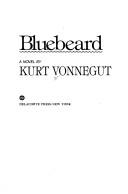

Kurt Vonnegut wrote like a man who had seen the worst thing in the world and decided the only sane response was to laugh, then cry, then laugh again. Surviving the firebombing of Dresden as a prisoner of war gave him a subject he spent decades circling: the absurd machinery of human violence dressed up in the language of necessity and progress. Slaughterhouse-Five cracked that open. But Vonnegut's genius was that he never stayed in one lane. He wrote science-fiction satire (Cat's Cradle, The Sirens of Titan), social farce (God Bless You, Mr. Rosewater), dystopian comedy (Player Piano), metafiction (Breakfast of Champions), and late-career memoir-essays that remain some of the sharpest moral writing of the twentieth century. The through-line a fan loves is the voice: warm, weary, funny, furious, and utterly unwilling to let you look away from the thing the rest of the sentence was trying to make you forget.
Essential Kurt Vonnegut
The novels, the essay collections, and the works that make him Vonnegut.


Vonnegut on Screen
Adaptations and films that translate the absurdist moral vision to cinema.
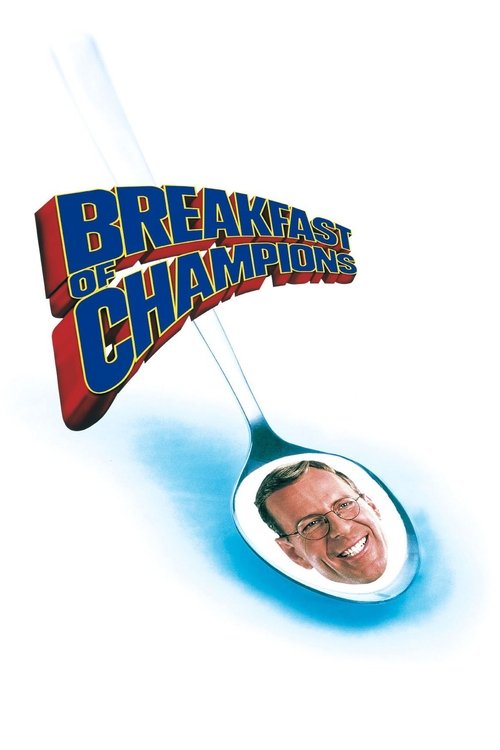

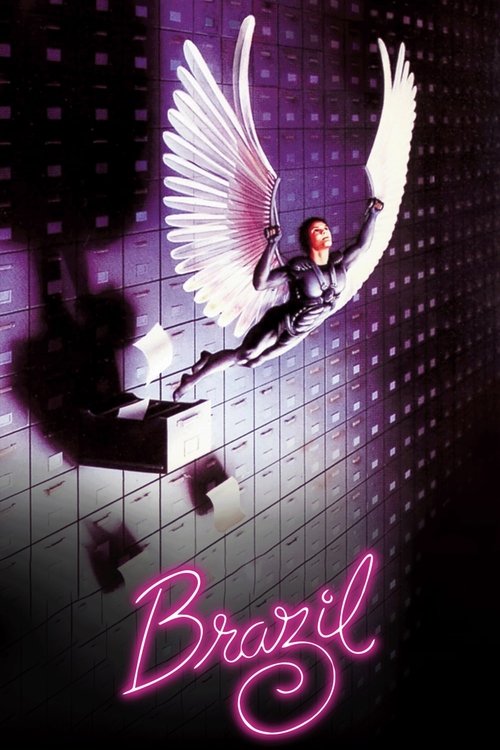
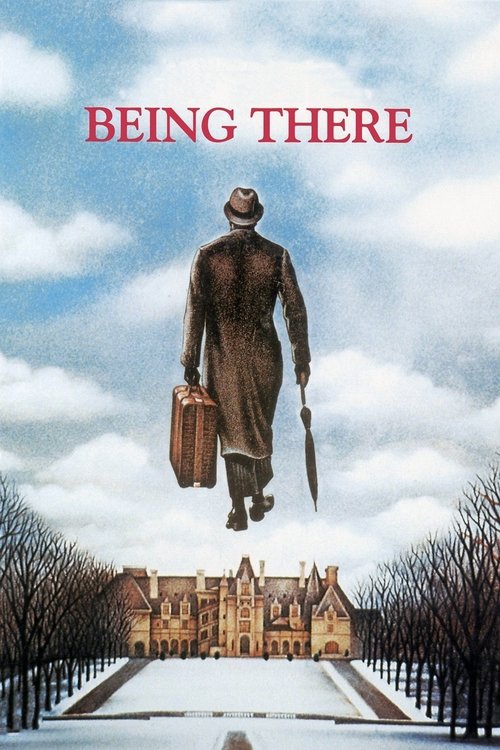
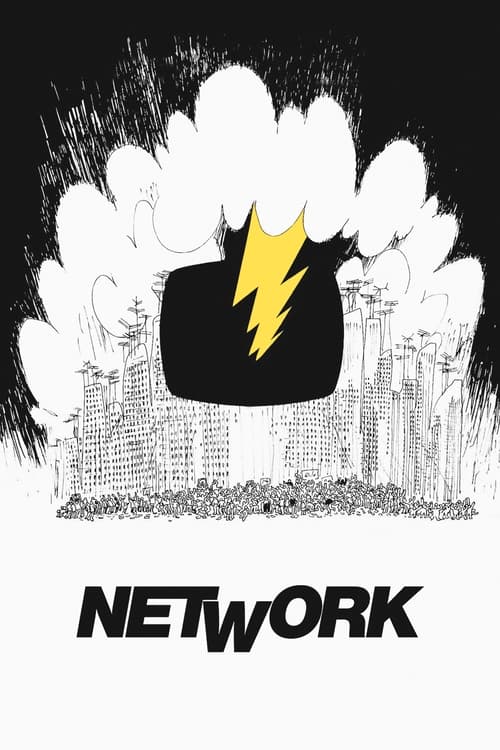
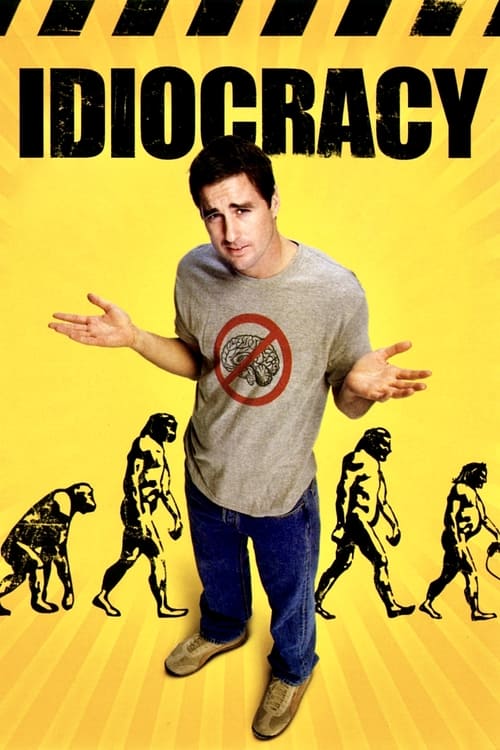
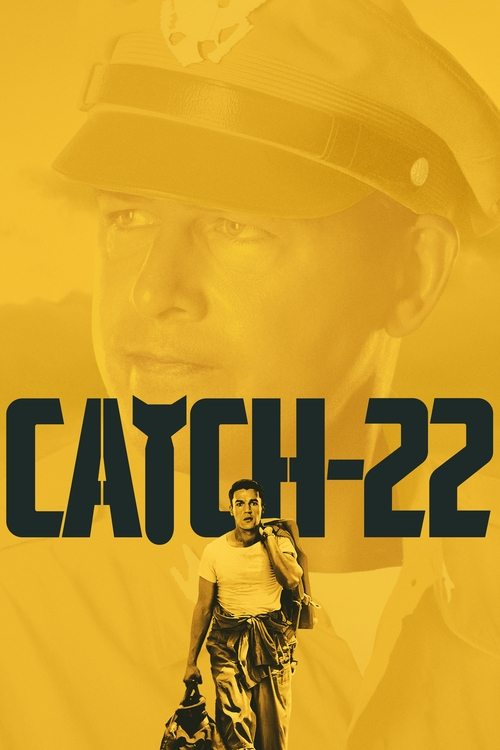
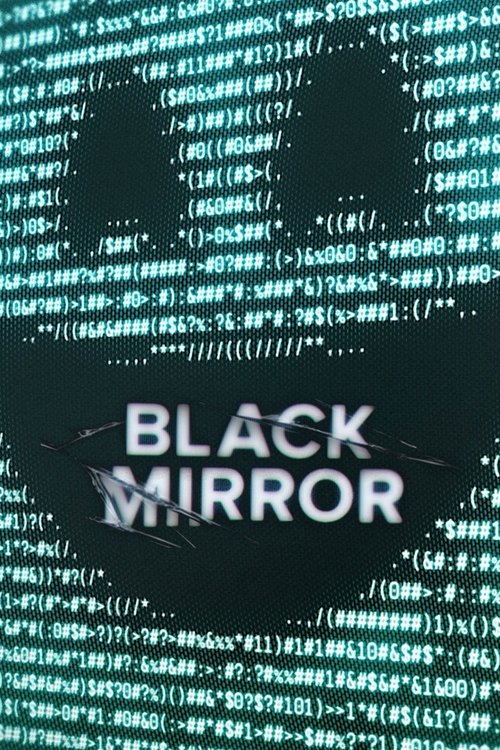
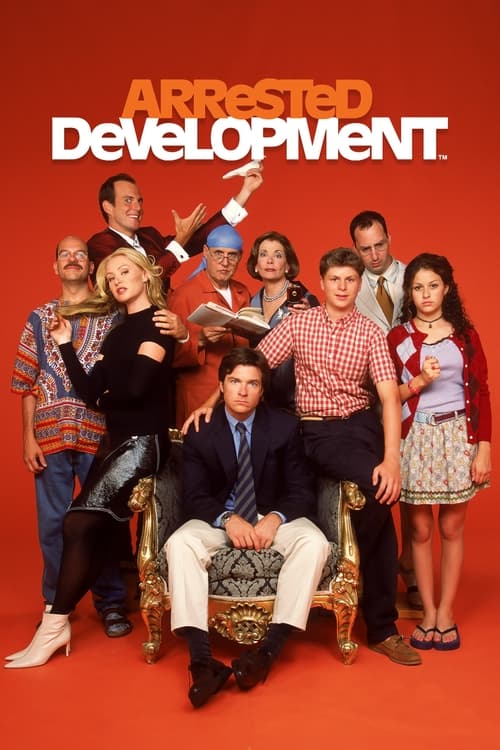
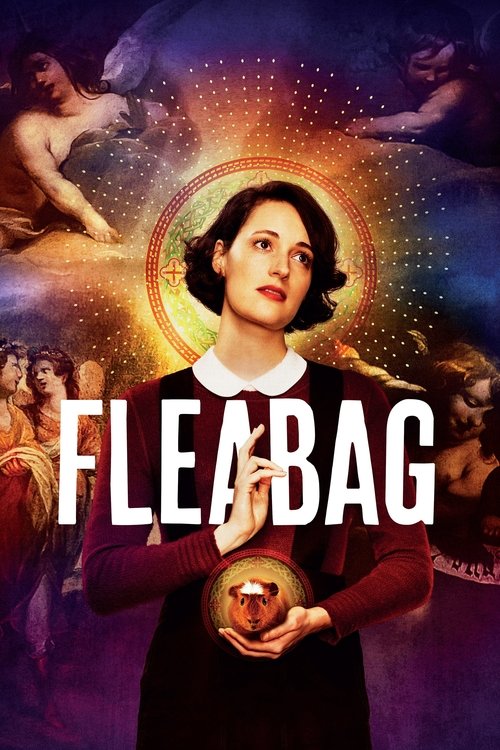
If You Love the Satirical Absurdism: Films and Series
Dark comedies and satirical sci-fi that share Vonnegut's mordant eye on humanity.
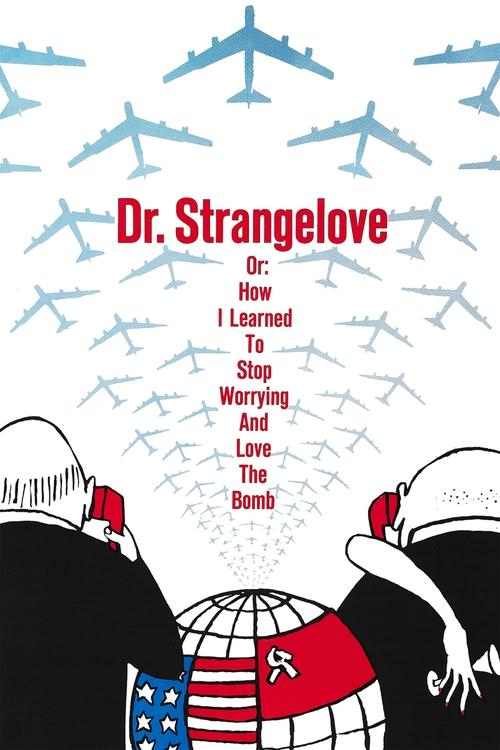
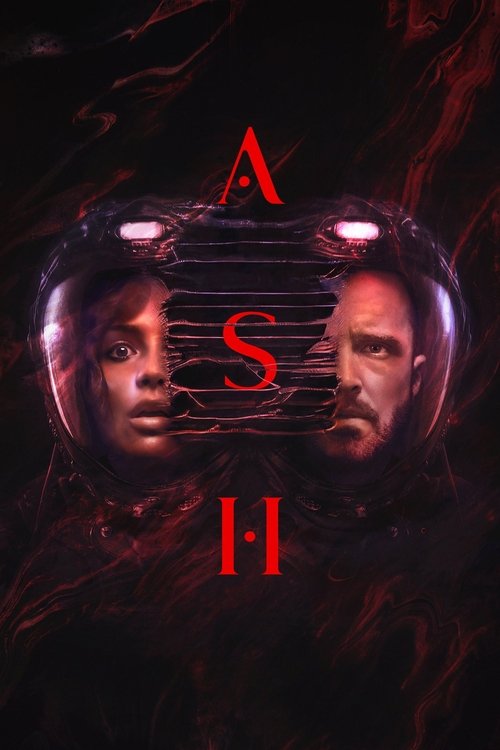

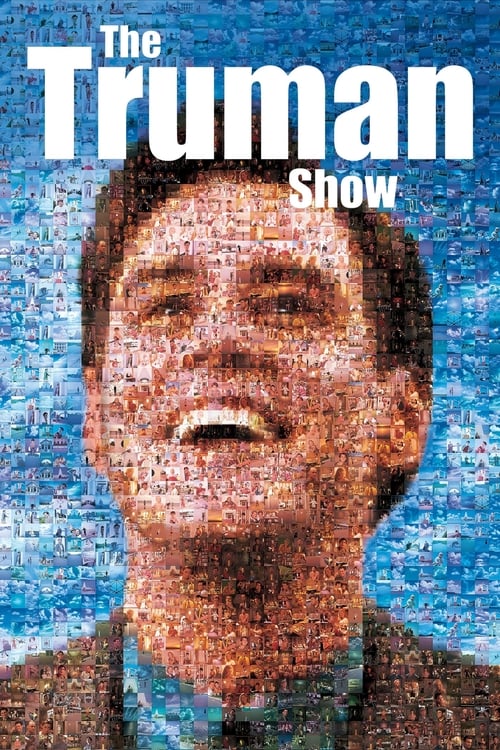

If You Love the Anti-War Humanism: Similar Authors
Writers who match Vonnegut's wit, moral seriousness, and gift for the aside.


If You Love the Sci-Fi Lens on Human Folly: Games
Games with Vonnegut's deadpan social critique, unreliable reality, and dark comedy.
If You Love the Voice: Novels That Talk to You
Books with that same conspiratorial first-person warmth, breaking the fourth wall just enough.


Slaughterhouse-Five Is a War Novel That Refuses to Be One
The novel's time-travel premise is not a gimmick. Billy Pilgrim's unstuck-in-time condition is Vonnegut's honest diagnosis of trauma: the mind refuses to let catastrophic events stay in the past where history insists they belong. The 'So it goes' refrain is not nihilism. It is the sound of a person absorbing an unbearable fact and moving forward anyway. That combination of structural innovation and emotional honesty is what separates Slaughterhouse-Five from every other anti-war novel.

Cat's Cradle Is the Funniest End-of-the-World Novel Ever Written
Ice-nine, Bokonon, and karass are concepts so elegantly invented that readers spend years half-believing they're real. Vonnegut's satire here is aimed at religion, science, and national myth-making simultaneously, and none of them survive with dignity. The novel is laugh-out-loud funny for 200 pages and then lands an ending that makes you put the book down and stare at the ceiling. That ratio is precisely Vonnegut's formula.
Disco Elysium Is the Closest a Game Has Come to the Vonnegut Voice
The comparison is not superficial. Both Vonnegut and Disco Elysium's writers use dark comedy to approach political failure, personal collapse, and historical violence. Both treat ideology as something that can be held up and examined at arm's length, with sympathy and mockery at the same time. Disco Elysium's detective is, in a real sense, a Billy Pilgrim figure: a man unstuck from himself, trying to reconstruct meaning from the wreckage.
Player Piano Predicted the Automation Anxiety We Live With Now
Vonnegut's first novel, written in 1952, imagined an America stratified between a technocratic engineer class and the workers their machines replaced. The satire was so prescient it still reads as contemporary. Player Piano has never been as celebrated as Slaughterhouse-Five, but for readers concerned with labor, purpose, and what we sacrifice for efficiency, it is the one to start with.
A Life in Satire
- 1945Survives the Dresden firebombing as a POW; the experience becomes the core of his major work.
- 1952Publishes Player Piano, his debut novel, a prescient satire of automation and technocracy. Player Piano
- 1959The Sirens of Titan establishes his signature blend of cosmological absurdism and humanist despair. The Sirens of Titan
- 1963Cat's Cradle brings ice-nine, Bokonon, and apocalyptic comedy to the world. Cat's Cradle
- 1969Slaughterhouse-Five is published; it becomes a countercultural landmark and enduring antiwar classic. Slaughterhouse-Five
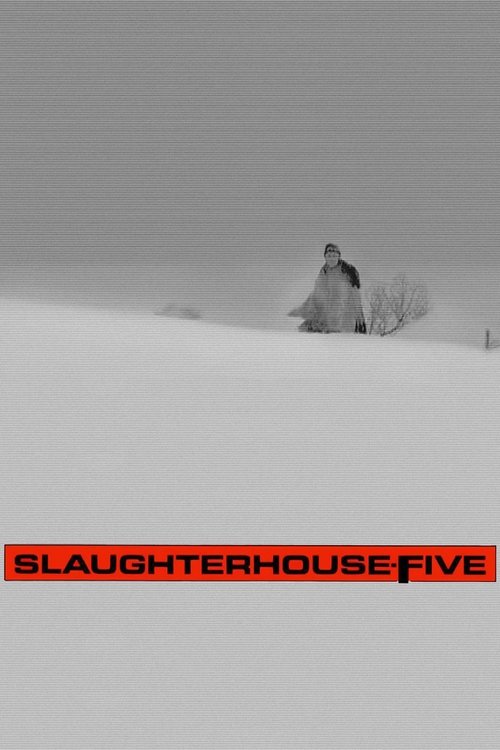
- 1972George Roy Hill adapts Slaughterhouse-Five for the screen. Slaughterhouse-Five
- 1973Breakfast of Champions, a meta-fictional riff on free will and the American dream, is published. Breakfast of Champions
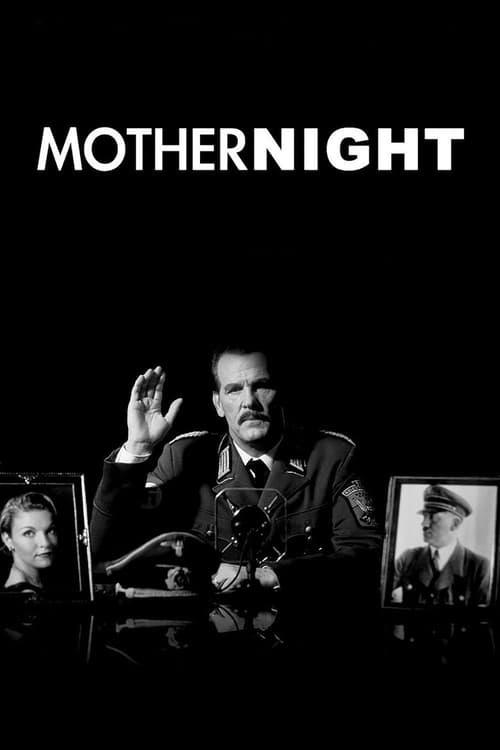
- 1996Mother Night is adapted for film with Nick Nolte in the lead role. Mother Night
- 2005A Man Without a Country, his final book, collects his most direct political essays.
- 2007Vonnegut dies in New York at 84, leaving behind one of the most distinctive voices in American letters.
Absurdist Satire, War, and Free Will
For Fans of Joseph Heller
Explore the For Fans of Joseph Heller guide →We are what we pretend to be, so we must be careful about what we pretend to be.Kurt Vonnegut, Mother Night