
The dystopia is fiction at its most useful. It takes a present-day trend, follows it to its logical conclusion, and hands you the result in the form of a story you cannot look away from. It does not predict the future. It describes the present with the volume turned up.
What separates the societal dystopia from its cyberpunk cousin is the machinery of control: not neon and chrome, but paperwork, ideology and conformity enforced at scale. The boot on the face, the soma tablet in the hand, the red cloak, the card that must be stamped. The horror is not the technology. It is the system, and the ordinary people who make it work.
Essential dystopias
The canon, across every screen and page



The book that built the vocabulary
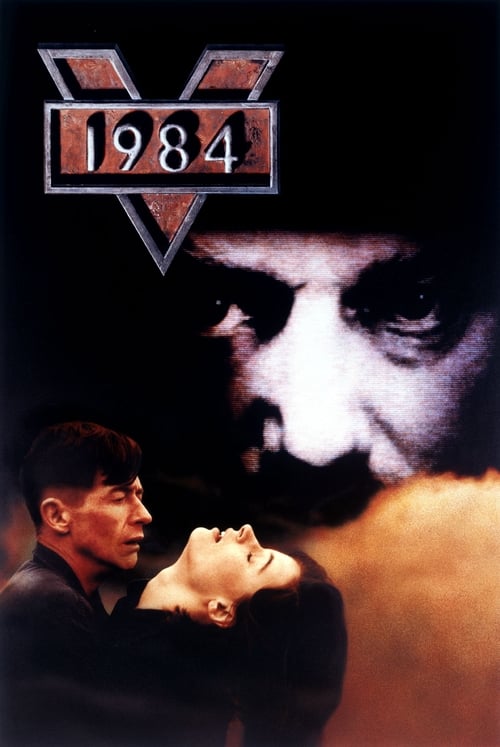
Nineteen Eighty-Four is the only novel that gave a political concept to everyday language. Doublethink, thoughtcrime, Big Brother, Room 101: Orwell's coinages outlived the Cold War ideologies that inspired them, because what he described is not a particular regime but the internal logic of any system that needs to control what people believe. The 1984 film adaptation follows the book faithfully enough to be genuinely unsettling, but the novel remains the source. Read it first. Read it now. Every other work on this page is in conversation with it.
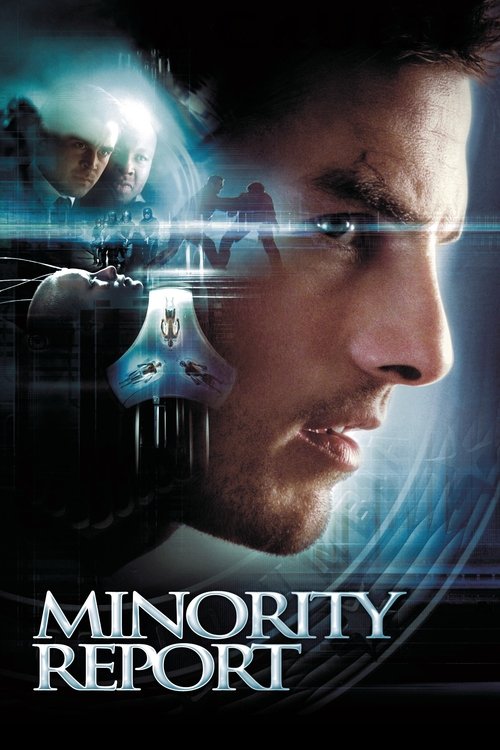
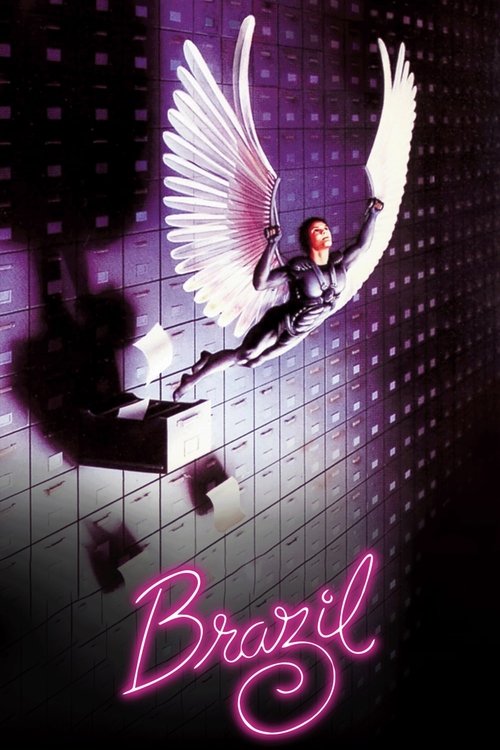
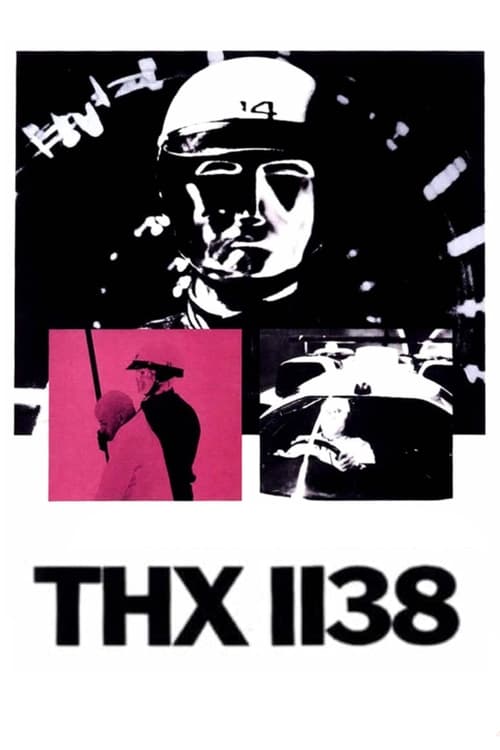
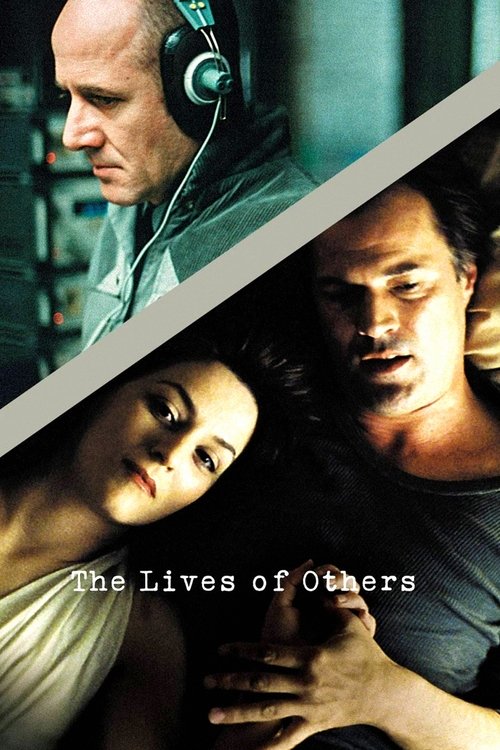
Total control: the surveillance state on film
When every move is watched, every thought is policed

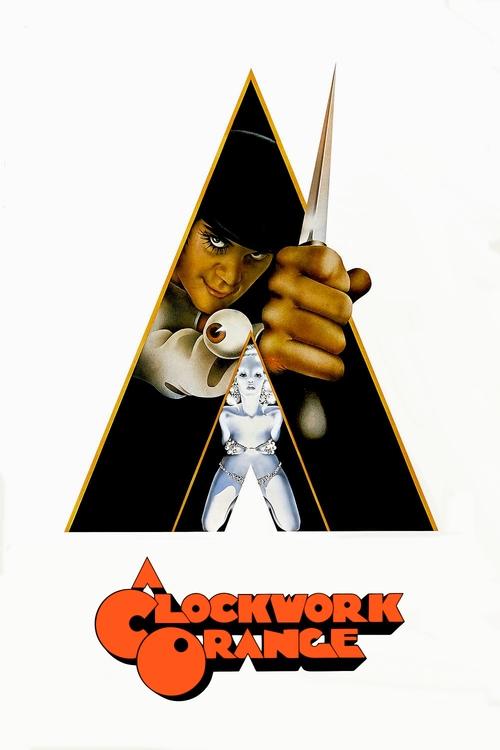
Conformity is the real weapon
The smartest dystopias don't rely on brute force alone. Brave New World gave its citizens happiness rather than fear. Gattaca built its hierarchy from genetics and good manners. Equilibrium outlawed emotion itself, enforced by a pill. Severance split the worker's mind in two and asked which half is really you. What these stories share is the understanding that the most durable form of control is one the population internalises and defends on the regime's behalf. The rebel is not fighting the state. She is fighting the part of herself that has already been shaped by it.
The dystopia in full season
Television that takes the long view
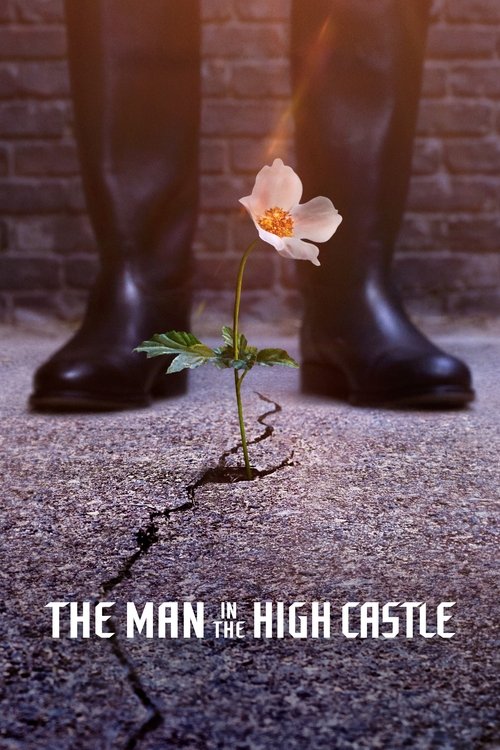
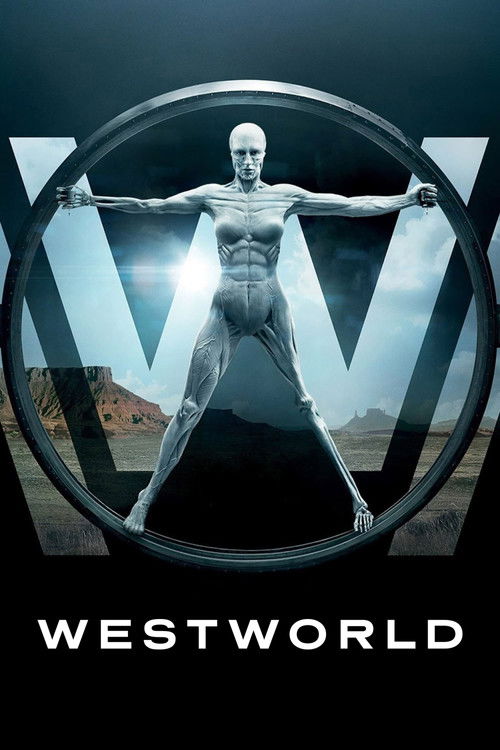
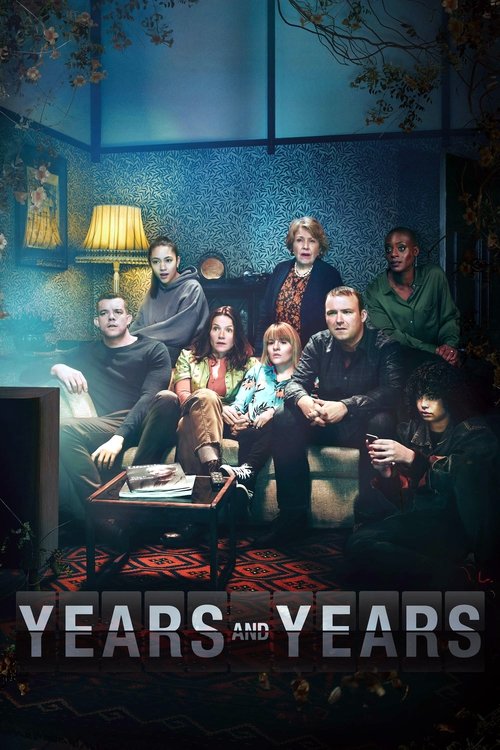
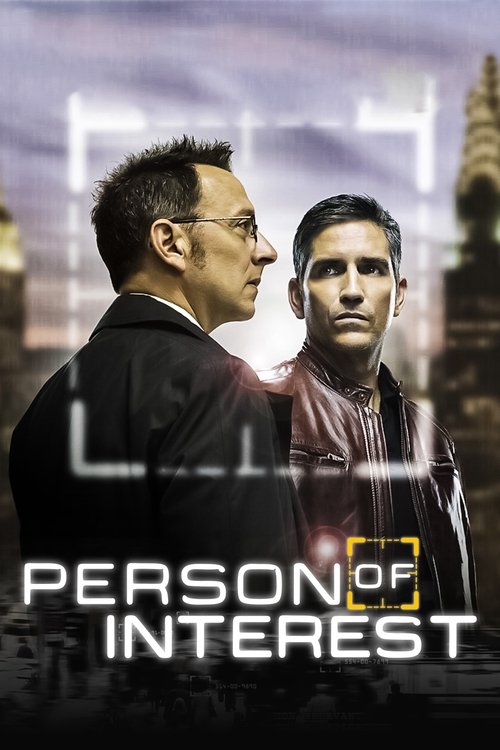
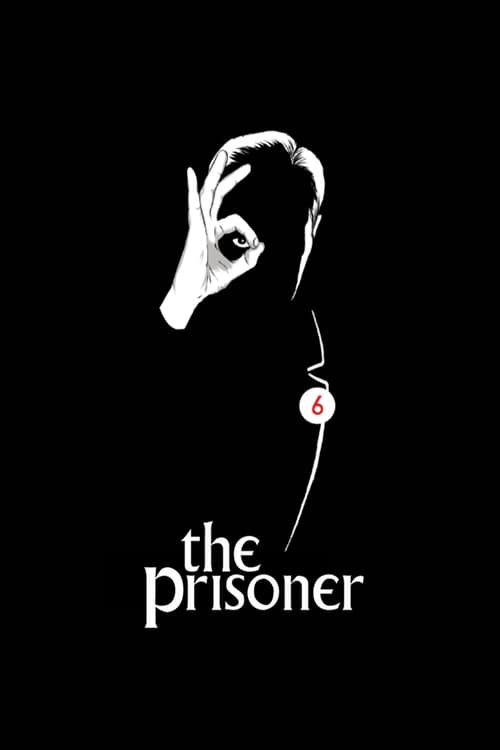
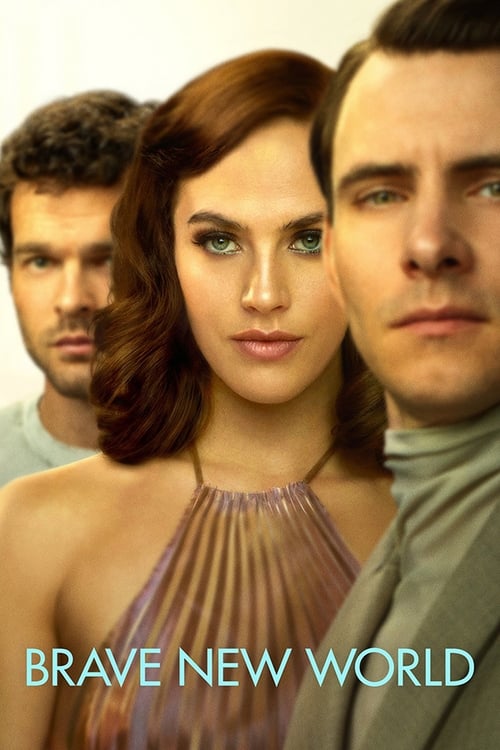
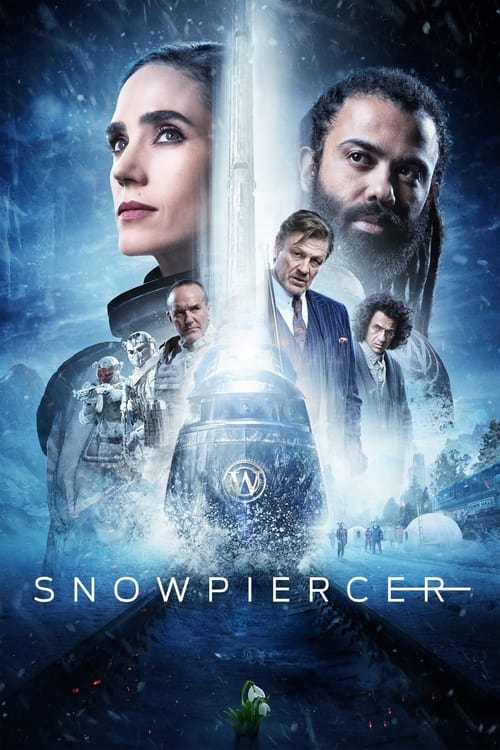
Handmaid is the decade's defining dystopia
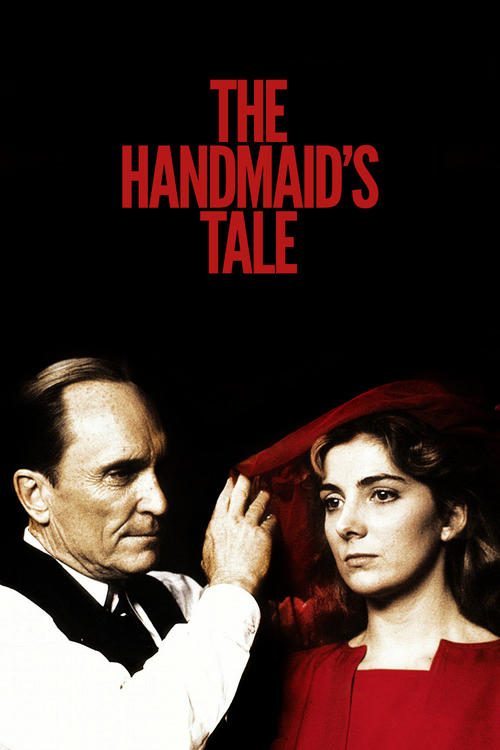
When The Handmaid's Tale arrived on Hulu in 2017, it felt less like a period piece than a breaking-news ticker. Atwood's 1985 novel had always been a reading of present forces rather than a far-future fantasy, but the series made its mechanism explicit: this is not a distant collapse, it is an acceleration of tendencies already present. Elisabeth Moss's performance carries the whole architecture. The red cloak became a protest symbol in real legislative chambers, which tells you everything about why this story lands with the weight it does.
The class war in the machine
Uprisings, arenas, and broken tiers
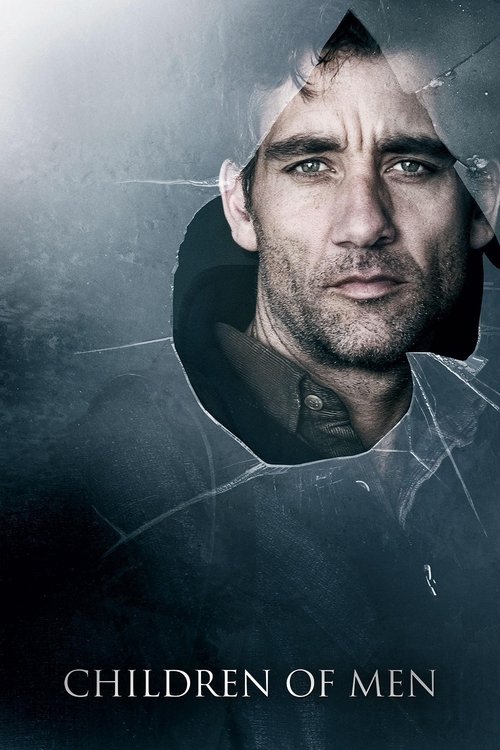
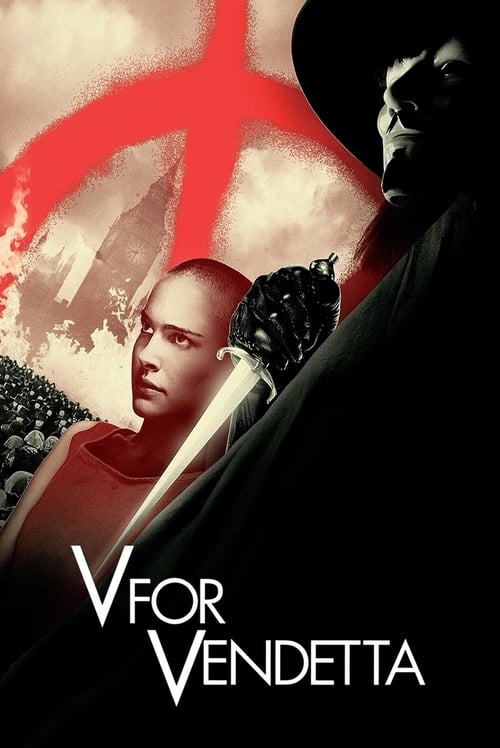


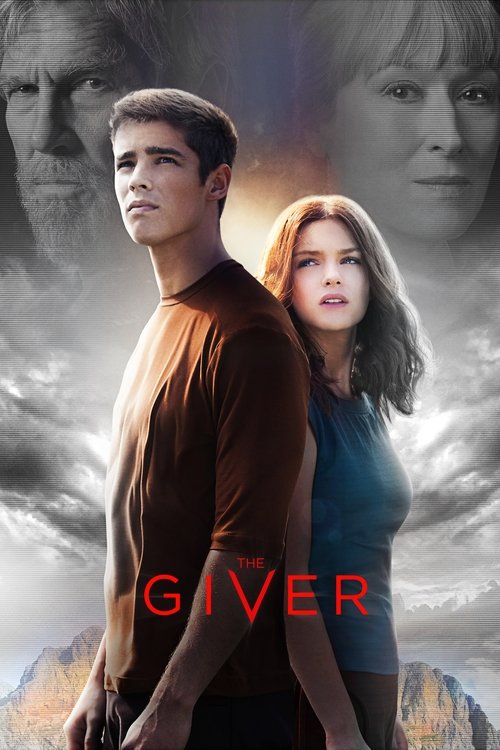

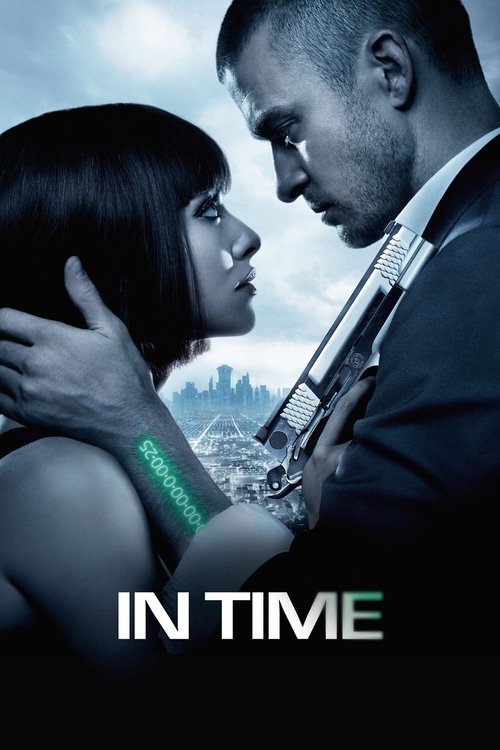
Children of Men is the one that makes you feel it
Alfonso Cuaron's 2006 film does not explain how the world ended its fertility, and it does not need to. The long takes place you inside the chaos rather than observing it; the handheld camera in the battle sequence is not a stylistic choice, it is the whole argument. What Children of Men understands that most dystopias miss is that hope is not a speech or a revelation. It is a sound. A baby crying in the middle of a firefight, and soldiers on both sides stopping to listen.
Playing the system: dystopian games
From border guard to freedom runner
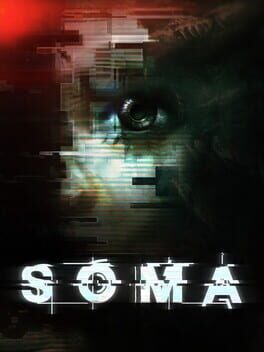
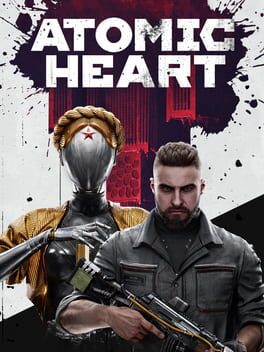
Games understand the complicity
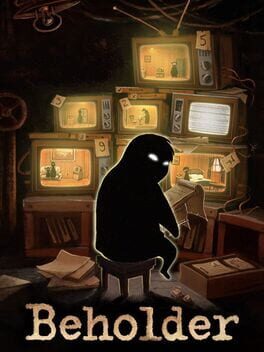
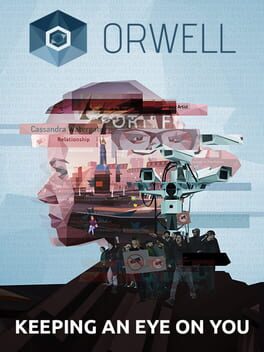
We Happy Few seats you in a drugged English town and makes it feel good to take your Joy pill. Beholder puts you behind the landlord's peephole and asks how many tenants you will report before the rent arrives. Orwell: Keeping an Eye on You has you mine citizens' private data for the state and quietly waits for you to notice what you've become. This is what games do better than any other medium: they make you the instrument of the system rather than its observer. The complicity is not a theme. It is the mechanic.
The books that came first
The source material the genre still answers to


The warning is always the same. Power that goes unchecked does not stabilise. It tightens. Every dystopia is just this moment, given enough time.On why the genre never goes out of fashion
Near-future alarm: from YA to art-house
The spectrum from crowd-pleaser to confrontation