
Lana Del Rey arrived in 2011 with 'Video Games' and a mythology already fully formed: cigarettes and pool parties, men with motorcycles, girls who love too hard and lose anyway. Born Elizabeth Grant in New York City, she built an aesthetic so cohesive it functions less like a discography and more like an alternate America where beauty and sadness are the same thing. Her signature is the slow-motion ballad that feels like a memory from someone else's life -- lush orchestration, reverb-drenched vocals, lyrics that quote Whitman and Nabokov in the same breath as fast food and Pepsi Cola. Albums from 'Born to Die' through 'Did You Know That There's a Tunnel Under Ocean Blvd' chart a woman who refuses to be rescued, choosing instead to go down beautifully. If her music makes you feel like you are watching a film that is half-noir and half-perfume ad, the works below will keep that feeling alive.
Essential Lana Del Rey
The albums that define the mythology, in the order she built it
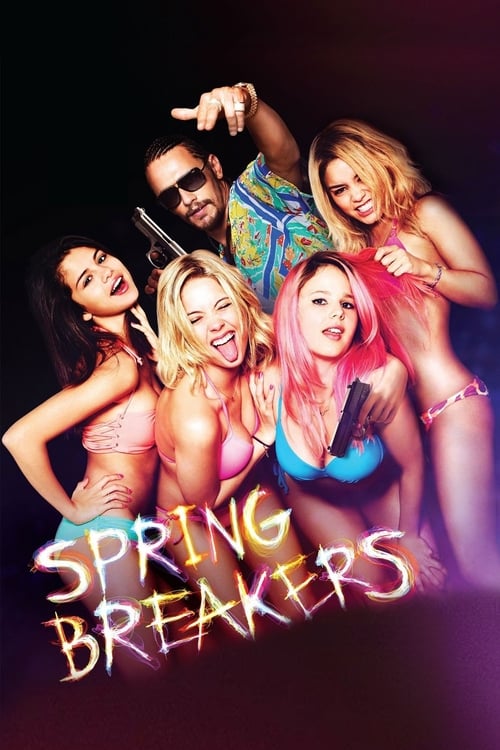
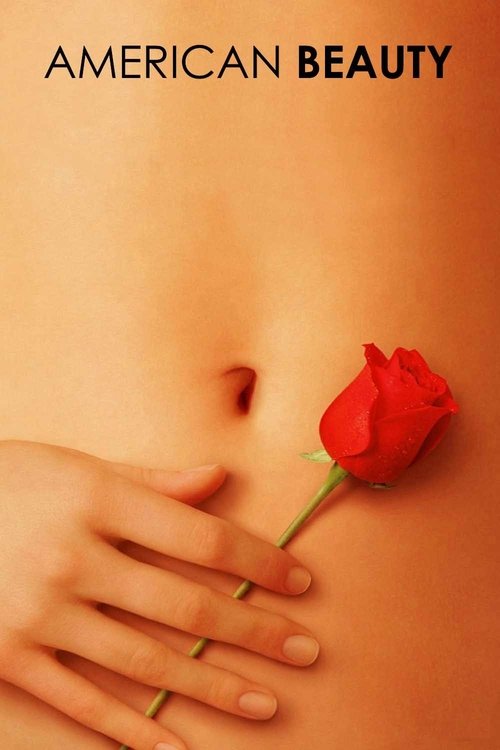
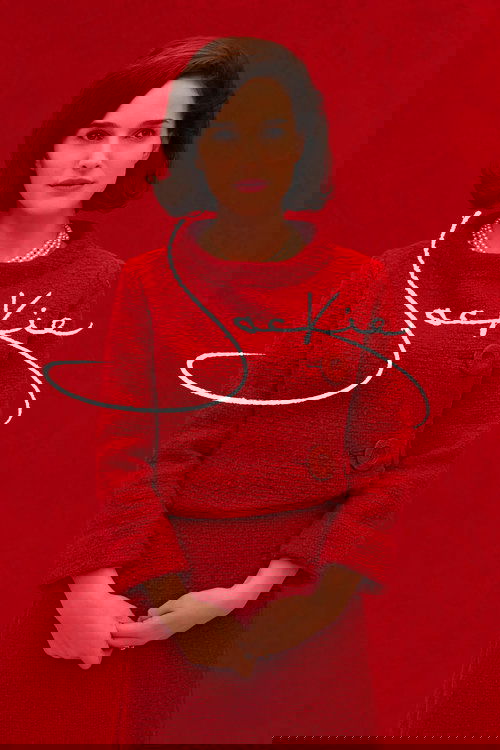
The Cinematic Sadcore Canon
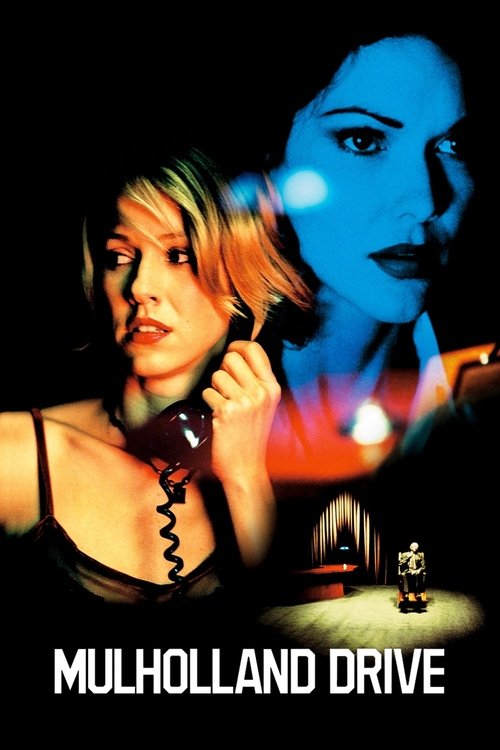
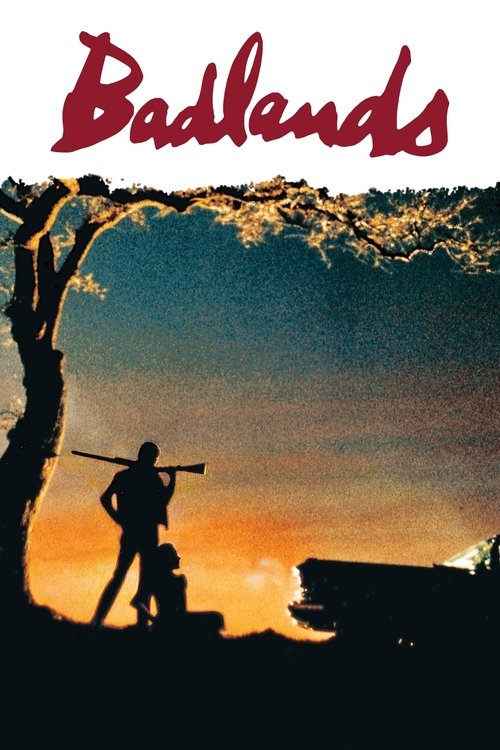
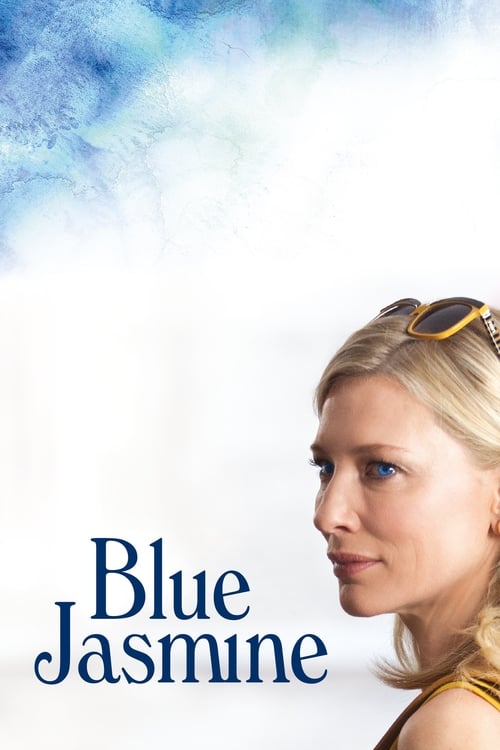
Films that share her palette: doomed love, golden decay, America at its most beautiful and most broken



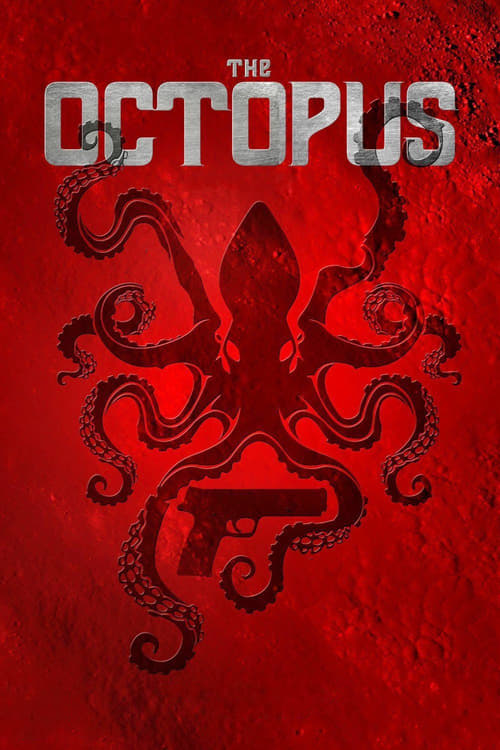
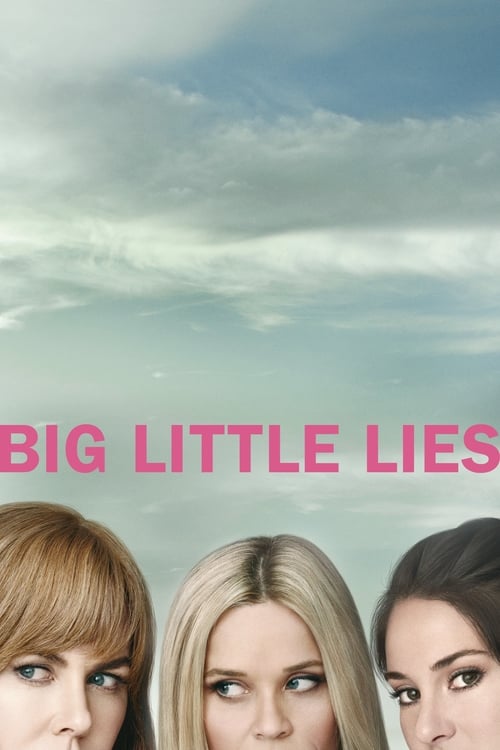
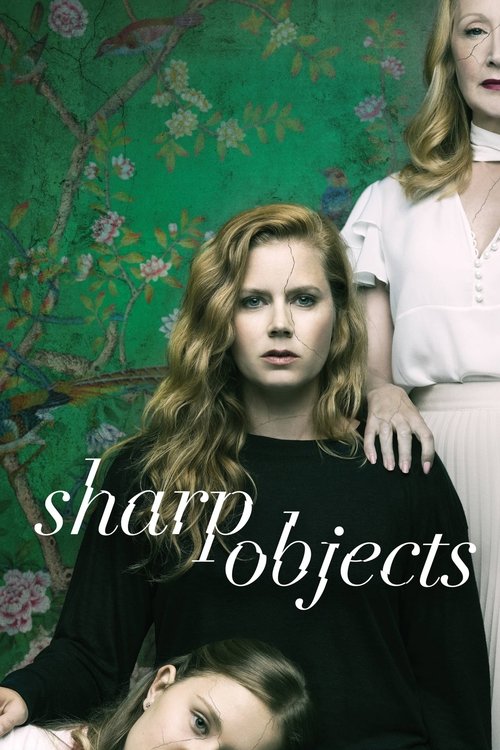
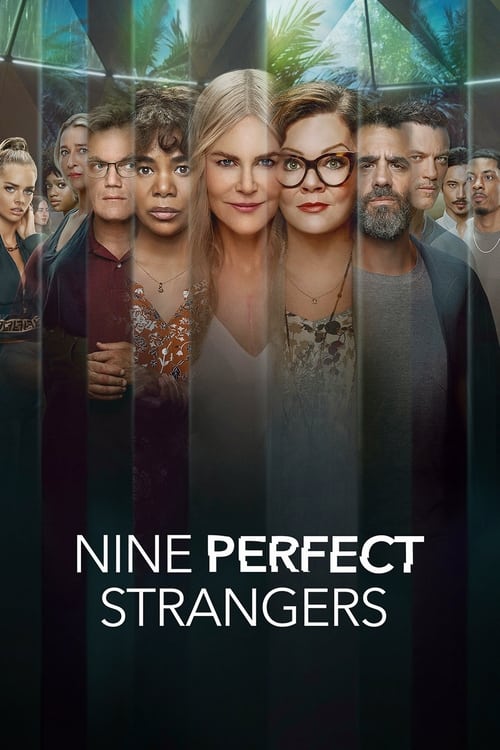
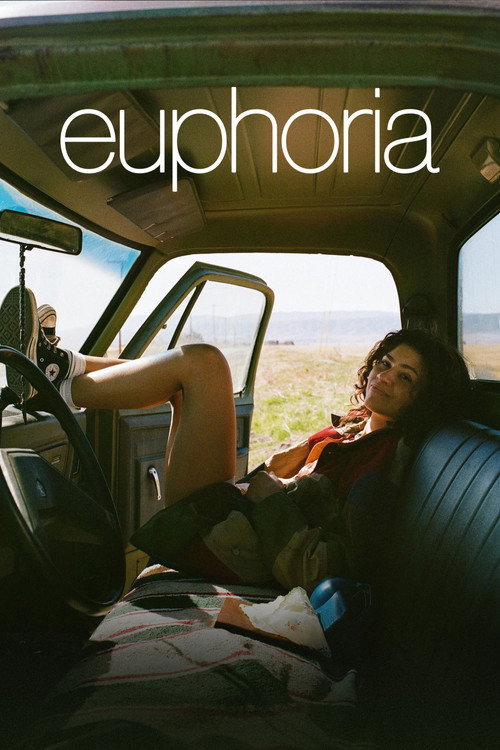
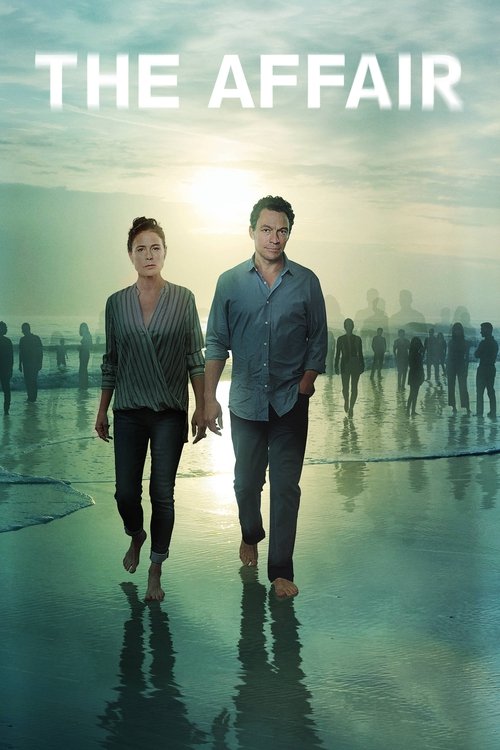
Series That Hold the Ache
Television with the same long-exposure melancholy and obsession with the American facade

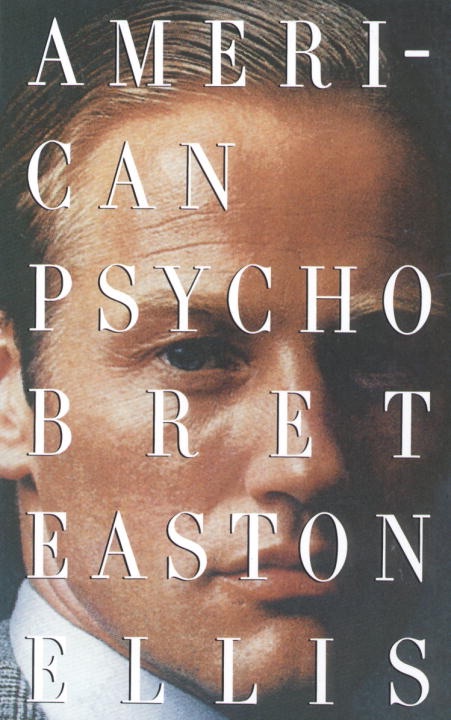
The Novels Behind the Lyrics
Books she has cited or that inhabit the same literary universe: doomed women, dark Americana, lush prose



Kindred Sounds
Artists who orbit the same emotional frequency: baroque pop, dream-folk, art-noir, and the sad-girl continuum
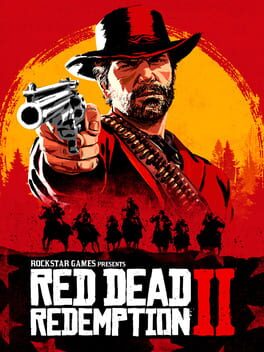
Games With the Same Atmosphere
Interactive worlds soaked in nostalgia, Americana, and controlled melancholy -- where mood is the mechanic

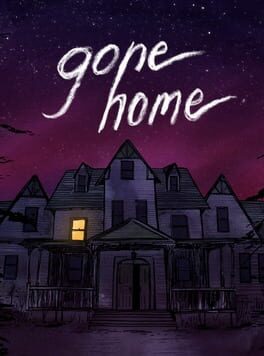
Sofia Coppola Made the Visual Album Before Lana Did
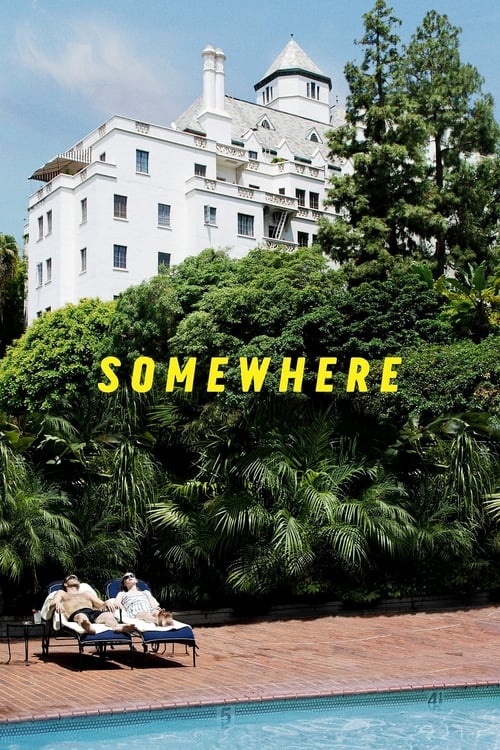
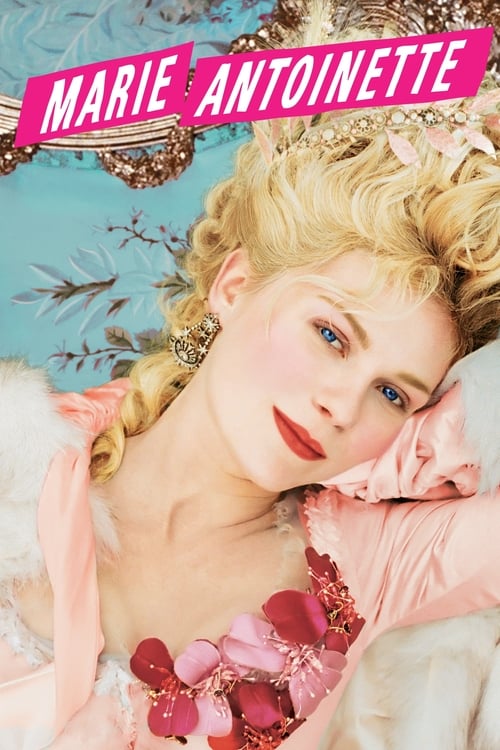
When Lana Del Rey cites 'The Virgin Suicides' as an aesthetic touchstone, she is pointing at something precise: Sofia Coppola found a way to make sorrow look like a painting you cannot stop staring at. Both artists build worlds where the camera (or the listener) is always slightly outside the glass, watching something beautiful decay. Coppola's films are the clearest visual counterpart to the Lana catalogue, and watching them in sequence -- 'The Virgin Suicides', 'Lost in Translation', 'Marie Antoinette', 'Somewhere' -- feels like listening to her albums in order.
'Norman Fucking Rockwell!' Is a Great American Novel That Happens to Be an Album
The 2019 record arrived with Jack Antonoff's production and Lana's most literary set of lyrics: Whitman by the reservoir, Steinbeck country, Venice Beach as elegy. Critics who had dismissed her as gothic kitsch reconsidered. Rolling Stone placed it among the best albums of its decade. What the record proved is that her subject was always America itself, its promises and its rot, rendered in pop songs long enough to breathe. It sits next to Joan Didion's California essays and Don DeLillo's 'White Noise' as a document of a particular national mood.
The Sad-Girl Lineage She Belongs To
Lana's critical rehabilitation in the late 2010s coincided with a broader reassessment of artists dismissed as 'too emotional': Alanis Morissette, Fiona Apple, Joni Mitchell. She belongs to a lineage of women who wrote confessional work that was called self-pity when men doing the same thing were called visionaries. Lorde's 'Melodrama', Mitski's 'Be the Cowboy', and Phoebe Bridgers' 'Punisher' are the generation that inherited her permission to be devastated and precise at the same time.
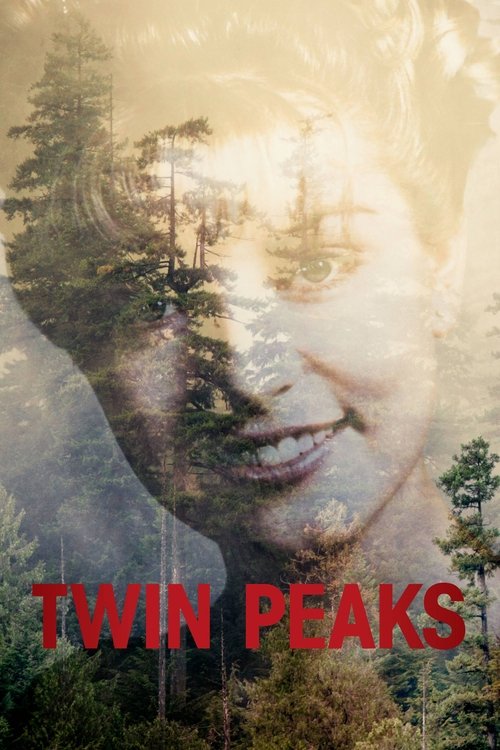
'Twin Peaks' and the American Gothic She Inhabits
David Lynch's work casts a long shadow over Lana Del Rey's imagery: the red curtains, the small-town darkness under the cheerful surface, the women who are destroyed by the men who love them in wrong ways. 'Twin Peaks: The Return' in particular shares her obsession with time -- the sense that grief loops, that the past is always bleeding through the present. Her song 'Ridin'' could score a Lynch scene without alteration.
A Mythology in Chapters
- 2010The Lizzy Grant era ends: she re-releases under the name Lana Del Rey and uploads 'Video Games' to YouTube
- 2012Born to Die Born to Die
- 2014Ultraviolence: she moves from orchestral pop to guitar-driven drone; producer Dan Auerbach joins Ultraviolence
- 2015Honeymoon: the quietest and most cinematic record, written as a film score that never got a film Honeymoon
- 2017Lust for Life: the first explicitly political record; the title track features The Weeknd Lust for Life
- 2019Norman Fucking Rockwell!: critical consensus shifts; Metacritic scores it 90+ Norman Fucking Rockwell!
- 2021Chemtrails over the Country Club and Blue Banisters released in the same year, both quieter and more confessional
- 2023Did You Know That There's a Tunnel Under Ocean Blvd: her longest and most orchestral album, 77 minutes Did you know that there’s a tunnel under Ocean Blvd
Doomed Romance and Faded Americana
For Fans of Dream Pop
Explore the For Fans of Dream Pop guide →She made sadness cinematic before cinematic sadness was a genre. The whole mood of 2010s melancholy passes through her discography.CrossBinge editors