
Dream pop is the genre that taught indie music to be beautiful without apology. Born from post-punk's angular tension but softened by studio reverb, chorus pedals, and an almost romantic interest in texture over riff, it crystallized in the late 1980s around labels like 4AD and Creation Records. Cocteau Twins made voices into instruments. Mazzy Star turned longing into a room you could walk into. Beach House built an entire career on the feeling of remembering something you never quite experienced. What holds the genre together is not a BPM or a chord progression but an atmosphere: that particular suspension between melancholy and contentment, between presence and drift. Fans of dream pop tend to follow that feeling across media, which is why the cinema of Sofia Coppola and the fiction of Haruki Murakami pull so many of the same listeners.
Essential Dream Pop
The records that define the sound, from founding visions to modern touchstones
If You Love Dream Pop: Films With the Same Haze
Cinema that trades in the same diffuse light and longing


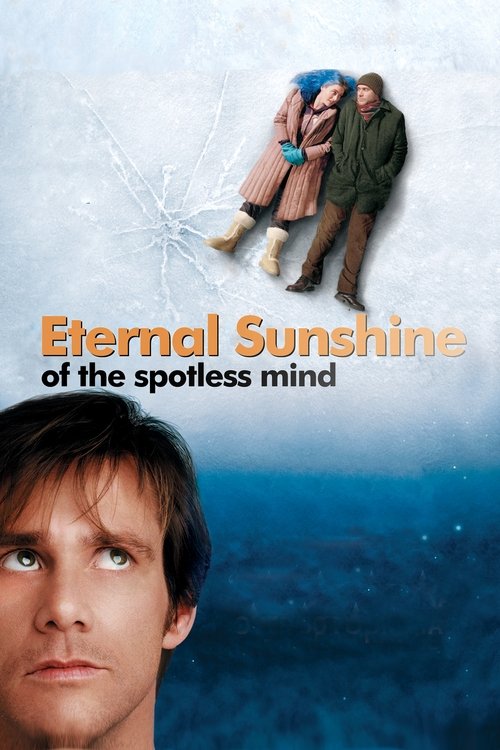
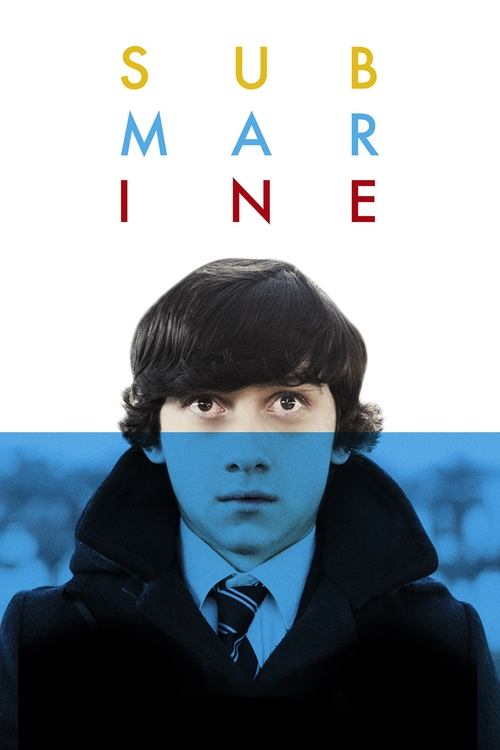
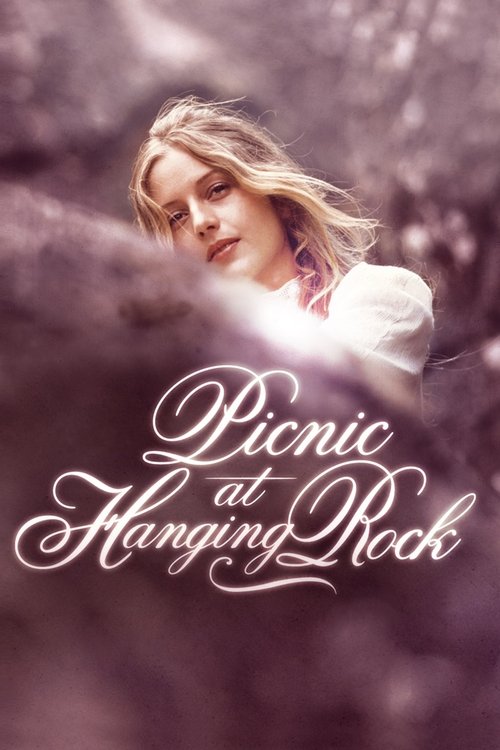
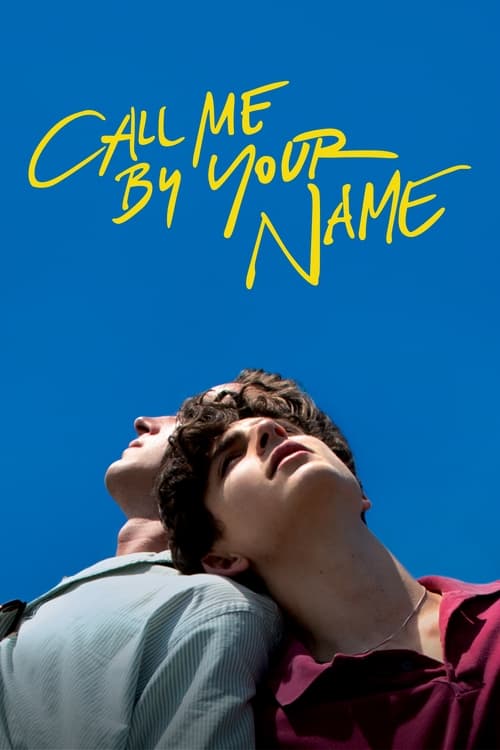

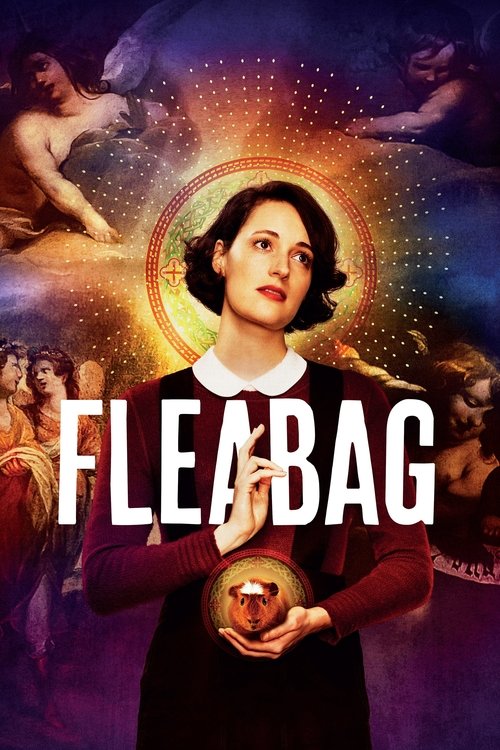
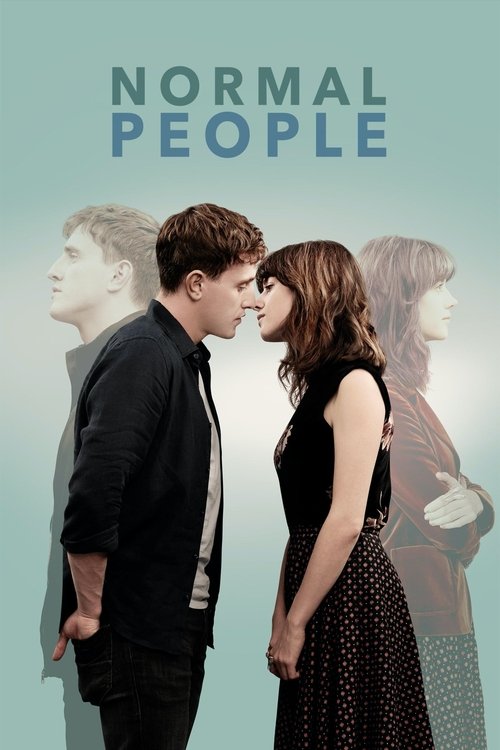
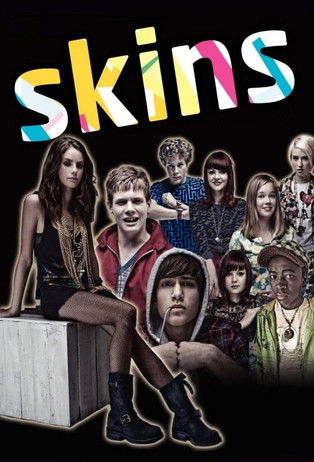
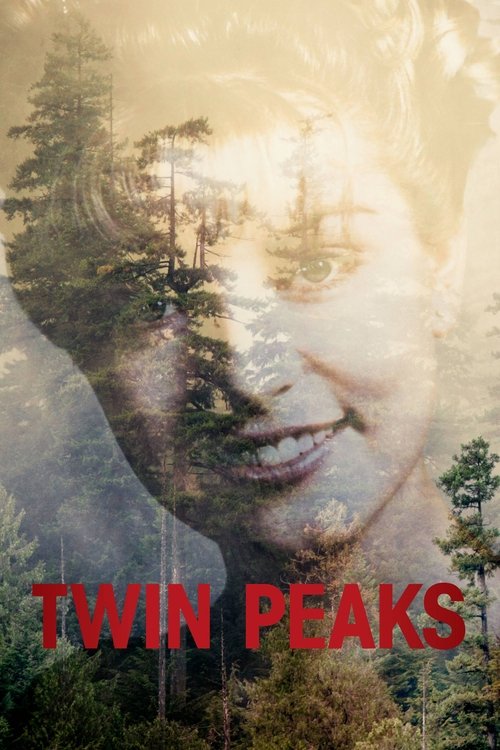
Series That Live in That Frequency
TV with dream pop's signature mix of beauty, sadness, and suspended time

Music Documentaries and Concert Films
The genre captured on screen, and the scenes it came from

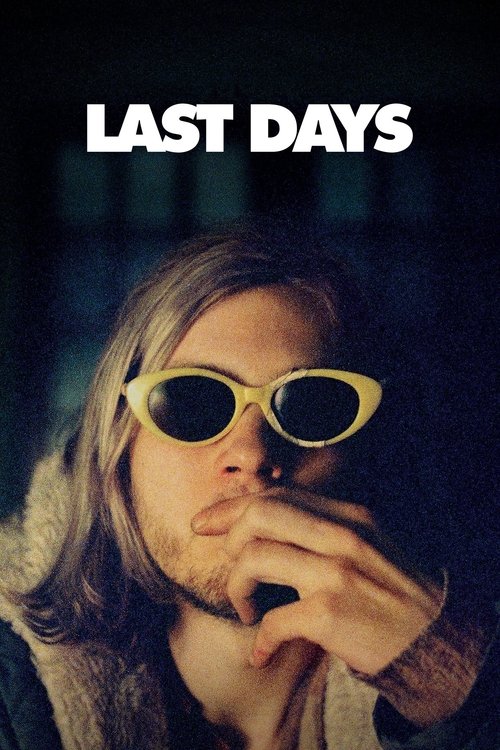
Books That Read Like Dream Pop Sounds
Novels and memoirs with the same interior light, nostalgia, and lyrical drift



Games With Dream Pop Energy
Games built on atmosphere, solitude, and emotional texture over action
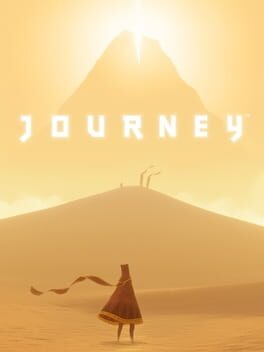

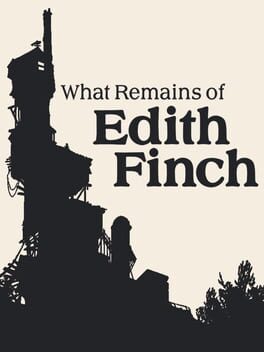
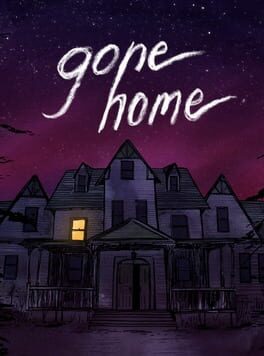
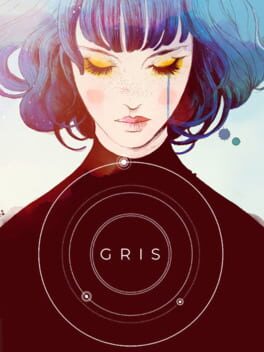


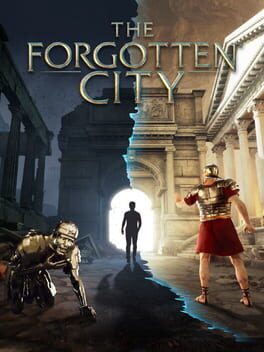
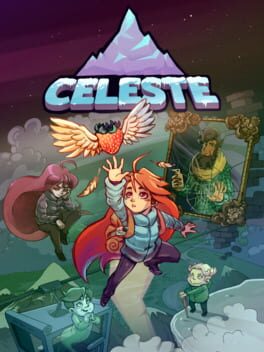
Cocteau Twins Invented a New Kind of Instrument
Elizabeth Fraser's vocals on records like Treasure and Heaven or Las Vegas were never really about language. The syllables dissolved into pure sound, into color almost, and that freed listeners from narrative. Dream pop at its best does something similar: it bypasses the interpretive mind and arrives directly as sensation. Robin Guthrie's guitar processing was not decoration but the central architecture, a lesson that texture is not less than melody but a different kind of melody.
Beach House Proved the Genre Could Go Mainstream Without Compromise
When Teen Dream broke through in 2010, the critical consensus was that Beach House would dilute their sound for a wider audience. Instead Victoria Legrand and Alex Scally kept pushing further into density and grandeur. Depression Cherry and 7 are not radio-friendly concessions but increasingly immersive architecture. The lesson is that emotional directness and sonic ambition are not opposites: you can be accessible and uncompromising at the same time.
Lost in Translation Is Dream Pop as Film
Sofia Coppola's 2003 film works almost entirely through mood rather than plot, which is exactly what the best dream pop albums do. The My Bloody Valentine and Air cues on the soundtrack are not incidental: they tell you the film is operating by the same logic as those records. Time in Tokyo dilates. Moments feel both vivid and already nostalgic before they are over. Watching it is like listening to So Tonight That I Might See.
Norwegian Wood Is the Novel Dream Pop Was Waiting For
Haruki Murakami's 1987 novel does in prose what Mazzy Star does in music: holds grief at a slight remove, surrounded by detail that is beautiful precisely because it cannot last. The narrator remembers more than he understands, and the gap between those two things is where the emotion lives. It is the same structure that makes a song like Fade into You so affecting: the thing being described is already half-gone.
How Dream Pop Unfolded
- 19824AD releases Cocteau Twins' debut Garlands, establishing a template for atmospheric guitars and opaque vocals Garlands
- 1984Treasure deepens the Cocteau Twins' palette into something fully orchestral and untranslatable Treasure
- 1990My Bloody Valentine's Loveless redefines what electric guitars can sound like, influencing two decades of shoegaze and dream pop Loveless
- 1993Mazzy Star's So Tonight That I Might See brings the sound to a wider audience through Fade into You So Tonight That I Might See
- 1995Slowdive's Pygmalion strips the genre to pure ambient drift, a quiet extreme that takes years to be fully appreciated Pygmalion
- 1998Mercury Rev's Deserter's Songs brings orchestral grandeur and a sense of wonder into the lineage
- 2003Lost in Translation uses dream pop logic as cinematic grammar, opening the sound to film audiences Lost in Translation
- 2010Beach House's Teen Dream becomes the genre's commercial breakthrough without sacrificing density Teen Dream
- 2012Bloom consolidates Beach House as the defining dream pop act of the 2010s Bloom
Hazy reverb and drifting dreams
For Fans of Shoegaze
Explore the For Fans of Shoegaze guide →Dream pop is not escapism. It is the feeling of being fully present in a moment you already know you will miss.CrossBinge