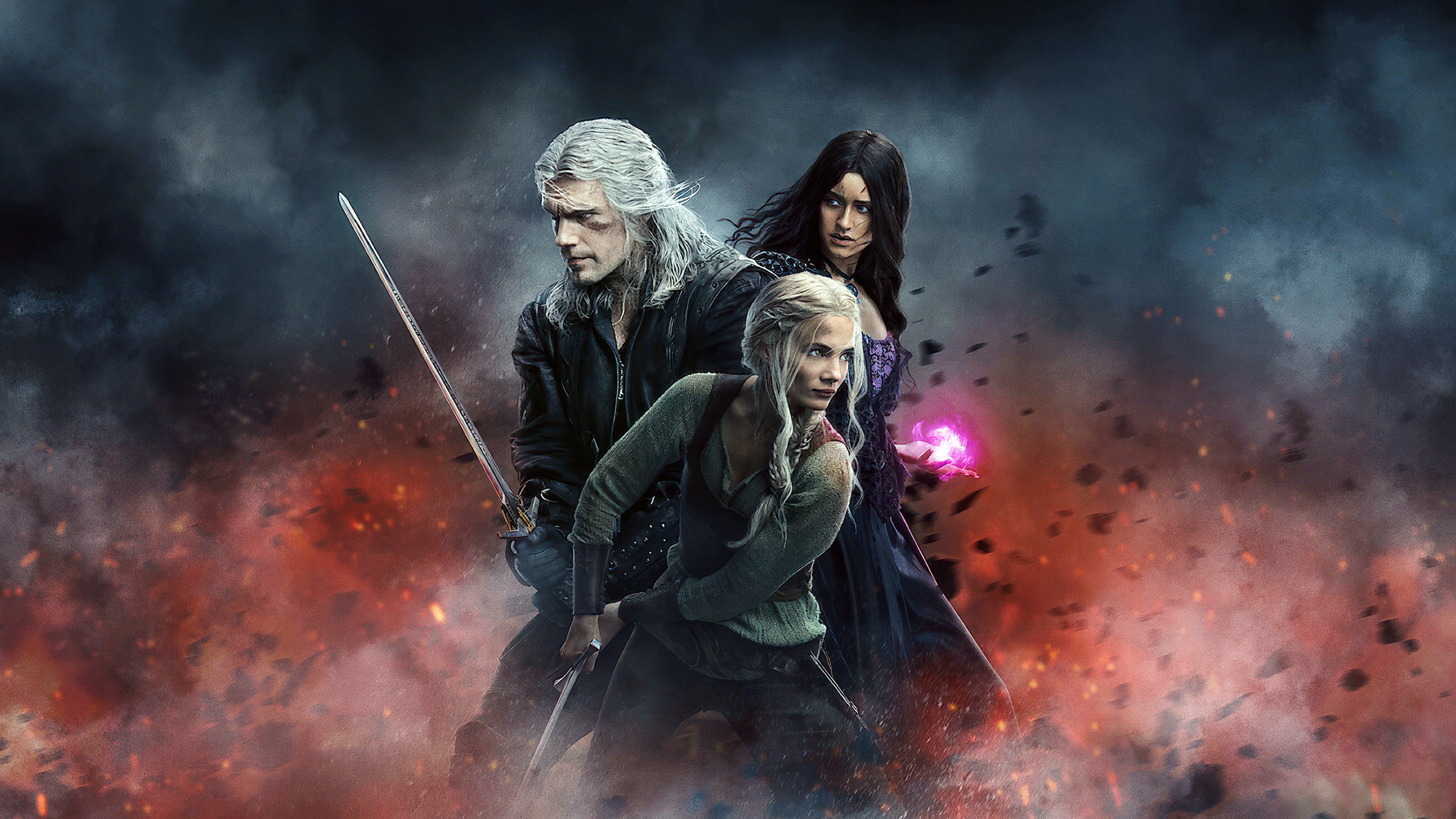

Leigh Bardugo built a fantasy universe called the Grishaverse that refuses easy heroes. Her characters steal, betray, grieve, and scheme their way through gorgeously rendered worlds that feel like gaslit Europe filtered through something stranger and older. The through-line a fan keeps coming back for: the interiority of people who were never meant to matter, wielding power that costs them something real. From the Shadow and Bone trilogy to the Six of Crows duology and King of Scars, Bardugo treats moral ambiguity not as edginess but as the actual texture of survival. If that combination of lush world-building, heist-plot mechanics, and emotionally bruised characters speaks to you, the cross-media trail from here is rich.
The Show Brought Ketterdam to Life
Screen adaptations of Bardugo's world, plus series that share its intrigue-soaked energy
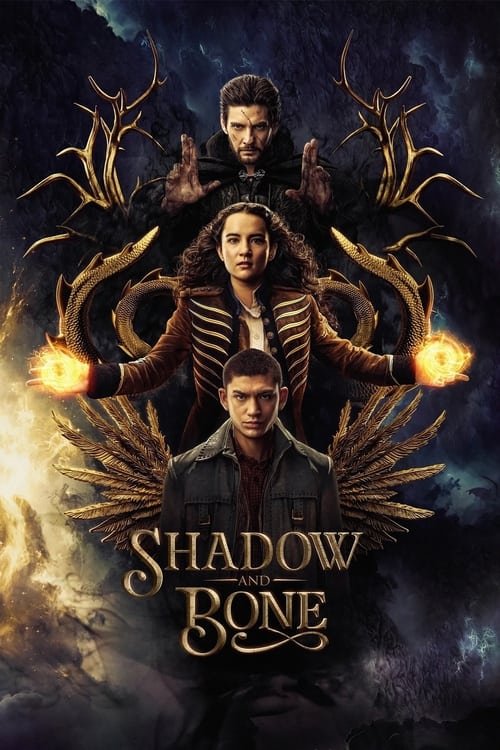
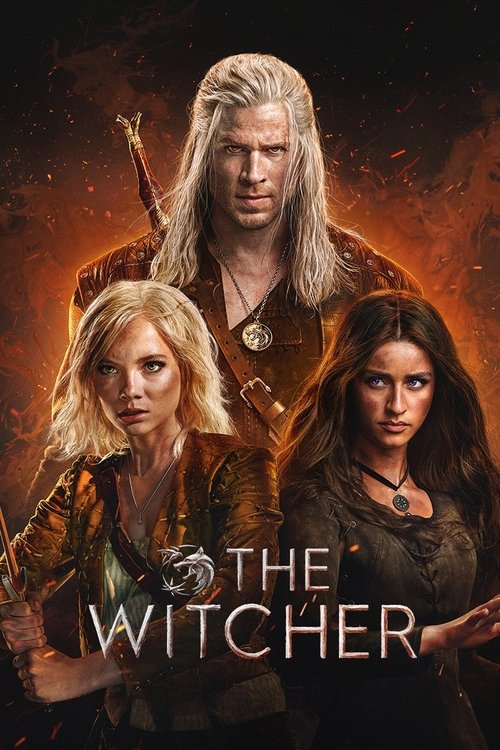
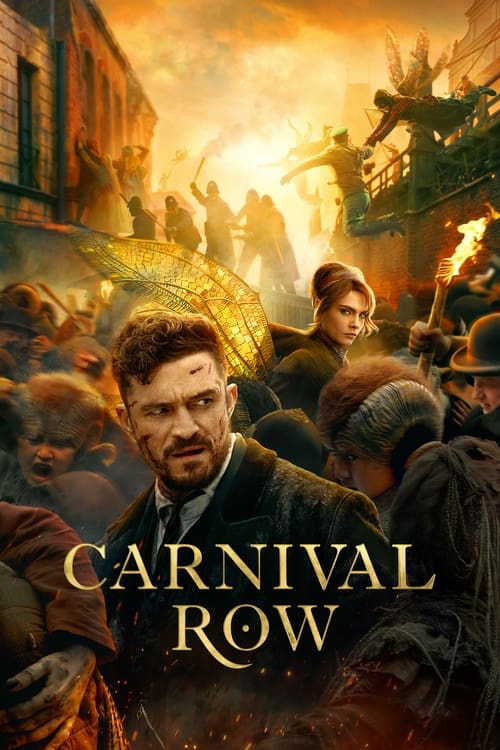
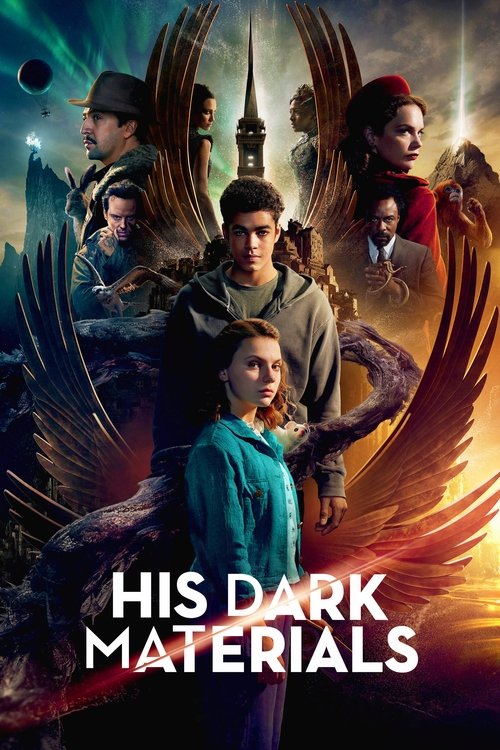

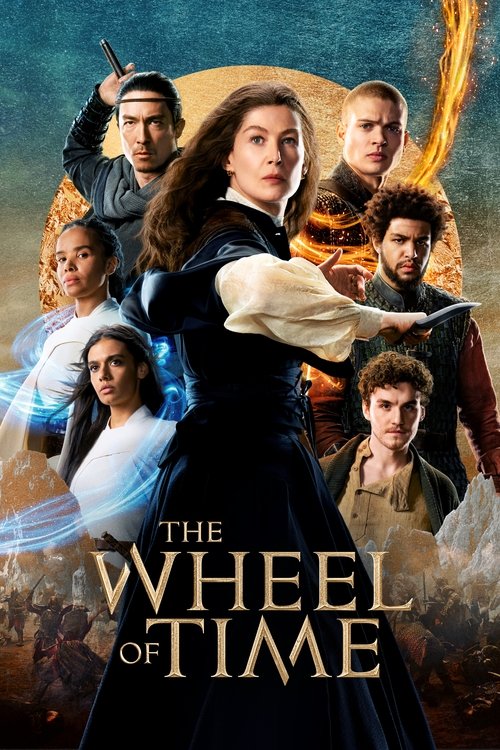
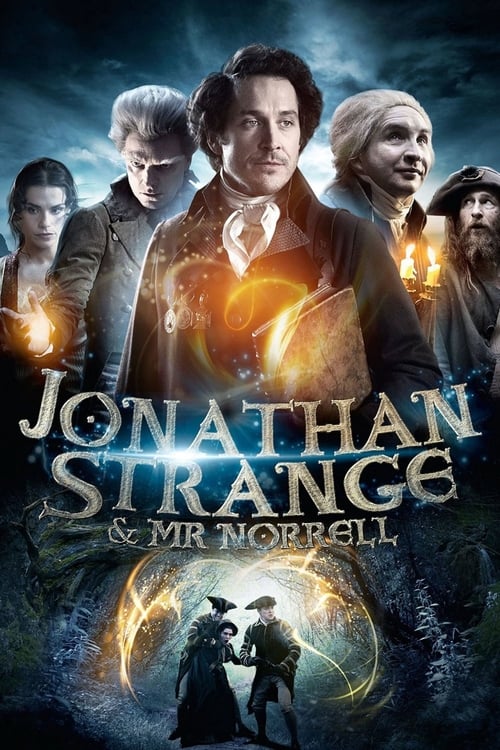
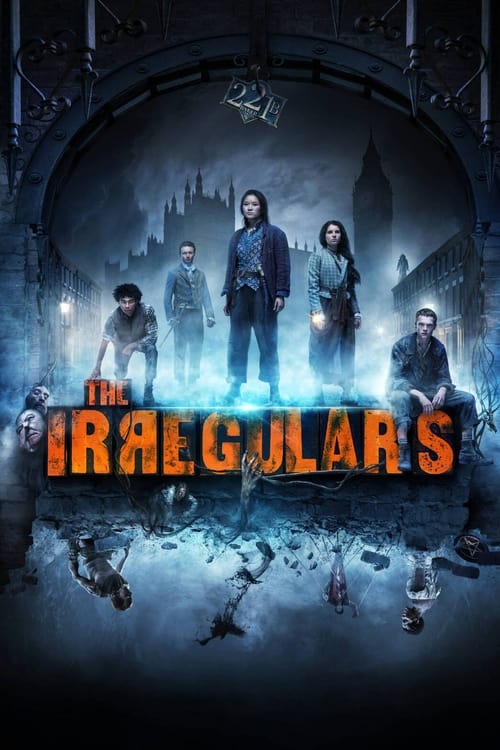
If You Love Six of Crows: Heist Fantasy on the Page
Books for readers who live for the crew, the plan, and the moment everything goes sideways


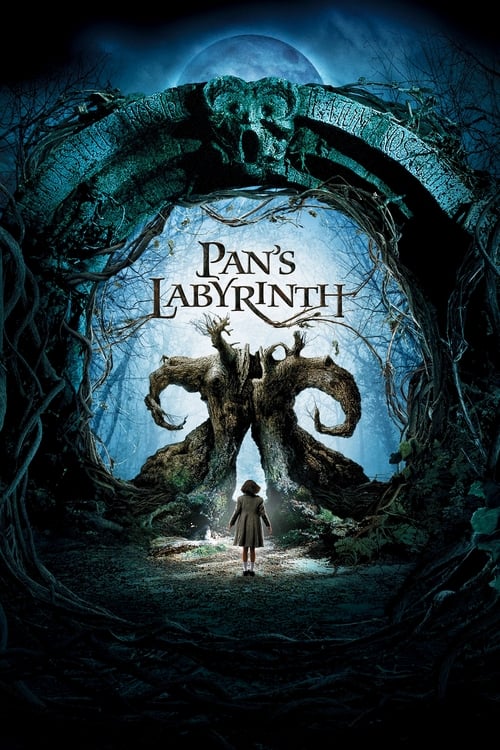
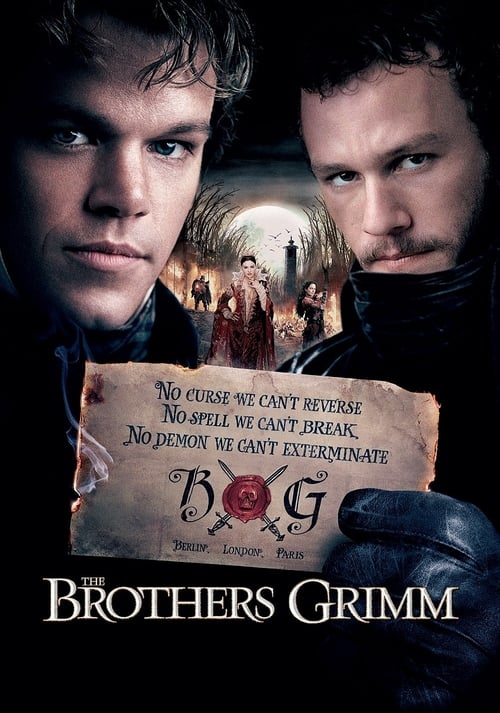
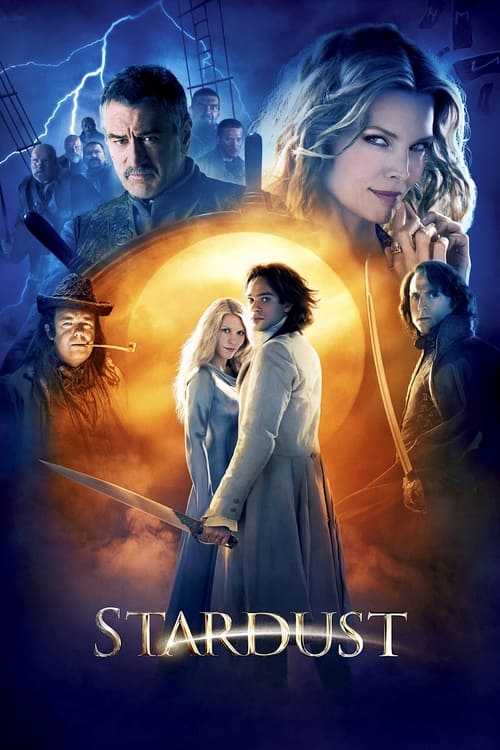
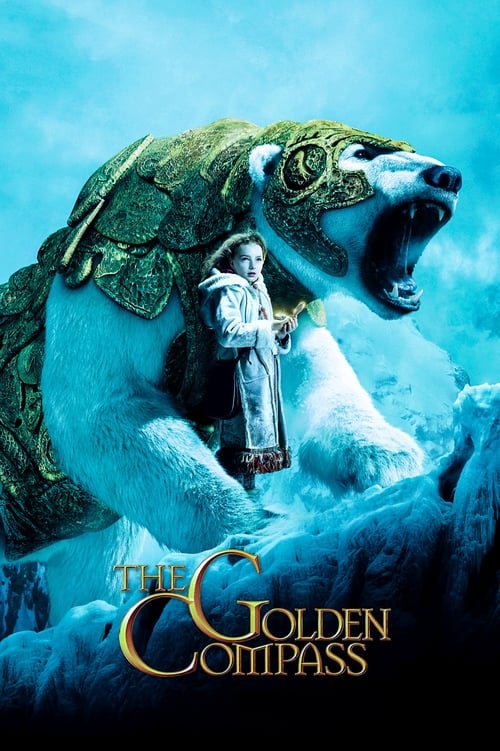
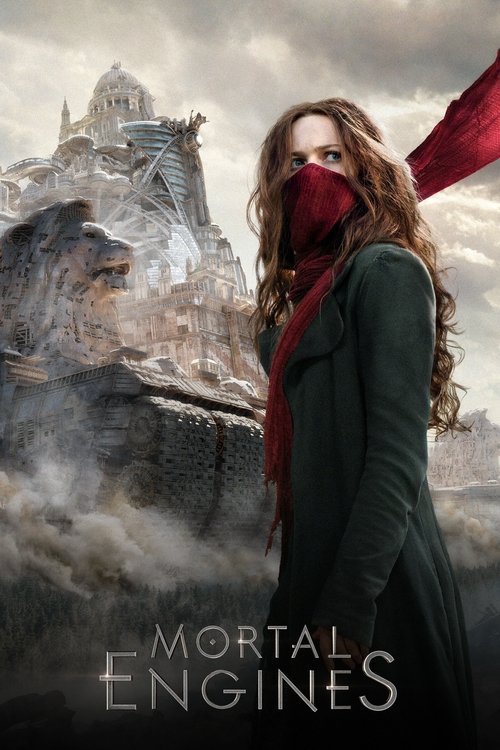
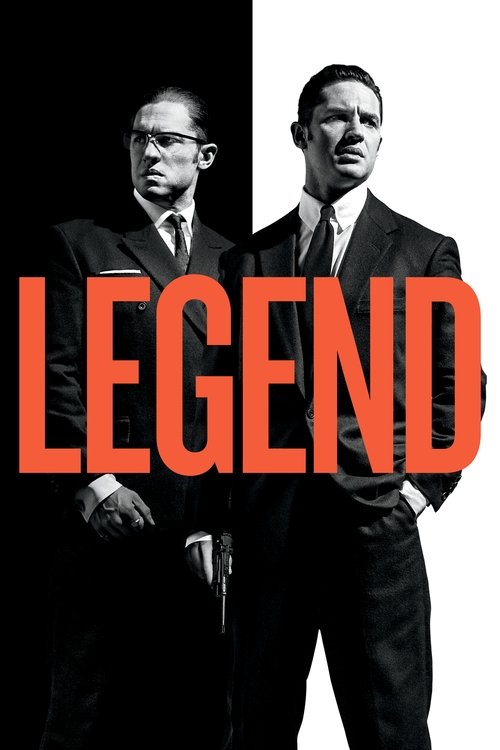
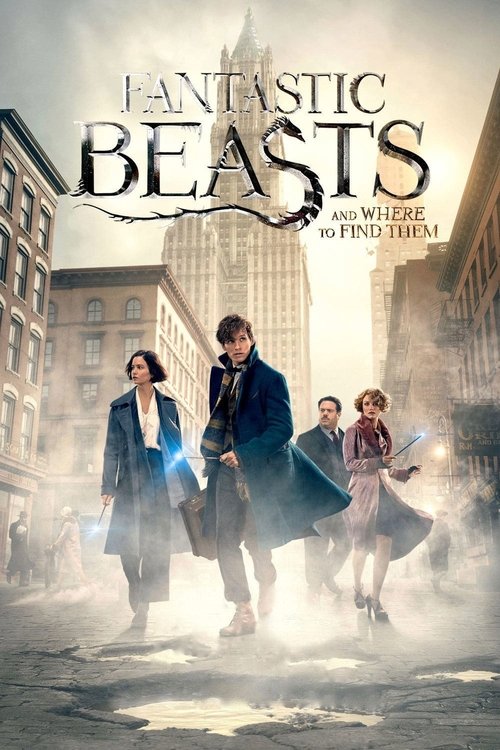
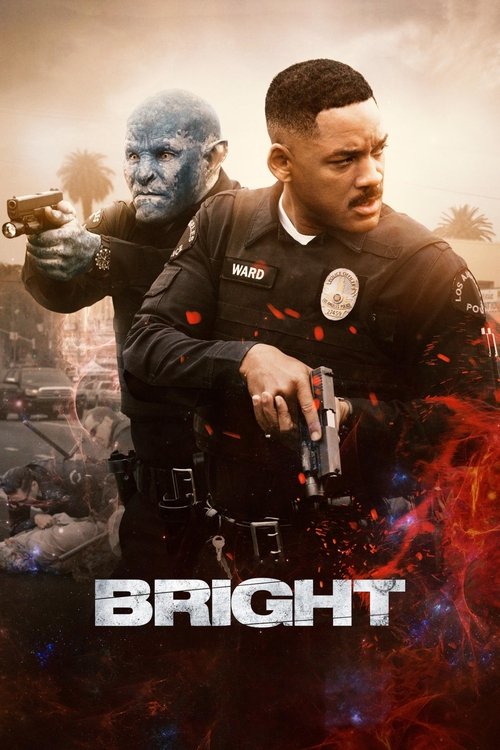
Dark Magic on Film and Screen
Films and series that share Bardugo's taste for power with consequences and beauty threaded through danger
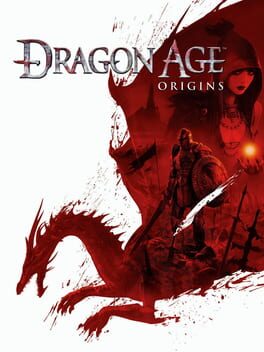
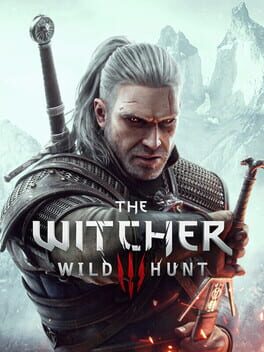
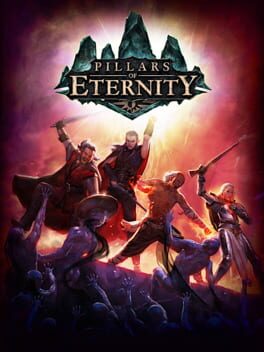
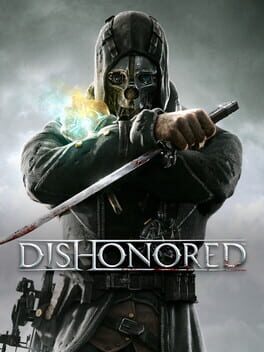
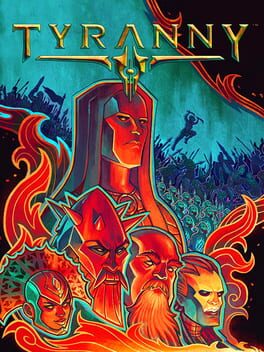
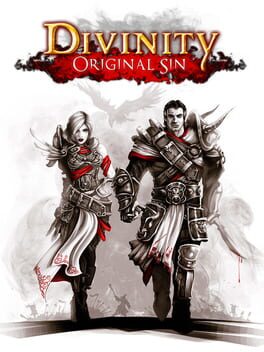
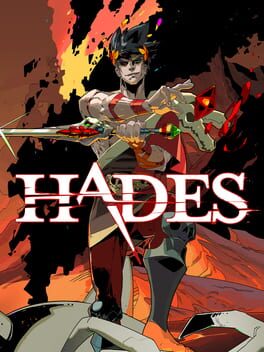
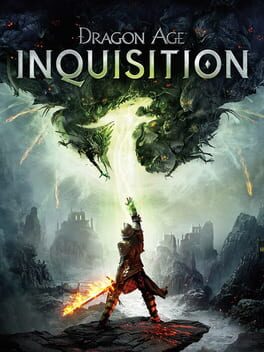
Games Built on Faction, Intrigue, and Costly Power
Games where the magic system is a political system and every alliance is provisional
Six of Crows Changed What YA Fantasy Could Do
When Six of Crows arrived in 2015, it arrived as a heist novel first and a fantasy novel second. Bardugo structured it around an ensemble of outcasts with competing loyalties and genuine reasons to distrust each other, and she kept the magic subordinate to the planning. The result read less like YA worldbuilding and more like George Pelecanos by way of Dickensian street kids. It moved the genre's center of gravity toward plot mechanics and character-level compromise, and a generation of later fantasy novels owe it a debt.

The Grishaverse Works Because the World Has Rules
Bardugo's magic is load-bearing architecture, not decoration. Grisha powers are defined by what they cannot do as precisely as by what they can, and that constraint is what makes the politics coherent. The Darkling's appeal rests entirely on the reader understanding exactly what his power costs and what it can never touch. Fantasy world-building that forgets to design its limits tends to collapse under the weight of escalating stakes. Bardugo never forgets.
The Darkling Is the Best Kind of Villain
What separates a memorable antagonist from a forgettable one is whether you can reconstruct their logic. The Darkling's worldview is coherent, even sympathetic in its bones: a persecuted minority building leverage against the majority that fears them. Bardugo lets readers hold that sympathy and the horror of his methods simultaneously, without resolving the tension into a clean verdict. That kind of moral complexity is rare in any genre.
Bardugo's Grishaverse: A Publishing Timeline
- 2012Shadow and Bone published, introducing Ravka and Alina Starkov
- 2013Siege and Storm continues the trilogy
- 2014Ruin and Rising closes the original trilogy
- 2015Six of Crows launches the Ketterdam heist duology Six of Crows
- 2016Crooked Kingdom concludes the Crows story
- 2017The Language of Thorns: fairy tales from the Grishaverse
- 2019King of Scars shifts focus to Nikolai Lantsov
- 2021Rule of Wolves closes the Nikolai duology; Netflix Shadow and Bone premieres Shadow and Bone
- 2023Season 2 integrates the Crows into the main story arc Shadow and Bone
- 2024The Familiar, Bardugo's standalone historical fantasy, arrives
Intricate magic, morally gray outcasts
Dark Fantasy
Explore the Dark Fantasy guide →Bardugo writes characters who are defined by what they endure and what they refuse to give up, which is why the Crows hit harder than almost any ensemble in the genre.CrossBinge editors