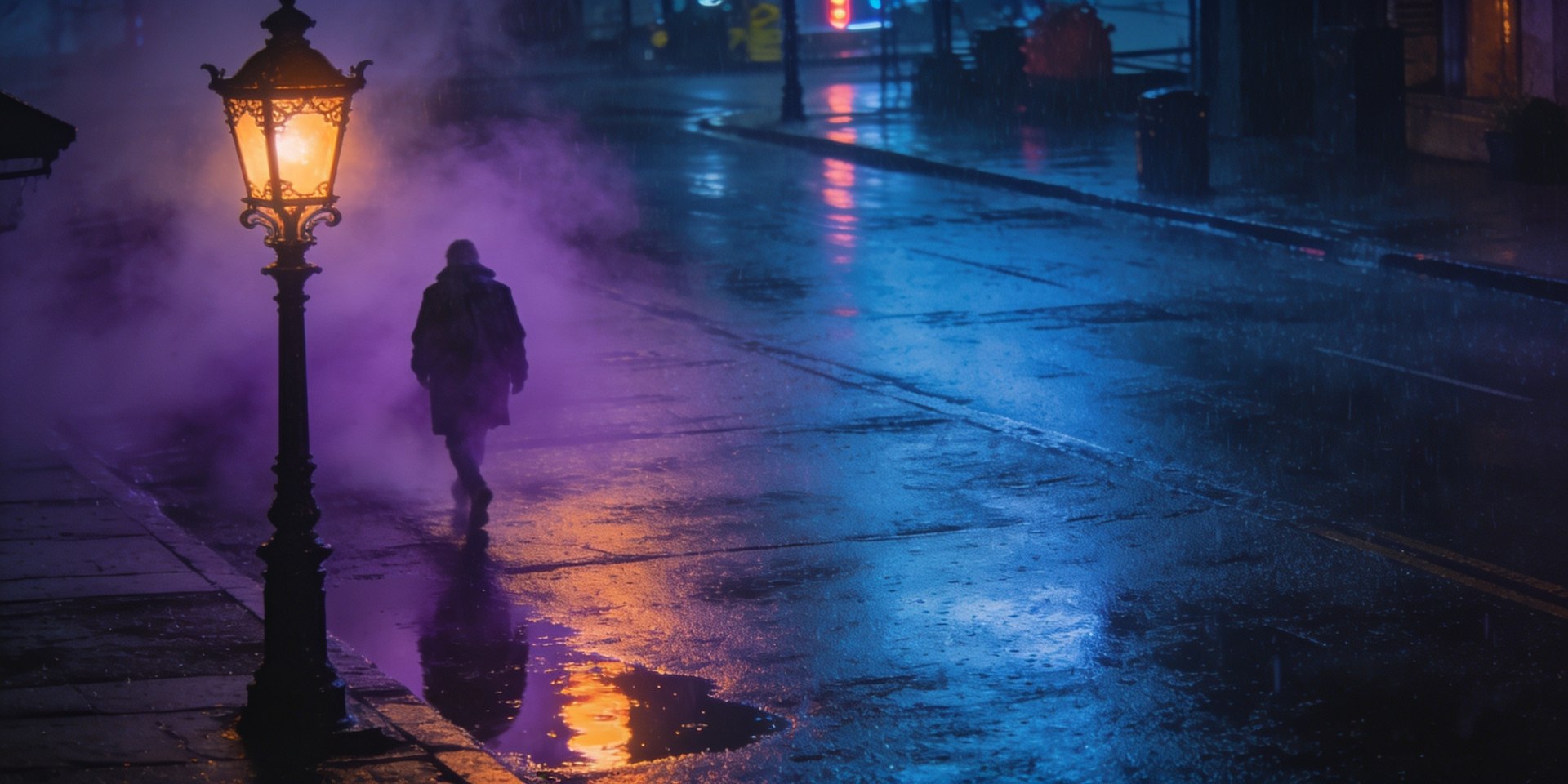

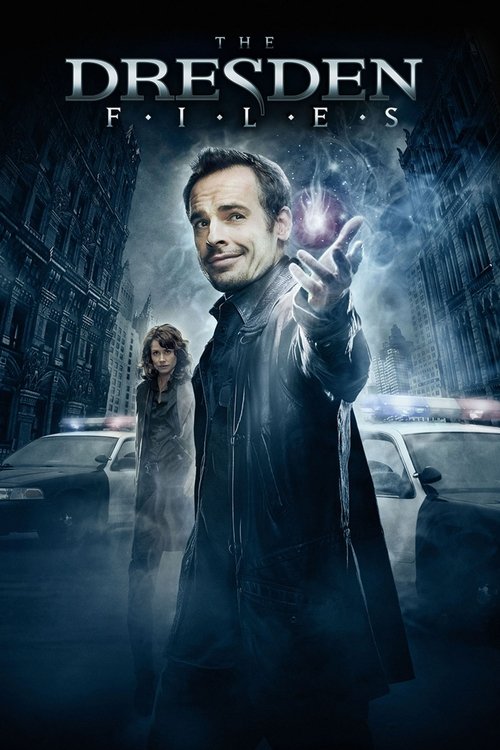
The oldest fantasy worlds were built by retreat: you leave the city, you cross the threshold into the forest or the mountain or the wardrobe, and only then do you find the magic. Urban fantasy refuses the retreat. In urban fantasy the magic is already here, layered under the city you live in, running a different schedule in the same streets. Harry Dresden operates out of Chicago. Peter Grant patrols the Thames. Hellboy has a desk in Newark. The genre insists that the extraordinary and the mundane share a postcode, and that the friction between them is where the story lives.
What makes it distinct from horror (also often urban, also often supernatural) is attitude. Urban fantasy protagonists are not victims of the uncanny; they are professionals, or at least extremely experienced amateurs. They have seen the monster before. They have a filing cabinet full of cases. The genre traces a lineage from the hard-boiled detective story: the lone investigator, the mean streets, the client who is lying, the case that keeps getting bigger. Jim Butcher has explicitly credited Raymond Chandler. Ben Aaronovitch's Peter Grant reports to a police inspector who learned his craft before the Met existed. The trench coat is not an accident.
Essential urban fantasy
The canon, across every screen and page


Buffy invented the template
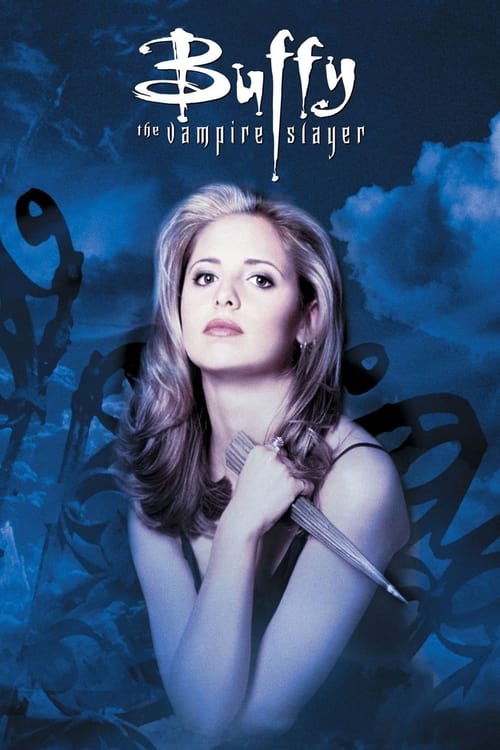
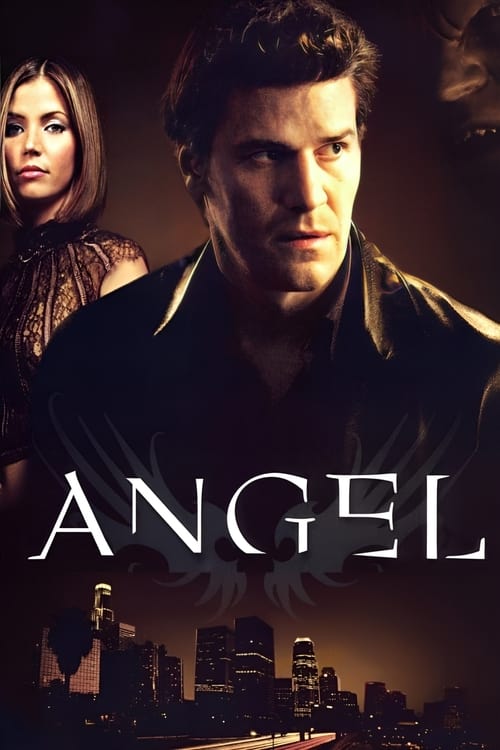
Every urban fantasy protagonist who cracks a joke while fighting a demon owes something to Buffy Summers. Before Joss Whedon's show, the supernatural on television was solemn. Vampires were predators, hunters were grim. Buffy turned the genre sideways: the chosen one was a teenage girl who complained about homework and still had to save the world before curfew. The wit was not decoration; it was the point. Sunnydale was a credible place to live, with a Starbucks and a high school and a Hellmouth under the library, and the comedy of those things coexisting gave the tragedy somewhere to land. Angel, spinning off in 1999, took the same DNA into noir: a detective agency in Los Angeles, cases with supernatural angles, a hero with a centuries-long backstory. The two together set the terms that the genre has worked inside ever since.
The city after dark
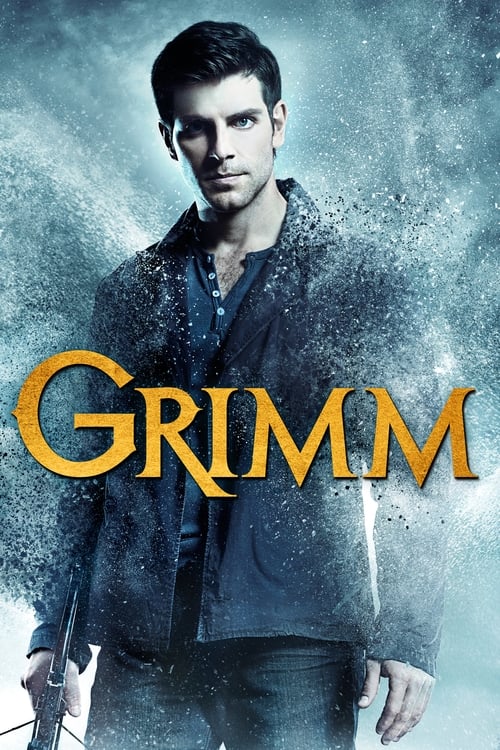
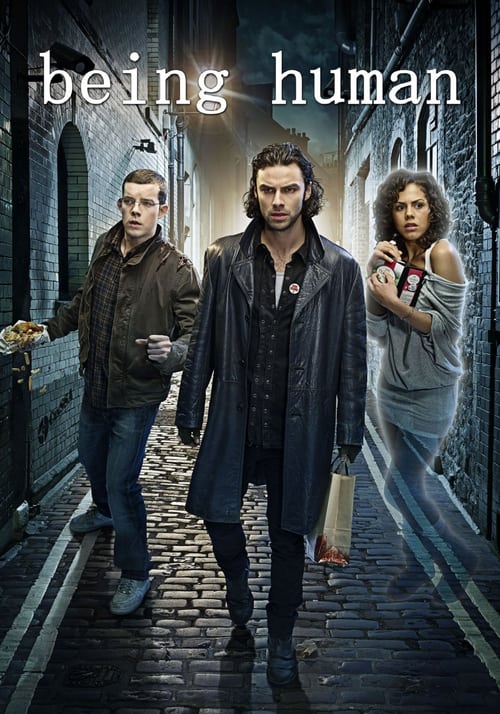
Television's hidden worlds, from Sunnydale to Storybrooke


What the city does to magic
The urban setting changes the shape of magic in ways that are easy to overlook. In a secondary world, magic has coherent rules because the world was built around it. In a city, magic has to fit around everything else: planning regulations, tube delays, shift patterns, CCTV. Ben Aaronovitch's Rivers of London books are a masterclass in this. Peter Grant is a constable before he is a wizard, and the institutional logic of the Metropolitan Police shapes every investigation. He has to file reports. He has to manage informants. His supervisor worries about overtime. The magic is real and genuinely strange, but it operates inside a framework of bureaucratic constraint that makes it feel more real, not less.
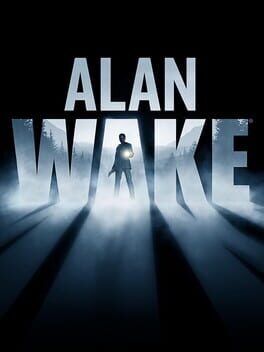
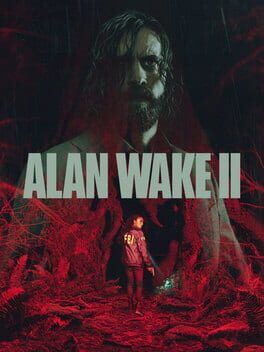
The same logic gives games like Control and Alan Wake 2 their particular atmosphere. The Federal Bureau of Control is a government agency; it runs on memos and personnel files and interdepartmental dysfunction. The supernatural horror that has taken over the Oldest House in New York does not exempt anyone from middle-management. Remedy Entertainment understood, perhaps better than anyone, that horror in an office building hits differently than horror in a castle.
Literary magic in modern cities
The novels and comics that built the genre's vocabulary


American Gods got the theology right
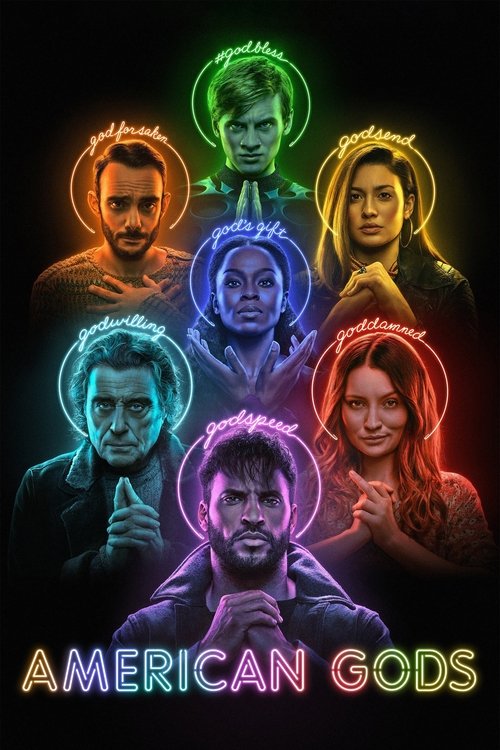
Neil Gaiman's novel lands its central thesis in the first act and never blinks: the gods America has are the gods Americans brought, and they survive by what people actually do, not what they say they believe. Anansi lives in a Black barbershop. Czernobog works in a slaughterhouse. The new gods of television and internet and credit cards are sleeker and nastier. The Starz adaptation pushed the visual excess to its limit and caught something the book implied but never quite rendered: America as a landscape of competing mythologies, each one locally true, none of them winning. Shadow Moon as the through-line works because he has no mythology of his own yet. He is the reader, dragged through someone else's America, watching the gods fight over a country they understand better than he does.
Gods, demons, and the men who file reports on them
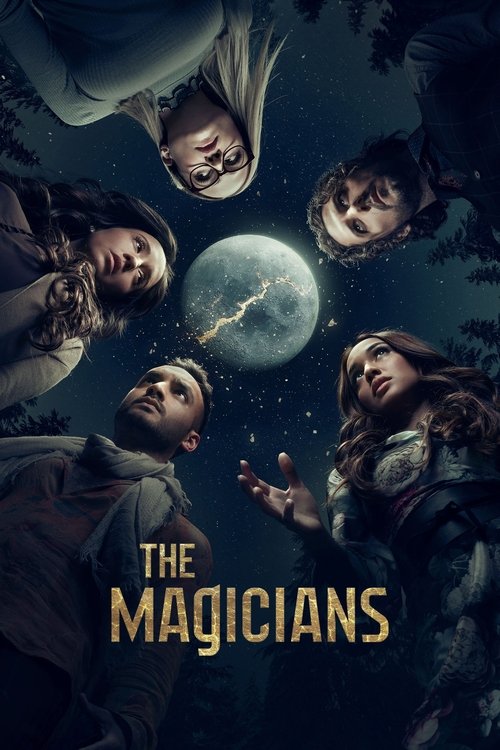
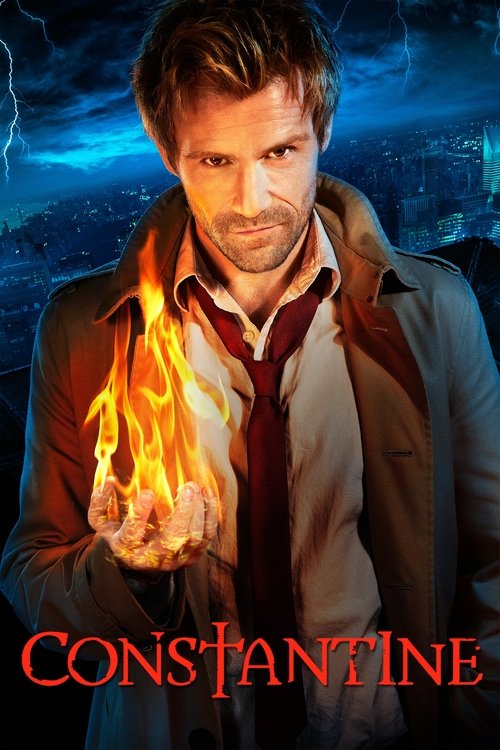
TV's best supernatural procedurals
Control is the best urban fantasy game ever made
The Federal Bureau of Control occupies a brutalist skyscraper in central Manhattan. Nobody outside knows it exists. Inside, the building is non-Euclidean, the janitor might be a prophet, and the director has just been killed by a paranatural entity that now possesses objects. Jesse Faden, the new director by default, fights through it with a levitating chunk of concrete she ripped from the floor. Remedy Entertainment's 2019 masterpiece is the best argument the genre has that games can do something film cannot: put you inside the paranoia rather than watching it from outside. Every memo you read, every surveillance tape you watch, adds to a picture of an institution that has been lying to itself for decades about what it actually deals with. The cosmic horror is real. The bureaucracy protecting you from knowing that is also real. Both are terrifying.
Urban fantasy in games
Vampires, wake states, and shadow governments
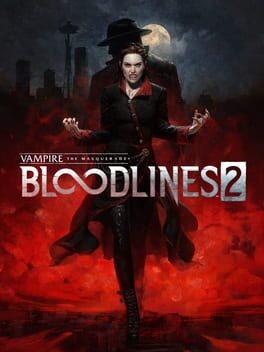
The vampire problem
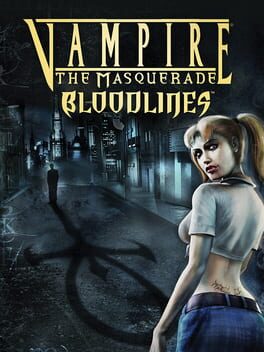
No creature has been more central to urban fantasy, or more exhausted by it. The vampire works in a city the way it does not quite work in a castle: it has a long-term lease, it accumulates money and connections across centuries, it has opinions about neighborhood gentrification. Anne Rice built the template in New Orleans; Jim Butcher put vampires in political factions warring over Chicago; Richard Kadrey's Sandman Slim treats them as one more species of lowlife to be navigated. Vampire: The Masquerade gave them a society more complicated and more dysfunctional than any human city government, and asked players to manage the social obligations of the undead alongside the violence.
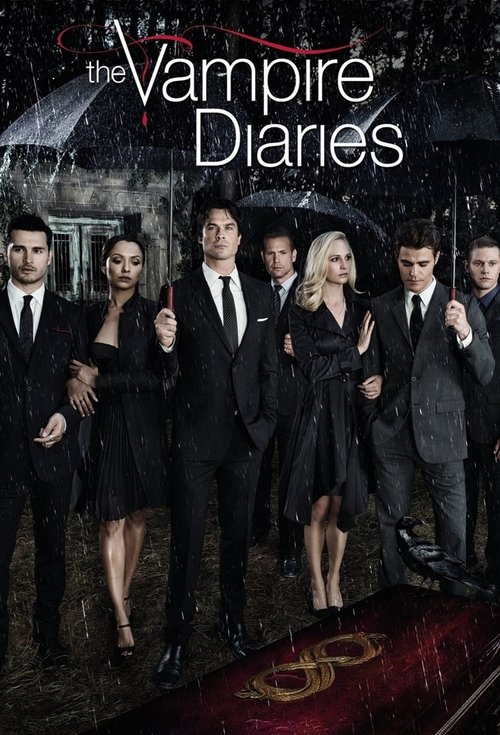
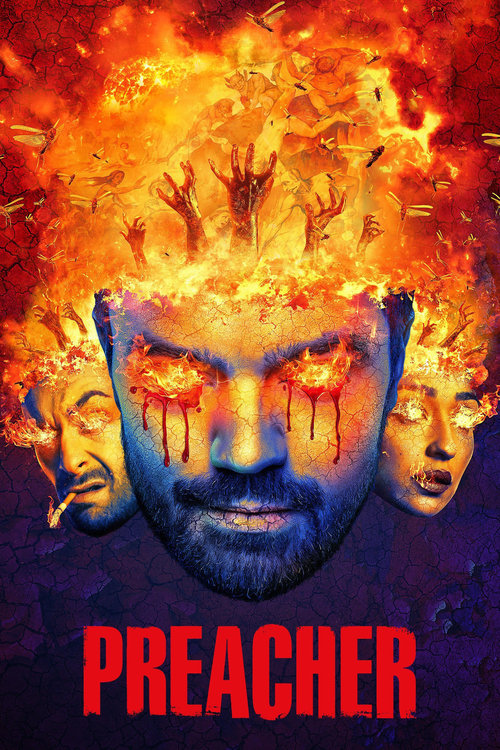
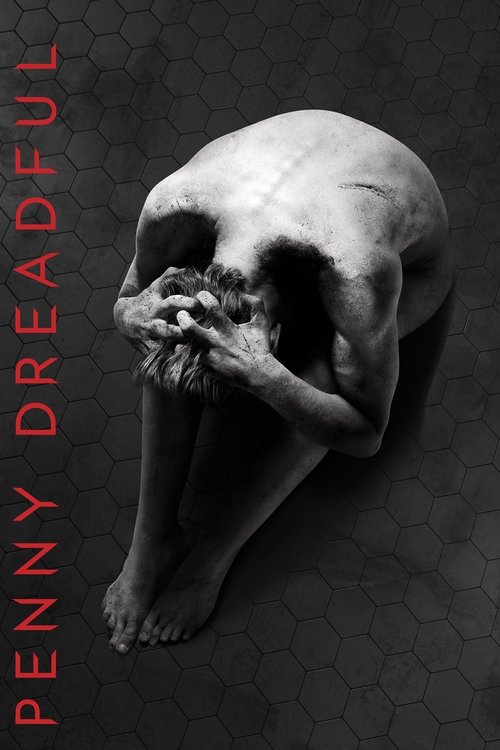
The genre hit its cultural saturation point around 2008 to 2012, when the YA vampire wave (Twilight, The Vampire Diaries) turned the creature into a romantic lead first and a monster second. The serious edge of the genre absorbed this without apology: Penny Dreadful put Dracula in Victorian London as a genuine threat; Preacher used biblical monsters in small-town America as pure grotesque. The vampire is still useful. It just needs the teeth back.
The vampire city
From New Orleans to New York, undead in an urban world


Hellboy is the genre's best character, not its best franchise
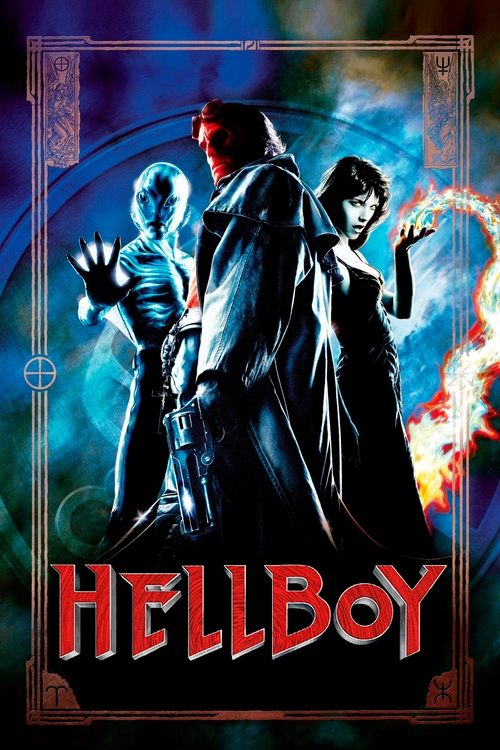
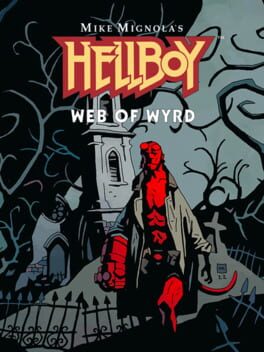
Mike Mignola's creation works better on the page than anywhere else, which is not a complaint about Guillermo del Toro's two films (both excellent, especially The Golden Army) but a statement about what Hellboy actually is. The Dark Horse comics are atmospheric horror in ways the films, by necessity, have to tone down: quieter, lonelier, stranger. A demon raised by the U.S. government who investigates the paranormal and refuses to fulfil his destined role as the beast of the apocalypse, largely because he finds the prophecy boring. The films caught the humor and the scale; the comics caught the weight. The Hellboy Web of Wyrd game, released 2023, returned to Mignola's art style directly and did something neither film quite managed: made you feel the menace of the supernatural world he has spent fifty years drawing.

Films from the hidden world
Urban fantasy on the big screen


Books from the hidden shelf
Comics, novels and graphic fiction the genre can't do without



The magic was always here. You just weren't authorized to know about it.On the genre's central premise, from filing cabinets to prophecy
From the same hidden world
More essential urban fantasy across every medium