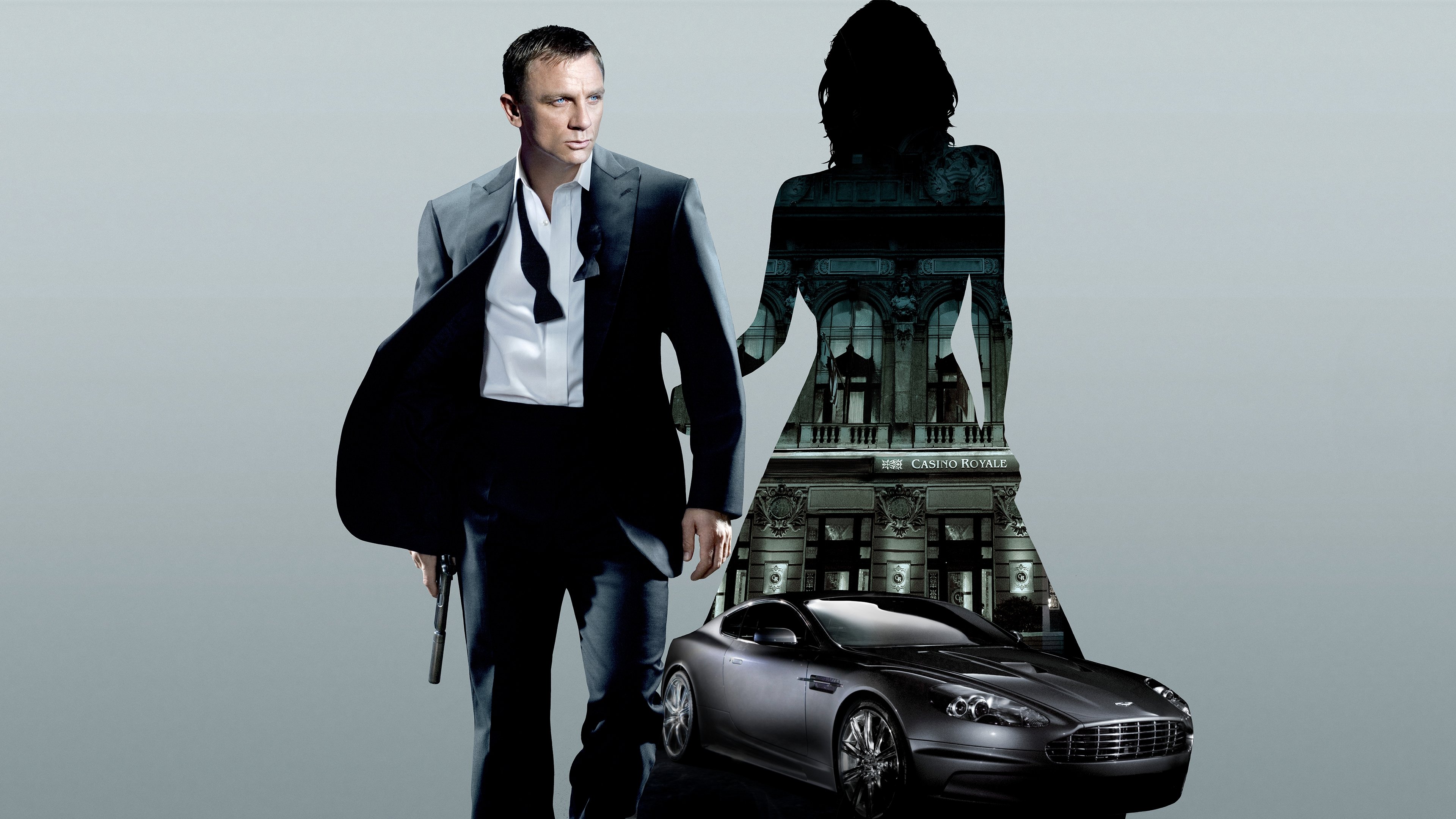

Mads Mikkelsen built his career on a paradox: the more still he becomes, the more dangerous he reads. Trained as a gymnast before turning to acting, he brings a physical precision to every performance that other actors buy with noise and gesture. Danish audiences knew him from the crime-comedy Pusher trilogy and the beloved TV series Rejseholdet before he crossed over as Le Chiffre in Casino Royale (2006), and the international film world caught up slowly to what Copenhagen already understood: this is one of the most complete screen actors of his generation. His range runs from Lucas in The Hunt (a falsely accused kindergarten teacher destroyed by a village) to Hannibal Lecter in Bryan Fuller's Hannibal series (a cannibal psychiatrist who is, somehow, the most civilised person in the room). What unifies them is gravity. Mikkelsen does not play characters who want things loudly. He plays characters who have already decided.
Essential Mads Mikkelsen
The performances that define the career, from Danish art-house to international blockbuster
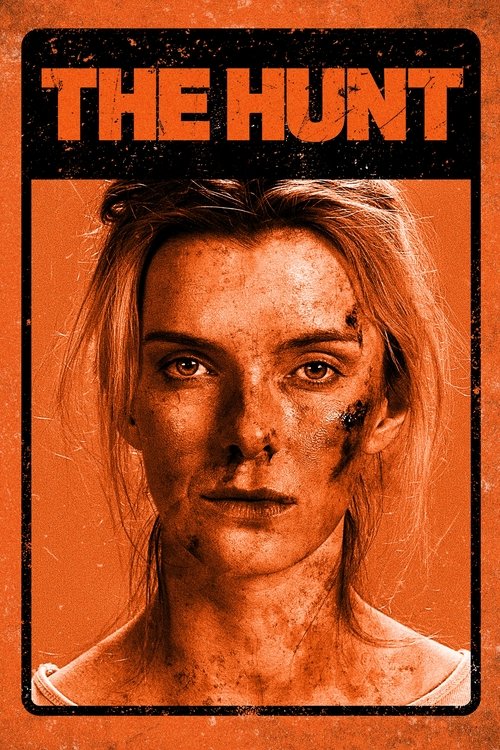

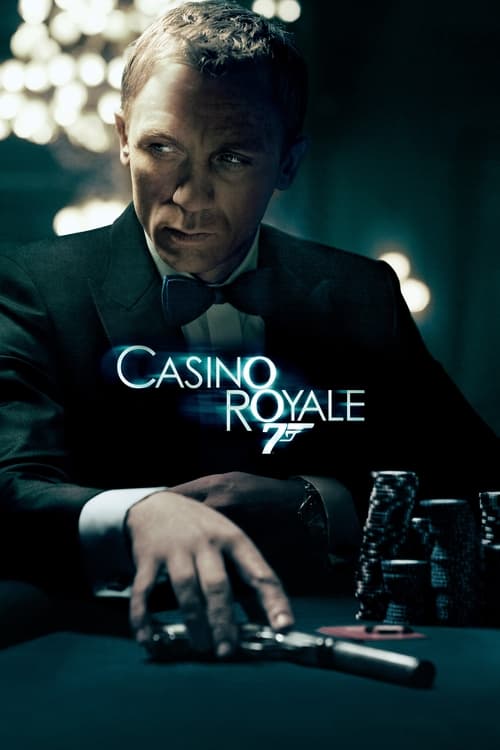
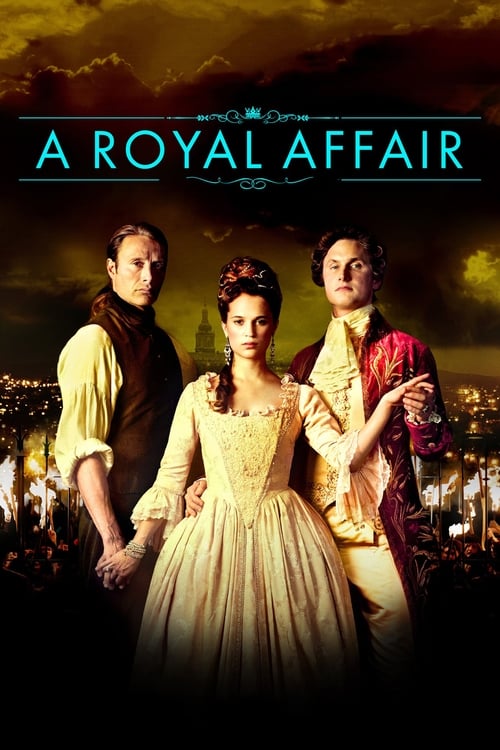
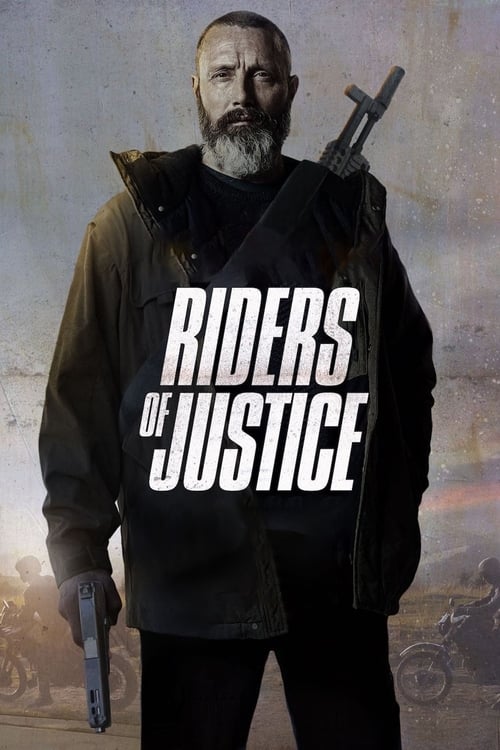

Other Faces of Controlled Menace
Films and series where an actor's stillness carries more weight than the screenplay
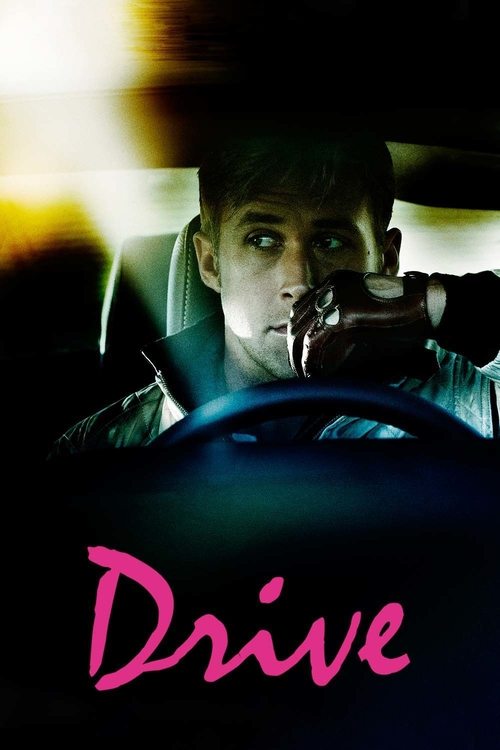
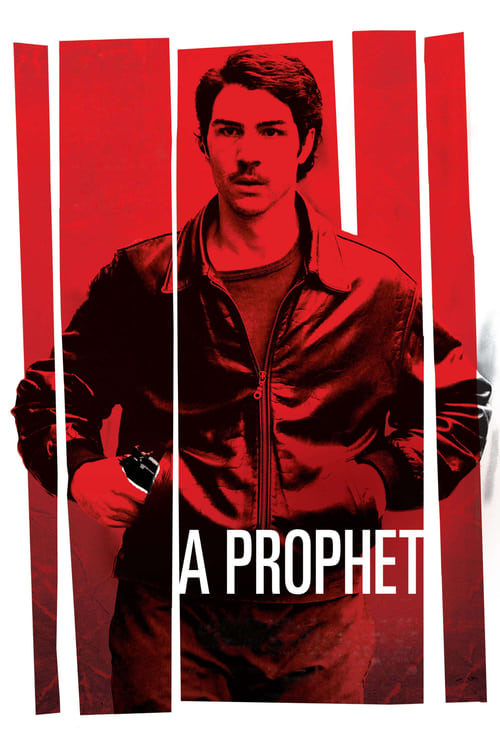
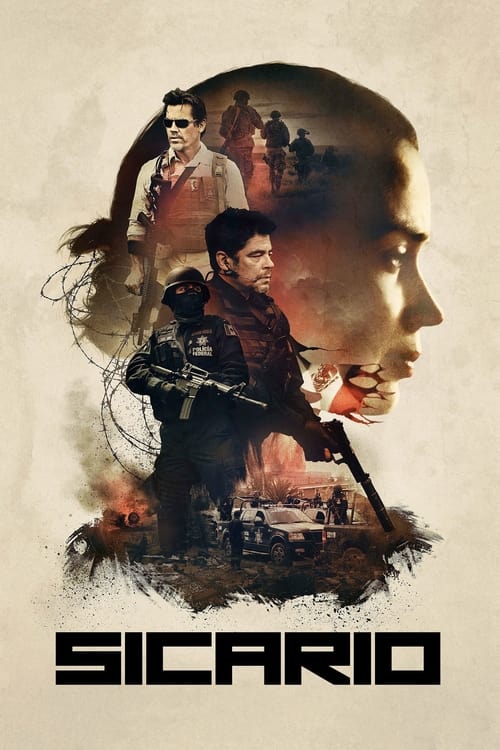
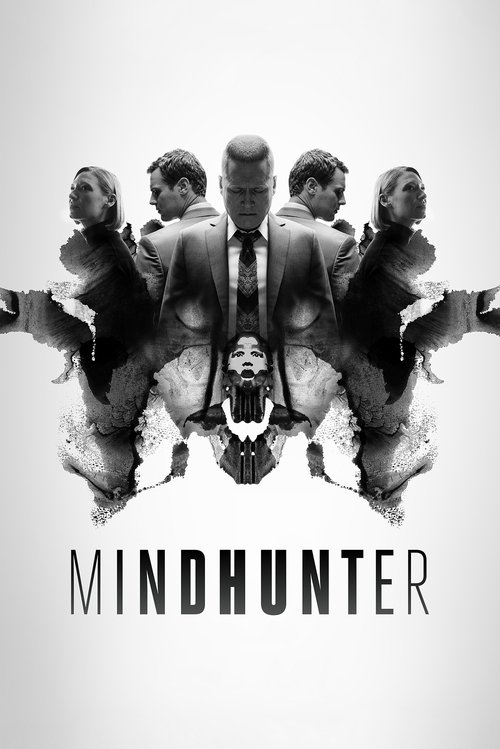
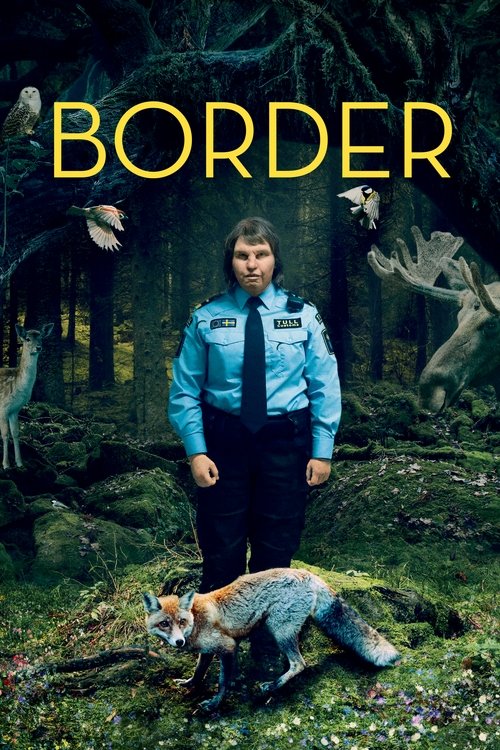
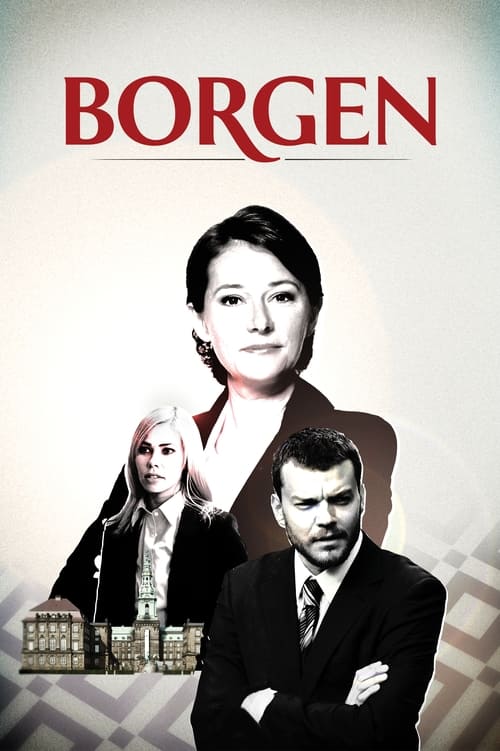
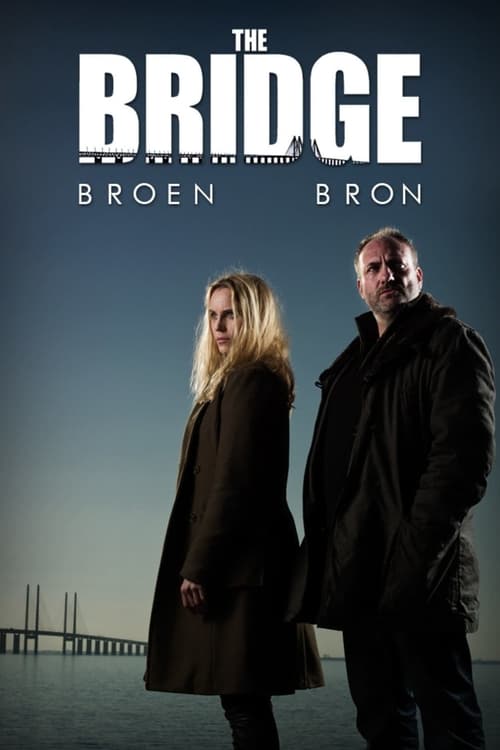
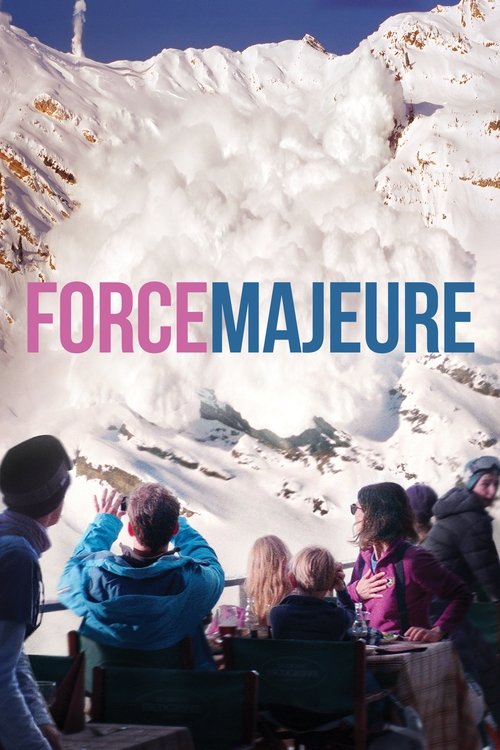
Nordic Darkness on Screen
Scandinavian crime, social realism, and the cold moral landscapes Mikkelsen comes from

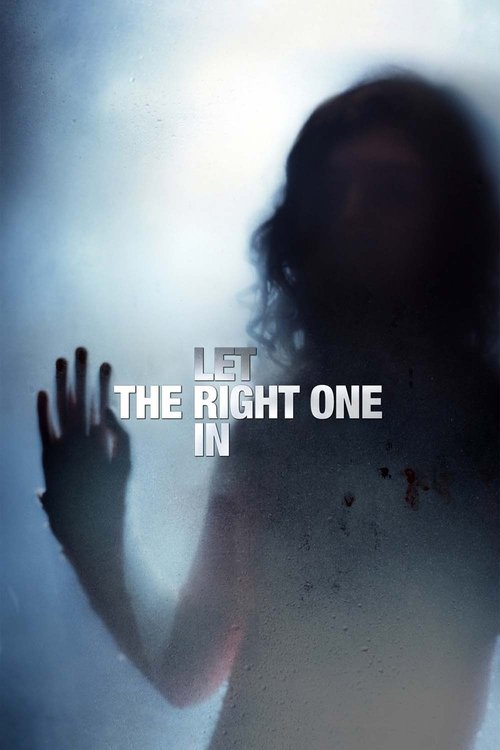

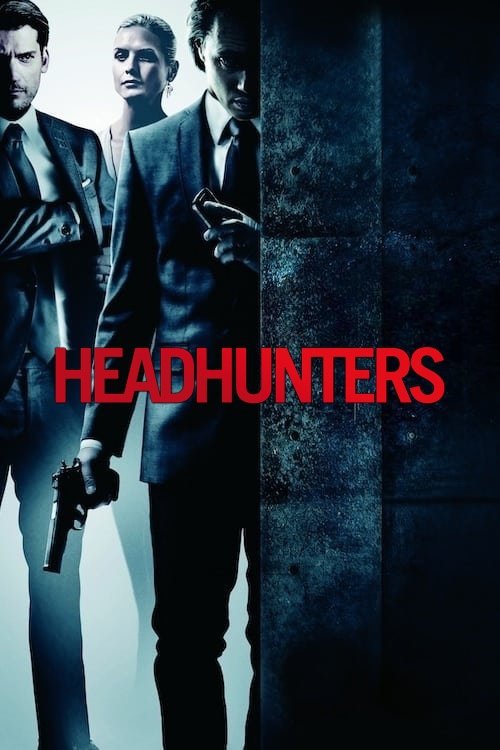

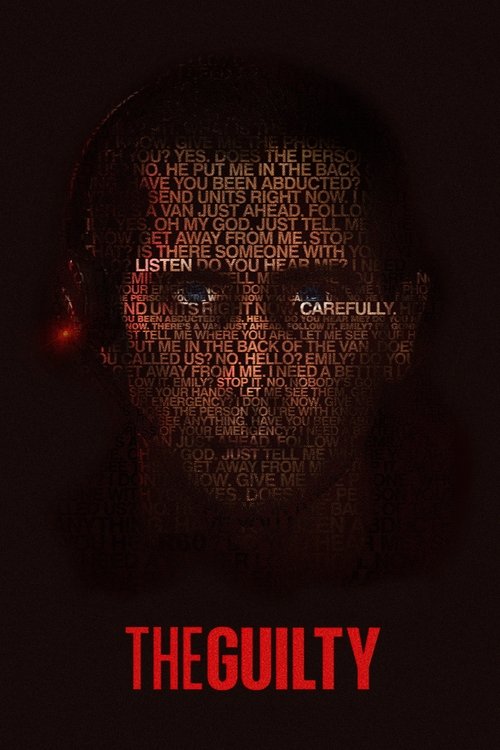
Books Behind the Screen
Novels that share the moral weight, psychological precision, and cool European dread of Mikkelsen's best films


Games for the Patient Predator
Games that reward observation, restraint, and psychological pressure over reaction time
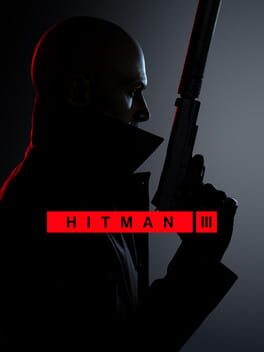
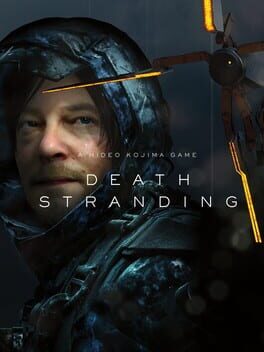
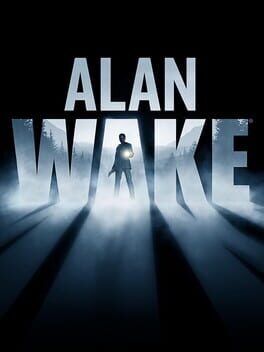
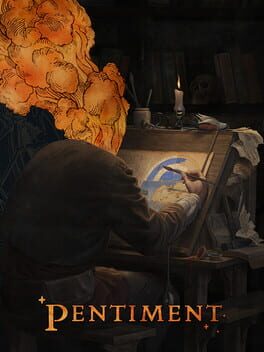
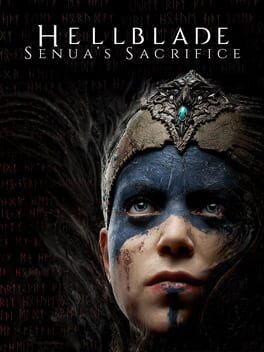
The Hunt is the Film He Will Be Remembered For
Thomas Vinterberg's The Hunt (2012) is one of the most uncomfortable films of the past two decades, and Mikkelsen's Lucas is the reason. He does not play innocence as performance, as declaration, as something that needs proving. He simply inhabits it, which makes the village's mass delusion not just believable but devastating. The film argues that a community can destroy a person not out of malice but out of the unstoppable machinery of fear and groupthink, and Mikkelsen holds that argument on his back for 115 minutes without ever letting it tip into melodrama.
Another Round Proves He Can Play Joy as Well as Dread
The risk of becoming synonymous with menace is that audiences forget you can do everything else. Another Round (2020), again with Vinterberg, is Mikkelsen's counter-argument. His final dance sequence, a solo of pure physical release on a Copenhagen waterfront, is one of the great moments of recent cinema precisely because the film has spent 90 minutes building up all the sadness it is burning through. His gymnast's body, usually employed for threat, here becomes pure expression.
Hannibal Reimagined Villainy as Aesthetic Philosophy
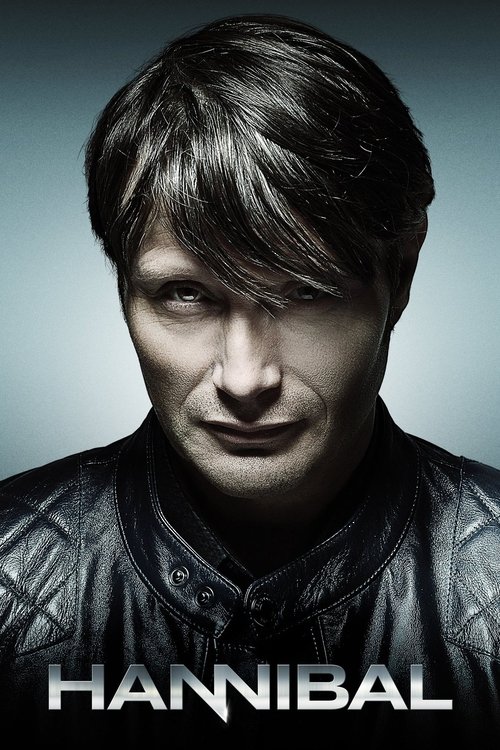
Bryan Fuller's Hannibal (2013-2015) is, by any reasonable measure, the best version of Thomas Harris's creation on any screen. Mikkelsen does not do an impression of Anthony Hopkins. He builds from scratch: a Lecter who is genuinely curious about Will Graham, genuinely fond of beauty, genuinely contemptuous of rudeness. The show's operatic visual style and its insistence on treating Lecter as a figure of tragic grandeur rather than horror-movie monster fit Mikkelsen's register perfectly. He plays the character as a man who finds most humans boring, which is much scarier than hunger.
Valhalla Rising is the Film His Fans Should Seek Out
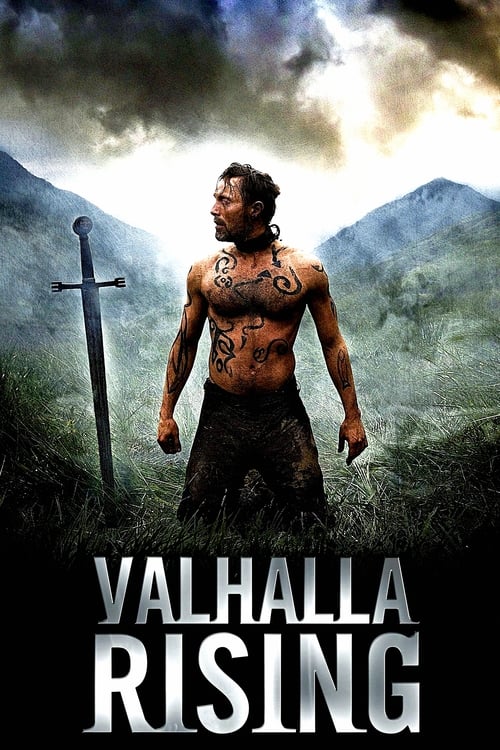
Nicolas Winding Refn's Valhalla Rising (2009) is the film that most purely distils what Mikkelsen offers a director: a face that can sustain silence for entire sequences and still hold the frame. He plays One Eye, a mute Norse warrior, for almost the entire runtime without a word of dialogue. The film is dreamlike, violent, and genuinely strange, closer to Werner Herzog than conventional historical action. Most actors would be swallowed by that silence. Mikkelsen fills it.
A Career in Milestones
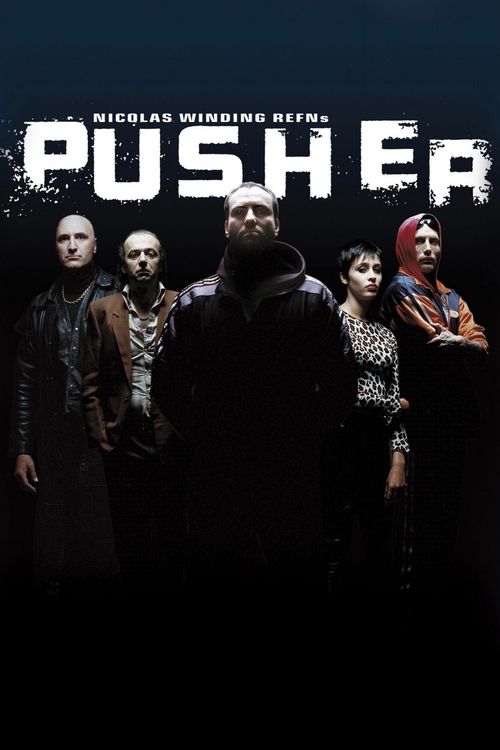
- 1996Feature debut in Pusher, the Nicolas Winding Refn crime film that launched both careers Pusher
- 2006Plays Le Chiffre opposite Daniel Craig, becoming the first Bond villain with genuine physical menace in years Casino Royale
- 2009Valhalla Rising: a silent performance in a near-experimental Viking film that becomes a cult benchmark Valhalla Rising
- 2012The Hunt wins the Best Actor prize at Cannes; Mikkelsen becomes the first Dane to win for a Danish-language role in the festival's main competition The Hunt
- 2013Hannibal debuts: three seasons of the most stylised prestige TV of the decade Hannibal
- 2016Rogue One: joins the Star Wars universe as Galen Erso, the reluctant architect of the Death Star Rogue One: A Star Wars Story
- 2020Another Round: a second Cannes triumph with Vinterberg, this time at the Palme d'Or level; the film wins the Oscar for Best International Feature Film Another Round
- 2022Replaces Johnny Depp as Gellert Grindelwald in Fantastic Beasts 3, stepping into the most politically complex role of the Wizarding World franchise Fantastic Beasts: The Secrets of Dumbledore
- 2023Indiana Jones and the Dial of Destiny: the franchise's final villain, playing a Nazi scientist who has spent decades waiting for his moment Indiana Jones and the Dial of Destiny
More menace: detectives, spies, and Danish drama
Danish Film and Television
Explore the Danish Film and Television guide →He does not play a man who might do something dangerous. He plays a man who has already done it, and is now deciding whether you need to know.CrossBinge editors