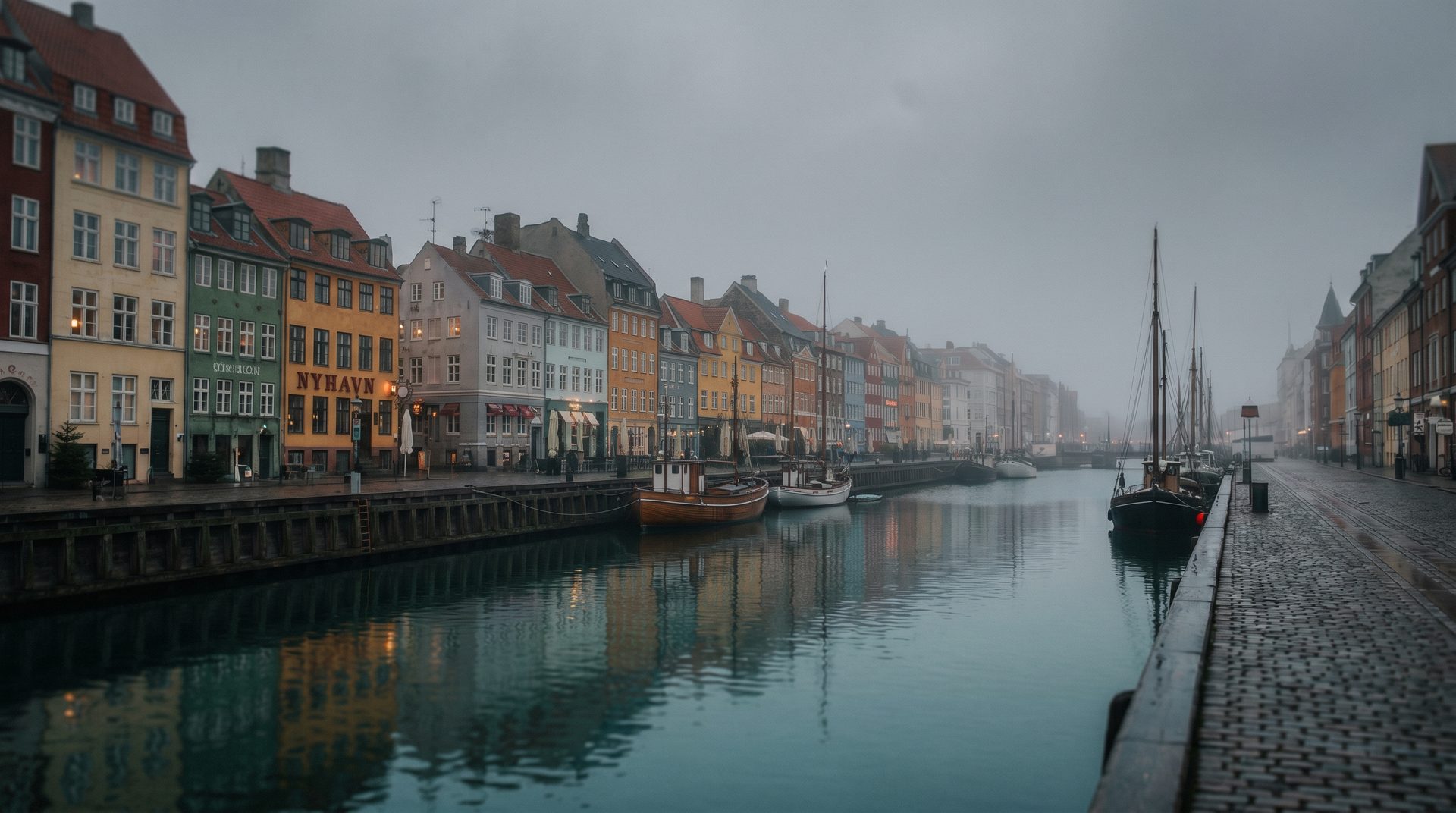

The Cold Light from the North
Denmark is not a country you associate with power. Five million people. A small peninsula and a scatter of islands between the North Sea and the Baltic. No mountains, no vast plains, no epic geography to produce epic cinema in the conventional sense. And yet, starting in the mid-1990s, Denmark became arguably the most creatively influential film nation on the planet, pound for pound.
The reasons are specific. Danish film culture had been subsidised and serious for decades before Dogme 95 arrived, but state funding had also made it complacent. The Danish Film Institute, founded in 1972, gave directors freedom and money; what it sometimes failed to provide was urgency. Then in 1995, Lars von Trier and Thomas Vinterberg nailed a manifesto to the door of film culture and called it a vow of chastity. No artificial lighting, no non-diegetic music, no genre movies, no directorial credit. Shoot on location, use a handheld camera, do not smooth out the mess of reality. The Dogme 95 movement lasted barely five years as a formal project, but it seeded an entire generation.
The geography matters more than it looks. Denmark sits at a cultural crossroads: Germanic in its language, Scandinavian in its sensibility, but open to the Atlantic and historically connected to Britain and the Low Countries. Danish storytelling tends toward the interior rather than the spectacular. Cold light, grey skies, interiors that feel simultaneously cosy and trapped. These are not accidents of production budget. They are aesthetic choices that became a national signature.
On the television side, the tradition runs deeper than people outside Denmark realise. DR, the public broadcaster, has been making quality drama since the 1970s. But it was the combination of DR's editorial ambition, a generation of writers and directors trained partly through the Dogme moment, and a new international appetite for subtitled drama in the late 2000s that produced the Nordic noir wave: Forbrydelsen (The Killing) in 2007, Borgen in 2010, Broen (The Bridge) in 2011. These shows did not just sell well. They changed what audiences everywhere believed premium television could look like.
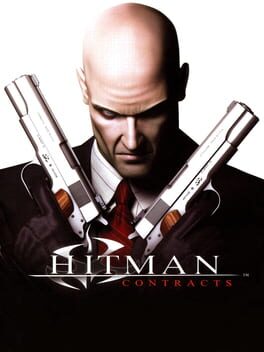
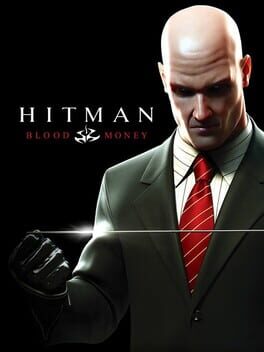
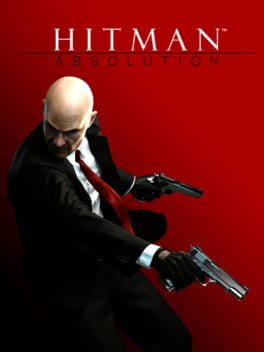
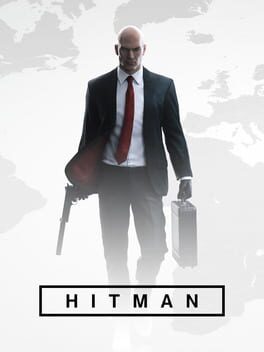
The games industry adds a third dimension that often surprises people. Two Copenhagen studios, IO Interactive and Playdead, have produced work of global significance: the Hitman franchise and the silent platformers Limbo and Inside each carry a Danish character, a certain stripped-back seriousness, an interest in moral discomfort. That is not a coincidence. It is the same cultural instinct at work.
This guide covers the essential works across film, television, and games. It is opinionated about what matters and why.
The Dogme 95 Core
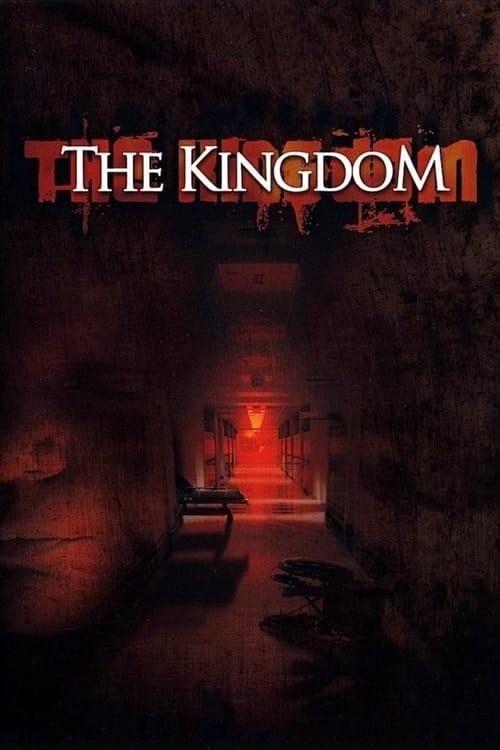
The Danish films that proved the manifesto was more than provocation
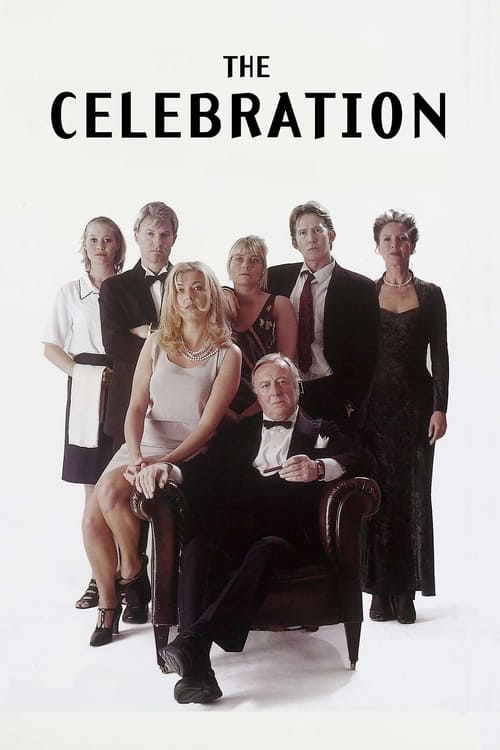

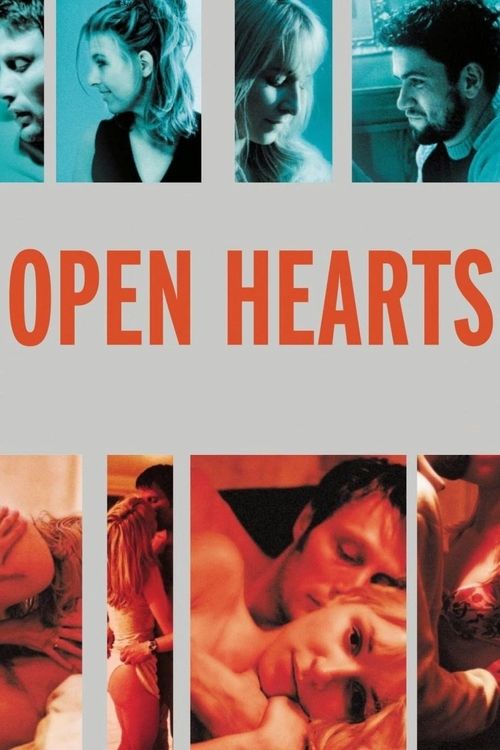
Lars von Trier: the Complete Picture
Not just provocation. A body of work with actual formal consistency

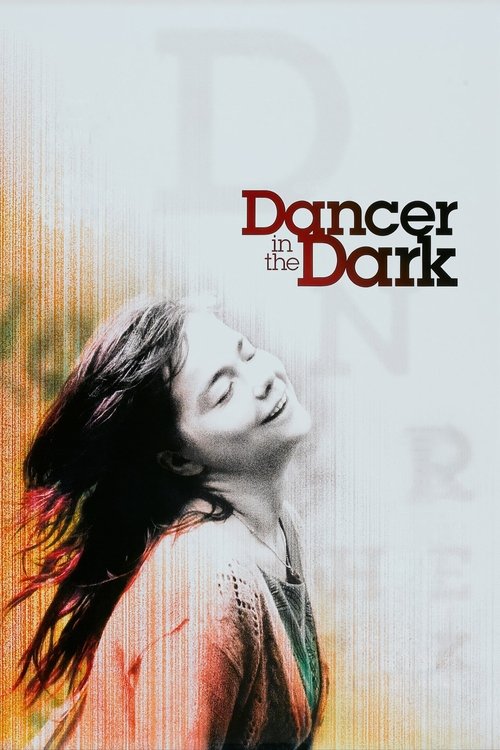
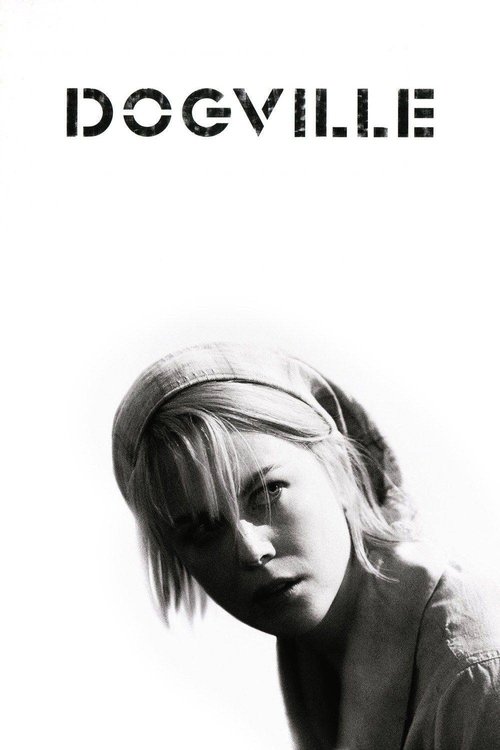
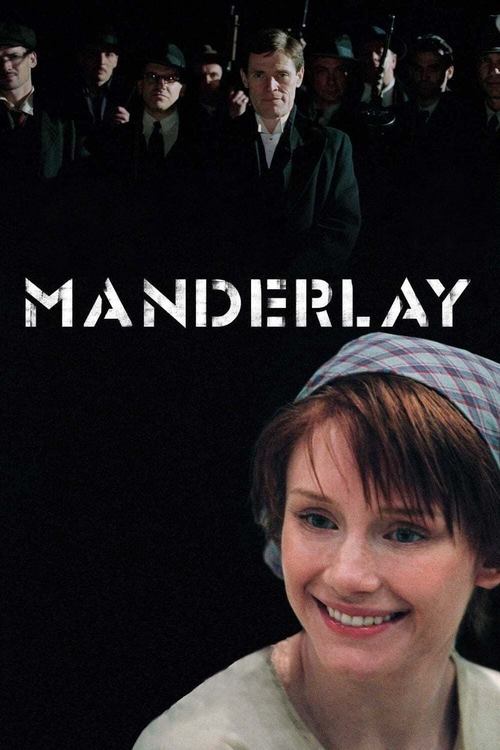
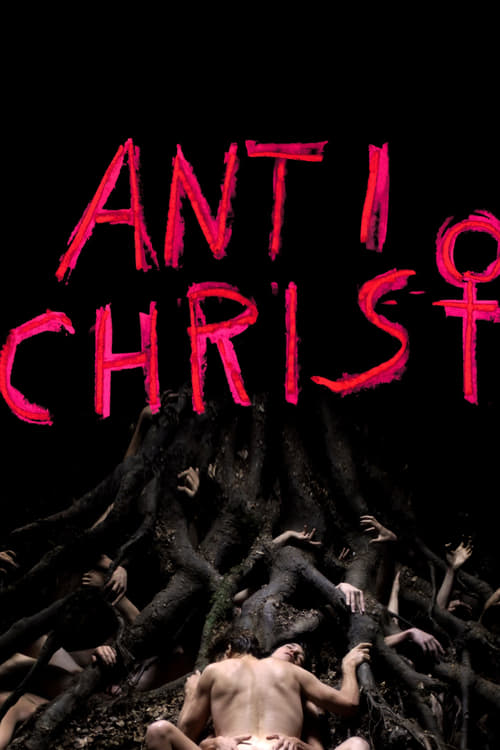
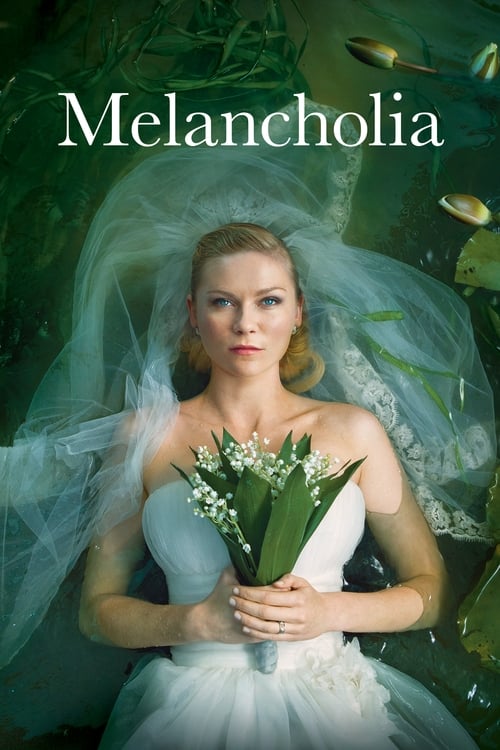
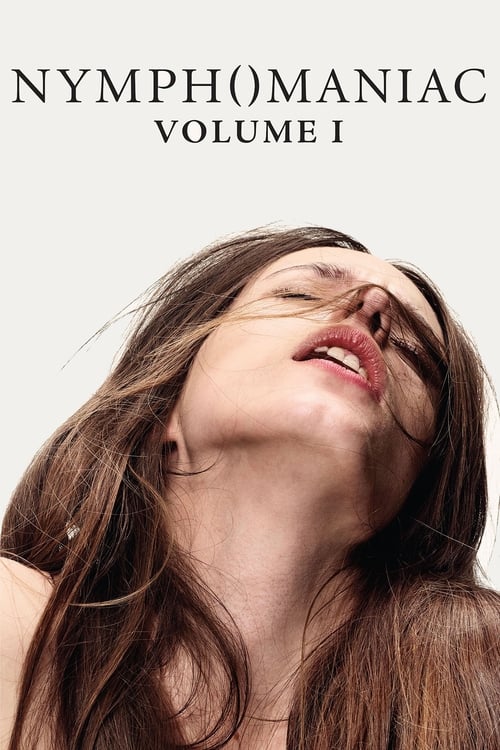
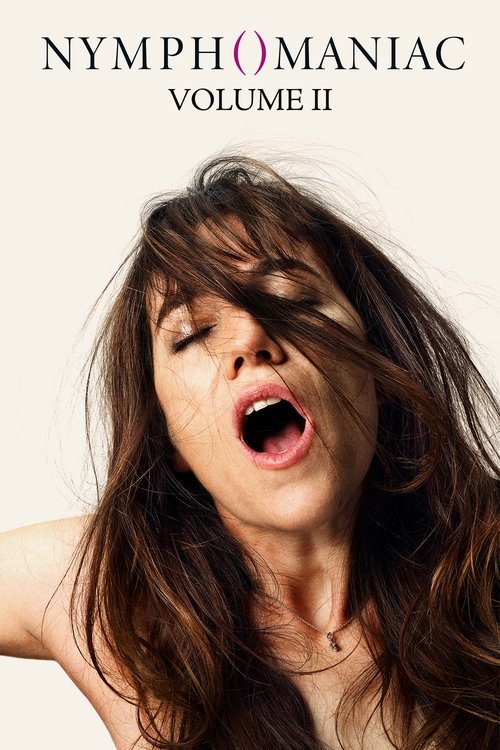
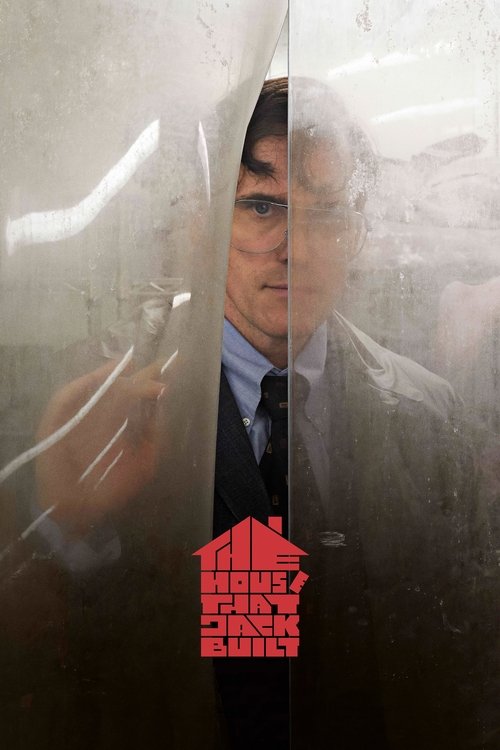
A Small Country's Outsized Century
- 1906World's first feature-length fiction film arguably produced by Nordisk Film, Copenhagen
- 1943Carl Th. Dreyer completes Day of Wrath during the German occupation
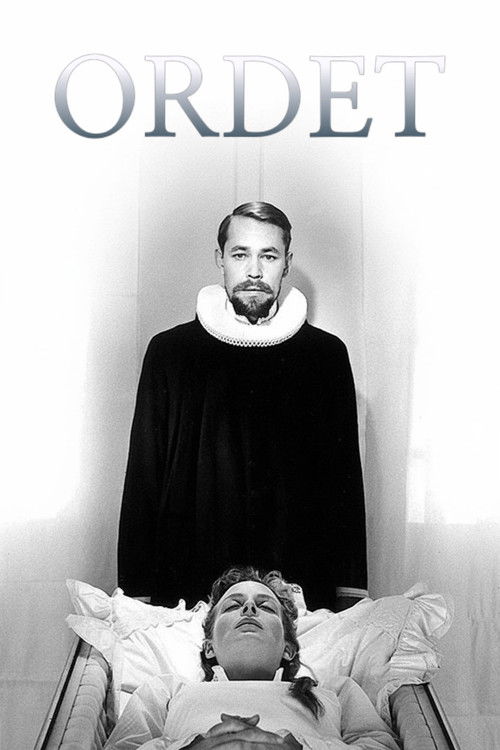
- 1955Dreyer's Ordet wins the Golden Lion at Venice, establishing international credentials
- 1972Danish Film Institute founded, beginning systematic state support for auteur cinema
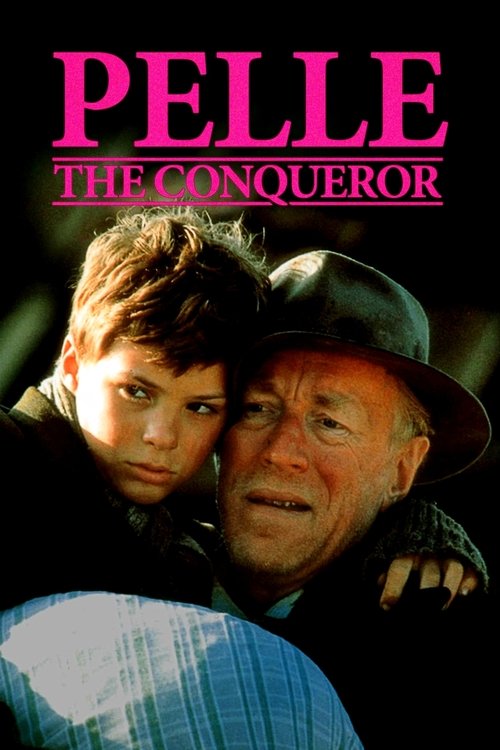
- 1987Bille August's Pelle the Conqueror begins production; wins the Palme d'Or in 1988
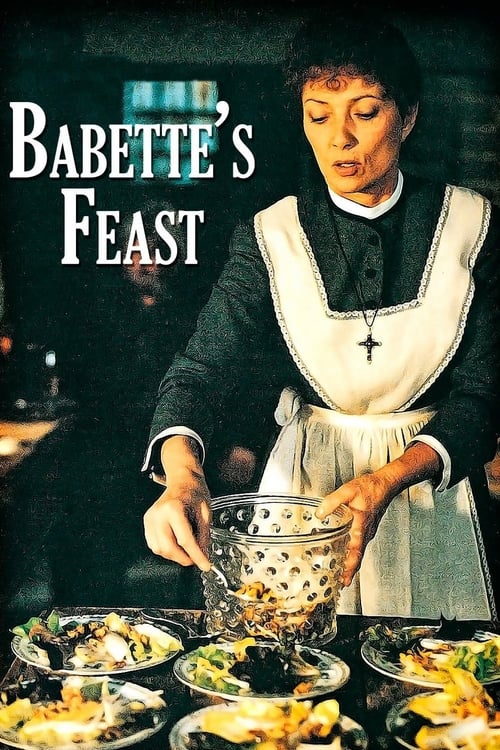
- 1988Babette's Feast wins the Academy Award for Best Foreign Language Film
- 1995Dogme 95 manifesto published by von Trier and Vinterberg at a Paris centenary conference
- 1998The Celebration (Festen) wins the Cannes Jury Prize; Dogme proves itself
- 2000IO Interactive ships Hitman: Codename 47 from Copenhagen
- 2003Dogville divides Cannes; Susanne Bier's Open Hearts begins a run of international acclaim
- 2007Forbrydelsen (The Killing) premieres on DR1, 1.4 million viewers for a country of five million
- 2010Playdead releases Limbo; Borgen premieres, winning the International Emmy
- 2011Broen (The Bridge) launches the defining Nordic noir format; Melancholia premieres at Cannes
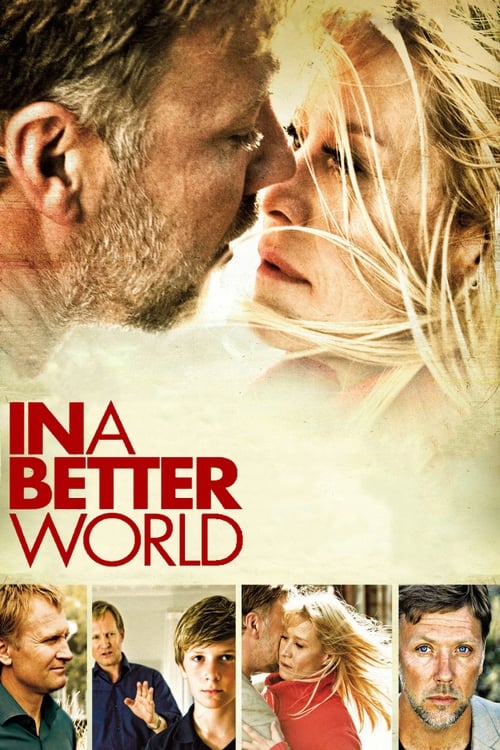
- 2012In a Better World wins the Oscar for Best Foreign Language Film
- 2016Playdead releases Inside; IO Interactive launches the episodic Hitman reboot
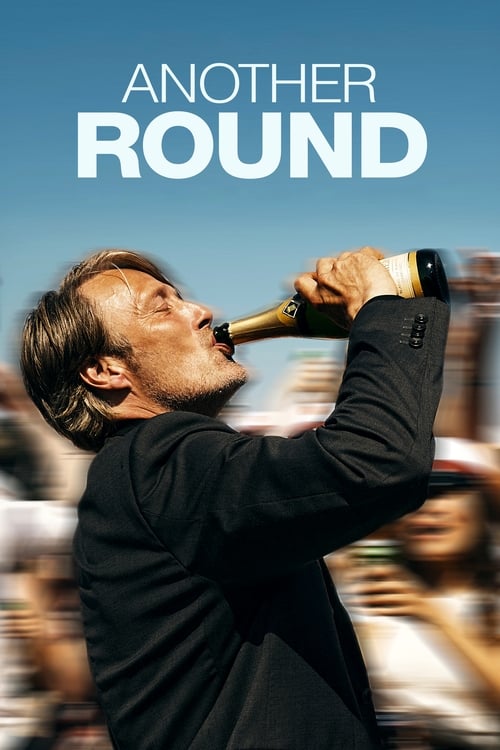
- 2020Another Round wins the Oscar for Best International Feature Film
- 2022Borgen returns after a decade for a fourth season; DR drama still setting international benchmarks
Nordic Noir: The Television Canon
The shows that made subtitled crime drama a global genre
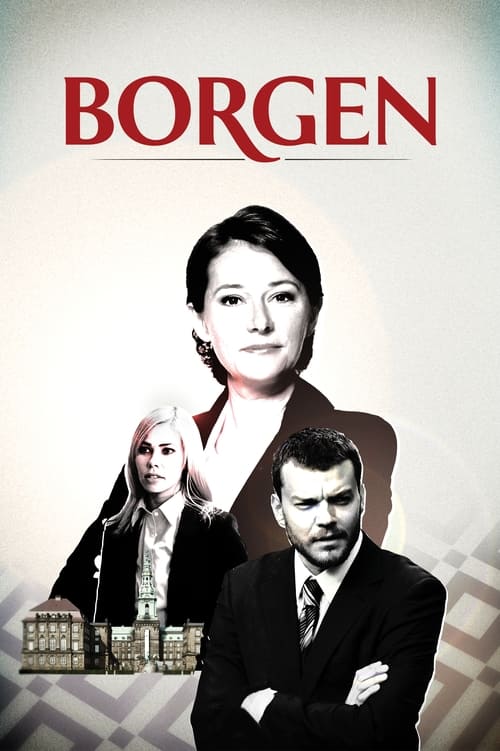
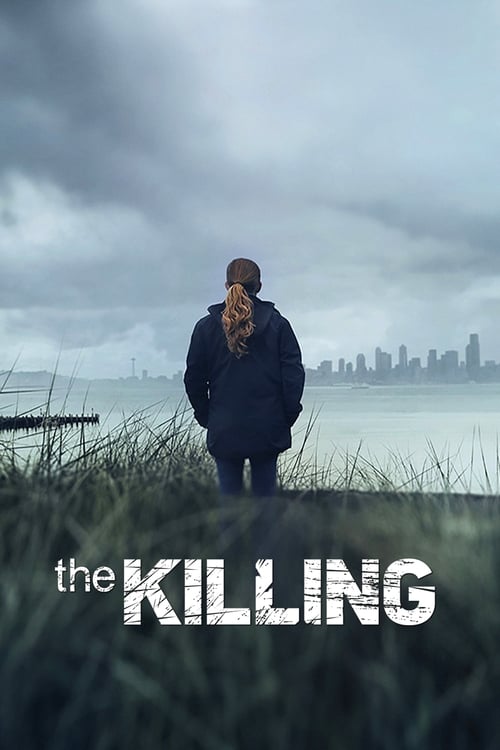
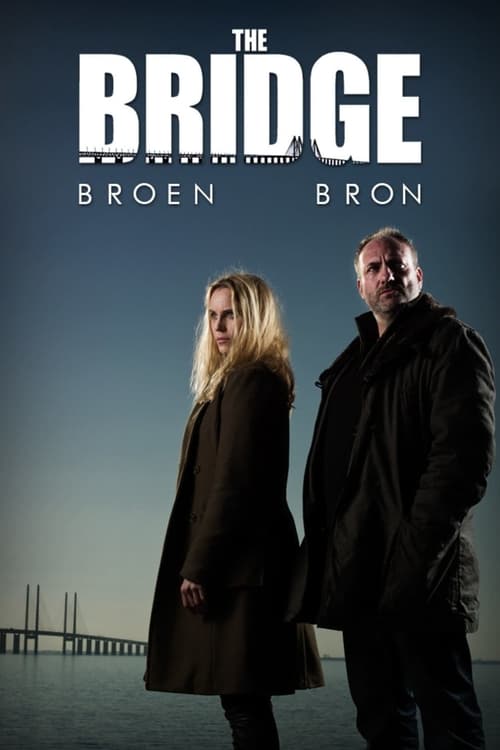
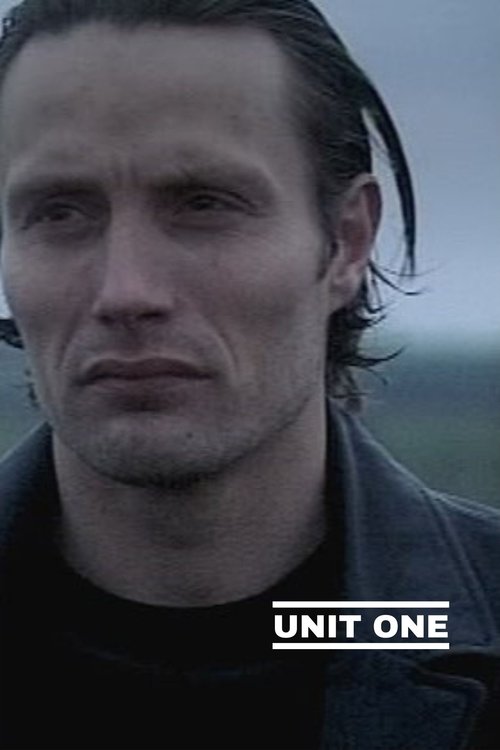
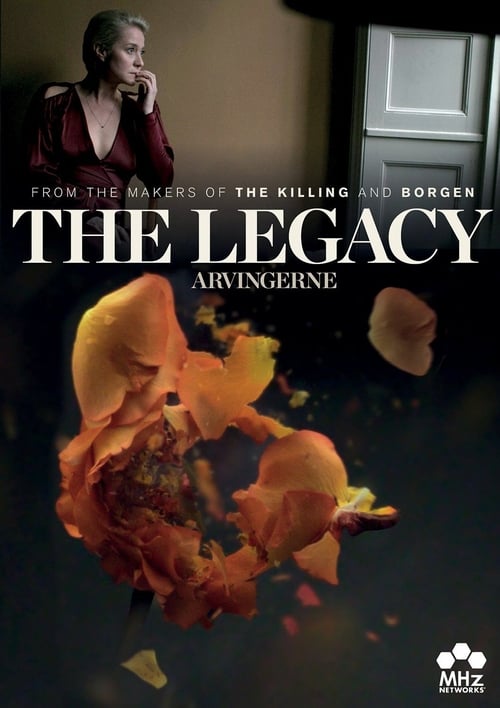
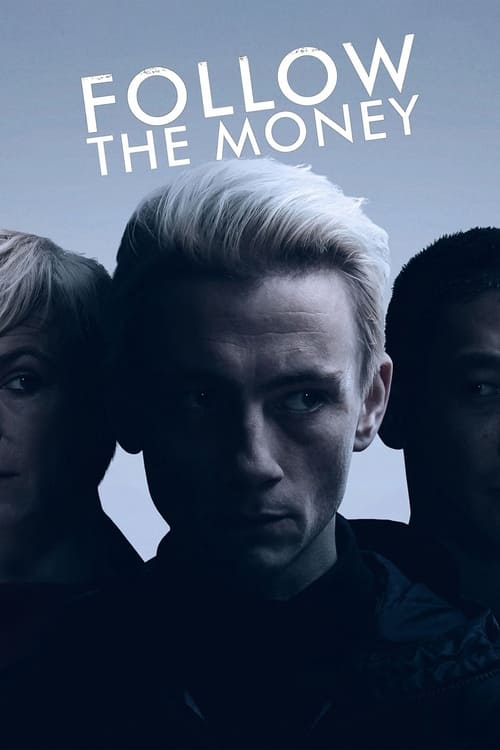
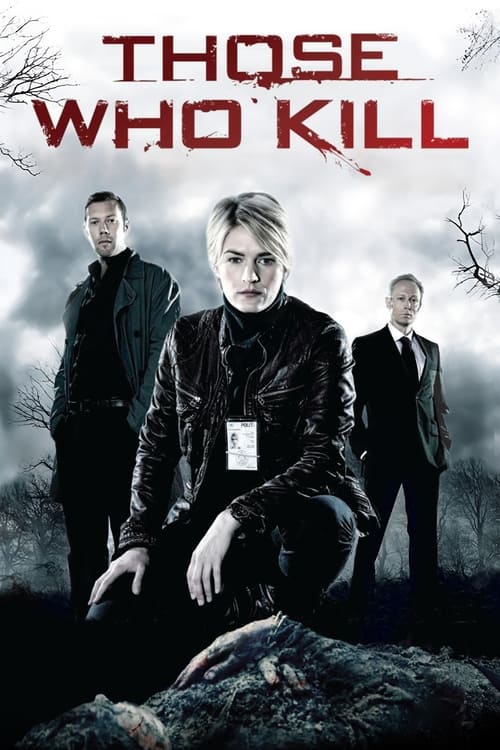
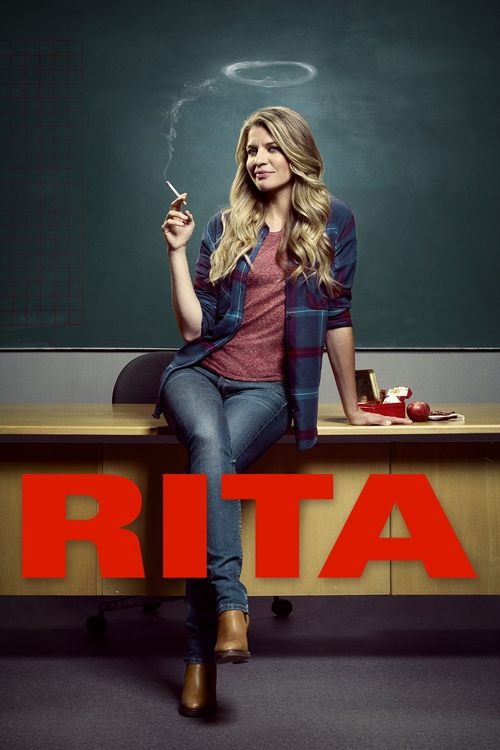
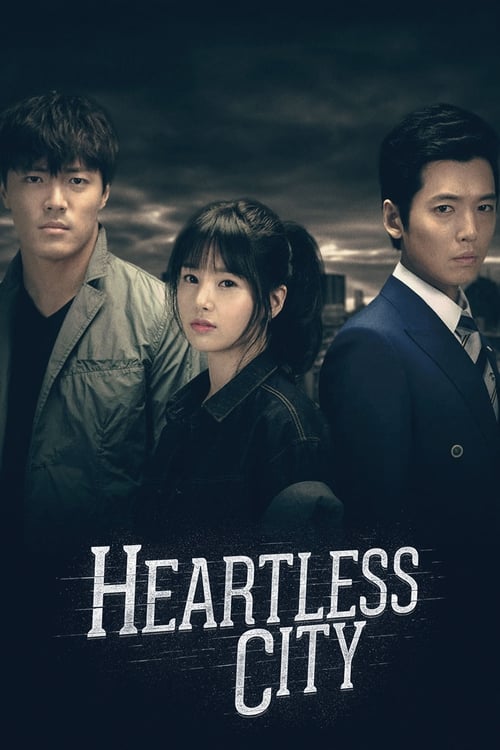
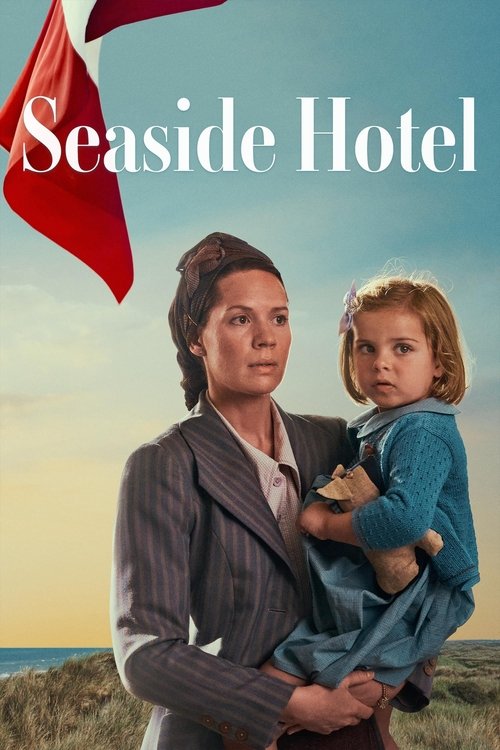
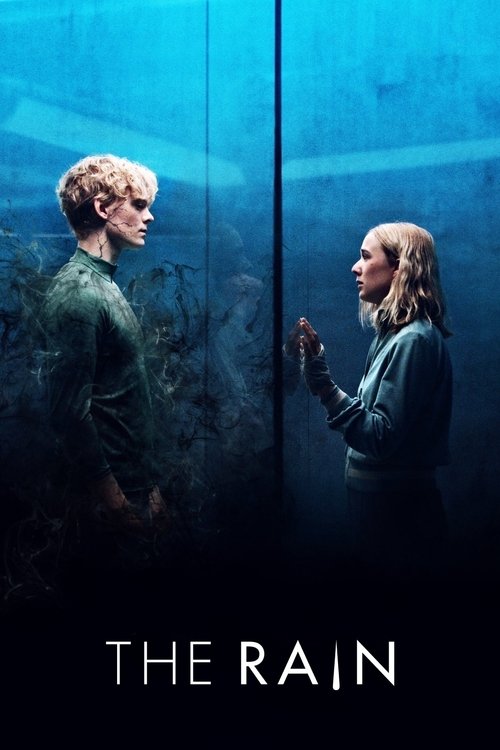
Borgen didn't just change Danish television. It changed the English-speaking world's assumption that political drama had to be American to be sharp.CrossBinge editors
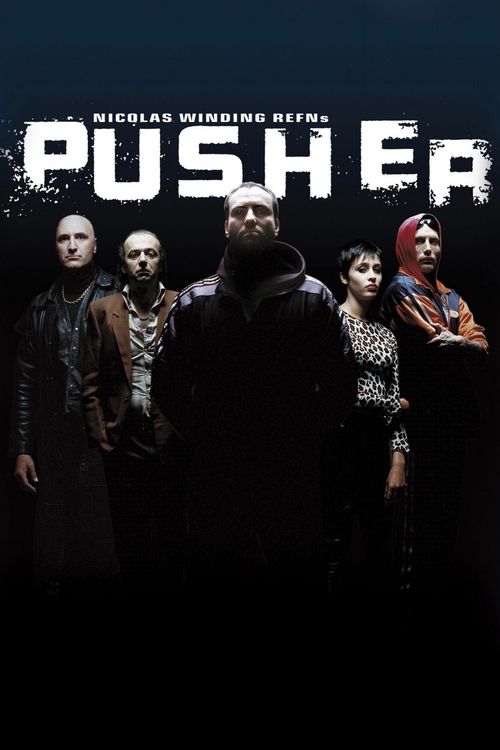
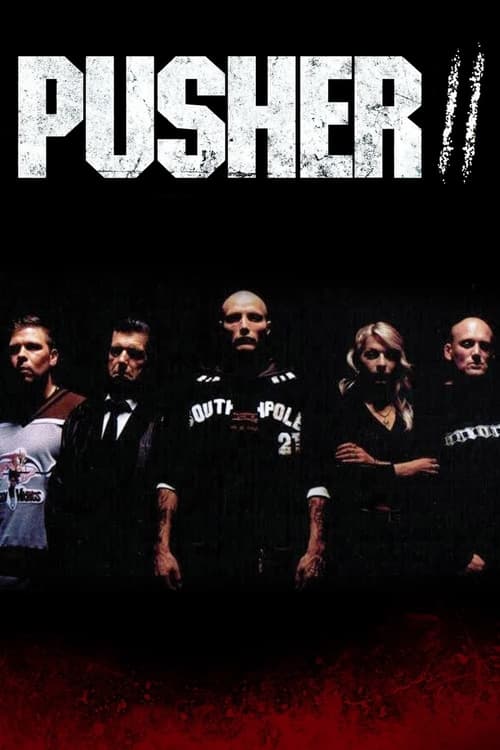
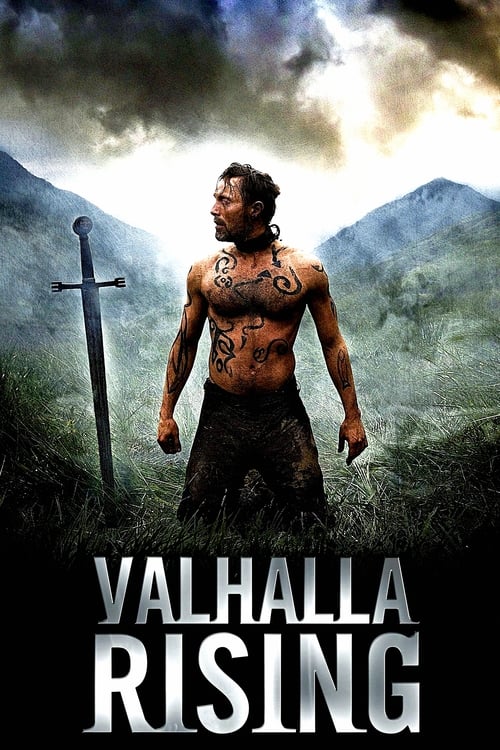
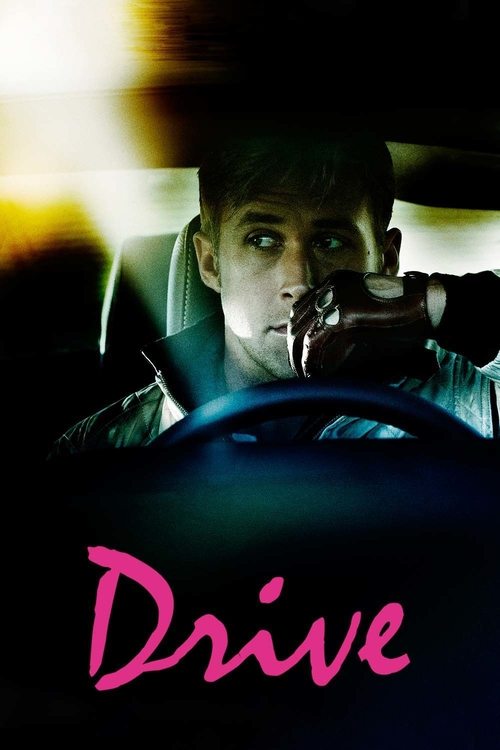
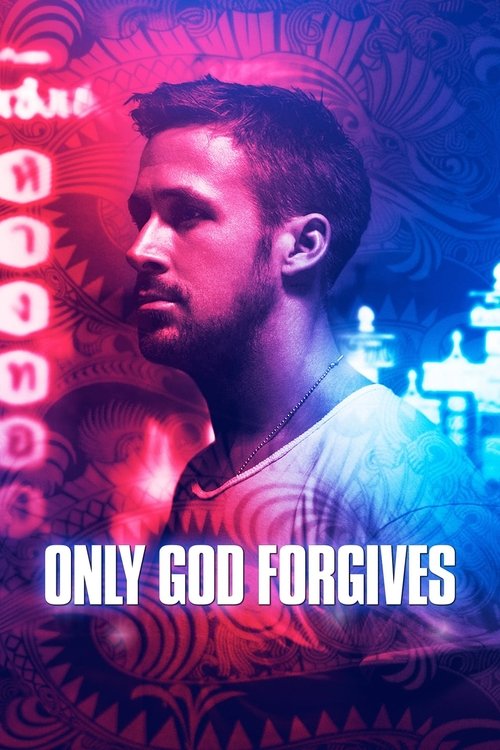
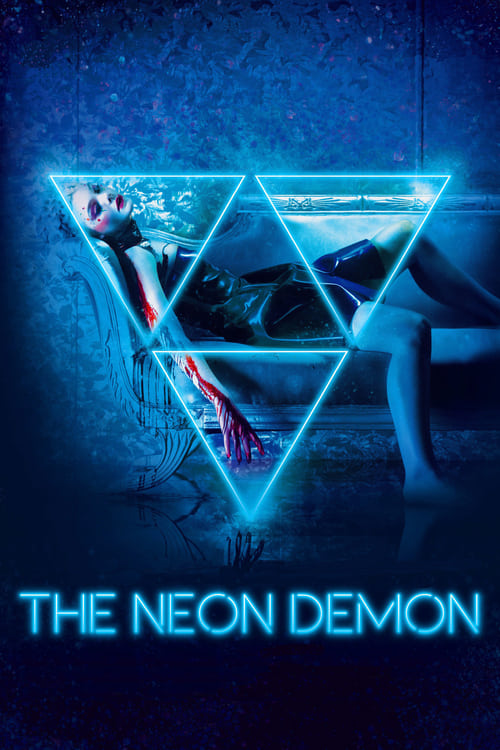
Nicolas Winding Refn: Style as Substance
From Pusher to neon: a director who left Denmark but never left its DNA

Thomas Vinterberg Beyond Dogme
The director who grew into something richer than the manifesto he co-wrote

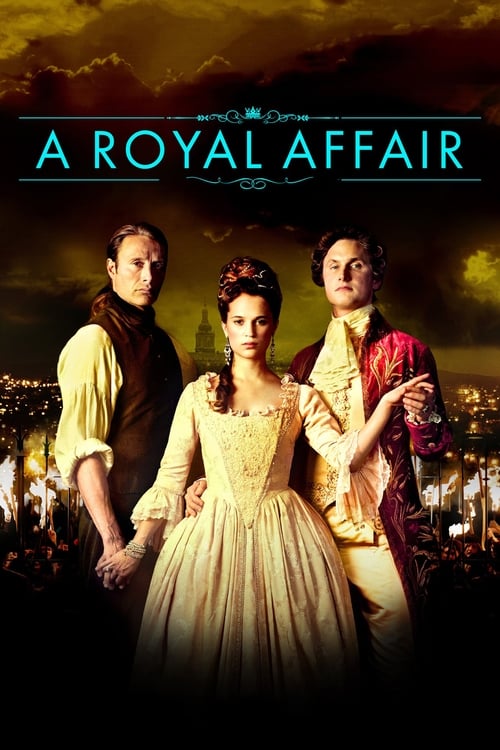
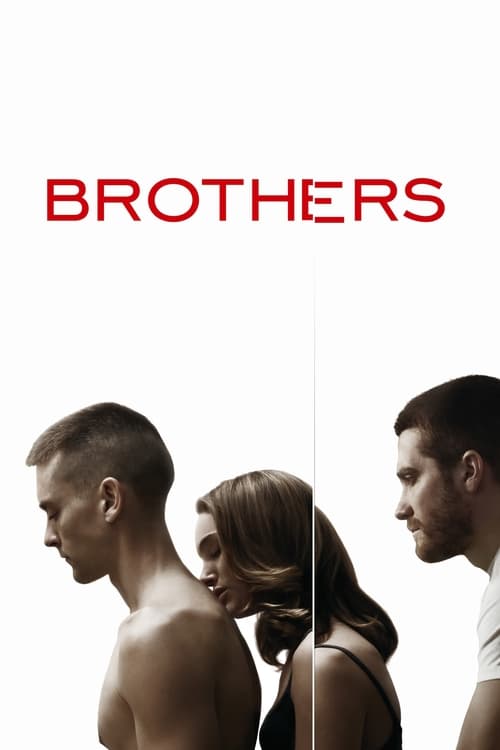
The Wider Danish Cinema
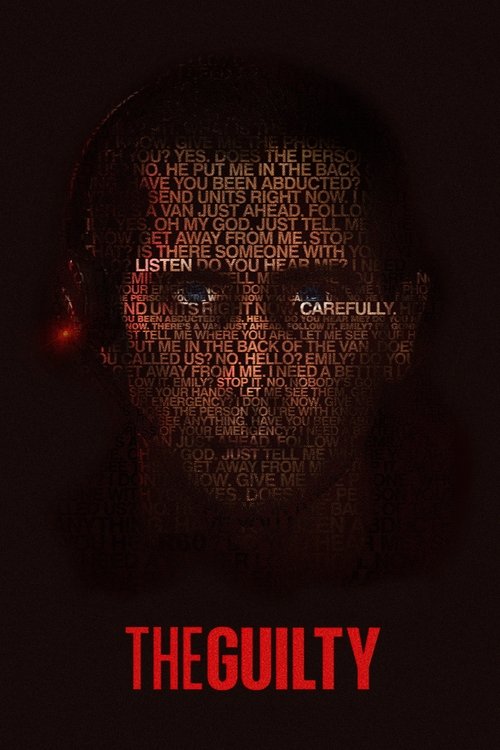
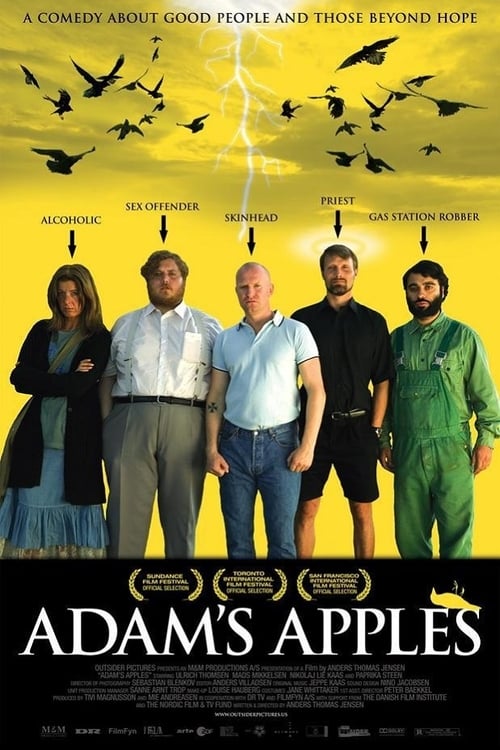
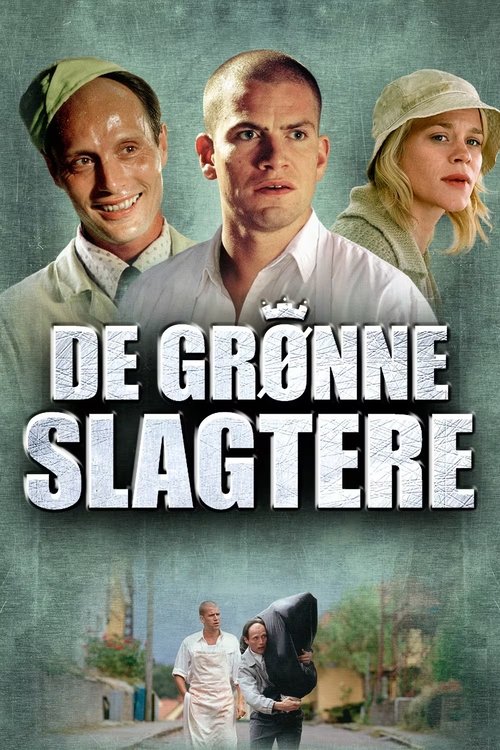
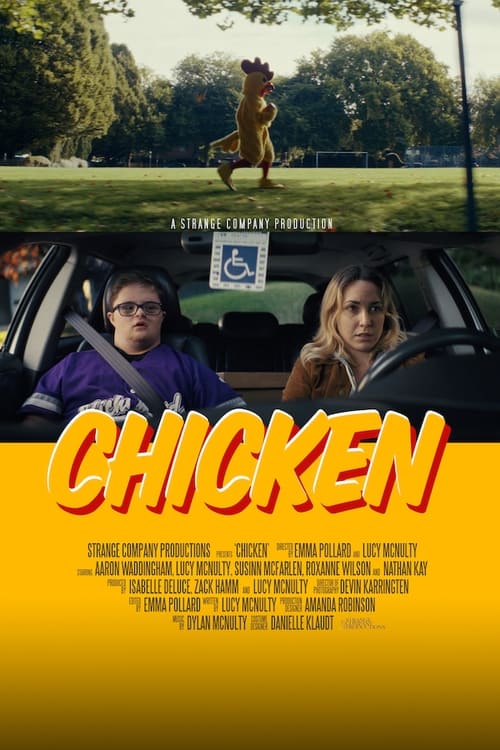
Works that never get grouped into movements but belong in any serious list

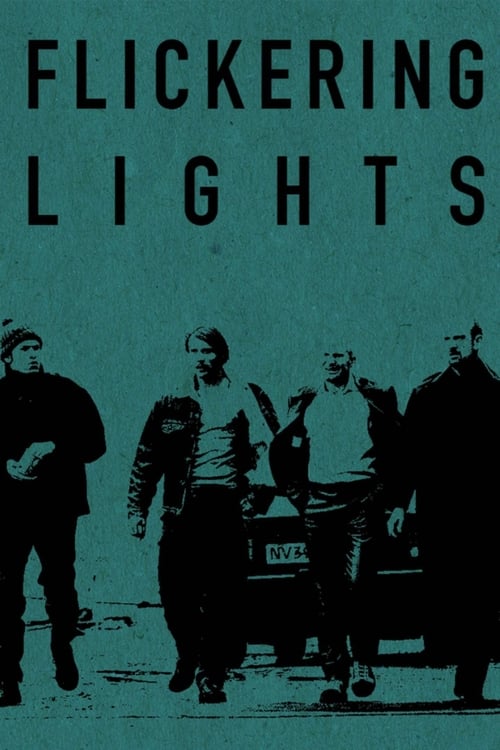
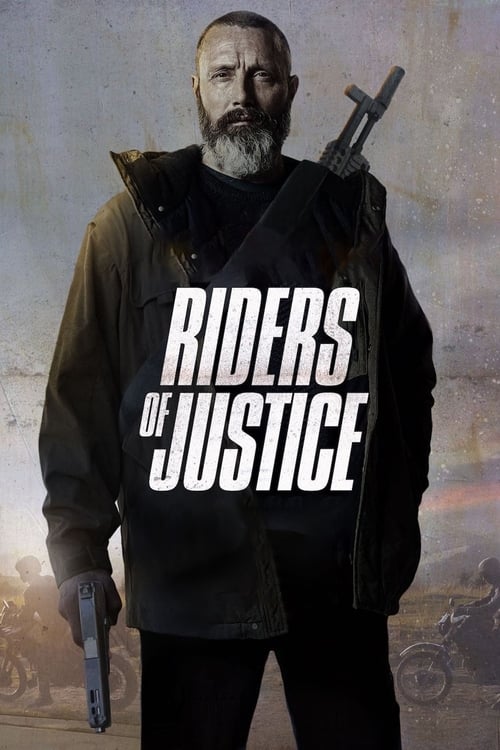
Danish Games: Two Studios, Global Impact
IO Interactive and Playdead built two of the most distinctive bodies of work in games
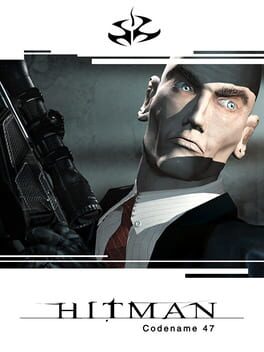
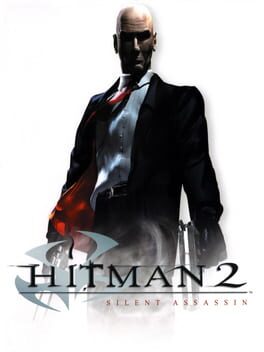
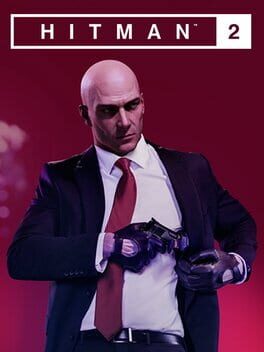
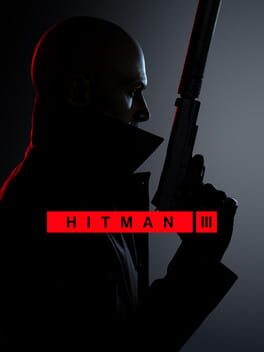
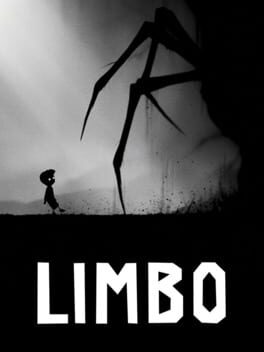
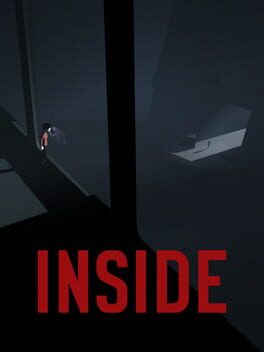
Limbo and Inside are the most precisely controlled pieces of interactive work to come out of Europe in the past twenty years. They are also, unmistakably, Danish: quiet, dark, morally uncomfortable, and built on constraint.CrossBinge editors
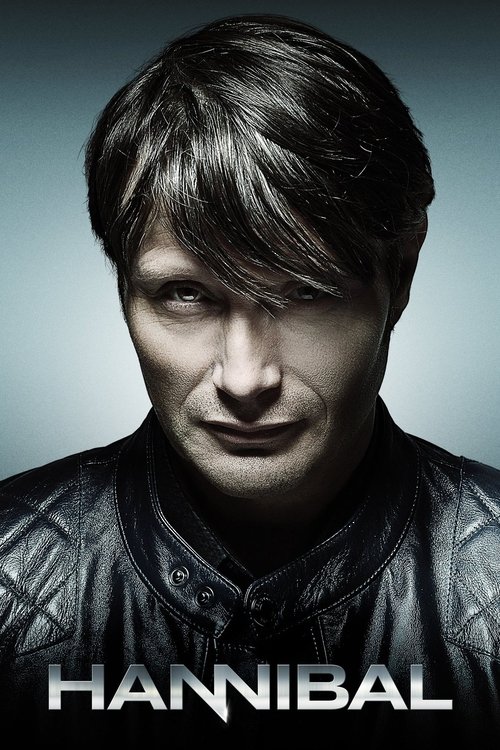
Mads Mikkelsen: A Career in Works
The most internationally exported Danish actor, in films that show his range
The Books Behind the Screen
Danish literary culture has fed its screen industries in specific ways. Peter Hoeg's Miss Smilla's Feeling for Snow (1992) set the template for the Nordic crime novel before anyone was using that phrase, and its 1997 film adaptation, though imperfect, gave international audiences their first sustained look at Copenhagen as a crime landscape. The Arne Dahl and Jo Nesbo names tend to crowd out Danish authors in English-speaking markets, but the Danish tradition in crime fiction is deep: it runs through writers like Leif Davidsen and through Jussi Adler-Olsen, whose Department Q novels have generated multiple Danish film adaptations.
For those interested in the literary roots, the screen adaptations of the Adler-Olsen novels (The Keeper of Lost Causes, The Absent One, A Conspiracy of Faith) offer a useful complement to the purer television canon: grimmer and more procedural than Borgen, closer in spirit to the Swedish Wallander adaptations.
The tradition of literary adaptation also runs in the other direction. Babette's Feast (1987) came from a Karen Blixen story. Blixen, who wrote in both Danish and English and published the Africa memoir Out of Africa under the pen name Isak Dinesen, is the most significant Danish literary figure of the twentieth century. Her influence on Danish storytelling, with its interest in fate, irony, and the strange gifts that suffering sometimes brings, runs under much of the cinema described in this guide. It is not always named, but it is there.
Where to Start
If you have seen none of this and want a single entry point: The Celebration (1998). Forty-five minutes in you will either understand what Danish cinema is about or this is not the cinema for you, and both outcomes are useful information.
If you are a television person first: Borgen Season 1. Not because it is the most stylistically intense (The Killing is darker, The Bridge is stranger) but because it is the most immediately addictive, and the political world it describes feels genuinely true to how power actually moves in a small democratic country.
For games: Inside (2016) over Limbo (2010), if you have to choose. Limbo is the founding statement. Inside is the refined version of the same argument, and it has one of the most disturbing final sequences in the medium.
Notable Danish Books
The most-notable books written in Danish, from the catalog
 Childhood, Youth, Dependency
 Ned til hundene
 This should be written in the present tense
 The True Story of My Life
 The alphabet house
 Either/Or
 Philosophical fragments, or, A fragment of philosophy
 Karate chop
 Enten-eller
 A Kierkegaard anthology
 Havoc
Havoc Tiger in the kitchen
 Dinosaur Feather
 Vitello wants a dadDinosaur Feathers
 The Black Cauldron