

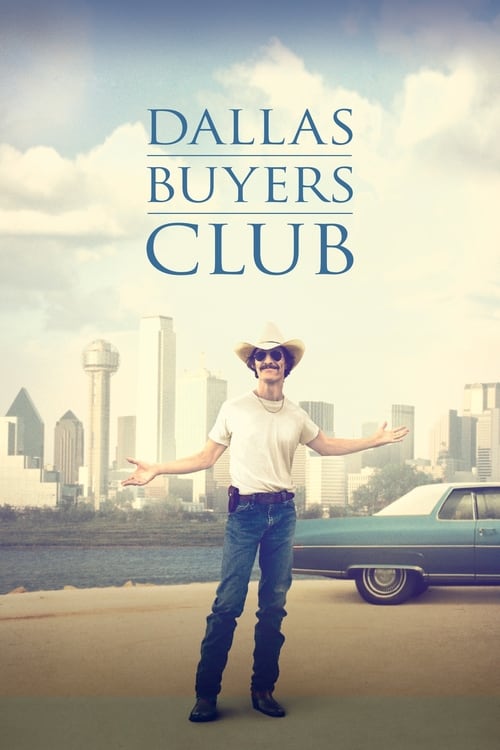
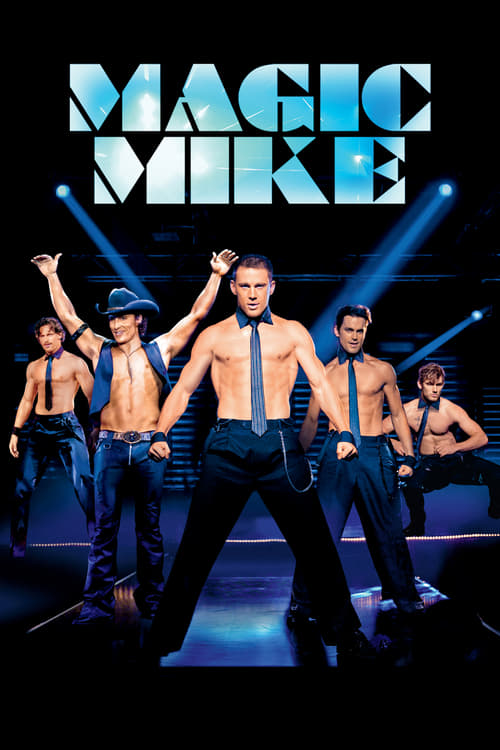
Matthew McConaughey has built one of the more unusual careers in American cinema: a decade of breezy rom-coms followed by a hard left turn into career-defining prestige work, all anchored by a drawl and a stillness that no one else has quite managed to imitate. The through-line a fan loves is the unhurried confidence, the sense that this guy knows something you don't and is willing to wait until you figure it out yourself. Whether he's a defense attorney playing the system, an astronaut waiting for a daughter who ages past him, or a Louisiana detective staring into the abyss, McConaughey projects a kind of weather-beaten philosophical cool. He won his Oscar for Dallas Buyers Club (2013), but the real 'McConaissance' moment was True Detective Season 1, which redefined what a prestige TV performance could look like. This guide follows that energy across film, TV, books, and games.
Essential McConaughey
The films and roles that define his range
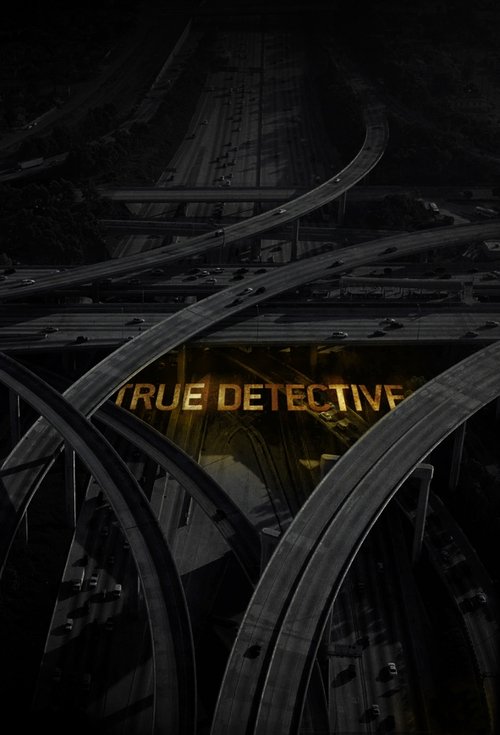
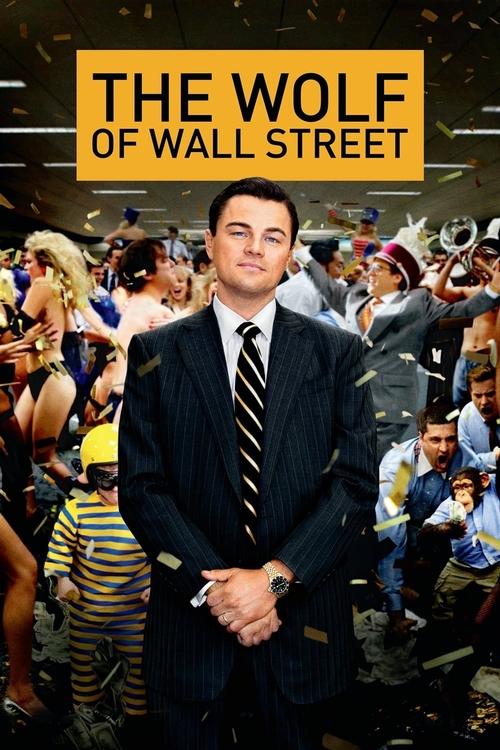
True Detective Season 1 Is the Benchmark
Rust Cohle is one of the great TV characters of the 2000s, a nihilist detective who quotes Schopenhauer at crime scenes and somehow remains the most compelling person in every room. McConaughey's performance across eight episodes is so internally consistent, so committed to a very specific flavor of damaged intelligence, that it reframed everything he had done before it. The show also happens to be a masterclass in Southern Gothic atmosphere, a genre that rewards patience in exactly the way McConaughey himself does.
Same Vibe: Prestige Southern Gothic and Moral Gray Zones
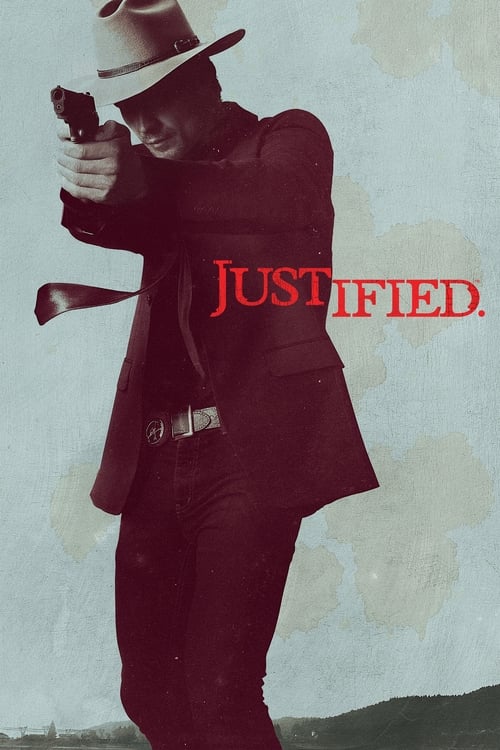
Series and films with that unhurried, morally complicated tension

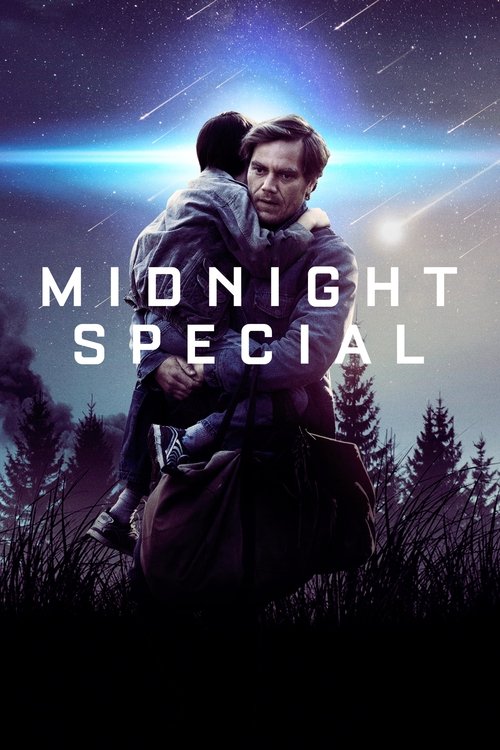
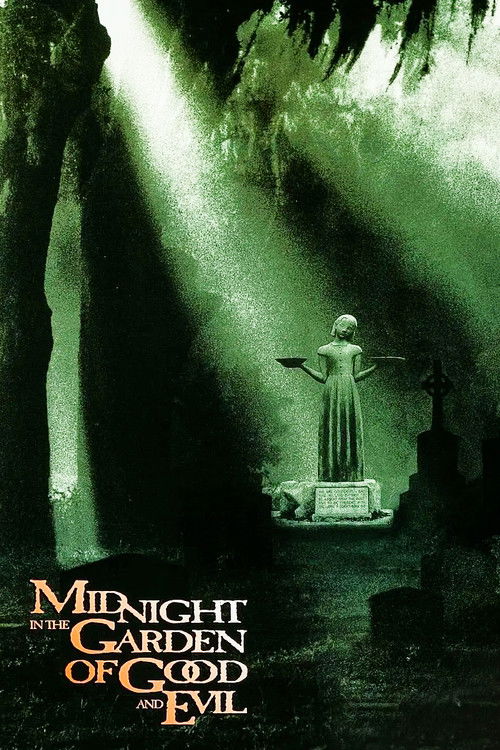
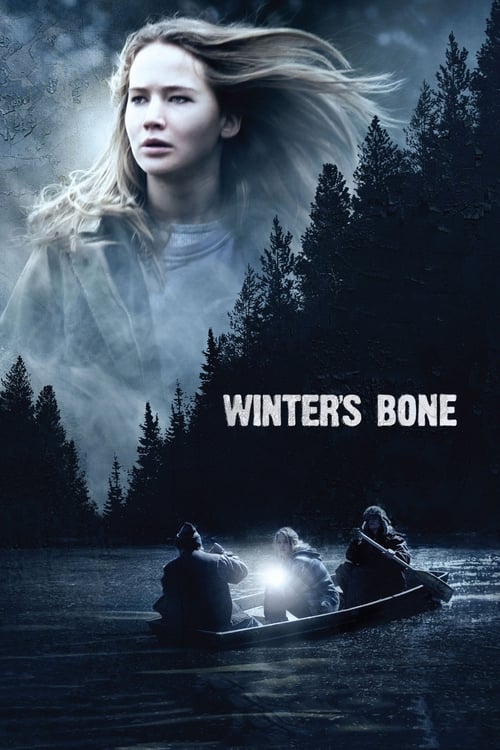
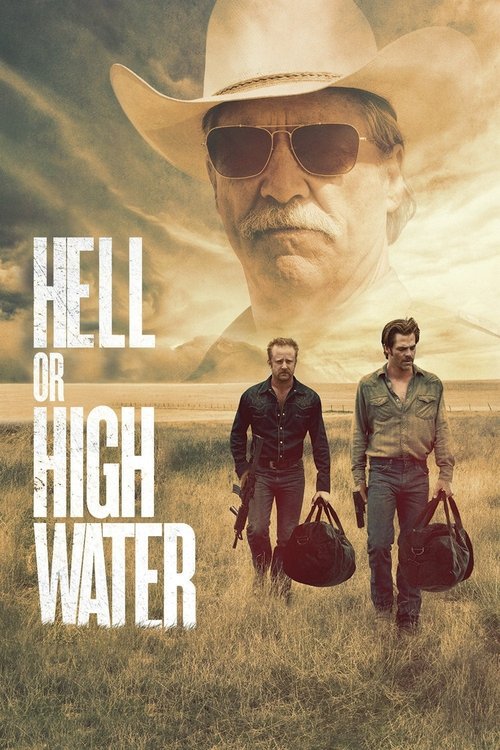

The Books Behind the Films
Novels and source material his most celebrated roles draw from


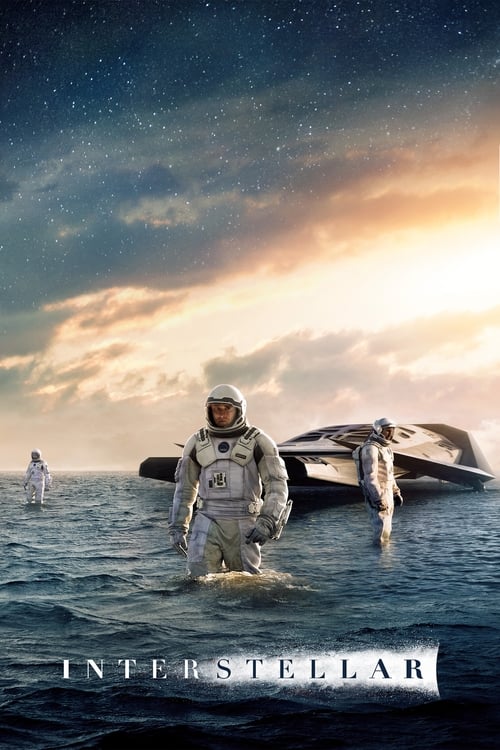
Interstellar Earns Its Patience
Christopher Nolan's space opera works because McConaughey grounds it. The film's central grief, a father watching his daughter age past him across relativistic time, only lands because his portrayal of Cooper is so stubbornly human. Paired with Hans Zimmer's organ-driven score, Interstellar sits in a rare category of science fiction that actually makes you feel the scale of time rather than just depicting it. It is one of the few blockbusters of its decade that rewards rewatching with more emotional weight the second time, not less.
Same Register: Actors Who Share the Frequency
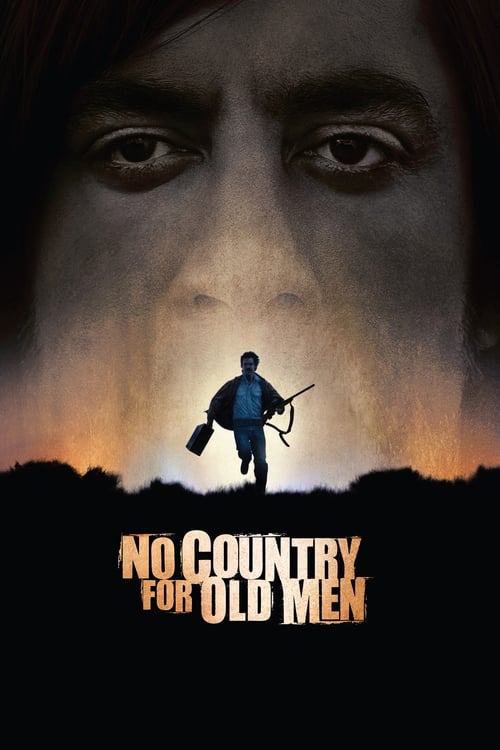
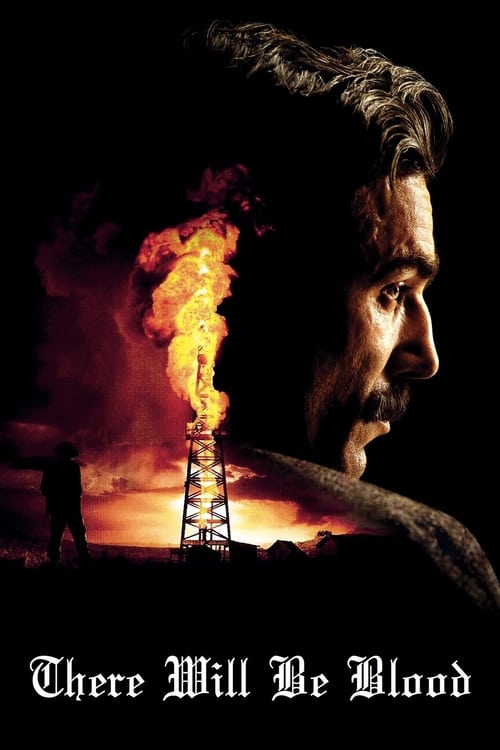
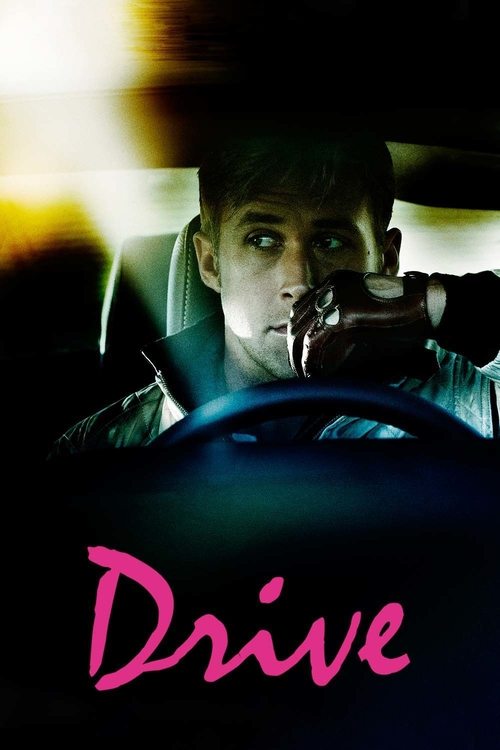
Films from actors with that same slow-burn, morally textured presence
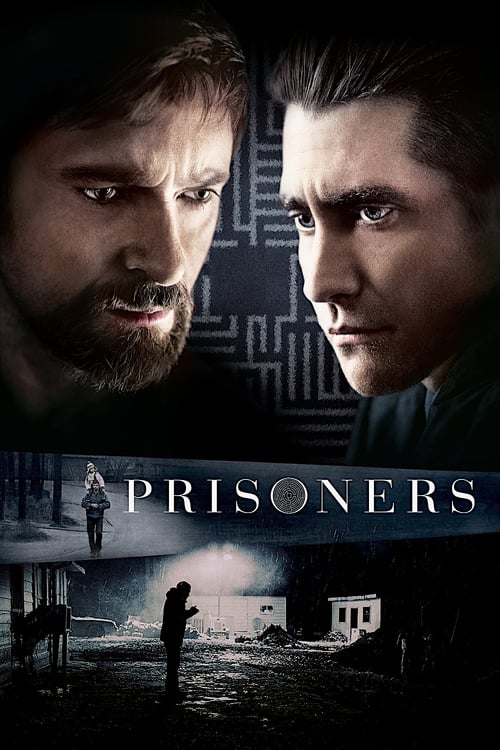
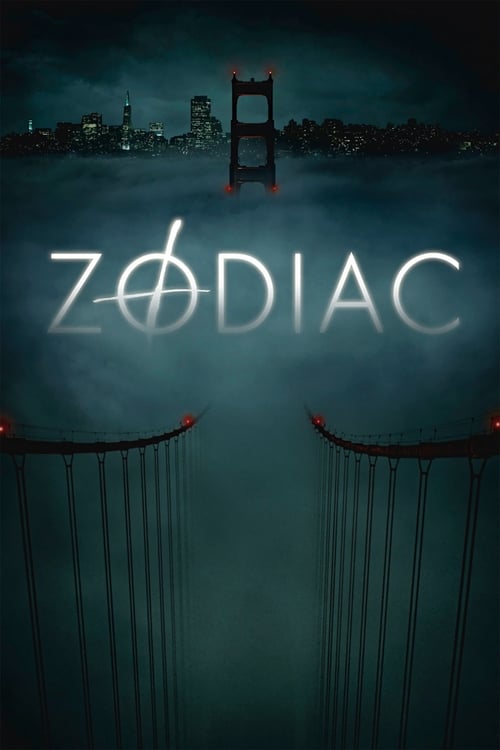
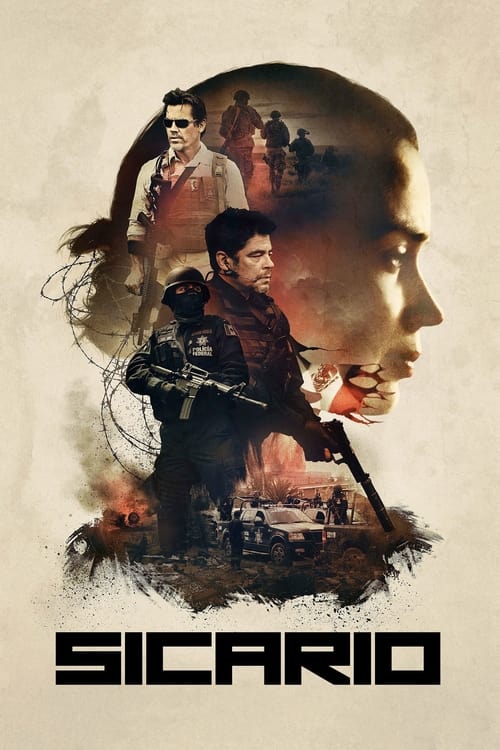

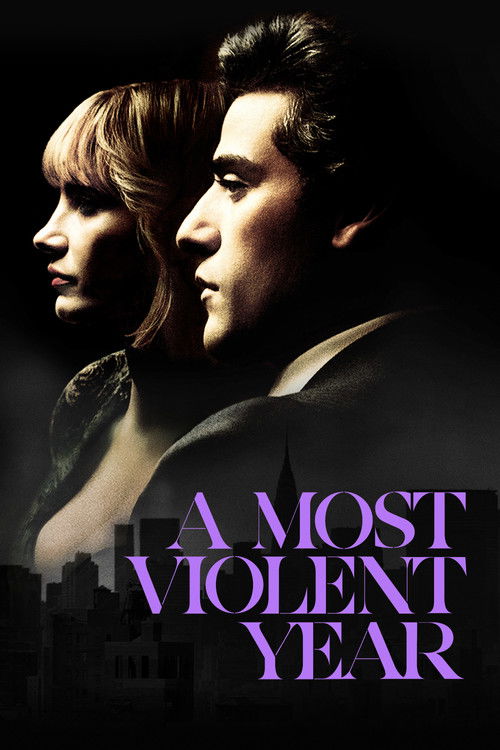
Games With the Same DNA
Slow-burn tension, moral weight, Southern or cosmic atmosphere
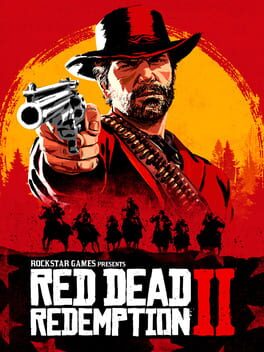
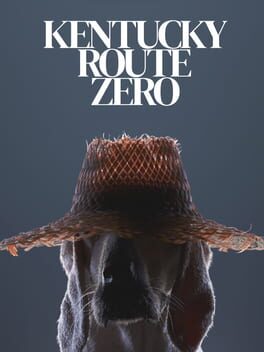
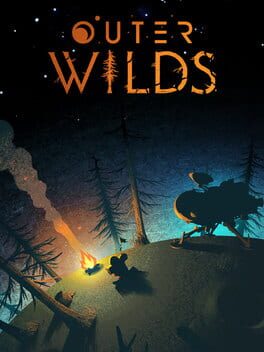
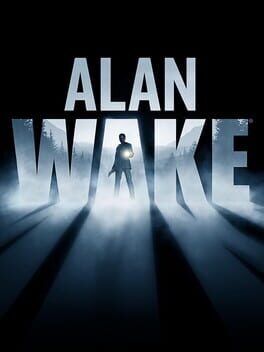

The McConaissance Was a Deliberate Choice
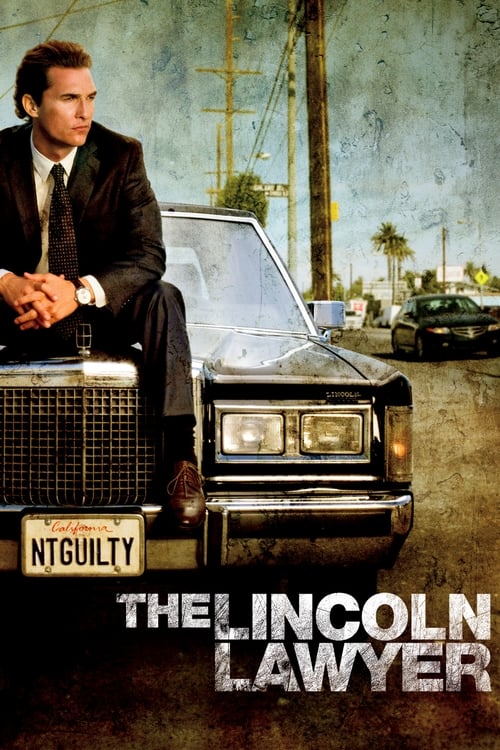
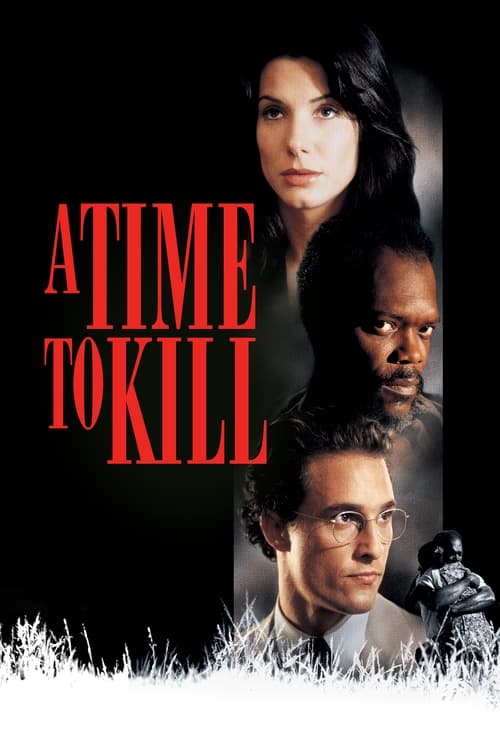
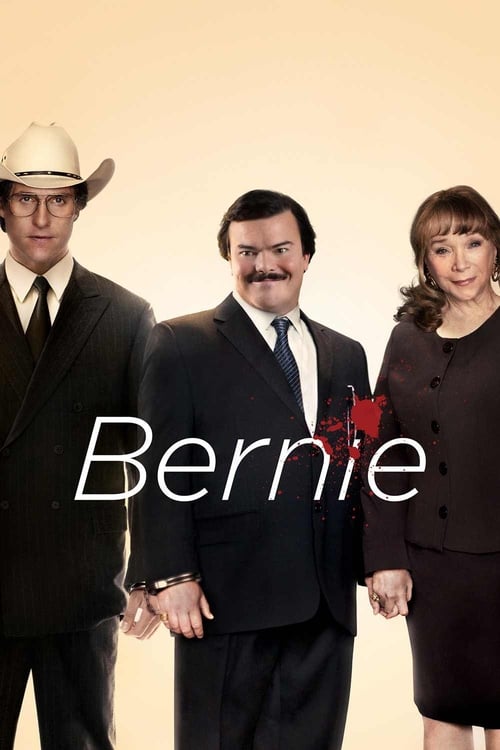
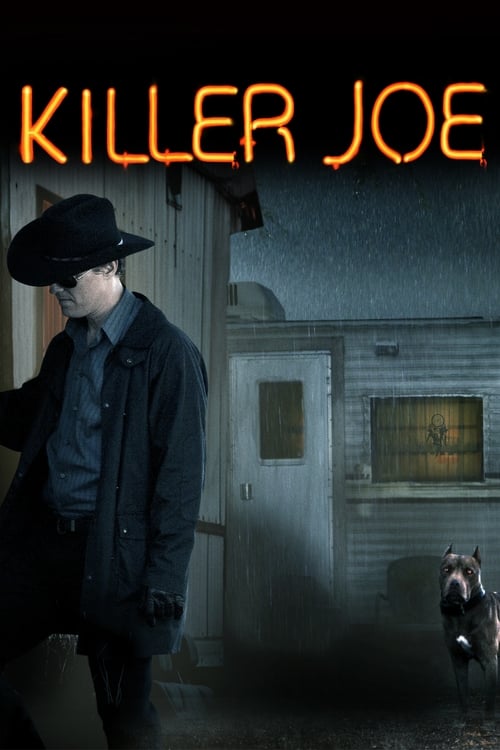
The 'McConaissance' is often discussed as a comeback, but it was more accurately a refusal. McConaughey turned down a string of rom-com sequels and waited for roles that matched his ambitions. The result, Lincoln Lawyer, Killer Joe, Mud, Dallas Buyers Club, True Detective, Interstellar, all within a few years, is one of the more striking mid-career pivots in recent acting history. He didn't reinvent himself; he returned to the register he'd shown in A Time to Kill and Bernie and finally had the leverage to stay there.
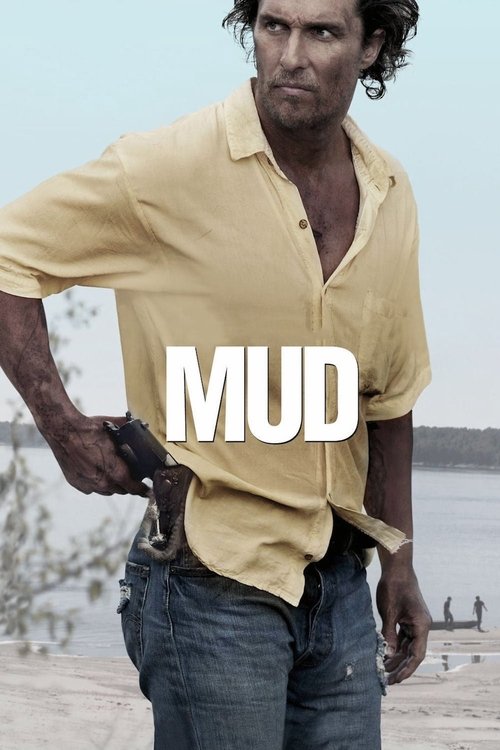
Mud Is the Most Underrated Film in the Canon
Jeff Nichols's Mud is the film that quietly sits at the center of McConaughey's best work. It's the kind of American regional drama that rarely gets made anymore: a coming-of-age story about two boys who discover a fugitive living in a boat stranded in a tree on a Mississippi River island. McConaughey plays Mud with a mythic, almost folkloric quality, half outlaw, half guardian angel. Nichols's script trusts the audience to sit with ambiguity, and McConaughey repays that trust completely.
A Career in Chapters
- 1993Breakout in Dazed and Confused Dazed and Confused
- 1996Legal drama star turn A Time to Kill
- 2001War film leads We Were Soldiers
- 2011McConaissance begins The Lincoln Lawyer
- 2012Southern Gothic intensity Killer Joe
- 2012Jeff Nichols collaboration Mud
- 2013Oscar win Dallas Buyers Club
- 2014Definitive TV performance True Detective
- 2014Nolan's cosmic epic Interstellar
- 2021Memoir published Light
Southern lawmen, drifters, and moral grey zones
Detective & Mystery
Explore the Detective & Mystery guide →The roles that last are the ones where the actor refuses to explain themselves to the audience.On the philosophy behind Rust Cohle and Cooper