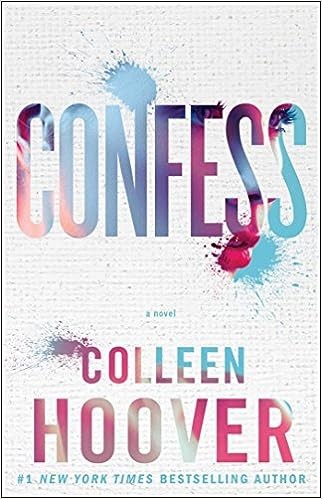

John Grisham turned the legal thriller into a genre of its own. His novels share a recurring current: a protagonist with a conscience gets swallowed by a machine, whether Big Law, Big Tobacco, a corrupt small-town court, or the death-penalty system, and has to fight out from inside it. The pleasure is never quite the verdict. It is the procedural dread, the billable-hours paranoia, the sense that the law and justice are two things that only occasionally overlap. Grisham made that gap gripping.
Essential John Grisham
The novels that define the canon, from the breakthrough to the long-running favorites


Grisham on Screen
The adaptations that held up and the ones that surprised everyone
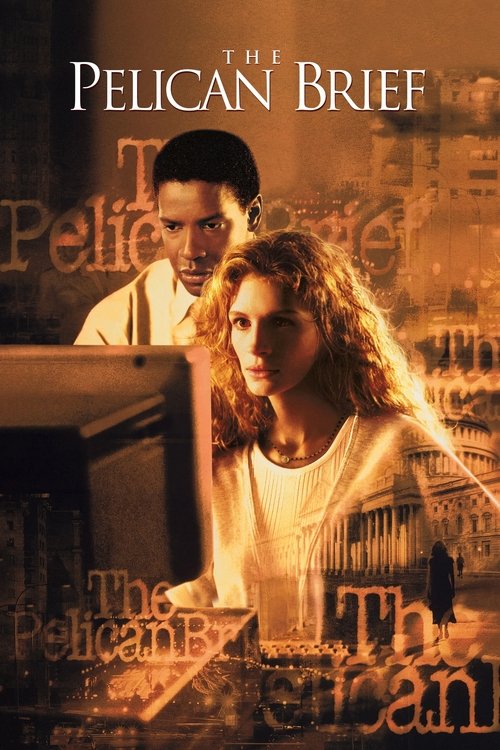
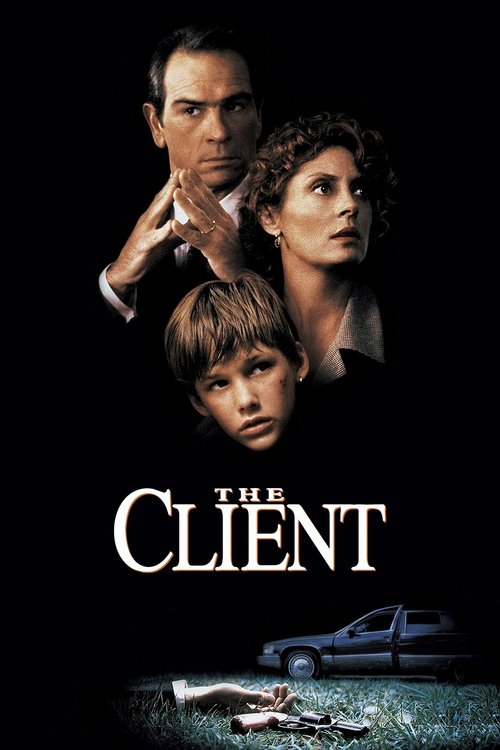
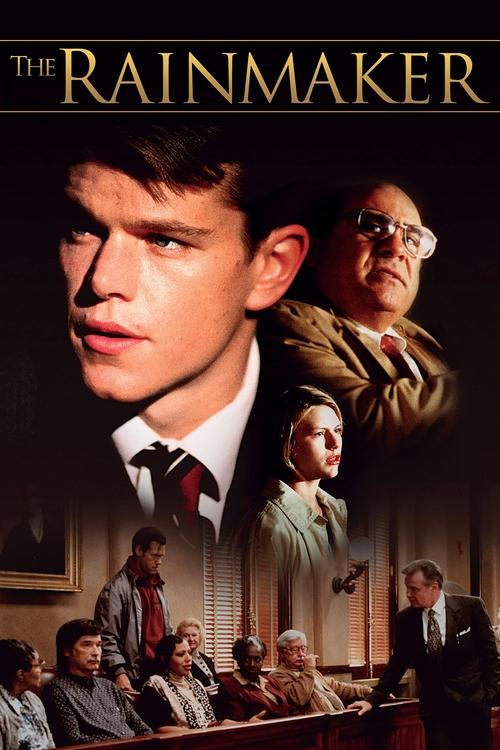
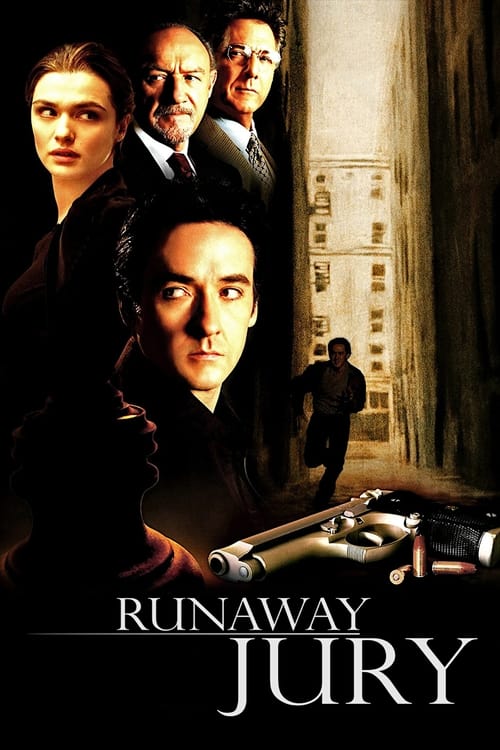


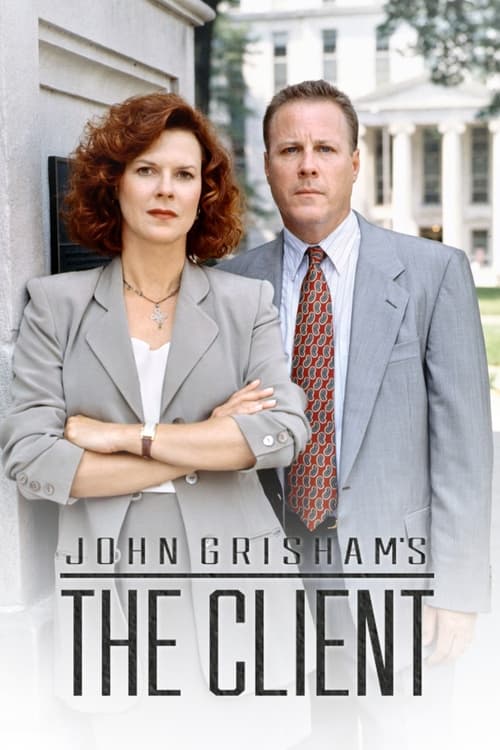
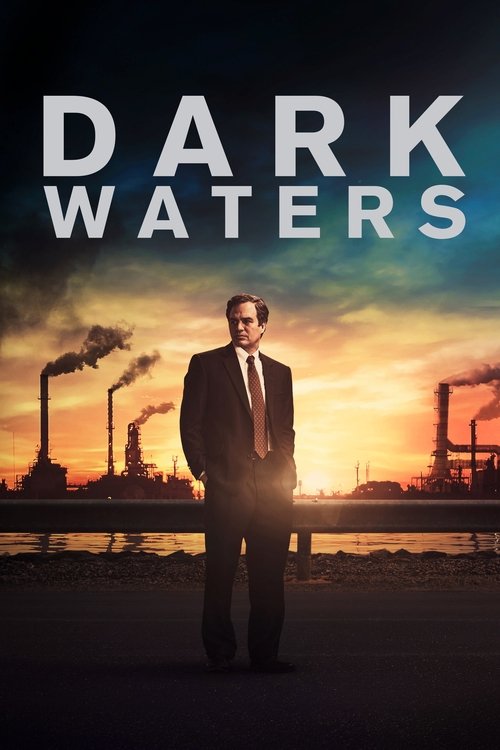
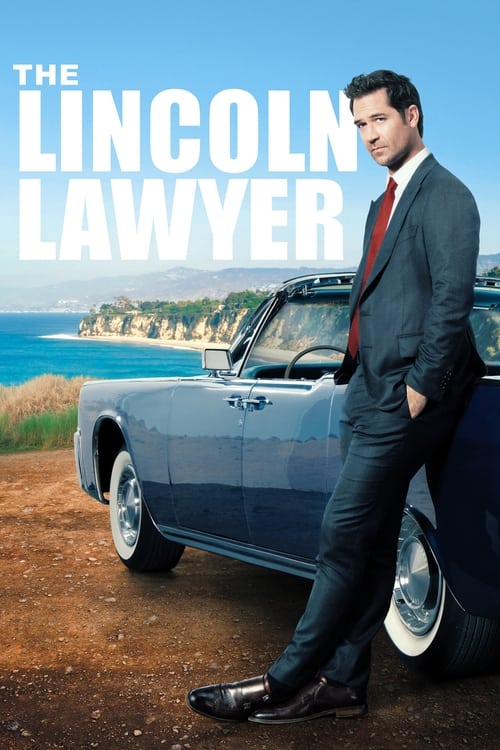
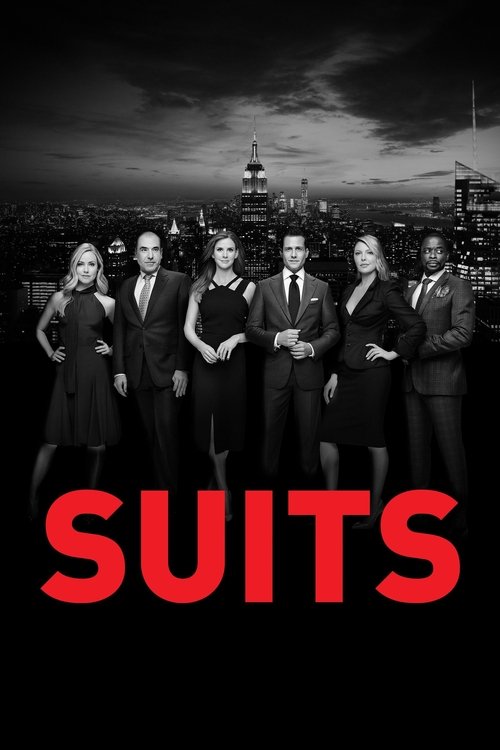
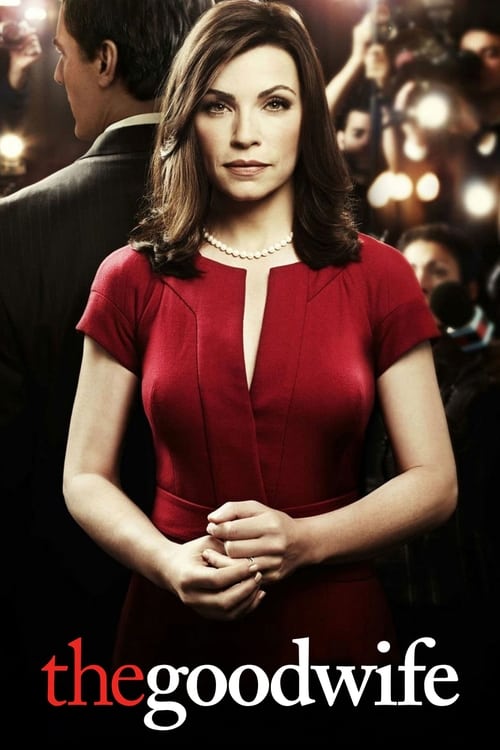
If You Love the Courtroom: Essential Legal Dramas
Films and series where the trial is the arena and the stakes are everything
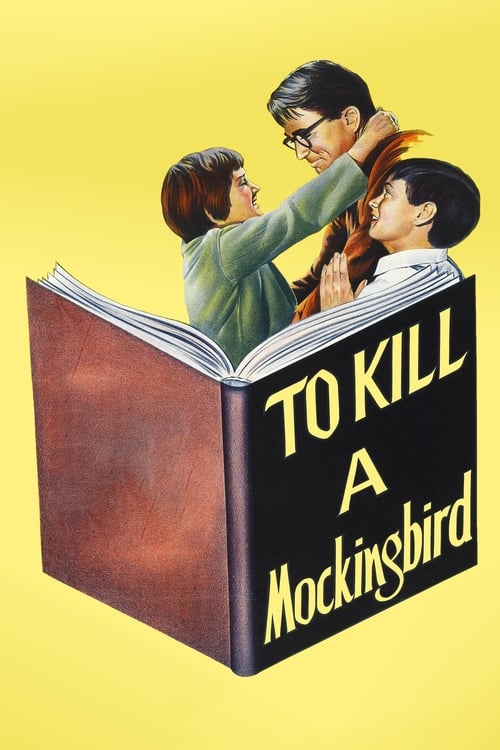

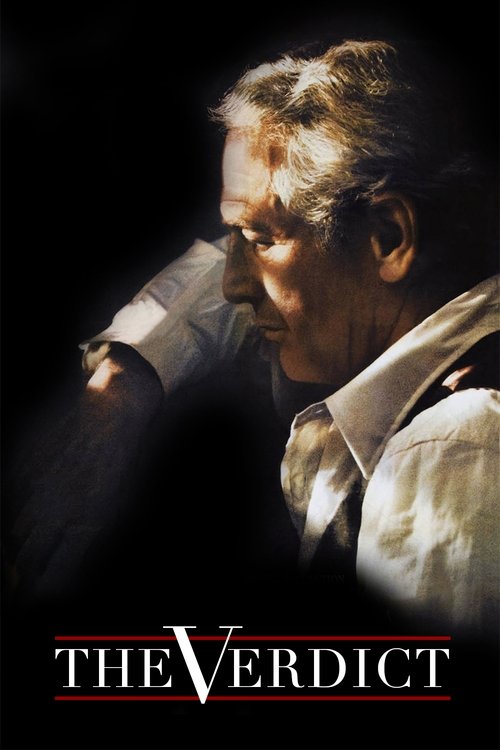
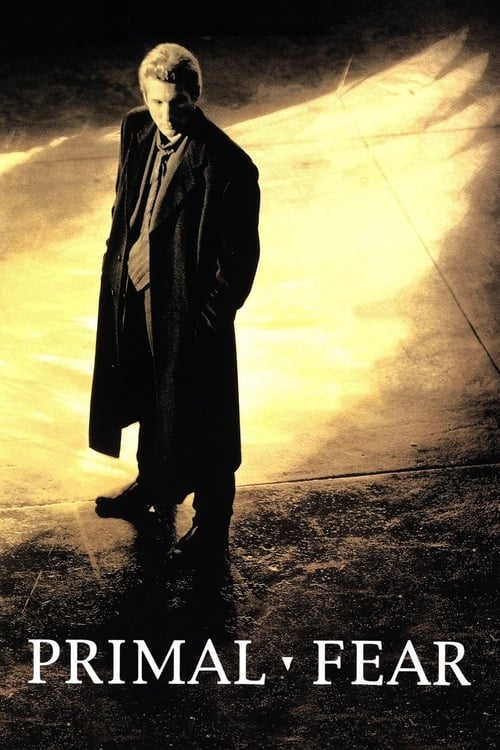
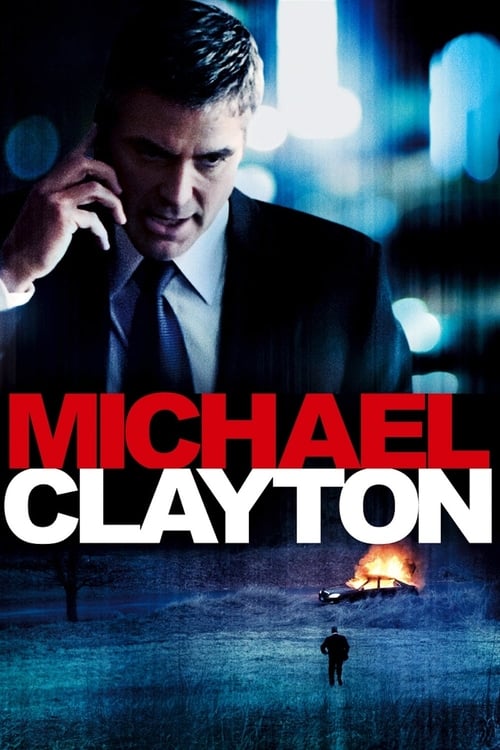



Thriller Authors You Should Read Next
Writers who share Grisham's gift for systemic dread and page-turning plotting


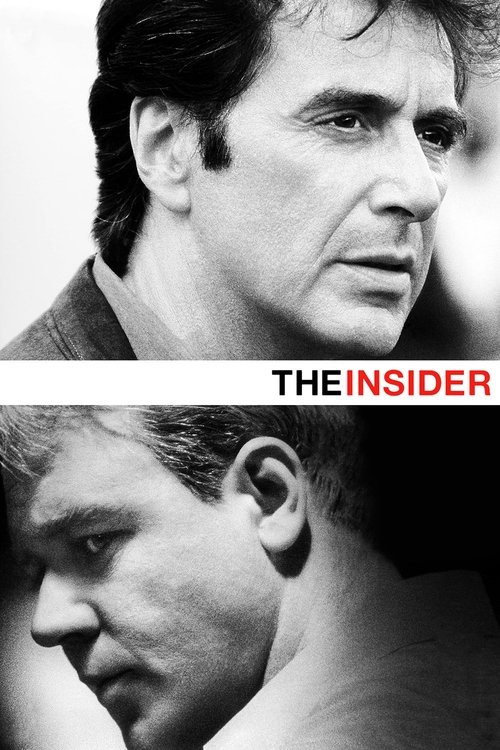
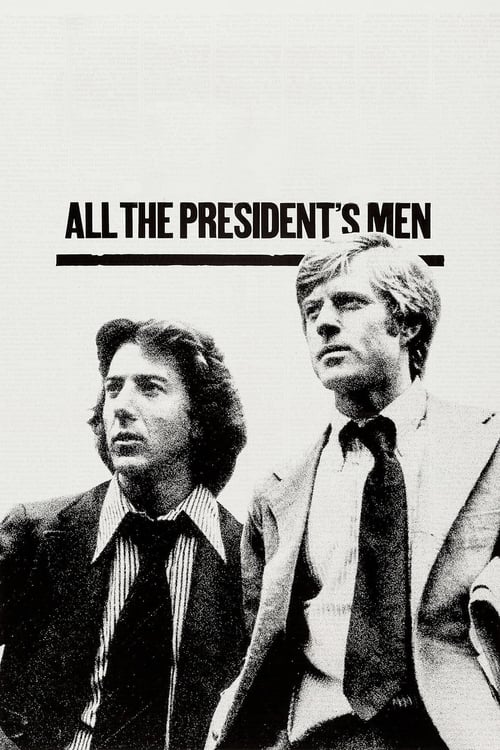
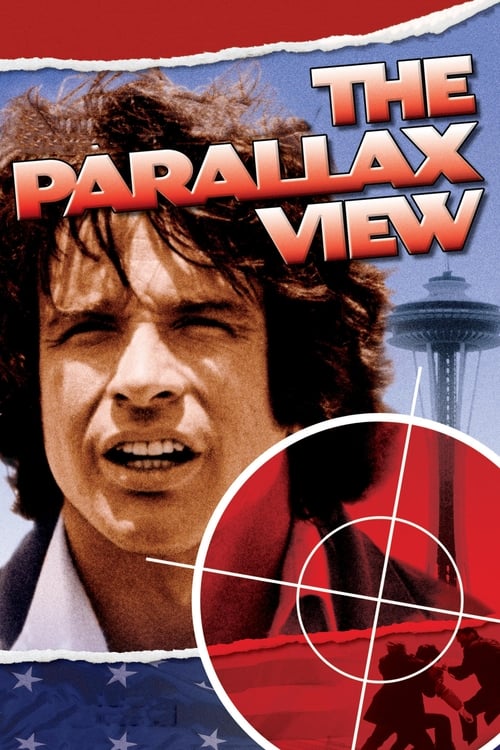
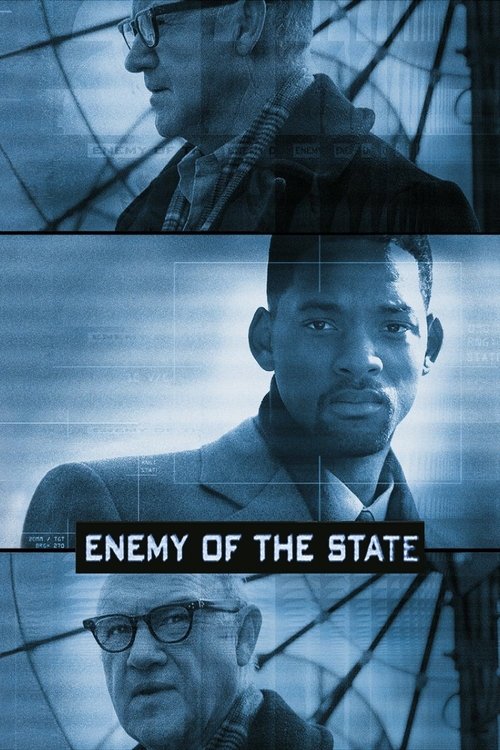
Conspiracy, Cover-Up, and the System Rigged Against You
Films and series with the same paranoid energy as Grisham at his tightest

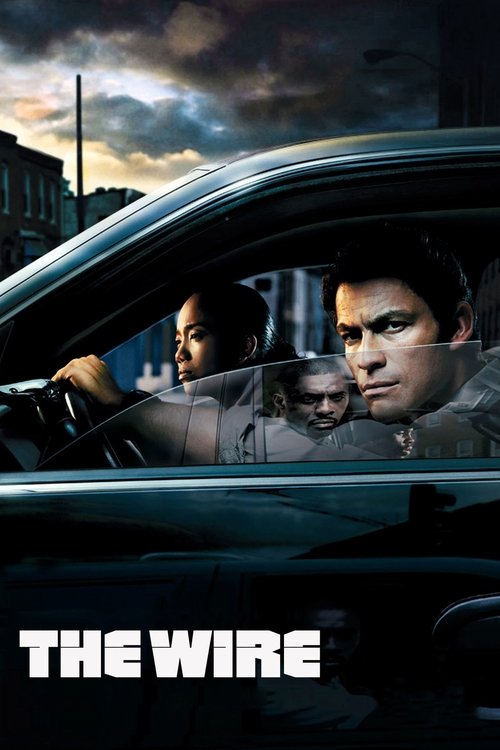
Small Town, Big Injustice: Southern Gothic and Rural Crime
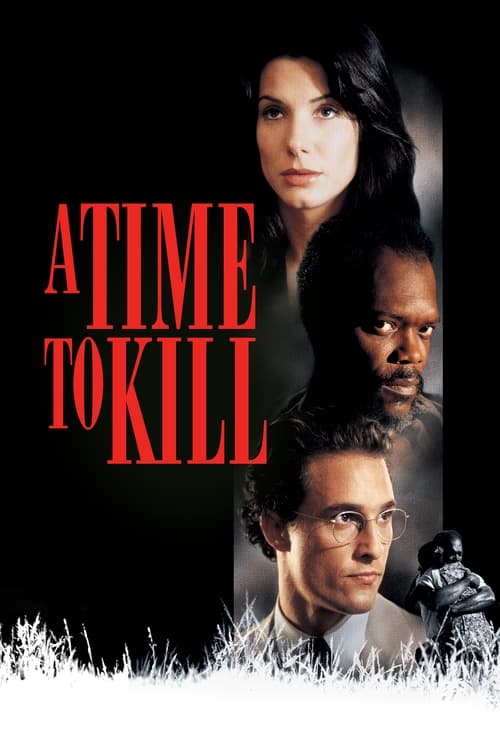
From A Time to Kill onward, Grisham returned again and again to the American South and its shadows
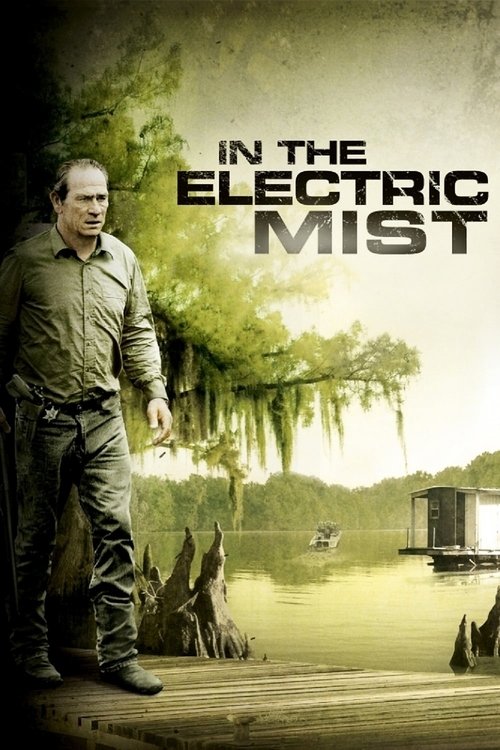




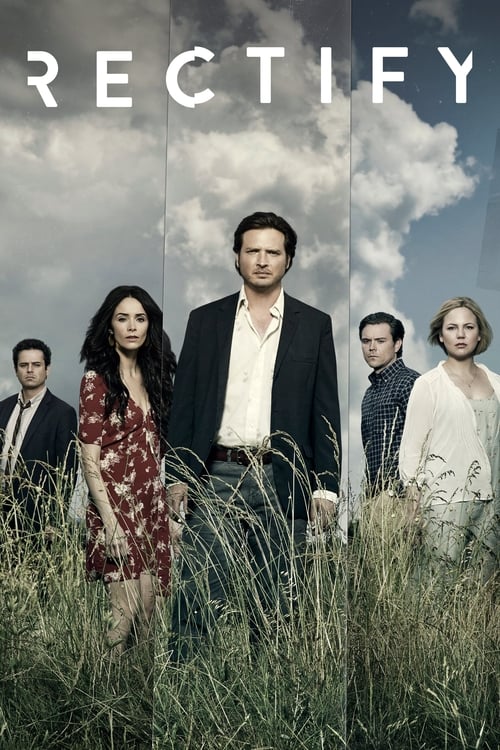

The Firm Is Still the Template
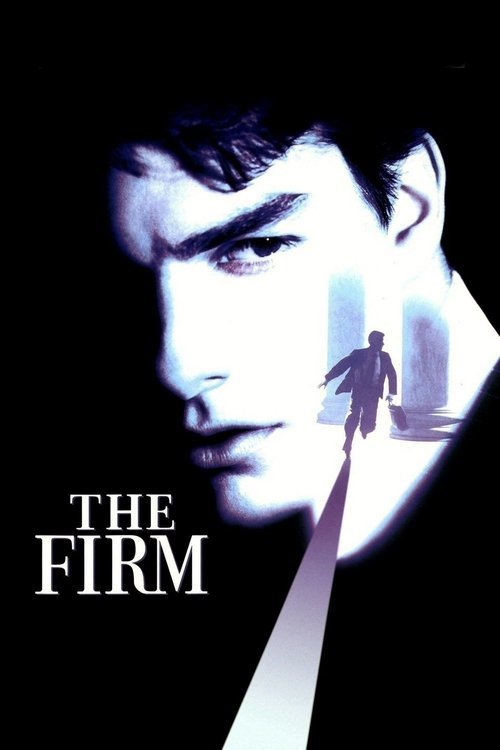
Thirty-plus years on, The Firm has not aged badly. A young lawyer offered everything he wants, slowly realizing the offer was a trap: it is a clean setup, and Grisham executes it with very little wasted motion. The novel invented the template for a certain kind of thriller, where the protagonist's competence makes things worse, not better, because the enemy is not a single villain but an institution with infinite resources. The 1993 Sydney Pollack film captures the fever-dream quality of the source better than most Grisham adaptations.
The Death Penalty Novels Hit Differently
The Chamber and The Confession are not Grisham's fastest books. They are his most uncomfortable ones. Both sit with the machinery of capital punishment: the appeals process, the warden's office, the phone call that may or may not come. Grisham is not neutrally reporting, and these novels are better for that. If you want Grisham at his most sustained and serious, start here rather than with the lighter legal capers.
The Innocent Man Is Grisham's Most Important Book
His only nonfiction book is about Ron Williamson, a former minor-league baseball prospect wrongly convicted of murder in Ada, Oklahoma. It reads exactly like a Grisham thriller, which is part of what makes it so unsettling: all the genre machinery, the small-town politics, the bad forensics, the overconfident prosecution, and at the center a real man who lost more than a decade to a system that was wrong. The Netflix docuseries is a solid companion.

Scott Turow Got There First (and That Is Fine)
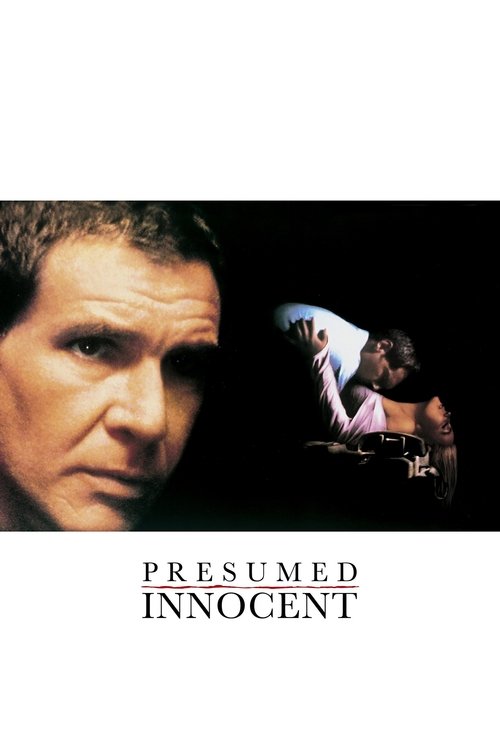
Turow's Presumed Innocent predates The Firm by a few years and is in some ways a richer novel, more interested in ambiguity and the way guilt and innocence blur when the lawyer is also the suspect. Grisham acknowledged the influence. Reading both back to back is the fastest way to understand what the legal thriller does at its best: not courtroom procedure for its own sake, but ordinary ethical failure under pressure.
The Grisham Arc
- 1989Self-published debut, rejected by 28 agents before finding a small press The Testament / A Time To Kill
- 1991Breakthrough: the novel that made legal thrillers a genre The fire
- 1992Back-to-back bestsellers cement the formula
- 1993Hollywood arrives: Pollack, Hanks, Roberts The Firm
- 1994The biggest year: four simultaneous novels on the bestseller list
- 1996The trial-jury system gets its own novel
- 2006First nonfiction: a true wrongful-conviction story The Innocent
- 2018Netflix adapts the nonfiction debut into a docuseries The Innocent Man
- 2020Return to Clanton, Mississippi: the Jake Brigance world expands
More legal thrillers and courtroom voltage
Courtroom & Legal Drama
Explore the Courtroom & Legal Drama guide →The law is a fascinating and beautiful thing, and also the most efficient machine ever invented for grinding people down.Paraphrase of a recurring Grisham theme