
The Kid Who Lives on Your Street
Mercer Mayer has been drawing the same fundamental thing for more than fifty years: a small creature navigating a world that is mostly too big for them, but never feels hostile. His Little Critter books, which began in the early 1970s and are still in print, occupy a very specific emotional register. Nothing catastrophic happens. Little Critter goes to school, messes up a little, tries to help, makes things slightly worse, and everything turns out fine. The house is warm. The parents are patient. The dog is always there.
What Mayer understood, and what his imitators often miss, is that the pleasures of early childhood are procedural. Children want to see the steps: getting dressed, pouring cereal, sitting in the car seat, waiting. His pages are dense with background detail, cluttered rooms, bug-eyed critters doing their own small business in every corner. The world he drew is benevolent chaos: slightly messy, reliably safe, and full of things to look at.
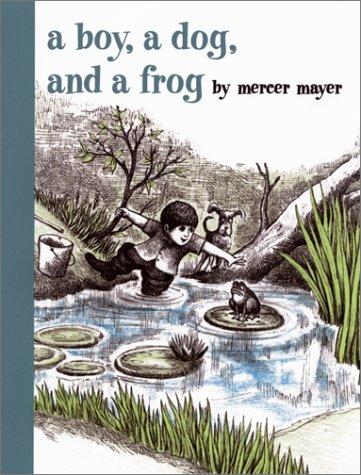
The wordless Boy, a Dog and a Frog series (starting 1967) is the other pillar of his legacy, and a different achievement entirely. No text, just sequential images telling stories with real comic timing and unexpected tenderness. These books taught a generation of children to read pictures before they could read words.
Mayer's work sits at the intersection of warmth and mild mischief, domestic realism and creature-world fantasy. If you love the feeling of those books, the specific low-stakes comfort of them, there is a lot more out there in every medium that feeds the same appetite.
Essential Mercer Mayer
His own books, from the timeless to the undersung


Start with the wordless books, not Little Critter
Most people come to Mercer Mayer through Little Critter and stay there. But the Boy, a Dog and a Frog books, which have no words at all, are where his real gift lives. A Boy, a Dog and a Frog (1967) is five panels a page, maximum, and it tells a complete story about friendship, stubbornness, and loneliness with nothing but ink. Hand these to a child before they can read, and watch them narrate the whole thing out loud. You cannot do that with words.
The Child's-Eye View
Books where a small protagonist navigates a big, slightly bewildering world


Ramona Quimby is Little Critter grown up three years
Beverly Cleary's Ramona books pick up exactly where Little Critter leaves off: the same mix of good intentions and minor disasters, the same deep unsentimental affection for a child who is trying and failing and trying again. Ramona the Pest in particular reads like a Little Critter story that ran long enough to become a chapter book. The emotional grammar is identical: small person, large world, patient adults, no catastrophe, and a kind of stubborn optimism that never tips into saccharine.
Warm Worlds on Screen
Films and shows with the same sunlit, low-stakes domestic magic
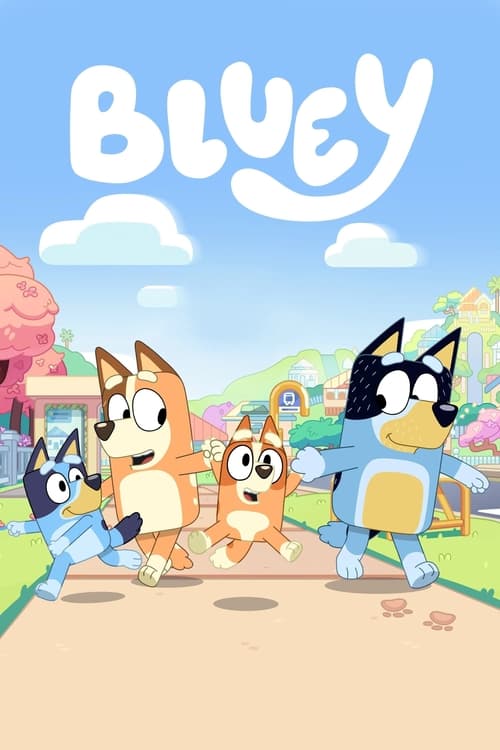


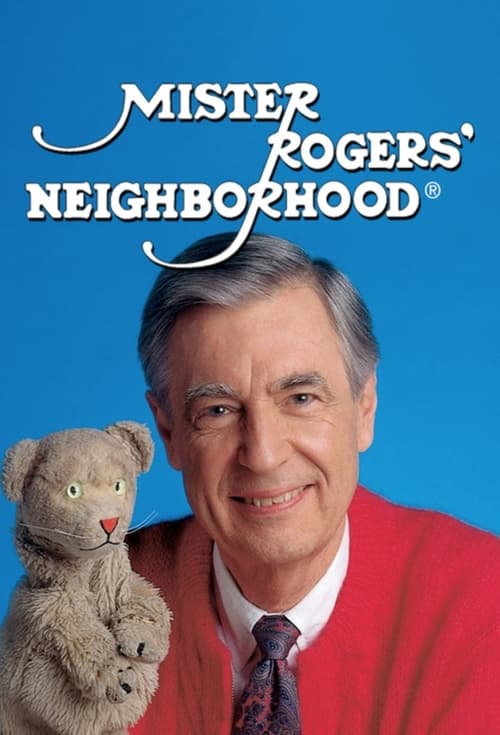

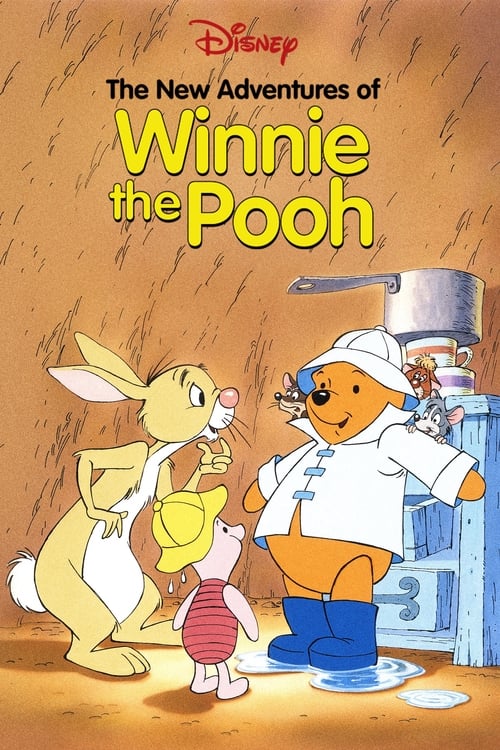
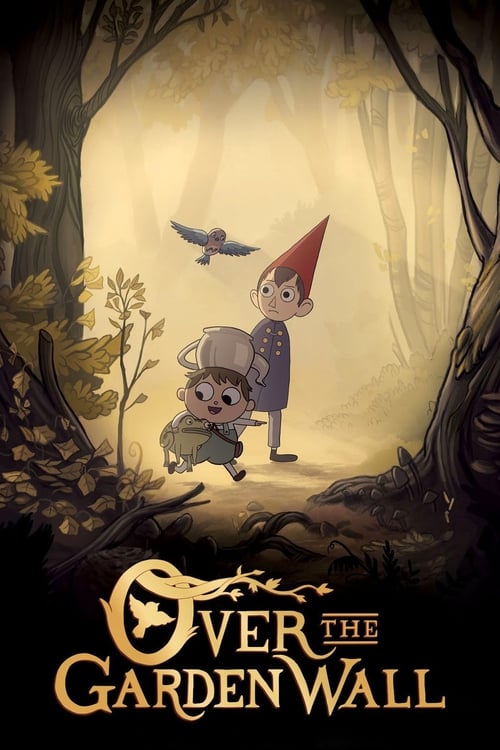
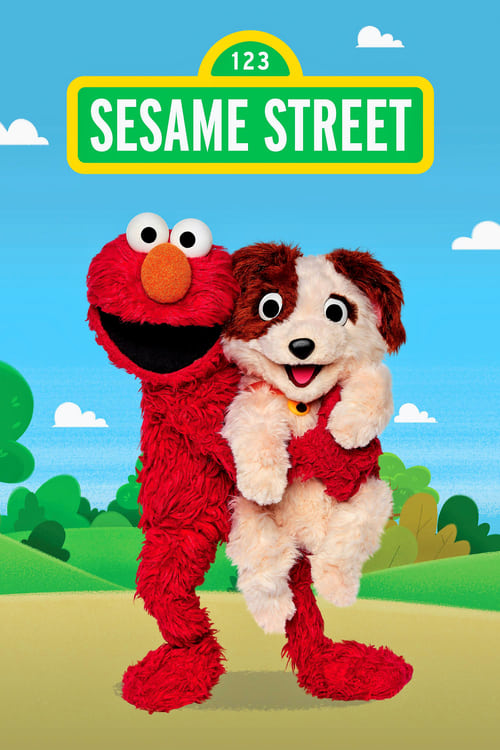
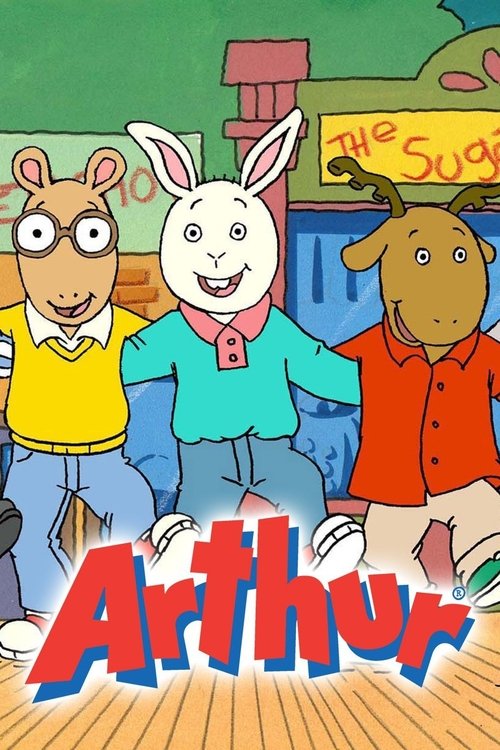
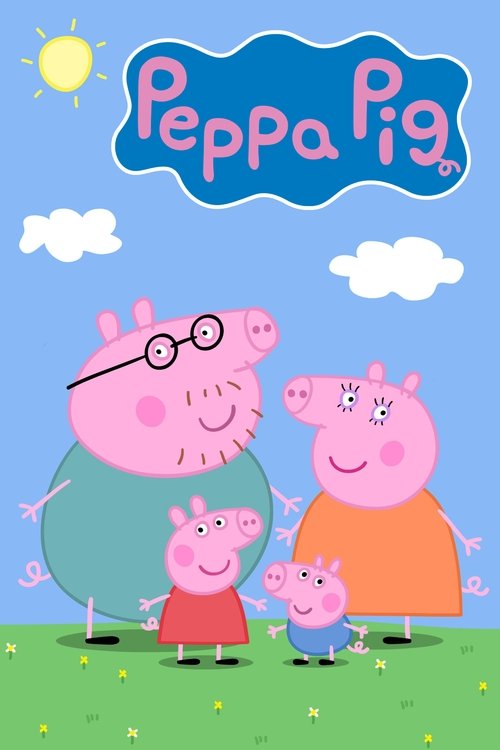
Bluey is the Little Critter of television
Both work from the same premise: a small creature, a loving household, everyday situations that turn into small adventures and smaller lessons. Bluey has the advantage of six minutes per episode and a writers' room that understands parenthood from both sides of the couch. The emotional precision in the best Bluey episodes, the way they catch a specific domestic moment and hold it, is precisely what Mayer was doing with two pages and a crayon. The medium is different. The instinct is the same.
Cozy Worlds Worth Exploring
Games that share Little Critter's spirit: gentle, curious, never punishing
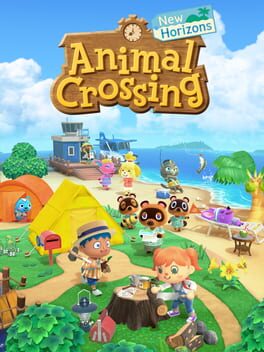


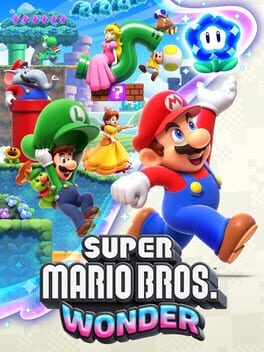
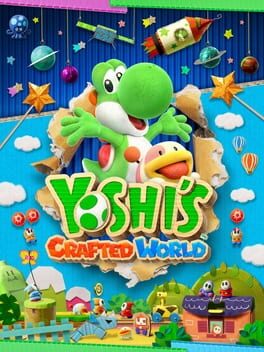
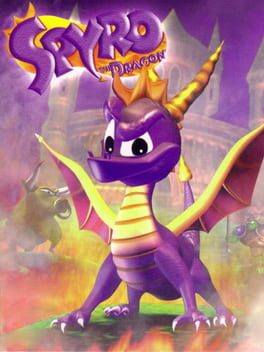
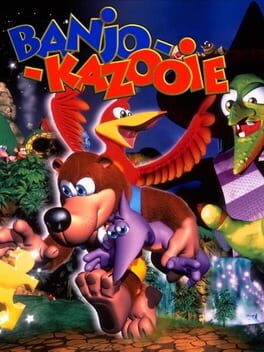

The spiritual successor is actually a game
Animal Crossing: New Horizons is the most Mercer Mayer thing that is not a Mercer Mayer book. You live in a village of anthropomorphic critters. Nothing bad happens. You fish, you dig, you talk to your neighbors about small things. The rhythm of it (log in, see what the day brought, do a little, leave) is the rhythm of reading a picture book: brief, complete, quietly satisfying. The critters have opinions about furniture. So does Little Critter.
Illustration as Story
Mayer came up in a tradition that trusted pictures to carry full narrative weight, a tradition running from Where the Wild Things Are through Tomi Ungerer and Richard Scarry to Dav Pilkey. What these books share is density: every page rewards looking twice. The text (when there is any) could be cut and the story would still hold. That instinct, of putting the real information in the image, shows up across media in ways that are not always obvious. A Richard Scarry spread with forty labeled objects is doing the same thing as a Mayer page full of background gags. A David Wiesner picture book with no words at all is the most direct heir to A Boy, a Dog and a Frog. Dog Man, for all its deliberate crudeness, is a child's attempt to make that same kind of story. The lineage is real.
Illustration as Story
Wordless, near-wordless, and richly drawn: when the pictures carry everything


His pages are never empty. There is always something happening in the corner: a bug on the baseboard, a sibling making a face, a pet doing something inadvisable. Mayer trusted children to find everything, and they did.CrossBinge editors
Mercer Mayer: A Career in Small Moments
- 1967First wordless book: A Boy, a Dog and a Frog A Boy, a Dog, and a Frog
- 1968There's a Nightmare in My Closet published, a standalone that predates Little Critter and remains his most reprinted single title
- 1975Little Critter makes his debut in Just for You
- 1977Just Me and My Dad published, the book that defined the series' domestic warmth
- 1983Little Critter's Little Red Riding Hood published Little Critter's Little Red Riding Hood
- 1988Little Critter Bedtime Storybook anthology Little Critter's bedtime storybook
- 1990sSeries expands past 30 titles; three generations of children now growing up with the same pages
- 2000sInteractive CD-ROM and early digital adaptations released
- 2010sNew Little Critter titles continue; the series spans more than four decades without a tonal shift