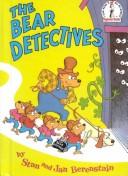

The Bear Family and the World They Built
Stan Berenstain and his wife Jan began drawing the Bear family in 1962, and what started as a single picture book became one of the most-read children's series in American publishing history. More than 300 books. Generations of children who can still picture the treehouse in the woods, Papa Bear's overconfidence, Mama Bear's steady calm, and Brother and Sister's squabbles that always, somehow, resolved into something decent.
The genius of the Berenstains was not the lessons themselves (though the lessons are real and useful: honesty, kindness, not being a bully, managing fear) but the texture around them. Papa Bear is funny. He is well-meaning and bumbling in a way that never feels mean. The Bear Country world is specific: the general store, the school, the neighbors, the changing seasons. It rewards rereading because it is a place, not a prop. Children return to it because it feels like somewhere they have actually been.
Stan brought a cartoonist's timing to every page, developed through years of magazine cartooning before the Bears existed. The compositions are clear, expressive, and humane. The bears look like bears but feel like people. That balance (simultaneously animal and familiar) gives the books a gentleness no amount of sharp modern illustration can quite replicate.
Fans of the Berenstains love a particular frequency: warmth without sentimentality, didacticism worn lightly, a world that is safe but not dull. The picks below are tuned to that frequency.
Essential Berenstain Bears
The Bear Country canon, from the first treehouse to the holiday classics


Family Chaos, Gently Managed
Stories where parents are imperfect, kids are figuring things out, and it all turns out fine


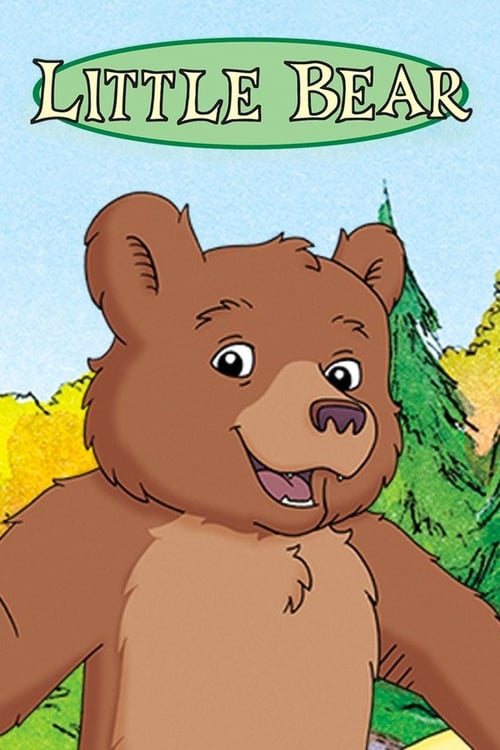
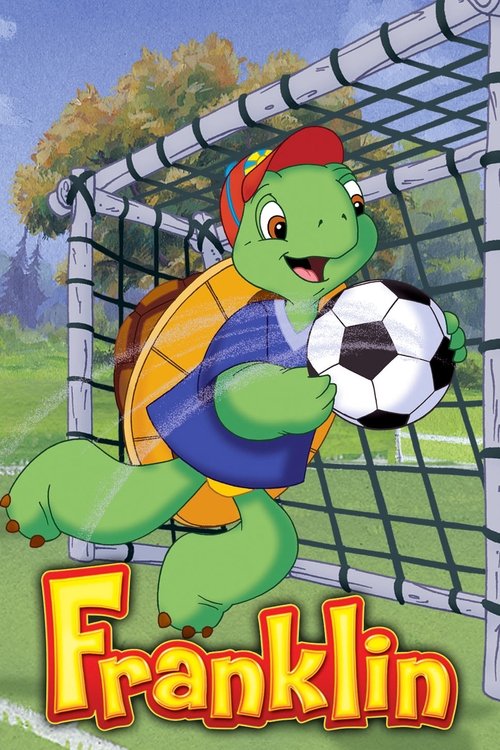
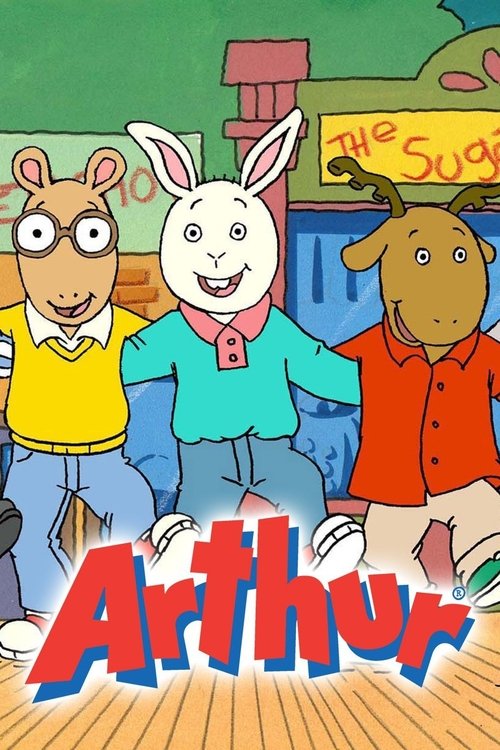

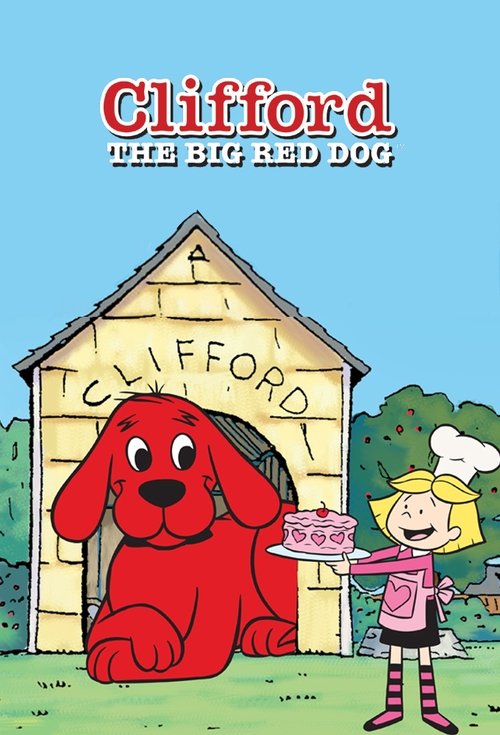
Cartoonists Who Built Whole Worlds
Picture books and animated series rooted in a single visual creator's unmistakable hand



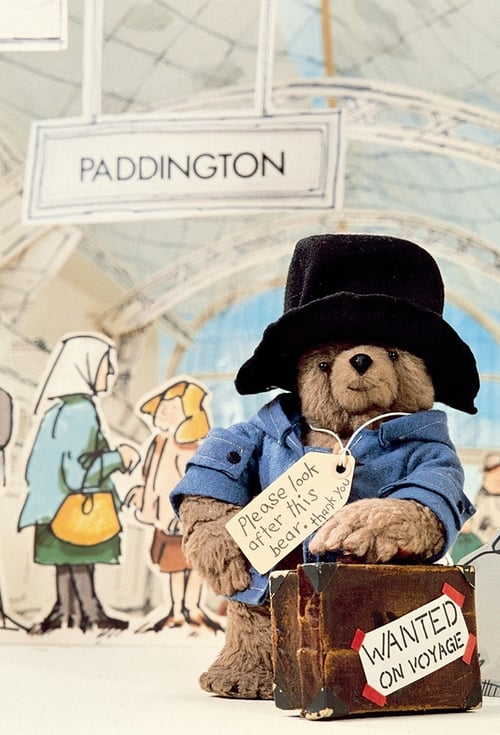
The Lesson That Does Not Feel Like a Lesson
Books and shows that teach something real without becoming preachy about it
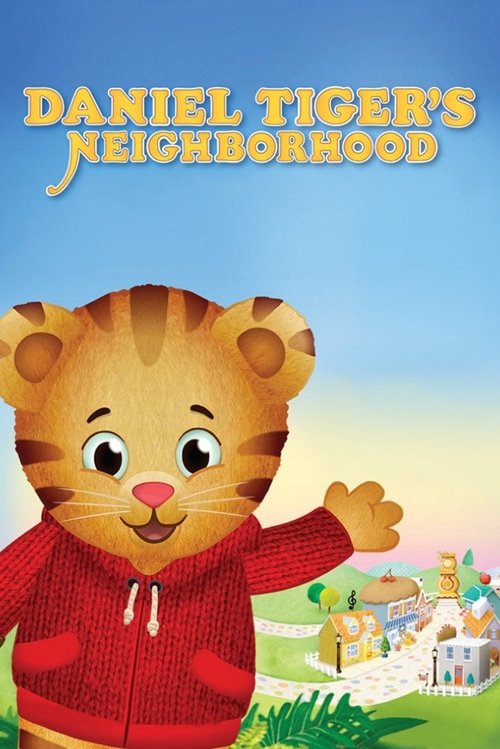


Cozy Small-Town Worlds Worth Inhabiting
Fiction set in places so specific and warm that you want to move there




The perfect entry point is the spooky old tree, not the lesson books
The Berenstain Bears and the Spooky Old Tree (1978) is the book to put in a child's hands first, before any of the lesson-forward entries. It has almost no text, enormous momentum, and a tension-and-release rhythm that works on every read. Three small cubs go further than they should into something genuinely scary. No moral is appended. That restraint is the rarest thing in children's publishing, and the book is better for it.
Papa Bear is funnier than he gets credit for
The books that put Papa Bear at the center, overconfident and inevitably humbled, are the funniest of the series. The Berenstain Bears and the Big Road Race and the scouting and camping books let Stan's background as a cartoonist shine: the visual comedy of a large bear failing at something he insisted he could do is timed with the precision of newspaper strip work. These are the books adult readers are most likely to enjoy rereading aloud.
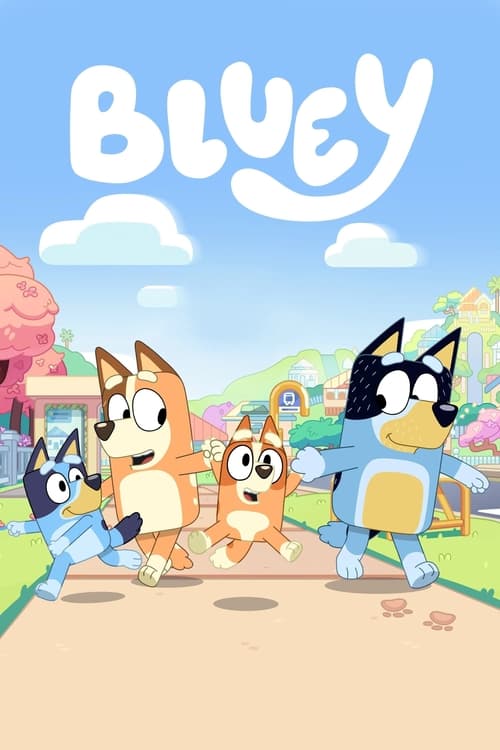
Bluey is the closest living heir to what the Berenstains were doing
Both franchises center on a nuclear animal family in a recognizable domestic world, both treat parents as fully dimensional (sometimes wrong, sometimes tired, always loving), and both trust children to process mild discomfort. The difference is that Bluey's parents fail on screen in ways the Berenstains generally resolved by the final page. That makes Bluey slightly more contemporary, but the emotional register is nearly identical: a safe world where real feelings are allowed.
Redwall is where you go when the Berenstain Bears grow up
Brian Jacques built an animal world of roughly the same philosophical warmth as Bear Country, then pushed it toward genuine stakes and genuine danger. Children who loved the specificity of the Berenstains' world (the general store, the seasons, the recurring neighbors) tend to fall hard into Mossflower. The series shares the Berenstains' conviction that animals can model decency without becoming saccharine, and it takes that conviction much further.
Stan Berenstain: A Career in Bear Country
- 1923Stan Berenstain born in Philadelphia, Pennsylvania
- 1946Marries Jan Grant; the two begin collaborating on cartoons
- 1952Begin contributing cartoons and humor pieces to various magazines
- 1962The Big Honey Hunt published, the first Berenstain Bears book
- 1964The Bike Lesson published, establishing the series' Papa-as-bad-example formula
- 1978The Berenstain Bears and the Spooky Old Tree published The Berenstain Bears
- 1982The Berenstain Bears animated TV special airs on CBS The Berenstain Bears
- 1985Ongoing CBS animated series runs; books expand into every social topic
- 2003The Berenstain Bears animated series on PBS Kids begins airing The Berenstain Bears
- 2005Stan Berenstain passes away; Jan and son Mike continue the series
- 201250th anniversary of the Bears; series surpasses 300 titles
Cozy family tales for young readers
For Fans of Mercer Mayer
Explore the For Fans of Mercer Mayer guide →The Berenstains gave a generation of children their first experience of a fictional world that felt like a real place: not a backdrop for a story, but somewhere you could walk around in and recognize every corner.On the lasting appeal of Bear Country