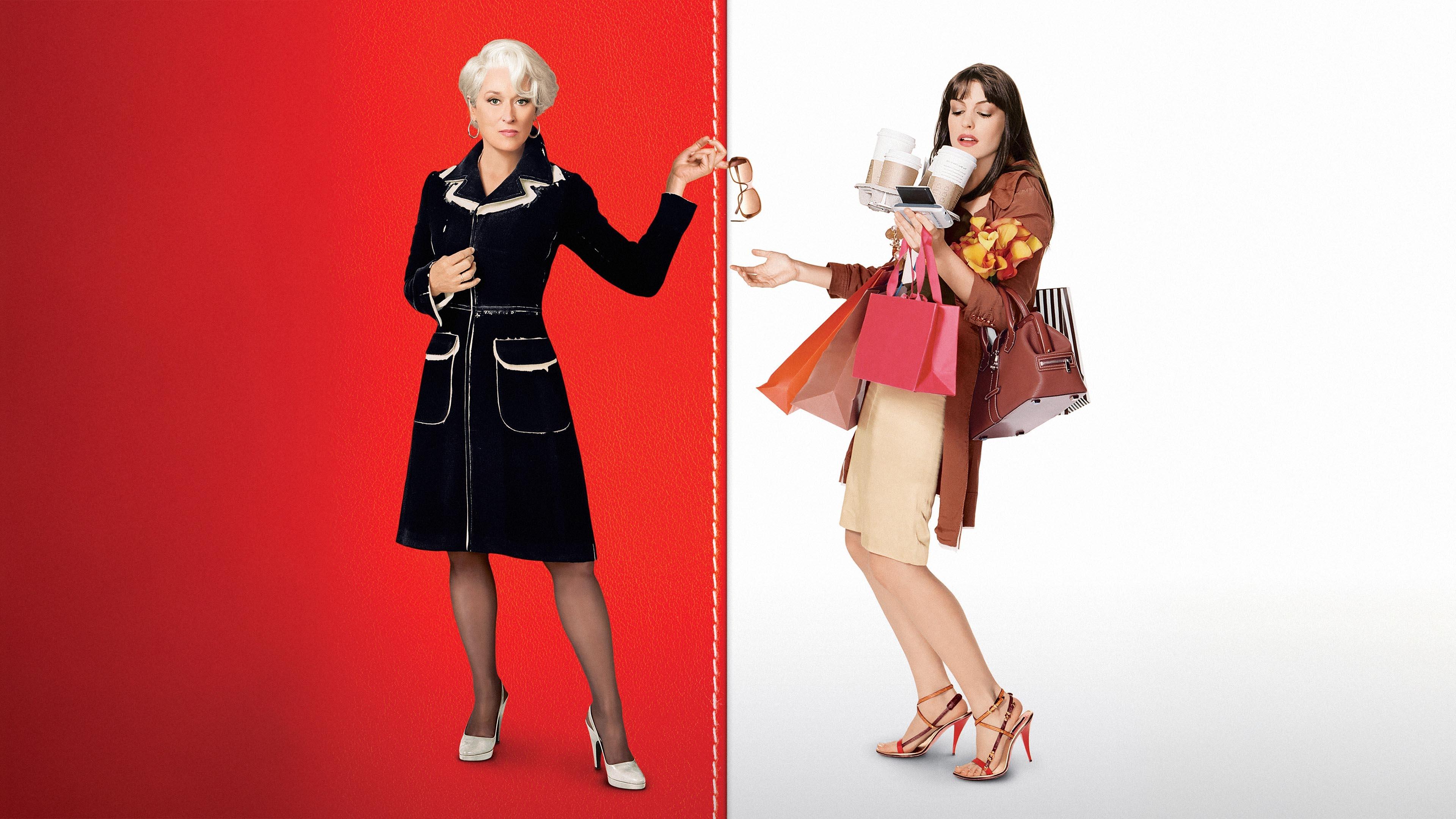

There is a quality that runs through every Meryl Streep performance: the sense that the character existed before the camera arrived and will continue after it leaves. Whether she is playing a Polish Holocaust survivor, a demanding fashion magazine editor, a Julia Child finding her voice in Paris, or a Wisconsin housewife torn between safety and longing, she locates the interior logic of a life and builds outward from there. No performance announces itself. The accents are precise, the vulnerability is real, and the control is total. Fans of Streep tend to be fans of a certain kind of storytelling: character-driven, emotionally honest, literary in its patience. This guide follows that thread across every medium.
Essential Meryl Streep
Her most defining performances, ranked by the ambition of the role
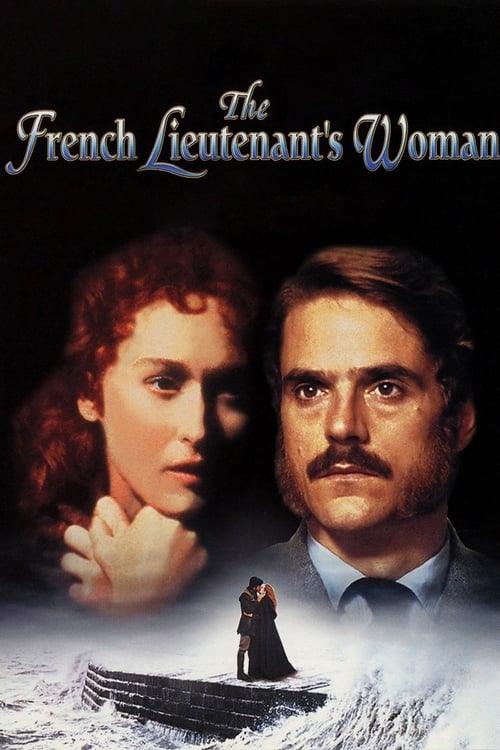


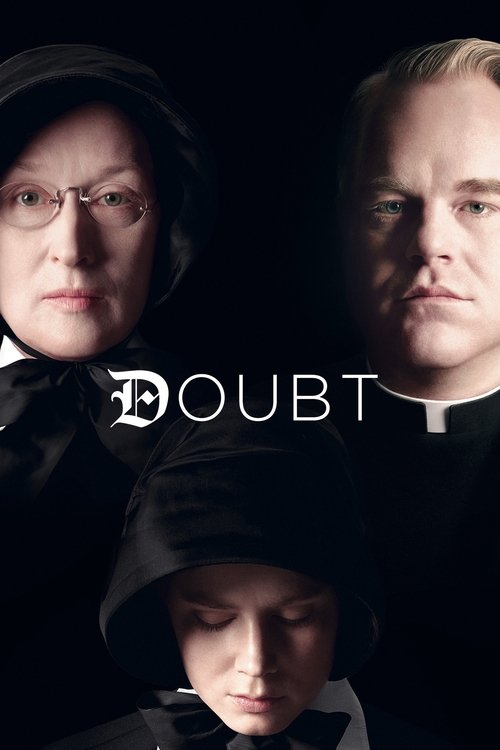
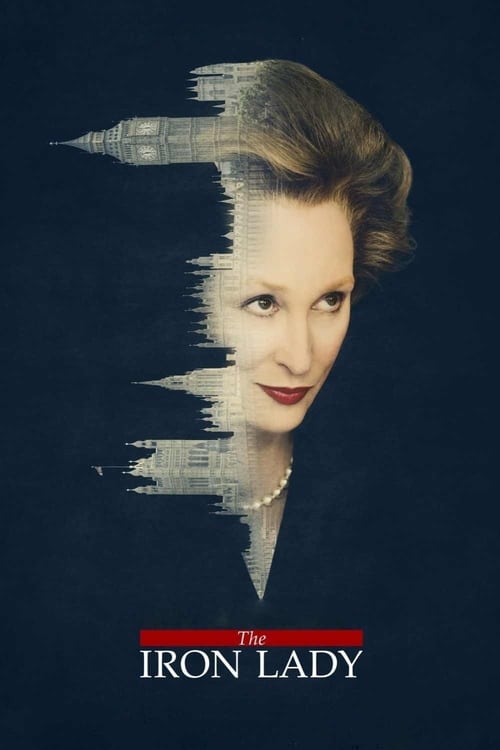
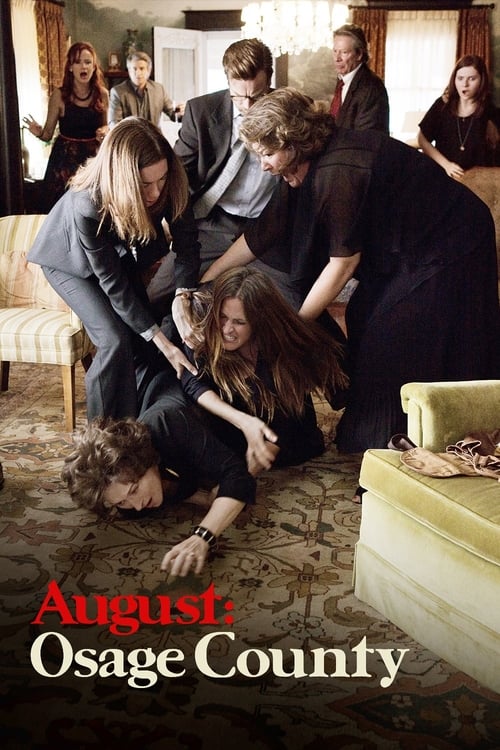
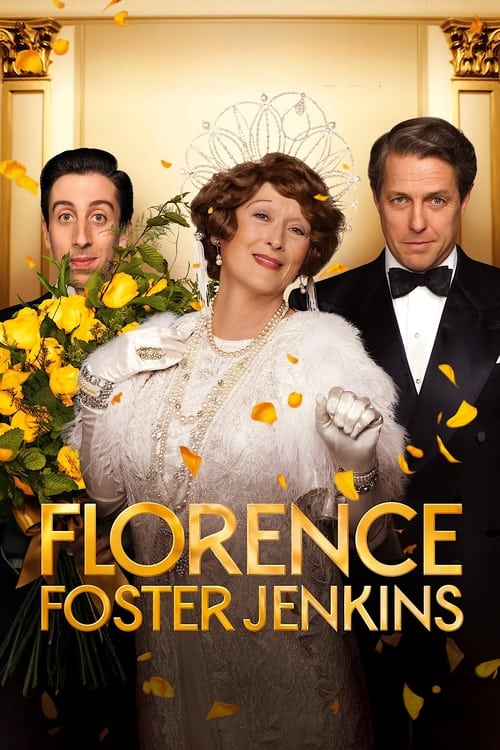

If You Love Her Films: The Novels Behind the Screen
The books that became the Streep movies you know


Same Register: Prestige Films Built on Performance
Films that share Streep's standard of total immersion and literary gravity

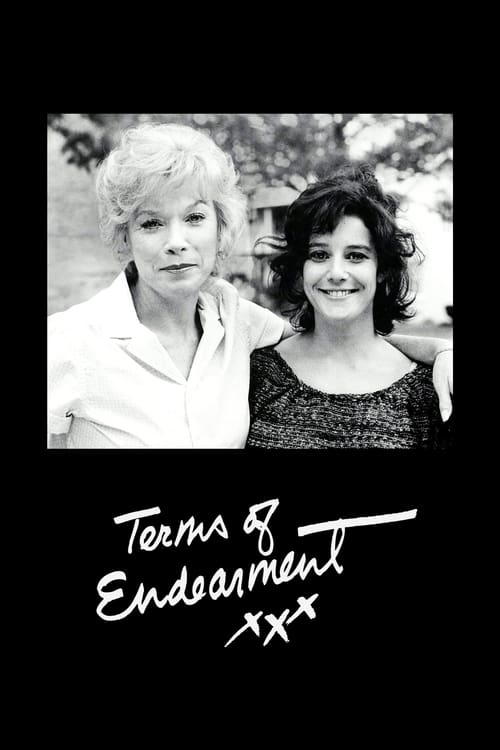
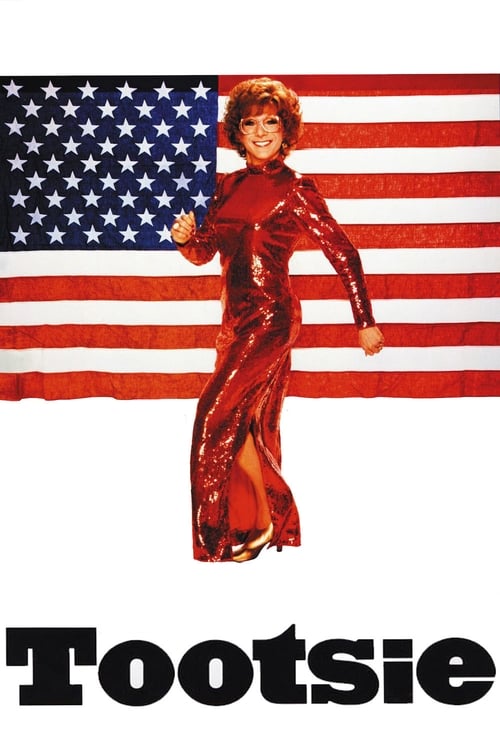
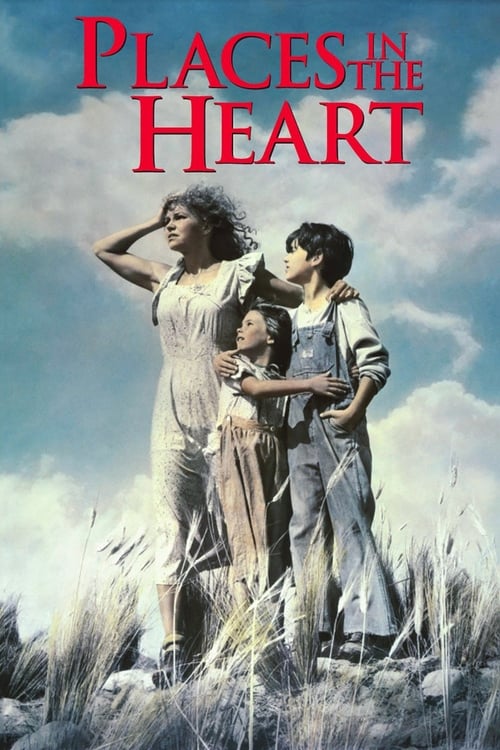


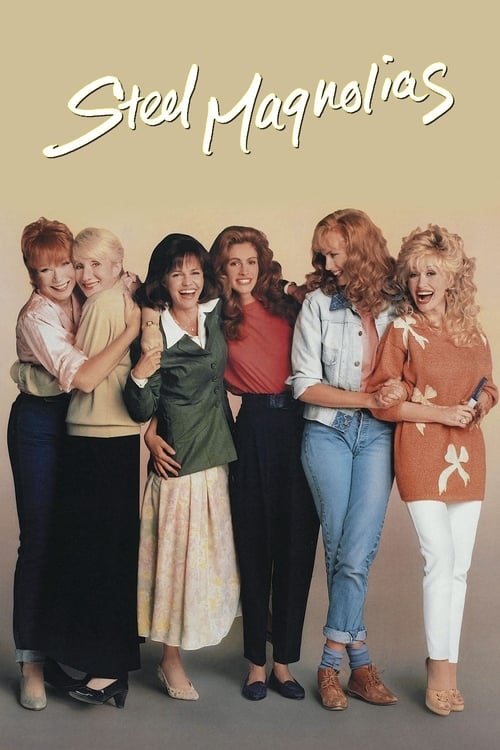
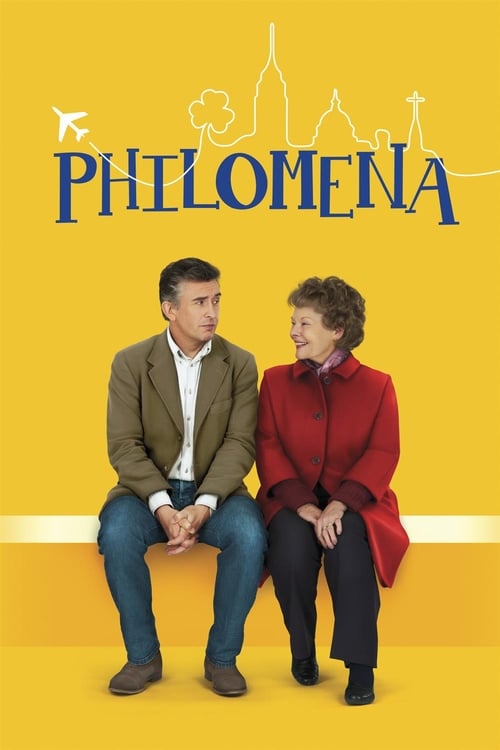

The Same-Register Actors: Other Careers Worth Following
Actors who share Streep's commitment to disappearing into a role




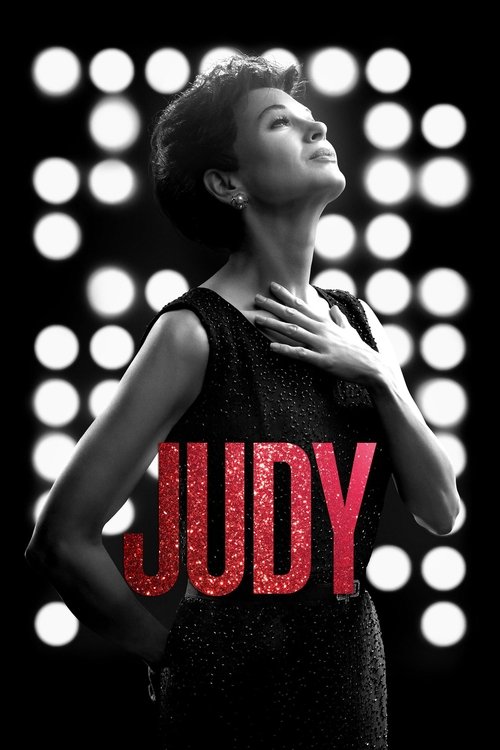

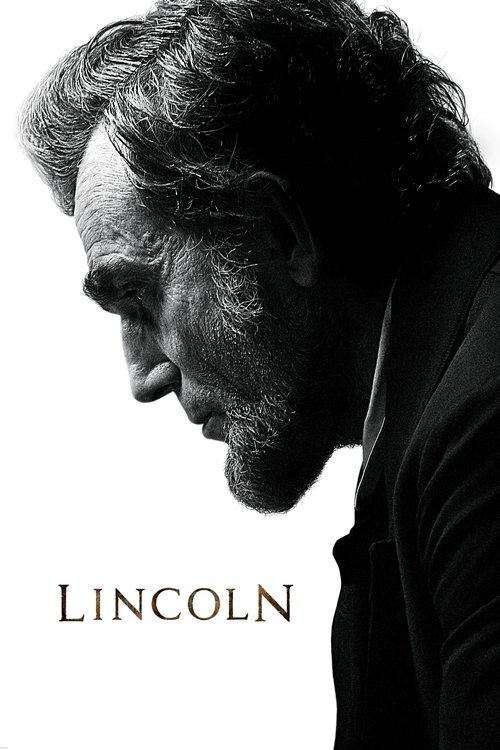
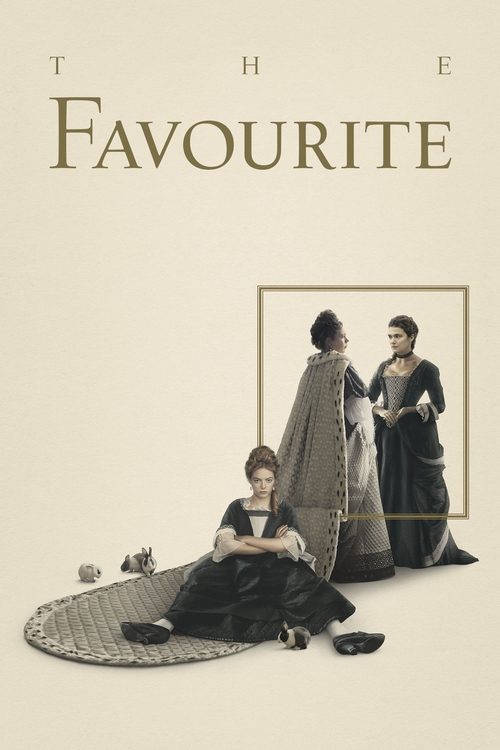

Literary Fiction That Lives in the Same World
Novels that share the emotional intelligence and moral complexity of her best films


Long-Form Television That Demands the Same Attention
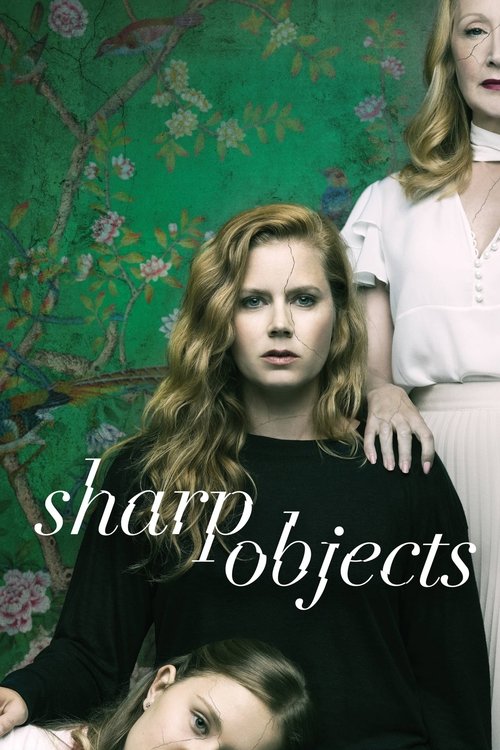
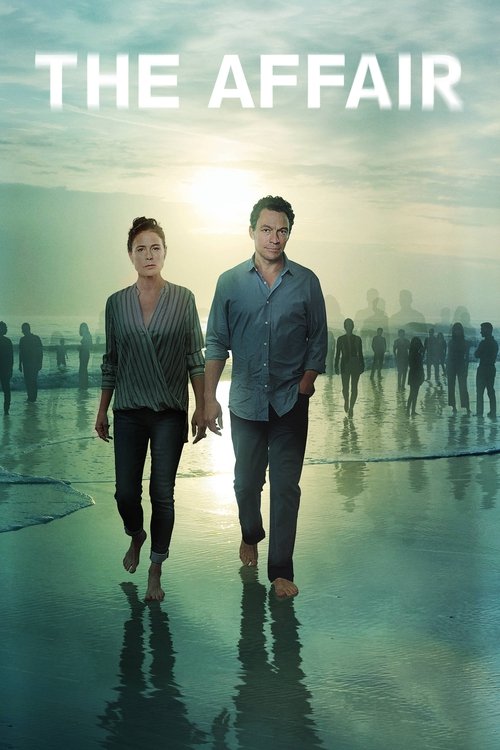
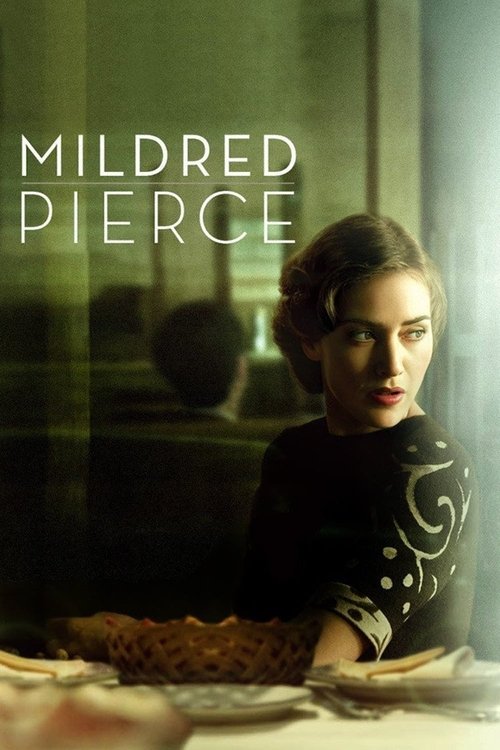
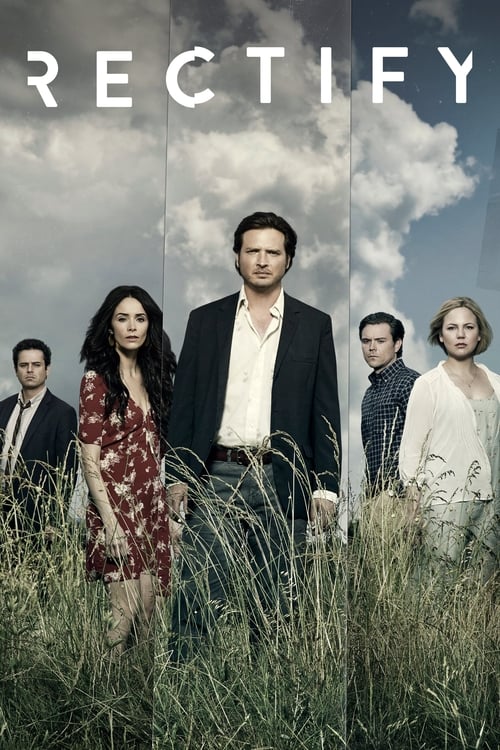
Series that reward the patience Streep's films ask of you




Why Sophie's Choice Remains the Benchmark
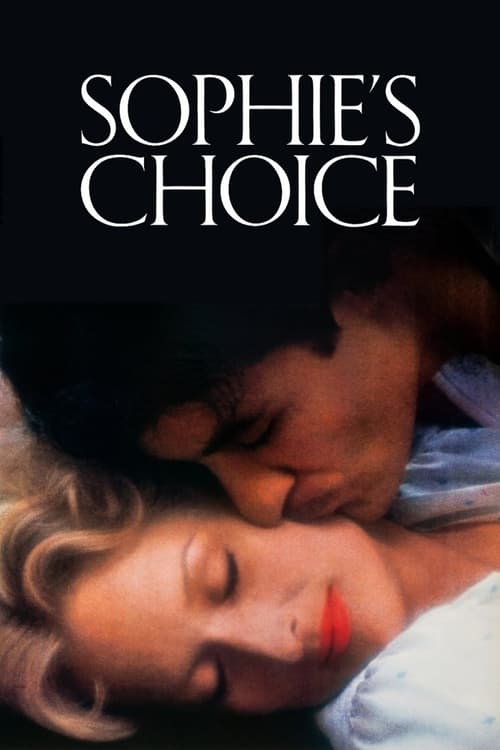
Every generation of actors gets asked to measure themselves against Sophie's Choice. Streep's performance as a Polish survivor in Brooklyn is the gold standard not because of the accent or the flashback sequences, but because she makes Sophie's evasions feel more truthful than most characters' confessions. The moment of the titular choice arrives late in the film but it lands like a verdict on everything that came before. Alan Pakula's direction is immaculate, Nelson Styron's novel extraordinary, but the film lives or dies on whether we believe Sophie, and Streep makes belief feel involuntary.
The Devil Wears Prada and the Art of the Villain Who Isn't
Miranda Priestly is Streep's most imitated performance and arguably her most misunderstood. The film frames her as an antagonist, but Streep plays her as a woman who has paid every price the industry asked and has zero patience left for people who haven't. Every whispered dismissal is also a kind of honesty. The comic rhythms are impeccable, the cold fury is real, and what lingers is the brief glimpse of cost she lets through in the hotel room scene. Lauren Weisberger's source novel is a workplace revenge fantasy; the film, with Streep's intelligence applied to the center, becomes something more complicated.
Out of Africa and the Cinema of Place
Sydney Pollack's film is sometimes dismissed as a lush romance, but it functions equally as a study of a woman negotiating ownership, independence, and love in a context designed to deny her all three. Streep's Karen Blixen is not a passive figure in a beautiful landscape. She runs the farm, learns the language, teaches the children, and makes the harder choice each time sentiment and practicality conflict. Isak Dinesen's memoir supplies the frame, but Streep supplies the interiority the camera cannot.
Big Little Lies and the Later Phase
Television gave Streep a new arena, and she arrived in Big Little Lies Season 2 as Mary Louise Wright, a grieving mother who cannot accept an inconvenient truth. The performance operates entirely differently from her film work: smaller, seated, conversational, with the threat delivered through pleasantries. Her scenes with Nicole Kidman and Reese Witherspoon are master classes in calibrated pressure. The series itself, adapted from Liane Moriarty's novel, belongs to the sharp end of the recent wave of prestige TV: beautiful settings, dark secrets, and women figuring out what they owe each other.
A Career in Landmarks
- 1977Broadway debut leads to her first film role in Julia Julia
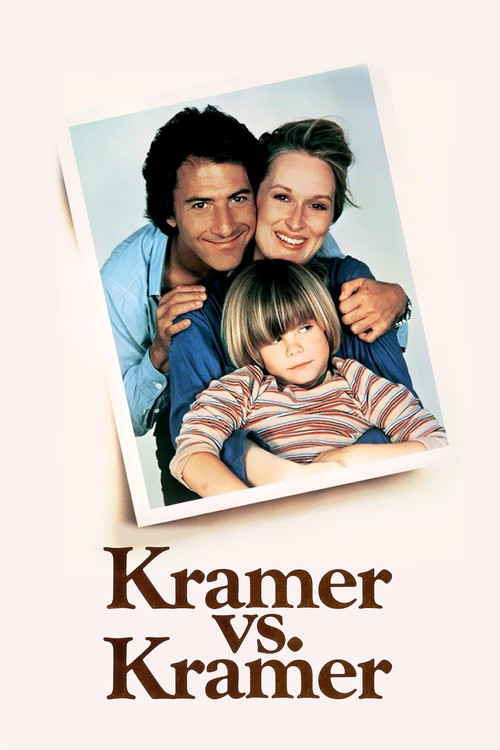
- 1979First Oscar nomination and win for Kramer vs. Kramer Kramer vs. Kramer
- 1982Sophie's Choice wins her second Oscar and sets the career trajectory Sophie's Choice
- 1985Out of Africa: third Oscar nomination, cultural landmark Out of Africa
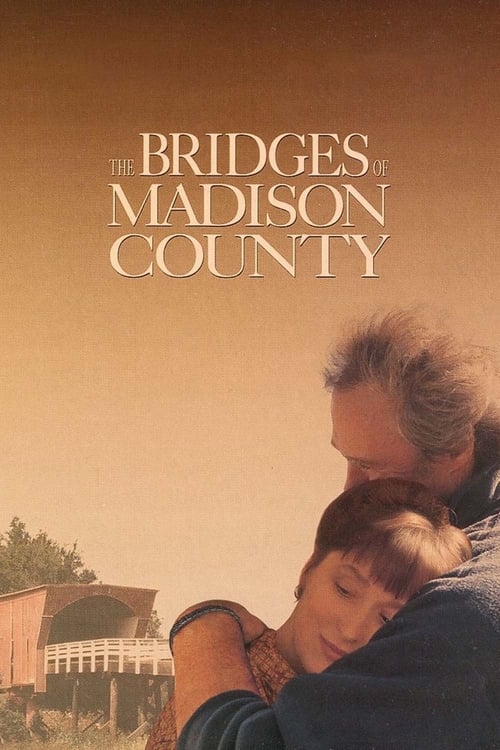
- 1995The Bridges of Madison County brings restraint to the romantic drama The Bridges of Madison County
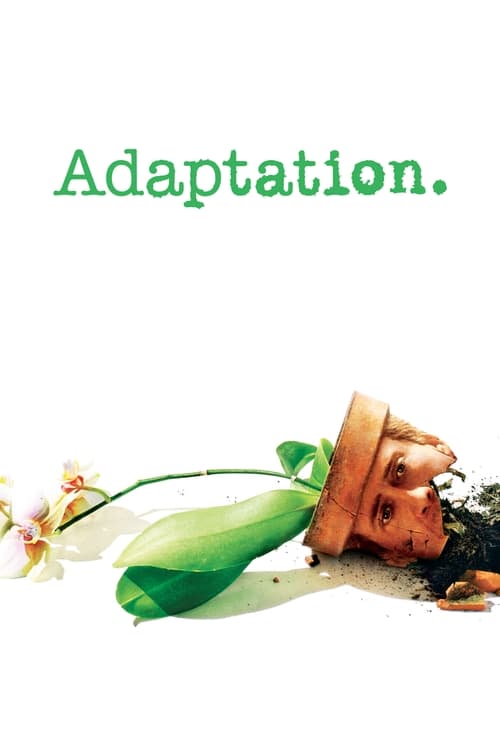
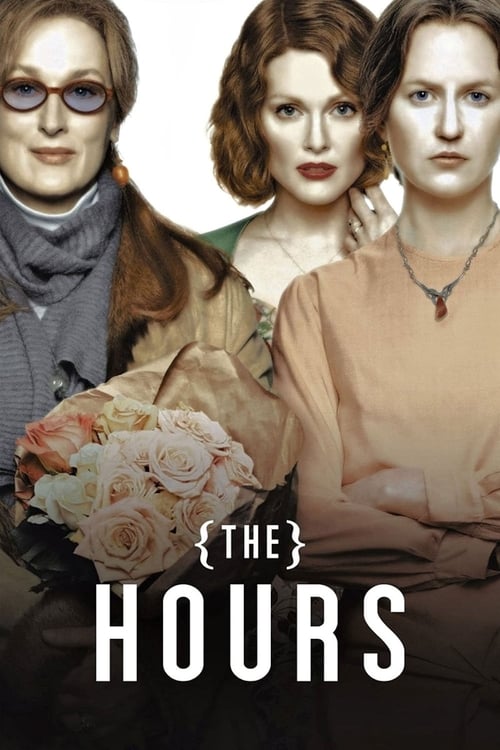
- 2002Adaptation. and The Hours: a career-peak double bill The Hours
- 2006The Devil Wears Prada defines a new kind of screen authority The Devil Wears Prada
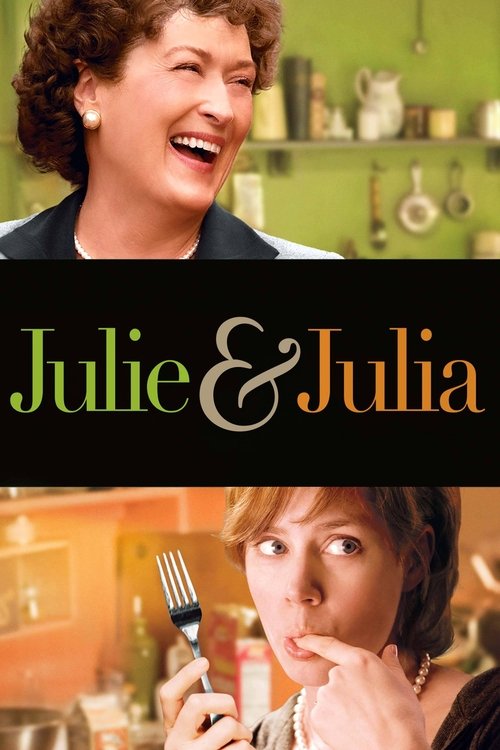
- 2009Julie & Julia: she plays Julia Child and makes it feel effortless Julie & Julia
- 2011Third Oscar win for The Iron Lady The Iron Lady
- 2019Big Little Lies Season 2 proves the power of her television presence Big Little Lies
Deeply interior dramatic performances
For Fans of Cate Blanchett
Explore the For Fans of Cate Blanchett guide →She does not act so much as inhabit. You do not watch a Meryl Streep performance. You observe a life.CrossBinge