
Massive Attack's 1998 album Mezzanine is the point where trip-hop caved in on itself and became something more claustrophobic, more confrontational, and far stranger. Where Blue Lines was warmth and 100th Window was introspection, Mezzanine is the group at war with itself: Robert Del Naja and Grant Marshall barely speaking, the Bristol collective pushing in opposite directions, and the tension somehow producing the most fully realised sound of their career. Nina Simone samples slowed to near-stasis, Horace Andy's falsetto floating over walls of distorted guitar, Elizabeth Fraser's voice dissolving into abstract feeling. Fans chase that specific quality: music with a physical weight, dark but not nihilistic, futuristic but rooted in the past, grooves that feel like they could collapse at any moment but never do.
Essential Massive Attack
The full arc of their sound, from Bristol warmth to controlled disintegration.
The Trip-Hop Canon and Its Neighbours
The records that share Mezzanine's DNA: slow tempos, heavy atmosphere, and the feeling of cities at 3am.
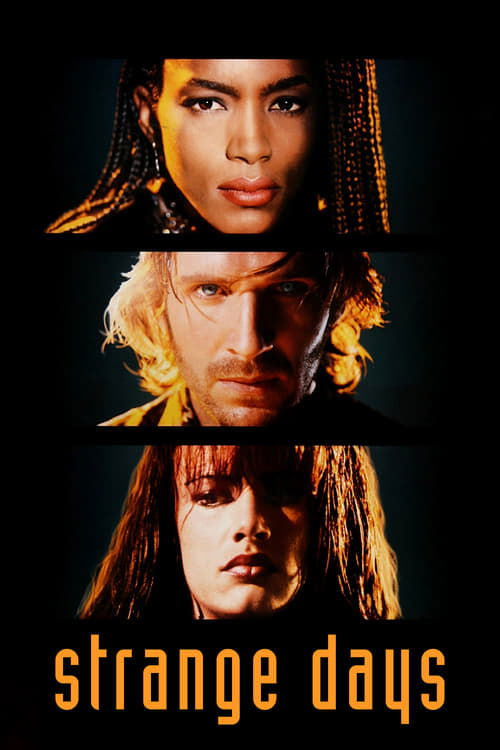
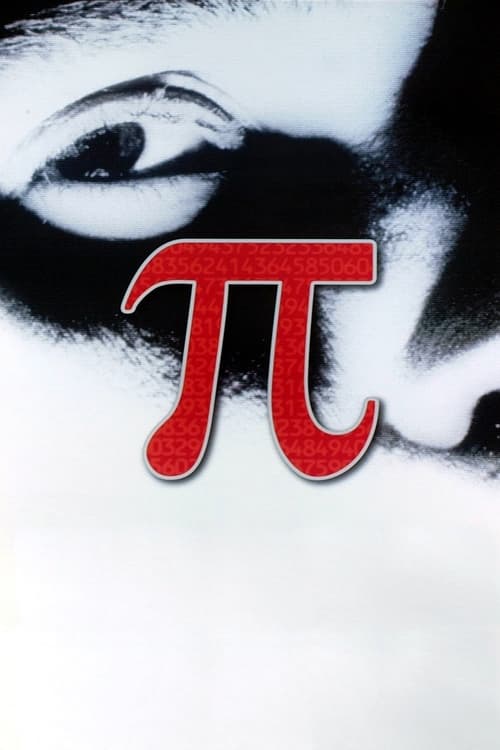
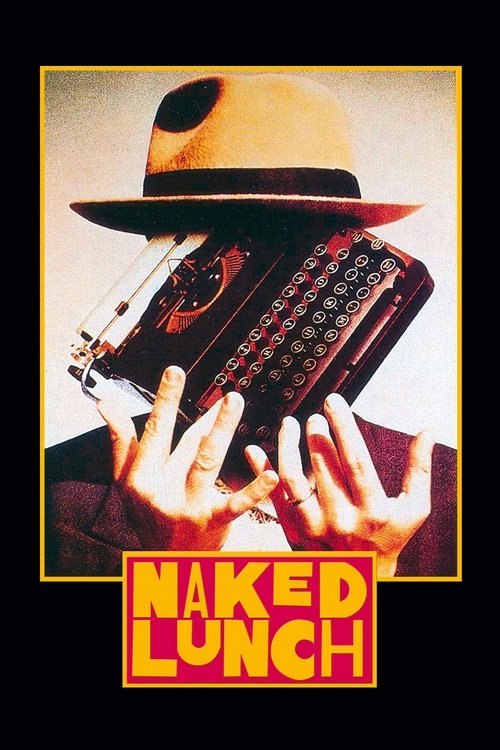
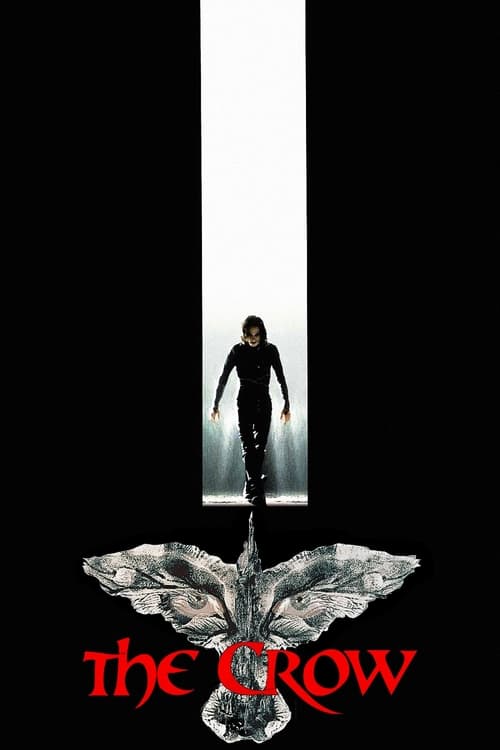
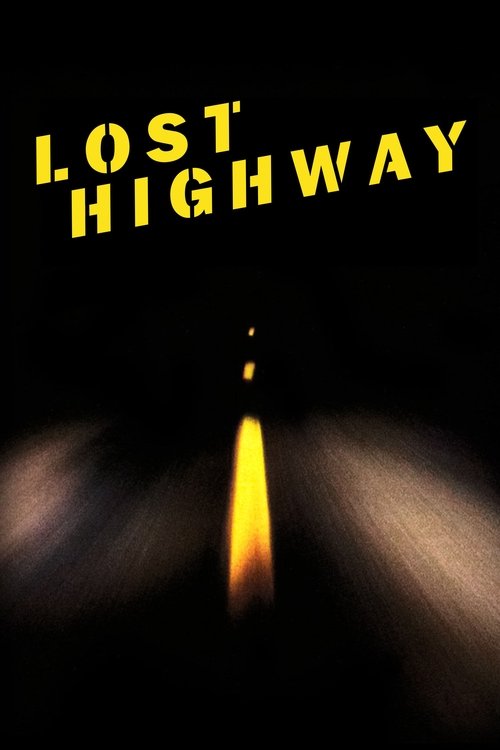
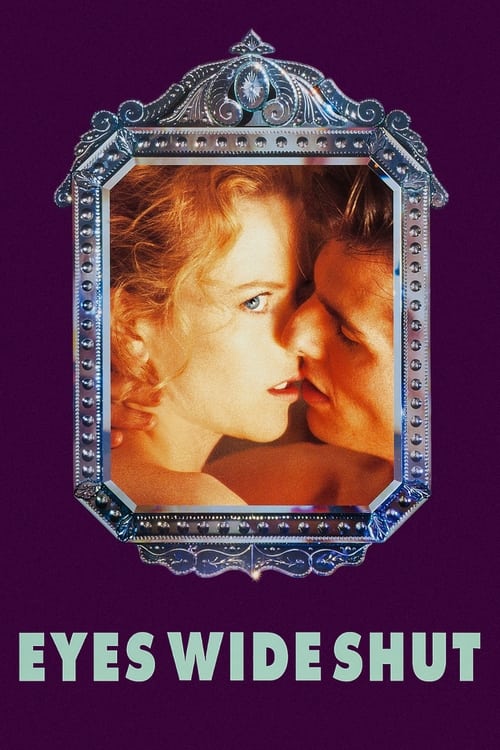
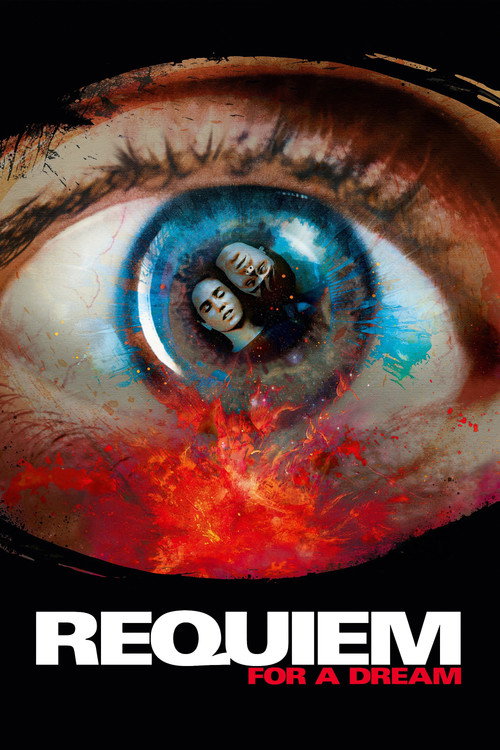
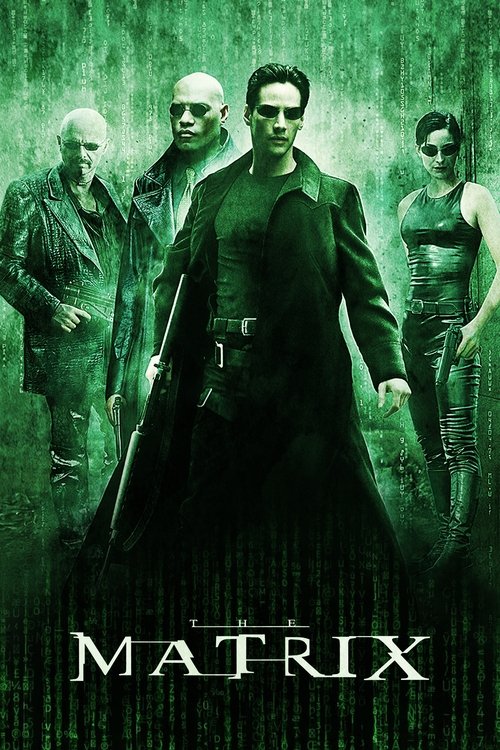
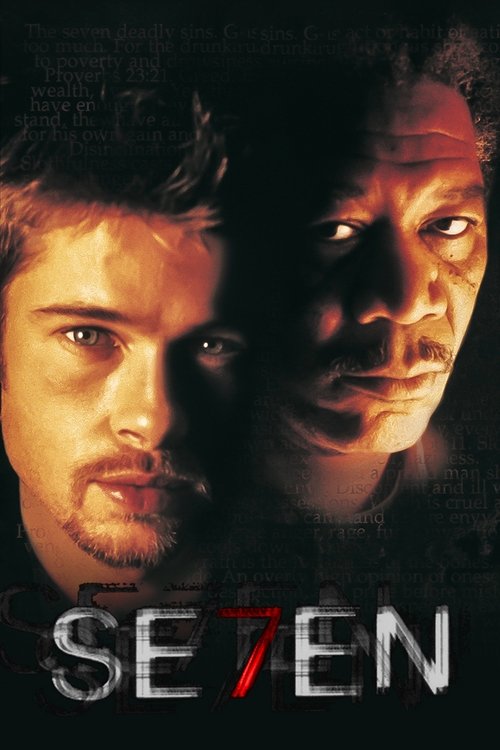
Films That Live in the Same Shadows
Cinema with Mezzanine's palette: nocturnal dread, moral ambiguity, and images that feel chemically altered.



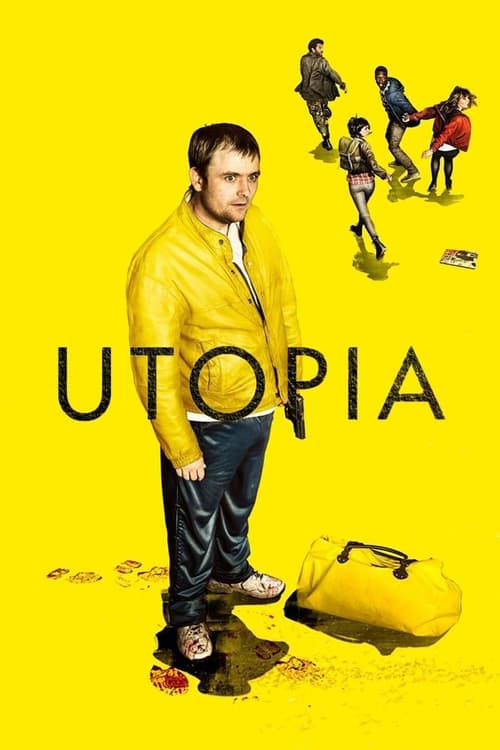
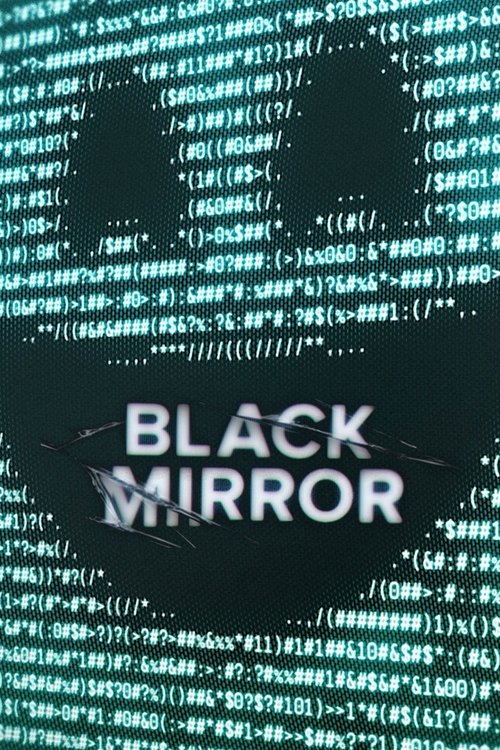
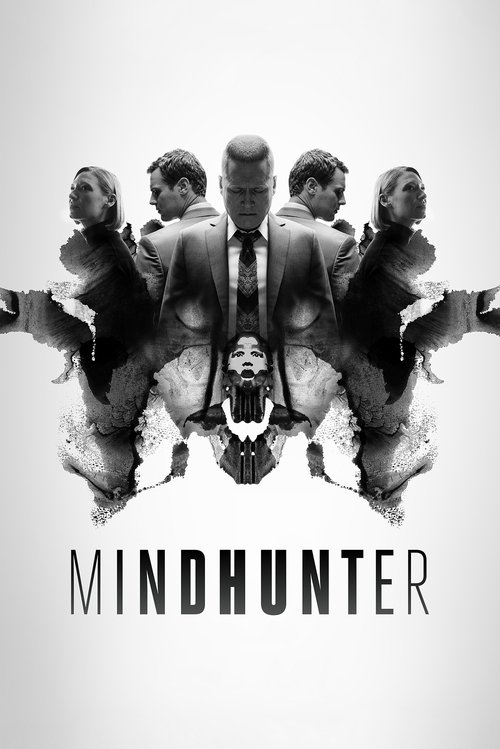
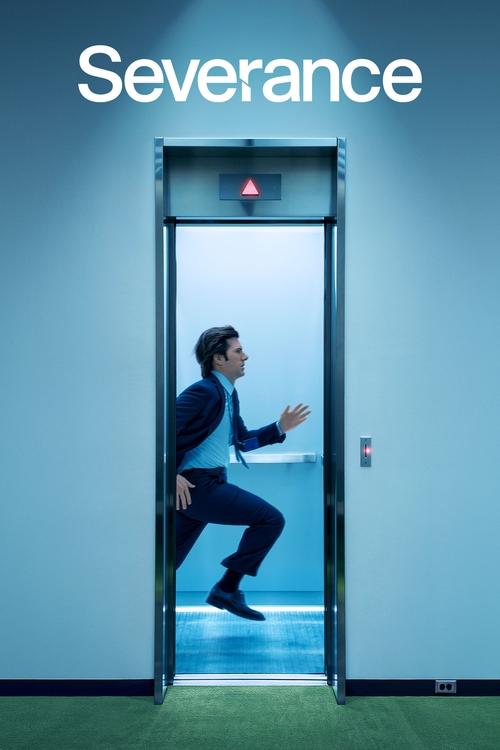
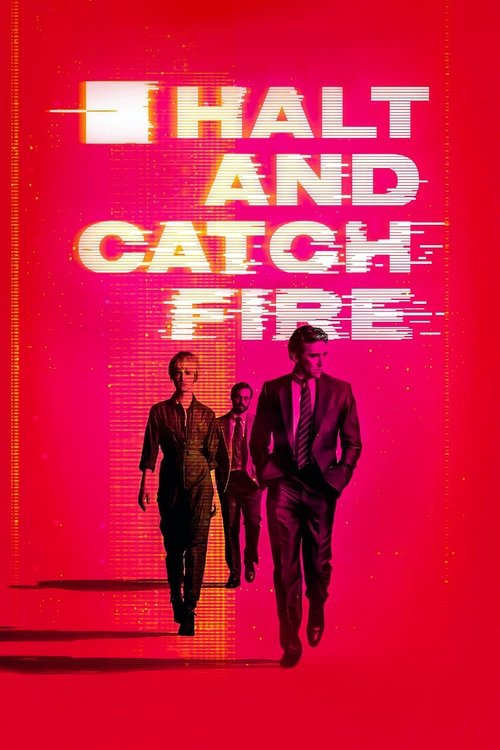
TV That Inhabits the Same Frequency
Series built on paranoia, fractured identity, and the sensation that the world is slightly wrong.


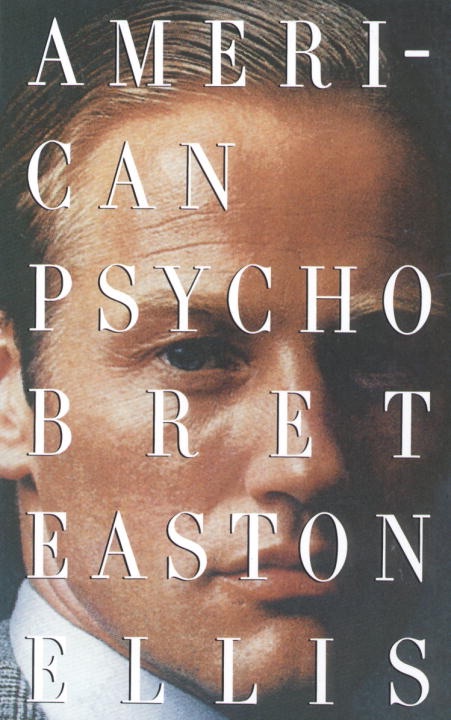
Books for the Sleepless and Unsettled
Fiction and prose that shares the album's interior weather: late-night unease, the city as psychic space.



Angel Is the Greatest Trip-Hop Track Ever Made
Every element of Mezzanine converges on Angel: the Mahavishnu Orchestra sample slowed to a funeral pace, Horace Andy suspended above it like a man falling in slow motion, the bass entering as a physical event. It runs nearly six minutes and barely changes, yet never loses tension. Trip-hop produced beautiful music; Angel produced something that feels genuinely dangerous.
The Album Could Only Have Come from a Band Breaking Apart
Portishead's Dummy is a record of control; Mezzanine is a record of fracture, and you can hear it. The friction between Del Naja's industrial guitar obsessions and Marshall's groove purism generated a tension that neither man would have made alone. It is a rare case where creative collapse produced a masterpiece rather than a wreck.
Elizabeth Fraser Was the Right and Wrong Choice Simultaneously
Cocteau Twins' Fraser appears on three tracks and her voice is the album's most recognisable element, which is also its strangest paradox: her contributions are abstract, largely wordless, and yet they carry more emotional information than any lyric could. Her vocal on Teardrop became so famous it nearly buried the record beneath it. Seek out Black Milk, where she is stranger and more unsettling, to hear what Mezzanine was actually doing.
Dark City Is the Film Mezzanine Would Score
Alex Proyas's 1998 neo-noir shares a release year and almost a complete aesthetic with Mezzanine: memory as unreliable architecture, a city that reorganises itself at night, bodies as sites of intervention. It did not use the album (it has its own superb score by Trevor Jones), but the pairing is almost uncanny. Both works ask whether identity survives when the conditions that produced it keep shifting.
The World That Made Mezzanine
- 1988The Wild Bunch sound system in Bristol begins connecting reggae, hip-hop, and soul in ways that will define a city's musical identity. Massive Attack is formed from within it.
- 1991Blue Lines released, widely considered the founding document of trip-hop, sampling Sly and the Family Stone and Willie Williams, featuring Tricky and Shara Nelson. Blue Lines
- 1994Protection and Portishead's Dummy arrive in the same year. The Bristol sound is named, codified, and immediately at risk of becoming a genre cliche. Protection
- 1995Tricky's Maxinquaye splinters off into something darker and more volatile, showing what happens when the trip-hop aesthetic is pushed toward paranoia. Maxinquaye
- 1996DJ Shadow's Endtroducing..... arrives from California: crate-digging, cinematic, entirely instrumental, and a major influence on where the genre goes next. Endtroducing.....
- 1998Mezzanine released April 20. It reaches number one in the UK. Massive Attack tour and barely speak to each other. The album is simultaneously the peak and the end of something. Mezzanine
- 1998The Matrix opens in cinemas and brings a version of the trip-hop aesthetic into mainstream action filmmaking. Teardrop plays over British television as the theme to ER. The Matrix
- 2003100th Window: the group reduced to essentially Del Naja alone, a more cold and sparse record, confirming that Mezzanine's tension could not be recreated. 100th Window
- 2016Mezzanine reissued as a DNA strand encoded into DNA by ETH Zurich, a stunt that also pointed at the album's lasting cultural weight.
Mezzanine sounds like the last transmission from a civilisation that forgot what silence felt like.CrossBinge