

Michael Caine arrived in the 1960s as something British cinema had rarely seen: a working-class man who refused to play the help. From the sharp-tongued lothario of Alfie to the ice-cold assassin of The IPCRESS File, he built a screen persona that blended charm with menace, wit with genuine danger. What Caine fans love is the quality beneath the surface ease. He never seems to be acting, and that relaxed authority carries across spy thrillers, heist capers, crime dramas, Christopher Nolan blockbusters, and unexpected late-career masterpieces. The through-line is always craft: a man who took every role seriously, even the ones that paid the mortgage.
Essential Michael Caine
The roles that define the man



If You Love His Spy Thrillers
Cold War cool and moral ambiguity on film and screen


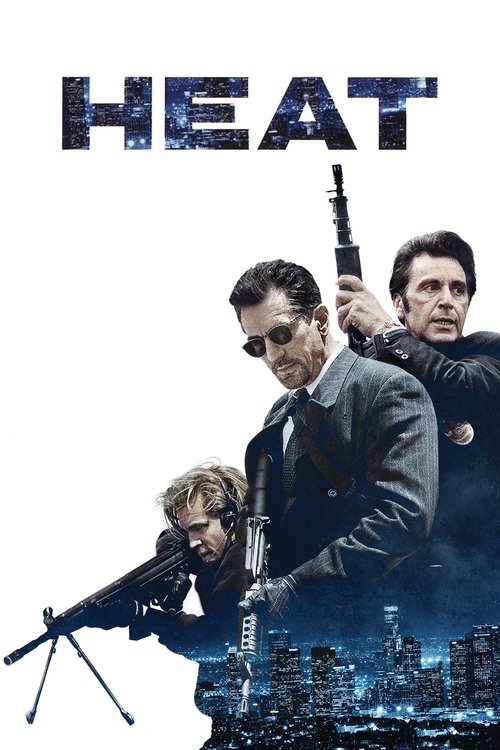
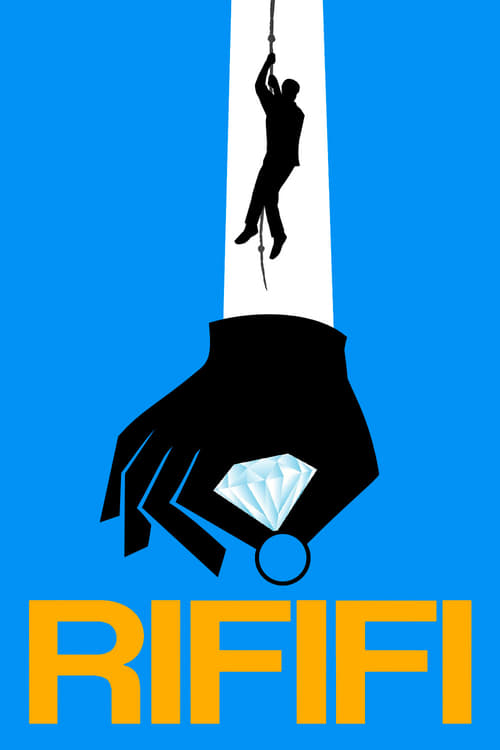
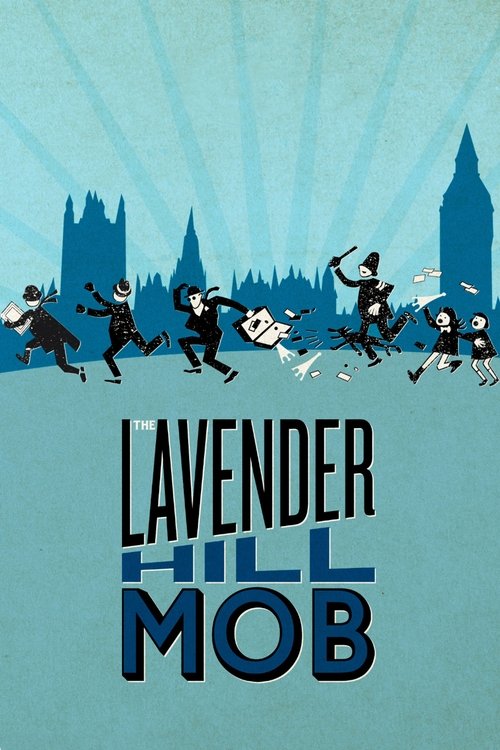
If You Love His Heist Films
Sharp planning, sharper dialogue, and things that go sideways


The Novels Behind the Caine Canon
Books that inspired or share the DNA of his greatest roles


Same Register: Actors Who Own the Room
Stars with that same effortless authority and lived-in cool




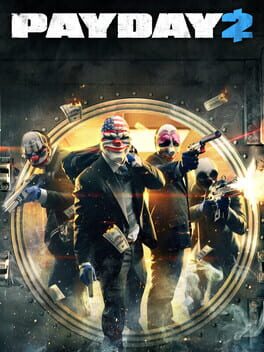
Games That Share His Films' DNA
Spy tension, urban crime, and stylish British cool in interactive form


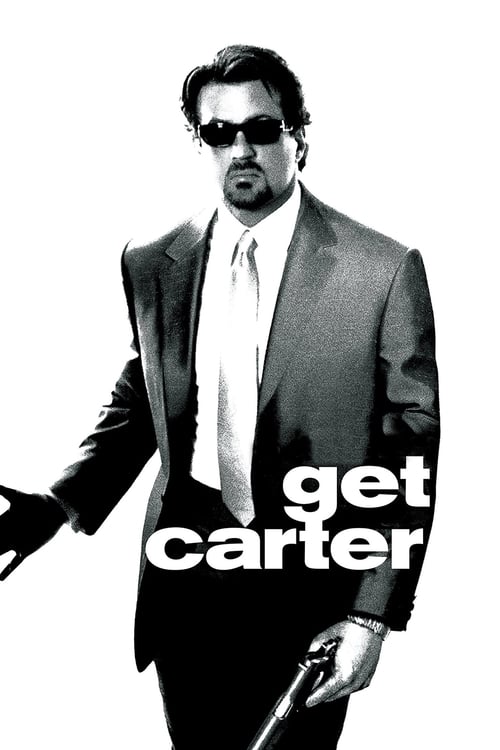
Get Carter Is Still the Angriest Film Britain Ever Made
Get Carter (1971) is not a revenge thriller with a redemptive arc. Carter comes north, does what he came to do, and the film refuses to congratulate him for it. Caine plays the violence with no pleasure and no hesitation, which is far scarier than any villain performance. Mike Hodges shot Newcastle as a place of moral exhaustion, and Caine embodied it perfectly. Nothing British made before or since has the same cold fury.
Alfie Invented a Type of Antihero the 1960s Did Not Know It Had
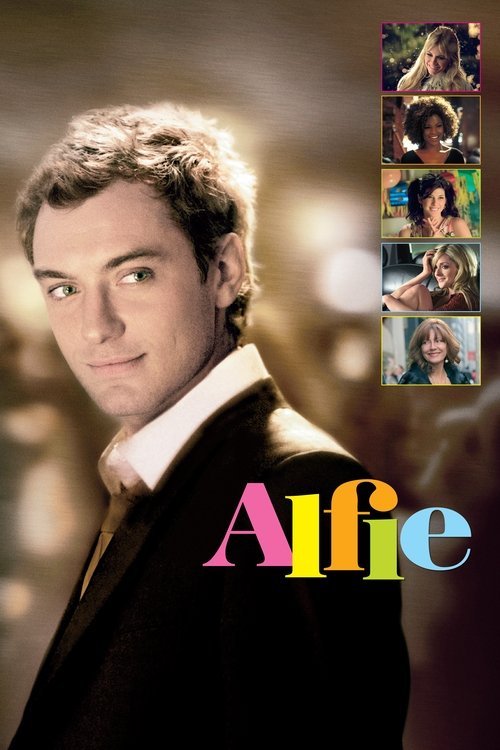
Alfie speaks directly to camera and expects the audience to be charmed. For a while, they are. Bill Naughton's script, and Caine's delivery of it, turns seduction into something more unsettling as the film goes on. By the end Alfie is genuinely alone, and Caine plays that moment without self-pity. The film invented the unreliable likeable narrator for British cinema and nobody has done it better since.
His Nolan Collaboration Proved Character Actors Age Into Gravitas
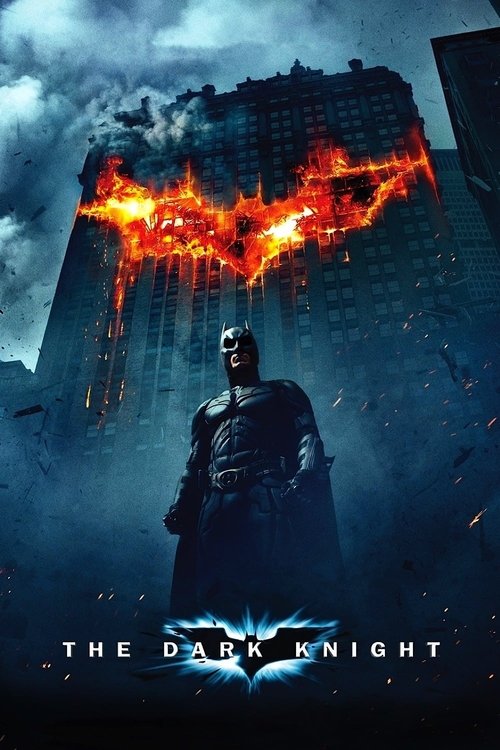
Casting Caine as Alfred in the Dark Knight trilogy was not stunt casting. It reframed him as the moral anchor of the most commercially important film series of the 2000s. His Alfred carries the trilogy's emotional weight in three or four key scenes, and he does it with nothing but restraint and timing. Interstellar then gave him a physicist, and Tenet gave him a brief but memorable turn. Nolan understands that Caine's authority is most powerful when used sparingly.
Six Decades of Caine
- 1964Breakthrough role in Zulu establishes his screen presence Zulu
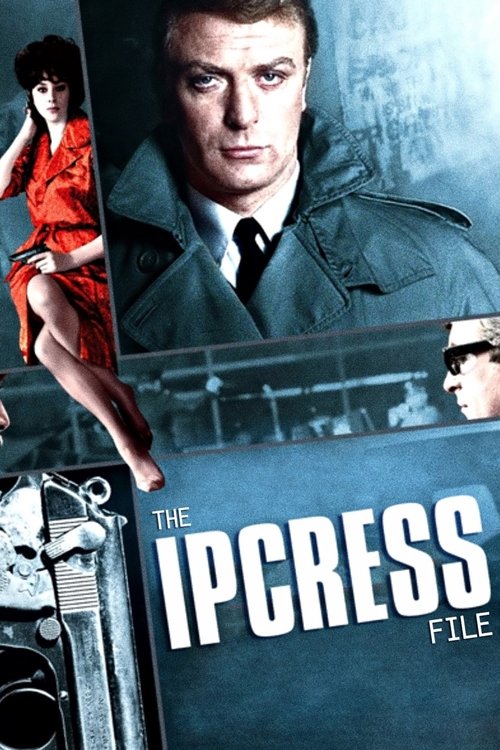
- 1965Harry Palmer debuts in The IPCRESS File, the anti-Bond spy The Ipcress File
- 1966Alfie makes him an international star and a cultural touchstone Alfie
- 1971Get Carter redefines British crime cinema Get Carter
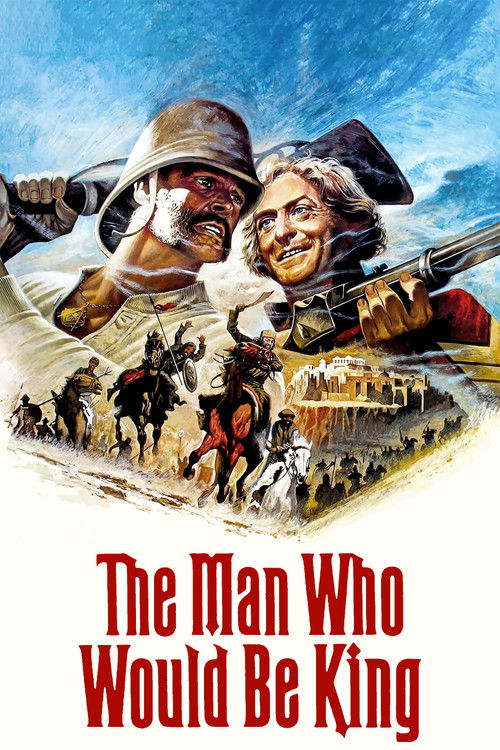
- 1975The Man Who Would Be King, his favourite of his own films The Man Who Would Be King
- 1983Educating Rita earns him a BAFTA and an Oscar nomination Educating Rita
- 1986Hannah and Her Sisters wins him his first Oscar Hannah and Her Sisters
- 1999The Cider House Rules brings his second Oscar The Cider House Rules
- 2005Batman Begins launches his decade-long Nolan partnership Batman Begins
- 2014Interstellar casts him as the architect of humanity's future Interstellar
Spies, Heists, and Cockney Cool
Spies & Espionage
Explore the Spies & Espionage guide →Be like a duck. Calm on the surface, but always paddling like the dickens underneath.Michael Caine