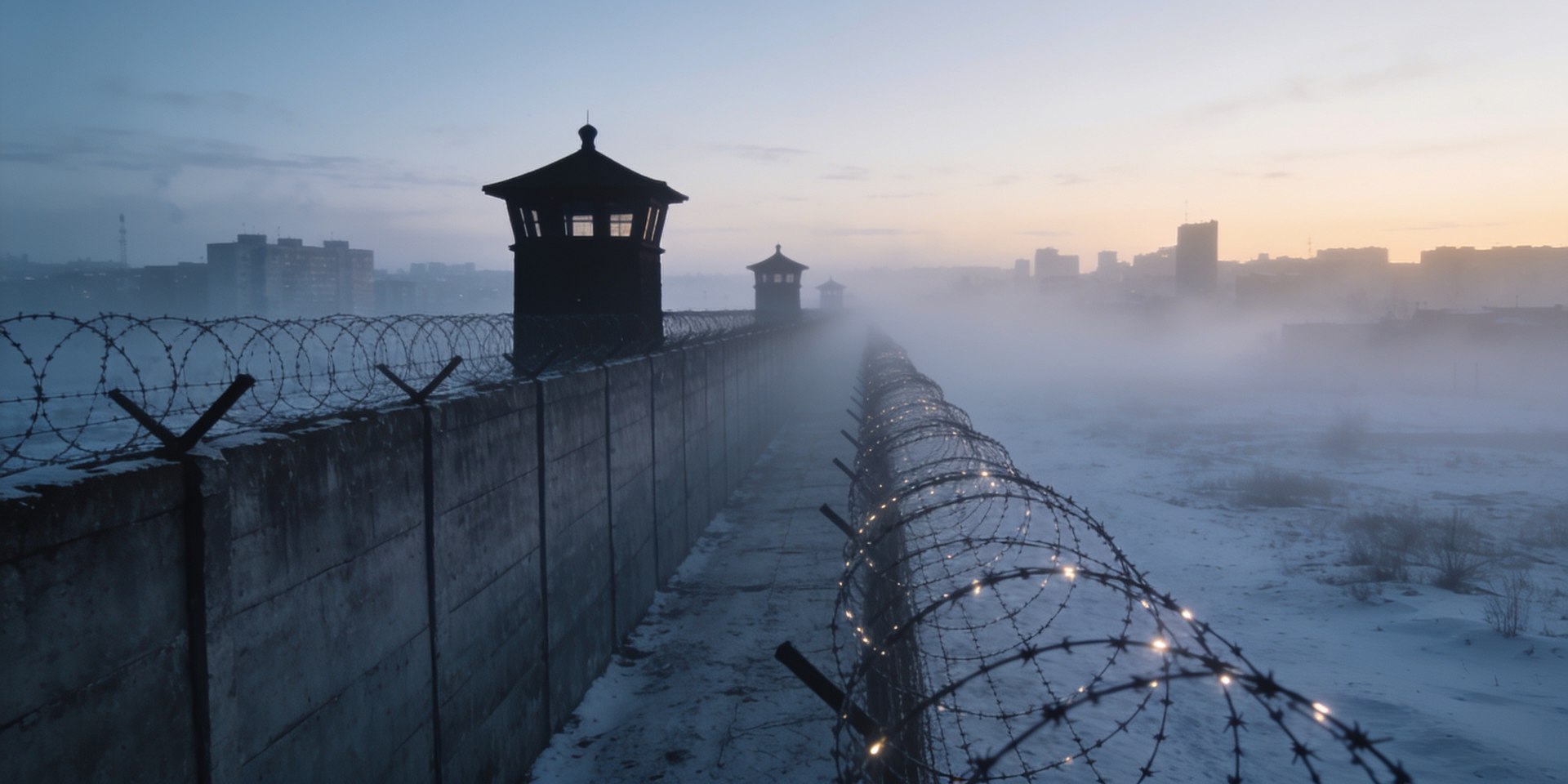

The Cold War was not one thing. It was Berlin in 1961, soldiers stacking concrete blocks while families watched from bedroom windows. It was Khrushchev and Kennedy circling each other for thirteen days over Cuba while bomber crews sat at the end of runways. It was the Stasi photographing letters in Leipzig. It was Chernobyl reactor four, glowing blue in the dark. It was two superpowers who could not fight each other directly, so they fought through proxies, through propaganda, through paranoia, through the permanent low hum of possible annihilation.
The fiction this era produced is some of the richest in any medium. Film and television gave us the procedure of crisis, the grammar of surveillance, the long moral cost of living a double life. Games, more than any other medium, understood how it felt to inhabit that world, not just observe it. Books gave it the texture of ordinary days under extraordinary pressure. This guide does not try to cover everything. It tries to find the works that felt what the Cold War actually was: not a backdrop, but a condition.
Essential Cold War
The canon, across every screen and page


The funniest film ever made about nuclear annihilation
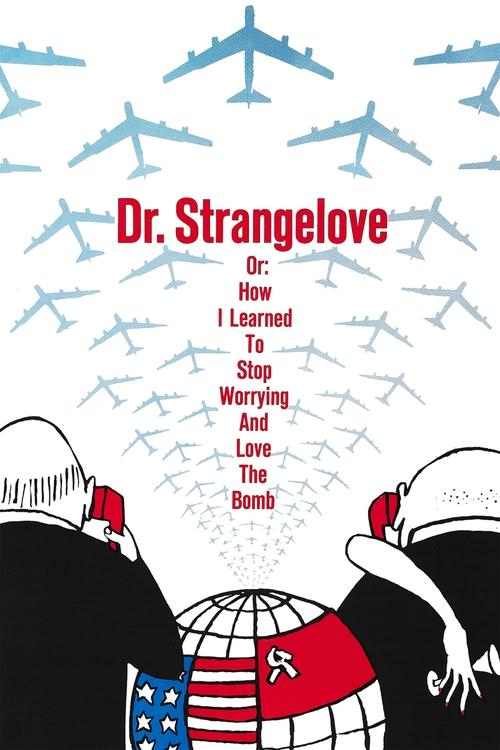
Stanley Kubrick's Dr. Strangelove (1964) is still the sharpest thing anyone has ever said about the Cold War, and the reason it holds is simple: Kubrick did not satirize the weapons or the politics. He satirized the men. General Jack D. Ripper, driven mad by fluoridated water. President Muffley, apologizing to the Soviet Premier like a husband caught out. The ex-Nazi scientist who cannot stop his arm from saluting. The film's argument is that the machinery of nuclear deterrence had been handed to people who were, fundamentally, ridiculous, and that the appropriate response to the knowledge that these men controlled the fate of civilization was not fear but a kind of appalled laughter. Peter Sellers plays three roles and none of them is the satire. The satire is the situation itself.
The hour of maximum danger
Films of crisis, brinkmanship and the button that should not be pressed
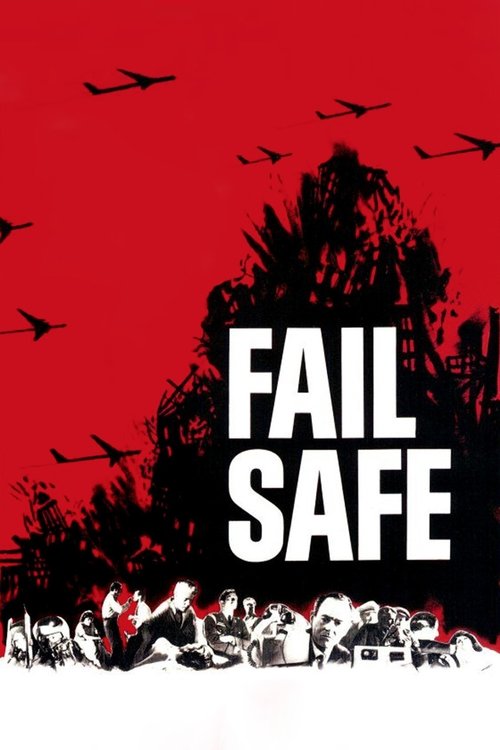
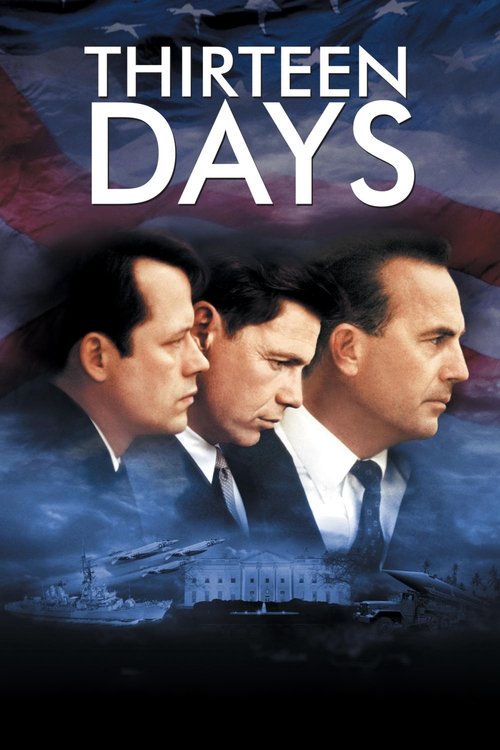
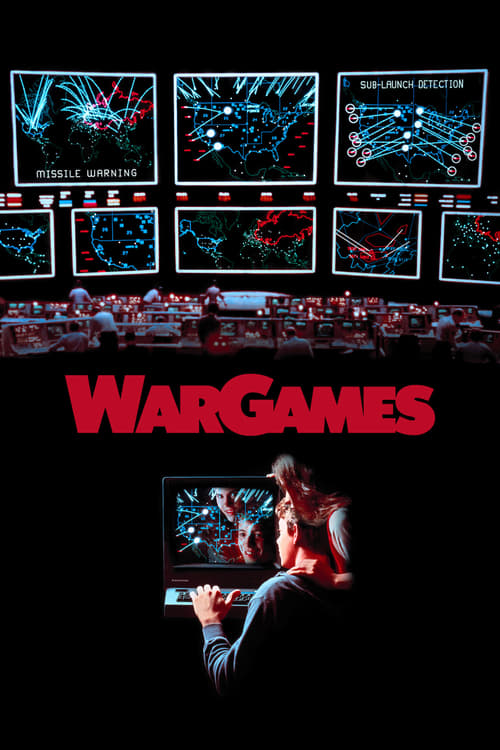
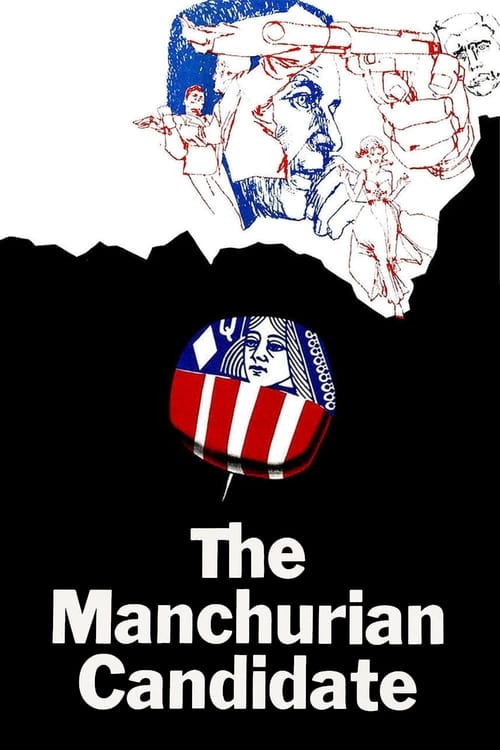
The Iron Curtain on every screen
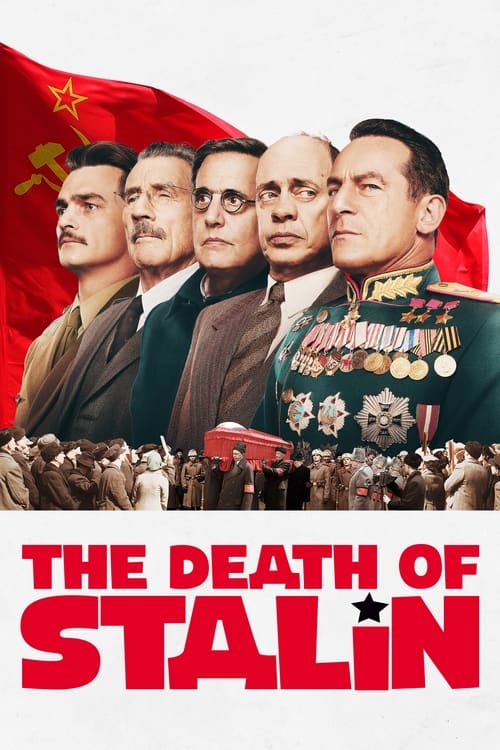
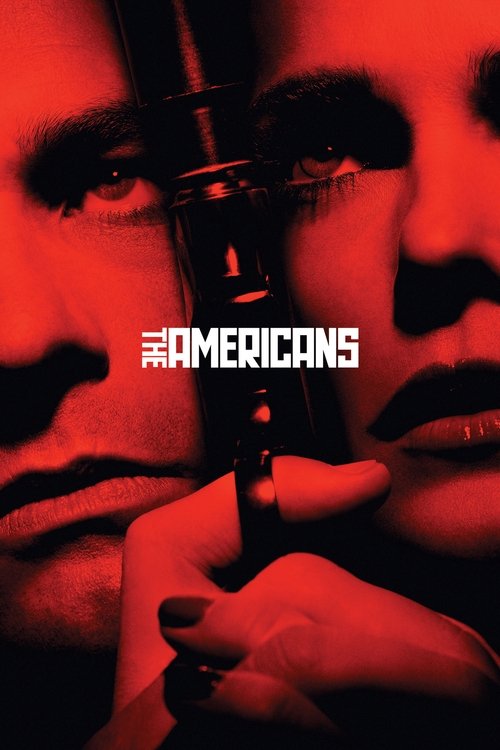
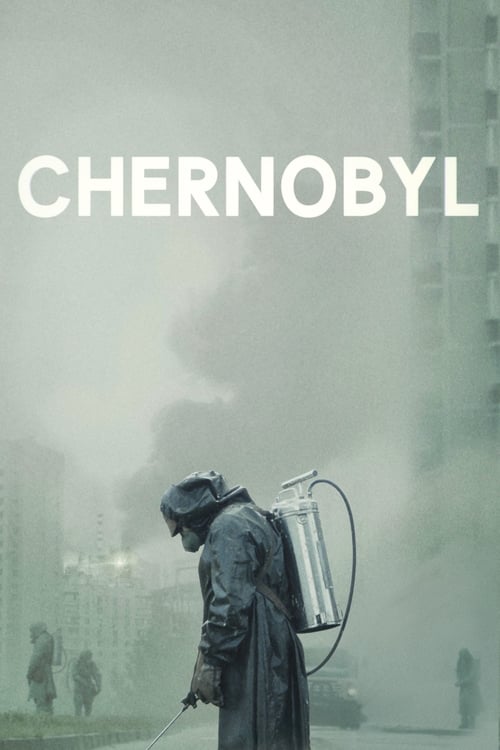
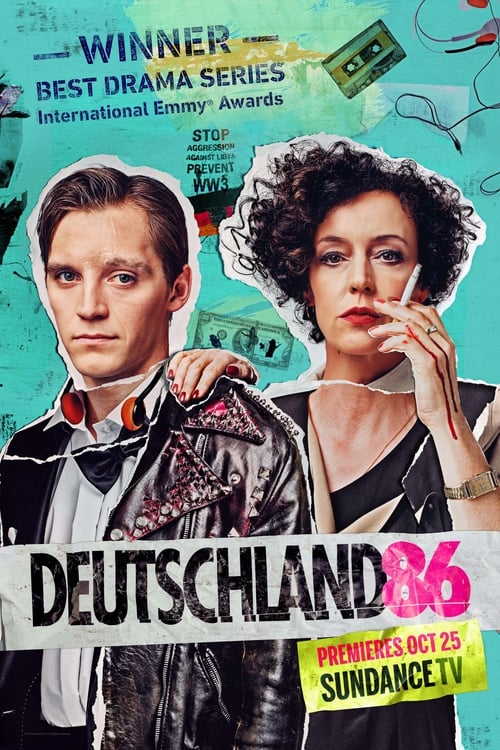
The Cold War's great subject for television was not the missiles. It was the people living ordinary lives under extraordinary surveillance. The Americans understood this better than almost anything: two Soviet sleeper agents raising children in the Washington suburbs while maintaining cover identities so complete they had nearly forgotten who they were underneath. The horror of the show is not what they do but what it costs. Deutschland 83 put a young East German conscript into West Germany and watched him discover that the propaganda he grew up on was not quite a lie, but not quite the truth either. And Chernobyl gave the Cold War its most devastating document: the story of what happens when a system built on the denial of inconvenient facts encounters a reactor that does not care about the official version.
Television behind the Curtain
Double lives, surveillance states, and the slow cost of empire
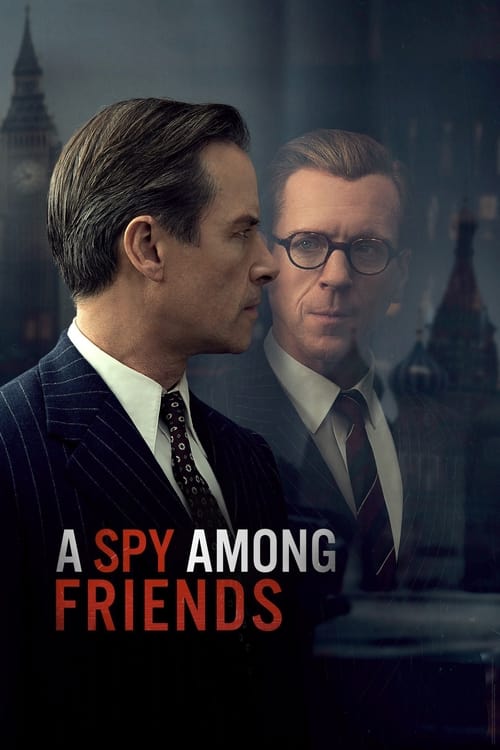
The best thing le Carre ever gave us was the silence between the lies
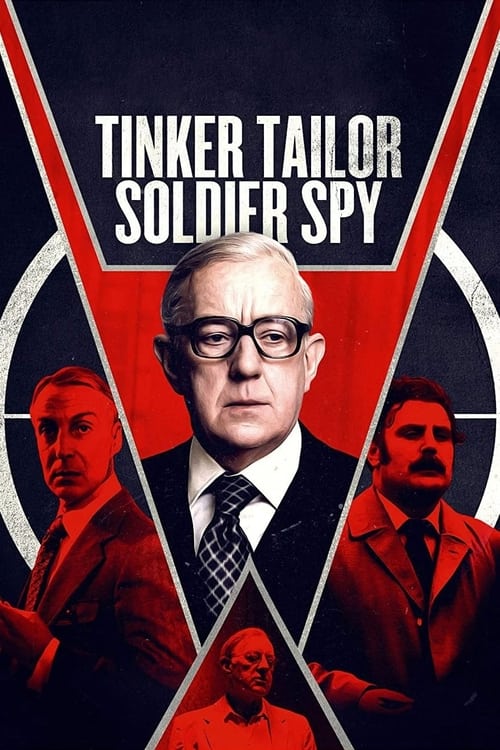
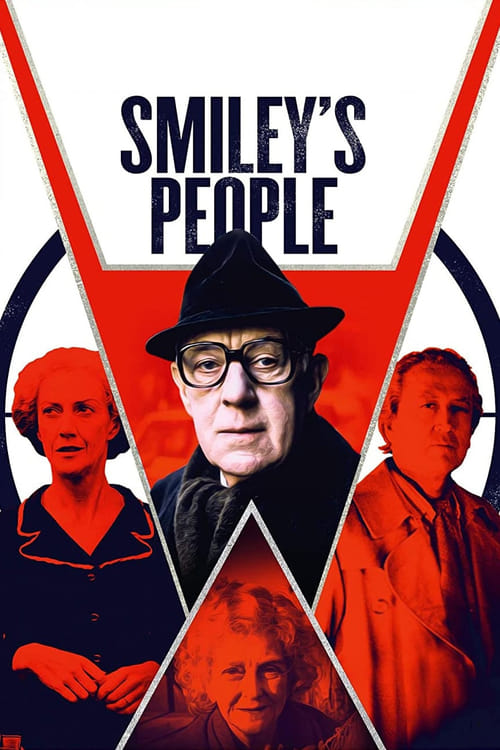
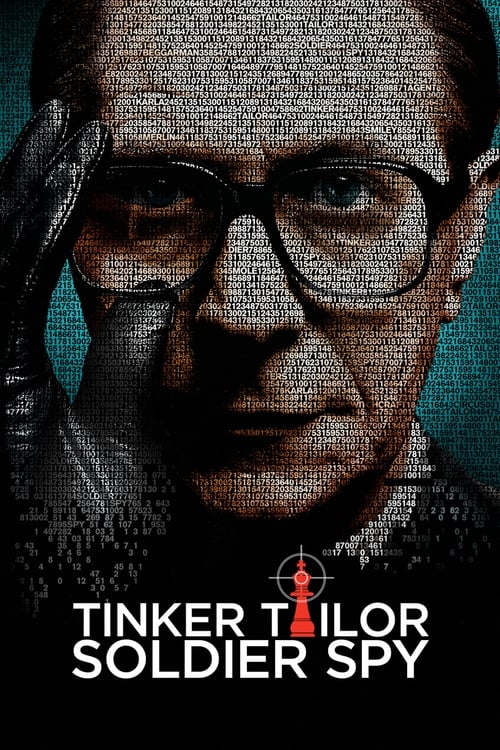
John le Carre's great insight, the one that runs through every version of Tinker Tailor Soldier Spy and every adaptation that follows it, is that espionage is not exciting. It is a grinding, exhausting process of maintaining fictions so long you stop knowing what the truth was. The 2011 film, with Gary Oldman as a George Smiley who communicates entire internal states through the adjustment of his glasses, is a nearly perfect piece of cinema. But the 1979 BBC series has something the film cannot match: six hours in which the rot has time to spread, and the viewer comes to understand not just what happened but why no one wanted to know.
Both are right. The film gives you the moment of recognition; the series gives you the years that preceded it.
The world of grey
Cold War films where nobody is clean and nobody wins

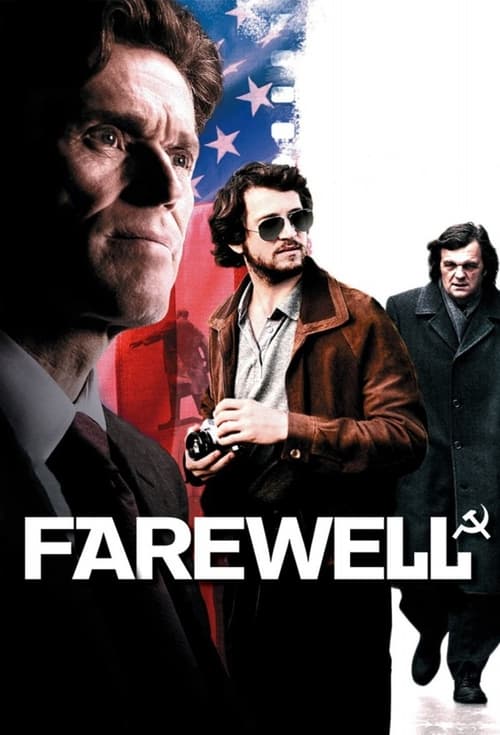
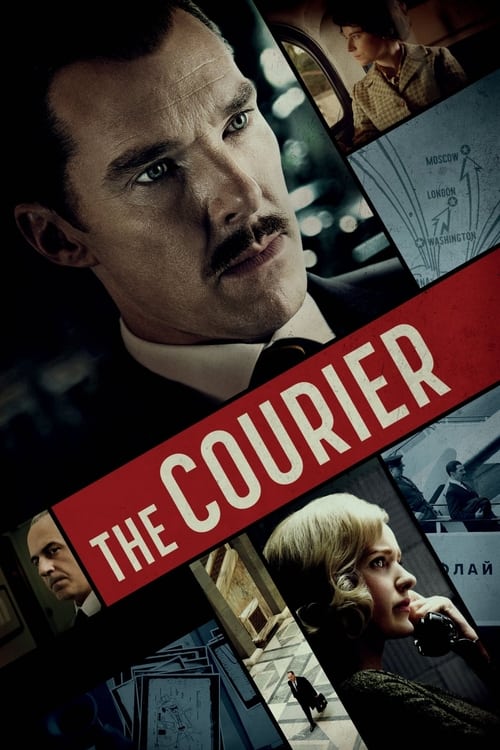
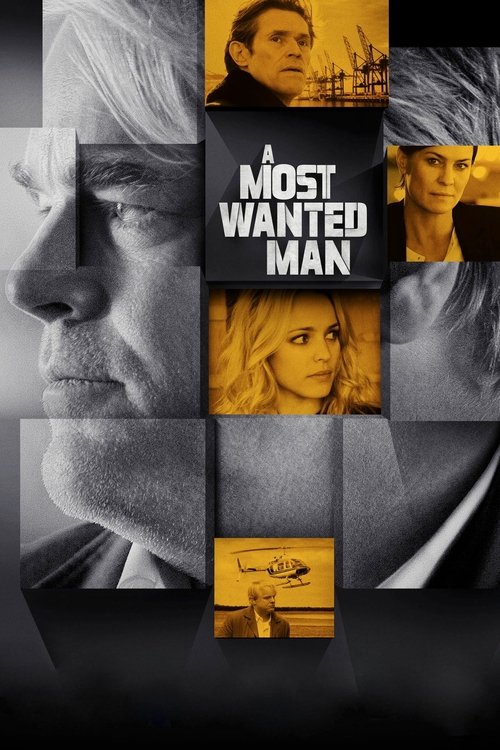
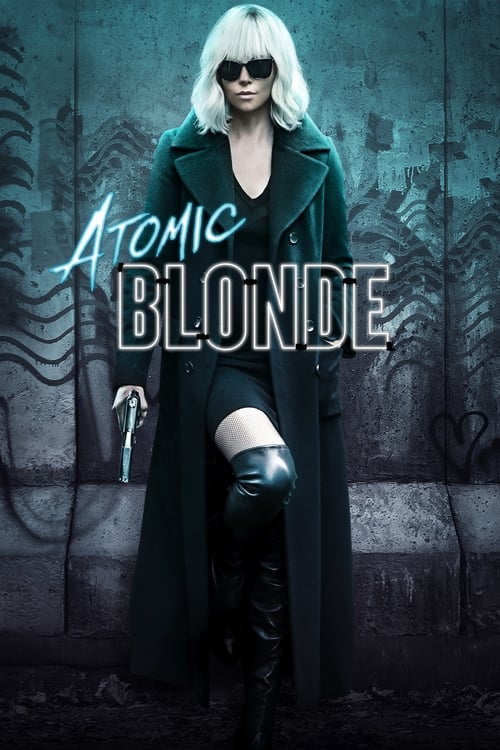
Games understood the paranoia before films knew how to show it
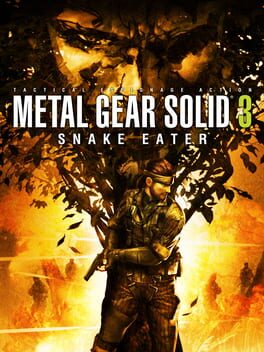
Metal Gear Solid 3: Snake Eater is set in 1964 and understands the Cold War as a tragedy of loyalties. Naked Snake is a soldier who does everything his country asks of him, and the game's great move is the slow revelation that the country's ask is not something a person can survive intact. The final scene, at a graveside in the rain, is one of the most affecting endings in any medium about this period.
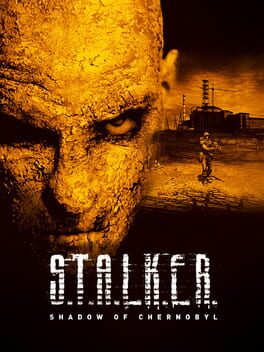
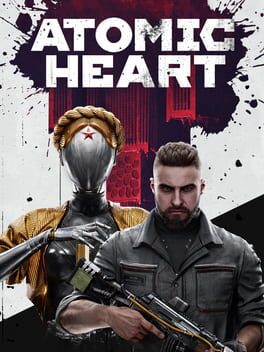
S.T.A.L.K.E.R.: Shadow of Chernobyl approaches the same era from the Soviet side and finds something different: the radioactive wreckage of a system that believed it could master nature, and the human beings left to pick through the ruins. The Zone is what happens when the official version and the real version finally collapse into each other. Atomic Heart takes a more stylized path through the same terrain: a Soviet utopia that never quite existed, rendered as a fever dream of propaganda aesthetics and suppressed horror. All three of them, for different reasons, understand that the Cold War was a story about what people will believe when belief is the only thing keeping the system together.
Games of the Cold War
From nuclear RTS to post-Soviet ruins
The books that built the era
Orwell, le Carre, and the writers who saw it clearly


Spies, the bomb and the long terror
Spies & Espionage
Explore the Spies & Espionage guide →The Cold War was not fought between countries. It was fought between two ideas of what a country should be, and the people who had to live inside those ideas paid the price.On the era that reshaped everything