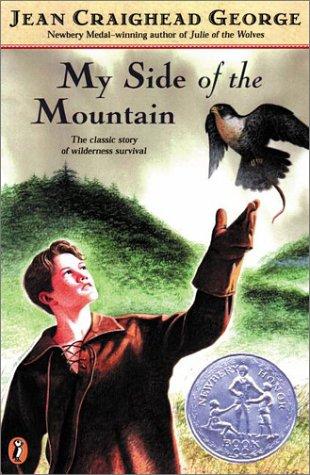

Jean Craighead George's 1959 novel did something most wilderness stories only gesture at: it made self-sufficiency feel genuinely achievable, not mythological. Sam Gribley doesn't survive the Catskills through luck or adult rescue; he learns falconry, builds a winter home inside a hemlock, cures venison, and reads his way through the library. The book's pleasure is procedural and precise, a quality readers keep chasing. They want the sensation of competence, of a world rendered small enough to master with your own hands, and of solitude that feels chosen rather than imposed. That combination, intimate wilderness skill plus a young person finding themselves outside of society, threads through the best of children's literature, survival cinema, open-world games, and music rooted in landscape.
Same Impulse, Different Pages
Novels that share My Side of the Mountain's devotion to earned solitude, wilderness skill, and the interior life of a young person finding their footing outside ordinary society.


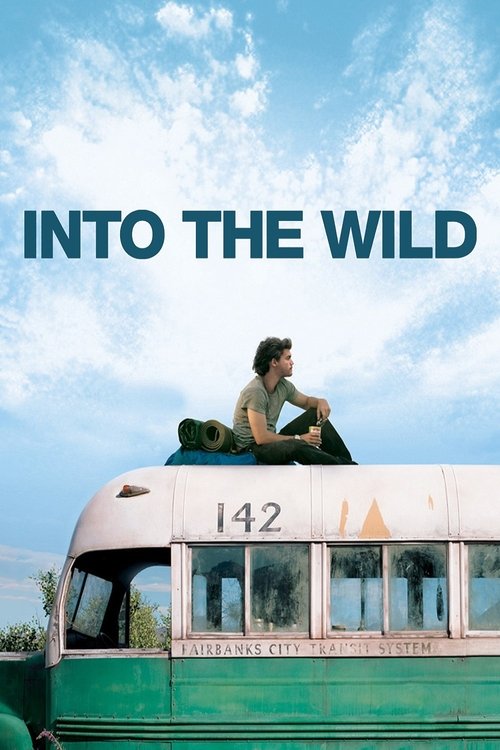
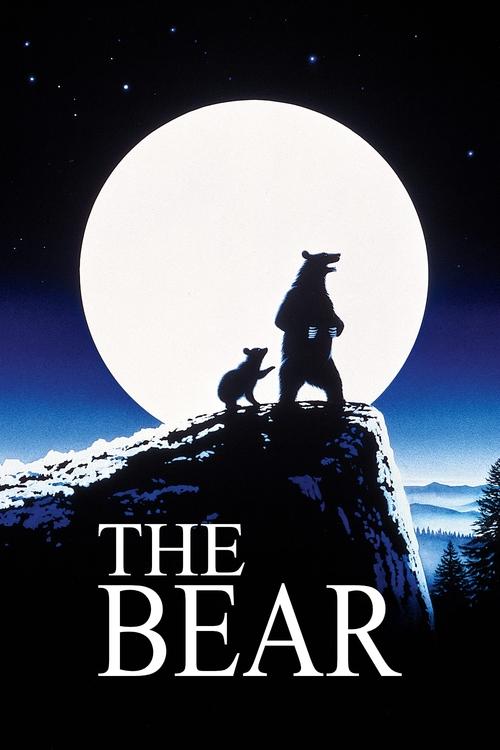
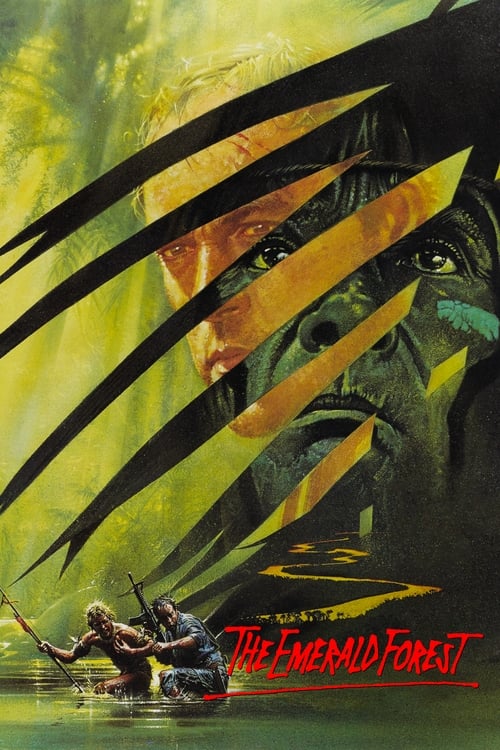
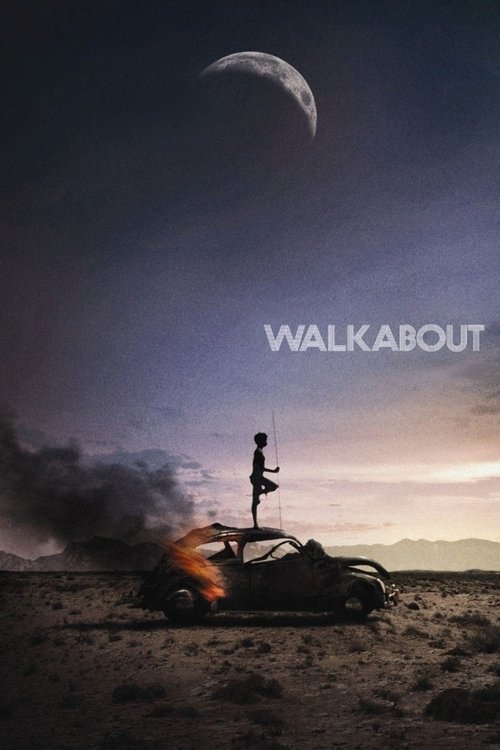
On Screen: Boys, Birds, and the Wild
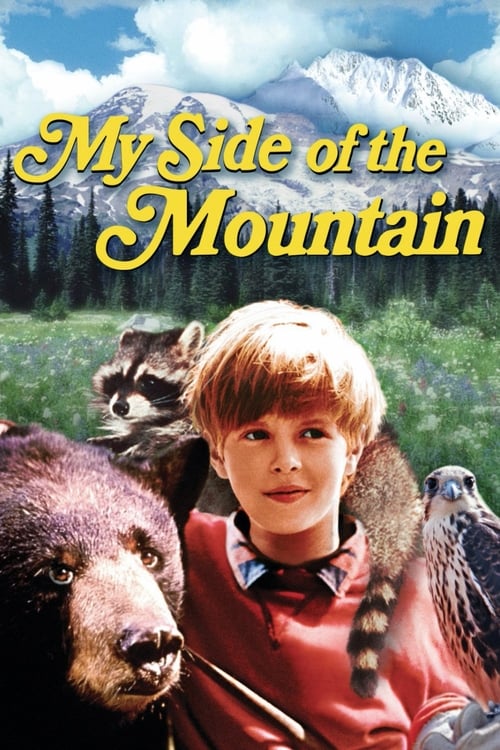
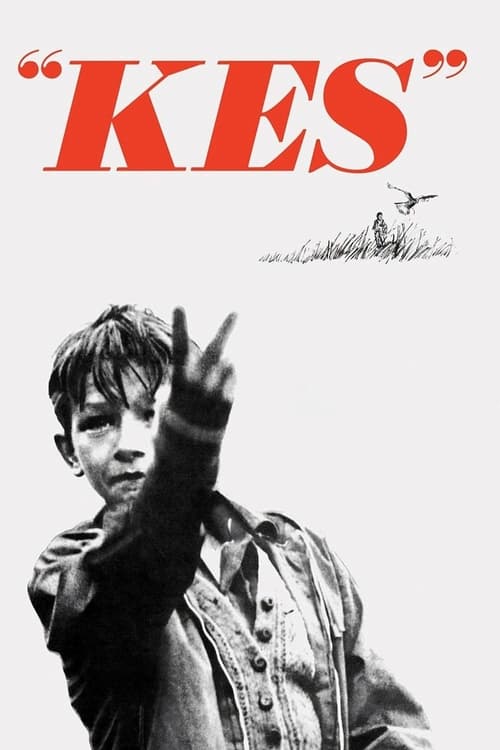
Films that capture the same mix of natural wonder, youthful solitude, and the bond between a young person and a creature.

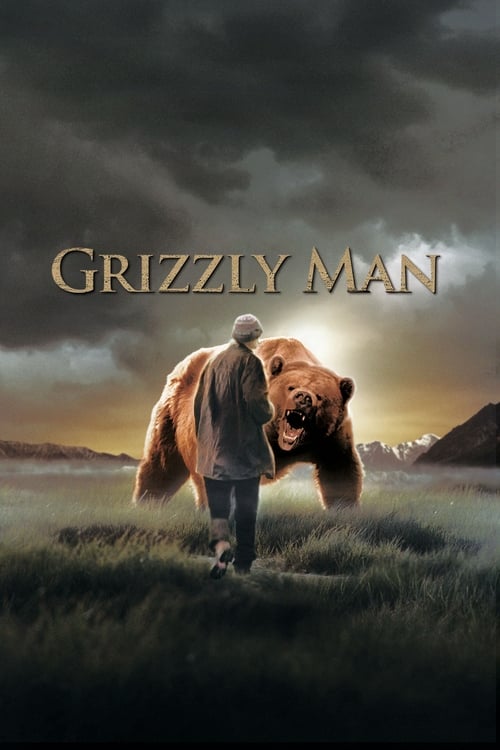

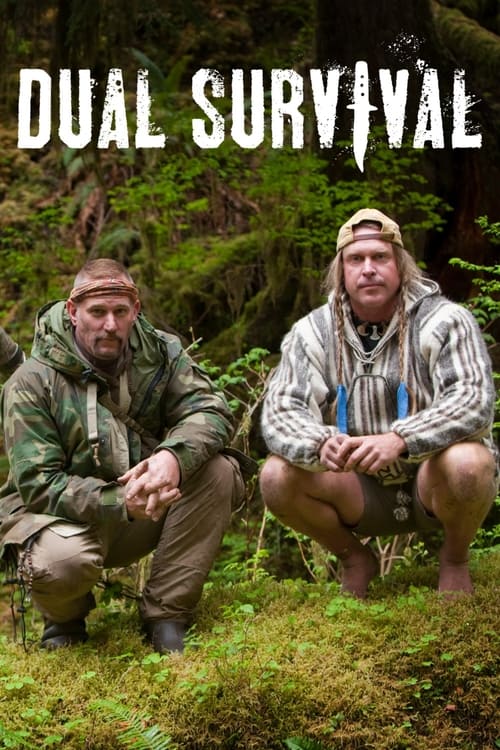
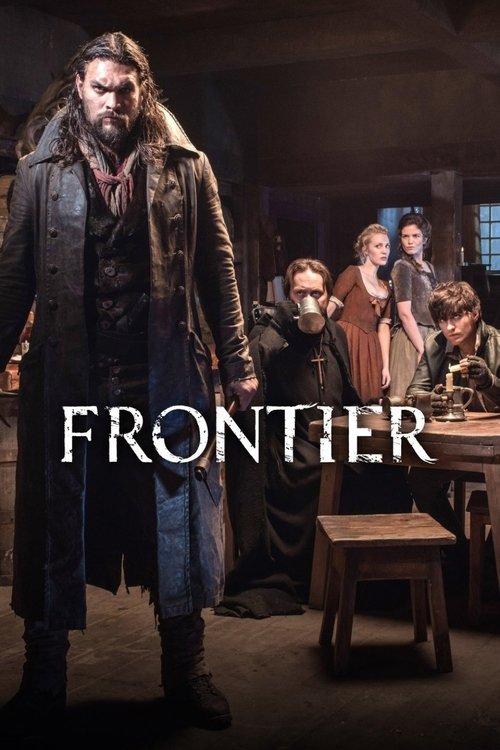
Series for the Long Stay
Television that rewards the same patient, observational attention the novel demands, with wilderness, survival, or a young person making their own rules.
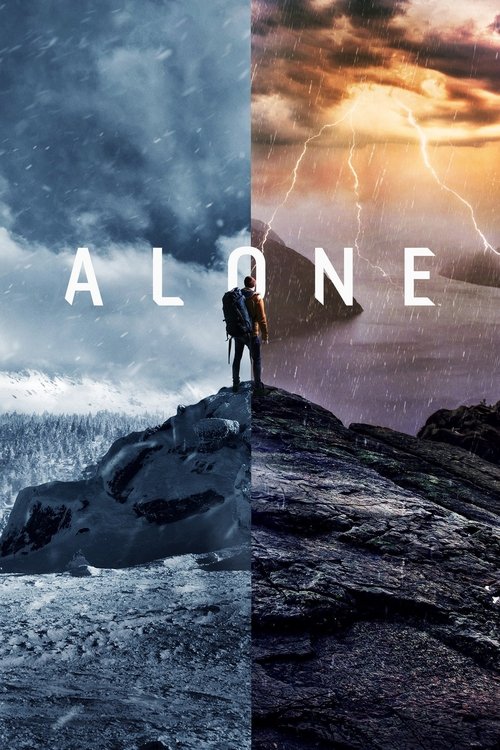
Games Where the Wilderness Teaches You
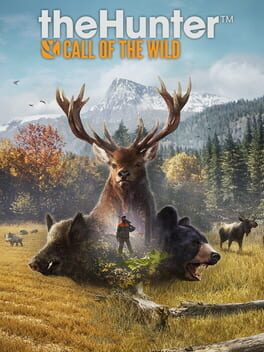
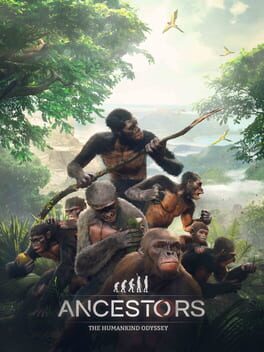
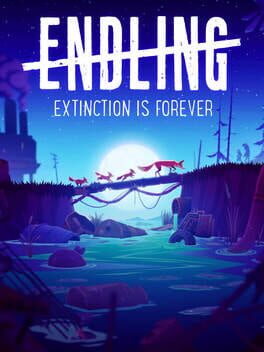
Open-world and survival games that reward the same procedural mastery Sam practices: learning what the land offers, building shelter, and earning the respect of animals.


The Falconry Detail Is the Whole Point
Most survival stories reduce nature to a backdrop for danger. George's novel does the opposite: it is patient, specific, and filled with real information about hawks, edible plants, and bark tanning. Sam trains Frightful not because it is dramatic, but because it is useful and beautiful. That specificity is what separates the book from adventure fiction and closer to field craft. The reader finishes it knowing something real. Kes, Barry Hines's novel and Ken Loach's film adaptation, is its closest kin on that score: a working-class boy in a Yorkshire mining town who trains a kestrel and finds, briefly, that he is better at something than anyone around him.
Solitude Here Is a Reward, Not a Punishment
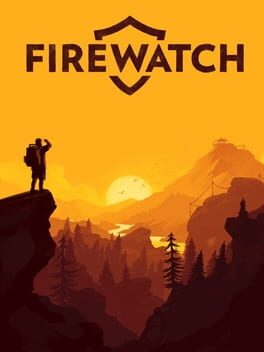
Young adult literature rarely lets solitude be uncomplicated. It tends to be a wound to be healed, a punishment to be escaped. George treats Sam's chosen isolation as the correct response to the noise of 1950s suburban life, and the novel never punishes him for it. The closest equivalent in games is Firewatch: a man walks into the Wyoming wilderness not because he is broken (though he is) but because the alternative is more than he can hold right now. Both works understand that the woods are not where you go to be saved; they are where you go to think.
The Long Dark Gets the Feeling Right
Most survival games fill silence with music cues and UI alerts. The Long Dark largely refuses. The Canadian boreal wilderness is hostile in the way George's Catskills are: it does not want you dead, it simply does not care. You learn to read weather, to ration food, to respect the cold. The game's tone is closer to the novel than any film adaptation has managed: methodical, quiet, and occasionally beautiful in a way that makes the danger feel worth the trouble.
A Short History of the Chosen Wilderness
- 1719Daniel Defoe publishes the prototype for every castaway and voluntary hermit story that follows. Robinson Crusoe
- 1854Thoreau's two years at Walden Pond become the philosophical foundation for voluntary solitude in American literature.
- 1903London's Yukon survival novel gives the genre its animal-bond emotional core. The Call of the Wild
- 1959George's novel sets Sam Gribley loose in the Catskills and invents the procedural wilderness childhood story. My side of the mountain
- 1968Ken Loach adapts Barry Hines's novel about a boy and his kestrel, cementing falconry as an emblem of working-class transcendence. Kes
- 1969My Side of the Mountain reaches screens; the film captures the novel's mood if not its full texture. My Side of the Mountain
- 1972George's companion novel sends an Inuit girl into the Alaskan tundra to survive among wolves.
- 1977Scott O'Dell's Newbery winner ensures the island-survival story has a heroine at its center.
- 1983Gary Paulsen's Hatchet introduces Brian Robeson and launches the most direct inheritor of George's survival tradition. Hatchet
- 1983Carroll Ballard's film adaptation of Never Cry Wolf brings the same patient, observational quality to the screen.
- 2014The Long Dark enters early access and becomes the definitive game expression of cold-wilderness survival as contemplative practice. The Long Dark
- 2016Firewatch offers a single season in a fire-watch tower in Wyoming: solitude chosen, then complicated. Firewatch
- 2015Alone premieres on History Channel and proves that the voluntary wilderness ordeal has undiminished appeal as a contemporary form. Alone
I am on my mountain in a tree home that people have passed without ever knowing I was there.Sam Gribley, My Side of the Mountain (Jean Craighead George, 1959)