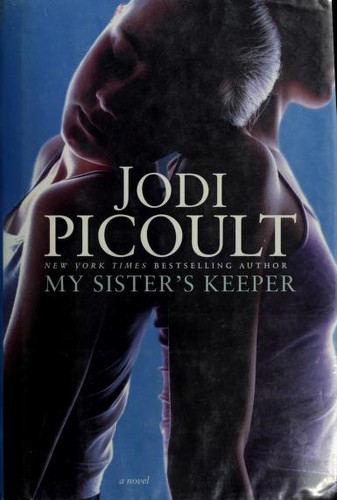

Jodi Picoult's 2004 novel did something most family dramas avoid: it handed every character a case. Anna Fitzgerald sues her own parents for medical emancipation at thirteen, having been conceived specifically to be a donor for her leukemic sister Kate. The book is not really about illness. It is about what families do to survive, who gets sacrificed for the group, and whether love can coexist with exploitation. Picoult told it in six rotating first-person voices, so readers spend time inside the mind of the lawyer, the mother, the father, the brother, the guardian ad litem, and Anna herself, each making a coherent argument for a different position. That structural fairness is the engine. Fans of this book tend to chase two things: the warmth of a tightly drawn family under catastrophic pressure, and the ethical vertigo of a story that refuses to tell you who is right.
More Jodi Picoult
Her other novels that use the same multi-voice, morally contested architecture


On Screen: Illness, Family, and Impossible Choices
Films that put families through the same crucible of love and sacrifice
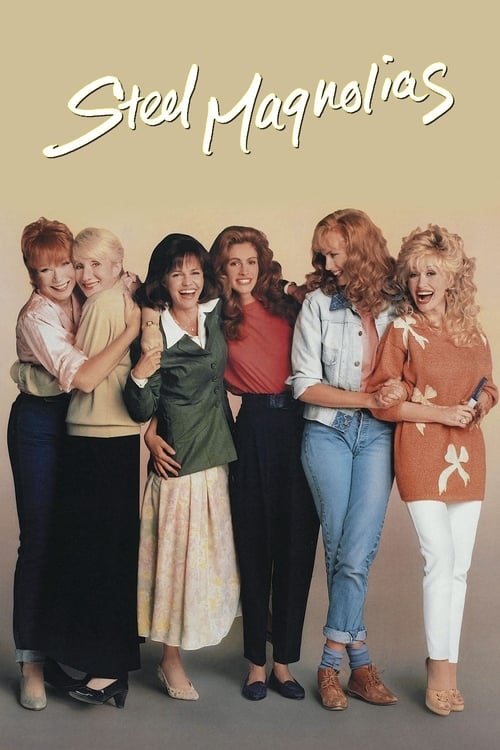
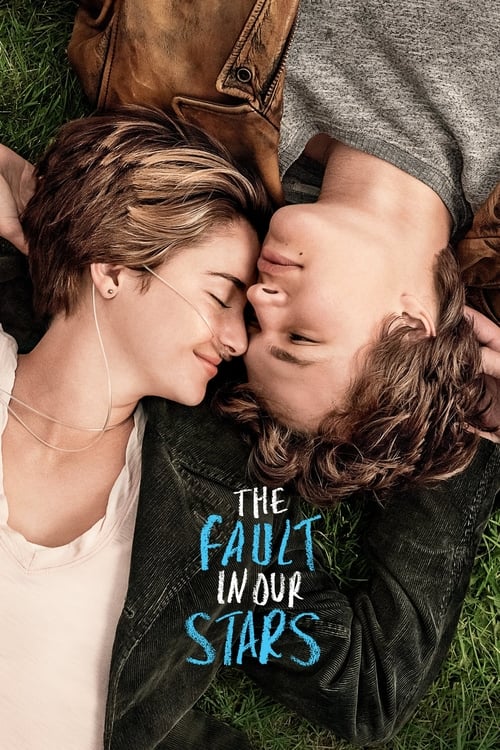
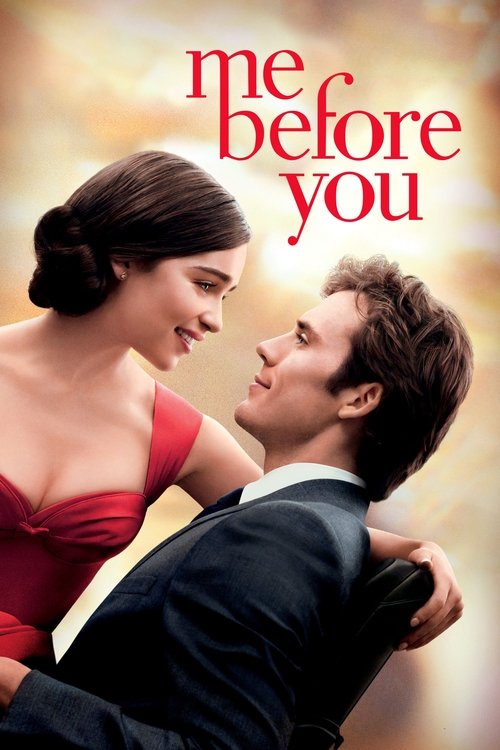
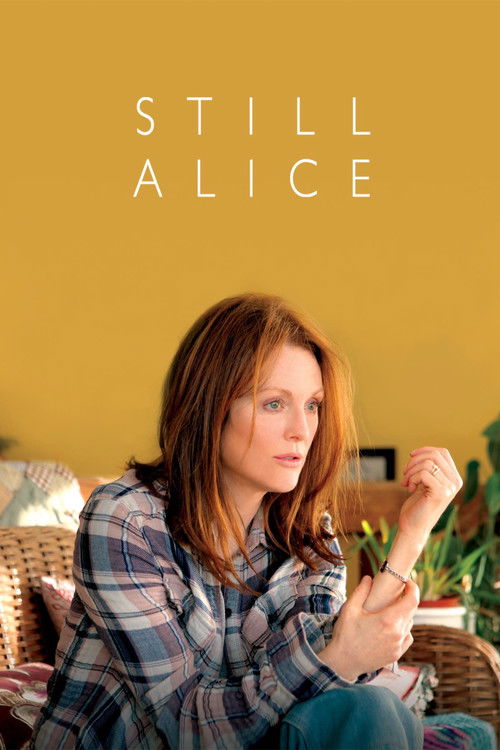
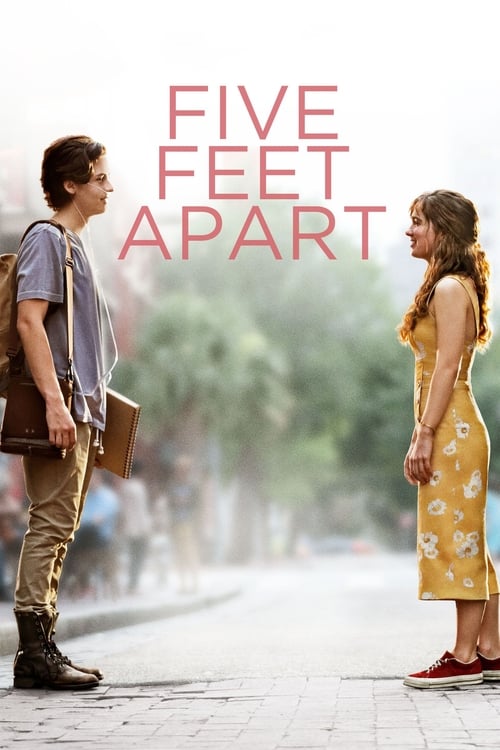
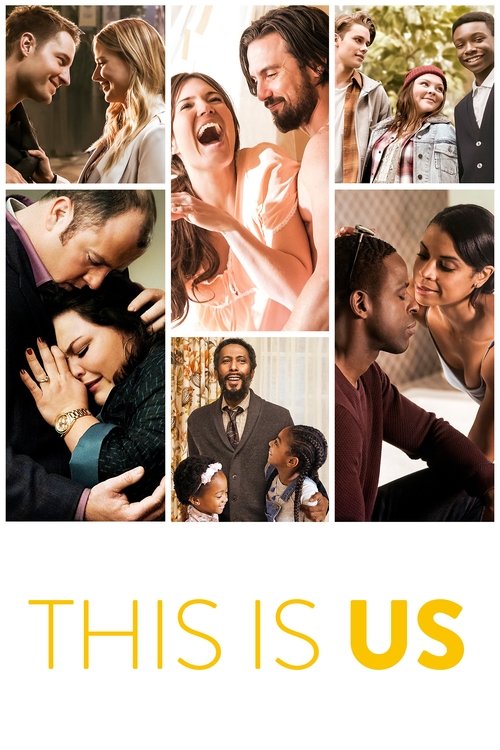
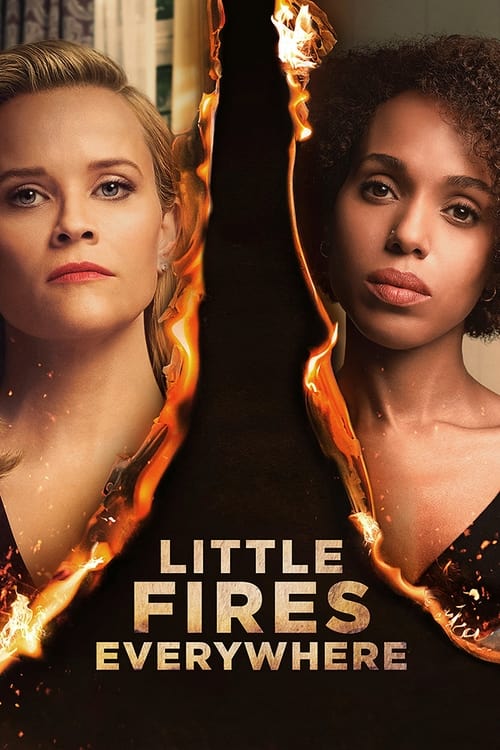
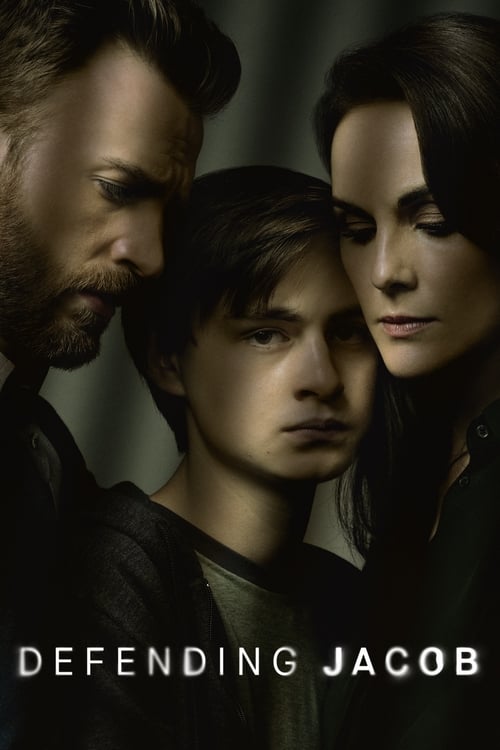
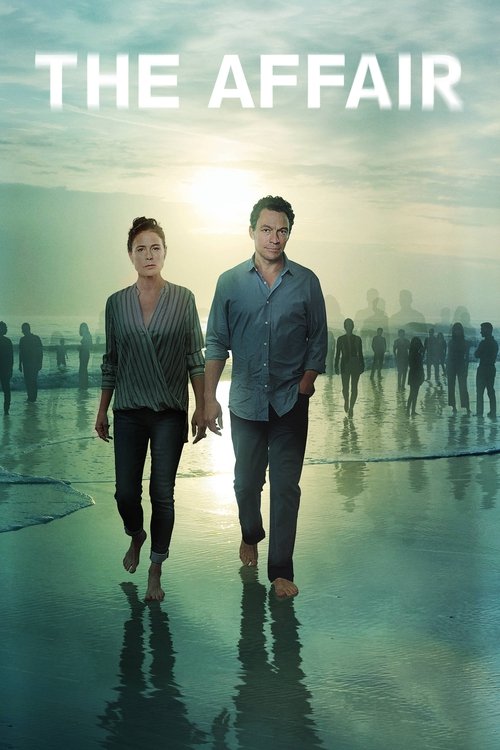
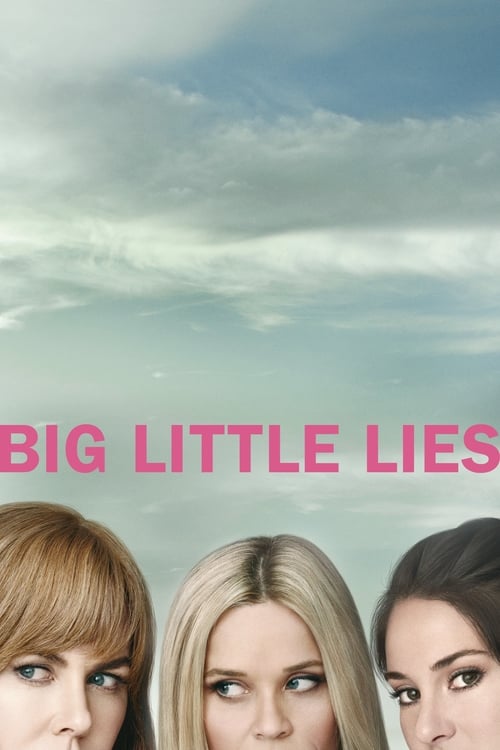
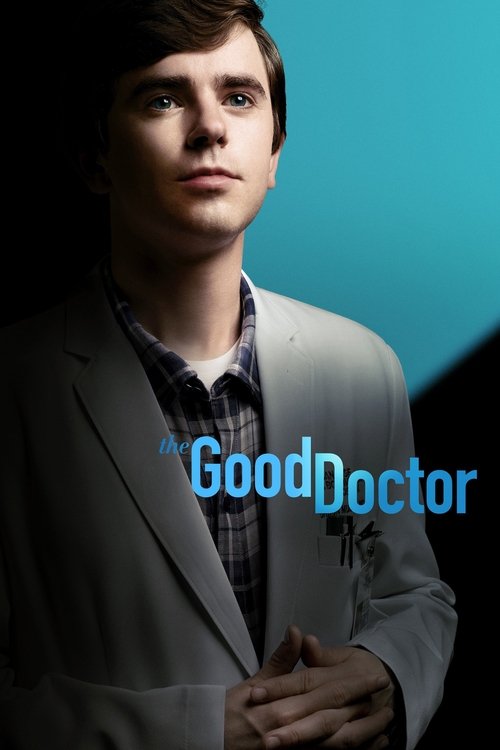
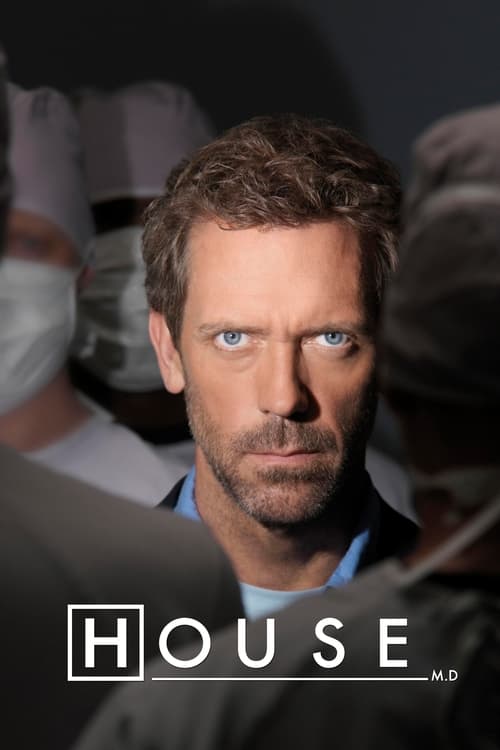
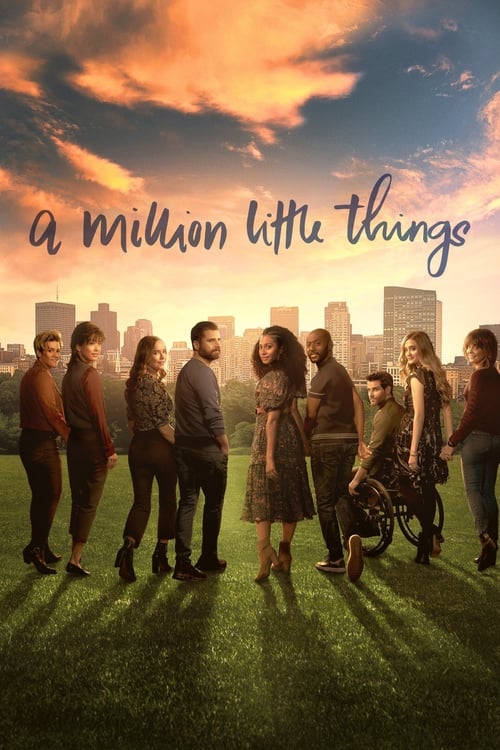
TV Series About Families Pushed to the Edge
Long-form television that earns its tears through genuine moral complexity


Games Where Sacrifice and Love Are the Mechanics
Games that make you feel the weight of choosing who lives and who doesn't
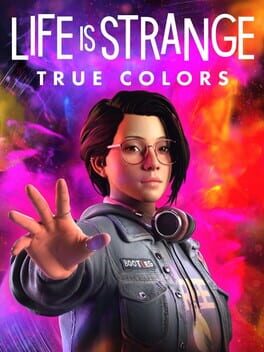
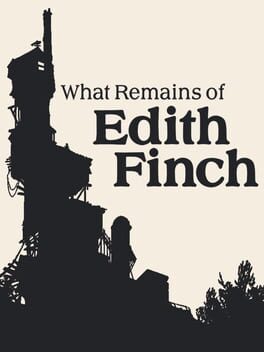
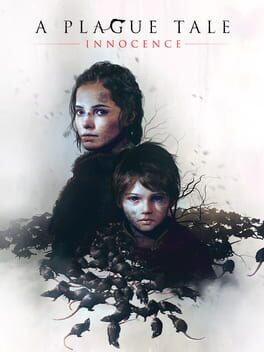
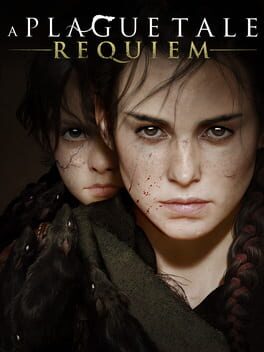
The Rotating POV Is Not a Gimmick
Picoult catches criticism for the structure because it looks like a courtroom tactic, a way to gin up sympathy for every character so readers feel jerked around. The opposite is true. The multiple voices are the argument. A story about medical ethics told from one perspective is just propaganda for that perspective. Six voices means six coherent moral positions in genuine collision, and the discomfort of finding yourself agreeing with each one in turn is the book's actual subject. The technique has precedent in serious literary fiction and Picoult deploys it with precision.

The Ending Remains Genuinely Controversial
The novel's final turn divides readers sharply: some find it devastating and thematically inevitable, others feel manipulated. The 2009 film changed it entirely, and the change itself became a minor cultural flashpoint about who gets to decide how a story about illness ends. Both positions are defensible. What the debate reveals is that Picoult built a story whose emotional stakes were real enough that people actually argue about them, which is not nothing.
The Last of Us Belongs in This Conversation
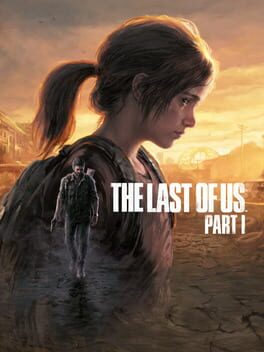
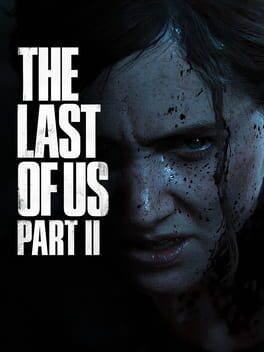
Naughty Dog's game does something structurally similar to Picoult: it builds an entire first act getting you to love the relationship between Joel and Ellie, and then the sequel forces you to sit inside the perspective of the person who has the best reason to destroy them. The question underneath both works is identical: can a love that is real also be a form of possession that harms the person you love? The game just delivers it through infected fungal monsters instead of a bone marrow transplant.
A Lineage of Family Under Pressure
- 1976Judith Guest's debut novel sets the template: a family after a death, told from inside the grief rather than around it.
- 1980The film adaptation wins four Academy Awards including Best Picture, bringing literary family grief to a mass audience. Ordinary People
- 1989Friendship, illness, and loyalty in the American South produce one of the decade's defining weepies. Steel Magnolias
- 1998Picoult publishes her breakout novel about a suicide pact between two teenagers, establishing the multi-voice moral framework she will refine. The Pact
- 2001Lionel Shriver's novel about culpability and motherhood is published; it will spend years finding its audience.
- 2004My Sister's Keeper is published and spends over a year on the New York Times bestseller list. My Sister's Keeper
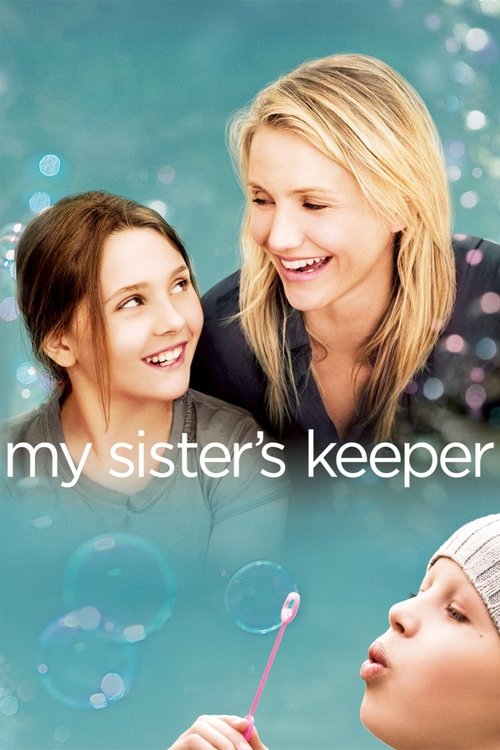
- 2009The film adaptation is released with Cameron Diaz and Abigail Breslin, and its altered ending generates significant debate. My Sister's Keeper
- 2013John Green's young adult novel about two terminally ill teenagers becomes a publishing phenomenon.
- 2014Julianne Moore's performance as a linguistics professor with early-onset Alzheimer's resets the standard for illness drama. Still Alice
- 2016Hulu's adaptation of Little Fires Everywhere begins production; Celeste Ng's novel of motherhood, class, and sacrifice follows.
- 2020The Last of Us Part II releases and splits its audience exactly as Picoult's ending did, by demanding empathy for the antagonist. The Last of Us Part II
You don't love someone because they're perfect. You love them in spite of the fact that they're not.Jodi Picoult, My Sister's Keeper