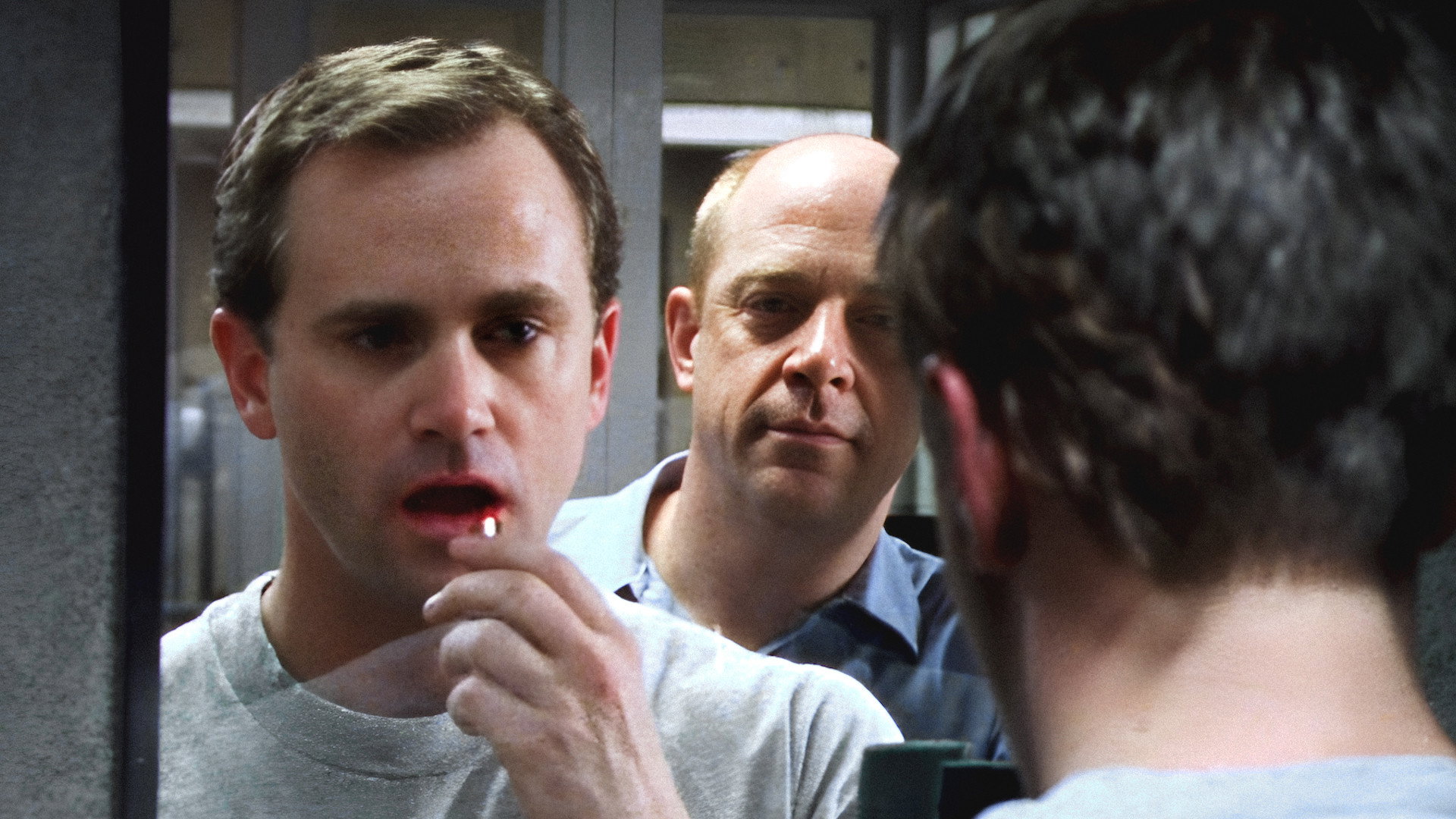

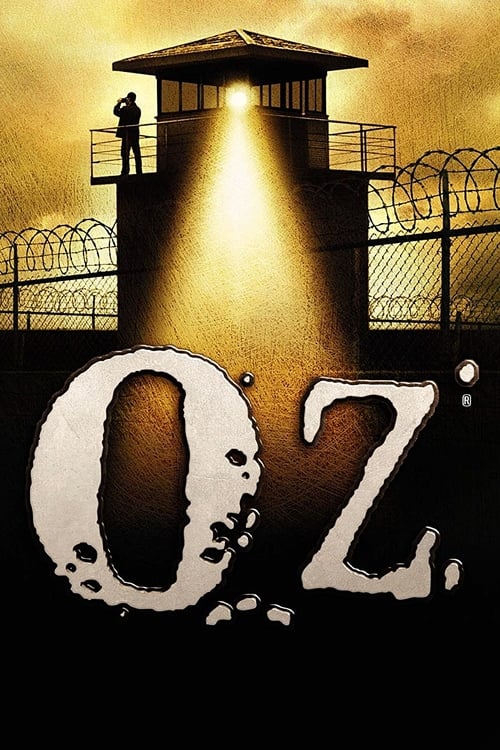
Before The Sopranos, before The Wire, there was Oz. Premiering on HBO in 1997, Tom Fontana's prison drama stripped the genre of every comforting convention: the wrongly imprisoned hero, the sympathetic warden, the redemption arc waiting on the other side of the credits. What it offered instead was the experimental unit Emerald City, a fishbowl of competing factions, unchecked brutality, and men who were capable of both profound decency and appalling cruelty, sometimes within the same episode. The through-line a fan chases is moral vertigo: the certainty that the system is broken, the fascination with what people do when stripped of every social pretense, and the perverse hope that someone, anyone, might come out the other side intact. Six seasons, 56 episodes, and a body count that made it clear HBO was done with safe television.
The Same Broken System, Different Walls
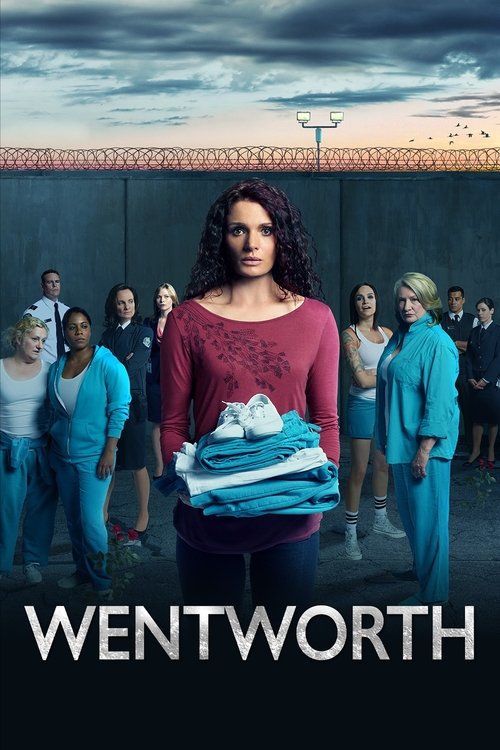
Series that share Oz's institutional dread and ensemble moral complexity
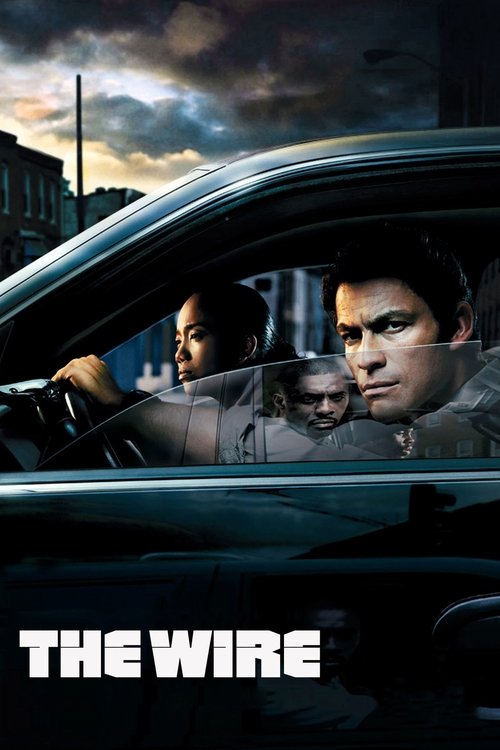
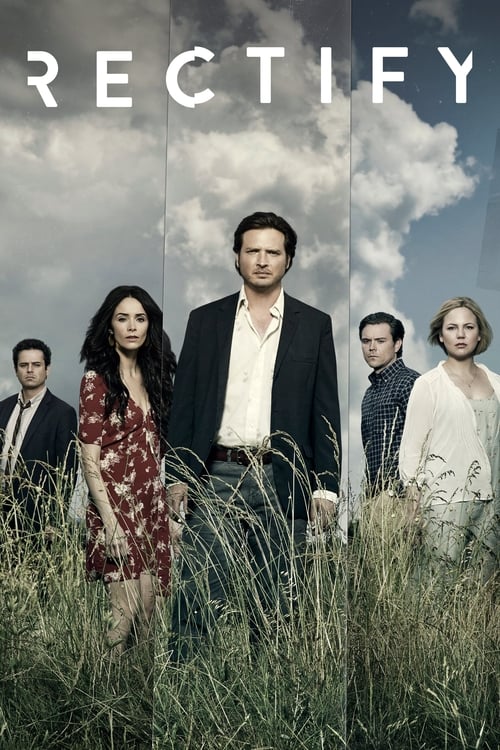
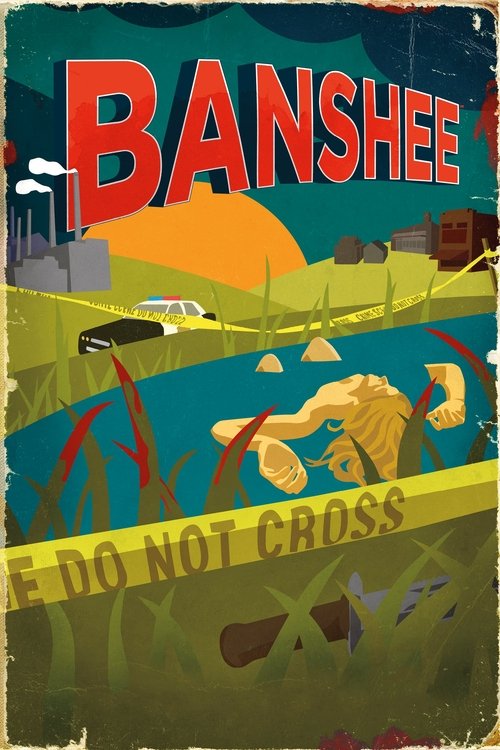
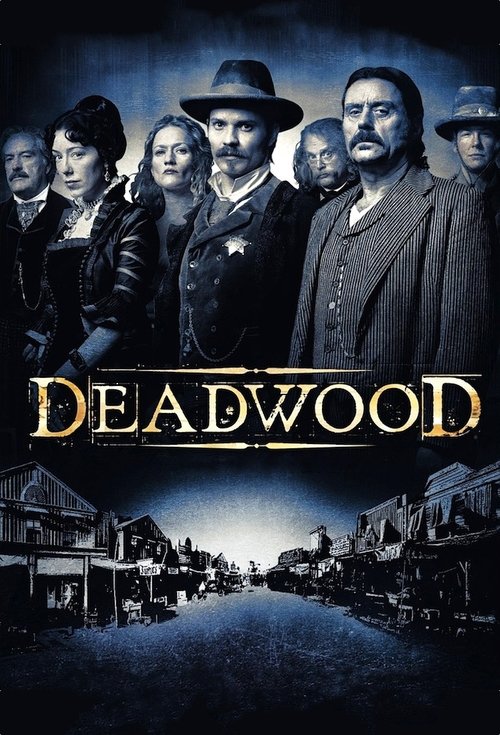
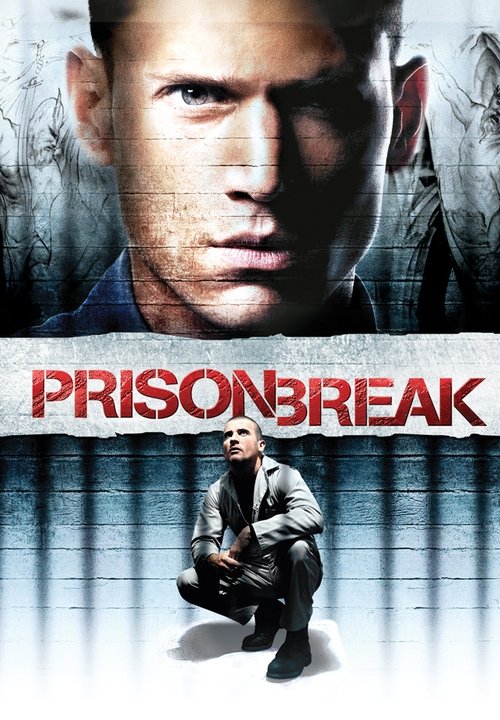
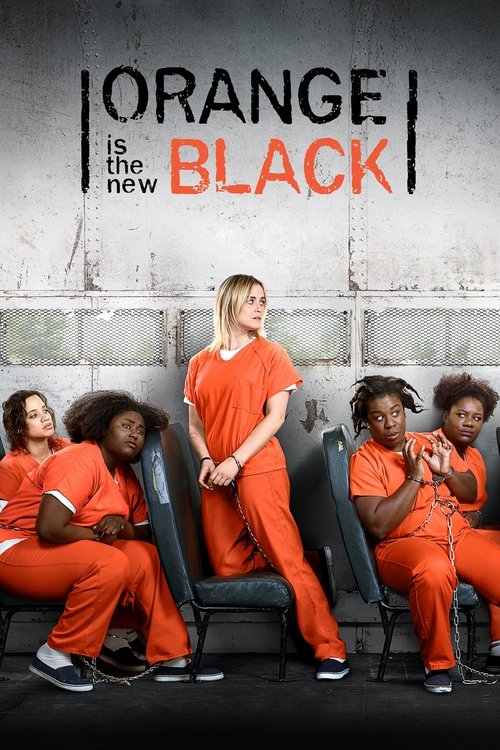
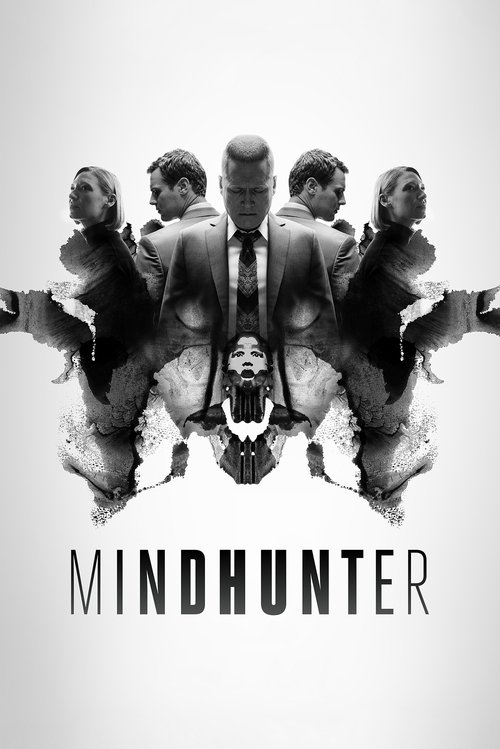
Locked In: Prison Films That Go There
Movies that refuse to look away from what incarceration actually does to people
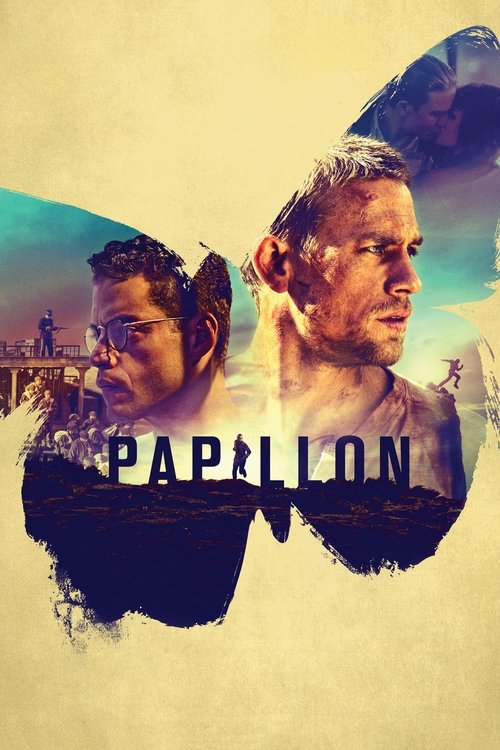
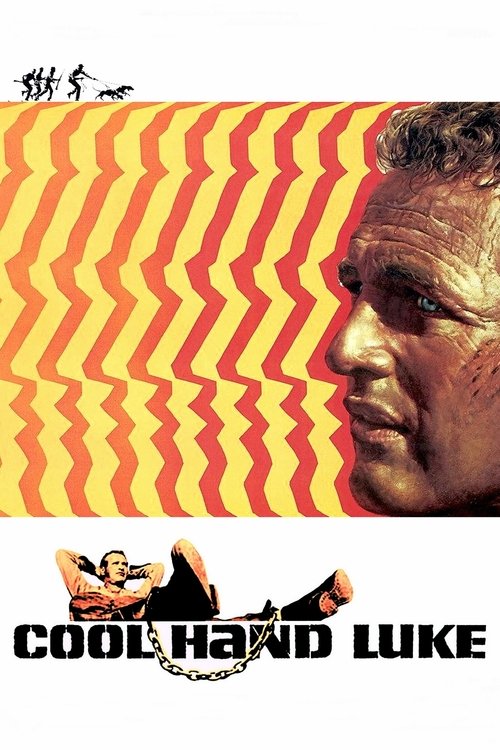

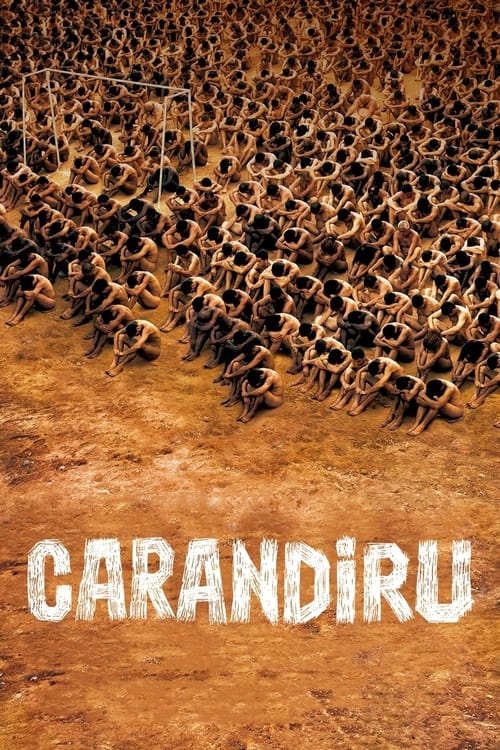
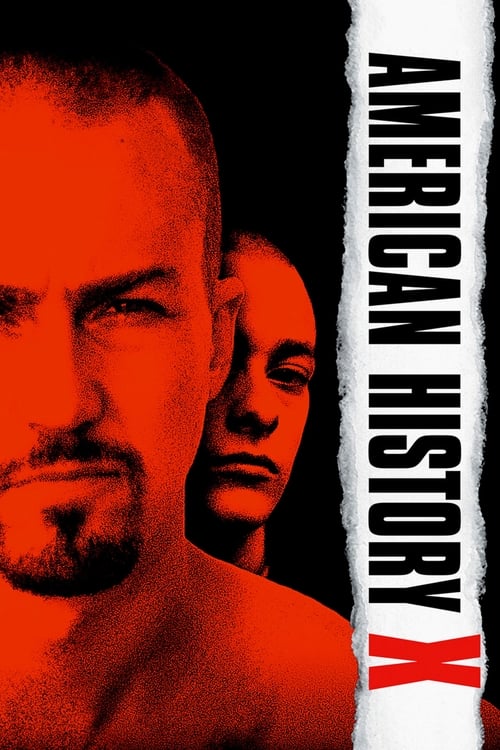
The Literature of Confinement
Books that map the interior life of men inside institutions, willing to go where most fiction won't


Games About Systems That Grind People Down
Games where the institutions, the factions, and the rules are the real antagonist




Tom Fontana Wrote the Blueprint Before Anyone Knew There Was a Blueprint
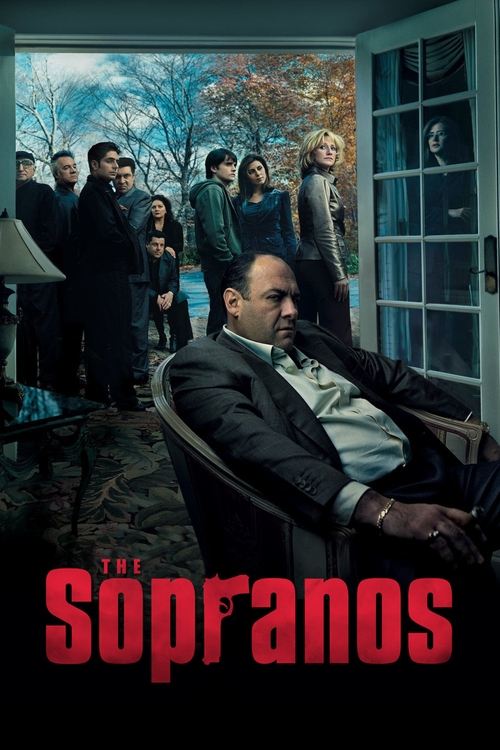
The Wire gets the prestige-drama credit. The Sopranos gets the cultural monument billing. But Oz arrived first, in 1997, with a fully formed idea that serialized television could sustain an ensemble of morally active characters without a hero at its center. Fontana gave every faction in Oz its own internal logic: the Italians, the Aryans, the Muslims, the bikers, the homeboys, the administration. Nobody was wrong from inside their own frame, and nobody was safe. That structure, more than any individual plot, is what The Wire later refined into its institutional-portrait method. Oz was the proof of concept.
Augustus Hill Was the Soul the Show Needed
The Greek chorus device could have been a gimmick. Instead, Harold Perrineau's Augustus Hill, narrating from his wheelchair outside the action, became the show's philosophical conscience. He was the one character who could address the audience directly, step outside the violence, and ask what any of it meant without the show losing its credibility as a brutal realist portrait. His monologues on race, poverty, the American criminal justice system, and the randomness of survival gave Oz an intellectual register that kept it from collapsing into exploitation. When he was gone, the show felt it.
The Show That Made HBO Believe in Darkness
HBO greenlit The Sopranos partly because Oz had demonstrated that a cable audience would follow morally complex drama into genuinely uncomfortable territory. The network learned, watching Oz's ratings grow through word of mouth rather than mainstream coverage, that there was a substantial audience specifically looking for television that refused to reassure them. That institutional confidence, earned on the back of Fontana's experiment in Oswald State, reshaped what HBO was willing to put on air for the next two decades. Oz is not a footnote to that history: it is the opening chapter.
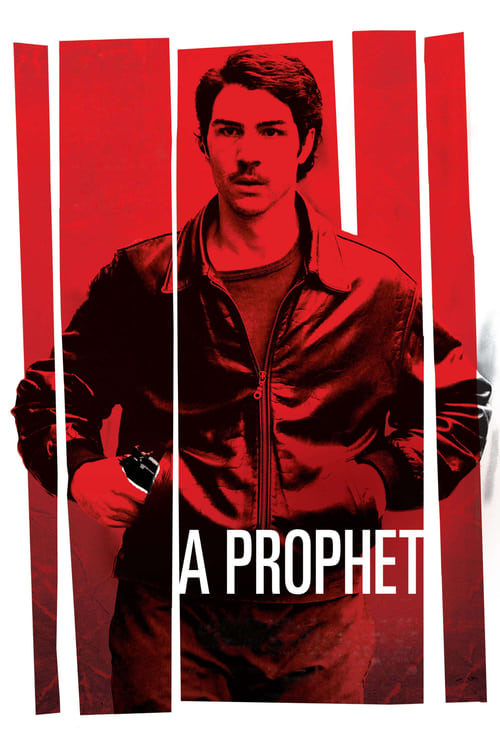
A Prophet Is the Film Oz Always Pointed Toward
Jacques Audiard's 2009 film shares with Oz the conviction that a prison is a complete society, with its own economy, its own politics, and its own moral code that has nothing to do with the one operating outside the walls. Malik El Djebena's rise through the Corsican faction is Oz's central dynamic compressed into a single film: a young man with no power learning the rules of a system designed to destroy him, then turning those rules back on the system. If Oz left you wanting the same story told with European austerity and a feature film's discipline, A Prophet is exactly that.
How Prison Drama Got Serious
- 1967Cool Hand Luke sets the archetype: the rebel inmate, the crushing institution, the impossible odds Cool Hand Luke
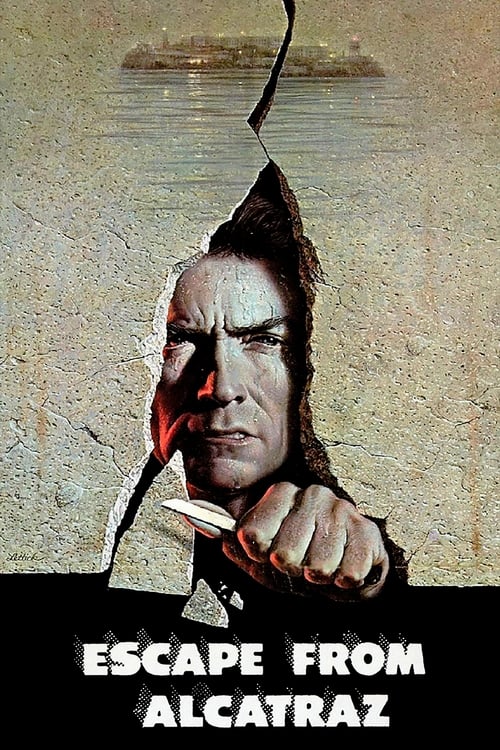
- 1979Escape from Alcatraz strips away the romance: Eastwood in one of American cinema's coldest institutional portraits Escape from Alcatraz
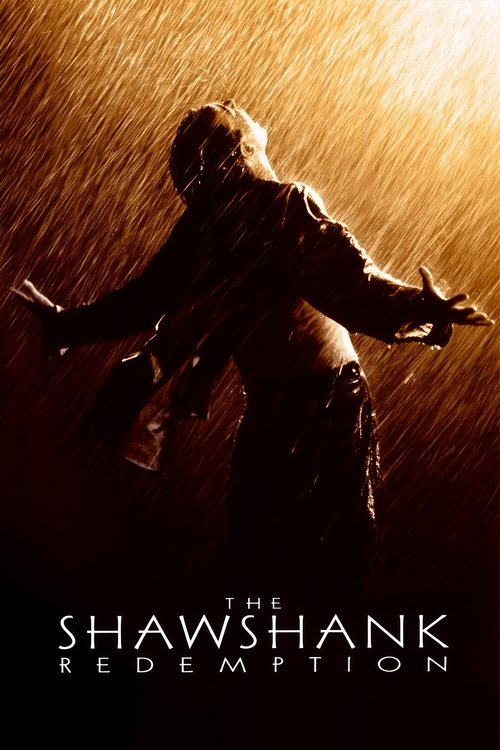
- 1994The Shawshank Redemption makes prison drama into mainstream emotional cinema The Shawshank Redemption
- 1997Oz premieres on HBO and resets every expectation for what serialized prison television could be Oz
- 2002The Wire expands Fontana's institutional-portrait method to an entire city The Wire
- 2009A Prophet brings the Oz template to French cinema with austere precision A Prophet
- 2011Prison Architect inverts the frame: you build and manage the system instead of surviving it Prison Architect
- 2013Orange Is the New Black revisits Fontana's ensemble method for a new network and a new demographic Orange Is the New Black
- 2015Starred Up delivers the most viscerally accurate father-son prison drama since Oz Starred Up
Behind bars, crime, and brutal prestige drama
Prison Break & Escape
Explore the Prison Break & Escape guide →Oz didn't invent the prison drama. It invented the prestige drama that happens to be set in a prison, which is a completely different thing.CrossBinge editorial