
The police procedural has one defining conviction: that the grind is the point. Not the revelation, not the chase, not the moment of capture, but the thousand tedious and maddening steps that precede all three. The right question asked at the right time. The witness who goes silent. The evidence that comes back from the lab and answers nothing, except to open three new doors.
What separates the procedural from the thriller or the detective mystery is where the camera sits. It sits inside the institution. You see the paperwork, the shift changes, the captain's politics, the union rep outside the interview room. The cop is not a lone genius; the cop is a person embedded in a bureaucracy, shaped by it and chafing against it, solving cases through accumulated small acts rather than a single brilliant deduction. That makes it the most honest of the crime genres, and in the hands of its best practitioners, the most devastating.
Essential police procedurals
The canon, across every screen and page

The Wire is the one that set the terms
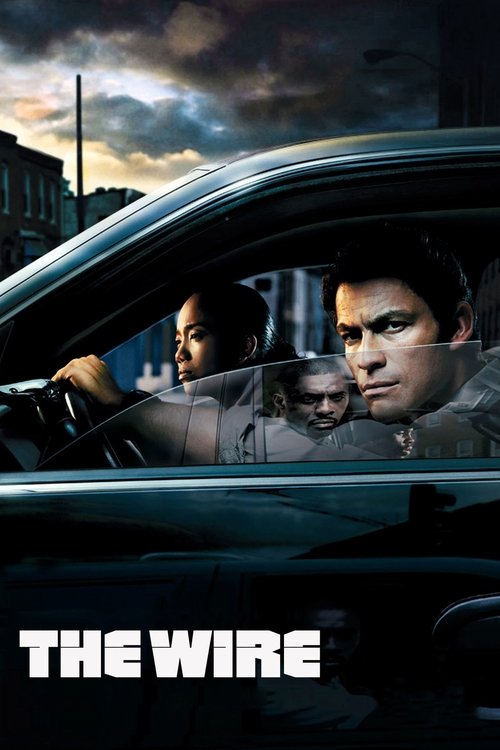
The Wire is not the best police show because it is the most realistic, though it is that. It is the best because David Simon understood that a procedural about policing is actually a procedural about systems: the way institutions protect themselves at the expense of their stated purpose, the way everyone from the corner boy to the commissioner is trapped in structures they did not design and cannot easily escape. Season one is a wire investigation. Everything after that is a portrait of a city, from the docks to the schools to the press, and the police are just the lens. No other show has matched that ambition, and very few have tried.
The American precinct
Television that built the modern police drama
Television invented the modern procedural
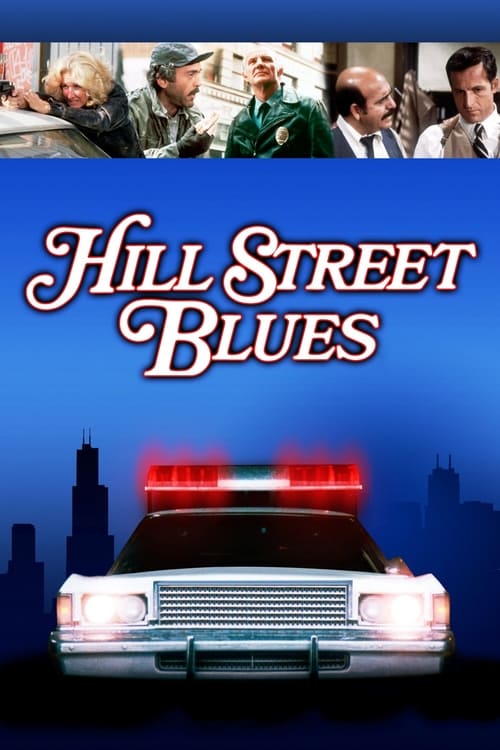
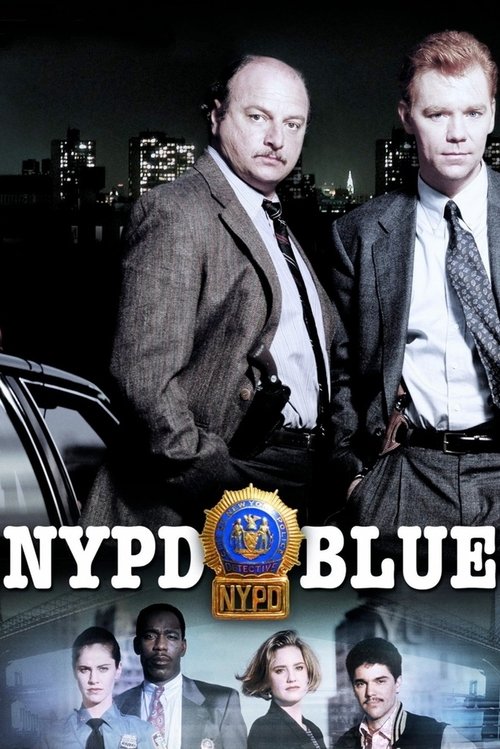
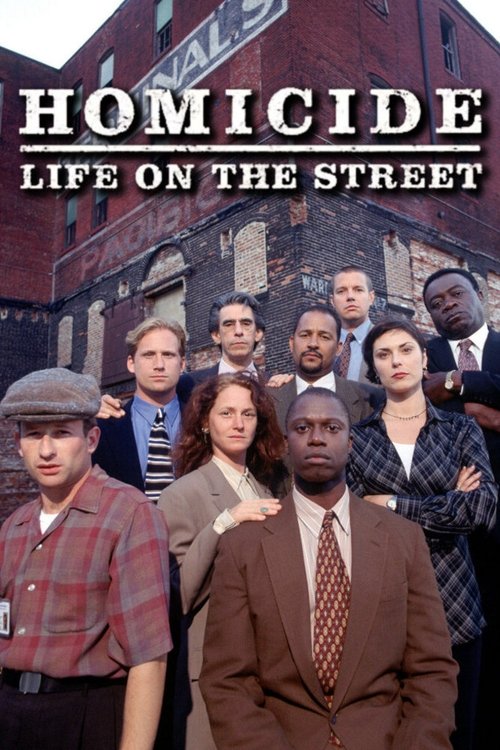
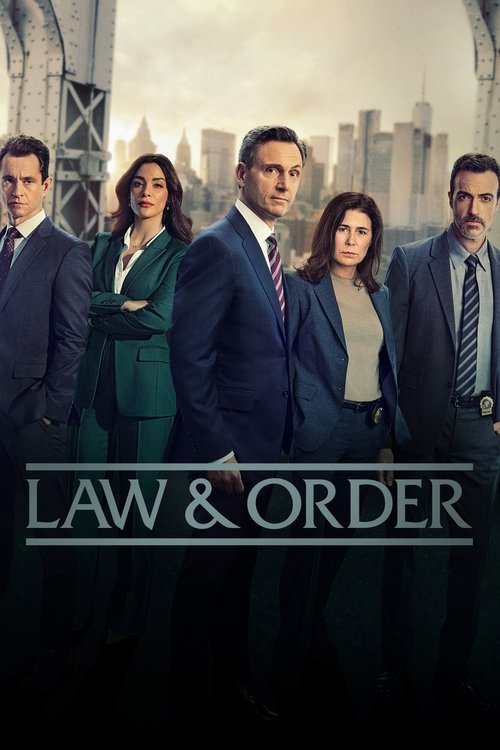
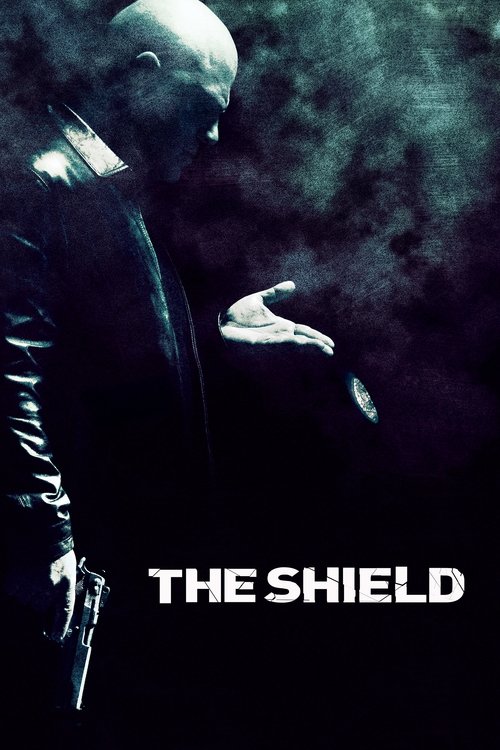
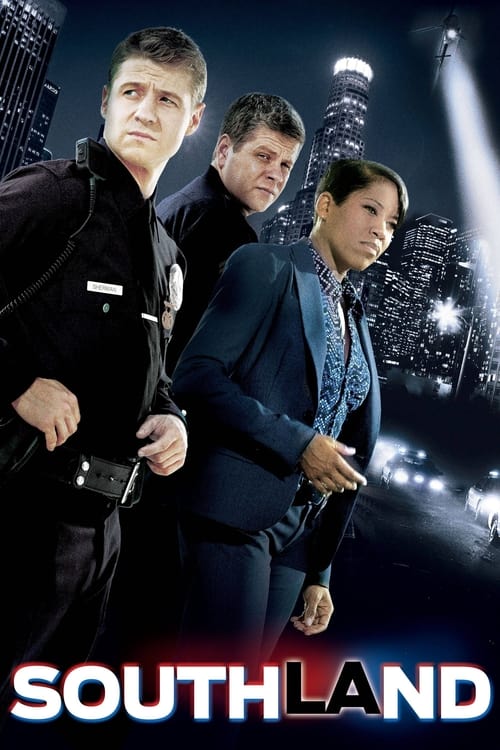
Hill Street Blues (1981) arrived at a moment when the cop show was assumed to be the cop-of-the-week formula: a simple case, a satisfying collar, end credits. Steven Bochco and Michael Kozoll instead gave viewers an ongoing, overlapping serial set in a decaying urban precinct, with a cast of dozens whose personal lives spilled into the job and back again. The serialized format, the documentary-influenced camerawork, the moral ambiguity in the police themselves: Hill Street established the grammar that every serious crime drama since has spoken in. NYPD Blue and Homicide refined it, The Wire expanded it to a systemic critique, The Shield corrupted it deliberately, and Southland stripped it back to near-documentary reality. The lineage is direct and the debt is large.
British and Scandinavian procedurals
The genre, reshaped by geography and institution
Prime Suspect changed what a cop could look like
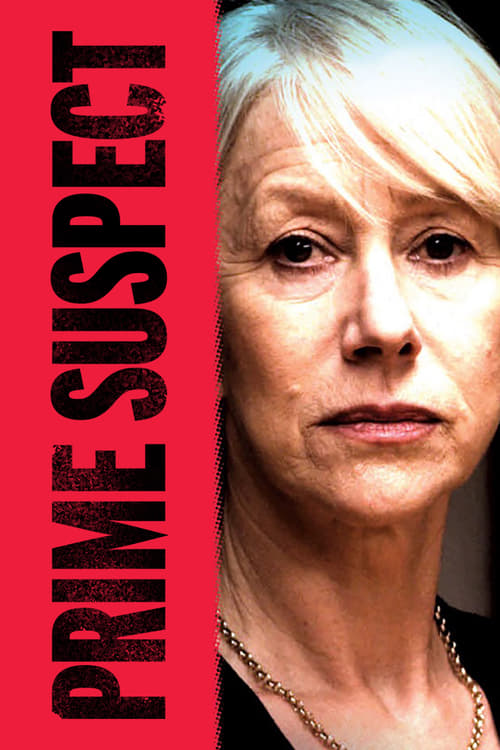
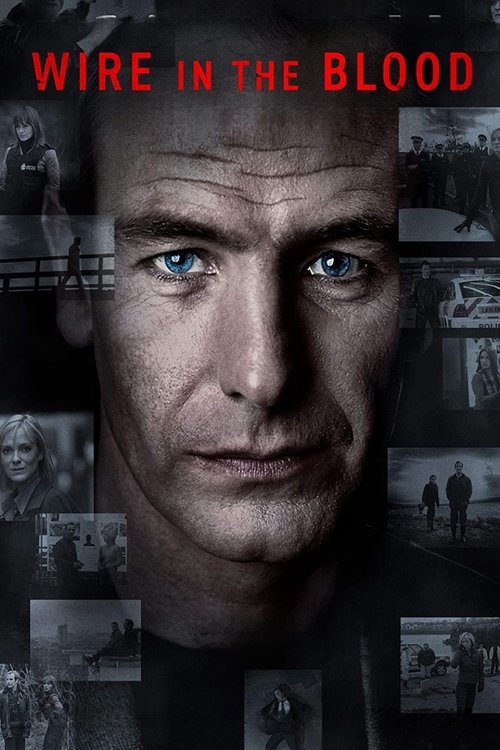
Before Jane Tennison, the woman in a police drama was the victim, the witness, or the partner who existed to humanize the male lead. Lynda La Plante's Prime Suspect (1991) put Helen Mirren at the head of a murder investigation surrounded by men who resented her, obstructed her, and waited for her to fail. The procedural machinery around her was rigorous: witness statements, forensic evidence, institutional politics. But the real subject was what a woman had to do differently, and do better, simply to be taken seriously. Six years after it aired, the BBC's Cracker and Wire in the Blood had moved a step further into psychology, but Tennison remains the figure who forced the genre to reckon with who was doing the investigating, not just what was being investigated.
The investigative film
Feature-length procedurals that take their time
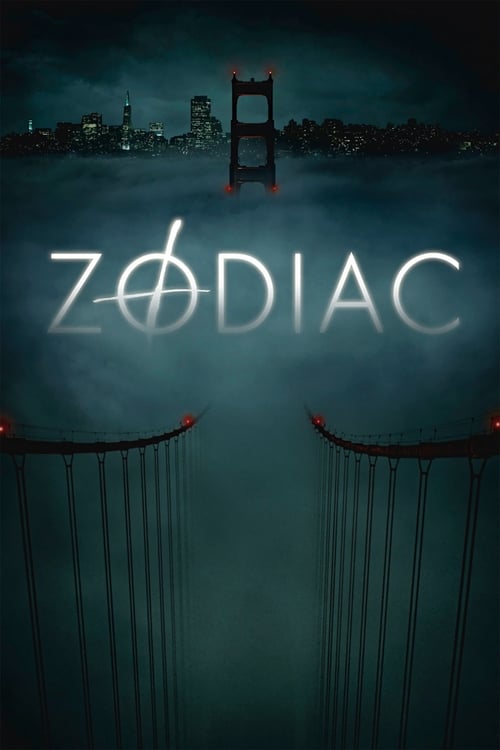
Zodiac is the procedural as tragedy
Most procedurals promise resolution. David Fincher's Zodiac (2007) is the rare film that takes its genre apart by removing that promise entirely. Robert Graysmith is not a cop; he is a cartoonist. Dave Toschi is the detective, and he gets nowhere. The film runs two and a half hours across nearly a decade, and the case does not close. What it documents is the psychological cost of an unsolved investigation: the way it consumes people, fractures careers, and demands obsession from everyone it touches. The procedural is usually about the machinery of justice working, however slowly. Fincher made the greatest film about what happens when it does not.
Investigation and aftermath
More recent procedurals, on TV and streaming

The film that made procedure cinematic
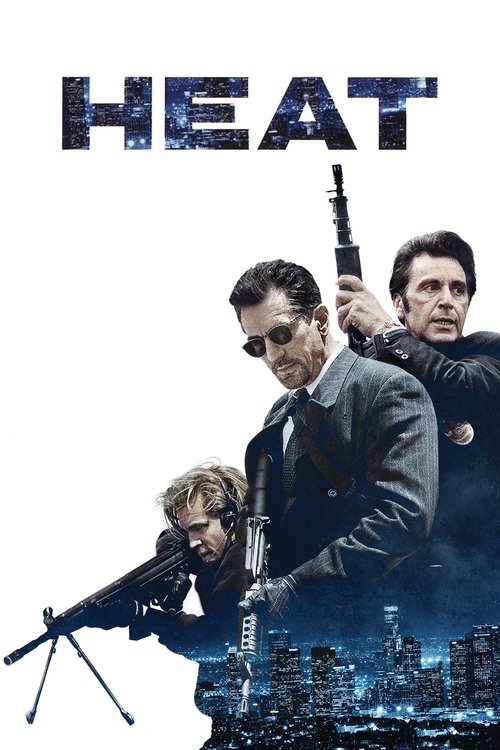
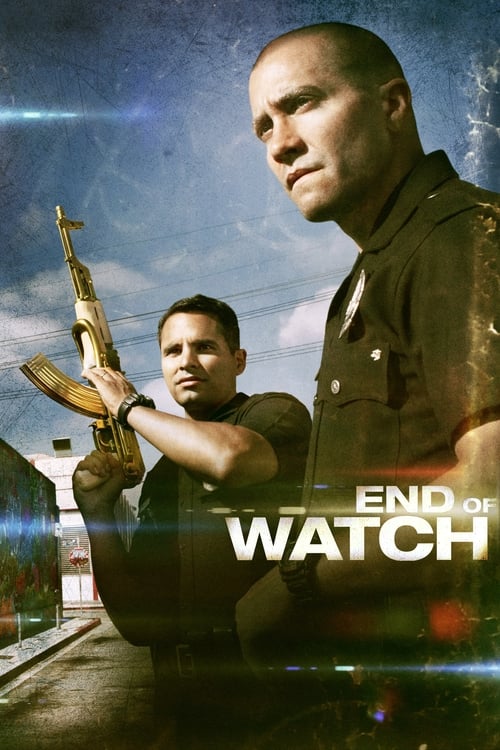
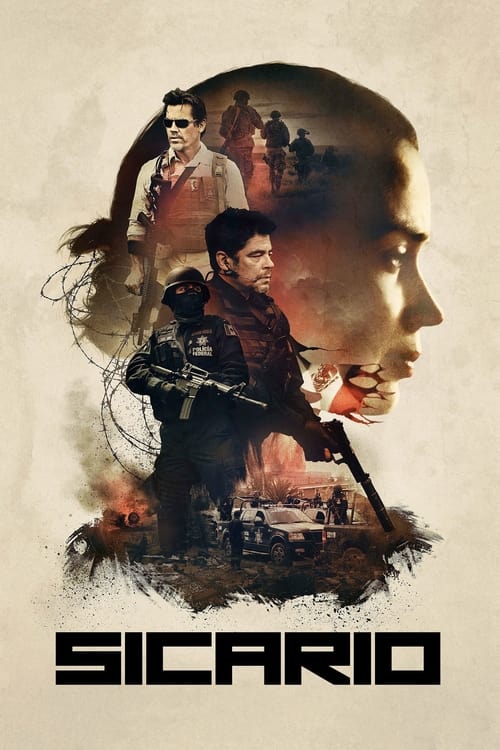
Michael Mann's Heat (1995) is often discussed as a heist film or a crime epic, but its procedural half is as rigorous as anything on television. Vincent Hanna (Al Pacino) runs an actual LAPD task force, coordinates with the DA, reviews surveillance, follows a suspect through the city, and fails repeatedly before getting close. The film's famous coffee scene between Pacino and De Niro is procedural dialogue: two professionals discussing, across the table, what each one's job requires. Mann spent years researching real detectives and real thieves for the film, and it shows in the granular detail. Heat proved that the methodical patience of the TV procedural could work on the big screen, at scale, without losing any of its weight.
Police procedurals to play
Games where investigation is the mechanic
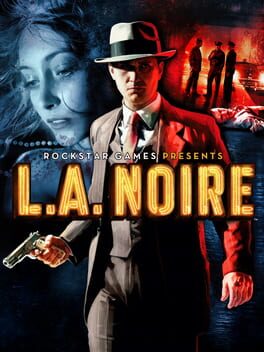
L.A. Noire made interrogation the puzzle
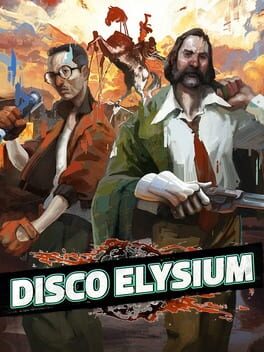
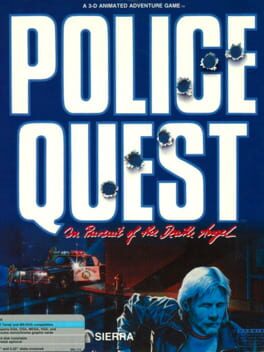
The procedural genre has one scene that no other game had cracked before L.A. Noire (2011): the interrogation. Most crime games handed you a locked door and asked you to find a key. Rockstar's detective game put you across the table from a suspect and asked you to read their face. The MotionScan facial capture technology was a genuine technical leap, but the design decision underneath was more interesting: a game about police work that put the emphasis on interpretation rather than shooting. Cole Phelps works his way through the LAPD's divisions, following actual departmental procedure, and the cases are structured around evidence and witness statements rather than combat. Games are still catching up to what L.A. Noire tried. Disco Elysium (2019) took the logic further: its detective cannot fight, cannot run, can only talk and read the world and be haunted by it.
The procedural on the page
Crime fiction where the badge matters as much as the detective


The case does not solve itself. Every answer takes paperwork, a phone call, a conversation with someone who does not want to talk. That is the honest truth about investigation, and the procedural is the only genre willing to put it on screen.On what the police procedural actually believes about justice
Books: the genre's original home
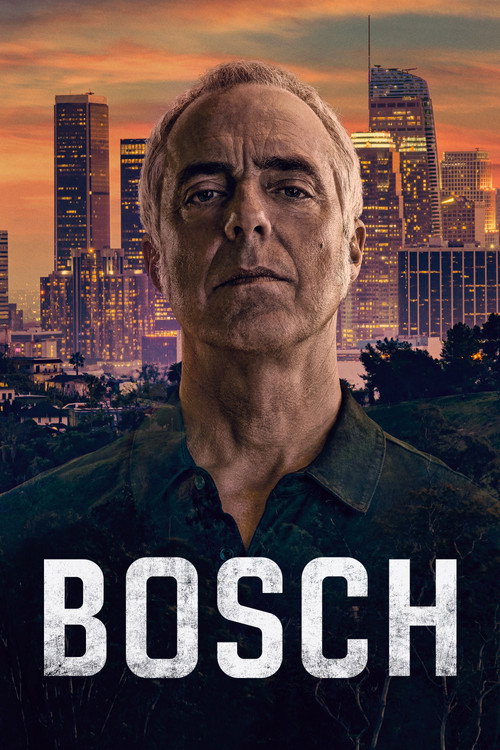
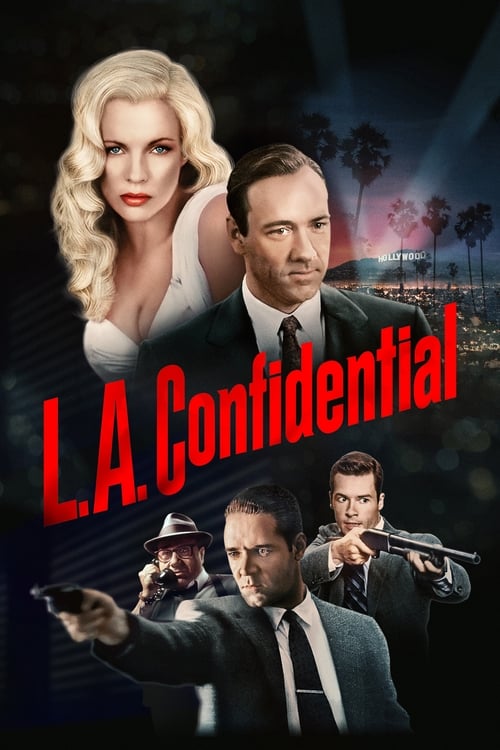
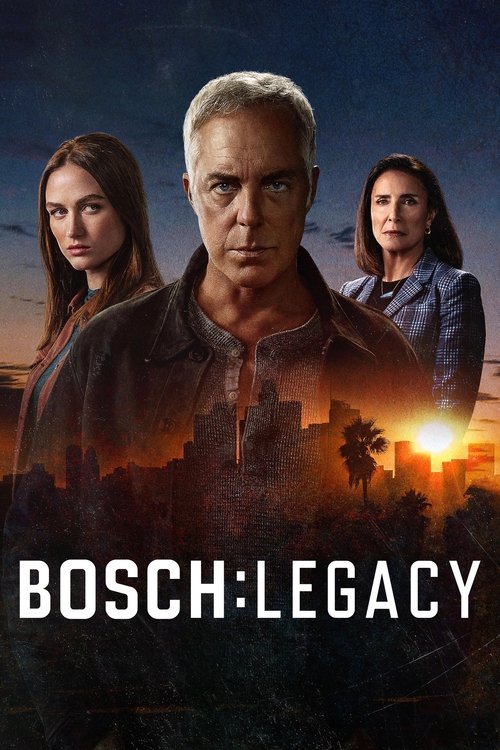
Before television standardized the police drama, the procedural lived on the page. Ed McBain (Evan Hunter) launched his 87th Precinct series in 1956 and continued it for nearly fifty years. McBain's books were notable for doing something the novels of the time rarely attempted: centering the institution rather than the individual genius. The 87th Precinct is a squad of working detectives in a fictional New York city, each with a personality, a home life, and a case that may or may not get solved by the final page. Michael Connelly brought that tradition into the Los Angeles of the 1990s and carried it into streaming with the Bosch adaptations. James Ellroy pushed the form in a different direction, writing L.A. history as a kind of baroque procedural nightmare in which the cops are often the most dangerous men in the room. These writers are where television procedurals learned to think.