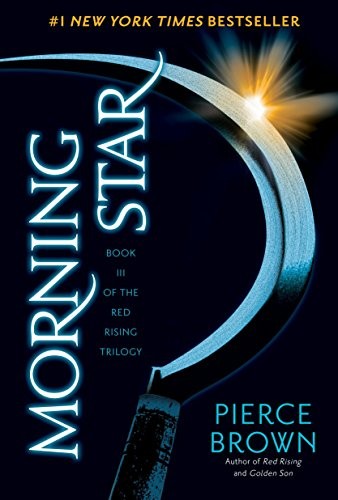

Pierce Brown arrived in 2014 with Red Rising, a novel that fused Roman class hierarchy with science-fiction planetary colonization and the bones of gladiatorial epic. The result was something readers had not quite seen: a space opera that cared about caste as much as combat, and a protagonist, Darrow, whose grief drives every act of violence with genuine moral weight. The Red Rising Saga now spans six novels (with more planned), and what holds it together is Brown's insistence that revolution costs something. His fans follow not for world-building trivia but for that bone-deep tension between loyalty and necessity, between who a person is and what a cause demands they become.
Essential Pierce Brown
The Red Rising Saga in order, plus the best entry point for new readers


Screen Adaptations of His World
The film and TV projects that share the same operatic scale
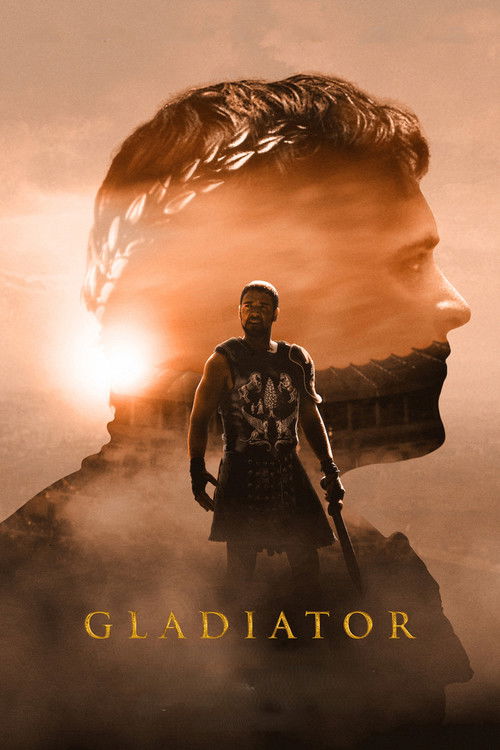
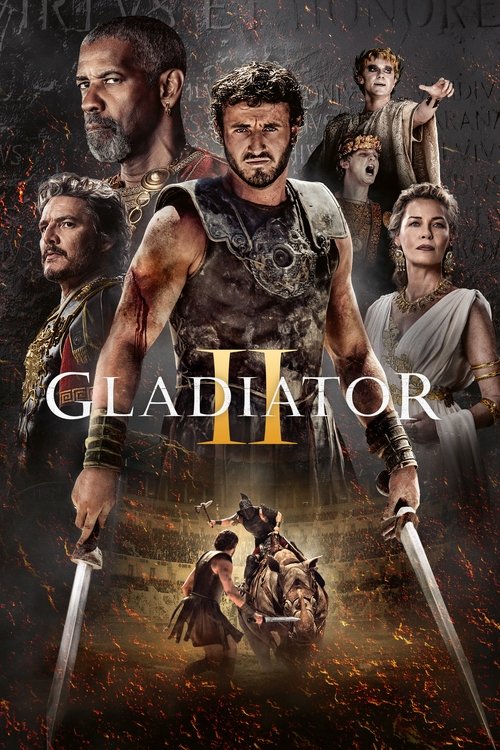
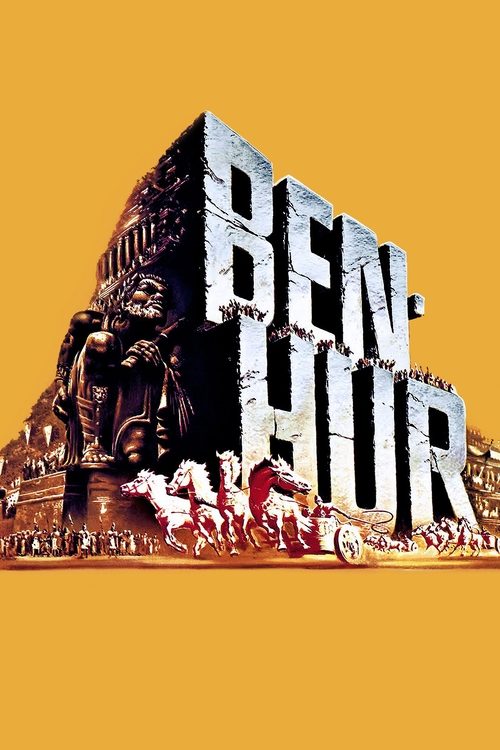
Similar Authors You Should Read Next
Science fiction and fantasy writers who operate at the same epic pitch


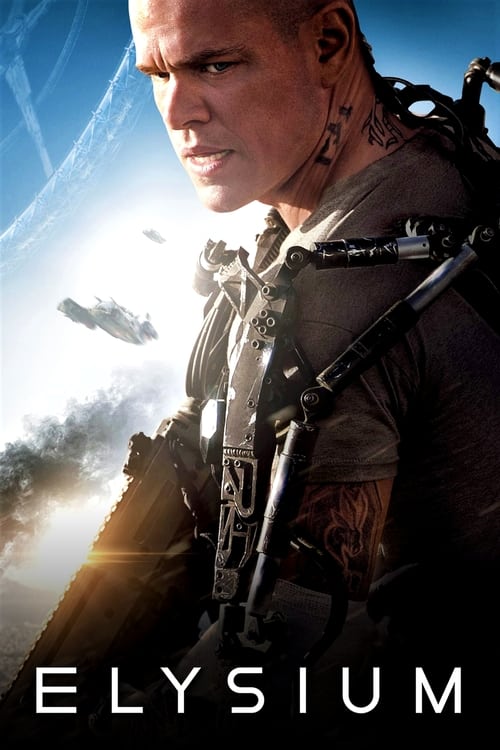
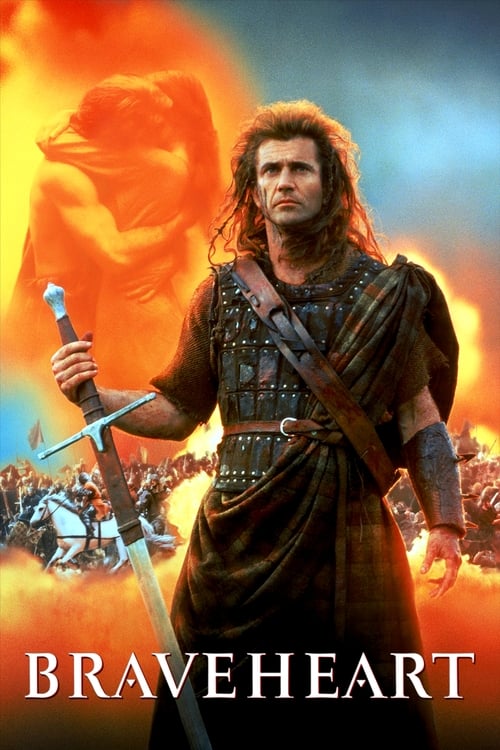
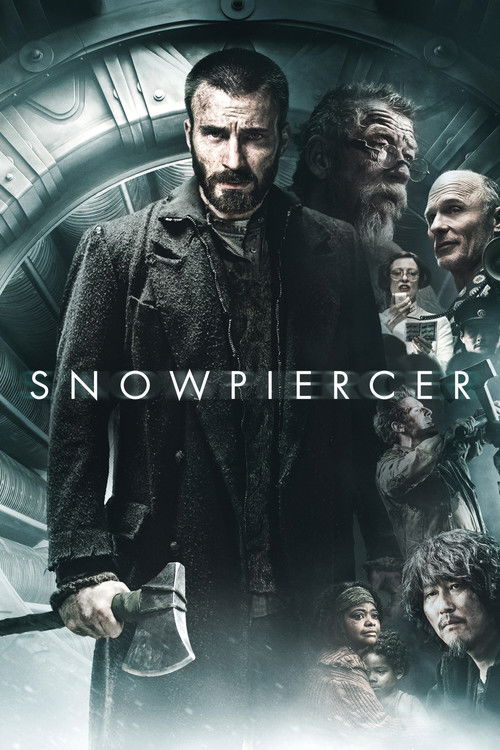
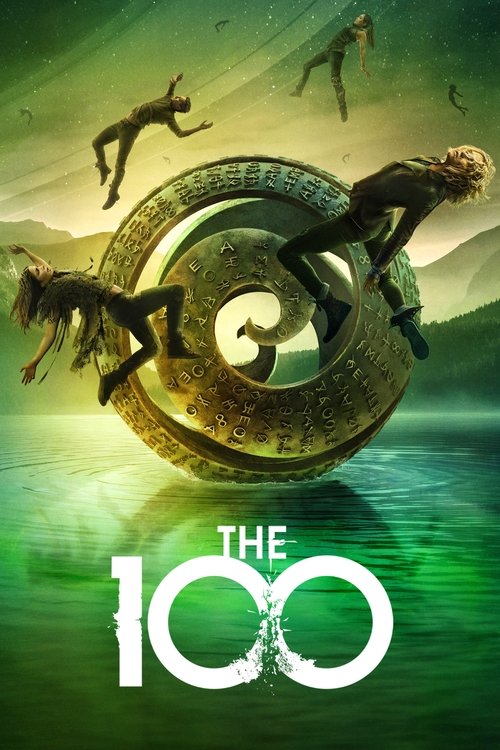
Films and Series with the Same DNA
Dystopian hierarchies, reluctant revolutionaries, and the cost of winning
Games Inspired by the Same Themes
Brutal class conflict, underdog uprisings, and societies built on oppression
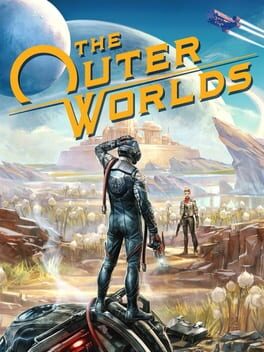
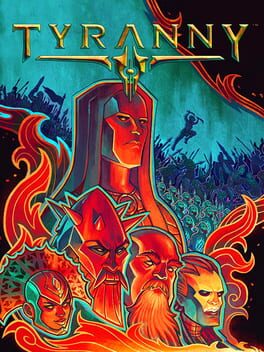
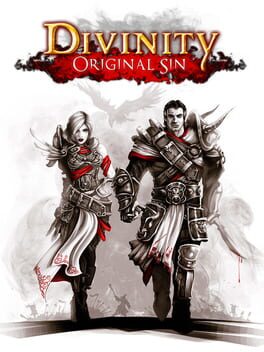
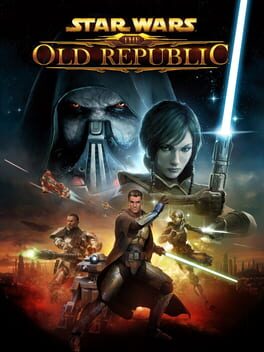
The Arena Is a Political Argument
Brown's Institute sequence in Red Rising is not a detour into YA arena fiction. It is a demonstration of how systems reproduce themselves: the Golds do not place Darrow among them to test his courage but to make him internalize their logic. Every kill, every alliance, every betrayal inside the Institute is the ideology doing its work. Brown understood what many dystopian writers miss: the protagonist does not escape the system by surviving it. He is changed by it, and the rest of the saga is about carrying that damage into a revolution.
Dark Age Is Where the Saga Earns Its Violence
Dark Age is the longest and most punishing book in the series, and it is also the one that justifies everything that came before. Brown stops protecting his characters. Factions that seemed secure collapse. Allies become casualties. The book asks whether a revolution that burns its own people to win is still a revolution worth having. Readers who have lived with this cast for five books will find this genuinely brutal, and that is exactly the point.
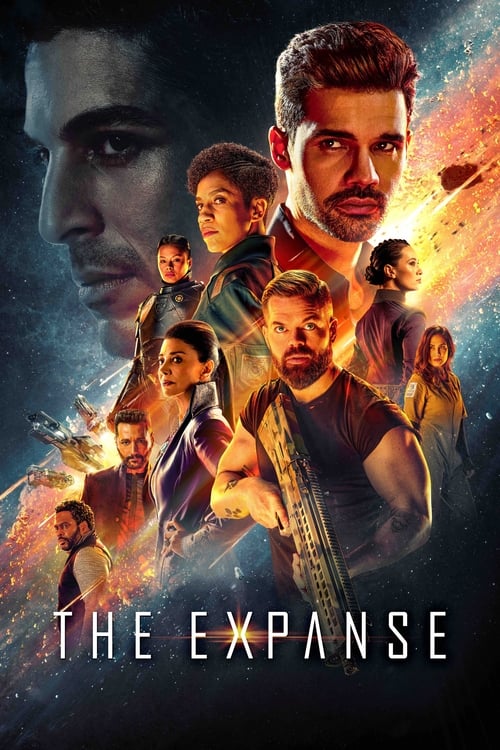
The Expanse Is the Closest Thing on Screen
Brown has cited the Expanse novels as an influence, and the alignment is clear: both use solar system colonization as a canvas for class resentment, both give weight to factions that are neither heroic nor purely villainous, and both take the physics and politics of space seriously without losing the human stakes. The TV adaptation of The Expanse delivers that same quality across six seasons, and readers waiting for a Red Rising screen adaptation would do well to start here.

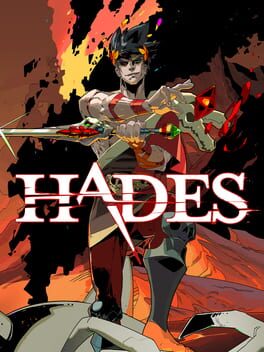
Hades Gets the Mythological Rebellion Right
Pierce Brown's world draws heavily on Roman and Greek epic: the color castes map onto Roman social strata, the rhetoric is Ciceronian, and Darrow's arc mirrors the hero myths Brown absorbed as a child. Hades approaches the same material from a different angle: Zagreus is also a low-status figure fighting upward through a rigidly hierarchical system, and the game's mythology is treated as real politics rather than backdrop. The rhythm of repeated runs mirrors the cyclical defeats Darrow endures before any lasting victory.
The Red Rising Saga at a Glance
- 2014The saga begins
- 2015The rebellion scales up Golden
- 2016The trilogy concludes Morning Star
- 2019The saga expands to four POVs
- 2019Dark Age announced
- 2020The bleakest chapter Dark Angel
- 2023The penultimate volume
Class wars, revolutions, and space opera
Rebellion & Revolution
Explore the Rebellion & Revolution guide →Red Rising reads like a Roman epic written by someone who has read everything and is angry about it.CrossBinge editors