
Every revolution begins the same way: someone decides the price of obedience is higher than the price of revolt. The barricade in the street, the leaflet under the door, the moment a crowd stops being a crowd and becomes a force. These stories are the oldest stories we tell, because the question they ask never closes. When is it right to rise? What does it cost? And who pays after the smoke clears?
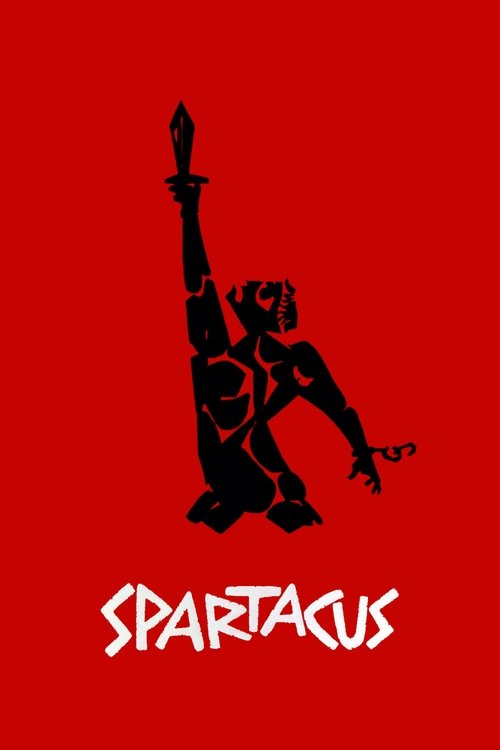
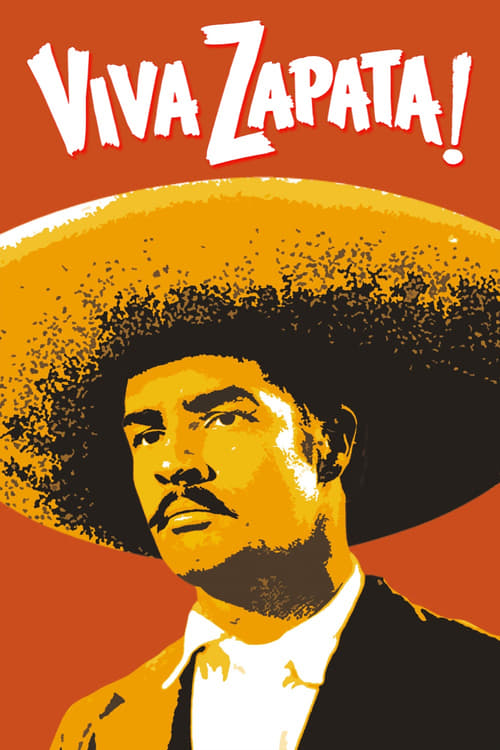
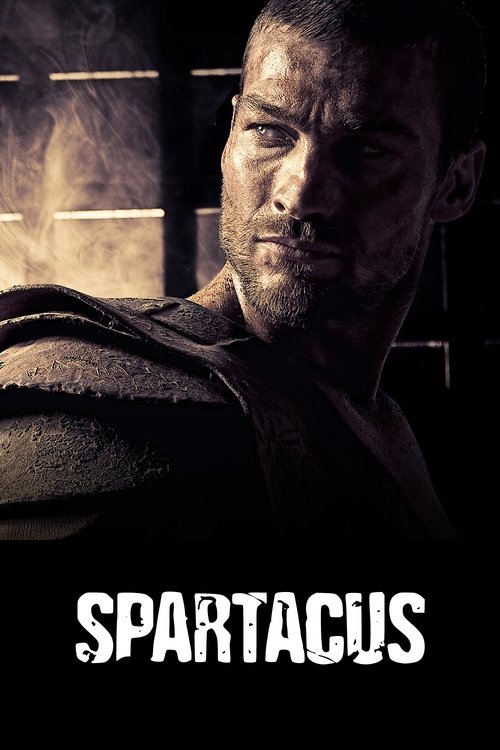
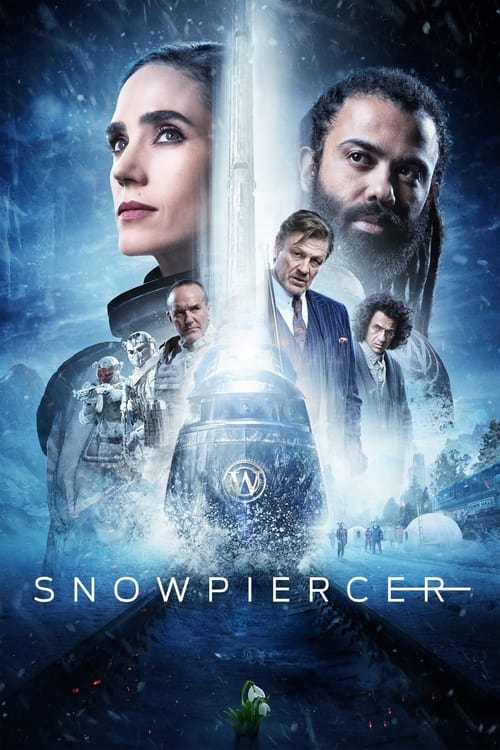
This is not one genre but a whole continent of them. There is the historical uprising, where we already know how it ends and watch anyway: the storming of barricades in Victor Hugo's Paris, the slave revolt of Spartacus, the Easter of an Irish rebellion. There is the speculative one, where a future tyranny gives us a clean villain and a clearer fight: Panem, Airstrip One, the dome of Snowpiercer's eternal train. And there is the game, where you do not watch the revolution happen but light the fuse yourself, climb the cathedral, ambush the convoy, become the spark. What unites all of them is a single idea that no empire has ever managed to kill: that the order of things is a choice, and a choice can be unmade.
Essential rebellion and revolution
The canon of uprising across every medium and every era

The Hunger Games understood propaganda better than most adult films
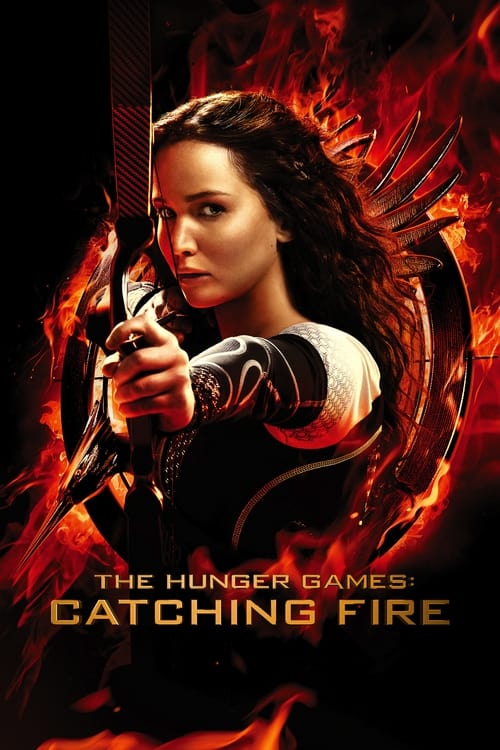
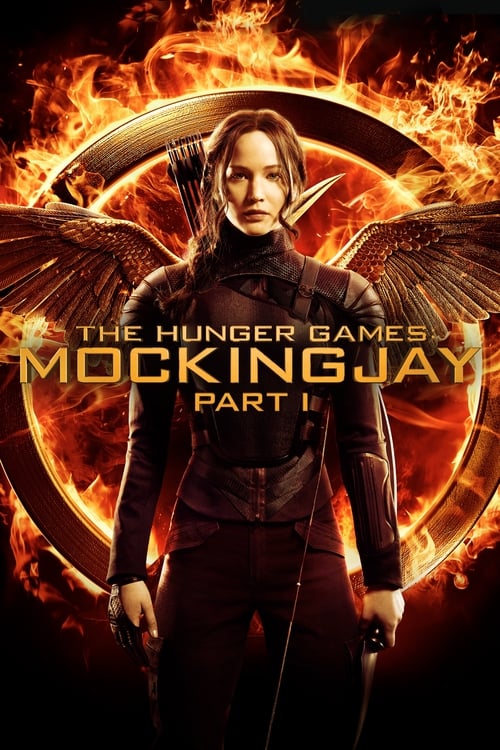
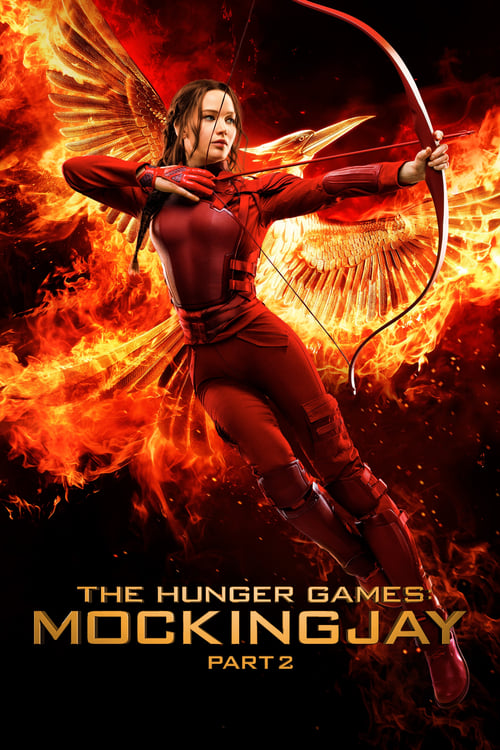
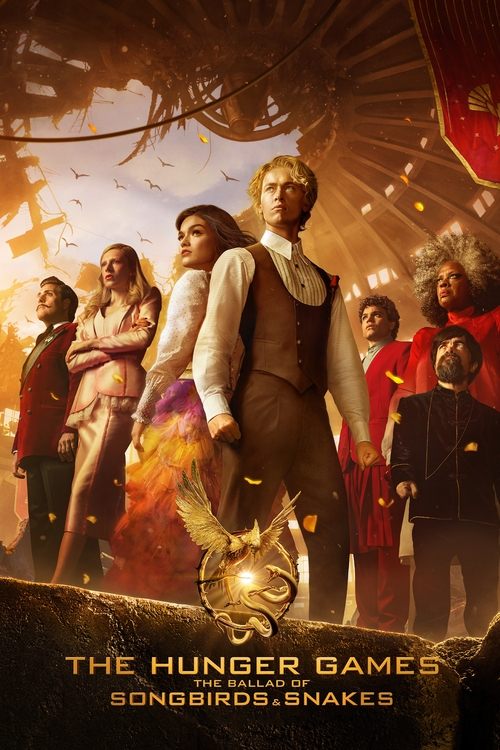
It is easy to file The Hunger Games under young-adult dystopia and move on. That underrates it. Suzanne Collins built a four-film arc that is, underneath the romance and the spectacle, a serious argument about how revolutions are sold. Katniss never plans to lead anything. She volunteers to save her sister, survives an arena designed to make survival look like entertainment, and then spends two more films being turned into a symbol by people on both sides who need her face more than her opinion.
The Mockingjay films are where this gets genuinely sharp. District 13 is not the heroic resistance you expect; it is a cold, regimented counter-state filming its own propaganda reels, and the rebellion it leads ends in an atrocity it tries to blame on the enemy. Catching Fire is the best of the run because it shows the spark catching: an old victor's defiance, a salute in a square, a costume that bursts into flame on live television. The series knows that an uprising needs an image before it needs an army, and it never pretends the people supplying the image have clean hands.
Uprisings on film
Paris barricades, slave revolts, mutinies and the fight for the streets
When the fight is for a nation
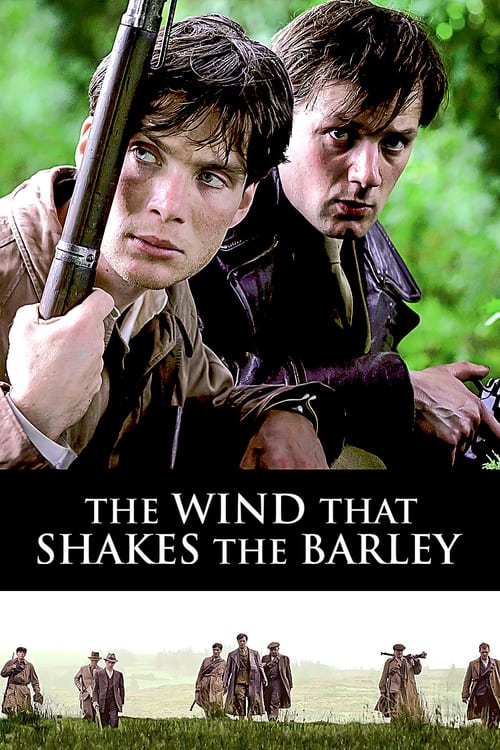
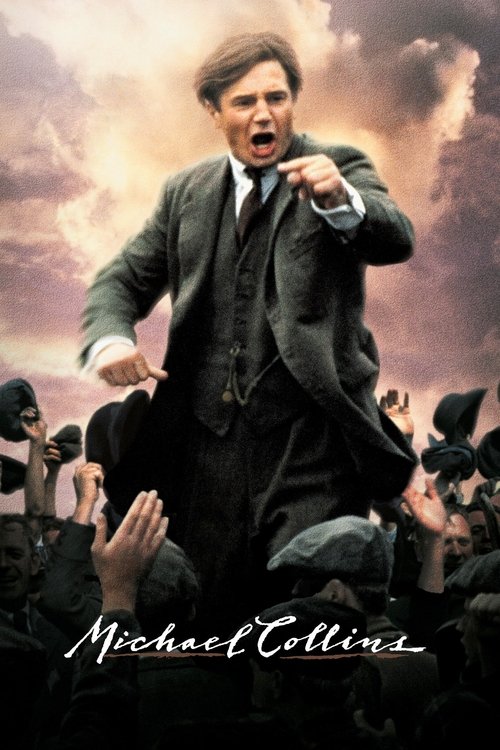
Not every revolution is a class war fought at a barricade. Some are wars of independence, slow and bloody, where the enemy is an empire and the prize is a flag of your own. Ireland gave the screen two of the best: Ken Loach's The Wind That Shakes the Barley follows two brothers from the war against the British to the civil war that follows victory, the harder story most films skip, and Neil Jordan's Michael Collins tells the same era through the man who organized the rising and was killed by his own side for the peace he made.
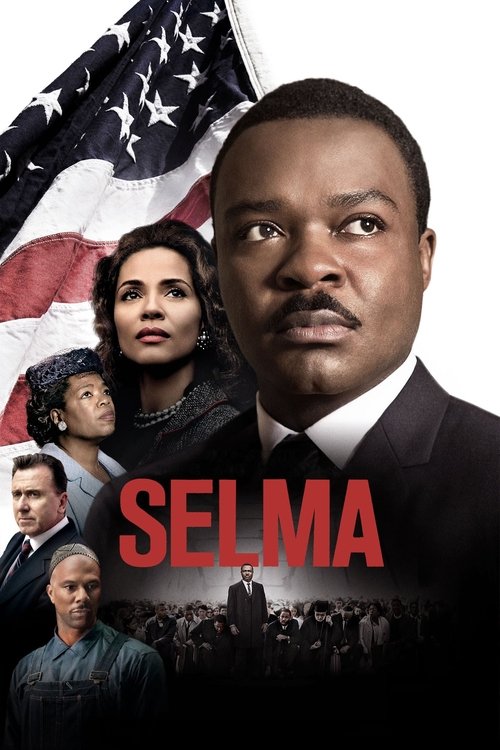
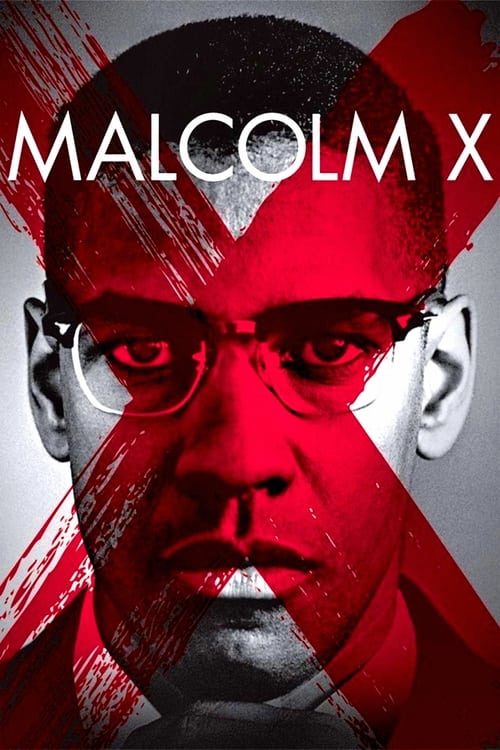
America's revolutions are quieter in form but no less radical. Selma reconstructs the 1965 voting-rights march as a campaign of disciplined, planned defiance, not spontaneous anger. Malcolm X traces a man's arc from prison to pilgrimage to assassination, refusing to flatten him into a slogan. These are revolutions of the ballot, the march and the speech, and they remind us that the barricade is only the loudest version of the fight.
Rebels and resistance on the small screen
Long-form uprisings, from a galaxy far away to a frozen train


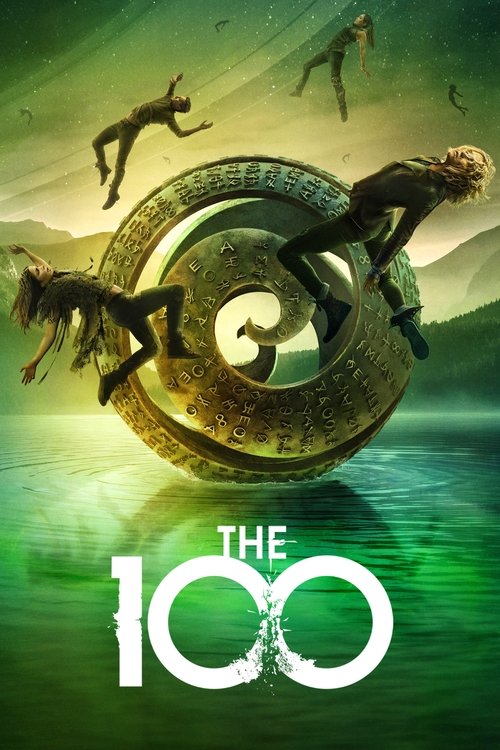

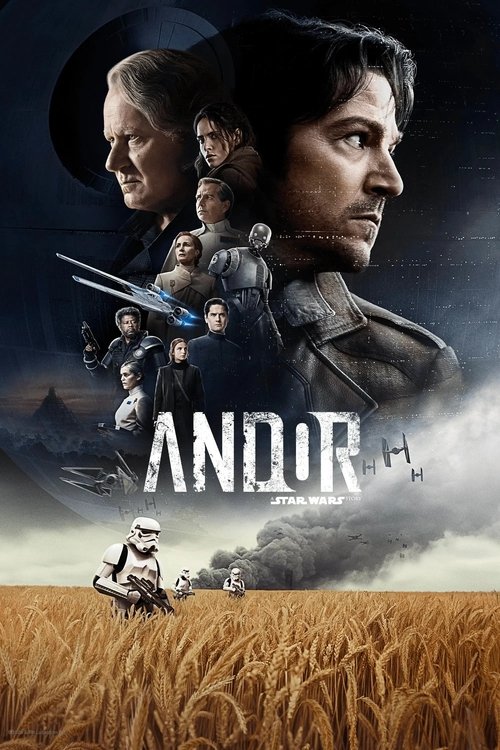
Andor is the best thing Star Wars has done with rebellion
For decades the Rebellion in Star Wars was a vibe: plucky pilots, a princess, a Death Star to blow up. Andor throws that out and asks the unglamorous question instead. How does a rebellion actually get built? The answer it gives is grim and convincing: it is built out of theft, betrayal, sacrificed informants, a prison full of cheap labor, and people radicalized by an empire so casually cruel it does not even notice it is making its own enemies.
Cassian Andor does not start as a believer. He starts as a thief who wants to be left alone, and the series spends a full season showing exactly what it takes to turn a man like that into someone who will die for a cause. Luthen Rael's speech about burning his own life as kindling for a sunrise he will never see is the truest thing the franchise has ever said about what revolution costs the people who choose it early. If you only watch one piece of Star Wars about the meaning of rebellion, watch this one, then follow it straight into Rogue One, the film it was built to feed.
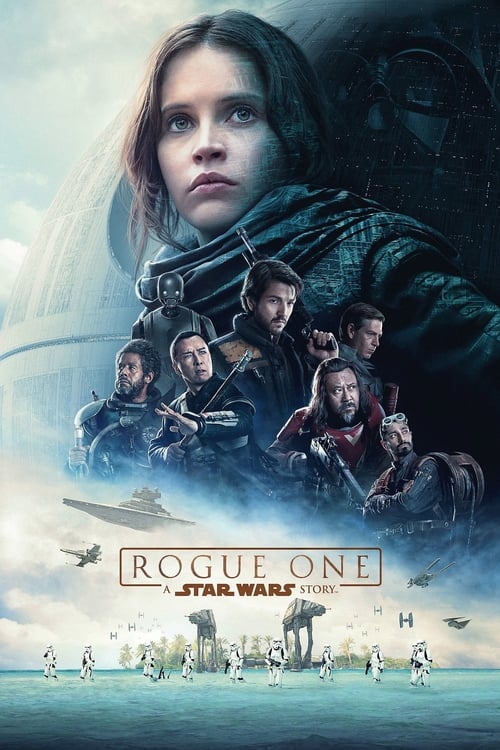
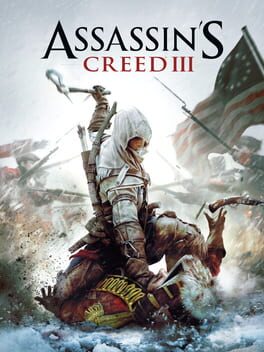
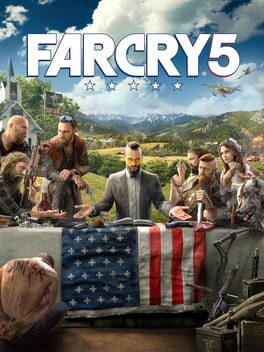
Light the fuse yourself
Games where you do not watch the revolution, you start it
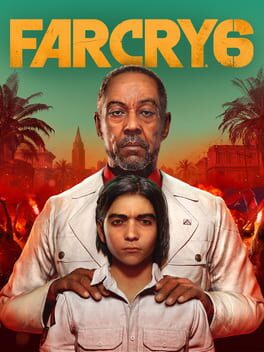
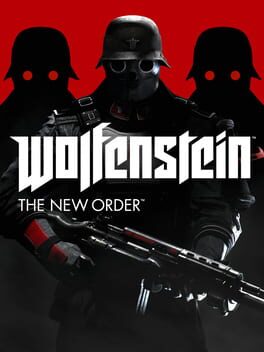
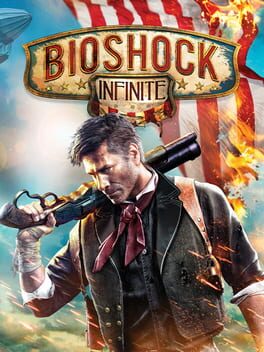
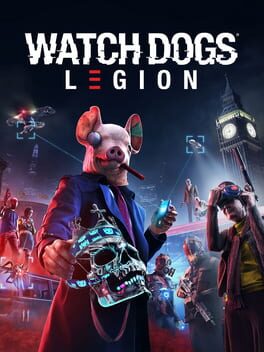
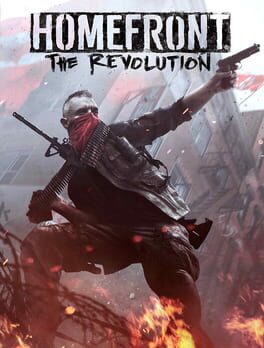
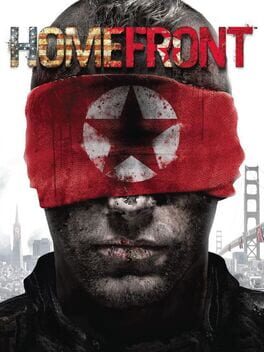
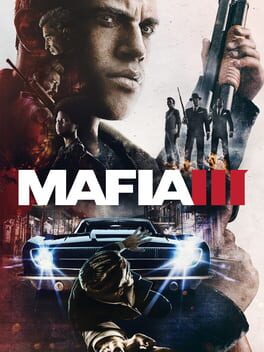
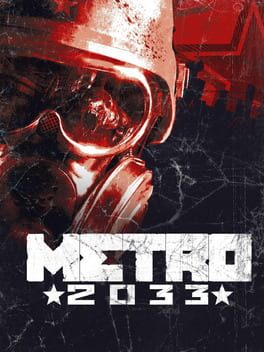
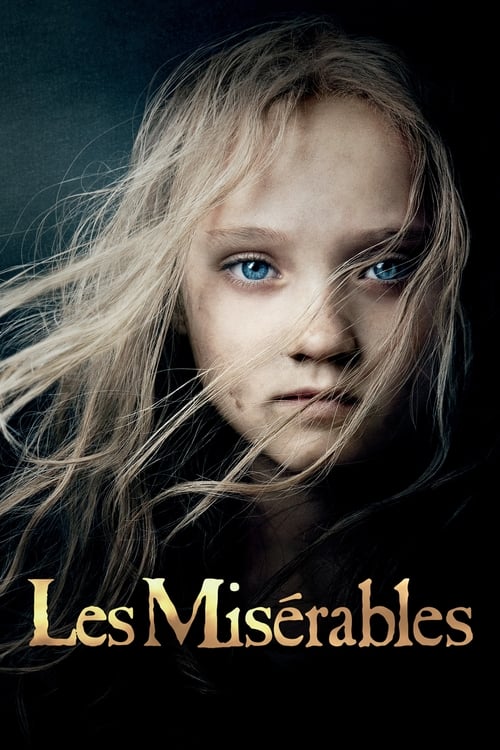
Do you hear the people sing? Singing the song of angry men.Les Miserables, the anthem of every barricade that ever was
The books that lit the match
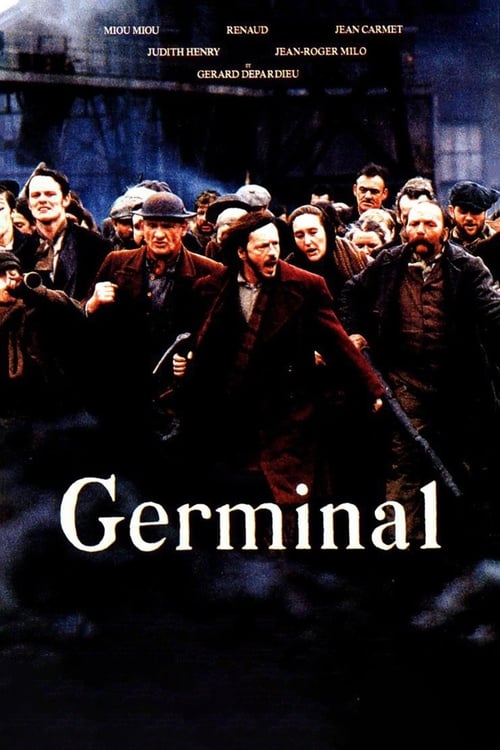
Fiction did not just record revolutions; it helped imagine them. Victor Hugo's Paris, Charles Dickens's London and Paris in A Tale of Two Cities, Emile Zola's coal miners in Germinal who strike and starve and break: these are not history books, but they shaped how generations pictured the moment a crowd turns. Zola's mob crawling up out of the pit is still one of the most frightening and exhilarating images of the powerless in motion ever put on a page.
The other great vein is the warning. George Orwell wrote the two definitive ones. Animal Farm is the revolution that eats itself, the pigs who lead the revolt and end up indistinguishable from the farmer they overthrew. Nineteen Eighty-Four is what waits if the revolution wins and then calcifies into a boot stamping on a human face forever. Margaret Atwood's The Handmaid's Tale, Aldous Huxley's Brave New World and Marjane Satrapi's Persepolis, a memoir of growing up through the Iranian Revolution, all belong to the same shelf: books that ask not whether to rise, but what you become if you stop watching the people who lead you.
Revolution on the page
Hugo, Dickens, Zola, Orwell and the dystopias that warn us


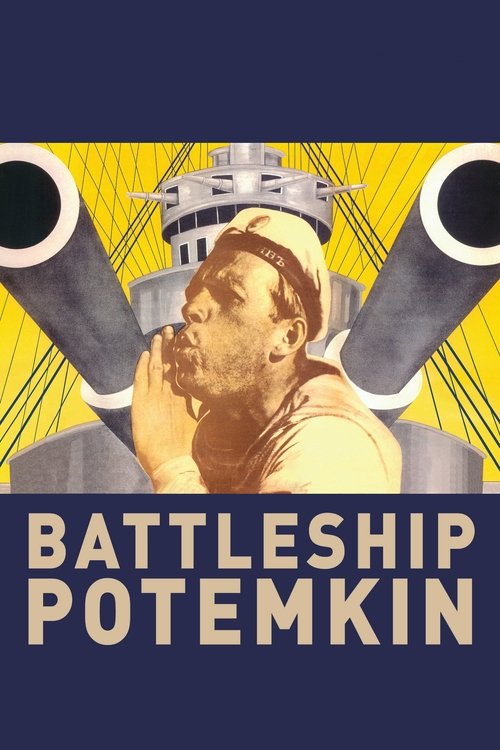
Battleship Potemkin invented how we film an uprising
Sergei Eisenstein's Battleship Potemkin is a hundred years old and still the textbook. A crew of sailors refuses to eat rotten meat, the refusal becomes a mutiny, the mutiny becomes a city in revolt, and the city is answered by soldiers marching down the Odessa Steps. That sequence, the rhythmic montage of boots, faces, a runaway pram, has been quoted, parodied and stolen by everyone from Brian De Palma to The Untouchables. Eisenstein was not interested in a hero; he was interested in the masses as the hero, the crowd as a single body that decides.
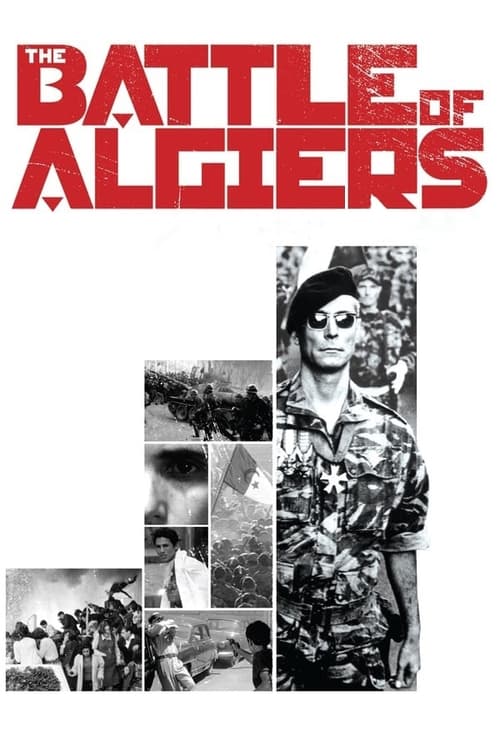
That idea ran straight into the political cinema that followed. Gillo Pontecorvo's The Battle of Algiers shot an anti-colonial insurgency with such documentary cool that it has been screened both by revolutionaries planning urban warfare and by armies studying how to stop it. These films do not ask you to root for a person. They ask you to recognize a movement, and to feel the terrible momentum of the moment a population decides it is no longer afraid.
The sound of the uprising
Anthems, marches and scores written for revolt and resistance
The wider field: power, tyranny and the will to fight
Works that circle the same fire from every angle