

Julia Ducournau's Raw (2016) arrived like an open wound. A lifelong vegetarian arrives at veterinary school, endures a hazing ritual involving raw rabbit liver, and discovers something inside her that does not want to stop. What makes the film stick is not the gore (though it earns every flinch) but the precision of its metaphor: the body as a site of desire that the mind cannot govern, and adolescence as the period when that gap becomes impossible to ignore. Fans of Raw are not simply horror fans. They are drawn to films, books, games, and series that treat transformation as genuinely dangerous, where appetite (for sex, for power, for belonging, for meat) is portrayed with the same moral seriousness as any other human force. The through-line across every medium on this page is that discomfort: the refusal to make the grotesque safe.
The Body Betrays You
Horror films where flesh is the site of transformation, desire, and dread
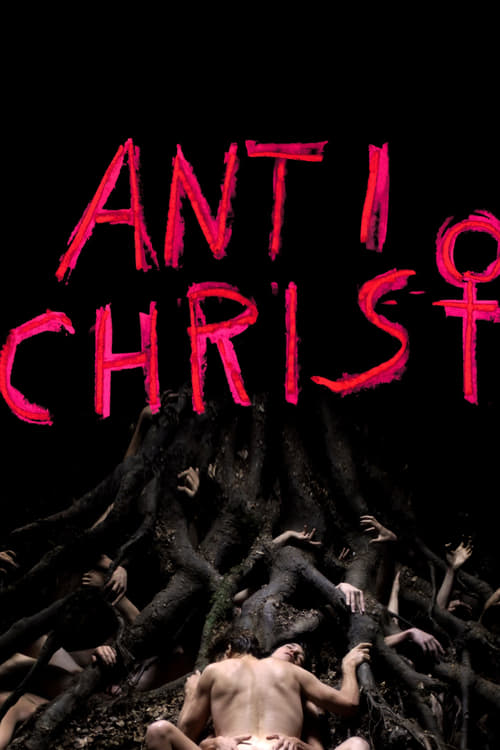
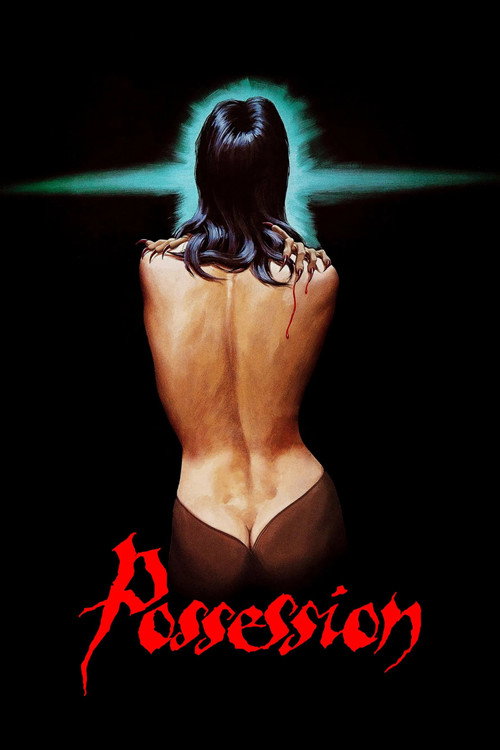
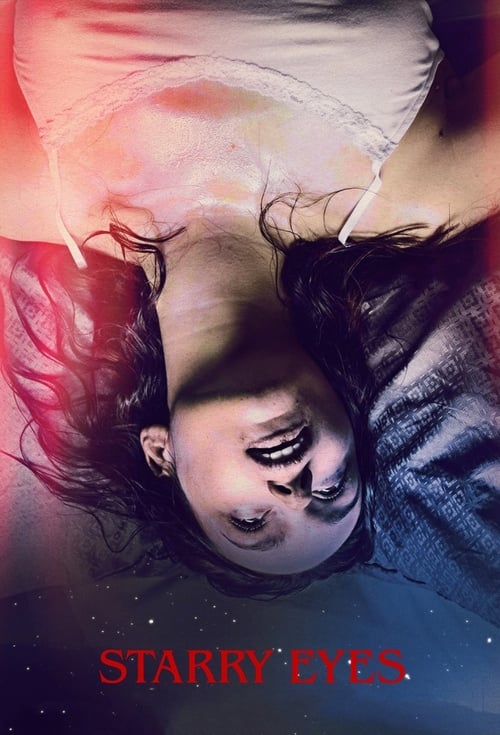
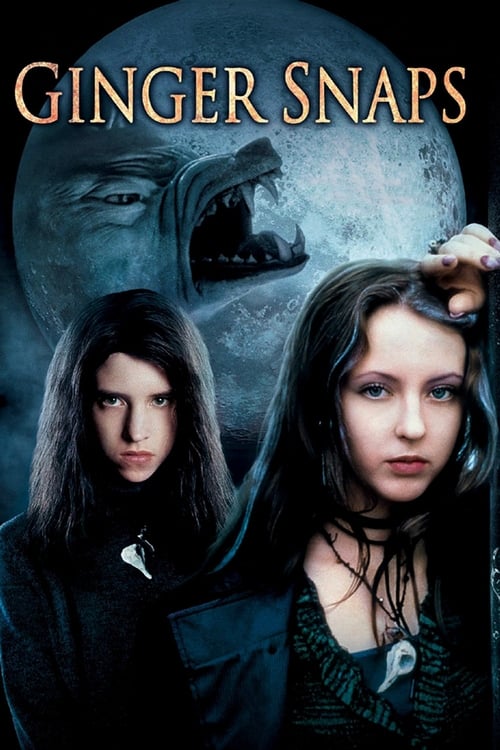
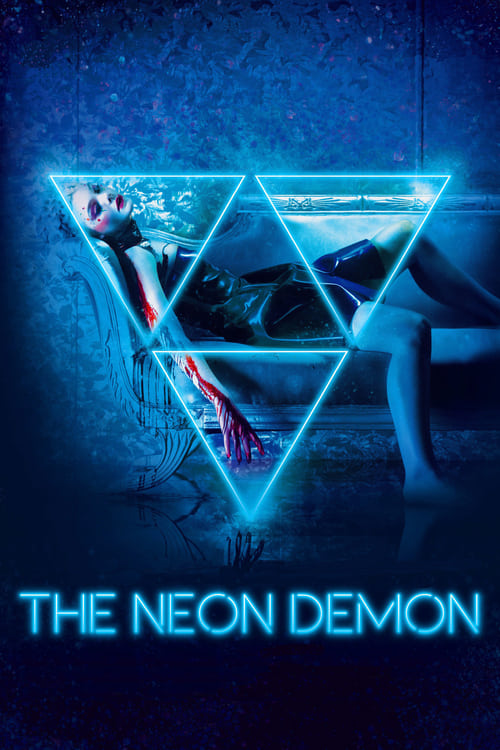

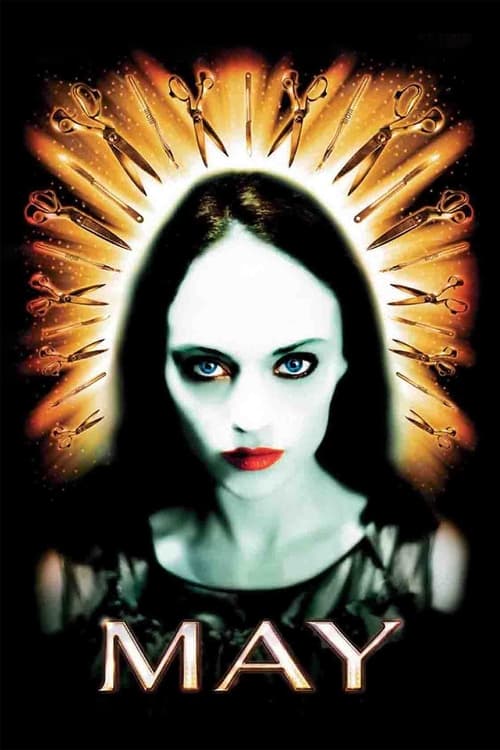
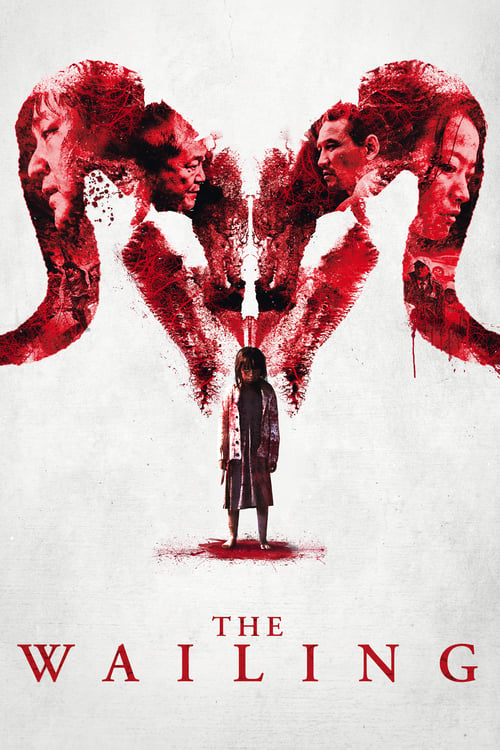
First Blood: Coming-of-Age That Does Not Comfort
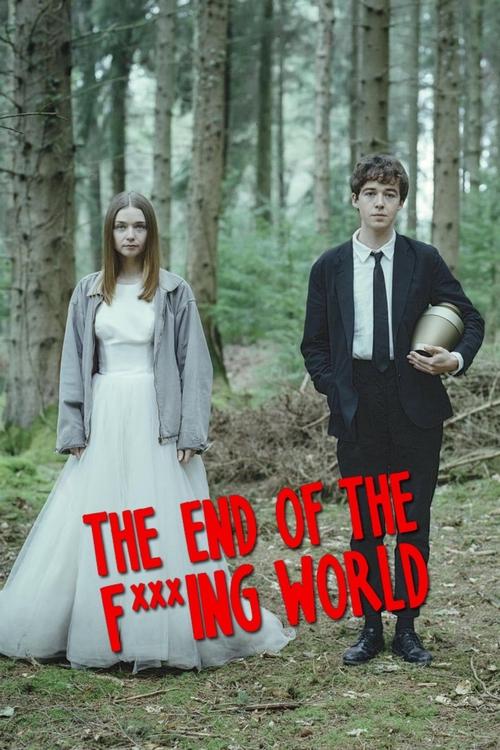
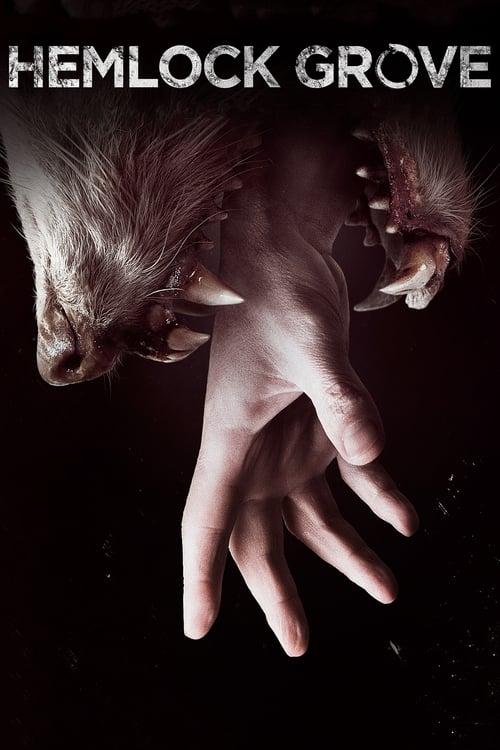
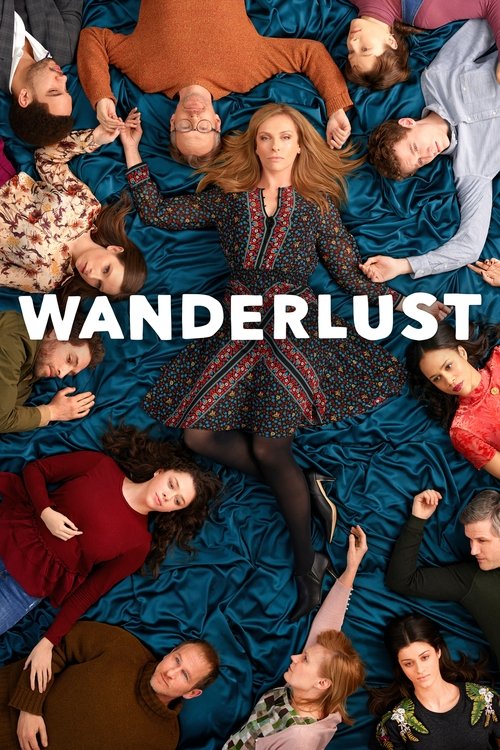
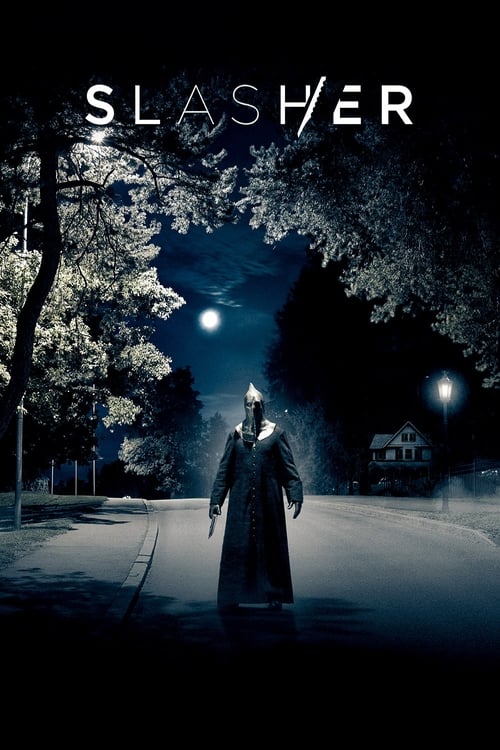
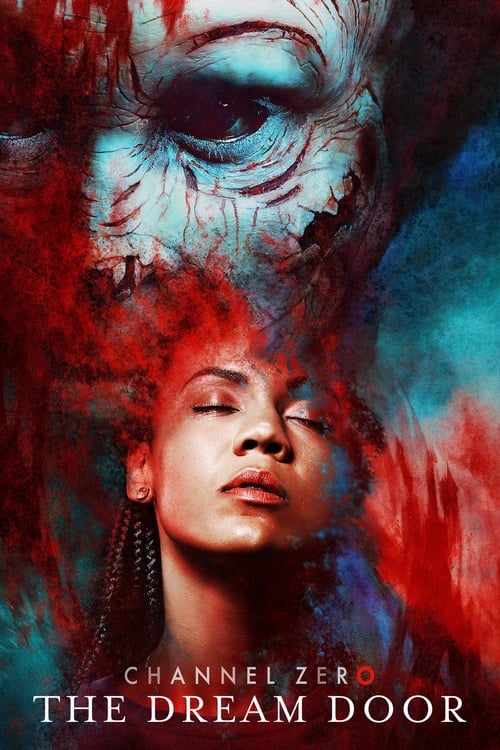
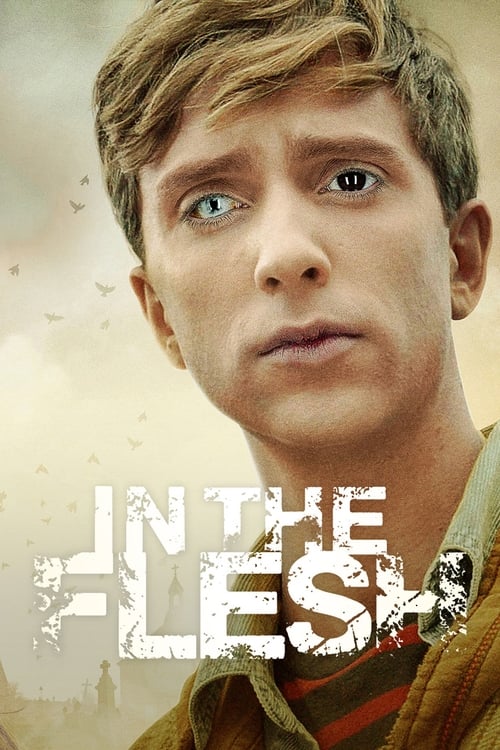
TV series that treat adolescent identity as something that can hurt you


Hunger as Philosophy
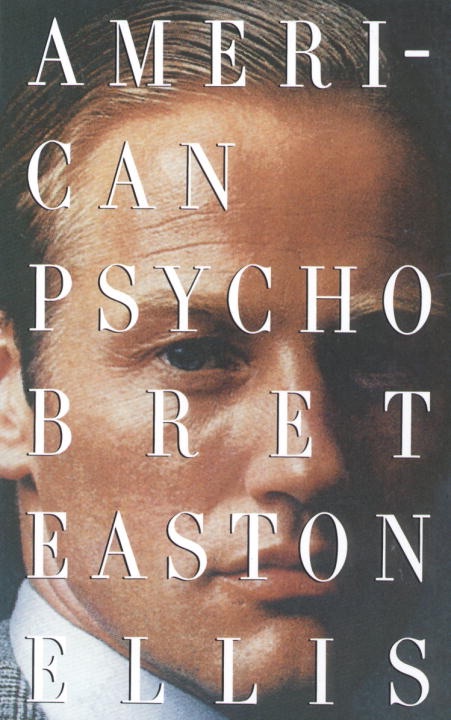
Books where appetite, carnality, or bodily transgression carry the full weight of the story


Eat or Be Eaten
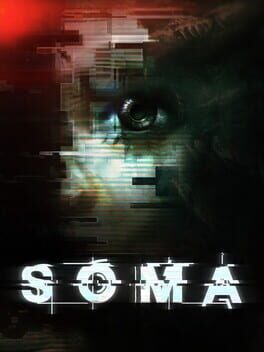
Games that weaponize body horror, survival instinct, or the cost of becoming something else


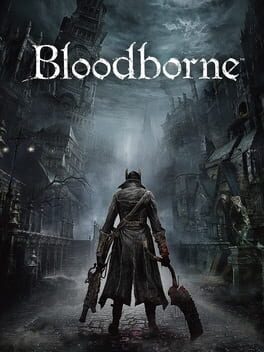

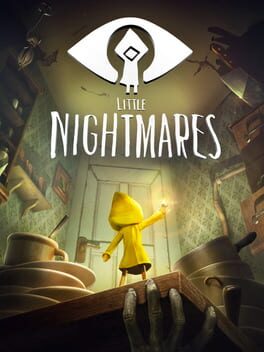

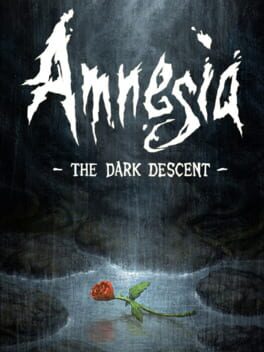

The Sound of Something Wrong
Albums that score the internal fracture: industrial unease, art-rock dread, visceral noise
The real subject is always initiation
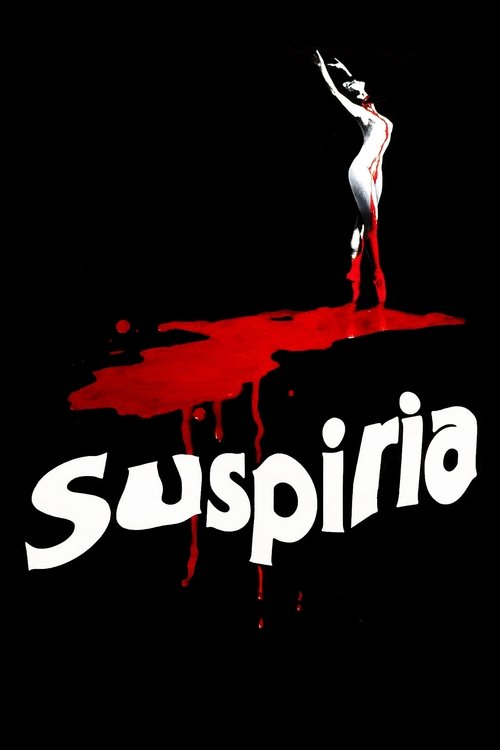
Every major work in this orbit is, at its core, a story about the ritual cost of entry into a group, a body, an identity. Veterinary school hazing in Raw, the fashion industry in The Neon Demon, the cult in Suspiria: the institution demands you give up something you did not know you valued until it is already gone. The horror is the price of belonging.
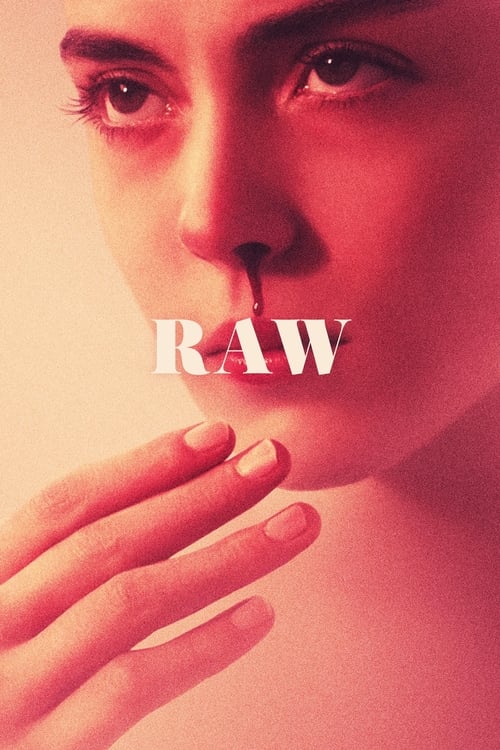
Ducournau is building a coherent mythology, not a filmography
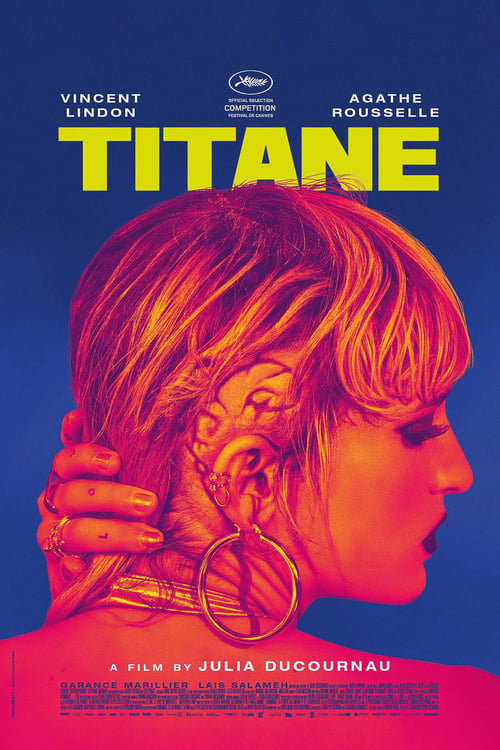
Raw and Titane are not two films that share a director's sensibility. They are two movements in a single ongoing argument about what the body is: not a container for a person but an entity with its own agenda, which may or may not align with the person living inside it. That argument has more to say, and watching Ducournau make it in real time is one of the rare pleasures in contemporary cinema.
Hannibal is the TV equivalent, and it is not a lesser one
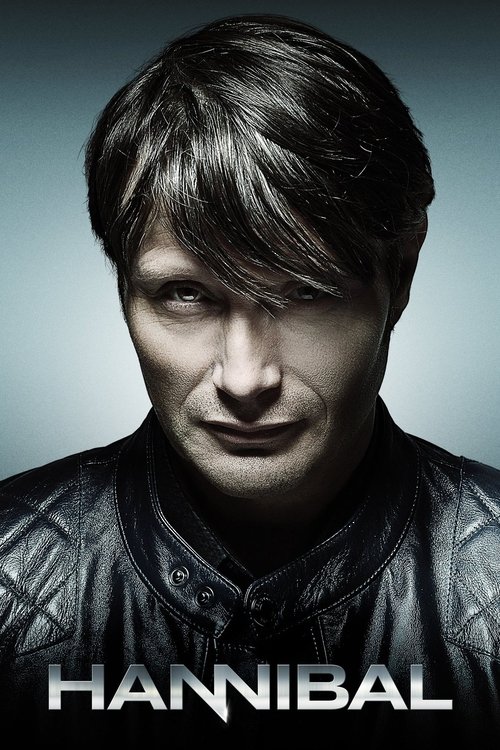
Bryan Fuller's Hannibal covers the same territory as Raw with a bigger budget and more seasons to build dread. The food is beautiful. The violence is baroque. The central relationship is a study in the way one person's appetite for another person can feel, from the inside, like love. It deserves a place on every Raw watchlist and rarely gets one because it arrived on network television.
Body Horror Cinema: A Rough Arc
- 1976Carrie establishes the adolescent body as a horror site Carrie
- 1981Cronenberg coins 'body horror' as a critical category Scanners
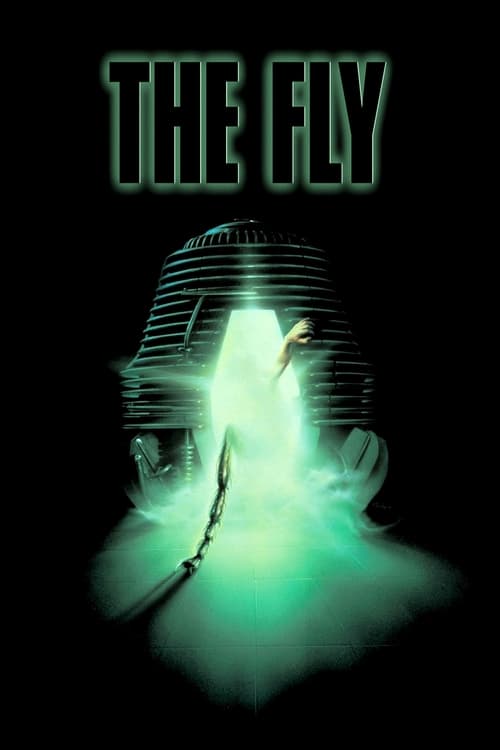
- 1986The Fly becomes the decade's definitive metamorphosis film The Fly
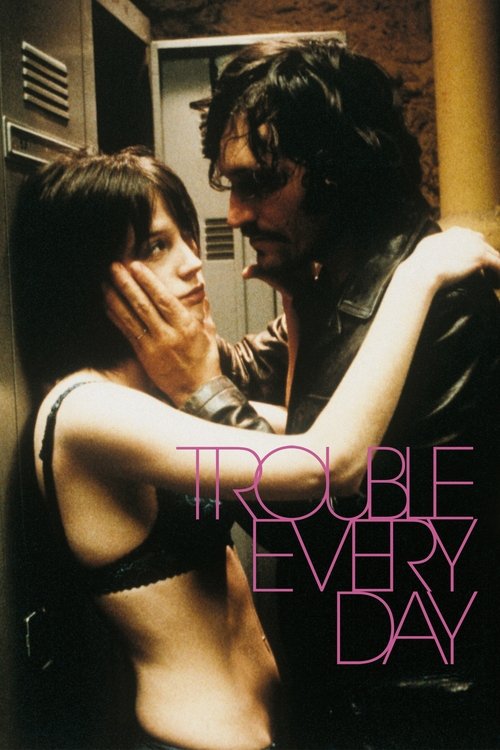
- 1999Trouble Every Day begins French extreme horror's international moment Trouble Every Day
- 2000Ginger Snaps maps lycanthropy onto puberty with surgical clarity Ginger Snaps
- 2008Martyrs raises the stakes for what European horror will attempt Martyrs
- 2016Raw premieres at Cannes, audience members faint, a new voice arrives Raw
- 2021Titane wins the Palme d'Or: body horror enters the canon's top tier Titane
The body is not a metaphor. It is the argument.The premise of nearly every film on this page