
Raymond Chandler did not invent the detective story. He reinvented it. Where the genre had been a puzzle to solve, Chandler made it a city to survive. Philip Marlowe, his wisecracking, incorruptible private eye, stalks a Los Angeles that glitters on the surface and rots underneath, and the pleasure is never just in finding out whodunit. It is in the sentences: hard, rhythmic, funny, sad. Chandler borrowed Dashiell Hammett's tough-guy machinery and tuned it into something approaching poetry. The fans who love him tend to love two things together: the prose style (those similes, that deadpan morality) and the atmosphere, a particular shade of American melancholy that crime fiction, film noir, and a certain kind of detective game have been chasing ever since.
Essential Raymond Chandler
The Philip Marlowe novels and the short fiction that built the template


Chandler on Screen: The Marlowe Adaptations
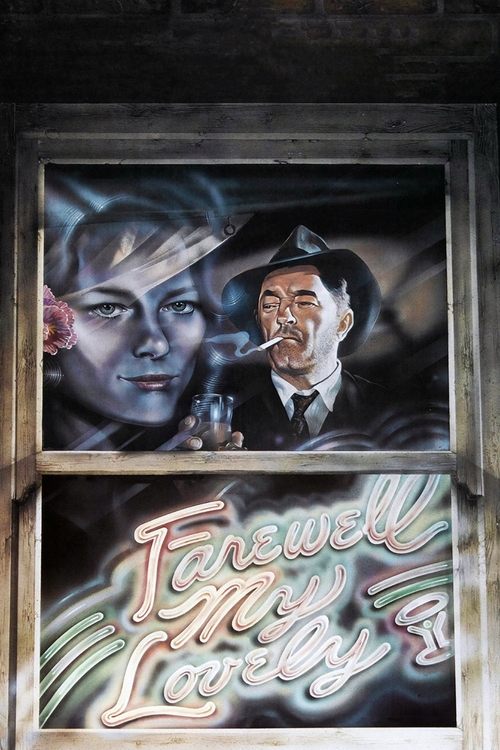
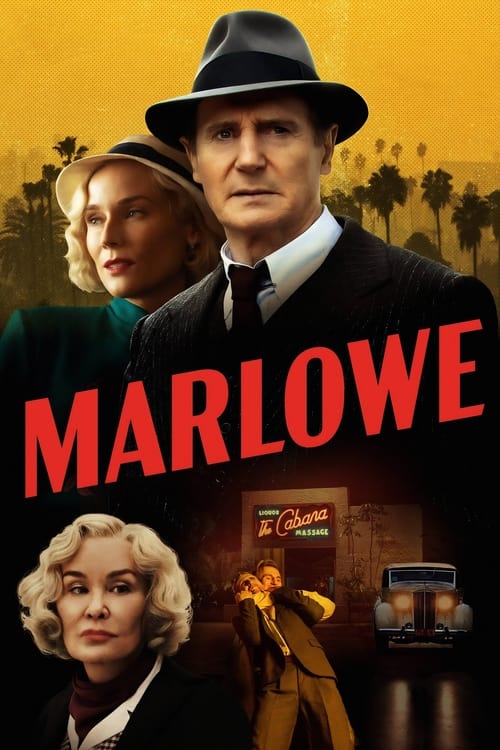
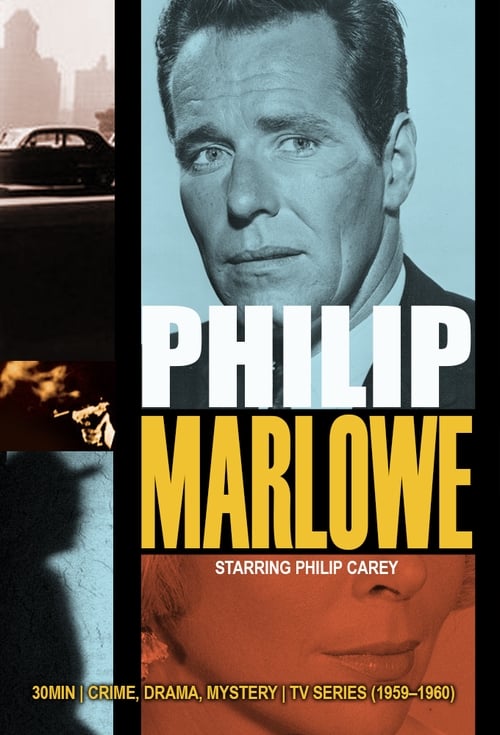
Hollywood fell hard for Marlowe: Bogart, Powell, Mitchum, and more
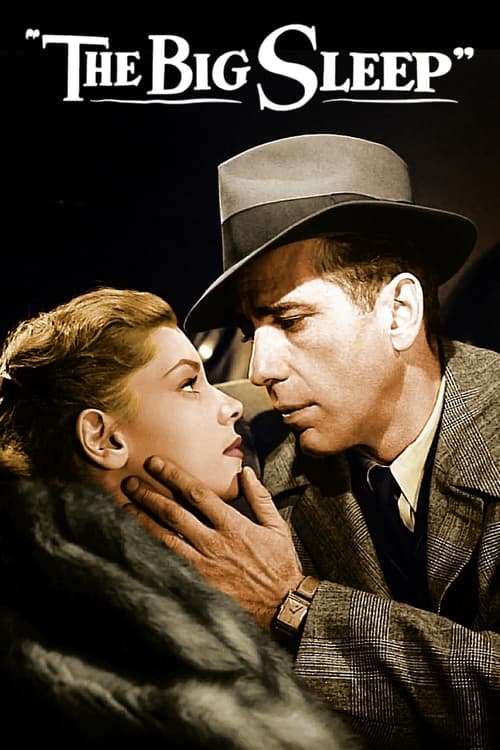
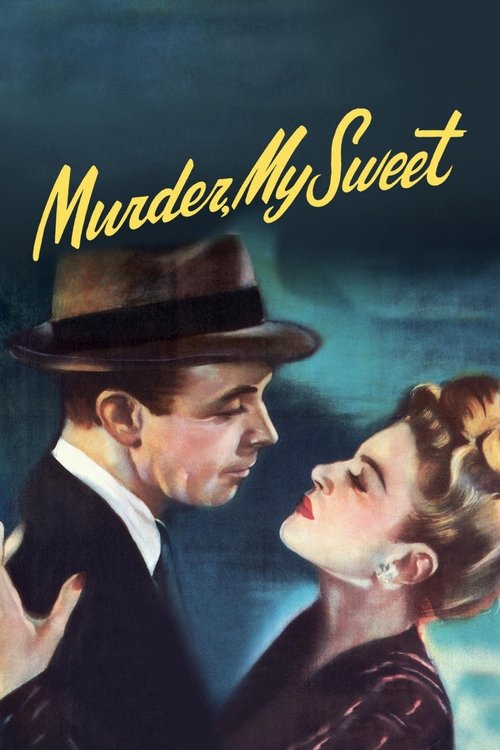
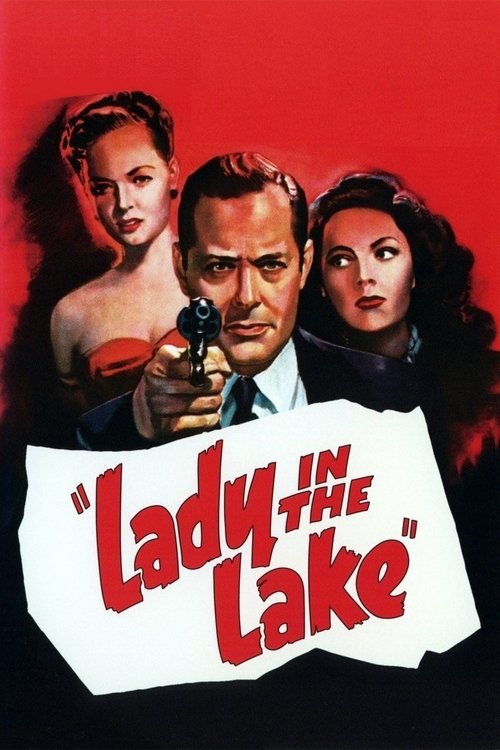
Classic Film Noir: The World Chandler Inhabited
The genre his screenwriting helped shape, from Double Indemnity to Chinatown
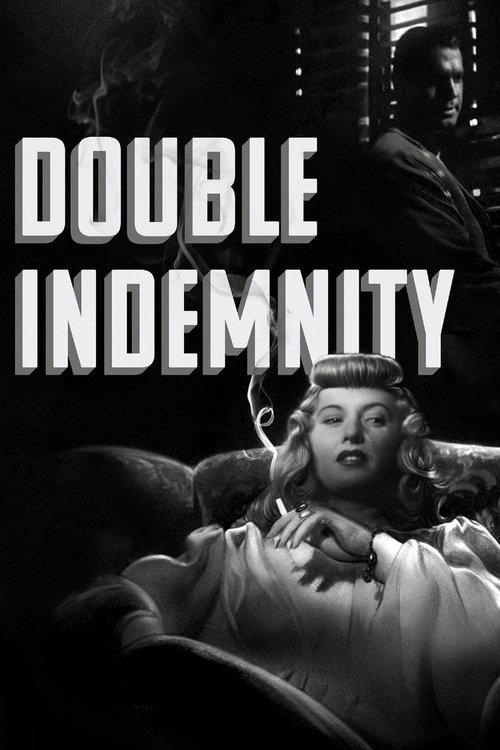
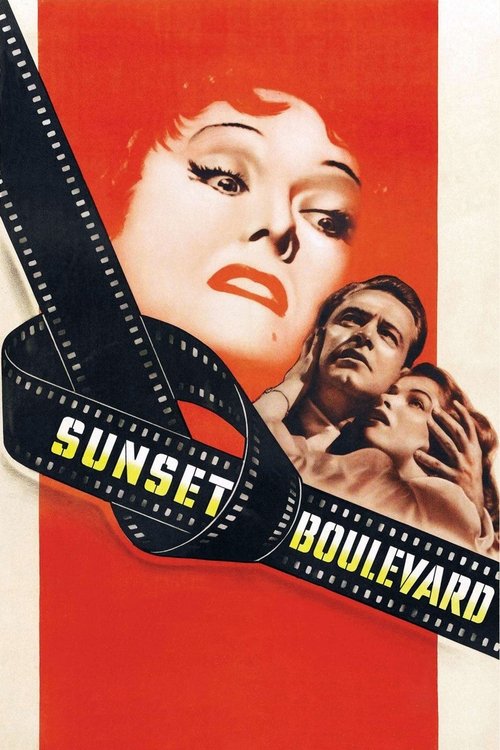

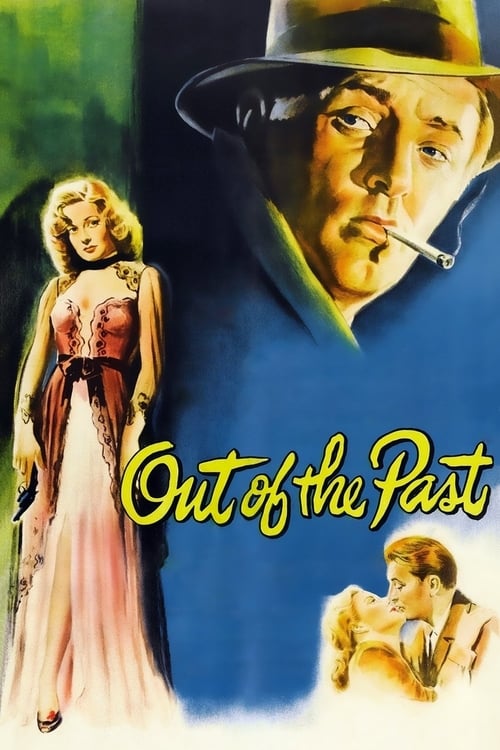
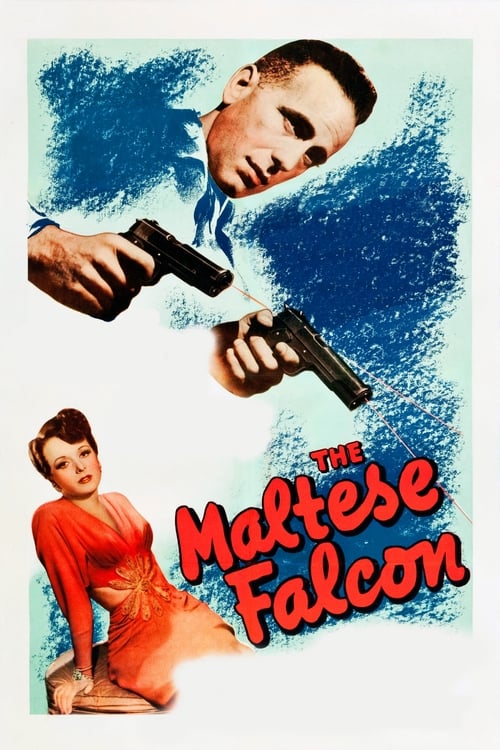
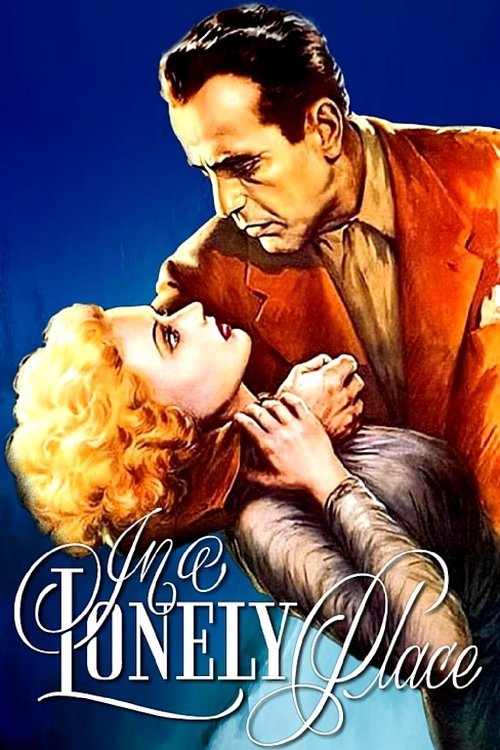
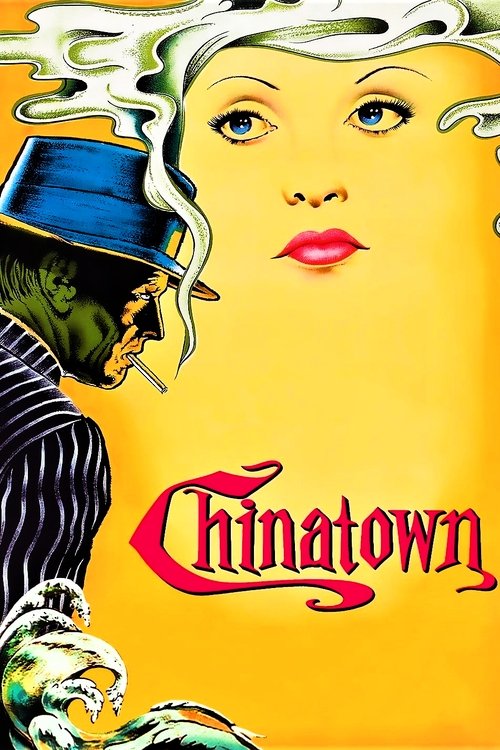
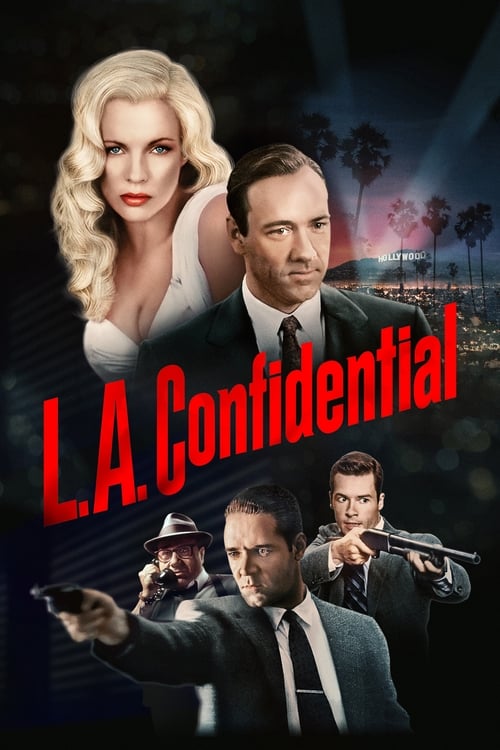
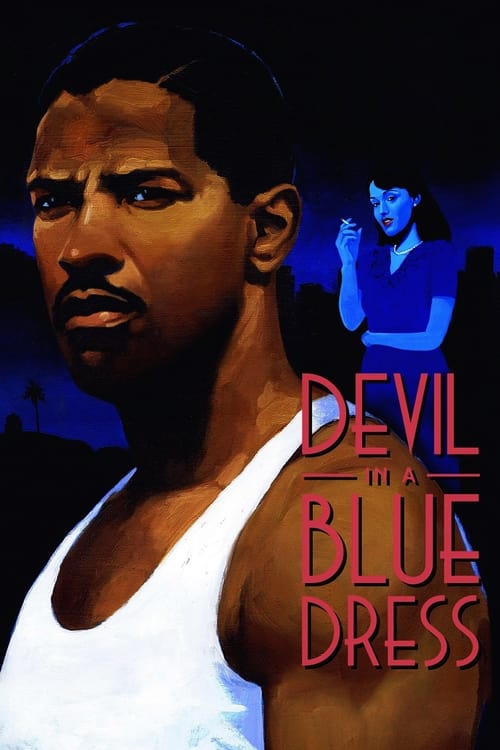

Neo-Noir and Detective Television
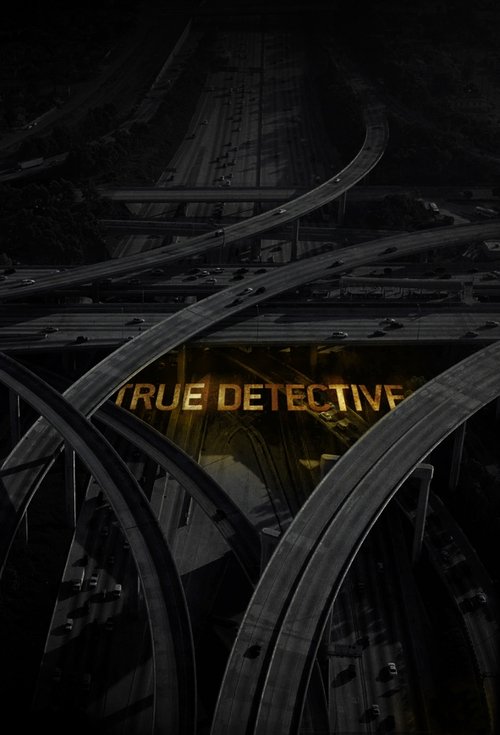
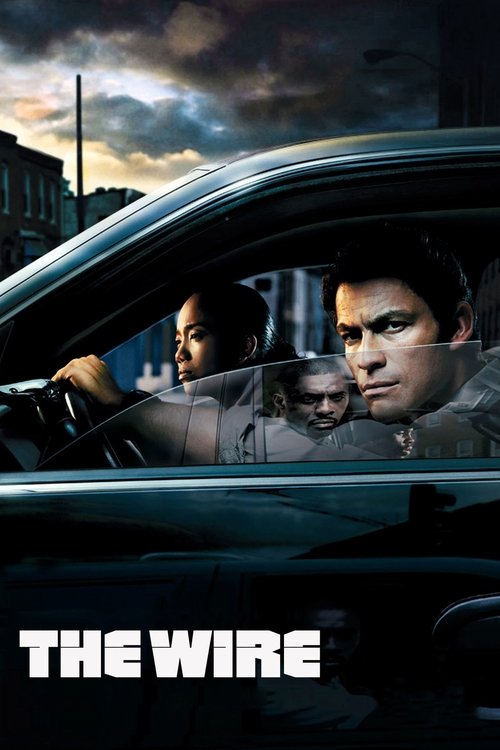
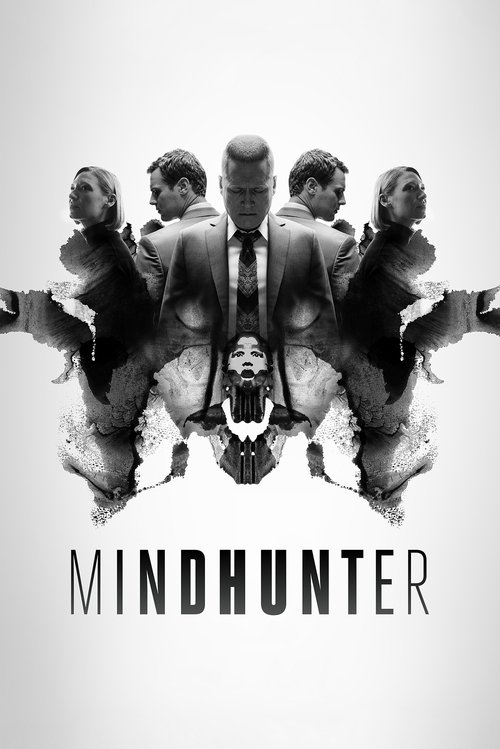
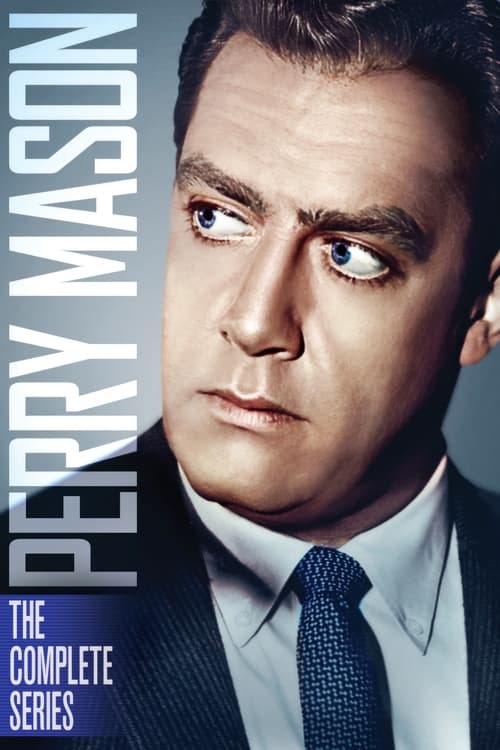
The Chandler DNA lives in every procedural that gives its detective a conscience





Hardboiled Crime Fiction: The Writers Who Walked the Same Streets
Hammett started it, Chandler defined it, and these writers carried it forward


Noir Games: Where Chandler's Shadow Falls on Interactive Fiction
Games that took the trench coat, the corrupt city, and the moral maze
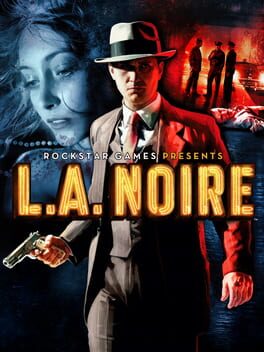
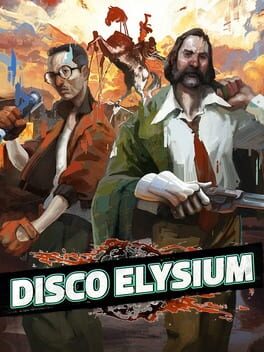

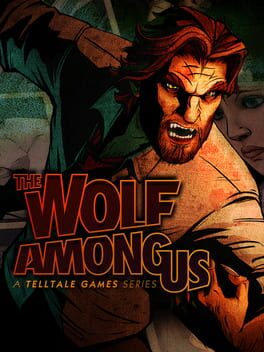
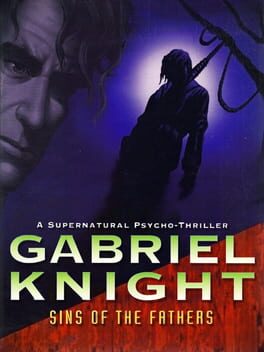
The Simile is the Point
Chandler famously said he wrote to keep Hammett honest, but what he actually did was prove that crime fiction could be literature on the sentence level. The plots in the Marlowe novels are notoriously tangled (Chandler himself could not remember who killed the chauffeur in The Big Sleep), but nobody cares. You read for the voice: a man who knows exactly how corrupt the world is and chooses to walk through it anyway, cataloguing its absurdities with sardonic precision. The style is inseparable from the ethics.
Disco Elysium is the Closest a Game Has Come
Disco Elysium takes nearly everything Chandler pioneered: the city as a moral landscape, the detective as a walking catastrophe trying to hold onto something decent, the interview as the primary dramatic unit, and the prose style as the game's deepest pleasure. It transplants all of it into a sui generis world and finds that the Chandler template is robust enough to survive the transplant. If you have read The Long Goodbye and want to know what Marlowe might have become in a lesser decade, Disco Elysium has an answer.
Altman's Long Goodbye is the Best Chandler Film That Feels Nothing Like Him
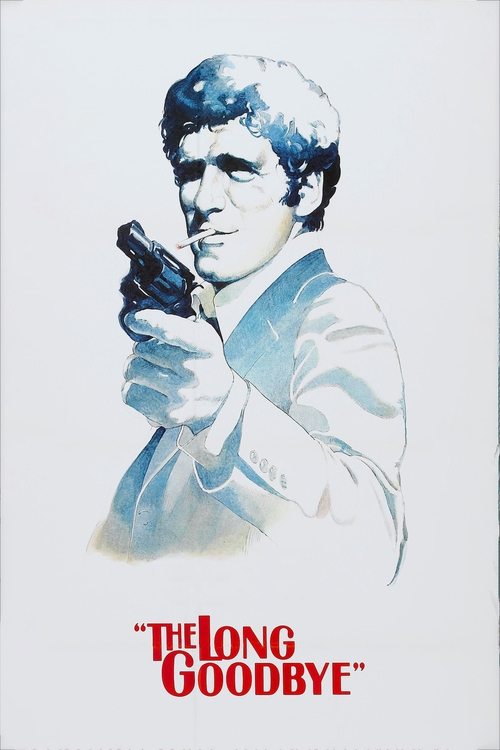
Robert Altman's 1973 adaptation of The Long Goodbye deliberately undermines every noir convention it can find: Marlowe is vague and mumbling, LA is sun-blasted instead of shadowy, and the film's attitude toward its hero borders on mockery. Elliott Gould plays Marlowe as a man from the 1950s who wandered into a decade that has no use for his code. It should not work as a Chandler adaptation. It is nevertheless one of the most interesting American films of its decade, and the ending hits harder than Chandler's novel does.
L.A. Confidential Finished What Chandler Started
James Ellroy's L.A. Confidential, and Curtis Hanson's 1997 film, take Chandler's city and strip away the romantic lone-wolf mythology. Instead of one incorruptible detective there are three cops, all compromised in different ways, colliding with a corruption so systemic it reaches the LAPD itself. It is Chandler with the nostalgia removed: Los Angeles as the original American lie, not just a backdrop for it. Both the novel and the film are essential reading for anyone who wants to understand what Chandler built and what it cost.
Chandler's Century
- 1933First story published in Black Mask magazine; the hardboiled voice begins
- 1939The Big Sleep published; Philip Marlowe arrives The Big Sleep
- 1940Farewell, My Lovely Farewell, My Lovely
- 1943The Lady in the Lake The Lady in the Lake
- 1944Double Indemnity screenplay (with Billy Wilder) brings Chandler to Hollywood Double Indemnity
- 1945Screenplay for The Blue Dahlia; Paramount period in full swing
- 1946The Big Sleep film with Humphrey Bogart The Big Sleep
- 1953The Long Goodbye published; widely considered his masterpiece The Long Goodbye
- 1959Chandler dies; Marlowe's world passes into cultural mythology
- 1973Altman's The Long Goodbye reframes the myth for the 1970s The Long Goodbye
- 1974Chinatown; the definitive post-Chandler noir Chinatown
- 1997L.A. Confidential: Ellroy and Hanson complete the circuit L.A. Confidential
- 2011L.A. Noire: Chandler's city rendered in three dimensions L.A. Noire
- 2019Disco Elysium proves the hardboiled detective is a universal form Disco Elysium
Noir streets and lone detectives
Film Noir & Neo-Noir
Explore the Film Noir & Neo-Noir guide →Down these mean streets a man must go who is not himself mean, who is neither tarnished nor afraid.Raymond Chandler, The Simple Art of Murder (1950)