
Raymond E. Feist built Midkemia in a university gaming campaign and turned it into one of the defining epics of modern fantasy. Across more than 30 novels spanning the Riftwar Saga and its many sequels, what drew readers in and kept them for decades was a specific feeling: the sense that history is enormous, wars are costly, and a farmboy-turned-duke-turned-near-god might still get in over his head. Feist writes power the way it actually accumulates: slowly, through alliance and loss and hard-won mastery rather than a single chosen-one flash. If you love the weight of that, the cross-media map below traces the same vein of epic fantasy craft through every medium.
Essential Raymond E. Feist
The Midkemia saga from its legendary opening to its ambitious close


The Game That Canonized the World
Betrayal at Krondor is one of fantasy gaming's finest hours, and its descendants carry the torch
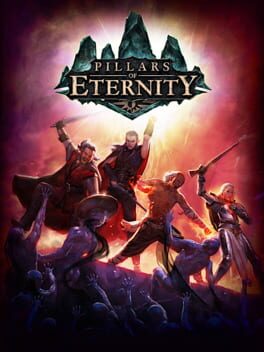
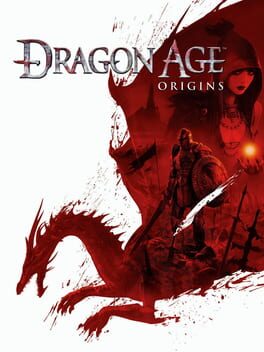

If You Love Feist's Sprawling Fantasy Worlds
Authors who share his gift for lived-in lore, political intrigue, and long-view series arcs


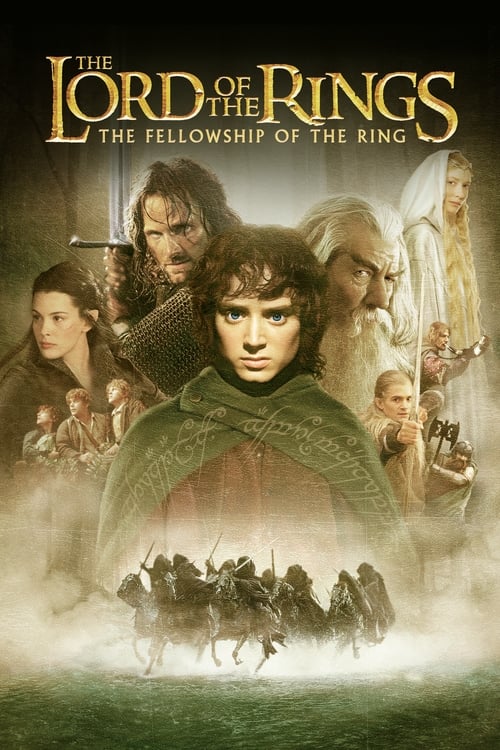
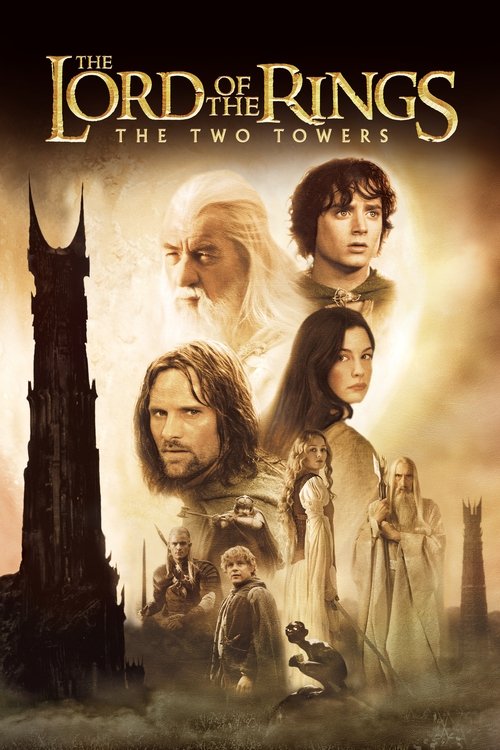
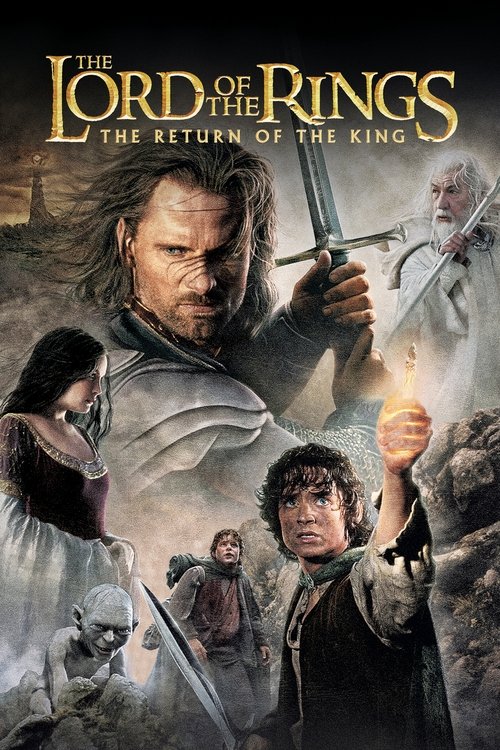
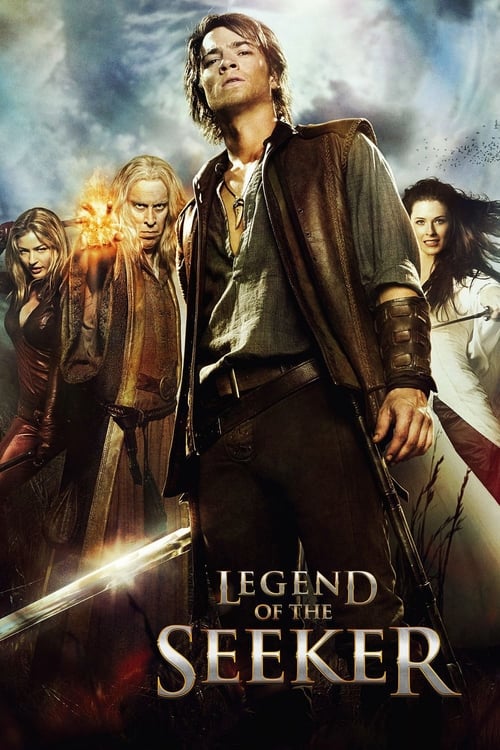
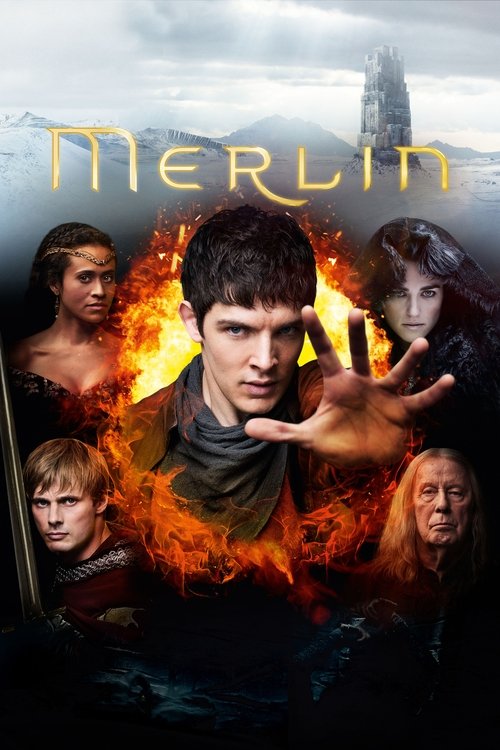
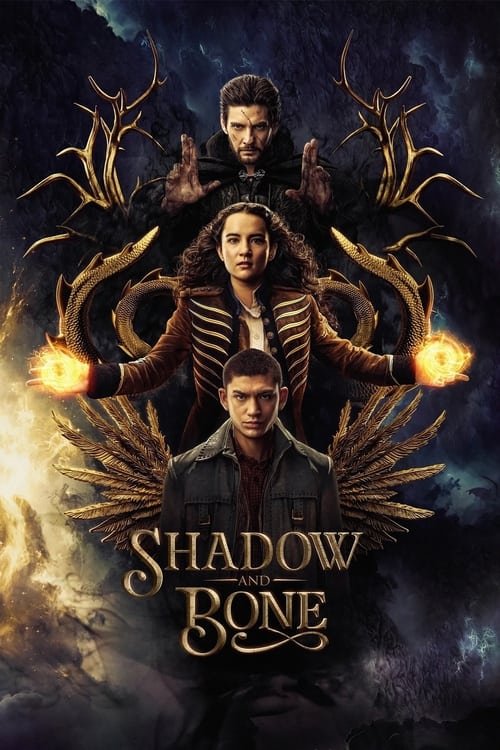
Epic Fantasy on Screen
Films and series that capture the same sense of a world larger than any single story


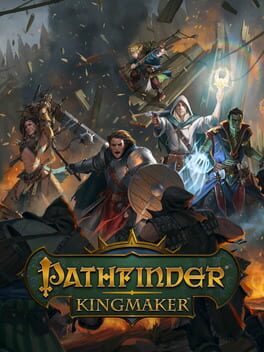
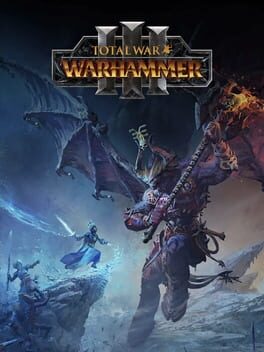
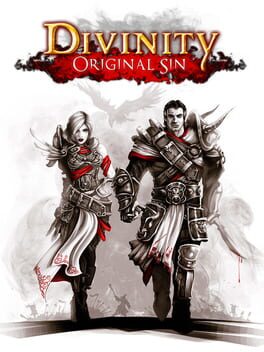
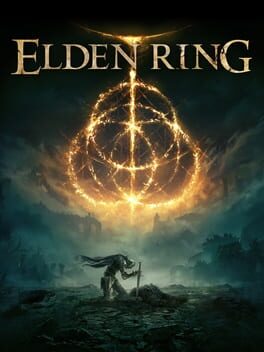
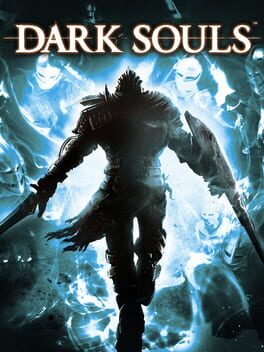
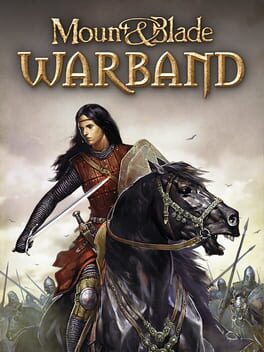
Siege, Strategy, and Sorcery in Games
For readers who want Feist's blend of tactical warfare and arcane power in interactive form

Magician is the rarest thing: a first novel that earns its ending
Feist wrote Magician as a university role-playing campaign, and it reads like one in the best possible sense: every battle has stakes, every loss is permanent, and Pug's ascent from kitchen boy to Great One feels earned across hundreds of pages rather than handed to him by prophecy. The Riftwar duology structure, farmboy prologue giving way to an inter-world war of attrition, was audacious in 1982 and still works. Few debut fantasy novels match its scope or its willingness to let time pass and take its characters with it.
Betrayal at Krondor set the bar for novelistic RPG writing
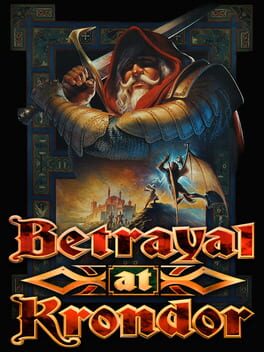
Adapting the Midkemia novels into a 1993 RPG should have produced a licensed tie-in curiosity. Instead, Feist co-wrote the game's dialogue and lore with such care that Betrayal at Krondor became one of the most praised RPGs of its era, praised specifically for prose and character rather than mechanics. The feat of making a companion like Gorath feel fully inhabited in an era of text boxes remains impressive. Feist later novelized the game, one of the only instances where the book and the game genuinely complement each other.
The Serpentwar Saga is where Feist found his darkest register
Shadow of a Dark Queen and its three sequels shifted the series from magical school and court intrigue toward something grimmer: near-annihilation, diminishing resources, and characters who are genuinely not sure the good guys will win. Erik von Darkmoor is a more grounded point-of-view character than Pug, and the Serpentwar gives Feist room to write logistics, desperation, and camaraderie under impossible pressure. Readers who want the same register in games will find it in Dragon Age: Origins, which shares the siege-until-you-break mood beat for beat.
Midkemia is a world where politics is as dangerous as magic
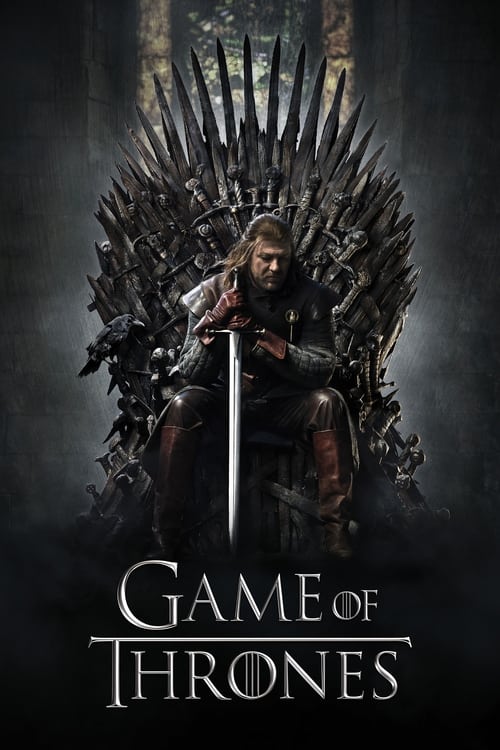
One of Feist's underappreciated decisions was to make the Conclave of Shadows and the Kingdom's court feel as threatening as any demon invasion. The Jimmy the Hand and Arutha storylines across multiple books function almost as political thrillers in fantasy costume: assassination plots, spy networks, and the knowledge that the wrong word in the wrong ear is as deadly as a sword. Readers who respond to that layer will find George R. R. Martin's work resonates for the same reason, and the HBO adaptation captures the same sense that institutions are as treacherous as monsters.
Midkemia and Beyond: Key Moments in the Feist Canon
- 1982Magician published, introducing Pug and the Riftwar The Magician
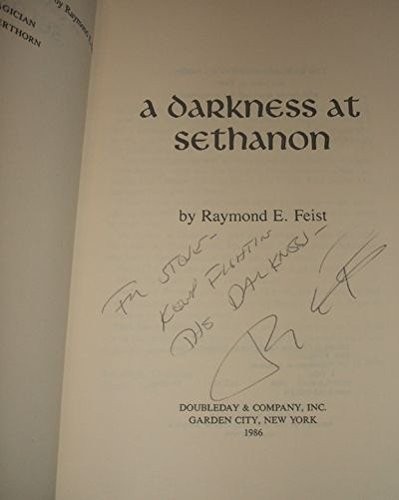
- 1985The Riftwar Saga concludes with A Darkness at Sethanon A Darkness at Sethanon
- 1988Daughter of the Empire co-authored with Janny Wurts launches the Empire Trilogy
- 1992Prince of the Blood expands Midkemia beyond the Kingdom of the Isles
- 1993Betrayal at Krondor released, a landmark RPG co-written by Feist Betrayal at Krondor
- 1994Shadow of a Dark Queen begins the darker Serpentwar Saga
- 1998Return to Krondor follows up the acclaimed original game
- 1999Feist novelizes Betrayal at Krondor as Krondor: The Betrayal
- 2002The Conclave of Shadows trilogy begins a new Midkemia arc
- 2012A Kingdom Besieged opens the Chaoswar Saga, the final arc
- 2013Magician's End concludes the entire Midkemia saga after 30 years
Epic fantasy, magic, and sieges
Epic Fantasy
Explore the Epic Fantasy guide →Feist understands that the best epic fantasy is not about the size of the world but the cost of saving it.CrossBinge Editors