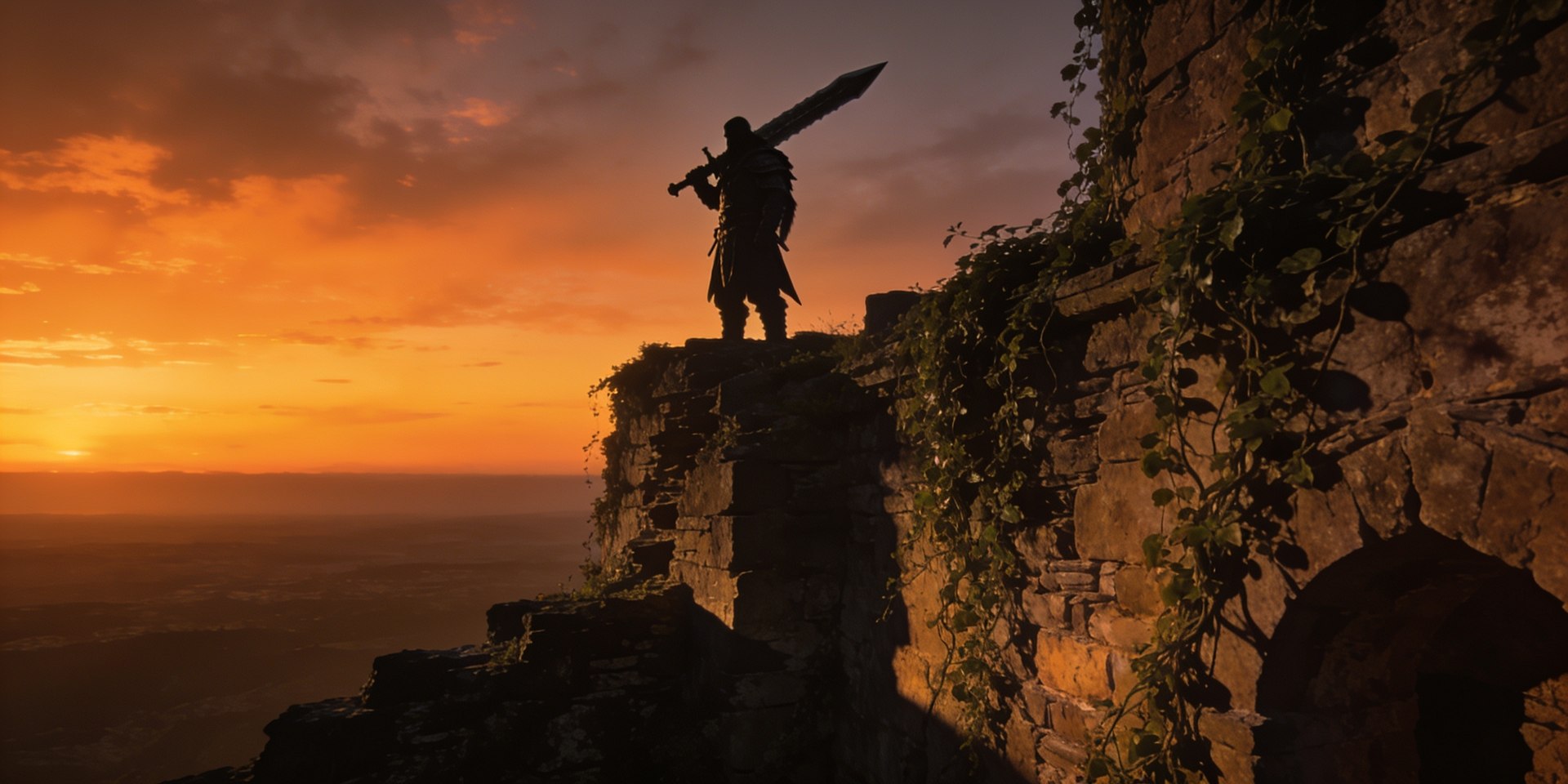

Sword and sorcery is the genre that refuses to save the world. Its heroes are thieves and wanderers, barbarians with no kingdom to protect and no prophecy to fulfill. They fight because someone hired them, or insulted them, or because the treasure was there. The magic they face is real and wrong, something to be cut through rather than mastered. Robert E. Howard invented this in the pulp magazines of the 1930s with Conan the Cimmerian, and Michael Moorcock twisted it into something darker with Elric: the doomed albino prince whose cursed sword drinks souls.
The genre has one great strength above all the high-fantasy neighbors that share its shelf: it never blinks. The hero bleeds. The villain wins sometimes. The treasure is not worth what it cost. That honesty, that refusal of comfortable rescue, is why sword and sorcery outlived the pulps and colonized film, games and manga alike.
Essential sword and sorcery
The works that defined the genre across every medium, from Howard's pulps to FromSoftware's labyrinthine hells.




The one that set the mold
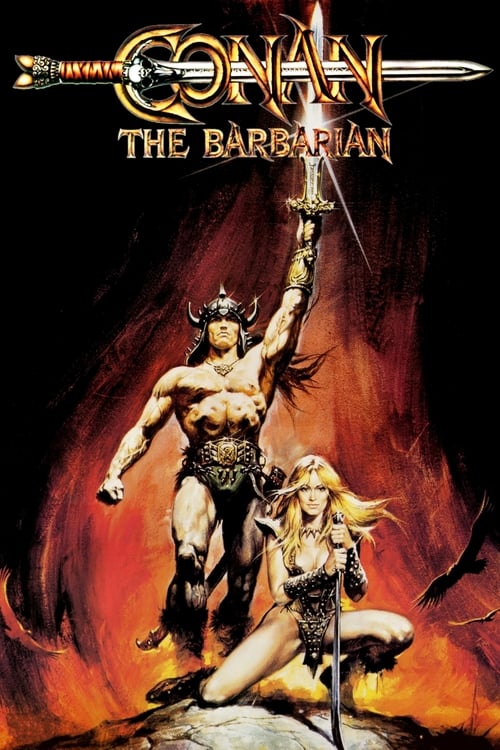
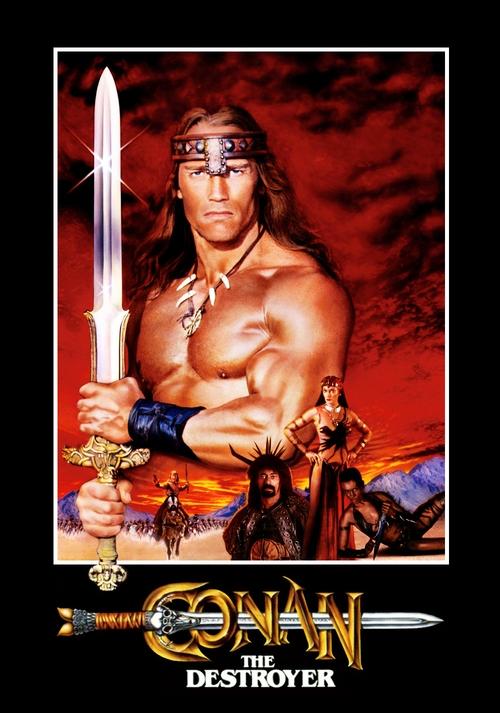
John Milius's Conan the Barbarian (1982) is a strange and serious film that nobody expected and the genre never quite matched. Arnold Schwarzenegger barely speaks. The score by Basil Poledouris thunders and mourns like a lost religion. Conan's father is killed before the opening credits and the whole film is a slow reckoning with that violence, dressed in Frazetta oils and Howard's prose rhythms. It is, unexpectedly, one of the most philosophically earnest action films ever made.
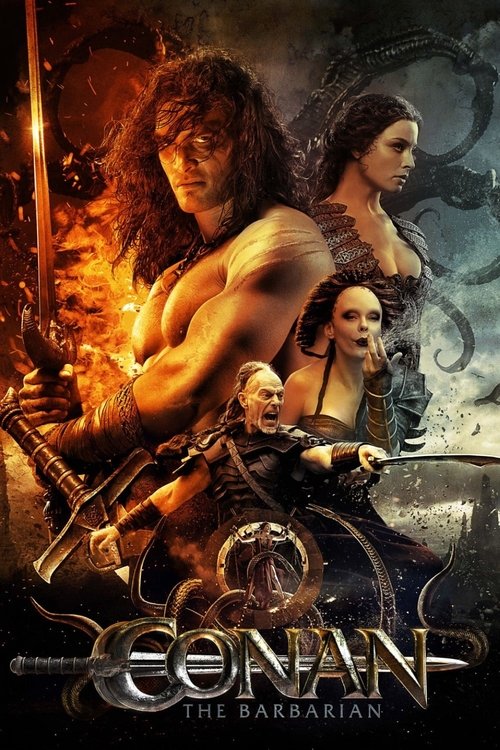
The 2011 remake proved what the 1982 original proved backward: this material requires weight. Fast is not enough.
Steel and spectacle: the films
The full sword and sorcery cinema canon, from the earnest to the gloriously trashy.
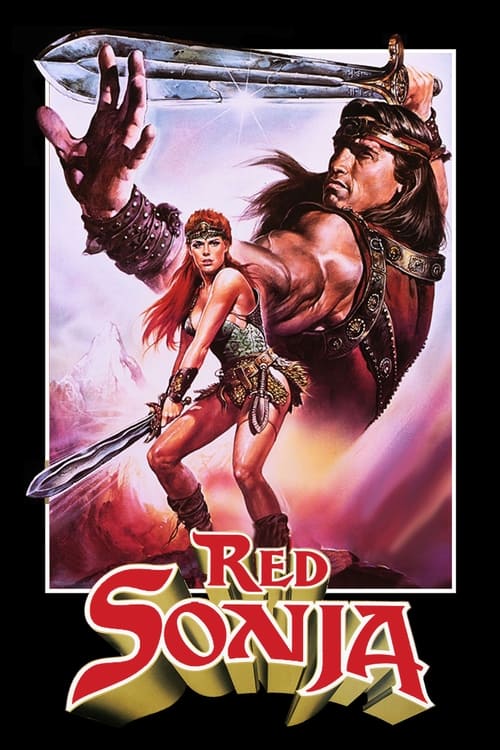
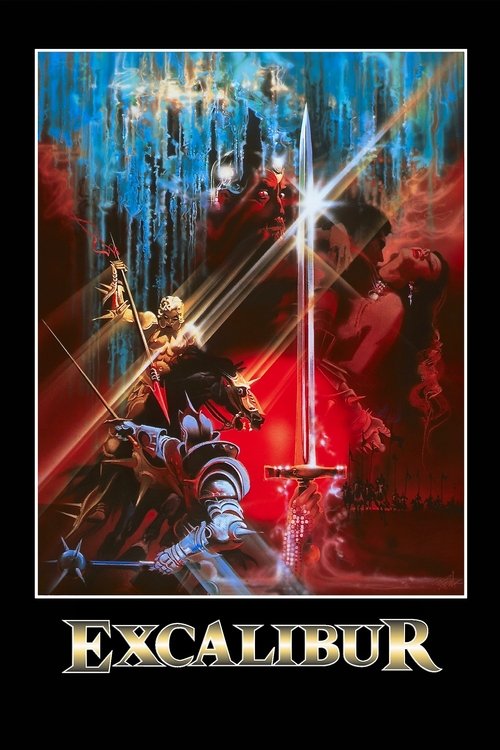
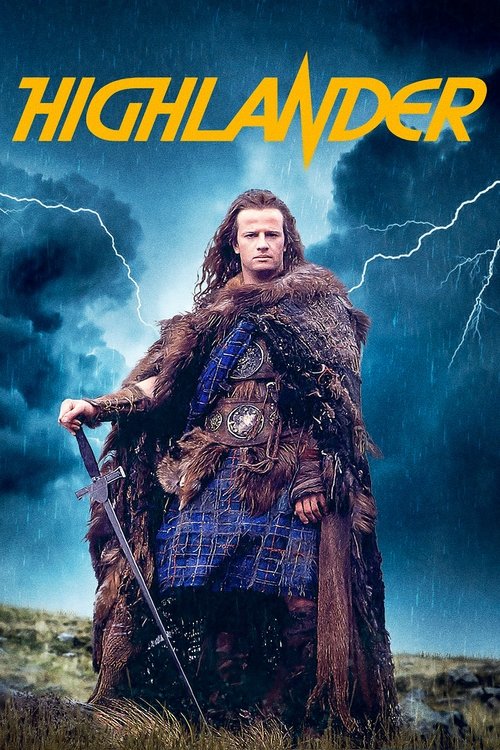
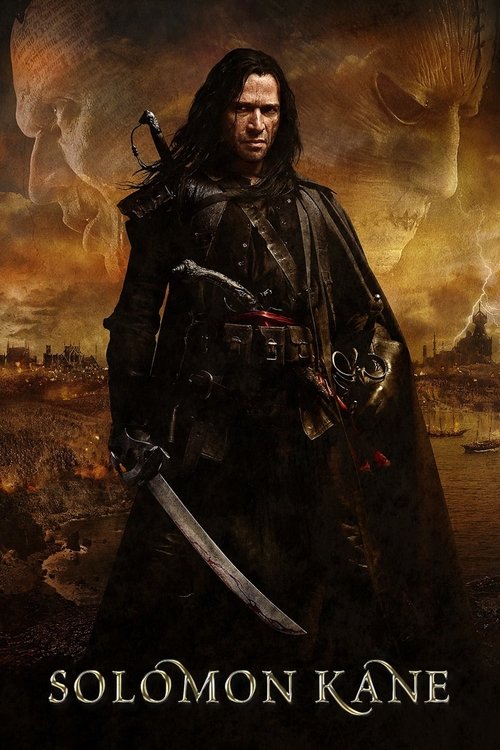
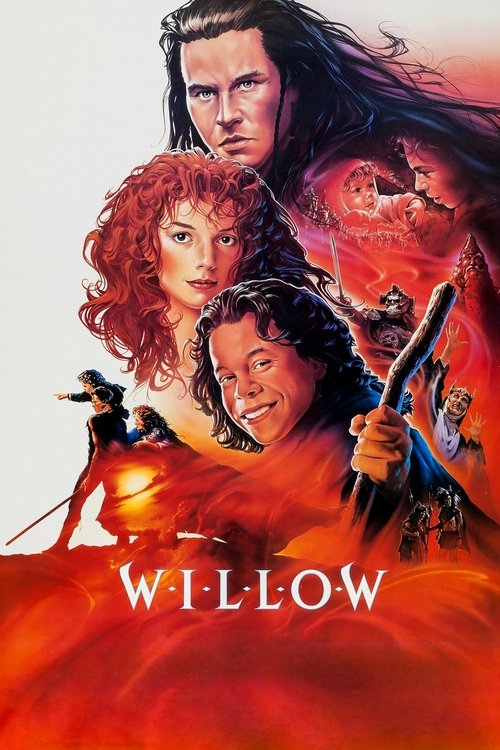


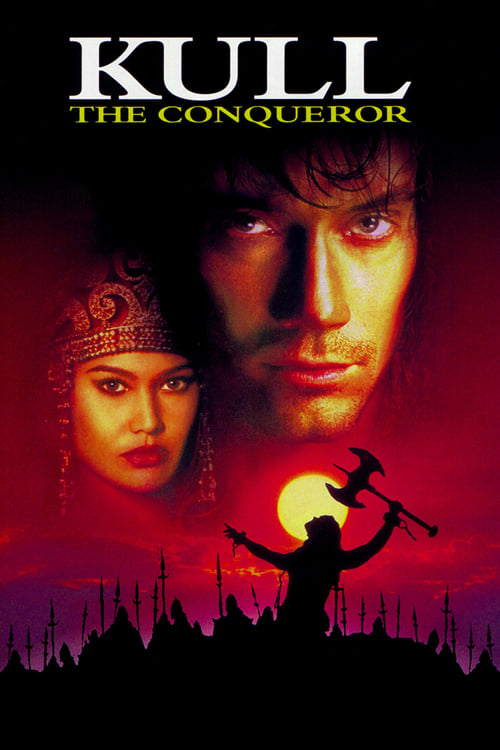
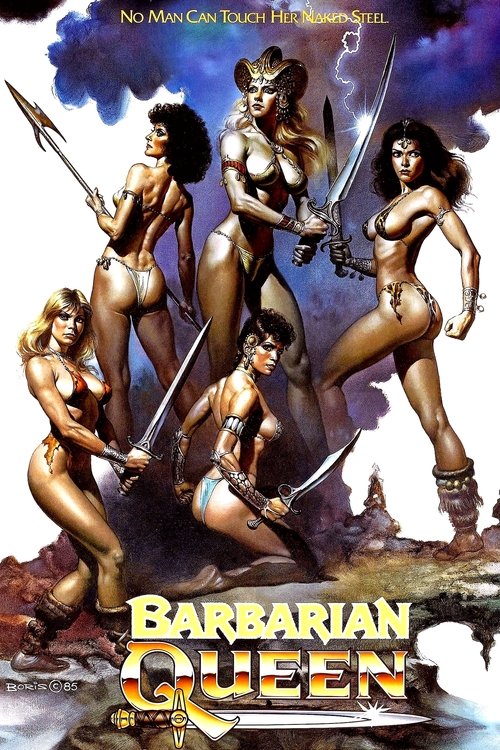
The Barbarian Boom
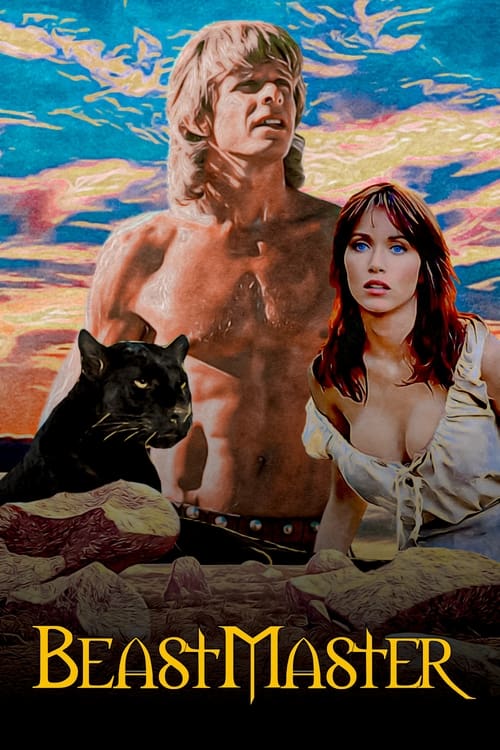
The early 1980s produced a small avalanche of sword and sorcery films, most of them shot fast in Spain or Italy on tiny budgets, nearly all of them fronted by enormous men in leather armor. The category is real: Roger Corman's machine, Cannon Films, Italian genre directors working the Conan wave. A handful transcend the era. Krull is genuinely odd in ways that reward revisiting. Fire and Ice, rotoscoped in Ralph Bakshi's studio, is an animated Frank Frazetta painting made to move. Hawk the Slayer is British and proud of its cheapness. Most of the rest are Deathstalker, and the world needed exactly one Deathstalker.
Die, repeat, conquer: the games
FromSoftware turned S&S into a game design philosophy. Diablo made it an addiction.
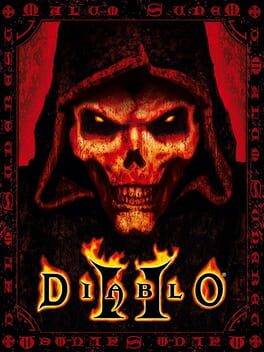
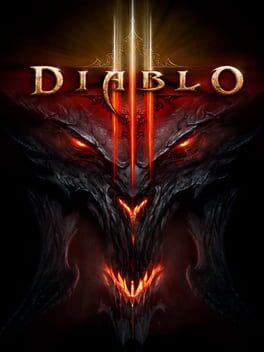
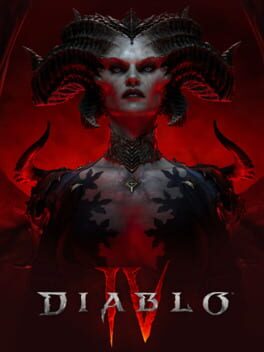
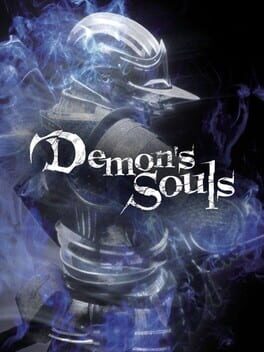
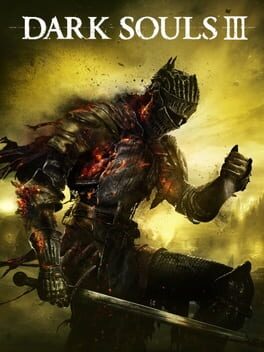
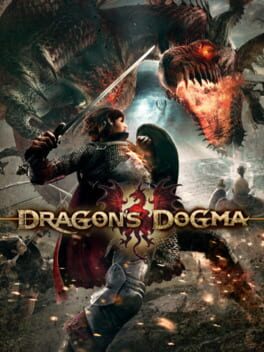
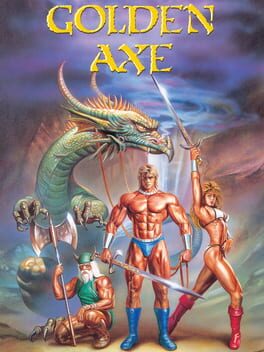
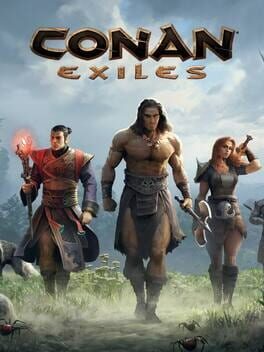
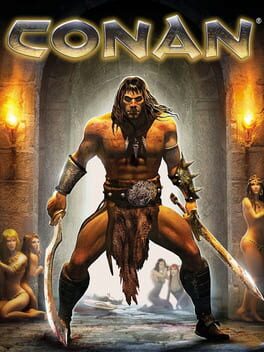
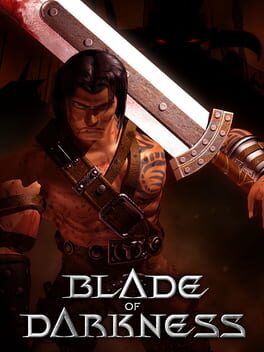
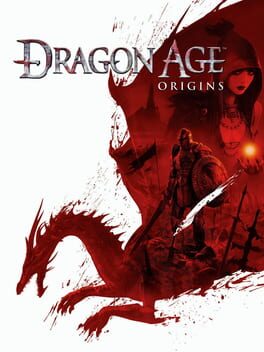
FromSoftware did not invent this genre. It reinvented it.
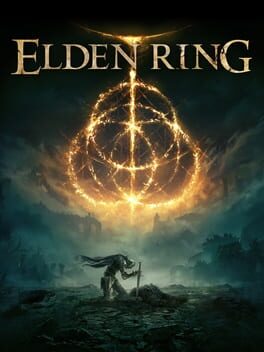
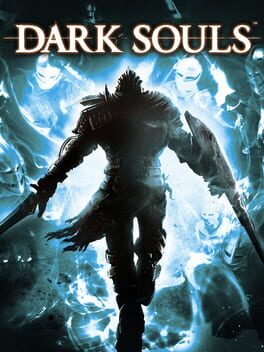
Dark Souls (2011) arrived carrying an argument: that the pulp S&S formula of lone warrior against overwhelming odds could be a game mechanic, not just a setting. Die. Study. Die again. The pattern Howard gave Conan in story after story (enter dungeon, miscalculate, retreat, regroup, overwhelm) is exactly the FromSoftware loop. Elden Ring opened it to a world built from Kentaro Miura's and Howard's visual DNA: fog-shrouded ruins, grotesque bosses, eldritch weapons that cost the wielder more than they admit.
No dungeon crawler, not Diablo at its peak, has matched the genre's core bargain this precisely: the odds are unfair, the loot is power, and dying is part of the contract.
The animated warriors
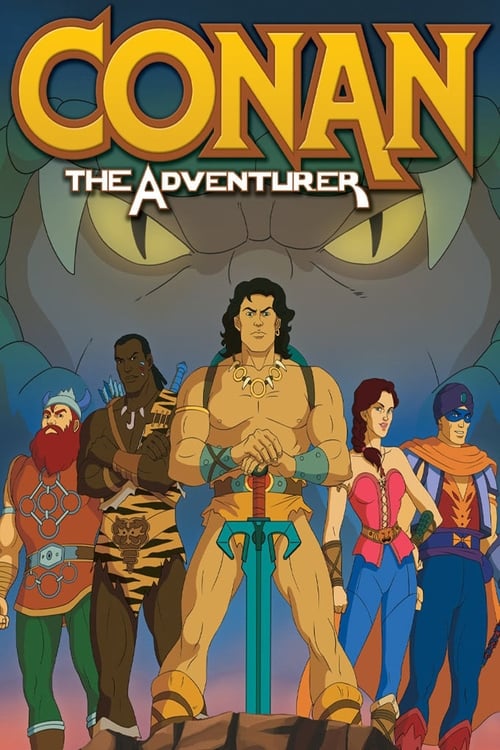
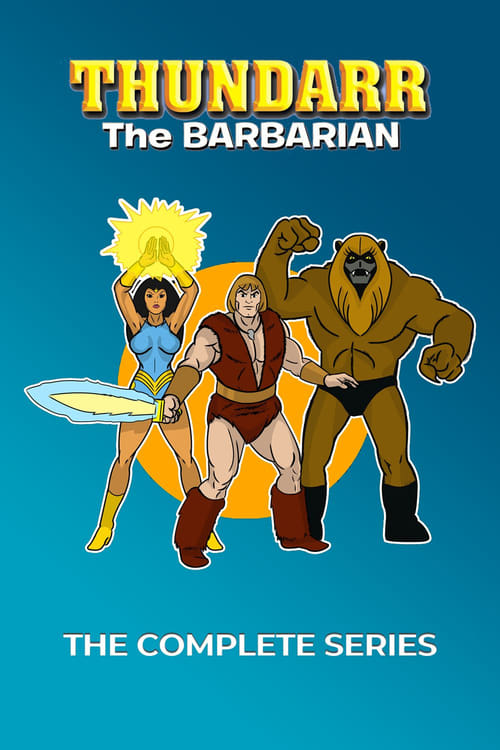
Sword and sorcery on TV, from Saturday-morning cartoons to anime that takes the genre seriously.
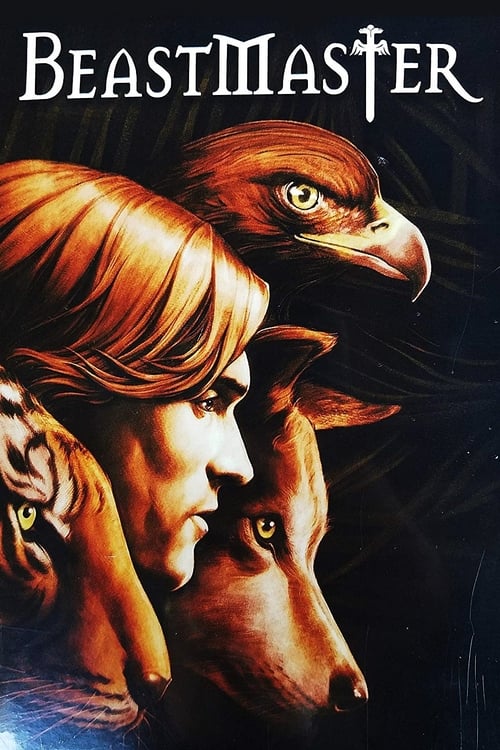
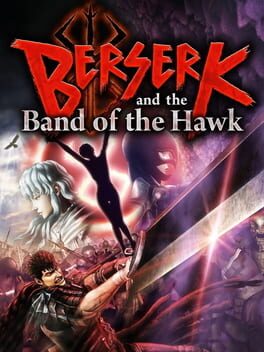
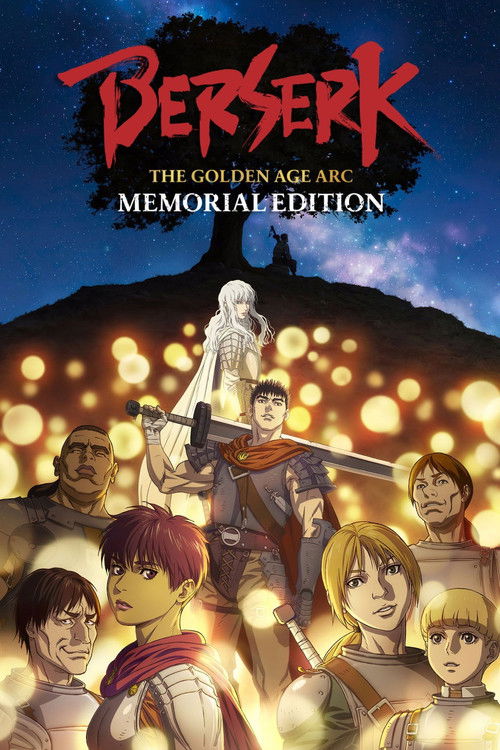
Berserk changed the ceiling
Kentaro Miura began serializing Berserk in 1989 and kept at it for 30 years, producing what is by any measure the most sustained and serious work in the sword and sorcery tradition. Guts, the Black Swordsman, carries a sword the size of a man because no human-scale weapon can hold the rage the story requires. The manga is where the genre finds its full moral dimension: not adventure, but the price of surviving adventure. The anime adaptations are uneven, but the source material is untouchable.
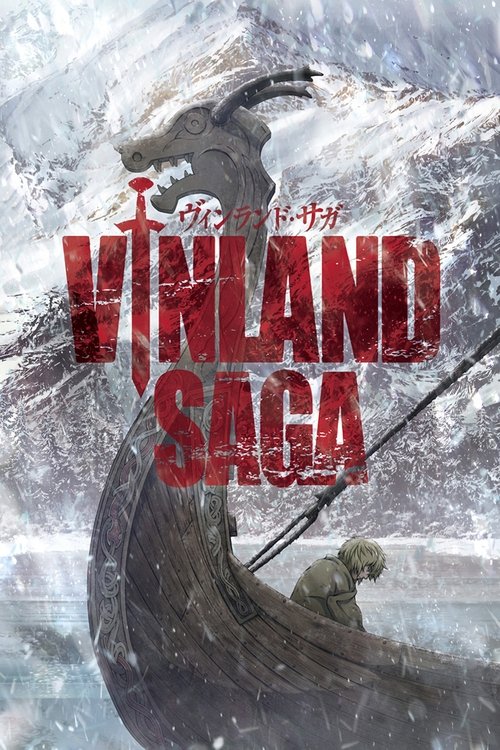
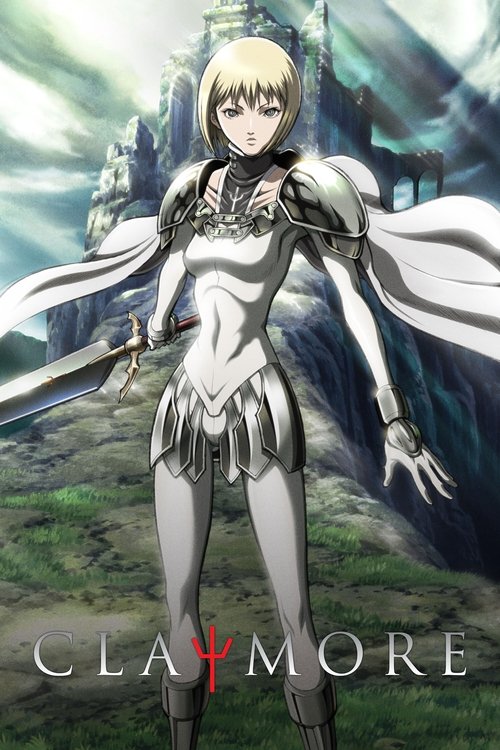
Vinland Saga and Claymore pursued the same ambition from adjacent angles: one into Viking brutality and the slow renunciation of violence, the other into a world of half-demon monster slayers who barely hold themselves together.
The doomed albino versus the victorious Cimmerian
Robert E. Howard's Conan survives everything, because Howard needed him to survive into the next story, and because Howard believed fundamentally that competence and will could beat the universe. Michael Moorcock's Elric is the inversion: an albino emperor who cannot survive without the soul-drinking sword Stormbringer, which kills everyone he loves.
The Elric books are not better than the Conan stories, but they are darker and in some ways more honest about what it means to be the person the genre keeps placing at its center. The catalog has both. Start with Howard; then read Moorcock to feel the floor drop out.

The pulp shelves
The books that built the genre and the manga that rebuilt it for a new century.


Where Highlander fits (and where it doesn't)
Highlander (1986) is not strictly sword and sorcery. It has immortals, not sorcerers; Scotland, not Hyboria; a Queen soundtrack instead of Poledouris brass. But it belongs here because it takes the S&S premise at its most stripped-back and commits completely: one man with a sword, centuries of violence, a prize that can only go to the last one standing. The film is absurd and beautiful and manages genuine melancholy. The sequels are not subject to this guide's protections.
God of War (2018) earns similar consideration: it is action-adventure wearing S&S like a skin, and Kratos's late-career Scandinavian pivot is the most interesting thing that happened to the genre in the 2010s.
The deeper cuts
For when the canonical titles are behind you: the films, games and anime that reward the serious fan.
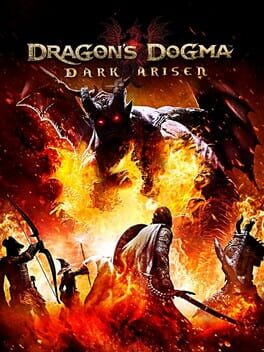

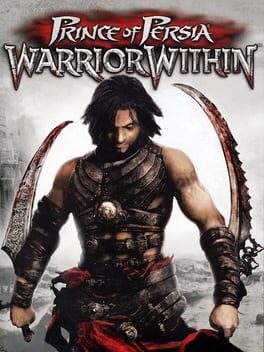
The music of Hyboria
Basil Poledouris scored the 1982 Conan film and produced one of the great fantasy soundtracks: massed male chorus, thundering brass, barely any strings, nothing that sounds like rescue is coming. It works as a standalone album and has been used, without credit, as an informal genre template ever since. The sword and sorcery soundtrack does not soar: it hammers.
The sound of steel
Soundtracks and albums that carry the weight of the genre: the thundering brass of Hyboria, the dread of Diablo's hells, the furious riffing of fantasy metal.
More worlds of steel and spellcraft
Dark Fantasy
Explore the Dark Fantasy guide →Conan does not have a destiny. He has ambition, hunger and the ability to hit harder than the thing trying to kill him. That is the entire argument of sword and sorcery, and it has not aged a day.