
Reload (1997) is the album Metallica made when they decided that being the biggest metal band on earth was not enough: they wanted to be the biggest rock band on earth, full stop. Produced again by Bob Rock, it shed the last traces of thrash velocity in favor of slower, groovier riffs, Southern-blues inflections, and big-room dynamics that could fill any stadium. Critics who came for Master of Puppets felt betrayed. Radio programmers could not believe their luck. The fans who stuck around, or who came in through The Memory Remains and Fuel, chased something specific: heavy music with melodic breathing room, a cinematic sense of scale, and a willingness to let a song take its time. That is the thread running through everything here. If you love the way Reload settles into a groove and refuses to hurry, you will find the same quality in the records, films, series, and books collected below.
Essential Metallica
The albums that trace the full arc, from the thrash peak to the radio-rock reinvention.
Same Groove, Different Names
Albums by other artists that share Reload's heavy-but-melodic, mid-tempo arena sensibility.
Load and Reload are one album, and the sequencing matters
Metallica recorded roughly 27 songs in the same sessions and split them across two releases a year apart. Heard back to back, they function as a single 90-minute statement: a band deliberately burning its own past to see what survived the fire. Treating them separately, as commercial product, misses the point. The blues guitar tones, the Tom Waits collaborations, the The Memory Remains video with Marianne Faithfull: these are not detours. They are the destination.
Films and Series with the Same Weight
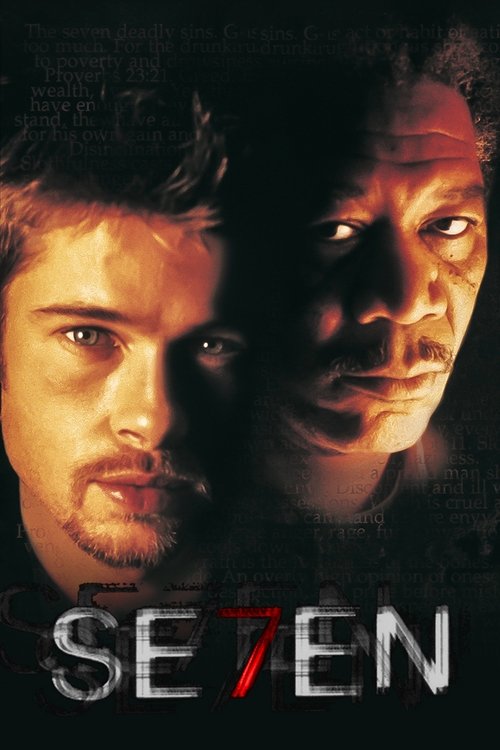
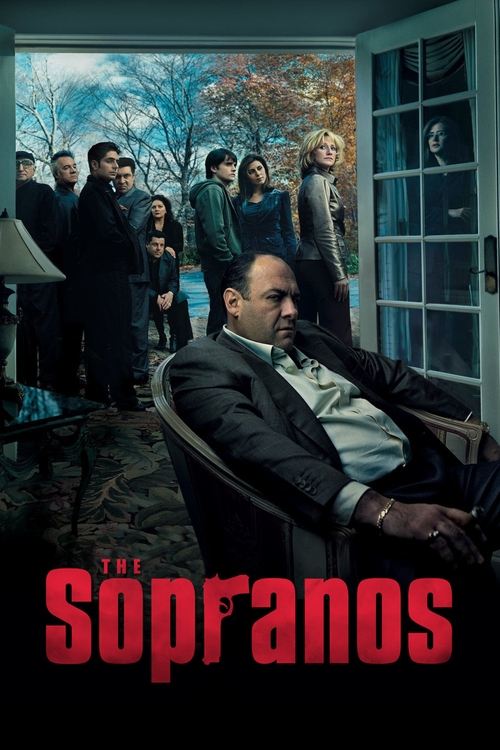
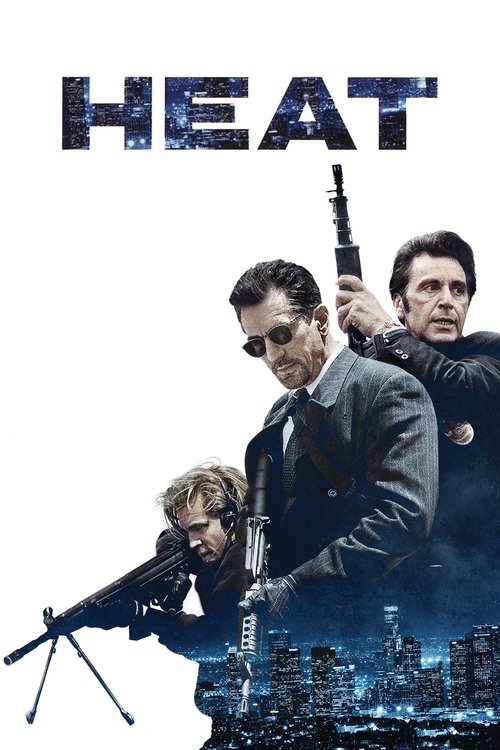
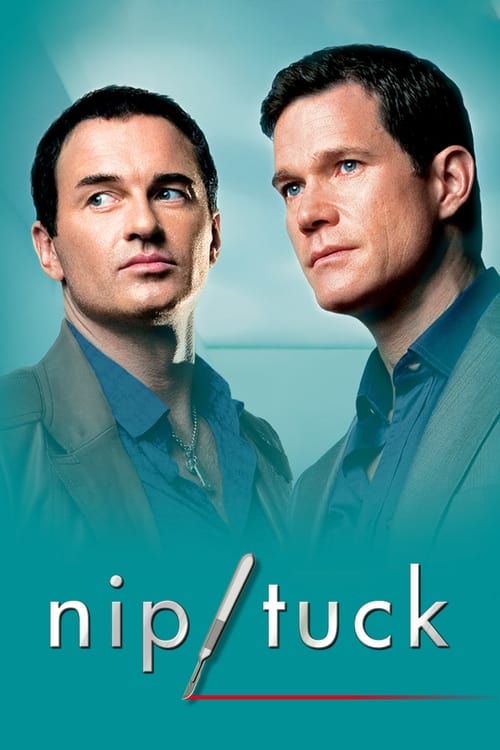
Slow-burn tension, blue-collar grit, and a late-90s/early-2000s American heaviness that matches the album's mood.

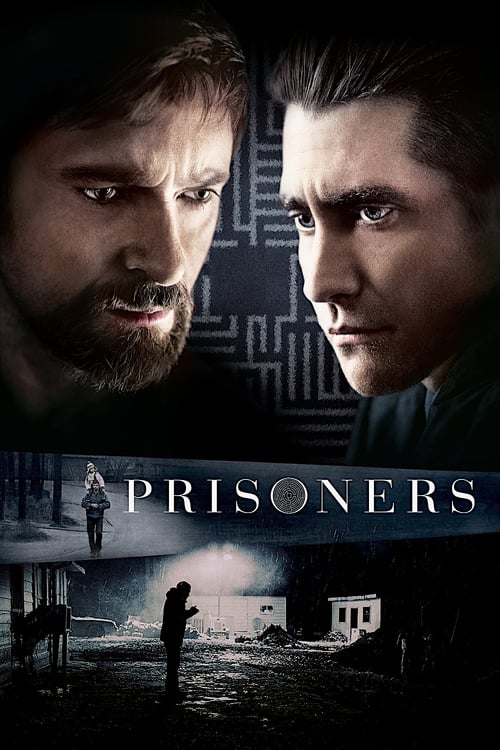
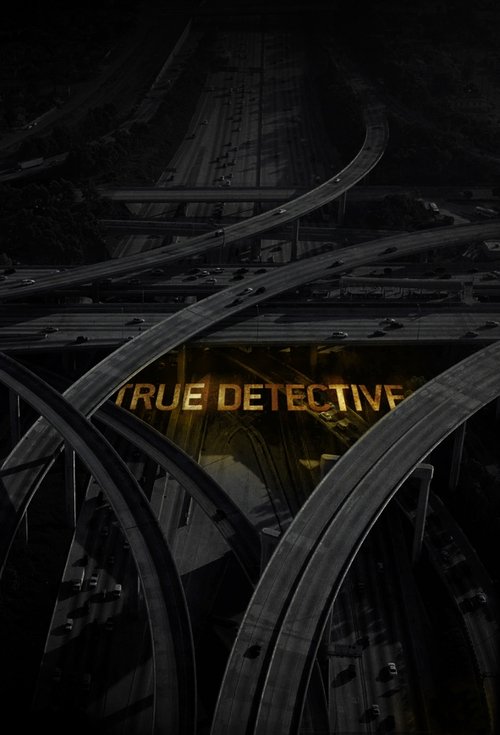
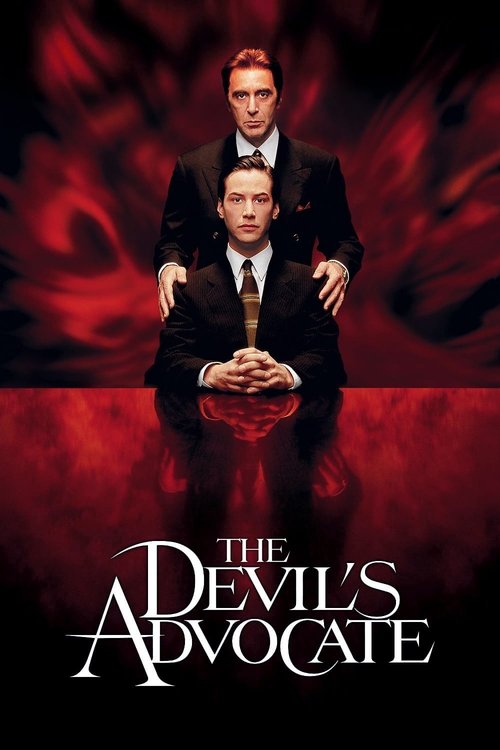

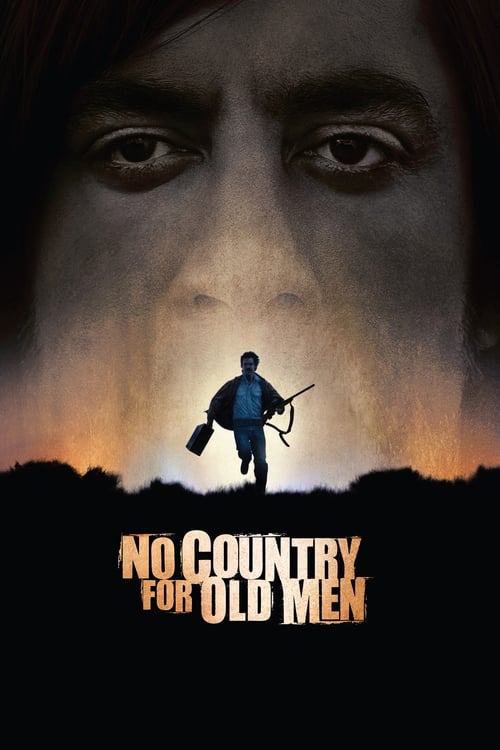
We're not trying to make a metal record or a rock record. We're trying to make a Metallica record.James Hetfield, on the Load/Reload sessions
Music Biopics Worth Your Attention
Dramatized and documentary portraits of artists who lived the same excess-and-reinvention cycle.
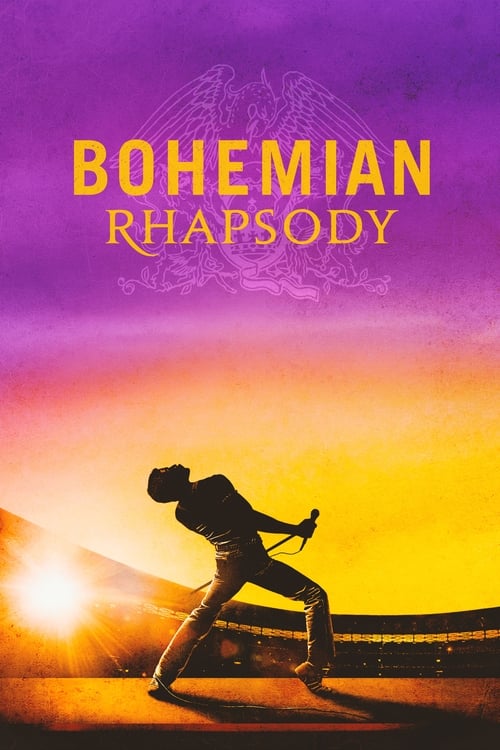
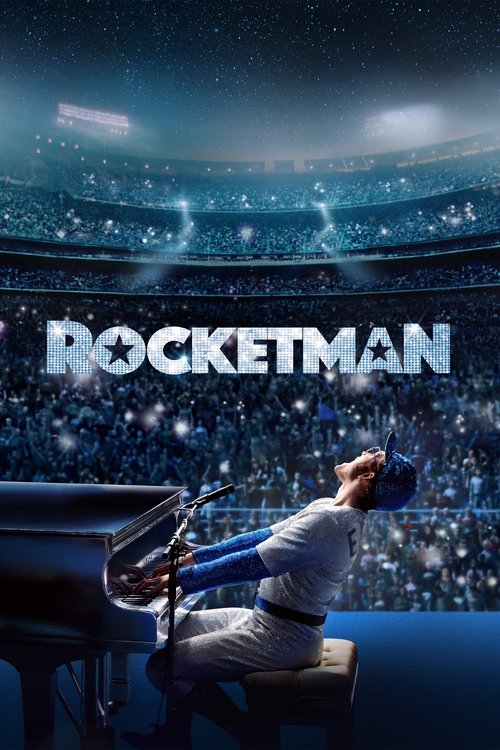
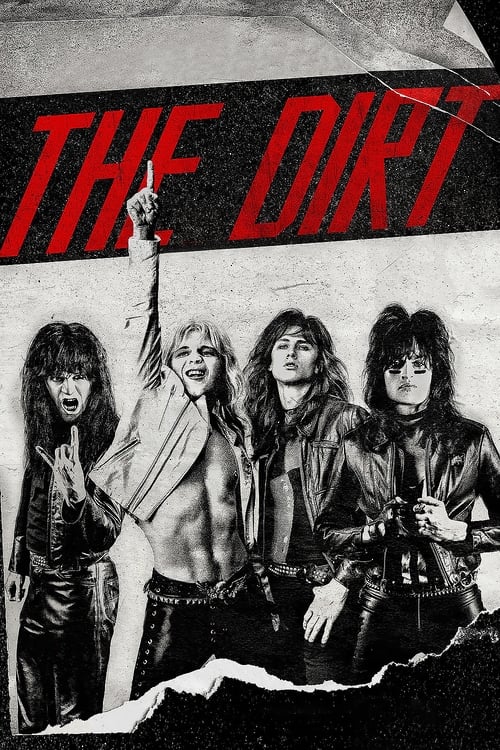
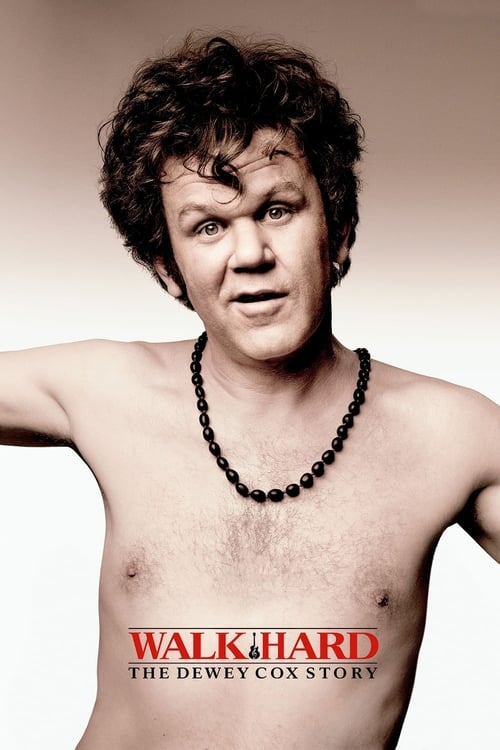
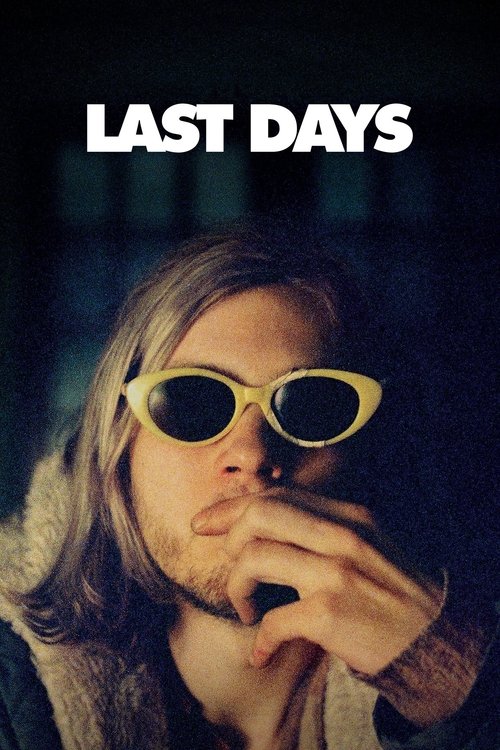
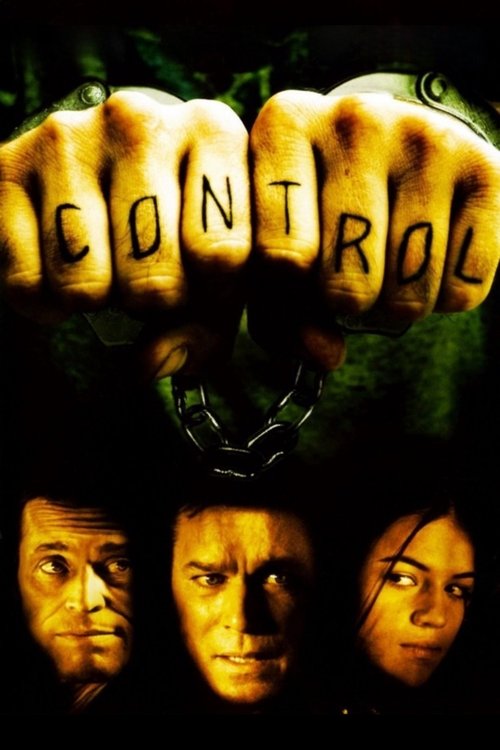
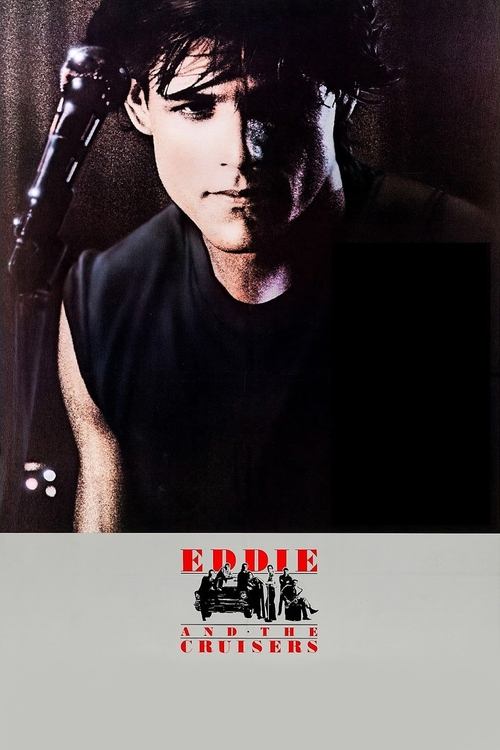
Bob Rock is the hidden co-author of modern Metallica
Every album from the Black Album through St. Anger bears Bob Rock's fingerprints: the compressed drums, the vocal booth confessionalism coaxed out of Hetfield, the decision to let the bass breathe. Reload is his most polarizing work with the band precisely because it leans into his instincts without apology. Whether that is a betrayal or an evolution depends on which version of Metallica you fell in love with first.
Metallica's Reinvention in Five Moves
- 1991The Black Album erases the rulebook: no solos longer than taste allows, songs built for radio. Metallica
- 1995Hetfield cuts his hair. The band shoots new press photos with the Annie Leibovitz aesthetic. The rebranding is already underway before a note is recorded.
- 1996Load arrives. Blues riffs, Tom Waits cover, Marianne Faithfull on a single. Half the fanbase declares mutiny. Load
- 1997Reload ships the leftover sessions. Fuel and The Memory Remains become the band's most-played live tracks for the next decade. Reload
- 2004Some Kind of Monster reveals the true cost: two years of group therapy, Jason Newsted's exit, and an album (St. Anger) built from the wreckage. Metallica: Some Kind of Monster
Reload aged better than its reputation
In 1997 the consensus was that Metallica had gone soft. By the 2020s, Fuel regularly opens arena sets to 80,000 people singing every word, and The Memory Remains is recognized as a genuinely strange piece of arena rock, not a sellout single. The album's slow rehabilitation mirrors what happened to the Black Album in the early 90s: the fans who hated the change eventually admitted the songs were simply very good.