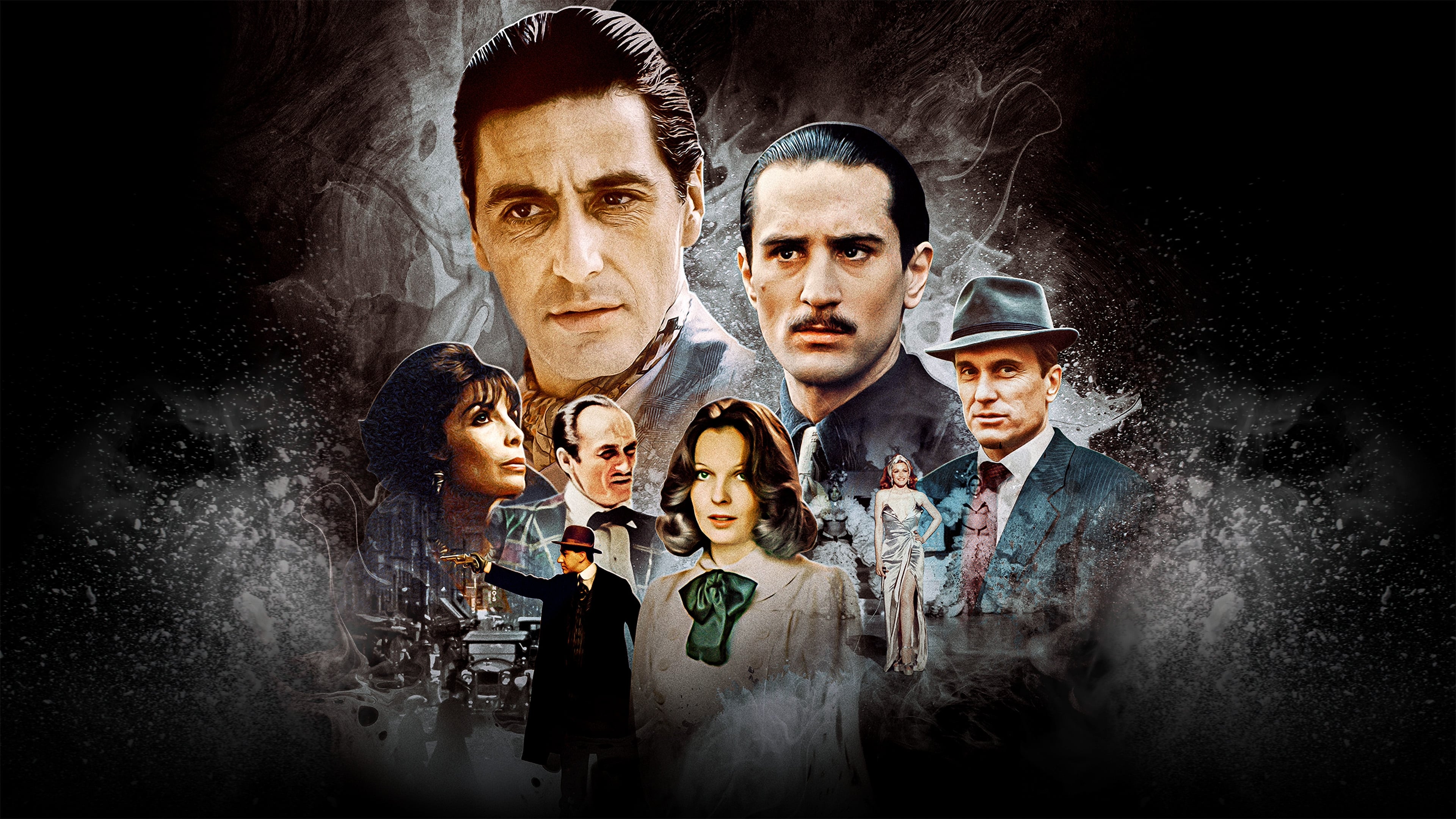

Robert De Niro built his reputation on a simple, terrifying principle: total commitment. From the hollow vigilante of Taxi Driver to the aging patriarch of The Irishman, he has spent five decades finding the precise internal frequency of men under pressure, men consumed by loyalty, men who have already crossed the line and are only now reckoning with the cost. His collaborations with Martin Scorsese produced some of the most kinetically charged films in American cinema; his Method preparation became legend (learning Sicilian dialect, gaining 60 pounds for Raging Bull, driving a real cab in New York). The through-line a fan loves is not spectacle but specificity: every gesture, every silence, every barely suppressed rage feels earned from the inside out.
Essential Robert De Niro
The films that define the career, in order of impact
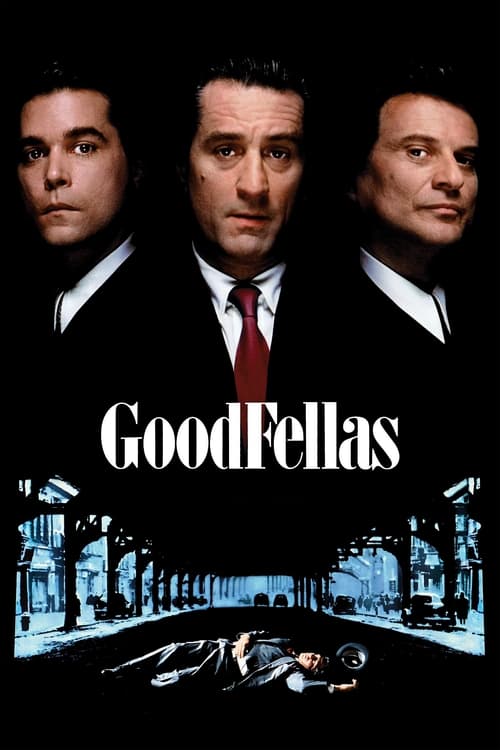
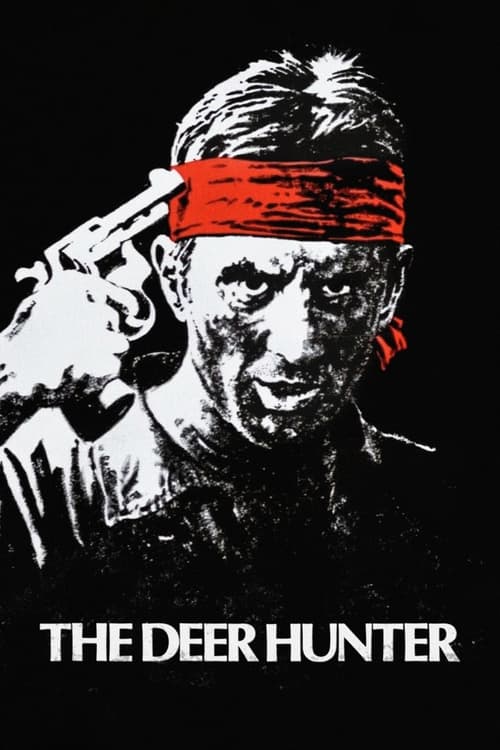
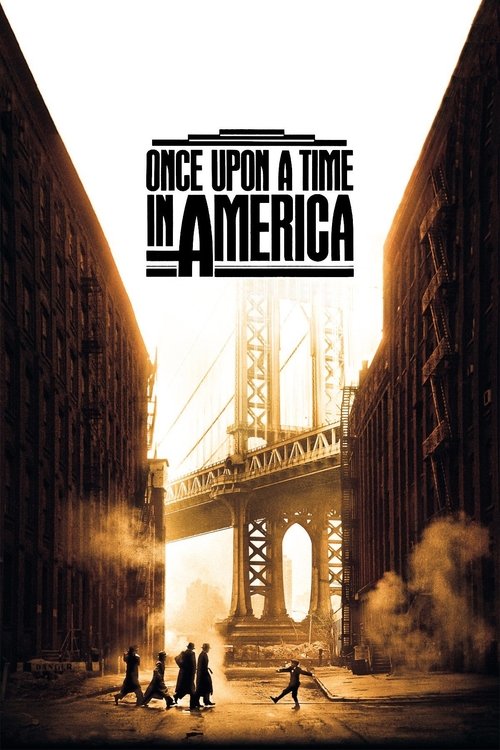
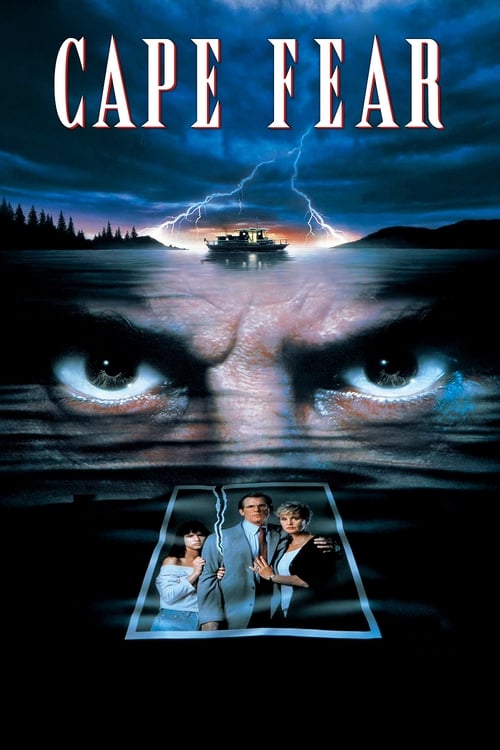

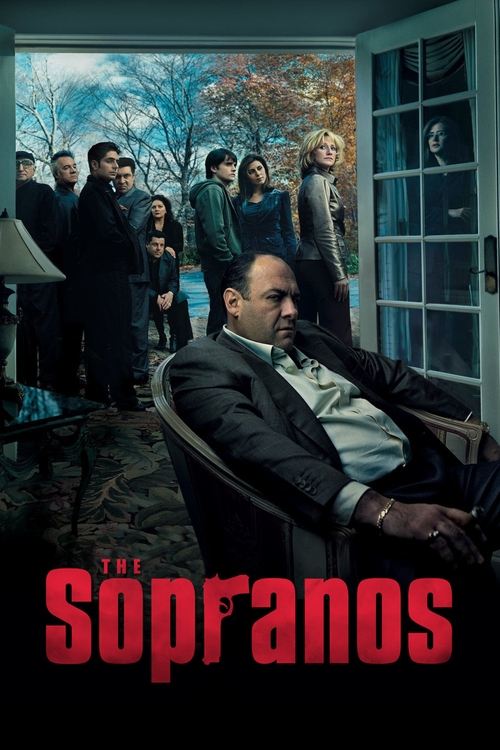
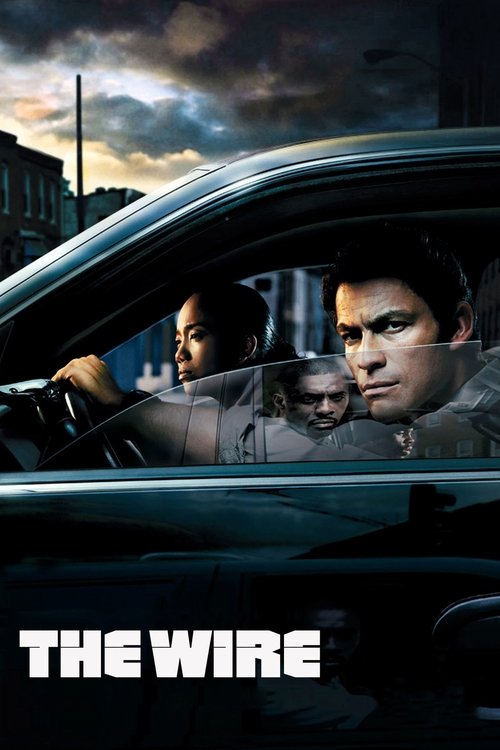
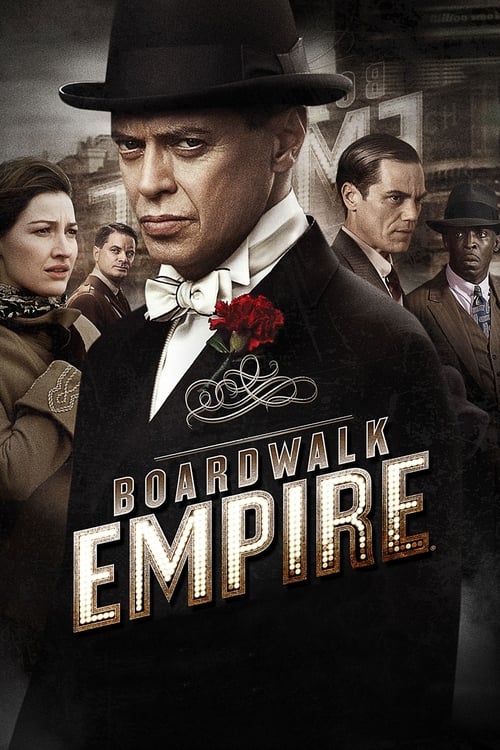
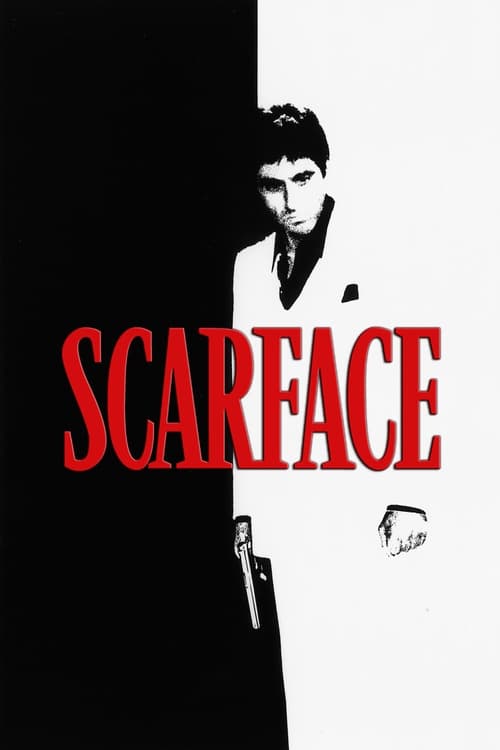
The Same Vibe: Crime, Pressure, Consequence
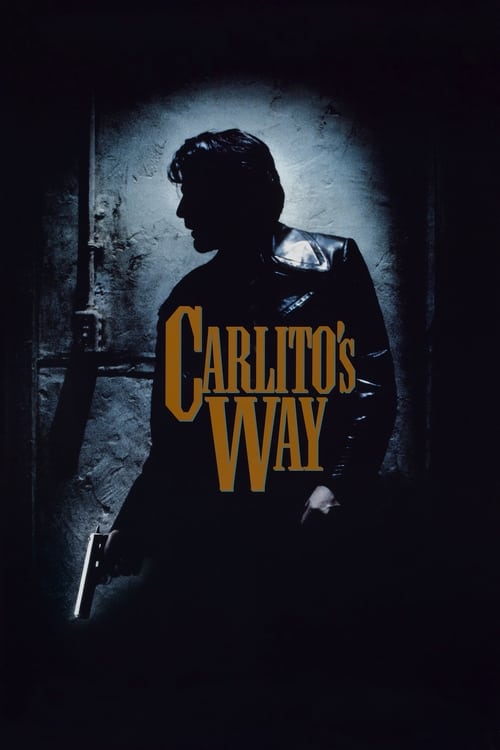
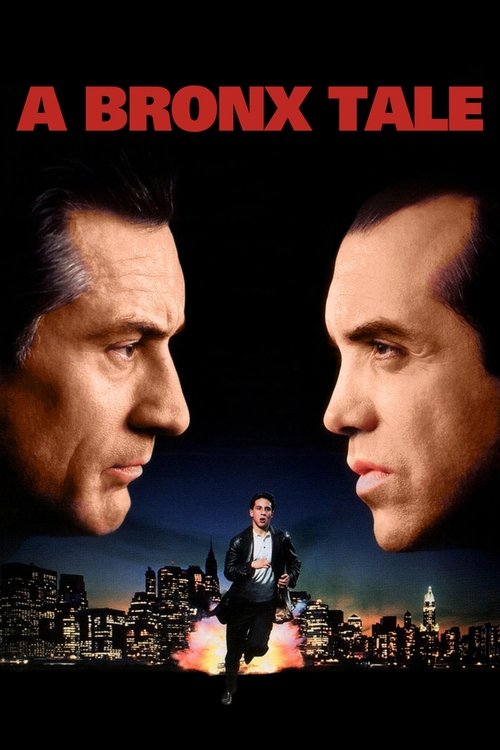
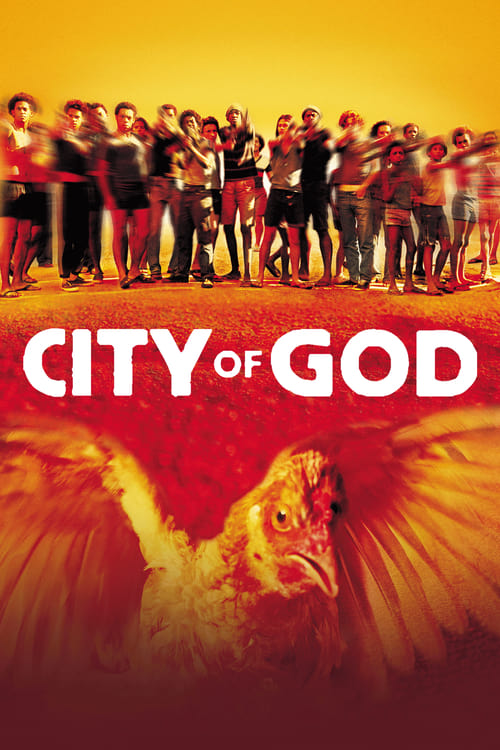
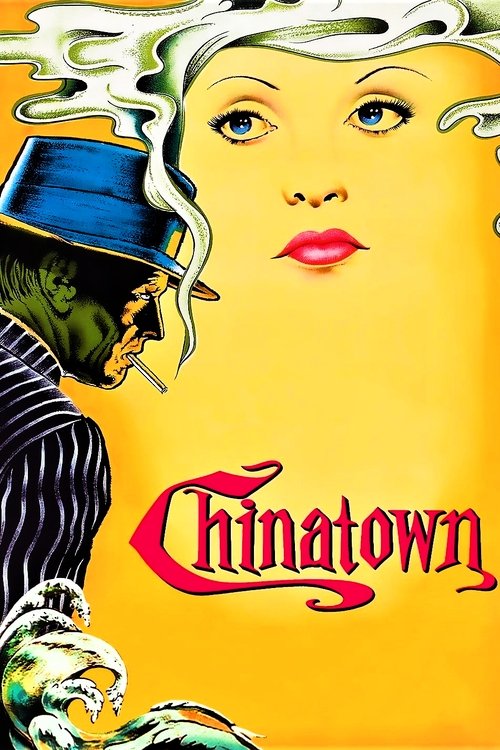
Films and series that share De Niro's world of loyalty, betrayal, and moral weight

The Books Behind the World
Novels that share the moral weight and street-level intensity of De Niro's best films


Same-Register Actors: Dangerous Men, Complex Performances
Films anchored by actors who work at the same frequency of controlled intensity


Games with the Same DNA
Crime, moral ambiguity, and unforgettable characters under pressure
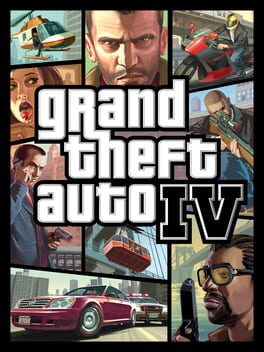
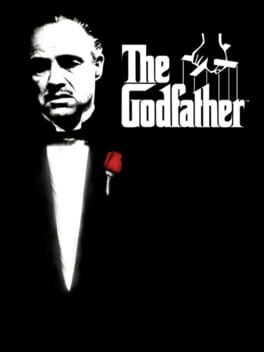
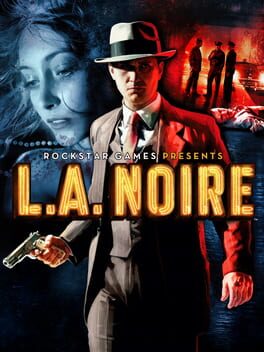
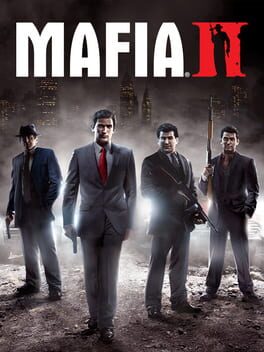
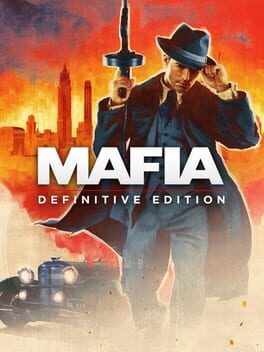
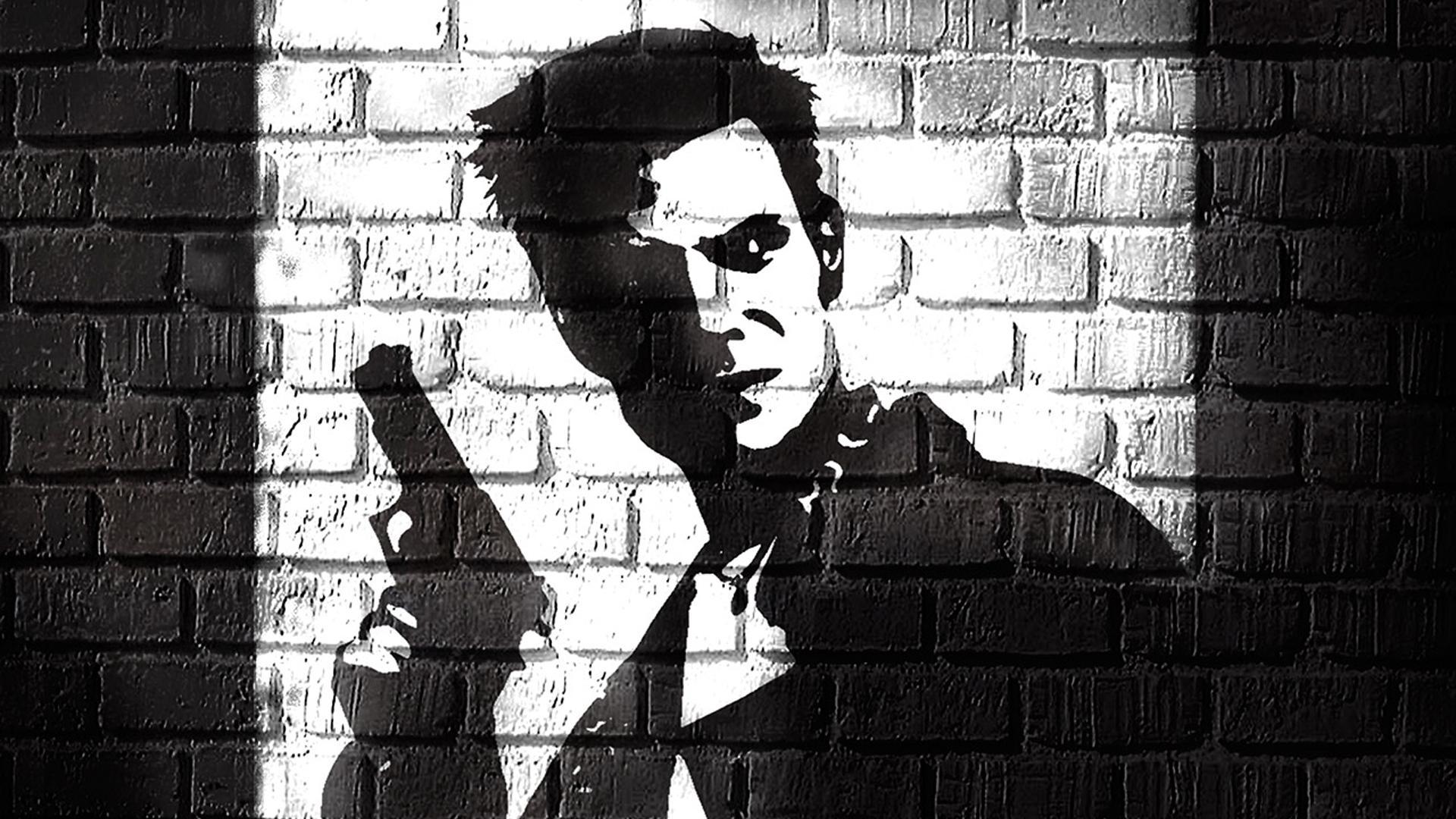
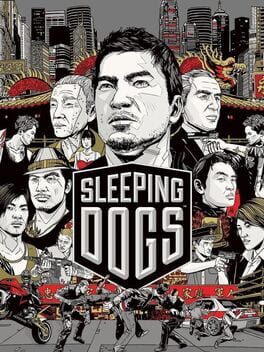

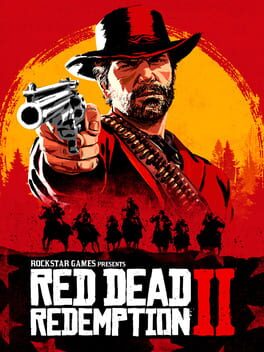
Raging Bull is the high watermark of actor-director collaboration in American cinema
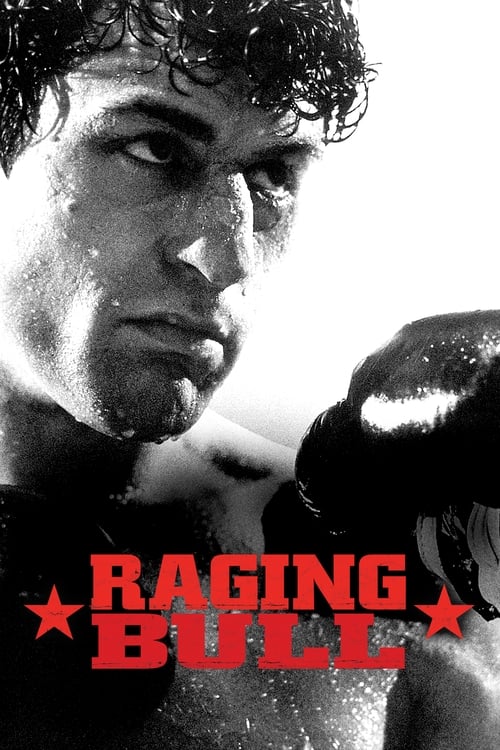
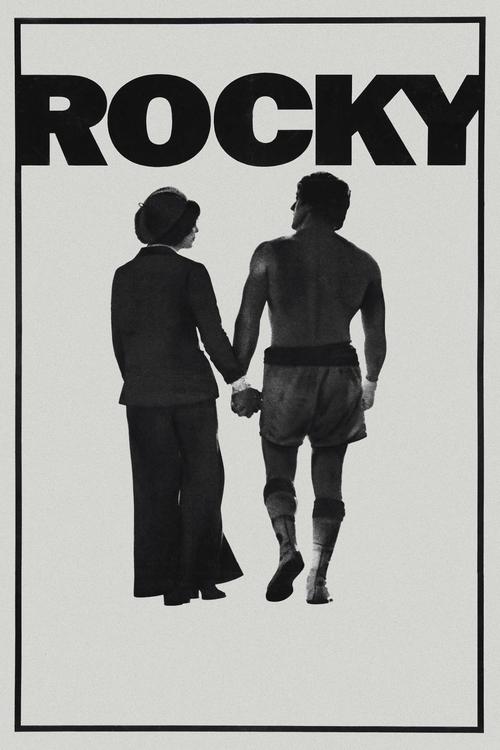
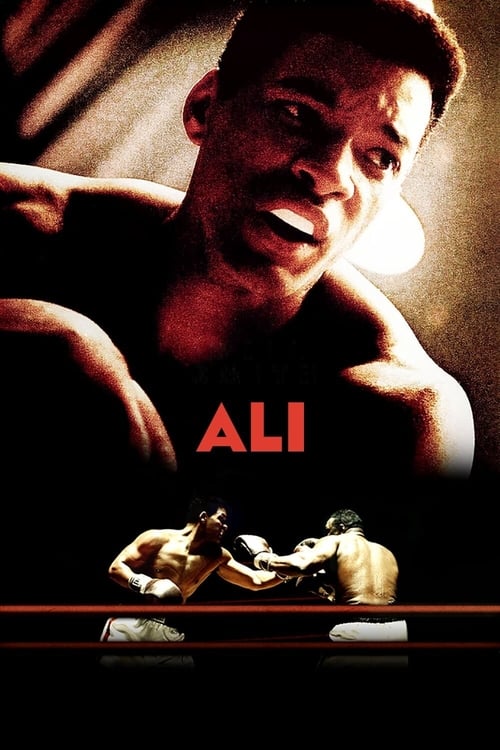
Martin Scorsese and Robert De Niro have made eight films together, but Raging Bull (1980) stands apart. Scorsese shot it in black and white against the advice of United Artists; De Niro spent a year training with Jake LaMotta and then gained over 60 pounds to play the older version. The result is not a sports film. It is a film about self-destruction as its own form of discipline, about a man who can absorb punishment in the ring but cannot survive intimacy outside it. Every frame feels earned at a physical cost that most actors simply will not pay.
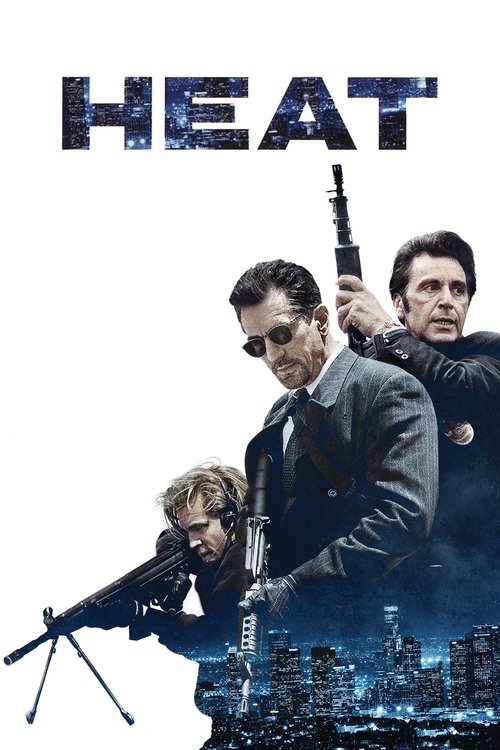
Heat changed the grammar of crime cinema permanently
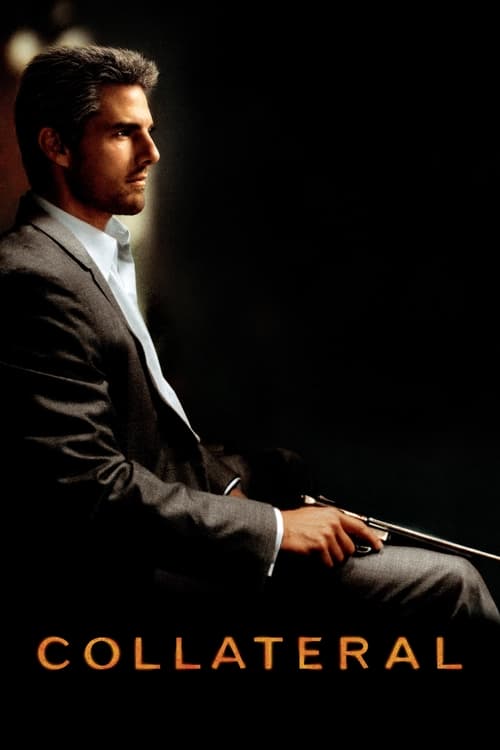
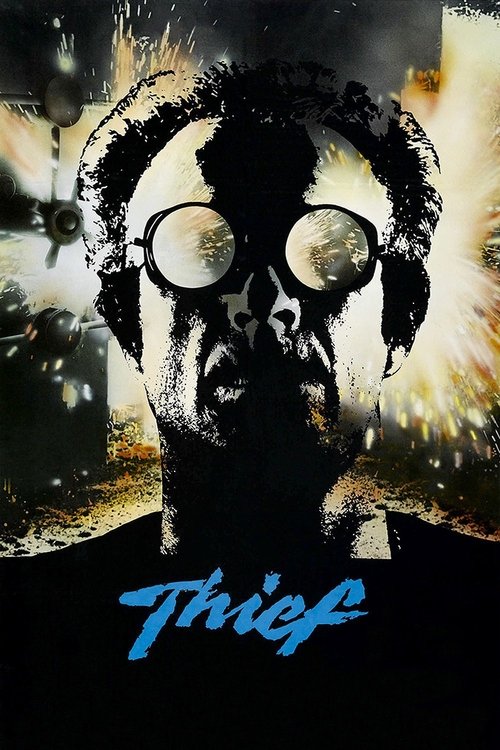
Michael Mann's Heat (1995) is famous for placing Al Pacino and Robert De Niro in a scene together for the first time, but the film's real achievement is structural. Mann built two complete, parallel character studies, giving both detective and thief full inner lives, full supporting casts, full emotional stakes. The film runs nearly three hours and earns every minute. De Niro's Neil McCauley is not a villain; he is a craftsman who knows exactly what his chosen life has cost him and has decided the cost is acceptable. That clarity is what makes him terrifying.
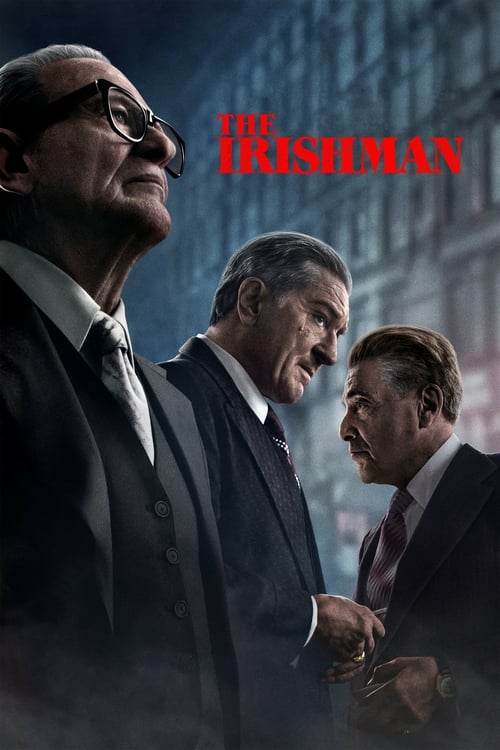
The Irishman is a film about memory, complicity, and the price of silence
Scorsese's The Irishman (2019) uses digital de-aging technology not as a novelty but as a way to let De Niro, Joe Pesci, and Al Pacino play the full arc of their characters' lives without casting younger actors in flashback. The effect is deliberately uncanny: these old faces inhabit young bodies, and the disjunction quietly insists that the sins committed in youth never leave. Frank Sheeran's confession at the end is one of the most devastating uses of silence in De Niro's career. He does almost nothing, and it is unbearable to watch.
Taxi Driver invented a visual language for urban alienation that never went away
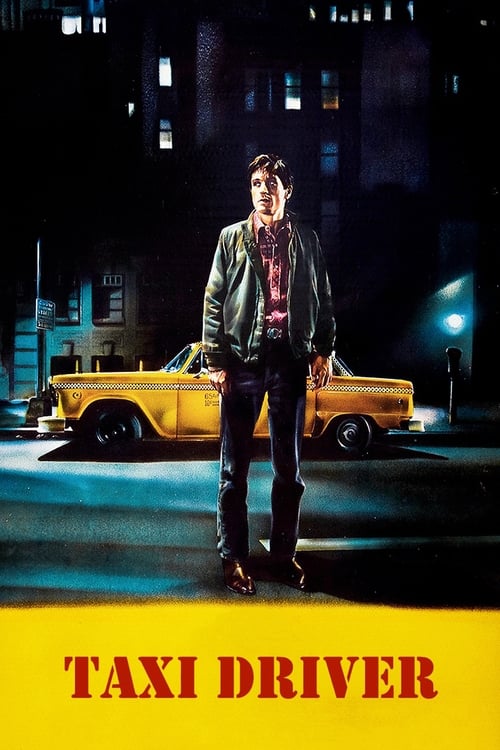
Paul Schrader's script for Taxi Driver (1976) drew on Dostoevsky's Notes from Underground and his own experience of severe depression and isolation. Scorsese's direction and Bernard Herrmann's last score (he died before the film released) wrapped it in a fever dream that felt simultaneously realistic and hallucinatory. De Niro's Travis Bickle is one of cinema's great unreliable narrators: we live inside his paranoid logic for 114 minutes, and the film never fully lets us out. Its influence on subsequent portrayals of male alienation and urban dread is difficult to overstate.
A Career in Key Moments
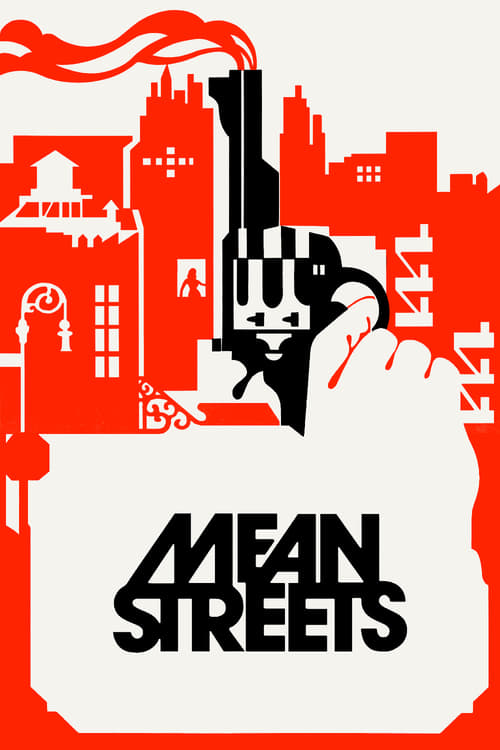
- 1973Breakthrough with Scorsese Mean Streets
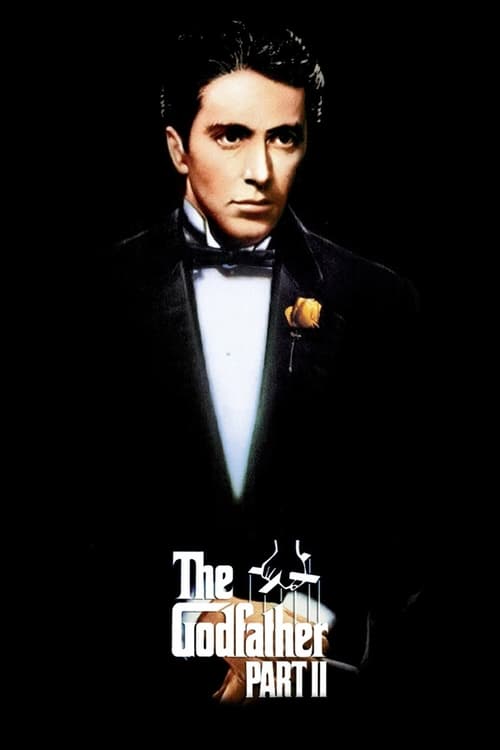
- 1974First Oscar (Supporting Actor) The Godfather Part II
- 1976Travis Bickle becomes American cinema shorthand Taxi Driver
- 1978Steel town devastation The Deer Hunter
- 1980Second Oscar (Best Actor), 60-pound transformation Raging Bull
- 1984Epic criminality in Leone's swansong Once Upon a Time in America
- 1990Henry Hill's world from the inside GoodFellas
- 1995The diner scene Heat
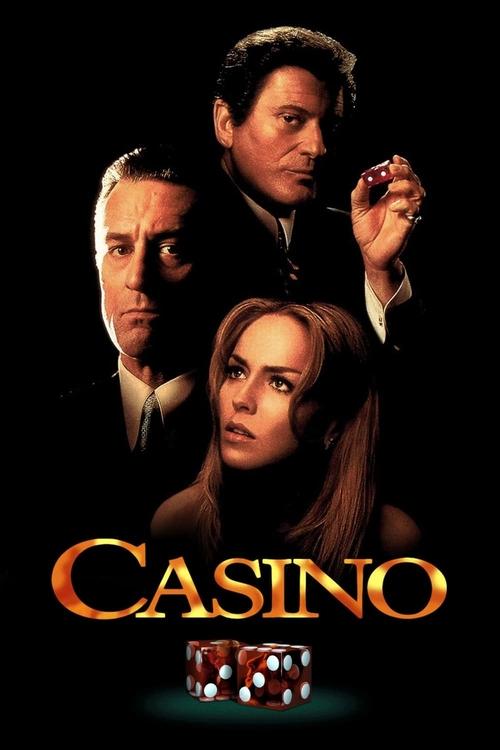
- 1995Las Vegas as Greek tragedy Casino
- 2019A career-length reckoning The Irishman
Gangsters, cops, and men at the edge
For Fans of Goodfellas
Explore the For Fans of Goodfellas guide →The great De Niro performances are not about transformation for its own sake. They are about finding the one thing a man will not give up, and then watching what it costs him.CrossBinge