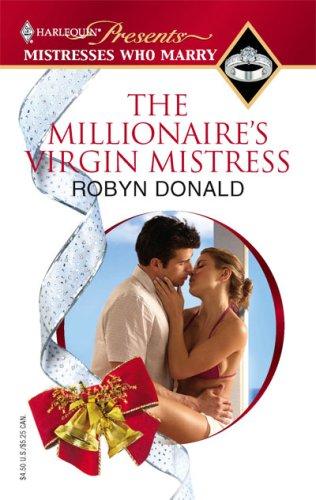

The Art of Wanting Something You Cannot Have
Robyn Donald built a career on friction. Over more than four decades and well over a hundred novels for Harlequin Presents and Mills & Boon, the New Zealand author became one of the most reliably compelling voices in category romance, and one of the most distinctly regional. Her heroines are not passive. They push back, they misread, they carry pride like armour and pay for it. Her heroes are formidable in that particularly Presents fashion, controlling and damaged and ultimately undone, but Donald gave them a psychological texture that keeps the pages moving even when the power dynamics make you want to argue with the book.
What a Donald fan loves is specific: the crackle of a scene where two people are saying completely the wrong things because they cannot say the right ones. The setting is never mere backdrop; it is mood, whether it is the rugged high country of New Zealand's South Island or a Greek island or a fictional Mediterranean principality. The sense that desire is a serious matter, not a confection. And underneath all of it, a strong belief that people can actually change, that the resolution is earned rather than handed over.
If that is the reading experience you are chasing, the recommendations below are organised around the strands of it.
Essential Robyn Donald
The novels that define her range, from early Presents fire to her later, more psychologically layered work


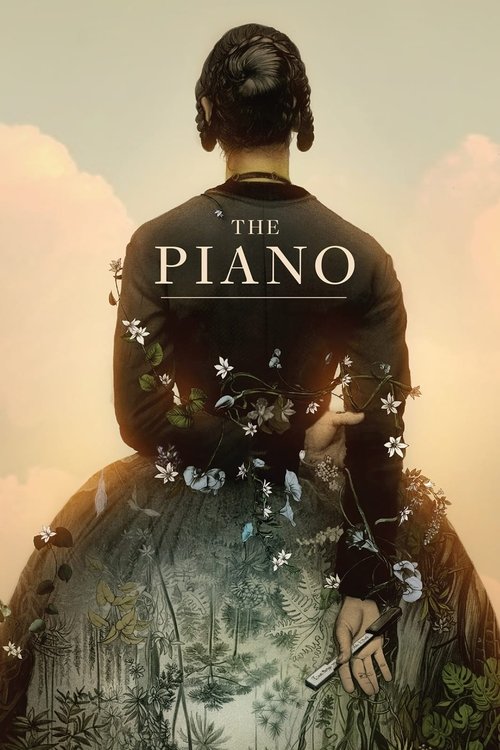
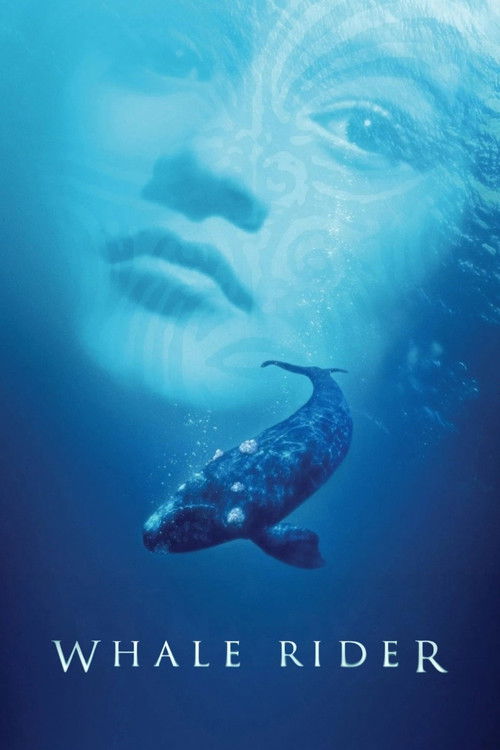
New Zealand Roots: Landscape as Character
Fiction and film where the land itself is inseparable from the emotional stakes



Romance That Refuses to Be Soft
Novels where desire arrives with consequences and pride costs something real

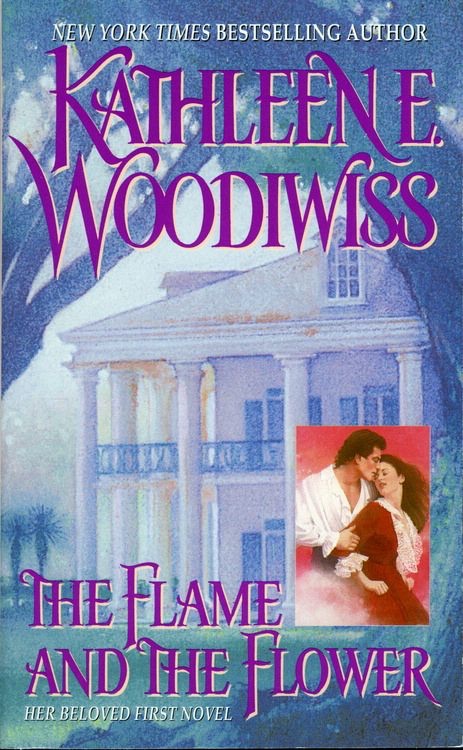

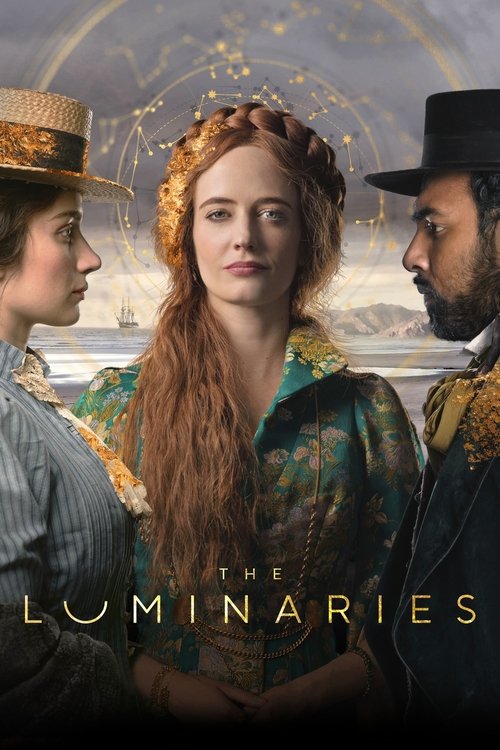
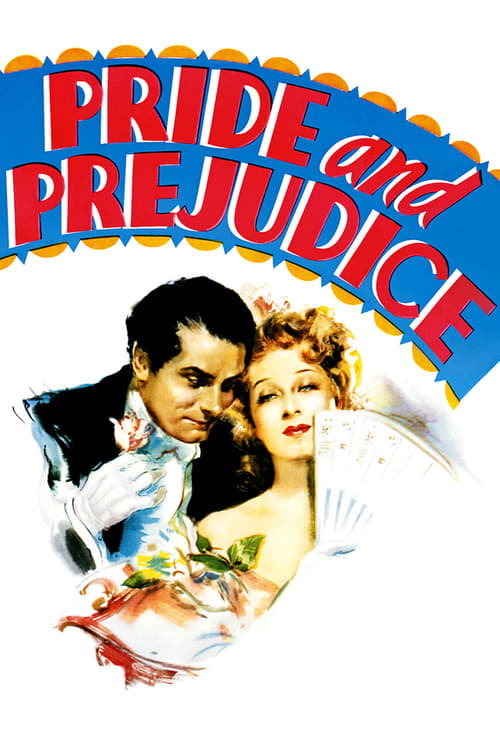
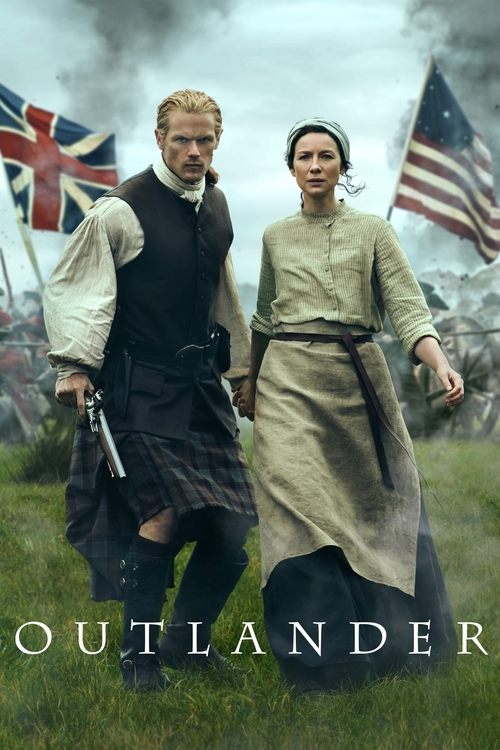
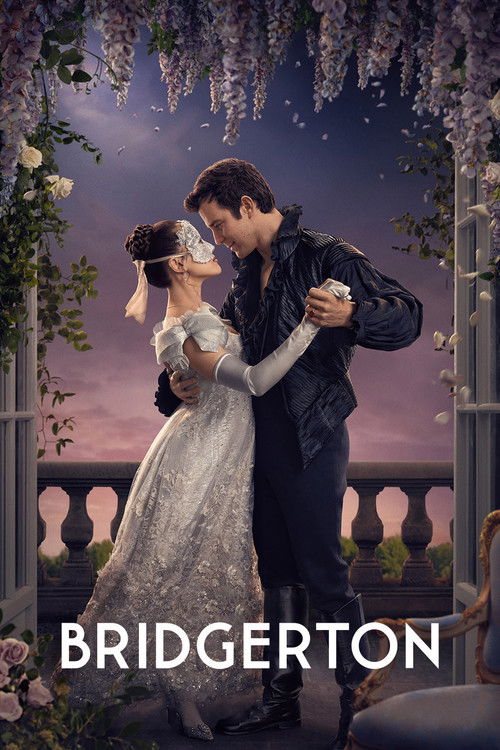
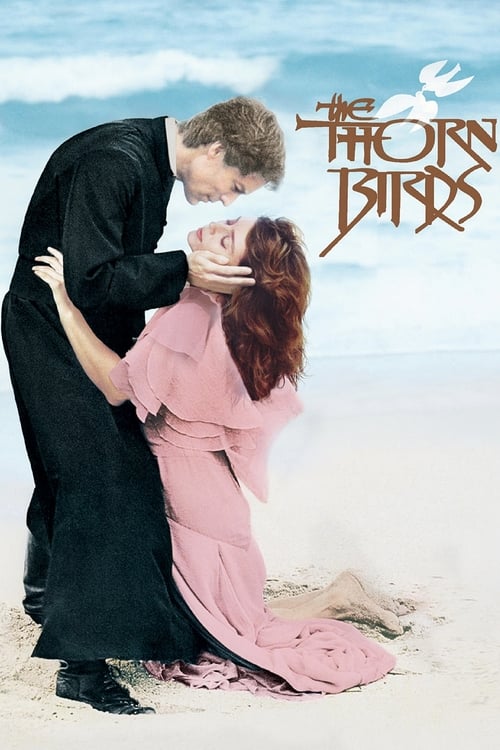
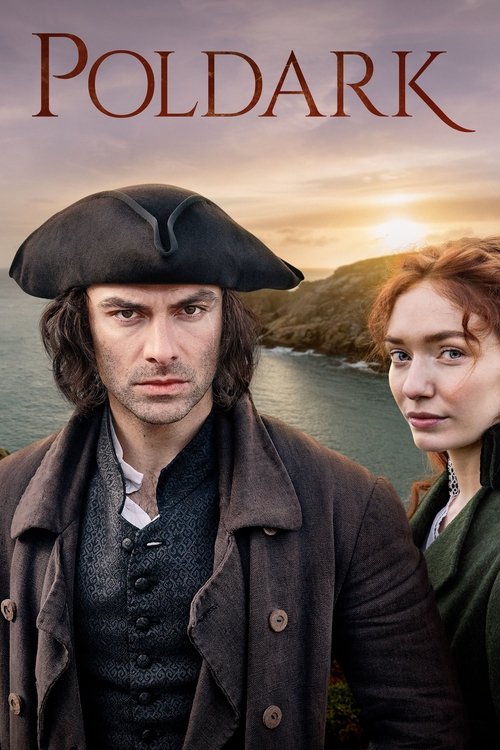
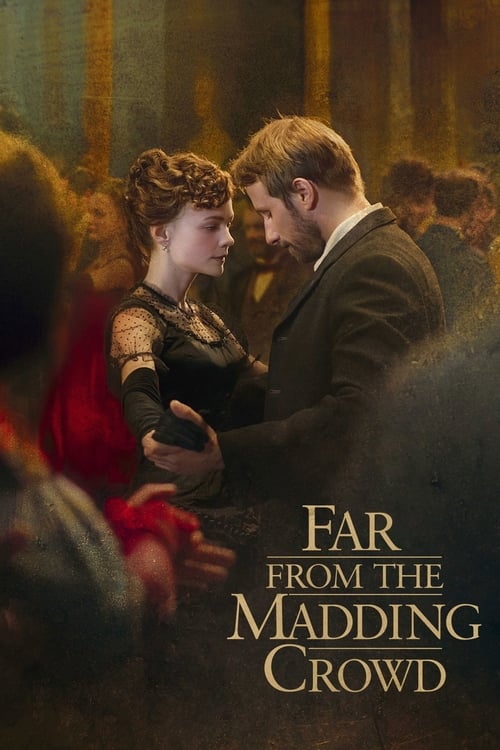
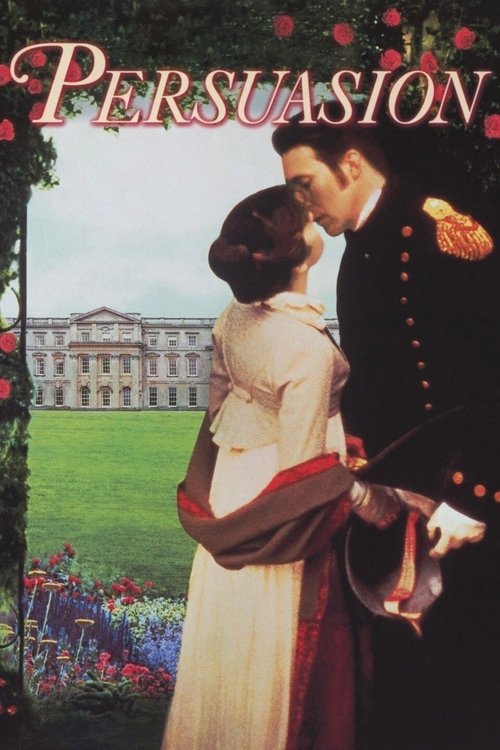
Screen Adaptations of the Romance Canon
Films and series that capture the heat, the period tension, and the unspoken negotiations of the romance novel



The underrated thread is the landscape writing
What gets overlooked in Donald is how seriously she takes place. The New Zealand settings are not interchangeable exotica: the South Island high country has a specific atmospheric weight, the thermal regions carry a particular strangeness. Readers who stay for the romance often end up staying for the geography. If that thread interests you, Top of the Lake on television does something closely related, using the same South Island landscape to generate dread and desire in roughly equal measure. And Keri Hulme's The Bone People pushes the same terrain into something stranger and harder, with a fiercer emotional cost.
Read Rebecca before you read any Harlequin Presents
Rebecca is the genetic code for half of what Presents became: the intimidating house, the overwhelming predecessor, the heroine who arrives without power and has to find it internally. Du Maurier does it with more menace than most romance novelists allow themselves, but the emotional DNA is the same. Reading it alongside Donald clarifies exactly what the category romance tradition inherited from the gothic novel, and what it chose to transform. The 1940 Hitchcock film holds up as its own thing, but read the novel first.
Donald's heroines are never waiting to be rescued. They are waiting to be understood, which is a much harder thing to write.CrossBinge editors
Four Decades of Category Romance
- 1977First novel published for Mills & Boon
- 1980sPeak New Zealand contemporary settings, high country and coastal landscapes
- 1990sShift toward Mediterranean and international Presents settings
- 2000sBillionaire and sheikh era, over 100 novels in print
- 2010sLater career, growing digital readership and backlist rediscovery