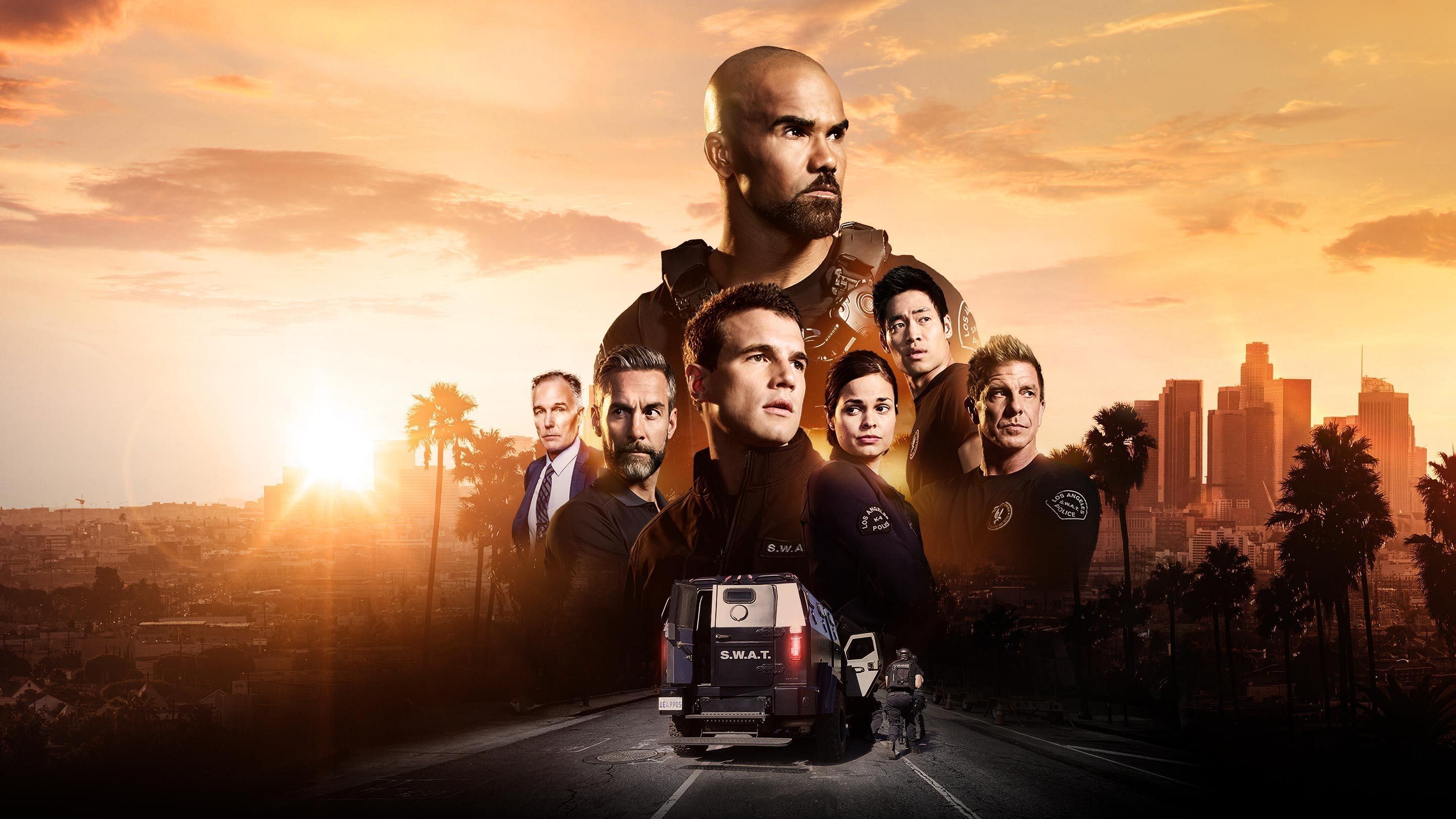

S.W.A.T. (the CBS series that launched in 2017, itself rooted in the 1975 TV series and the 2003 film) runs on a specific formula that turns out to be genuinely hard to pull off: the procedural mechanics of a specialized police unit, the personal cost of operating at the edge of institutional authority, and an ensemble where loyalty is earned rather than assumed. Hondo and his team work the gap between the badge and the neighborhood, which gives the show its texture beyond the breach-and-clear set pieces. If that combination hooks you, the wider world of tactical crime fiction, morally serious cop dramas, and action-heavy games built around squad coordination will feel immediately familiar.
Essential S.W.A.T.
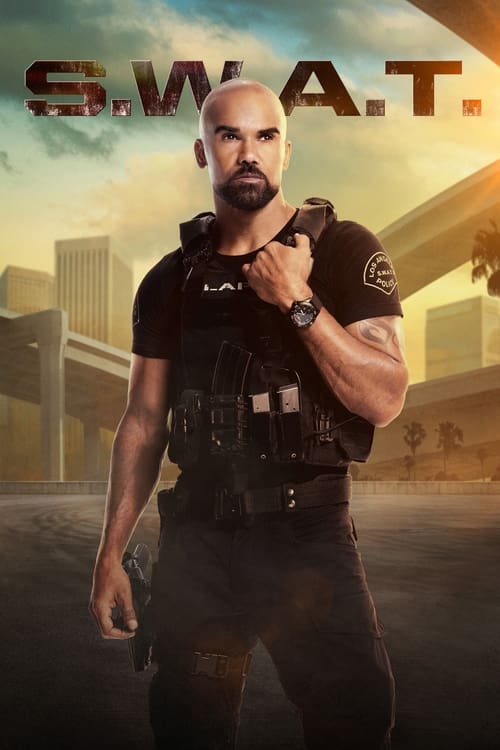
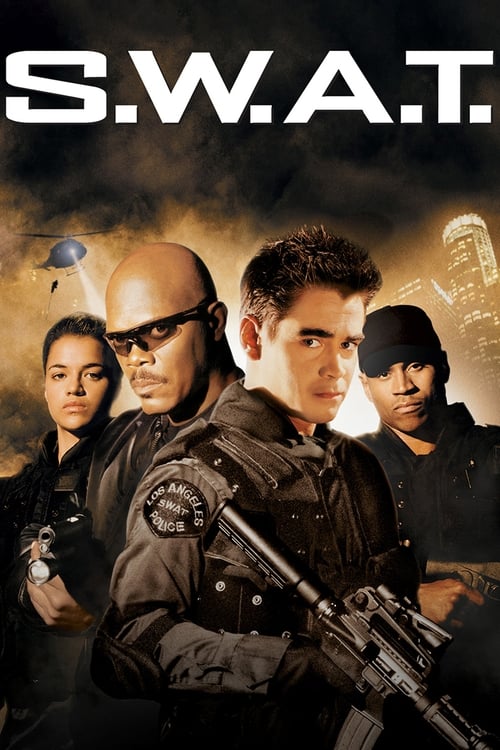
The show's own lineage, from the 1975 original to the reboot era.
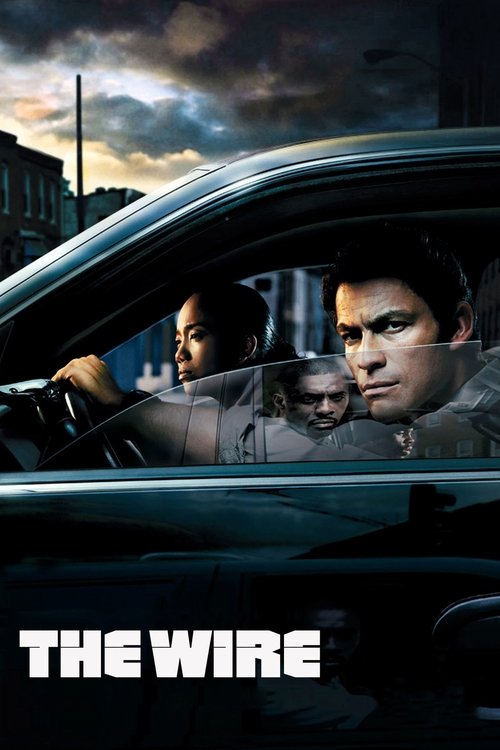
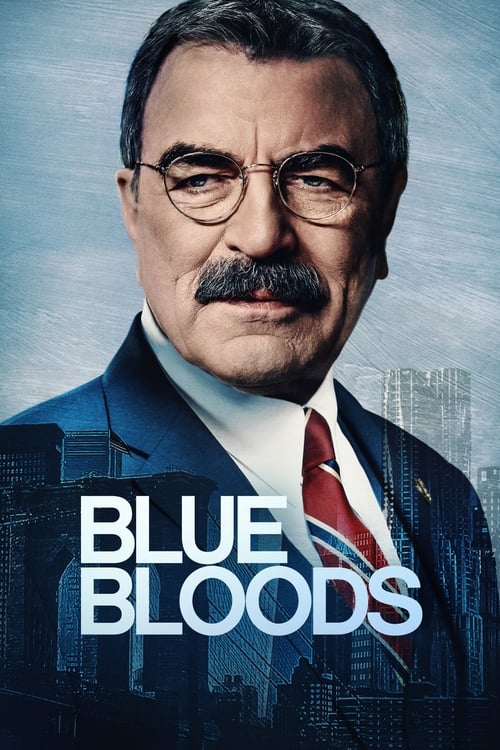
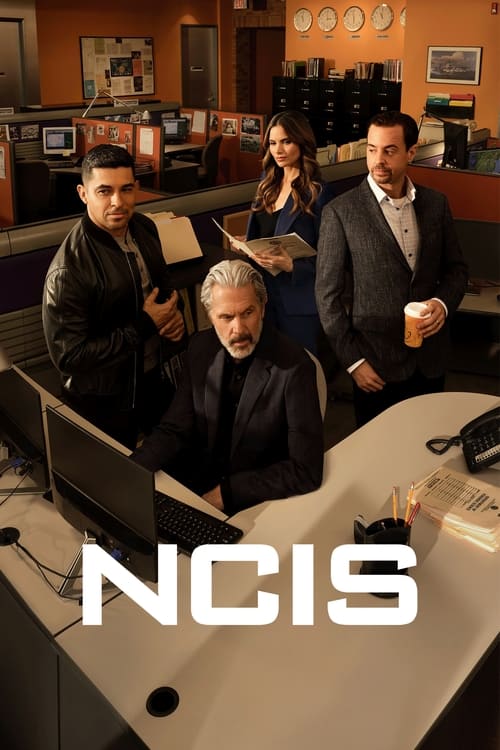
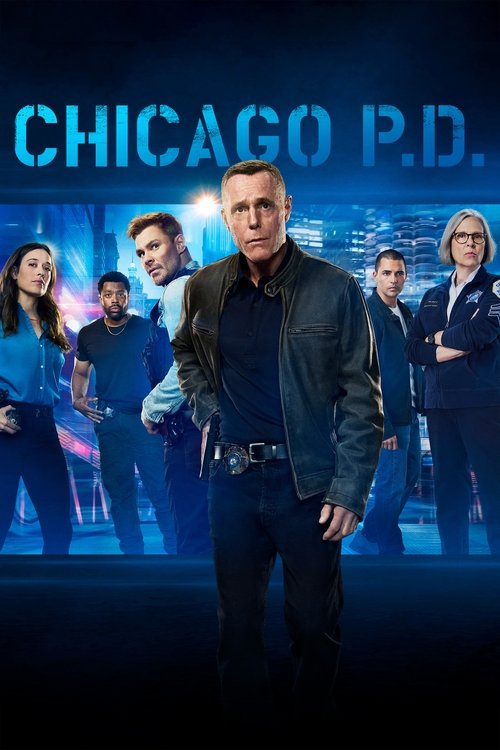
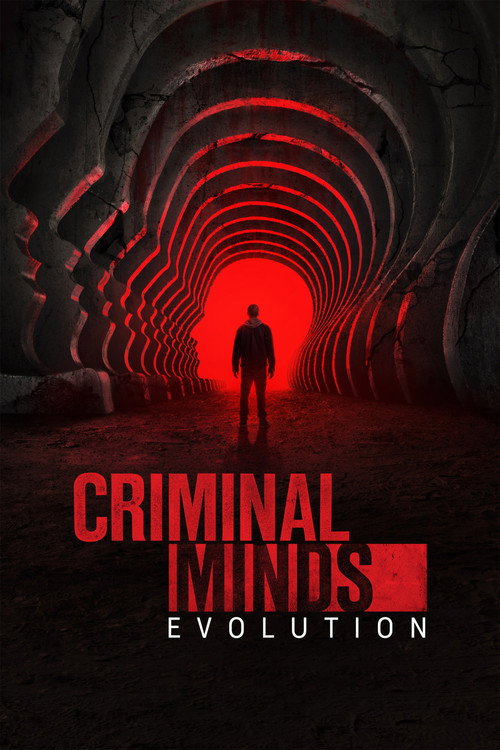
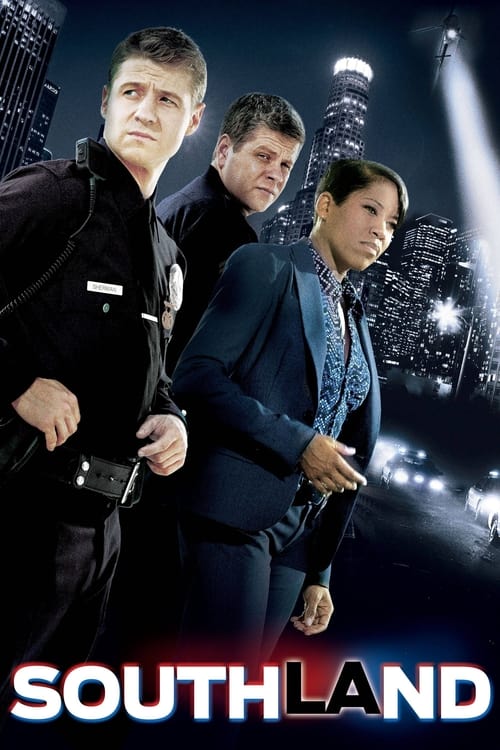
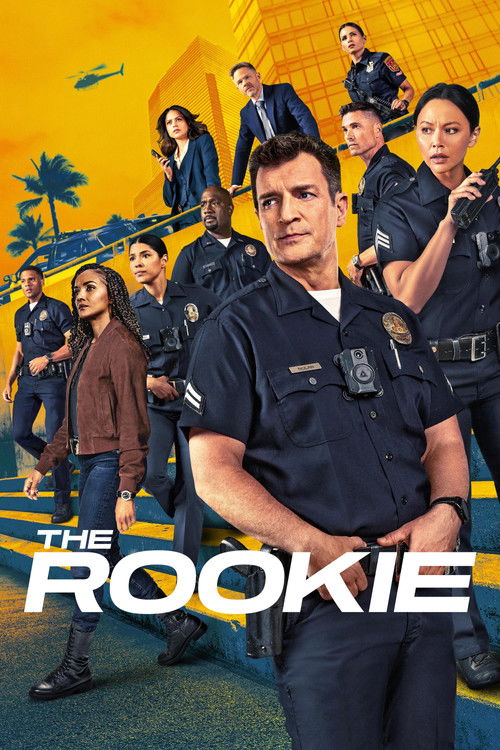
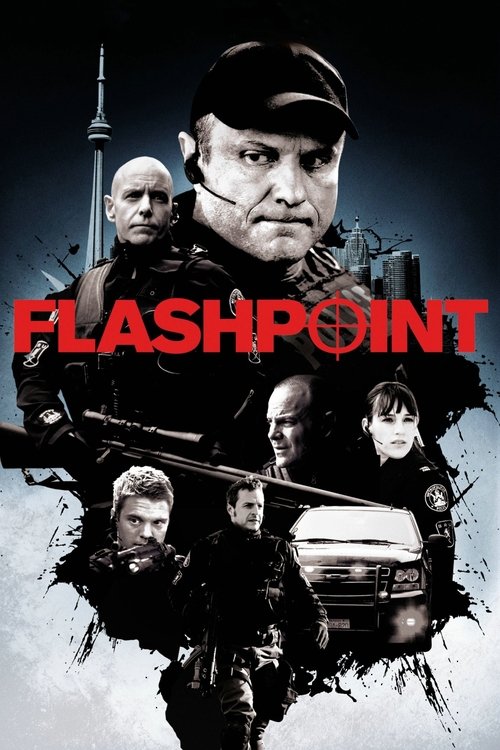
The Best Ensemble Cop Shows
Series that live or die on squad chemistry and procedural momentum.


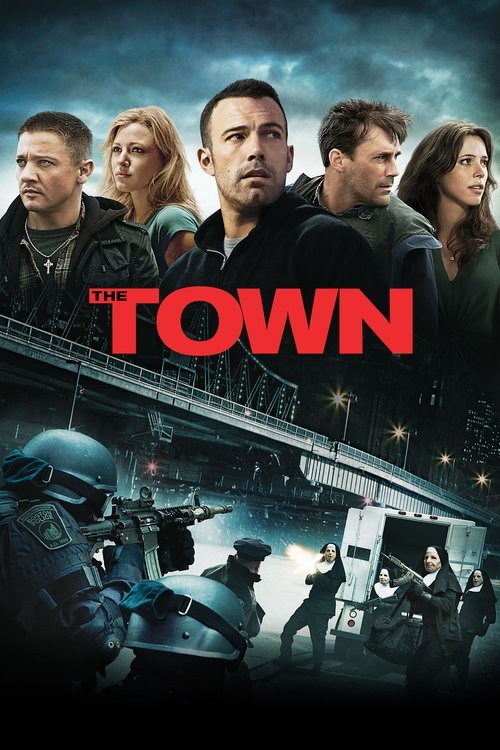
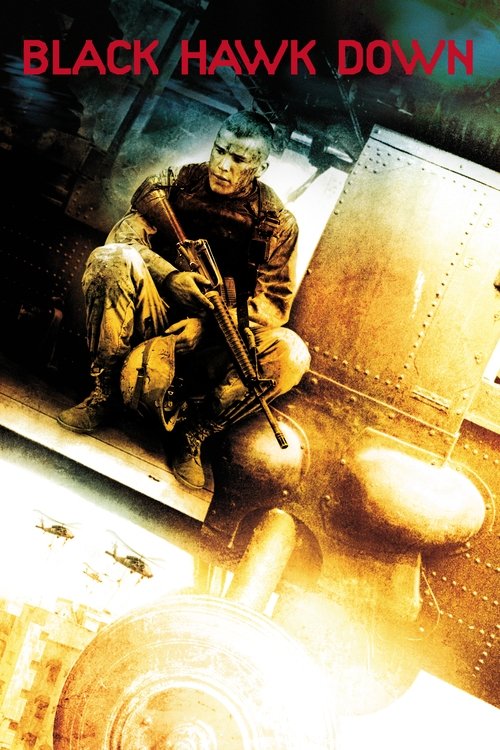
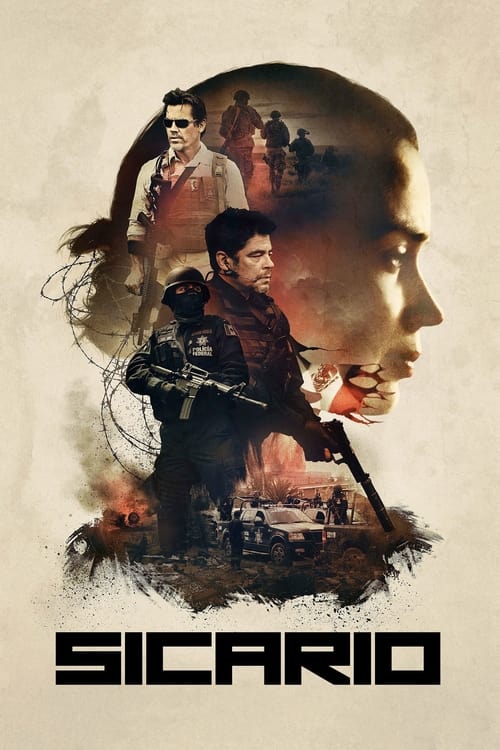
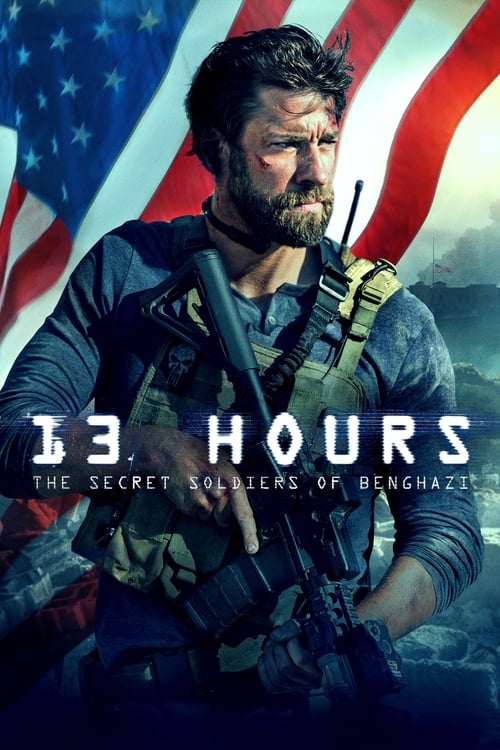
Action Films Built on Tactical Precision
Movies where planning, teamwork, and controlled chaos matter as much as firepower.

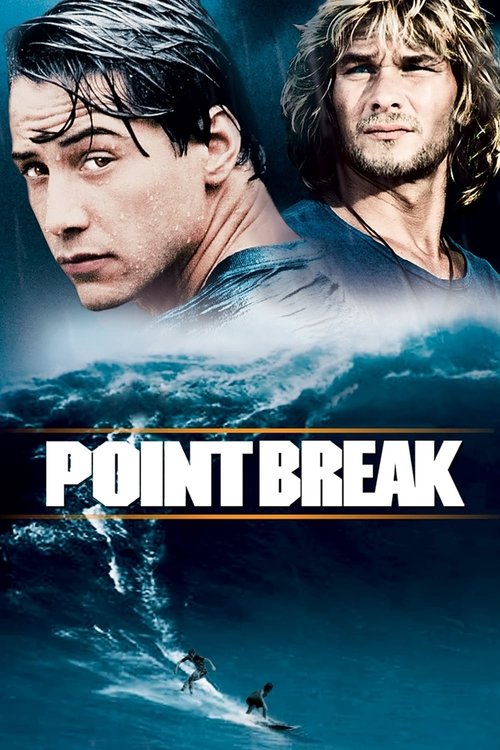
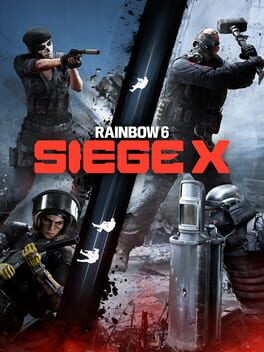
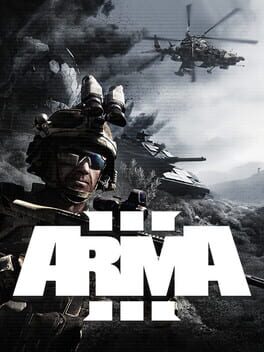
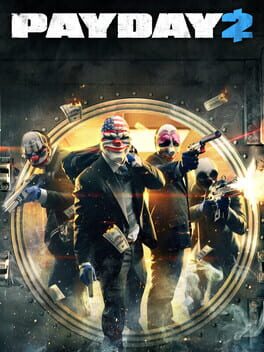
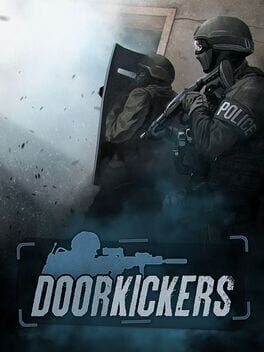
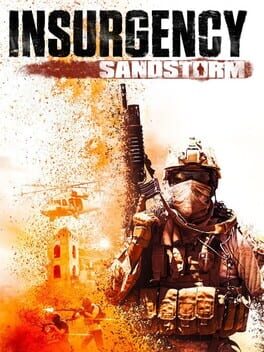
Games Where the Breach Matters
Tactical shooters and squad games that reward patience and coordination over reflexes alone.
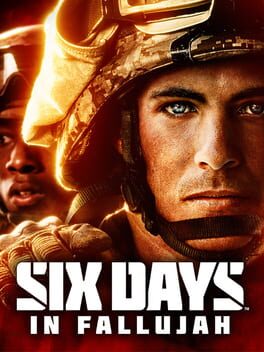
Books: Cops, Soldiers, and Moral Weight
Crime fiction and military thrillers that take the institutional friction seriously.


The Procedural Is Not a Dirty Word
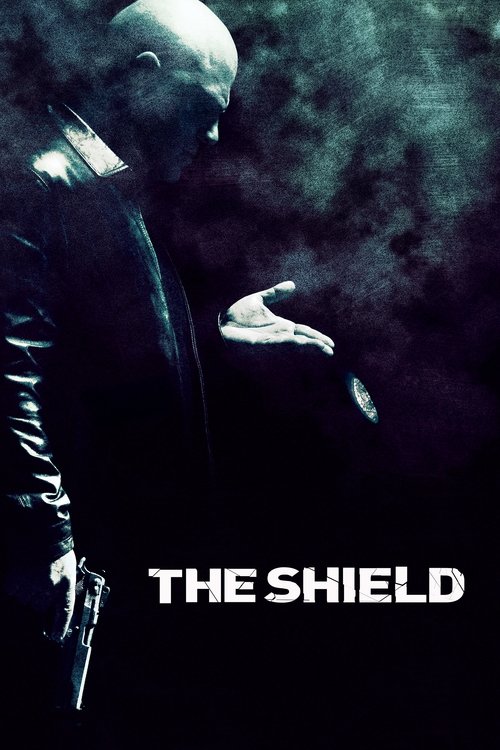
S.W.A.T. gets dismissed as comfort-food television, but the procedural form is doing real work here. The case-of-the-week structure creates a reliable moral test: the team has to do the right thing inside a system that does not always want them to. That tension, repeated across episodes, builds something a serialized prestige drama rarely achieves. The Shield proved the same thing years earlier, more brutally.
Heat Set the Template That Genre Is Still Catching Up To
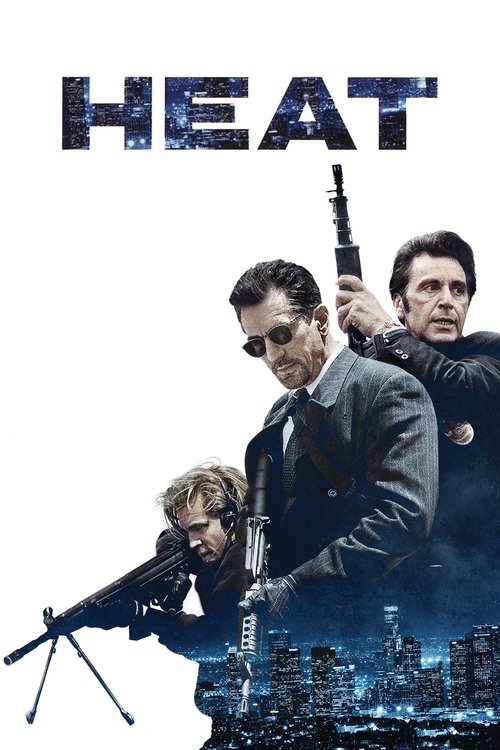
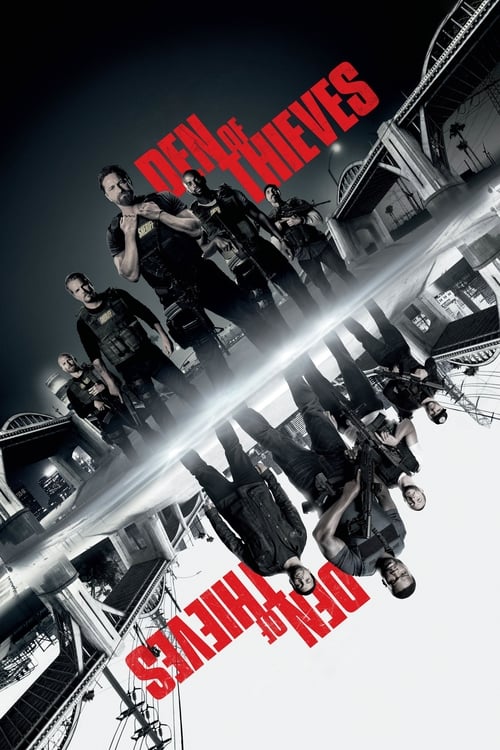
Michael Mann's 1995 film established what a serious cops-and-criminals action story looks and sounds like. The bank robbery sequence remains the benchmark for tactical gunfight choreography. Every subsequent film in the genre, including S.W.A.T.'s 2003 version, is in conversation with it. Den of Thieves is the most explicit recent descendant.
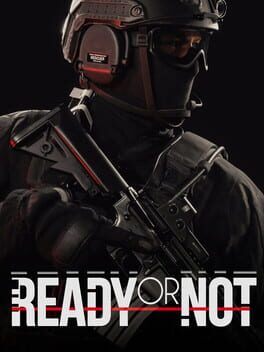
Ready or Not Is the S.W.A.T. Game That Exists in the Real World
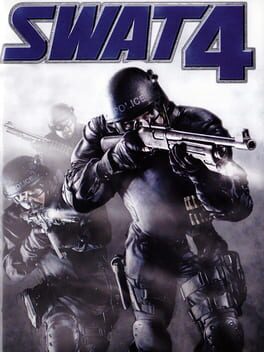
SWAT 4 from 2005 is the genre ancestor, but Ready or Not is the contemporary answer to what a non-fantasy tactical police game should feel like. It demands restraint, prioritizes compliance mechanics over kill counts, and makes every bad outcome feel like a failure of judgment rather than a skill gap. That is the same emotional register S.W.A.T. operates in on its best episodes.
Don Winslow Wrote the World Hondo Operates In
Winslow's crime fiction covers the institutional rot and street-level consequences that S.W.A.T. gestures at but, being network television, can only go so far with. The Force in particular reads like a character study of every cop-drama protagonist: a man who believes in the institution even as he is corrupting it.
The S.W.A.T. Lineage: From 1975 to Now
- 1975The original S.W.A.T. TV series premieres on ABC, establishing the genre template. S.W.A.T.
- 1995Heat redefines the cops-and-criminals action film, influencing a generation of procedurals. Heat
- 2002The Shield launches on FX, proving the cable ensemble cop drama can be genuinely dark. The Shield
- 2003The S.W.A.T. feature film reboots the franchise with Samuel L. Jackson. S.W.A.T.
- 2005SWAT 4 becomes the gold standard for tactical police simulation in games. SWAT 4
- 2017CBS relaunches S.W.A.T. as a contemporary ensemble drama with Shemar Moore. S.W.A.T.
- 2021Ready or Not releases, reviving serious tactical police game design for a new generation. Ready or Not
The appeal of S.W.A.T. is not the weapons or the tactics. It is the question of whether a person can be loyal to a team, a community, and a badge all at once, without one of those loyalties eventually breaking the others.CrossBinge editors