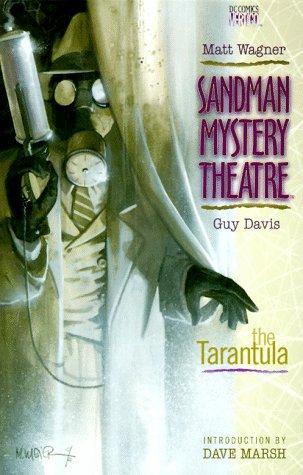

Wesley Dodds is no superhero. He sleeps badly, dreams prophetically, and puts on a gas mask not because he craves adventure but because the dreams won't stop until he acts. Matt Wagner's Sandman Mystery Theatre, which ran from 1993 to 1999 with art primarily by Guy Davis, is one of the great slow-burn achievements in American comics: a character study dressed up as a pulp serial, set in a Depression-era New York where corruption is structural and every case exposes another layer of rot. The thing fans chase in it is the combination of period atmosphere, moral weight, and the quietly devastating romance between Wesley and Dian Belmont. You won't find punching-through-walls heroics. You'll find the city as a living system of cruelty, and two people trying to stay human inside it.
Essential Sandman Mystery Theatre
The core run and its closest companions in comics


The Golden Age Pulp Screen
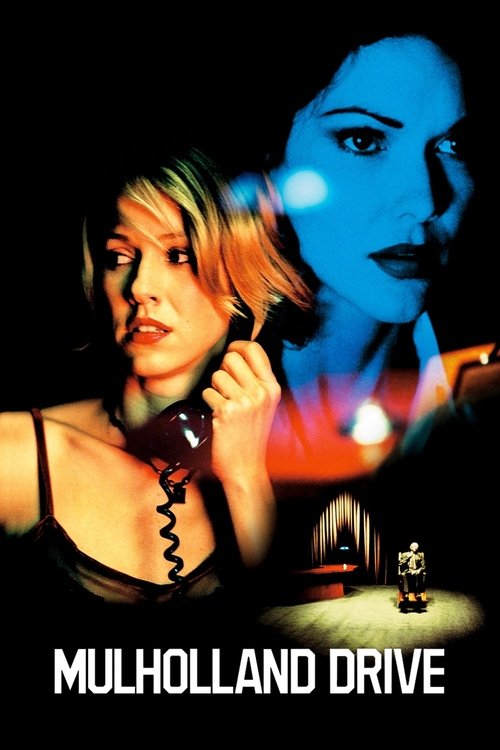
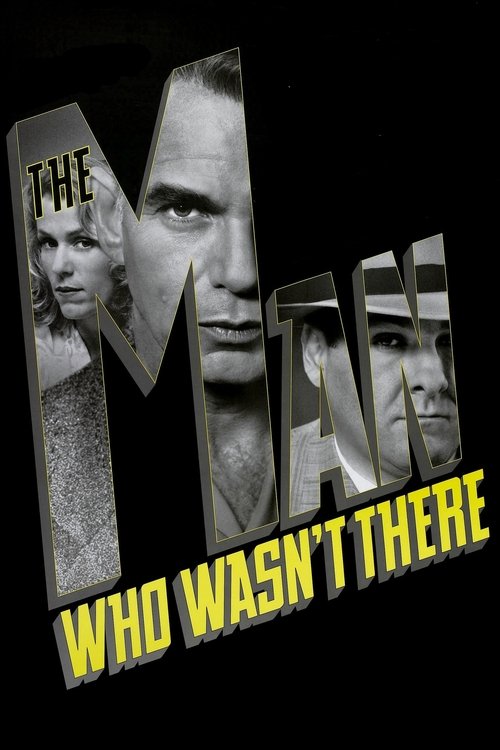
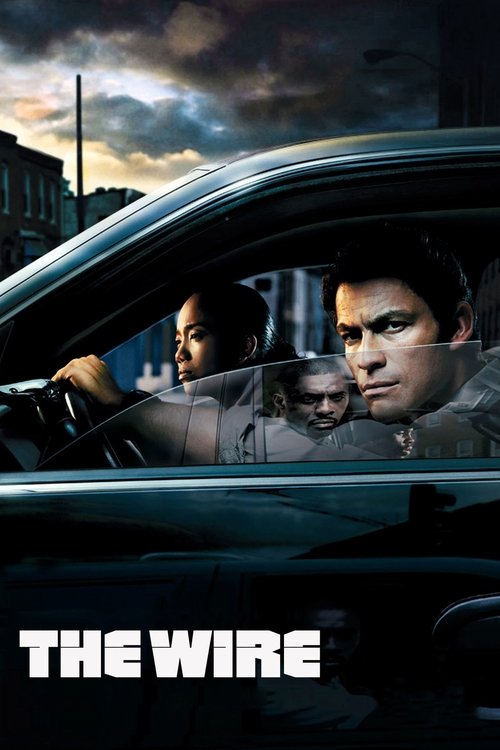
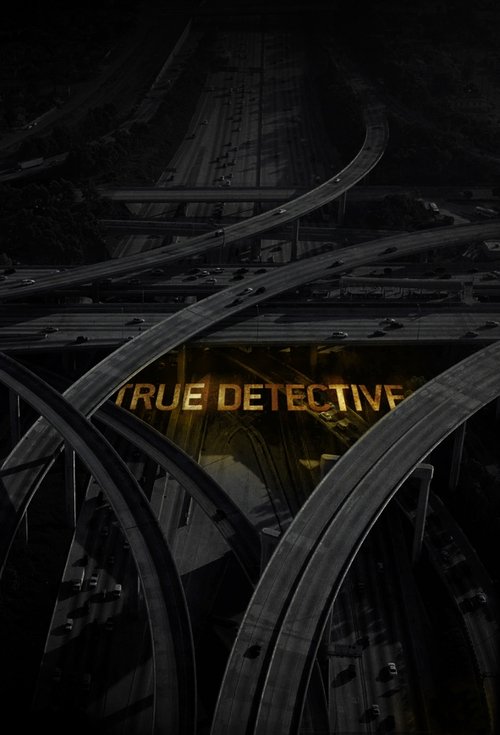
Films and series that match the period shadows and moral complexity
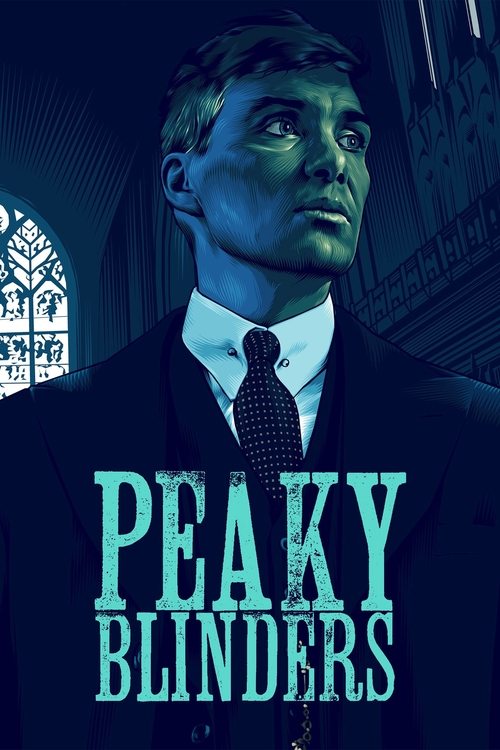
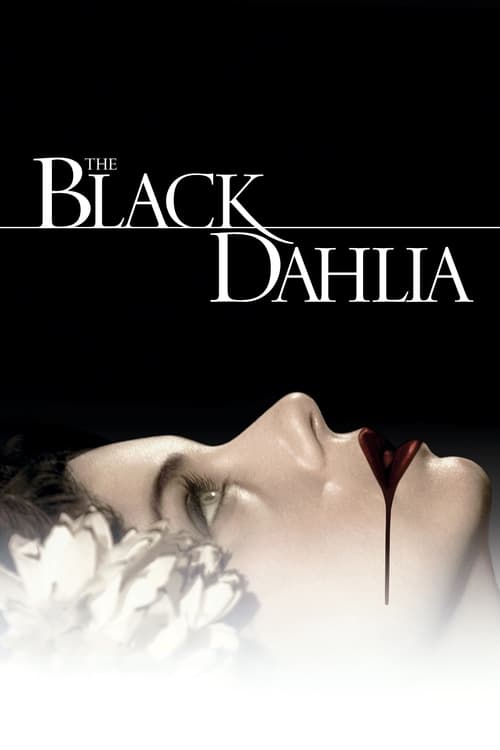
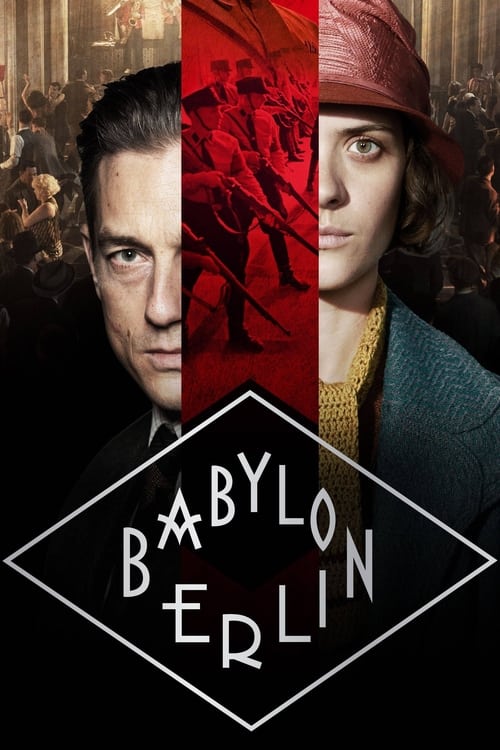
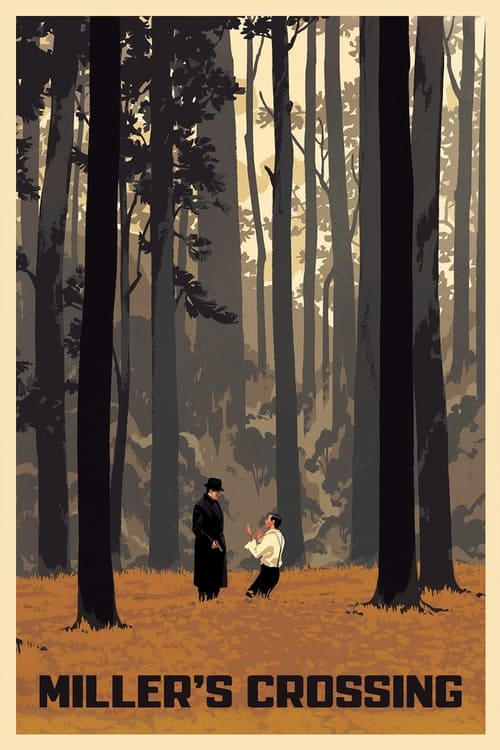
Noir Fiction: The Source Current
Novels that share the same damp-streets moral weight


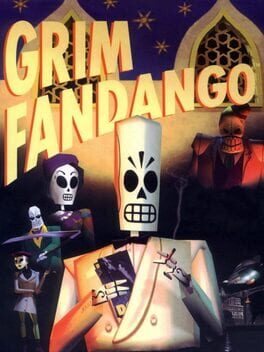
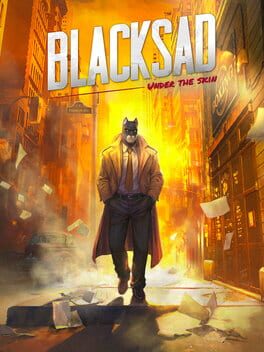
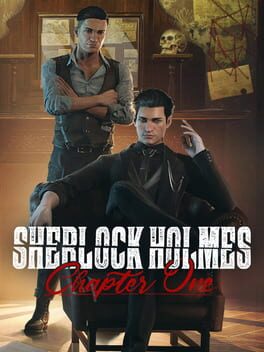
Games That Wear the Shadows Well
Interactive noir and pulp-era crime worth your time
The romance is the spine, not the crime
Most crime fiction treats its detective's personal life as something to set aside when the case calls. Wagner does the opposite: Wesley and Dian's relationship is where the emotional stakes live. Her intelligence, her frustration with his secrecy, and the way the two of them negotiate honesty inside a deeply unequal world give the series its lasting power. The crimes matter. The partnership between them matters more.
Guy Davis drew the city as a character
The visual grammar of Sandman Mystery Theatre owes everything to Guy Davis. His New York is cramped, grimy, and deeply specific: the architecture feels researched, the shadow-work reinforces dread without ever tipping into camp. It is the model for what period-authentic comics noir can look like when the artist treats place as argument rather than backdrop.
Wesley Dodds is the anti-Batman
Both wear masks. Both inhabit the same genre conventions. But where Batman is mythic, Wesley is anxious and mortal and shaped by inherited guilt. His wealth is a source of discomfort, not a resource for gadgets. His dreams compel him rather than his ambition. Sandman Mystery Theatre is the version of the Golden Age that refuses the romanticism and asks what these people would actually have been like.
Disco Elysium is the spiritual video-game heir
Both centre a detective who is more wreck than hero, both use the investigation as a vehicle for class and guilt and the question of what justice even means in a broken social order. Disco Elysium is formally different in almost every way, but the reader who loves what Wagner does with Wesley will find the same core preoccupation: a man trying to be decent in a system designed to make decency expensive.
Noir's Long Century
- 1929Red Harvest published Red Harvest
- 1930The Maltese Falcon published The Maltese Falcon
- 1939The Big Sleep published The Big Sleep
- 1941The Maltese Falcon film The Maltese Falcon
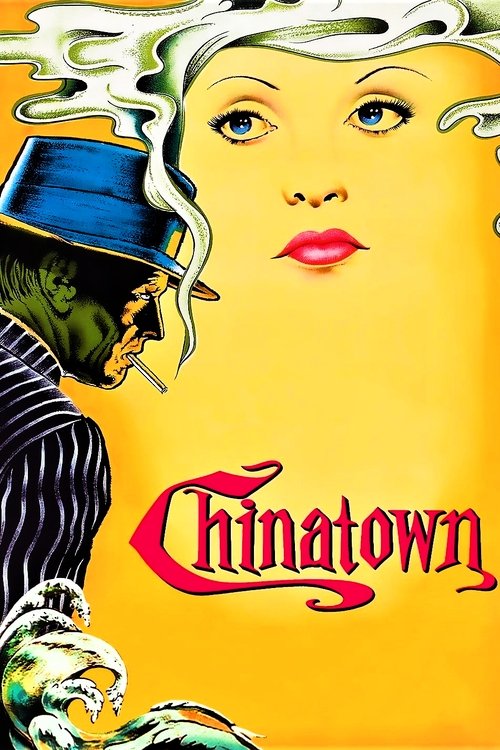
- 1974Chinatown released Chinatown
- 1993Sandman Mystery Theatre debut issue
- 1997L.A. Confidential published L.A. Confidential
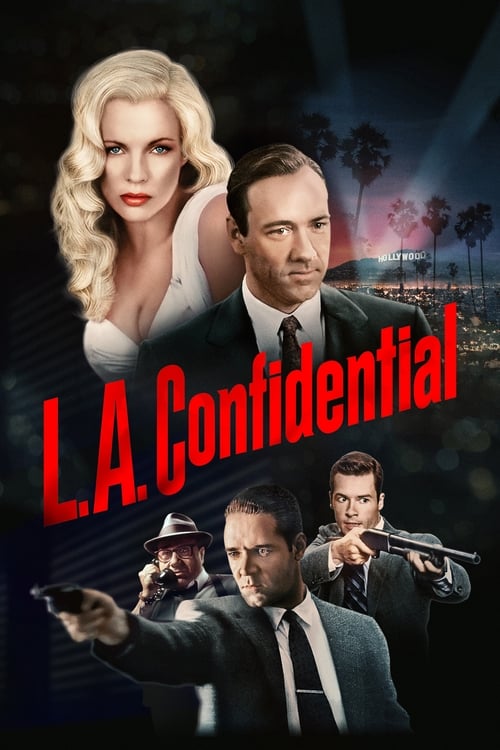
- 1997L.A. Confidential film L.A. Confidential
- 1999Sandman Mystery Theatre concludes
- 2012L.A. Noire released L.A. Noire
- 2014True Detective Season 1 True Detective
- 2019Disco Elysium released
Pulp noir and Golden Age crime
Film Noir & Neo-Noir
Explore the Film Noir & Neo-Noir guide →The fog never lifted in Wesley Dodds's New York. That was the point.Sandman Mystery Theatre