
The Man Who Made Japan's Railways into Alibis
Shōgorō Nishimura (1930–2019) wrote more than five hundred novels over a career that spanned six decades, and very nearly all of them are built around the same obsession: the iron geography of Japan. A killer boards the Sanyo Shinkansen at Shin-Osaka, changes to a limited express at Okayama, catches a rural branch line into the mountains, and manufactures an alibi by exploiting a six-minute gap in the timetable. Nishimura knew every departure time, every connection, every seasonal change to the schedule. His plots are exercises in applied logistics. But what keeps the books alive past the puzzle is the mood underneath the mechanics: the grey provincial cities, the ryokan rooms with their thin walls, the sense that Japan's postwar economic miracle left a particular kind of sadness behind in the places the bullet trains passed through.
His long-running Inspector Totsugawa series is the entry point for most readers. Totsugawa is a Tokyo Metropolitan Police detective who spends half his life on overnight expresses, chasing killers into corners of the country most Tokyo residents have never seen. He is patient, a little melancholy, and always polite. The crimes he investigates tend to involve money, inheritance, corporate betrayal, and the quiet violence of the Japanese family. What makes the books feel distinct from golden-age puzzle fiction is that geography is never just a prop: Nishimura's regional landscapes carry genuine emotional weight.
For anyone who loves patient, architecturally precise mystery fiction with a strong sense of place, the Nishimura catalogue is enormous and the pleasures are consistent. The picks below extend the same concerns outward: social mysteries, railway atmospherics, Japanese procedurals, and the wider world of crime fiction built on geography and method.
Japanese Social Mystery: The Same Grey World
Crime fiction rooted in postwar Japan's landscapes, institutions, and quiet despair


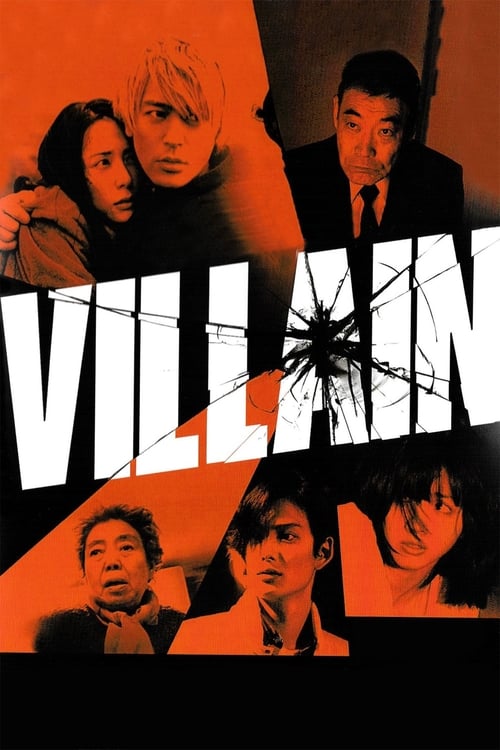
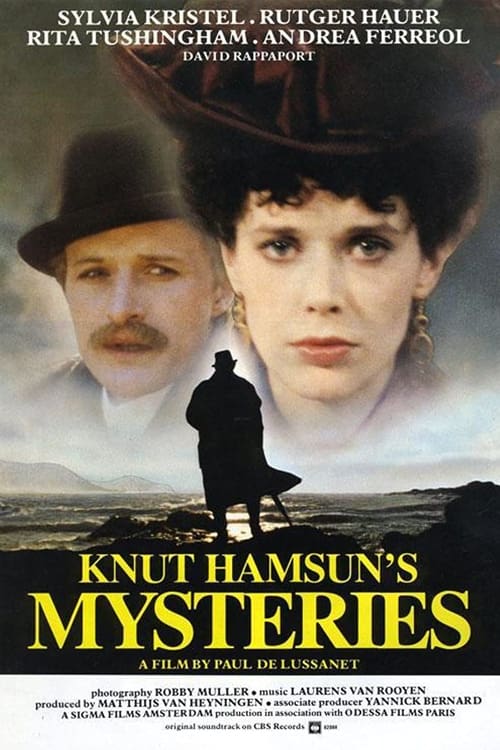
Japanese Crime Cinema: Method and Atmosphere
Films that share Nishimura's feel for landscape, institutional pressure, and the weight of a secret carried across the country




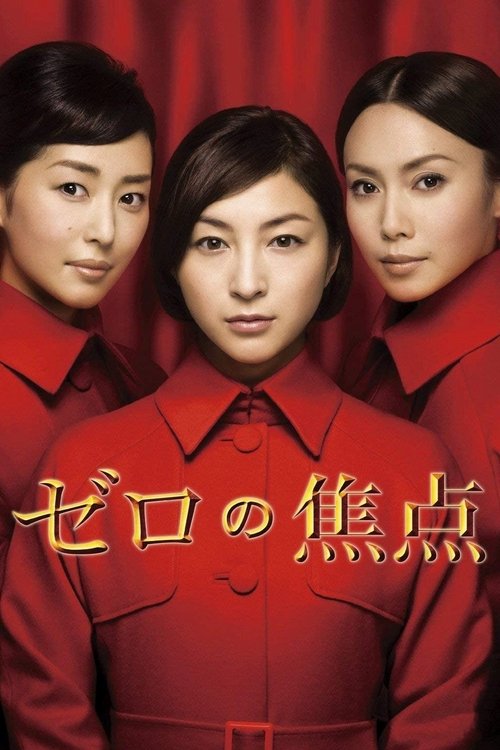
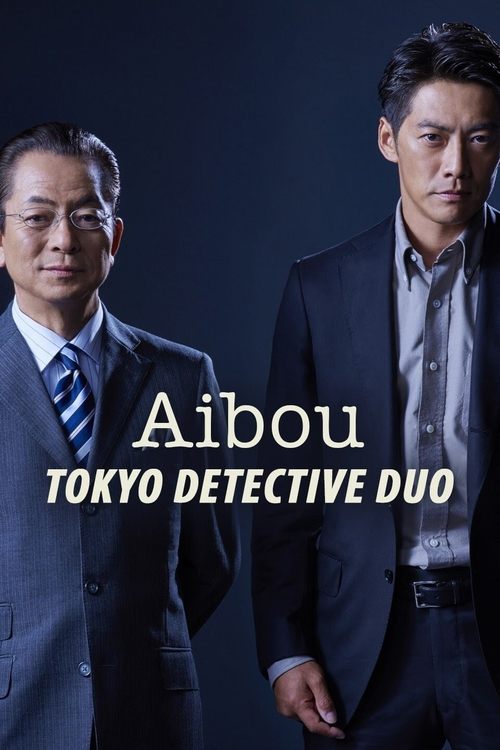
Japanese Police Procedural on Television
Long-form TV that inherits the patience and regional texture of the Totsugawa novels








Architecture of the Alibi: Western Puzzle Fiction
Golden-age and neo-classical mystery novels built on the same love of method, mechanism, and place


Keigo Higashino is the spiritual successor, but he changed the subject
Higashino's Galileo series takes the Nishimura premise, a brilliant-method puzzle worked by a patient detective with a specialist ally, and replaces railway timetables with scientific ingenuity. The emotional register is warmer, the pacing faster, and the social critique sharper. The Devotion of Suspect X is where Higashino outgrew the formula entirely and built something genuinely new from its materials. Nishimura readers who feel the Totsugawa novels have grown repetitive will find that book the most rewarding next step.
Shōgorō Nishimura: Six Decades of the Timetable Mystery
- 1930Born in Kyoto
- 1957Debut novel published
- 1961First Totsugawa story appears
- 1973Totsugawa Keibu series begins in earnest
- 1982First English translation of a Nishimura novel
- 1985Totsugawa TV adaptations begin airing
- 1990sOutput peaks; over 20 novels published in the decade
- 2006Received the Mystery Writers of Japan Award for lifetime achievement
- 2019Died in Tokyo, aged 88
Puzzle mysteries and master sleuths
For Fans of Agatha Christie
Explore the For Fans of Agatha Christie guide →Nishimura does not write about the train. He writes about the gap between departures, the six minutes where a life can be rewritten.CrossBinge editors