
Paul Simon and Art Garfunkel perfected a specific kind of beautiful sadness: acoustic guitars carrying melodies so clean they ache, harmonies so tight they feel like one voice dreaming itself into two, and lyrics that moved between street-level observation and almost unbearable tenderness. From the folk clubs of Greenwich Village in the early 1960s to the roof of the Romare Bearden mural at Columbia University, they built a catalog that captured the loneliness of crowds, the ache of roads not taken, and the peculiar American condition of feeling displaced even at home. Their music lives in the space where poetry meets pop, where a three-minute song can hold a whole life inside it.
Essential Simon and Garfunkel
The albums and recordings that define the canon
The Films They Scored and Shaped
Cinema where their sound became the emotional architecture

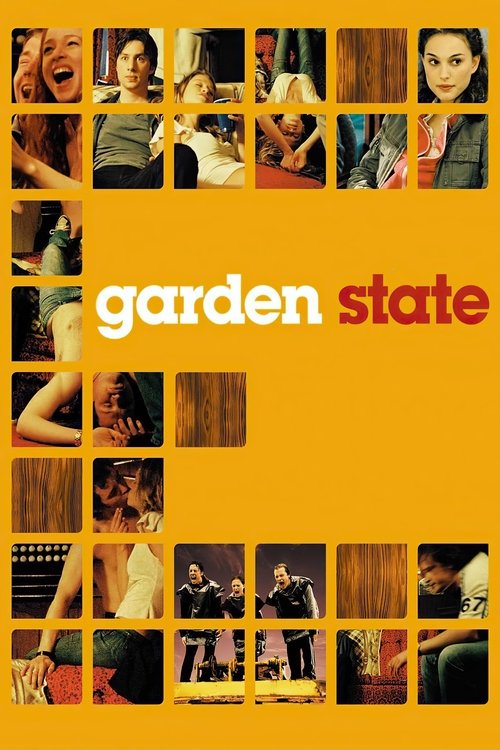

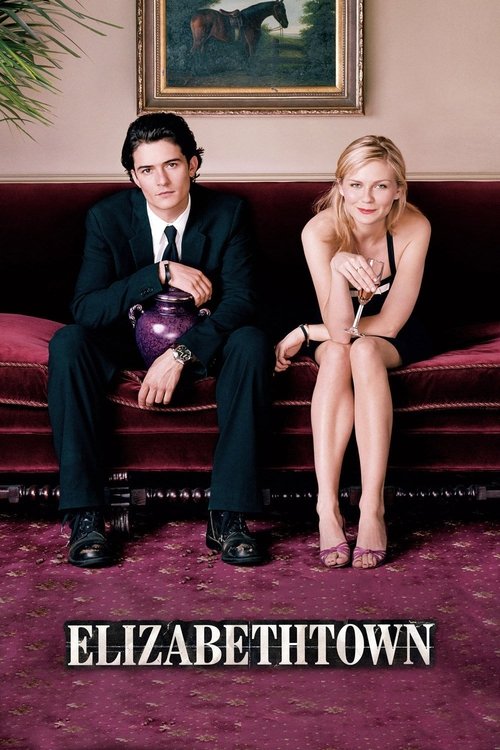
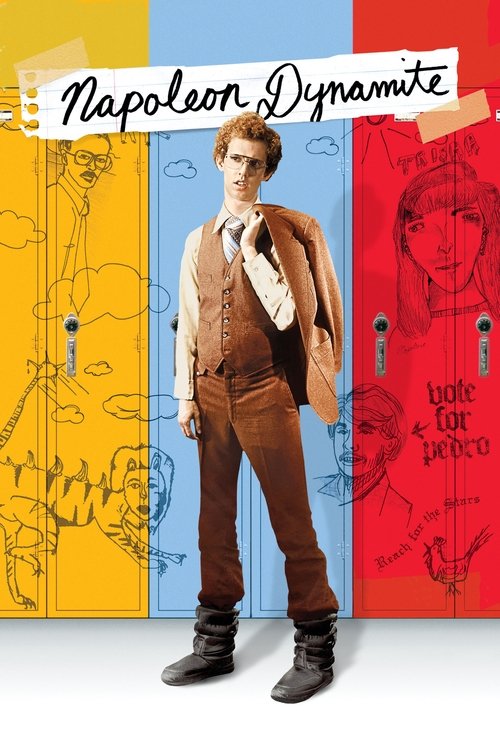
Documentaries and Concert Films
The folk era on screen: close-up portraits and legendary performances
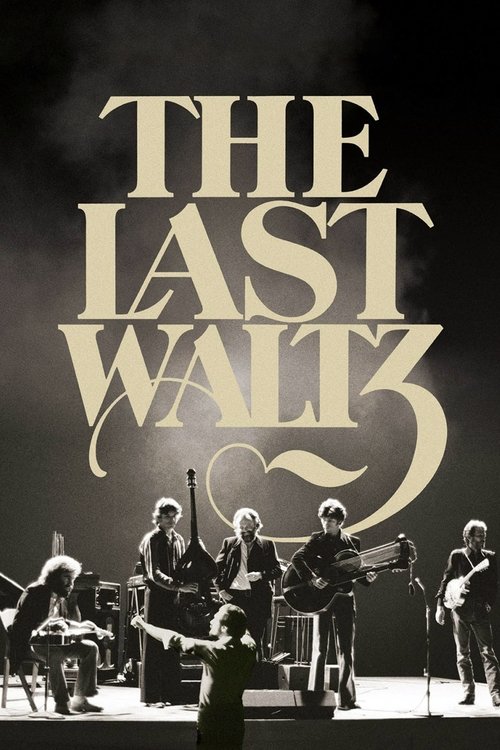
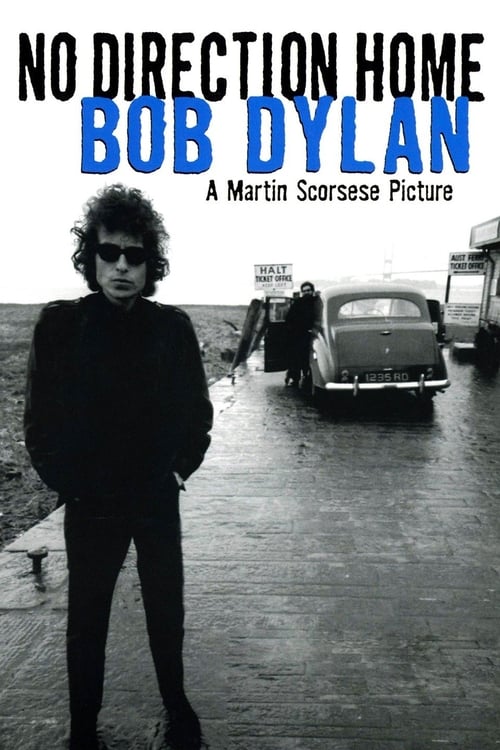

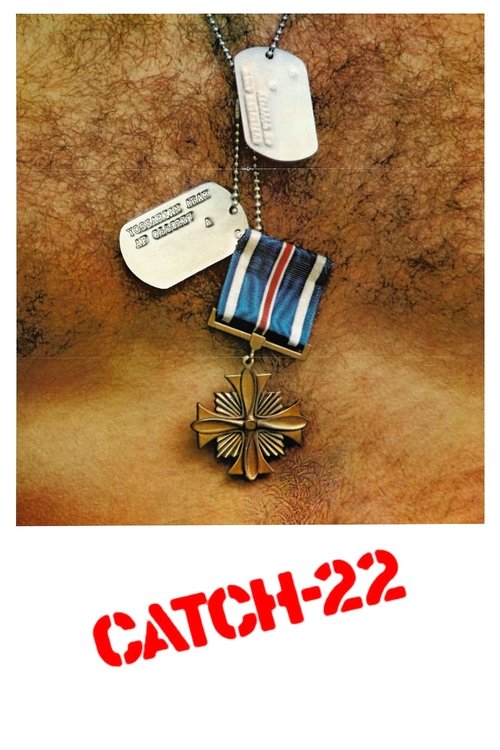
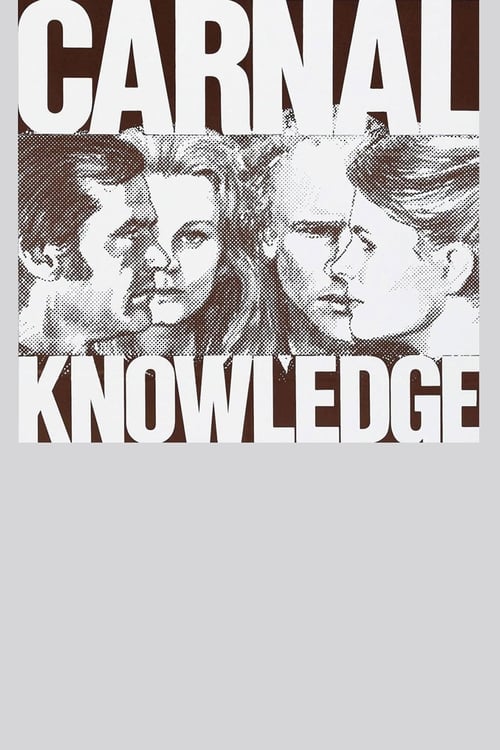
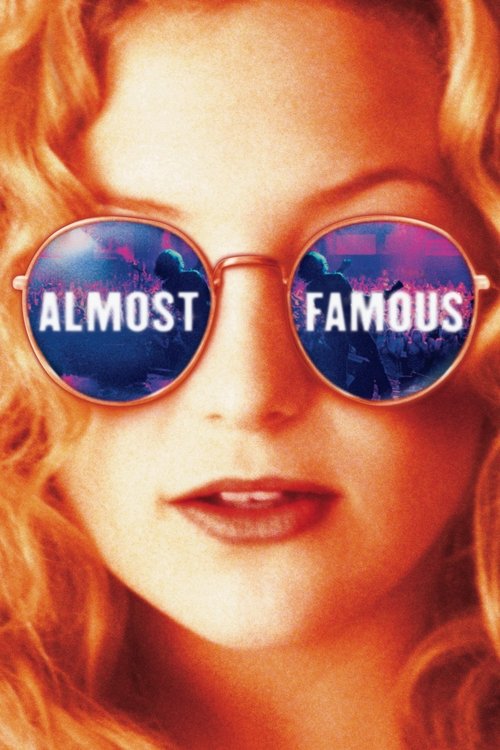
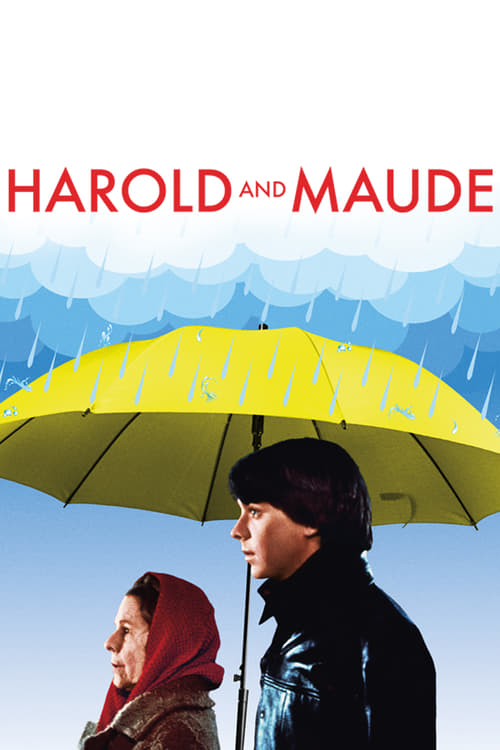
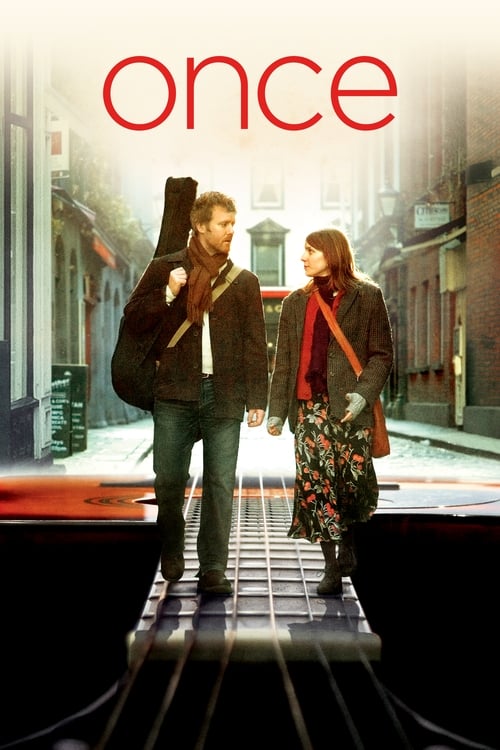
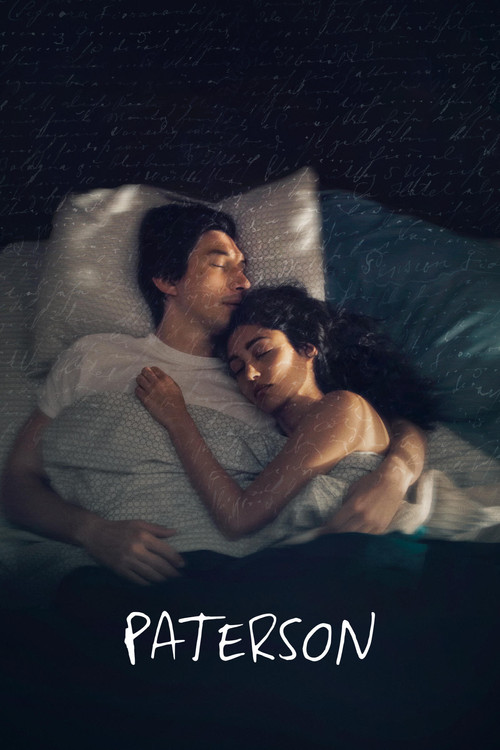
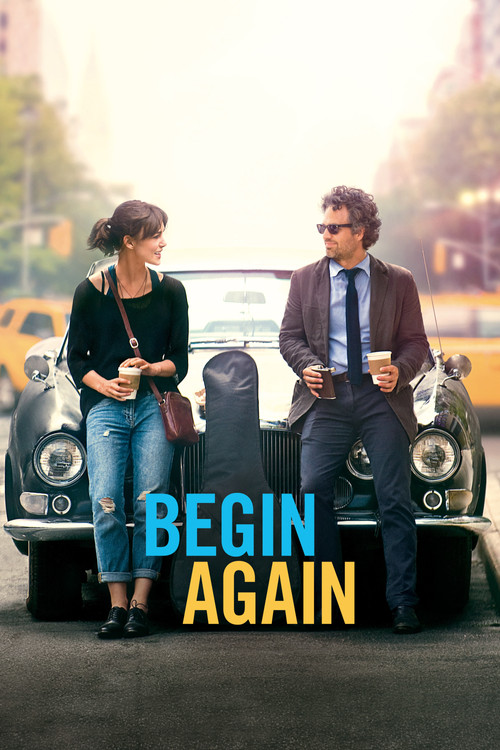
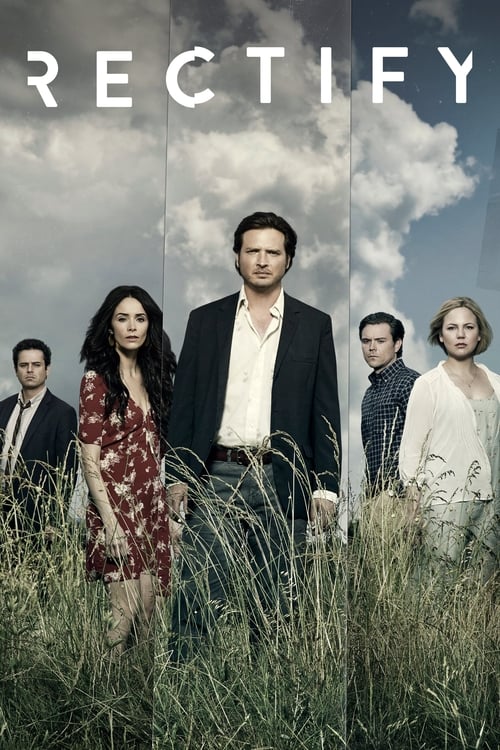
If You Love That Melancholy Drift: Films and Series
The same emotional temperature: dislocation, longing, the beautiful ache of being young and lost





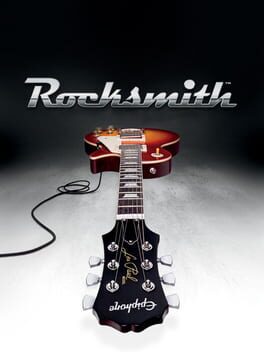
Music and Rhythm Games Worth Your Time
For the fan who wants to feel music as an active force






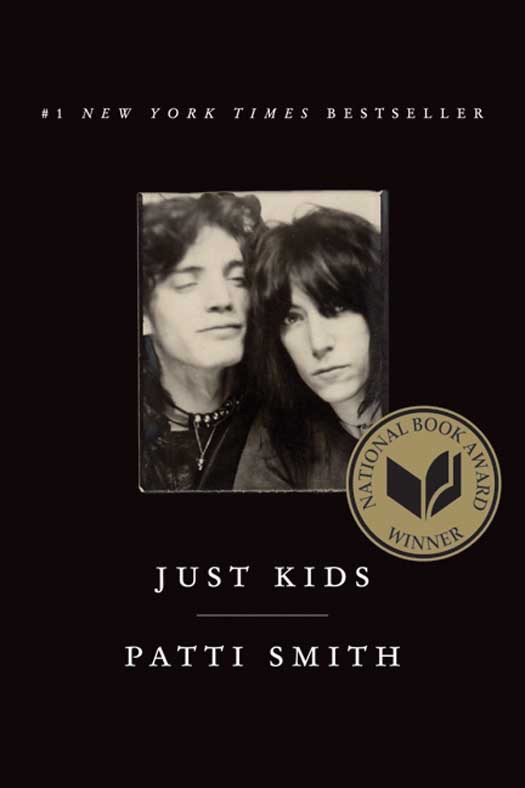
Books That Belong in This Record Collection
Folk poetry, Greenwich Village memoir, American longing in prose form


The Graduate Changed What Film Music Could Be
Before Mike Nichols dropped Simon and Garfunkel songs into The Graduate, film scores were largely composed-to-order. Using pre-existing recordings as emotional shorthand was almost unheard of at that scale. The result was a new language: 'The Sound of Silence' and 'Mrs. Robinson' became as much the film as Dustin Hoffman's face, teaching every director who followed that the right song could do what no original score dared. Nearly every music-forward film since owes a structural debt to that choice.
Paul Simon Solo Is a Separate Education
Simon's post-breakup catalog is one of rock's great post-partnership achievements: 'Still Crazy After All These Years', 'Graceland', 'The Rhythm of the Saints', and 'Surprise' each rebuilt his sound completely while keeping his melodic instincts intact. Garfunkel's own recordings, from 'Angel Clare' to 'Watermark', are far subtler but reward deep listening. Understanding the duo means understanding what each brought and what each became alone.
Inside Llewyn Davis Is the Folk World They Came From
The Coen Brothers' film does not name its characters after real people, but every scene breathes the air of the early-60s Village scene that shaped Simon and Garfunkel. The recording sessions, the cold-water flats, the particular mix of intellectual seriousness and economic desperation: it captures the world that 'Wednesday Morning, 3 A.M.' was made inside. Watch it as a companion piece, not a biopic.
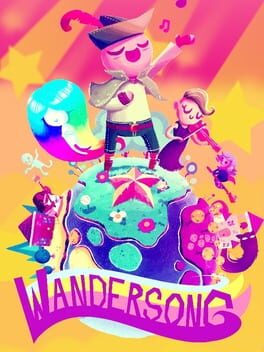
Wandersong for Fans Who Feel Music as Philosophy
If what you love about Simon and Garfunkel is the conviction that a song can hold together things that should fall apart, Wandersong makes that literal. The player-character sings rather than fights, and the entire mechanical logic of the game rewards attentiveness and gentleness over power. It carries the same emotional register as 'Bridge over Troubled Water': the belief that softness is a form of strength.
Simon and Garfunkel: A Brief Arc
- 1964Tom and Jerry to Tom and Jerry Again: Simon and Garfunkel release their debut as Simon and Garfunkel Wednesday Morning, 3 A.M.
- 1966The Sound of Silence becomes a crossover hit, kicking off their commercial peak Sounds of Silence
- 1967Mike Nichols uses their recordings to score a generation's ambivalence The Graduate
- 1968Bookends, their most cohesive album, maps an American life from youth to old age Bookends
- 1970Bridge over Troubled Water: their farewell album sells tens of millions and wins five Grammys Bridge Over Troubled Water
- 1981The Concert in Central Park draws 500,000 people, one of the largest concerts in history The Concert in Central Park
- 2003Old Friends reunion tour plays stadiums worldwide
- 2015Paul Simon's 'Stranger to Stranger' continues his restless solo reinvention
Folk poetry and aching harmony
For Fans of Folk Music
Explore the For Fans of Folk Music guide →Hello darkness, my old friend. I've come to talk with you again.The Sound of Silence, 1964