

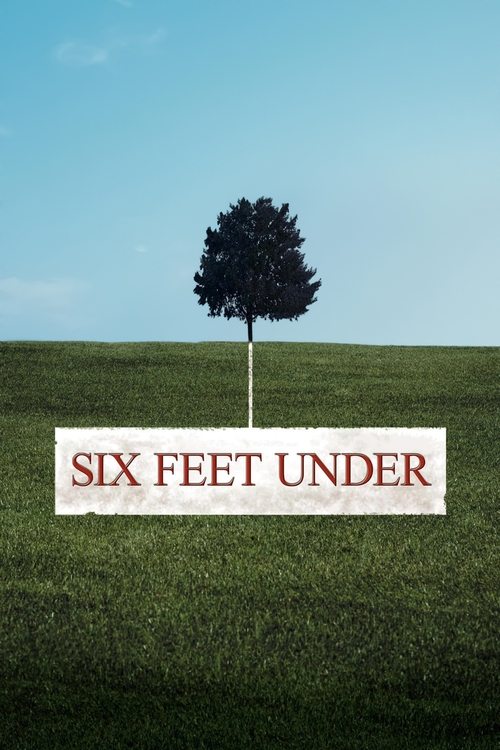
Six Feet Under ran on HBO from 2001 to 2005, created by Alan Ball fresh off writing American Beauty. Each episode opens with a death, any death, stranger or side character, and that cold-open mortality becomes the week's tuning fork. The Fisher family runs a funeral home in Los Angeles, which gives the show its unusual permission: death is not a dramatic exception here, it is the furniture. What unfolds around it is one of American television's most unflinching portraits of a family held together and pulled apart by grief, repression, queerness, addiction, and the impossible question of what you owe the people who made you. The finale remains, by wide consensus, the most emotionally devastating hour of television ever produced. If you have already been through it once, everything below will feel like familiar country.
Series That Hold the Same Nerve
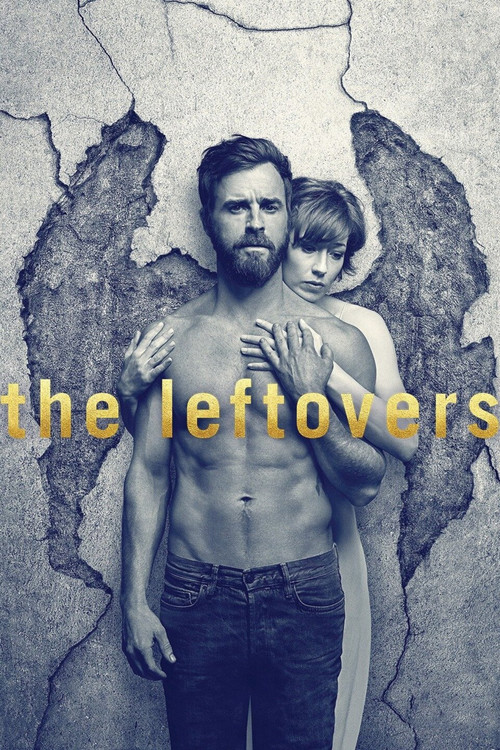
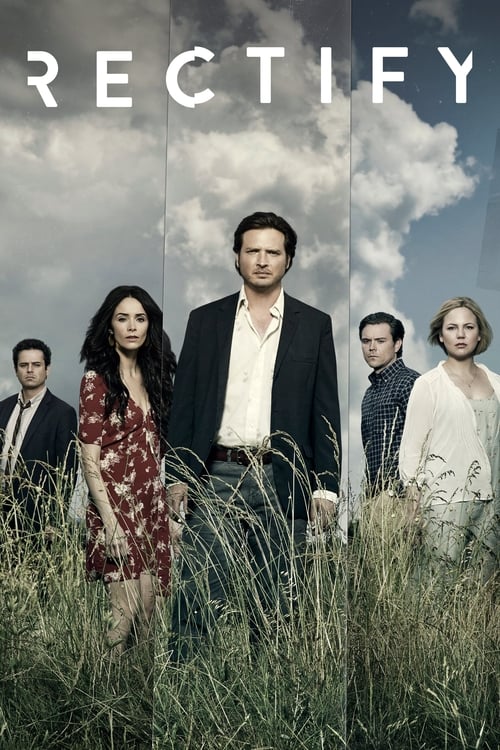
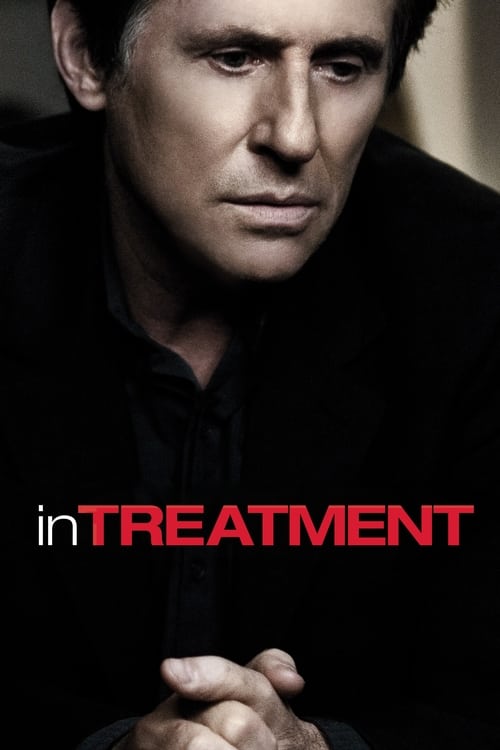
Television that treats grief, family, and mortality with the same unflinching honesty


Films That Sit With Death
Movies that use mortality not as shock but as the lens through which everything else comes into focus







Books That Stare Back
Novels and memoirs that share Six Feet Under's refusal to look away from loss and family dysfunction


Games That Make You Feel Something
Games built around grief, family, and the quiet weight of loss rather than action

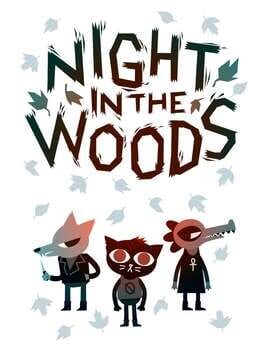

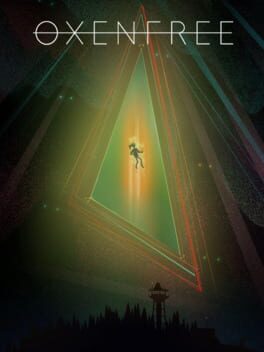



The Queer Family Drama Is Its Own Genre Now
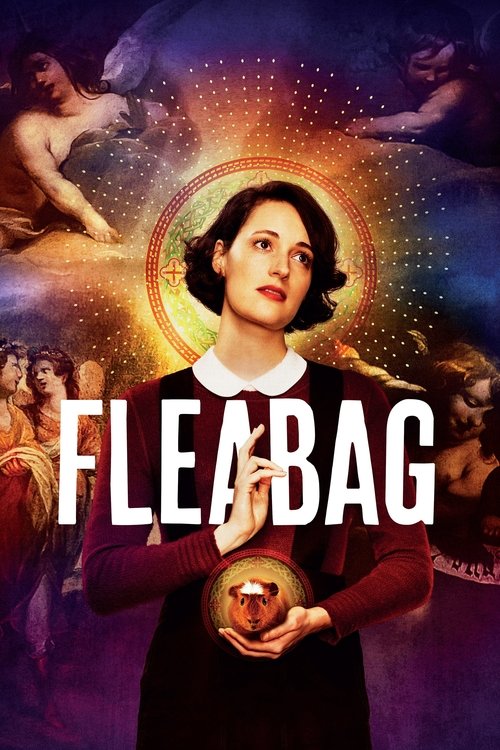
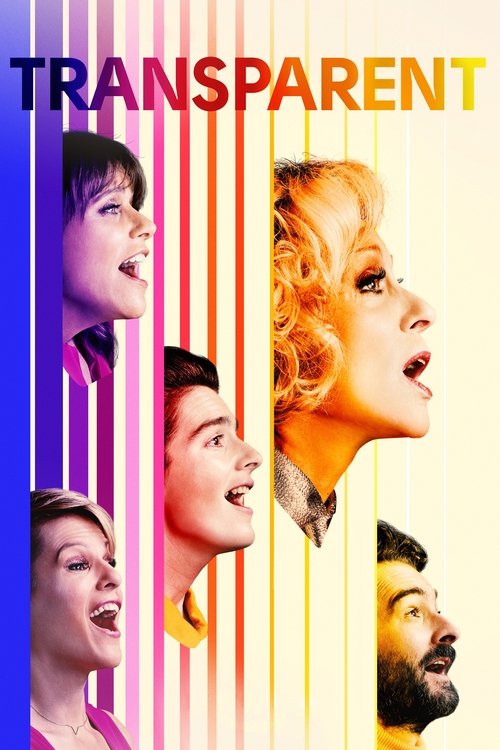
Six Feet Under was not the first television drama to feature a gay central character, but it was one of the first to treat David Fisher's sexuality as one ingredient in a complex person rather than his defining characteristic or his tragedy. Nate's chaos and Ruth's repression and Claire's ambition took up equal space. That balance, where queerness is present and real without being the only story being told, became a template. Shows like Transparent, Fleabag, and I May Destroy You carry the same DNA: the family unit as a pressure chamber, every member cracking in a different direction.
Alan Ball Wrote American Beauty First
The screenplay Ball wrote for American Beauty in 1999 is the closest prequel Six Feet Under has. Both works share a fascination with the American suburb as a container for denied desire, with repression producing grotesque consequences, and with a dead narrator framing the living. Lester Burnham's final-act confession that the beauty of ordinary moments is what matters is the same argument Six Feet Under makes for five seasons and then drives home in one of the most emotionally precise finales in television history.
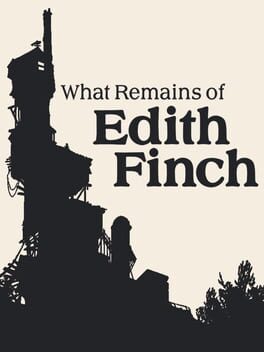
What Remains of Edith Finch Is Six Feet Under as a Game
Giant Sparrow's 2017 game walks you through a deceased family home and lets you briefly inhabit the final moments of each member who died there. Like Six Feet Under, it opens with a death and builds its world around the residue people leave in rooms and in each other. The structural similarity is striking: each vignette is its own genre, its own tone, its own grief. And like the Fisher home, the house itself is as much a character as anyone who lived in it.
The Year of Magical Thinking Shares the Same Frequency
Joan Didion's memoir about the year following her husband John Gregory Dunne's sudden death is probably the closest literary analog Six Feet Under has. Both works understand that grief is not orderly, that the mind bargains in strange and specific ways, and that the texture of an ordinary Tuesday can carry more weight than any dramatic rupture. Didion's line about the way the bereaved keep expecting the dead to walk back in captures exactly what Six Feet Under dramatizes every week.
Milestones in Prestige Grief Television
- 1980Ordinary People arrives and proves that family trauma is box-office material Ordinary People
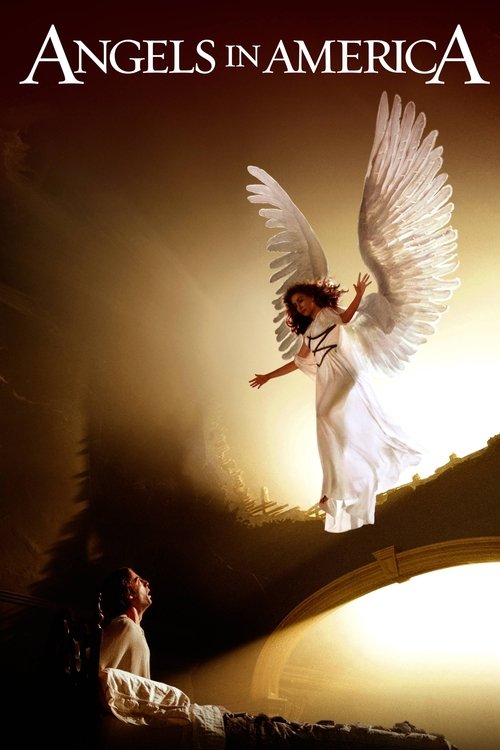
- 1993Angels in America brings AIDS-era grief to the stage and then to television Angels in America
- 1999American Beauty wins Best Picture and sets the template for suburban American dysfunction American Beauty
- 2001Six Feet Under premieres on HBO and redefines what a drama series can be about Six Feet Under
- 2005The series finale airs, producing what many call the single best closing episode in television history Six Feet Under
- 2011The Leftovers source novel published; the HBO adaptation follows in 2014 The Leftovers
- 2014The Leftovers (TV) extends Six Feet Under's project into something almost theological The Leftovers
- 2017What Remains of Edith Finch wins BAFTA for Best Game, proving interactive grief lands What Remains of Edith Finch
- 2019Disco Elysium reframes the RPG around failure, grief, and self-destruction
Grief, the afterlife, small-town lives
For Fans of BoJack Horseman
Explore the For Fans of BoJack Horseman guide →You can't take a picture of this. It's already gone.Nate Fisher, Six Feet Under