
Every culture builds a map of what comes after. Dante put nine circles under the earth and nine spheres above it. The Greeks had a river you paid a ferryman to cross. The Aztecs sent the dead on a four-year walk through nine layers of Mictlan. The afterlife is the one country no traveler returns from, which is exactly why storytellers cannot leave it alone. If you cannot report back, the writer gets to invent the whole territory.
What makes this subject so durable across film, television, games, books and music is that it is never really about the dead. It is about the living deciding what a life was worth. A heaven you have to earn is an argument about virtue. A hell with a tariff for every sin is an argument about justice. A bargain that lets you return for one more day is an argument about grief. These stories give shape to the questions nobody can answer, and the best of them refuse the easy comfort. They make the beyond a place with rules, geography and consequences, and then they send a recognizable human being walking into it.
Essential journeys past death
The canon of heaven, hell and the road between, across every medium


What Dreams May Come painted heaven and hell better than anyone has since
Vincent Ward's What Dreams May Come (1998) took the radical position that the afterlife looks like whatever the dead person believes it should. Robin Williams arrives in a paradise made of his wife's paintings, the brushstrokes still wet under his feet, and the film commits fully to the idea that the beyond is a personal creation rather than a fixed address. Then it does the harder thing: it sends him down into a hell built from his wife's despair to try to bring her back, refusing to accept that her suicide has placed her permanently out of reach.
The theology is unconventional and the sentiment runs hot, but no film before or since has rendered heaven and hell with this much visual conviction. Richard Matheson's source novel argued the same case in prose: that love is a force with enough pull to drag a soul out of the pit. The movie believed it completely, and that sincerity is why it still lands.
The beyond on film
Bargained returns, near-death visions and the long walk down
The ferryman and the deal at the door
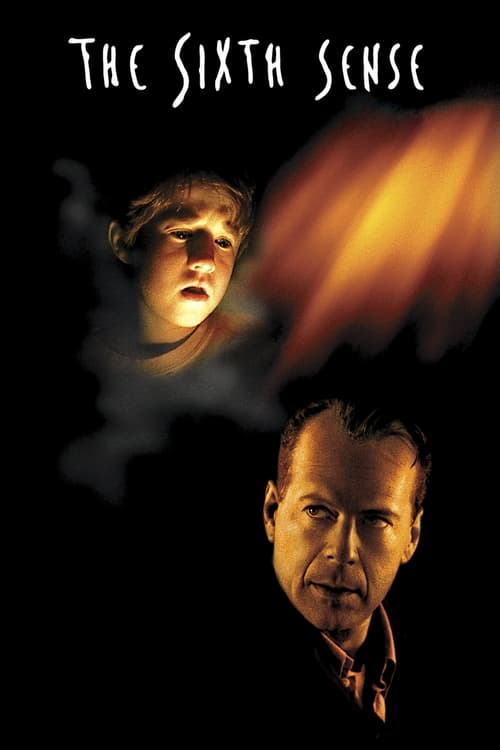
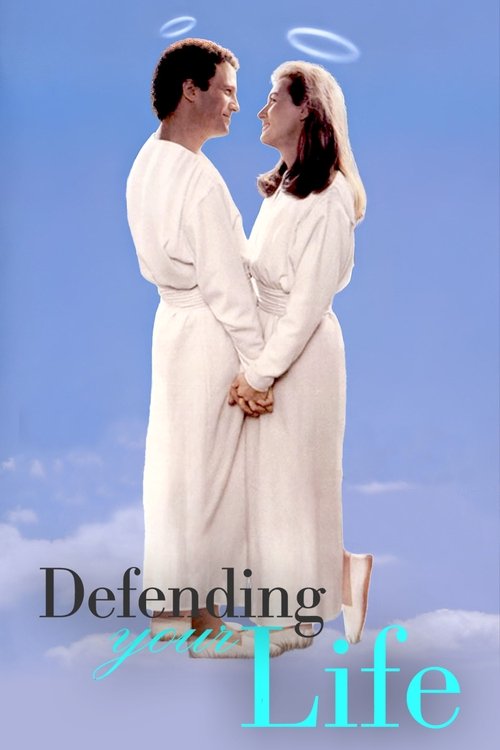
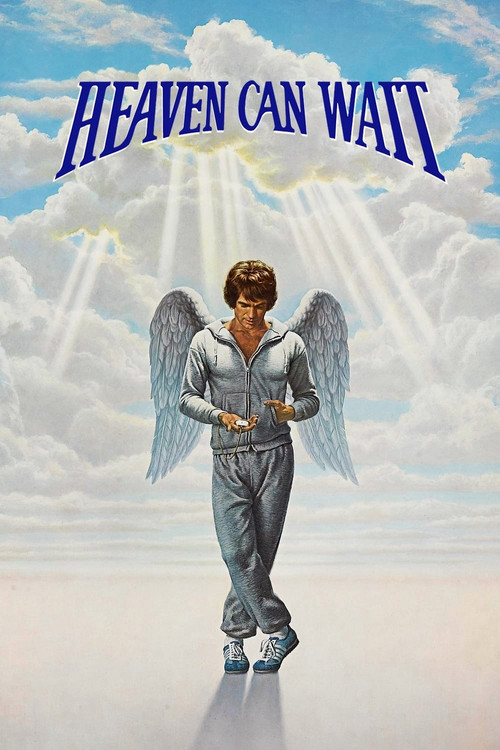
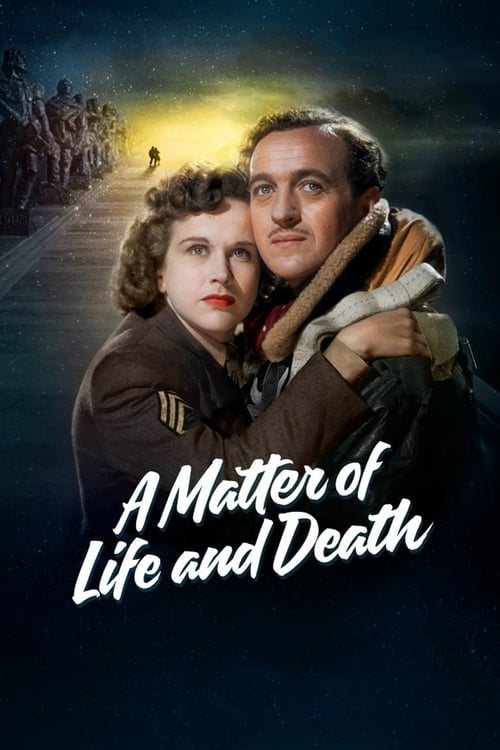
The oldest version of the afterlife story is a transaction. You cross a river, you pay a toll, you account for your life at a desk. Albert Brooks turned that bureaucratic dread into comedy with Defending Your Life, where the recently dead stand trial in a tidy resort town and the only sin that matters is having lived afraid. Warren Beatty's Heaven Can Wait worked a different angle: a man taken too soon by an overeager celestial clerk, sent back into a borrowed body while the paperwork gets sorted.
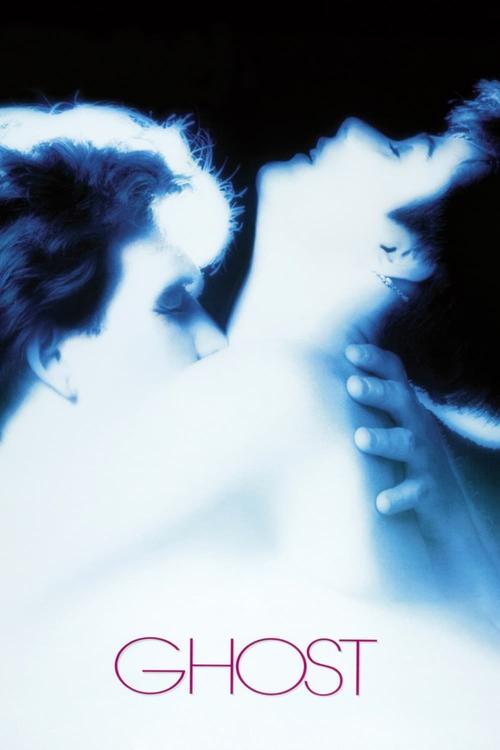
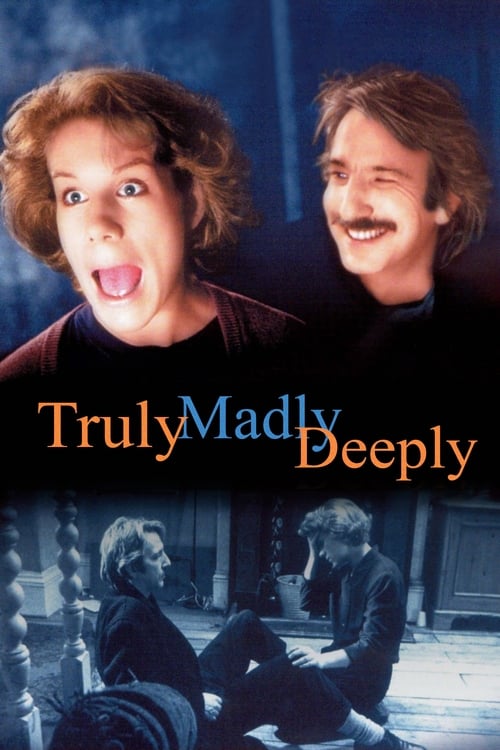
The negotiation is the genre's engine. Ghost let Patrick Swayze linger between worlds to protect the woman he loved. Truly Madly Deeply let the dead come back precisely so the living could finally let them go. Every one of these films understands that the deal at death's door is never really about cheating death. It is about what the bargainer has left undone.
Coco is the rare afterlife film that gets the geography right
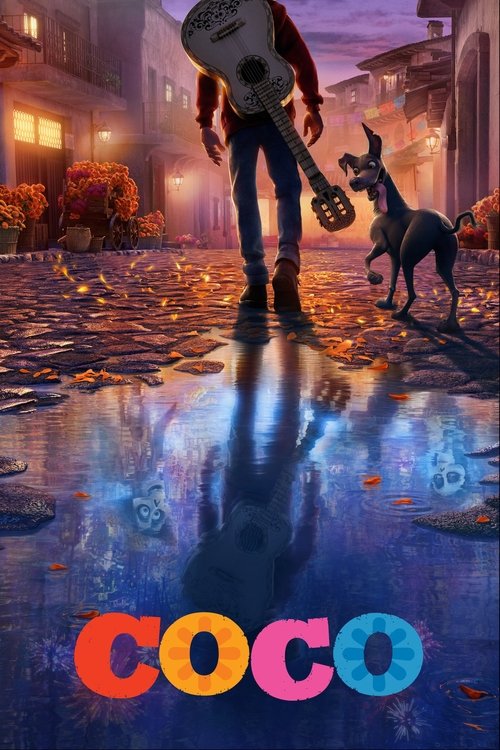
Most Western afterlife stories default to clouds or fire. Pixar's Coco went somewhere far more specific and far more moving: the Land of the Dead as imagined by Mexican tradition, a towering neon city reached by a bridge of marigold petals, where the dead persist only as long as the living remember them. The rule that drives the whole plot, that a soul suffers a final death when no one on the other side keeps their photo on the ofrenda, turns remembrance into a literal life-support system.
It is a children's film that takes mortality seriously. The villain's crime is not murder so much as erasure, stealing another man's songs and his memory along with them. Coco argues that the afterlife is real for exactly as long as love keeps it lit, and it makes that argument through the most gorgeous underworld ever animated.
The dead among us on television
Comedies of the beyond, grim reapers on the clock and unfinished business

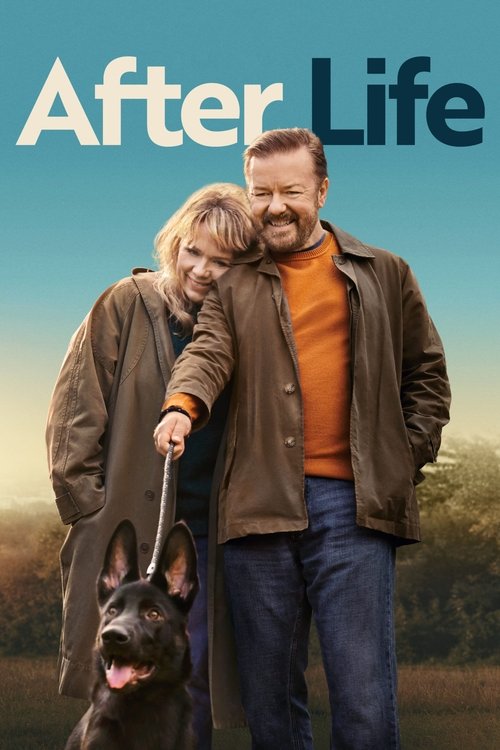

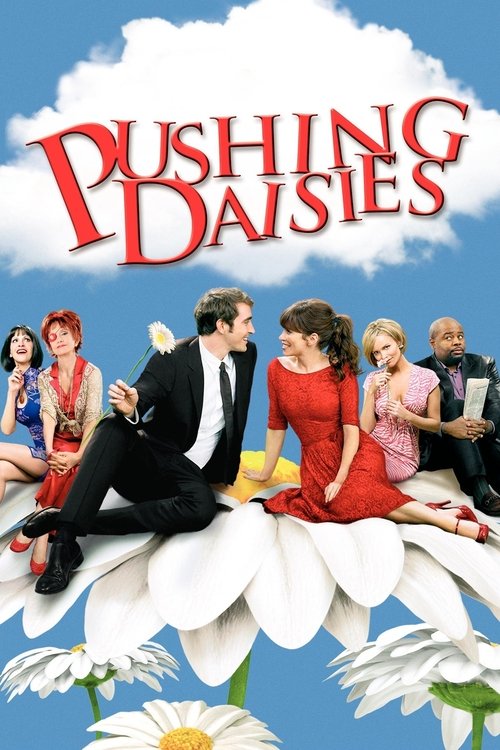
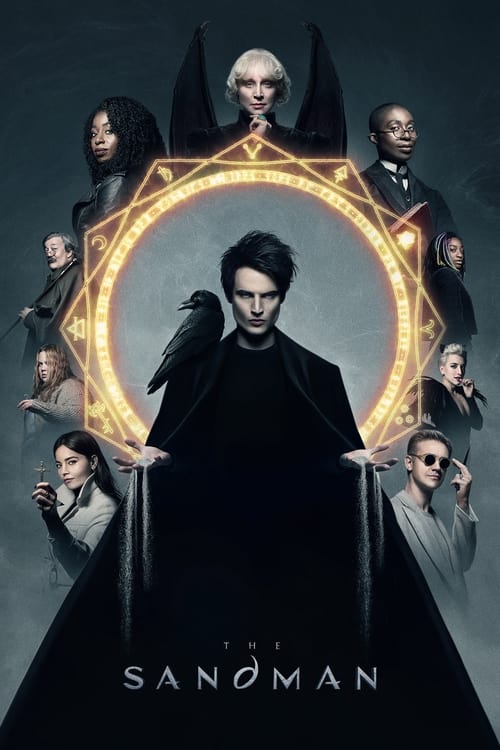
The Good Place is the smartest theology ever smuggled into a sitcom
Michael Schur built a network comedy around a points system that decides whether you go to the Good Place or the Bad Place, then spent four seasons demolishing it. The premise sounds like a one-joke show: a selfish woman ends up in heaven by clerical error and has to fake being good. What it became was a genuine inquiry into moral philosophy, name-checking Kant, Kierkegaard and Scanlon while never losing the jokes about Florida and shrimp.
The show's real argument is that no afterlife ledger can capture a life, because every modern choice is tangled in consequences nobody can fully see. By the finale it has reinvented heaven itself as a place you eventually choose to leave, which is a braver idea about death than most prestige dramas ever attempt. It is the funniest show ever made about what we owe each other, and what comes after we stop owing it.
Hell, the underworld and the road back, in games
Descents you survive by dying, ferries you crew, and infernos with rules
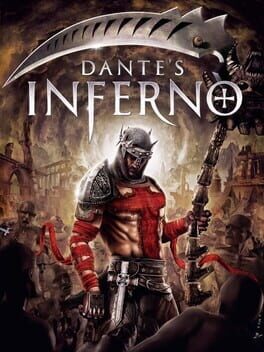

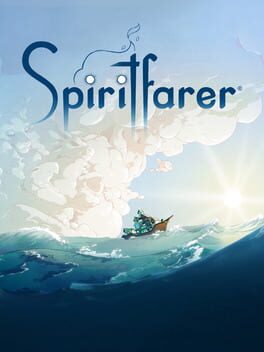
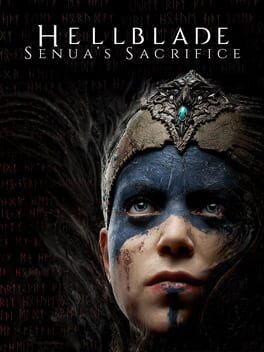
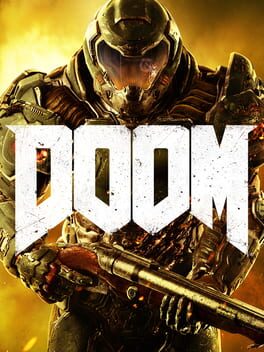

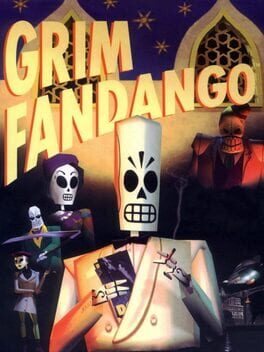
Spiritfarer turns the ferryman into a job about letting go
Most games send you down to hell to fight your way out. Spiritfarer casts you as Stella, the new ferrymaster for the dead, and the entire game is about delivery rather than escape. You build a boat, take aboard spirits who appear as animals, cook their favorite meals, hear their regrets, and eventually carry each one to the Everdoor, where they step off your ship for the last time. There is no combat. The challenge is emotional: every passenger you grow to love is a goodbye you are preparing.
It is the most tender treatment of death in any medium I know, and it earns the feeling through routine. By making the work of the ferryman ordinary, all that cooking and hugging and tending, the game lets the partings land with full weight. Spiritfarer understands that the afterlife, for those left holding the oar, is mostly the labor of saying farewell.
The books that mapped the beyond
The definitive afterlife text is still The Divine Comedy, Dante's first-person tour through hell, purgatory and paradise, with the poet Virgil as guide down through the funnel of the Inferno and Beatrice waiting at the top. Seven centuries on, its architecture, the precise punishment fitted to each sin, the cold floor of the ninth circle, still governs how the West pictures damnation. William Blake answered it directly in The Marriage of Heaven and Hell, arguing the church had the moral chart upside down and that energy and desire belong to the angels, not the devils.
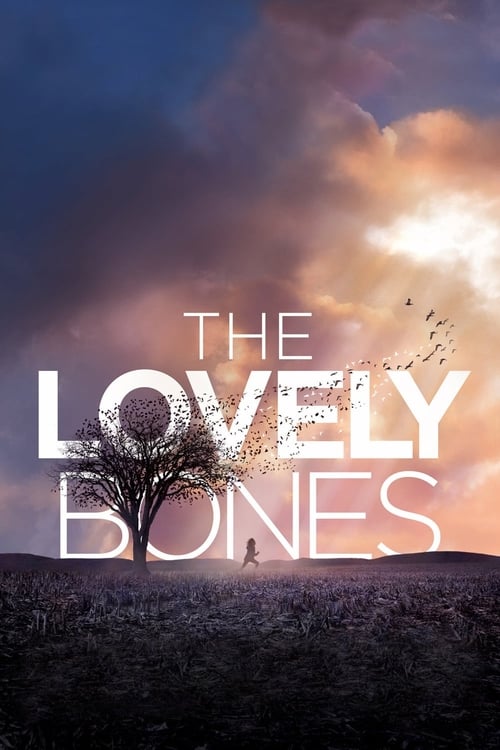
Terry Pratchett gave the subject its warmest comic treatment across the Discworld. In Mort, Death takes on an apprentice and discovers he would rather enjoy a curry than reap a soul; in Reaper Man, forced into retirement, he learns what it costs the living to lose their guide to the other side. Alice Sebold's The Lovely Bones narrated grief from inside a personal heaven, a murdered girl watching her family from an afterlife built to her own specifications. Different centuries, the same instinct: draw the map, then walk a human through it.
The afterlife on the page
Dante and Blake, Pratchett's Death, and grief narrated from beyond




Abandon all hope, you who enter here. The inscription over the gate of hell that every afterlife story has been arguing with for seven hundred years.Dante Alighieri, Inferno, Canto III
Music for the journey down and back
Highways to hell, black parades, and the descent set to song
Orpheus and the rule you cannot break
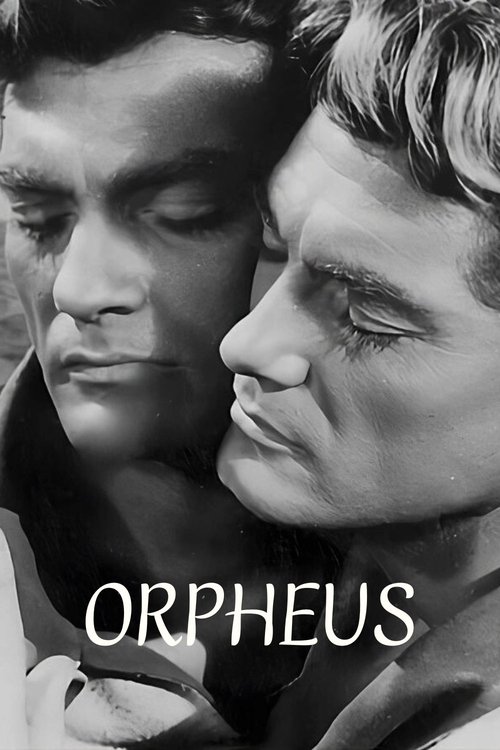
The most retold afterlife story in any medium is Orpheus descending into the underworld to retrieve his dead wife Eurydice, granted her return on one condition: he must not look back at her until they reach the surface. He looks. The myth is so perfectly cruel, so exactly about doubt and grief, that it keeps coming back. Jean Cocteau rebuilt it for postwar Paris in Orphee, with Death as a princess in a black car and the underworld reached through a mirror. Marcel Camus relocated it to Rio at Carnival in Black Orpheus, where the descent runs through the streets of a city in full festival.
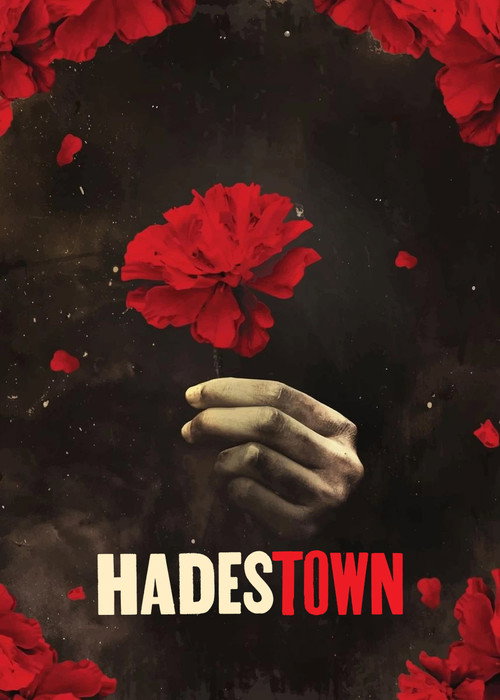
The story even powers the modern stage. Hadestown turns the legend into a folk opera set in a hard-times industrial underworld, where Hades runs a factory town and Orpheus's song is the only thing with the power to make the dead remember they were once alive. Every version keeps the rule and keeps the failure, because the looking back is the point. Grief is the inability to walk away from the dead without turning around one last time.
Hadestown found the one new thing left to say about Orpheus
Anais Mitchell's Hadestown spent a decade growing from a community-theater song cycle into a Broadway phenomenon, and the long gestation shows in how completely it reimagines the underworld. Hadestown is not a lake of fire; it is a walled company town where the dead labor on an endless wall and have forgotten their own names, ruled by a Hades who mistakes control for love. The genius is making Orpheus's gift a literal economic threat: a song so beautiful it reminds the workers they are people, which is the one thing the town cannot allow.
The filmed staging of the production captures why it works on stage where so many myth adaptations die on screen. The story is narrated by Hermes as a tale we already know will end badly, and the show leans into that, asking us to hope anyway. That is the boldest move in any afterlife story: telling you the ending, then making you want it to be different.
Orpheus and the descent retold
The myth of looking back, from postwar Paris to Rio at Carnival