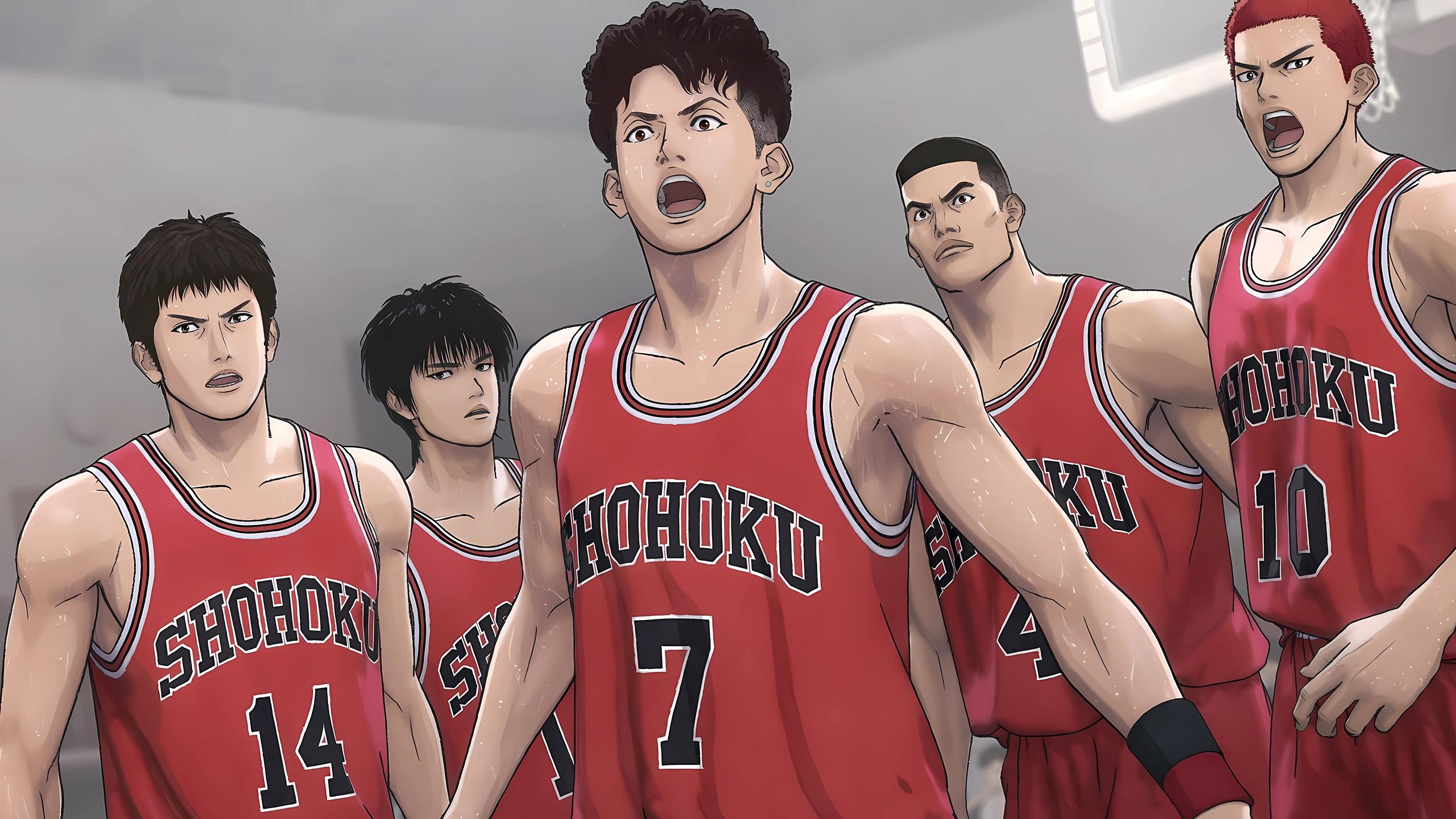

Vagabond began serialization in Weekly Morning in 1998, loosely adapting Eiji Yoshikawa's novel Musashi. Takehiko Inoue's brushwork is documentary in its physicality: you feel the weight of a bokken, the mud on a sandal, the stillness before a duel. The through-line a fan chases is not action but transformation. Takezo starts as feral violence and slowly, painfully, becomes someone who understands that the sword is a mirror. Inoue suspended the series in 2015 with no declared end date; the manga has sold over 82 million copies regardless. What follows maps that search for self-mastery across film, literature, games, and the real history Inoue reaches back into.
Essential Vagabond: Inoue's Own Work
The primary source and its closest siblings from Takehiko Inoue


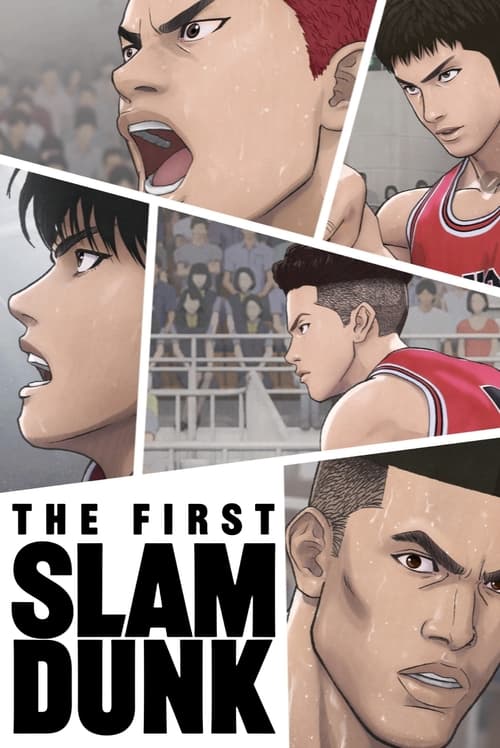

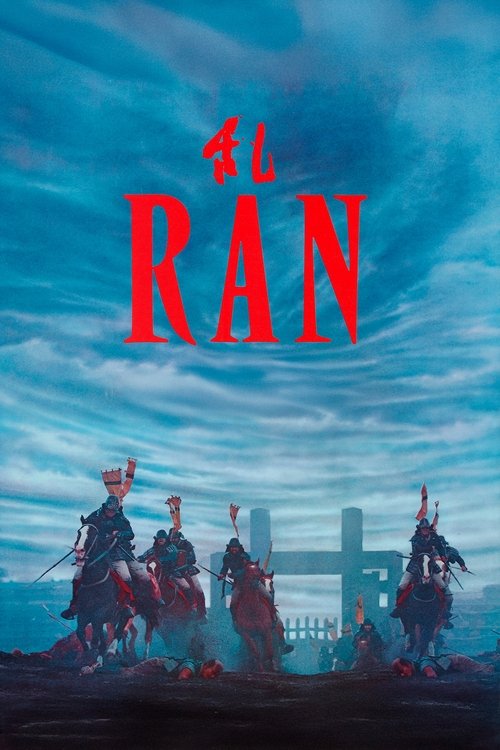
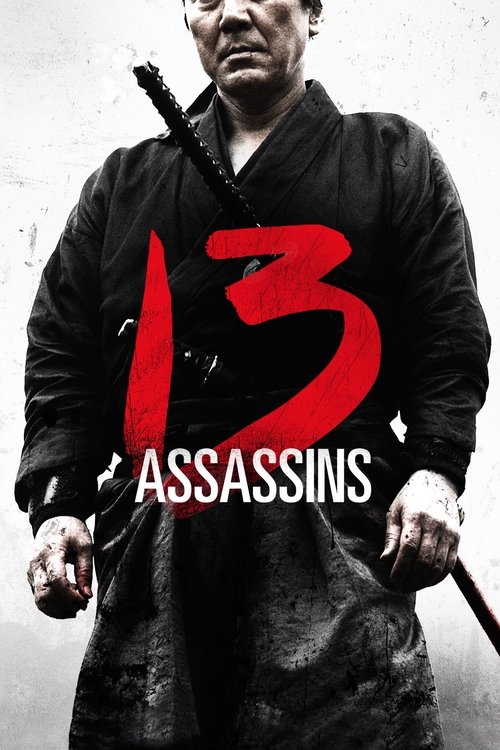
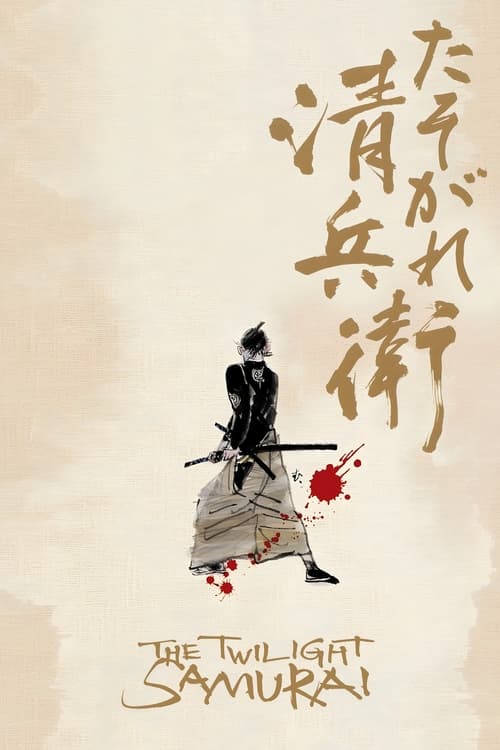
The Warrior's Path: Samurai Cinema
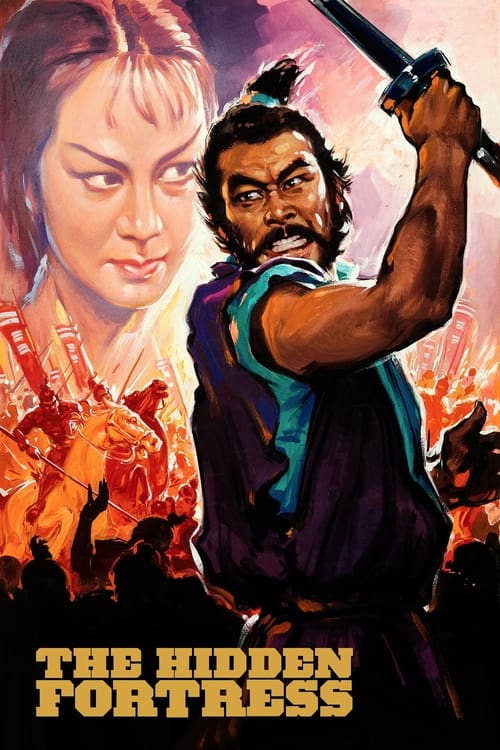
Films that share Vagabond's obsession with discipline, violence, and what lies beyond both


Ink and Blade: Manga and Novels for the Same Hunger
Books that match Vagabond's intensity, craft, or historical depth


Feudal Japan on Screen: Series Worth the Commitment
Television that takes its time with the era Vagabond inhabits
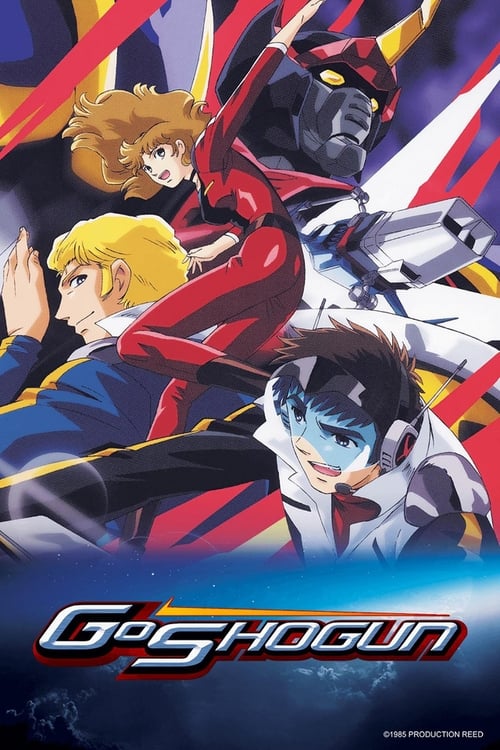
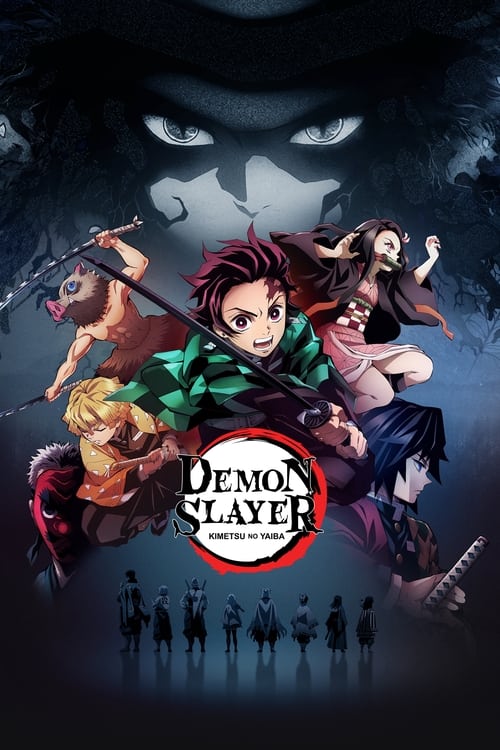

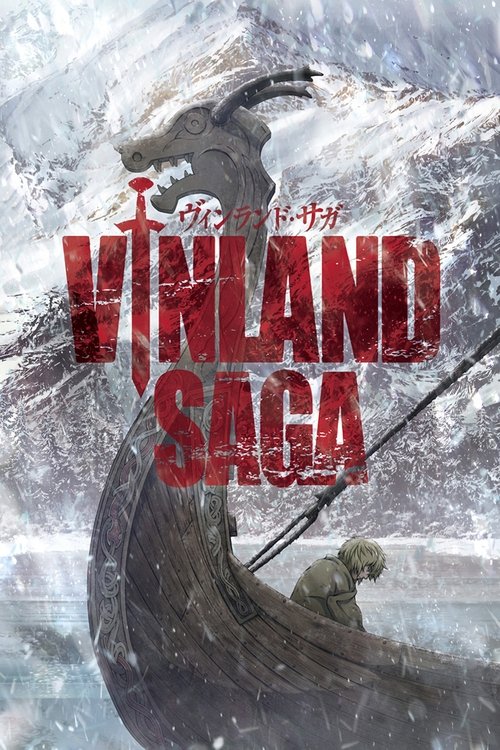
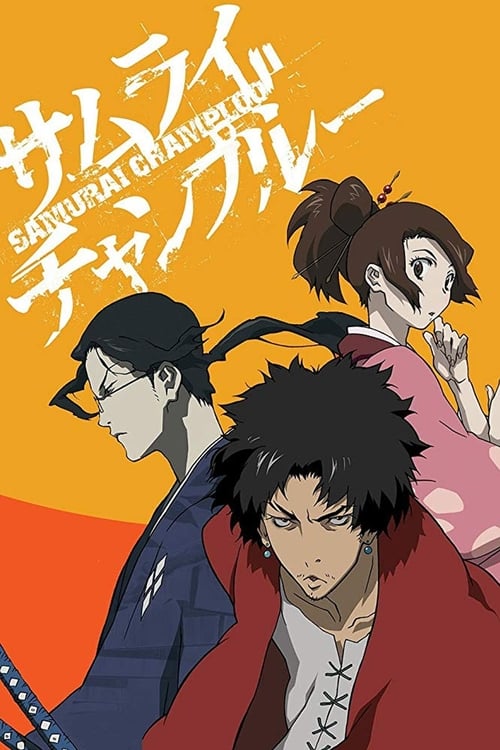

Steel and Silence: Games of the Samurai
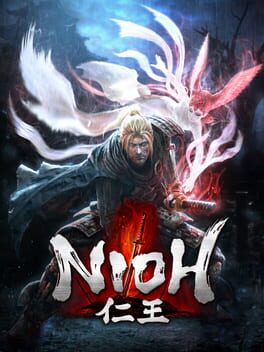
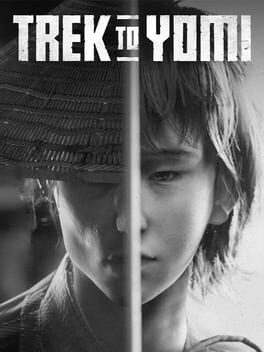
Games that carry Vagabond's weight: deliberate combat, lonely landscapes, the cost of mastery
The Duel is Never the Point
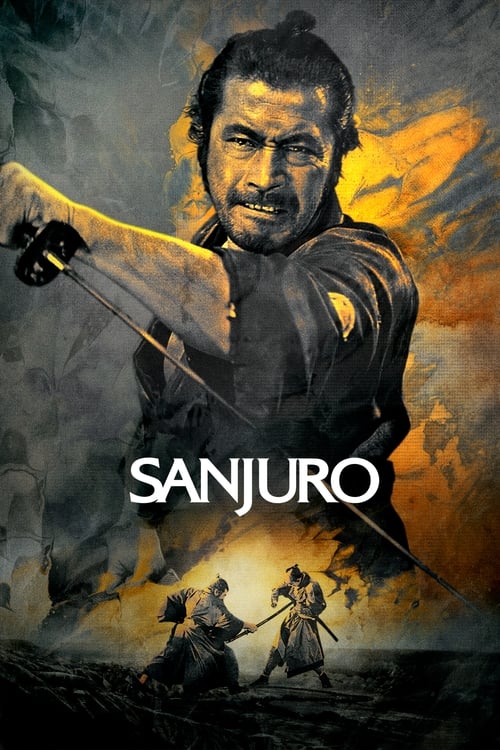
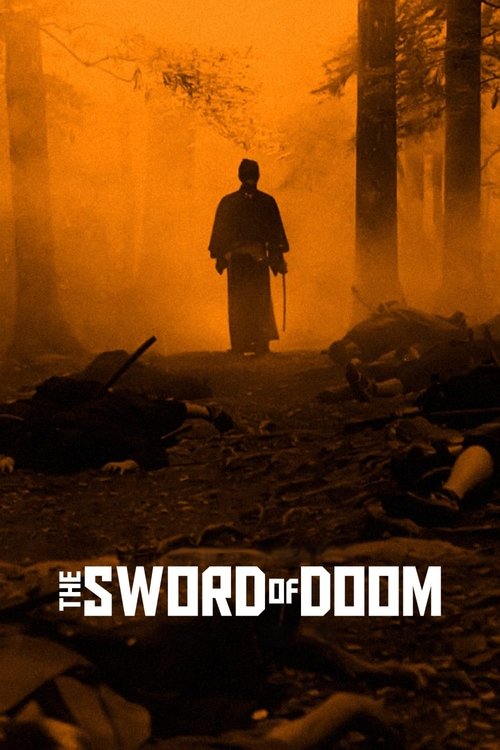
Every iconic Vagabond duel resolves faster than you expect, because the real action happened in the panels before the swords crossed. Inoue builds psychological distance the way Kurosawa did in Sanjuro: the fight is over before it starts, decided by something internal. Sword of Doom inverts this perfectly. Its protagonist masters technique while hollowing out, and the film becomes a horror story. Together they define the same question from opposite poles: what does the sword cost the person holding it?
Berserk is the Other Half of the Same Soul
Vagabond and Berserk began within a few years of each other and have circled the same questions ever since: what happens to a man who was made for violence when he tries to become something else? Inoue uses historical Japan; Miura built a dark fantasy world. Both series are unfinished, both are obsessively detailed in their art, and both have readers who have been waiting over a decade for conclusions. Reading one illuminates the other in ways neither author probably planned.
Ghost of Tsushima Understands the Loneliness
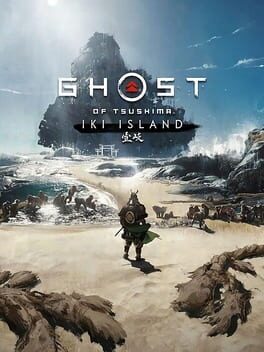
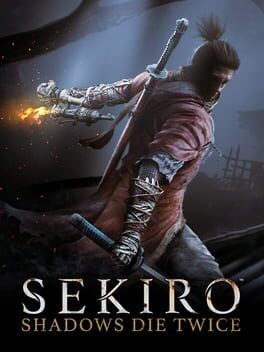
Ghost of Tsushima is not trying to be Kurosawa fan-fiction (though it wears the influence proudly). Its best quality is the silence it gives you between combat: the wind, the foxes, the haiku shrines. Vagabond readers will recognize that rhythm. Sekiro is the harder game but closer to Vagabond's philosophy: every boss fight is a lesson, and the lesson is that aggression without presence gets you killed. Both games understand that mastery is not about power but about attention.
Musashi's World and the Works It Inspired
- 1935Eiji Yoshikawa's Musashi begins serialization in the Osaka Mainichi Shimbun, the source novel Vagabond adapts Musashi
- 1954Kurosawa's Seven Samurai redefines what samurai cinema can do and sets a template still in use Seven Samurai
- 1966Sword of Doom: the nihilistic samurai film that asks what happens when skill has no ethics The Sword of Doom
- 1970Lone Wolf and Cub begins, fusing parental love and extreme violence in a format that influenced a generation of manga Lone Wolf
- 1989Berserk begins, Kentaro Miura's long meditation on violence, fate, and what it costs to survive your own story Berserker Man
- 1998Vagabond begins serialization; Inoue's brushwork reimagines Yoshikawa with psychological depth and physical immediacy Vagabonds
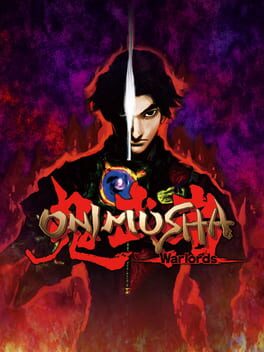
- 2001Onimusha: Warlords brings the Sengoku era to games with Capcom's survival horror engine Onimusha: Warlords
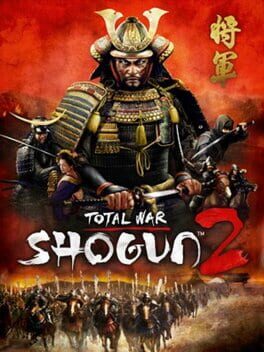
- 2011Total War: Shogun 2 becomes the standard for feudal Japan strategy games Total War: Shogun 2
- 2019Sekiro: Shadows Die Twice, FromSoftware applies its design philosophy to Sengoku Japan Sekiro: Shadows Die Twice
- 2020Ghost of Tsushima, open-world samurai fiction with Kurosawa mode and serious art direction Ghost of Tsushima: Iki Island
- 2024Shogun (FX) adapts James Clavell's novel with a Japanese creative team and becomes a cultural event GoShogun
The Way of the Sword
Samurai & Feudal Japan
Explore the Samurai & Feudal Japan guide →The sword is a weight. Vagabond spends thirty-seven volumes asking whether Takezo can put it down without disappearing.CrossBinge editorial