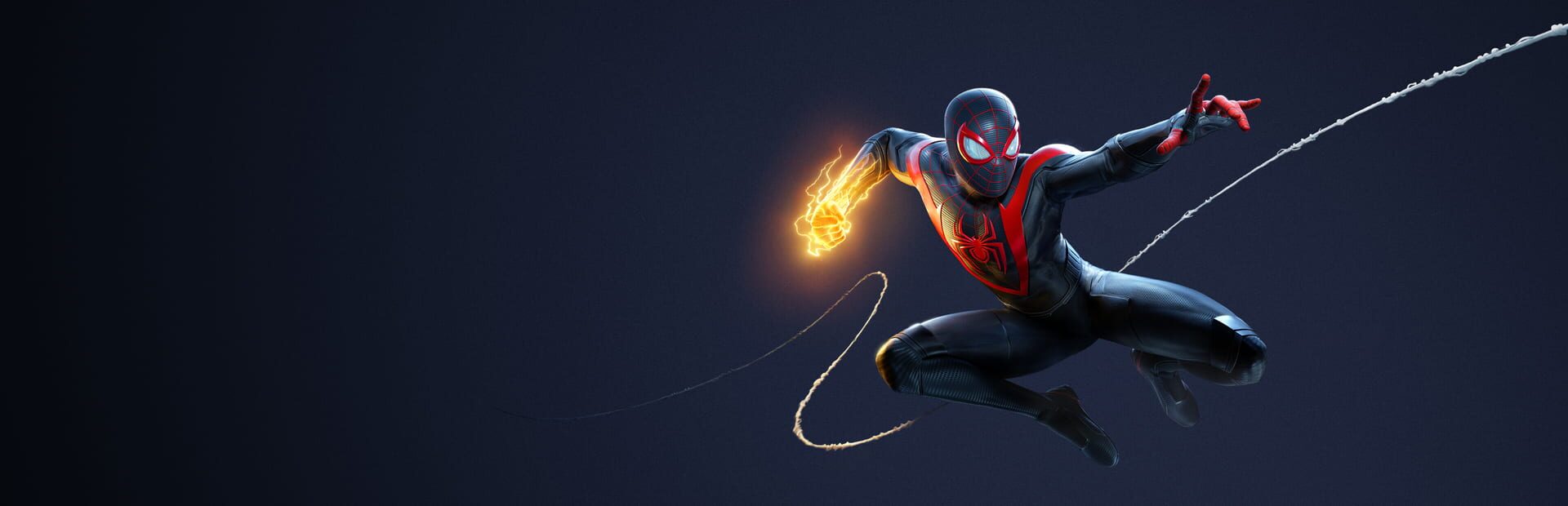

The power fantasy of Spider-Man is the oldest trick in the book: give someone extraordinary gifts, then pile on impossible responsibilities and let the audience watch them refuse to quit. Peter Parker (and Miles Morales, and Gwen Stacy) work because the mask hides an ordinary person who is, frankly, overwhelmed. Insomniac Games understood this perfectly when they built their Marvel's Spider-Man trilogy -- open-world games where the joy of traversal is inseparable from the weight of what Peter is swinging toward. The same emotional DNA runs through Sam Raimi's films, the Spider-Verse animation, and decades of comics: guilt, duty, chosen family, and the city itself as a character. If you love any one version of Spider-Man, you are already primed for all of them.
Essential Spider-Man
Insomniac's trilogy and the games that define the web-slinger in play
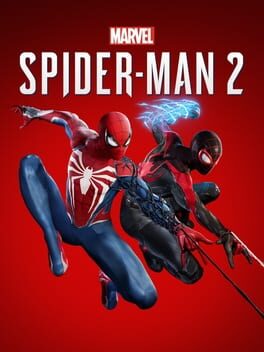
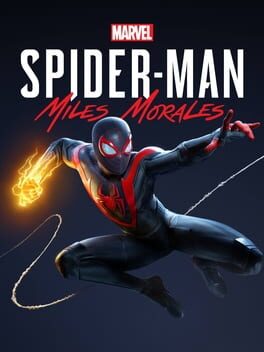
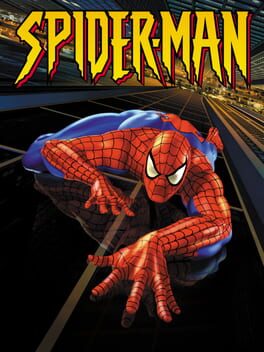
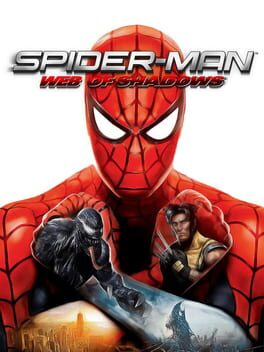
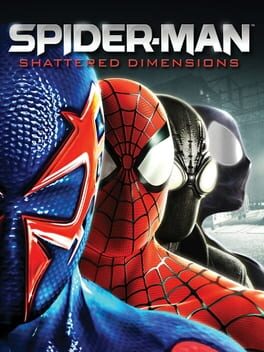
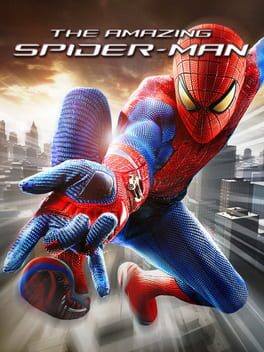
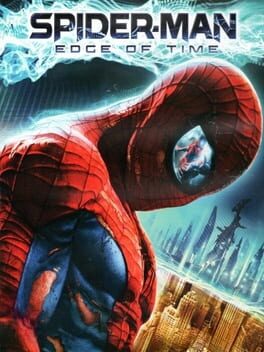
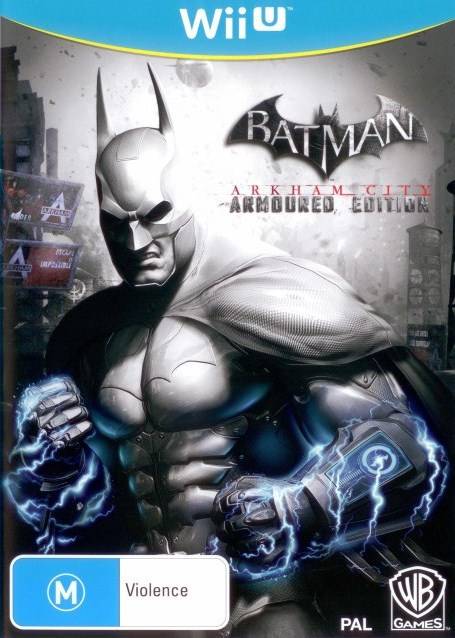
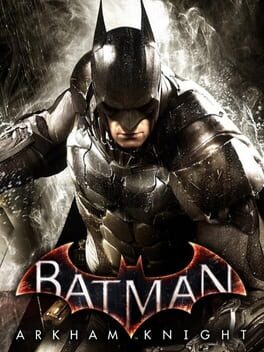
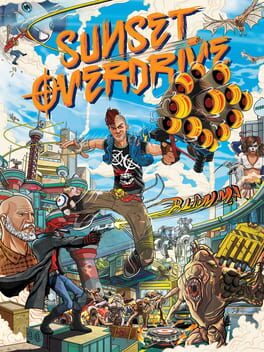
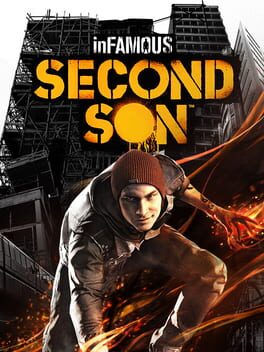
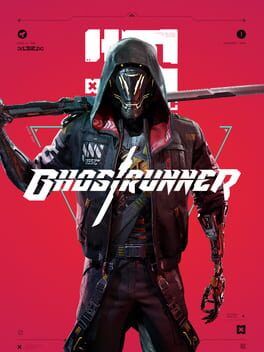
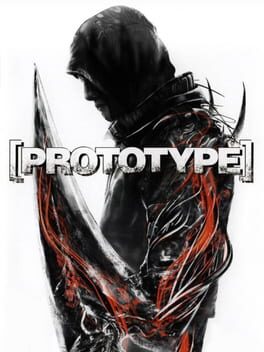
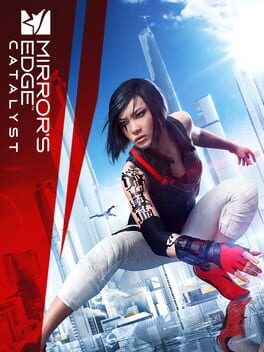
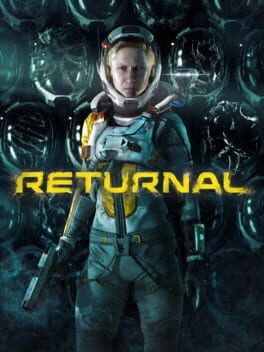
If You Love Swinging Through the City
Open-world action games built on kinetic traversal and street-level heroism
The Spider-Man on Screen
Every major film and series adaptation, from Raimi's classic trilogy to the animated multiverse

Same DNA: Masked Heroes and Big Cities
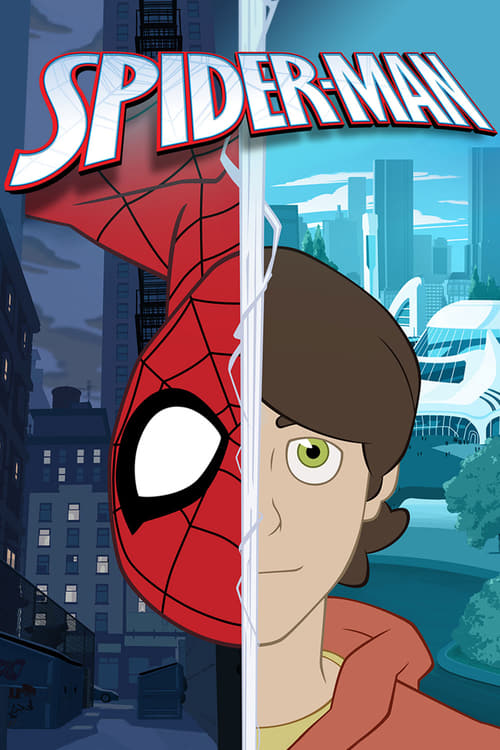
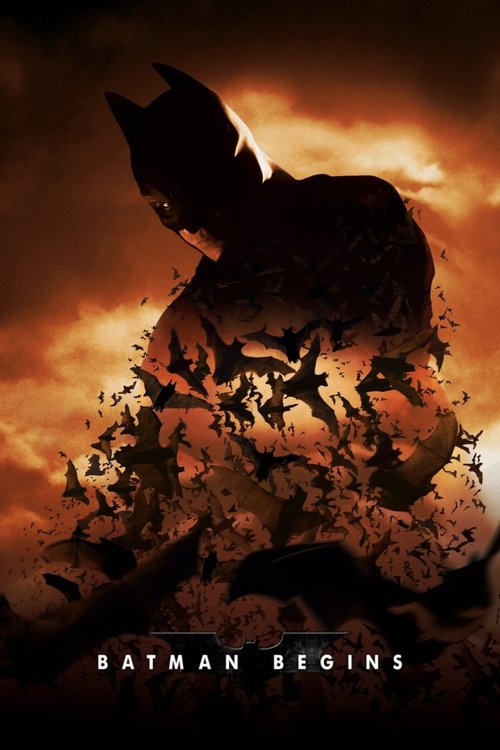
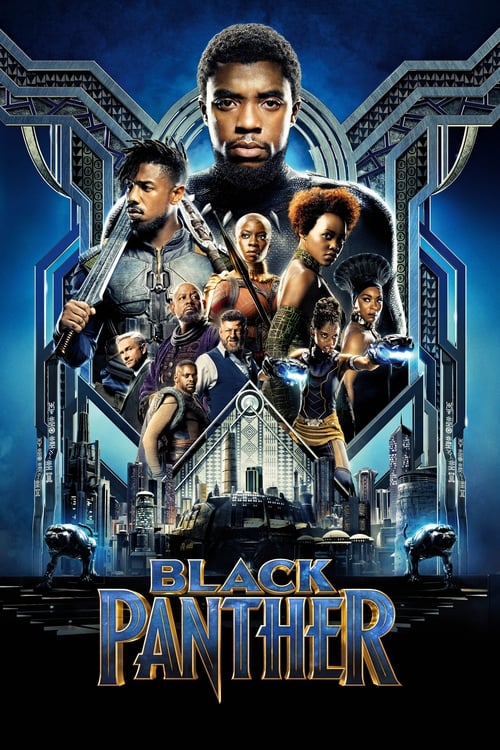
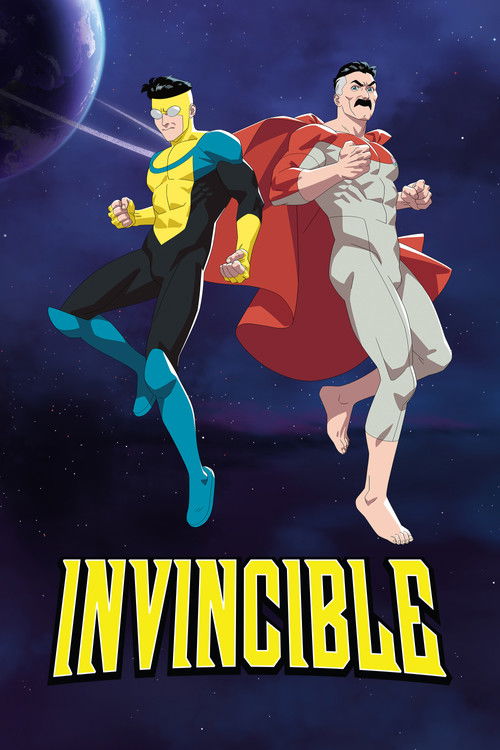
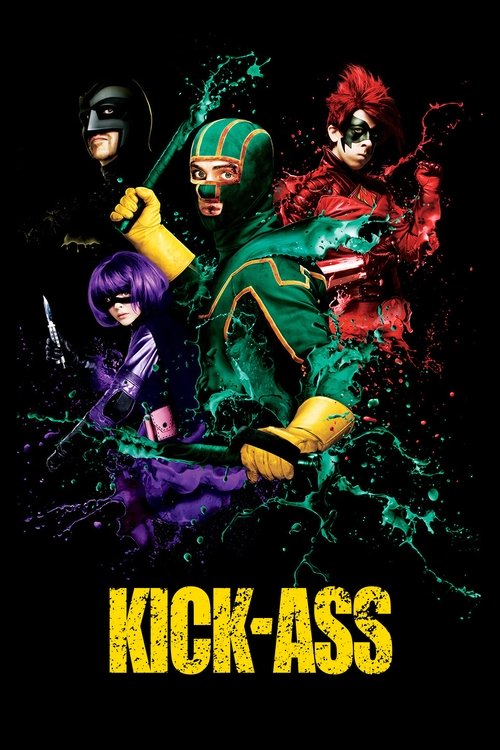
Films and series that share Spider-Man's tone -- ordinary people, extraordinary stakes, urban heart



Insomniac Solved the Spider-Man Problem
Every Spider-Man game before 2018 was chasing the high of swinging mechanics while struggling to make Peter Parker matter between the fights. Insomniac's Marvel's Spider-Man cracked it by treating the city as a relationship, not a backdrop. The web-swinging feels physically earned -- you lose momentum if you swing too low, which forces you to read the skyline. That same attentiveness carries into the story: a Peter who has been doing this for eight years, tired and brilliant and still showing up. Miles Morales tightened the formula further with bio-electric powers that communicate character through mechanics. These games are the best argument that superhero stories belong in interactive form.
Spider-Verse Raised the Bar for Animation
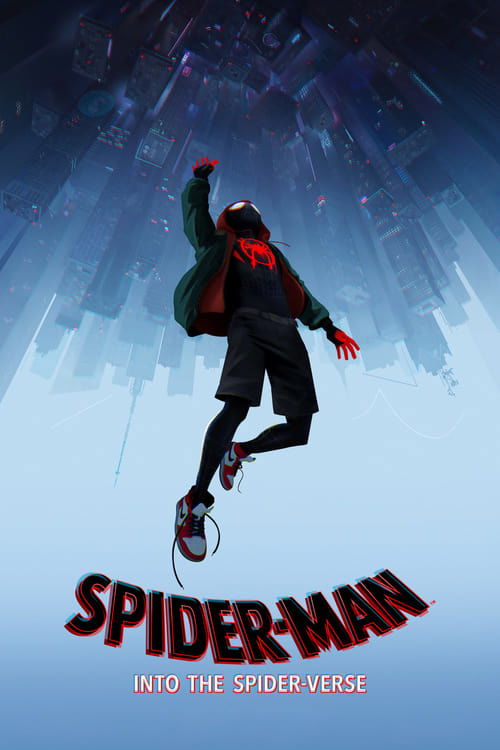
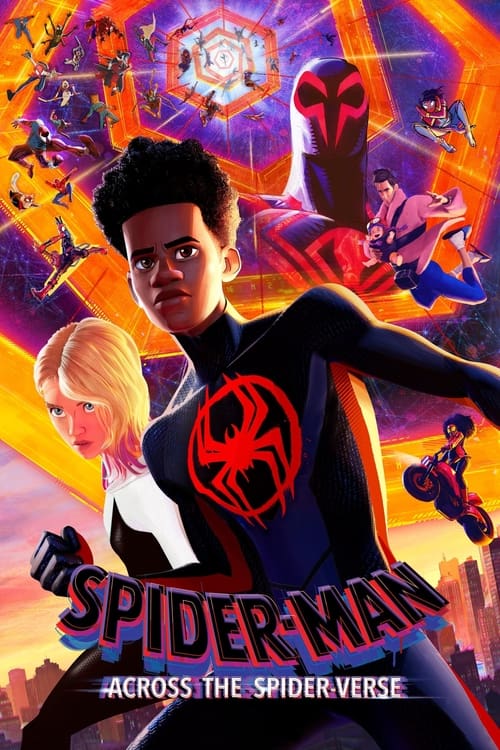
Into the Spider-Verse arrived in 2018 as a proof of concept that animation could do things live-action superhero films simply cannot: render four art styles simultaneously, make the frame itself feel like a living comic panel, and use visual texture as emotional grammar. Miles Morales's world has Ben-Day dots and painterly backgrounds; Noir Spider-Man is desaturated charcoal; Spider-Ham is rubber-hose cartoon. The sequel pushed further -- Across the Spider-Verse runs at multiple frame rates within the same scene. Both films are also legitimately great stories about identity, parental expectation, and what it means to choose who you become.
Sam Raimi's Trilogy Gets Better With Distance
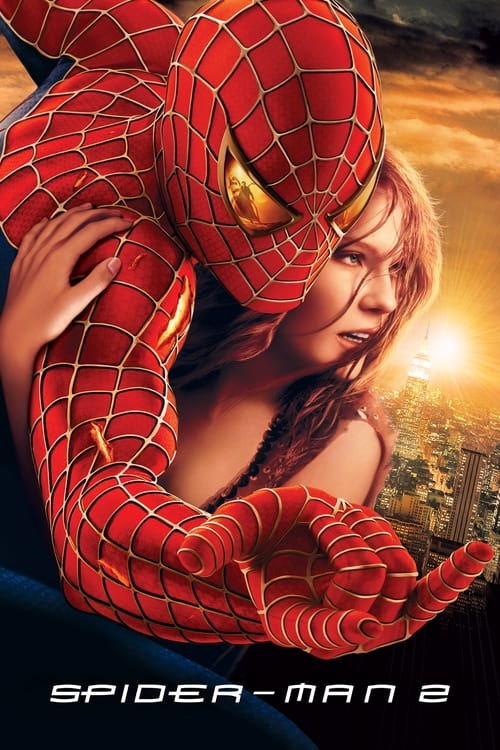
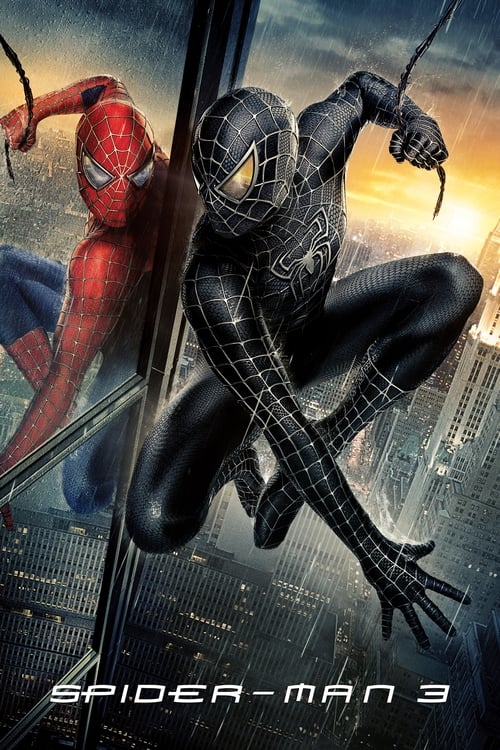
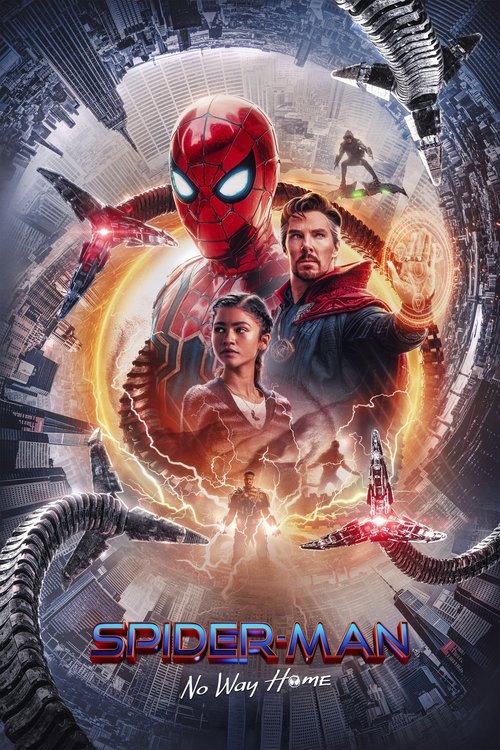
The Raimi films look camp now, and they were always a little camp -- but that is their strength. Tobey Maguire plays Peter as a genuinely awkward kid from Queens rather than a quippy archetype, and the emotional beats land hard precisely because they are not cool. Spider-Man 2 is still one of the best superhero films ever made: a story about giving up power, and why you cannot. The train sequence is practical effects, character work, and pure cinema stacked on top of each other. No Way Home's nostalgia works so completely because the originals were earnest enough to earn it.
Spider-Man: A Canon Timeline
- 1962Amazing Fantasy #15 introduces Peter Parker
- 1973The Night Gwen Stacy Died -- comics storytelling changes forever
- 1987Kraven's Last Hunt redefines what a Spider-Man story can be
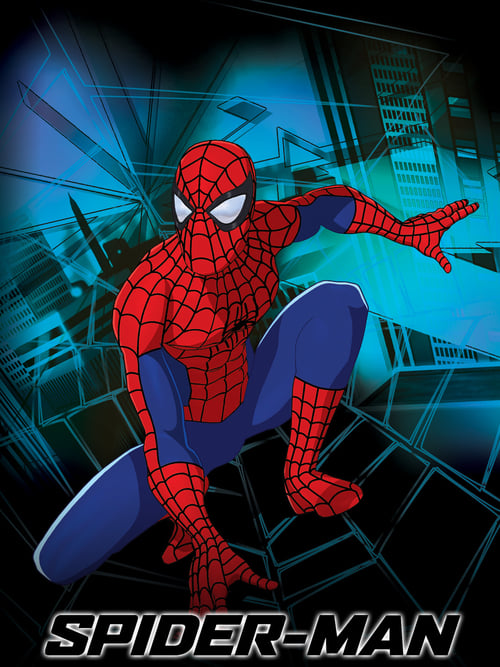
- 1994The Animated Series brings Spider-Man to a new generation Spider-Man: The New Animated Series
- 2000Ultimate Spider-Man restarts the origin for a new era
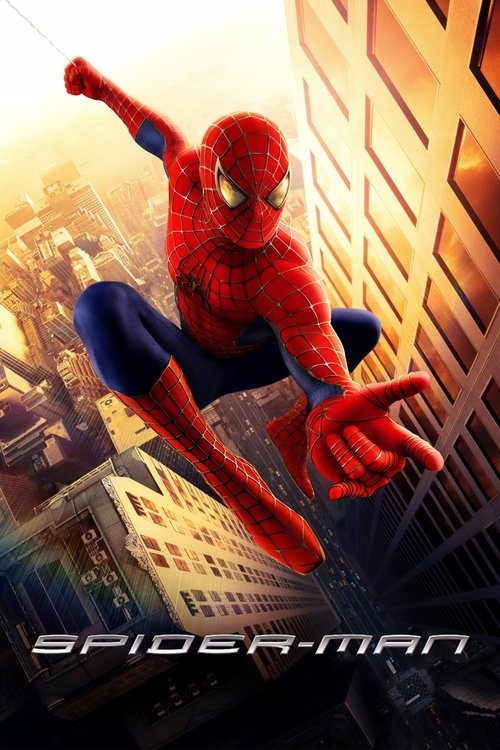
- 2002Sam Raimi's film launches the modern superhero blockbuster era Spider-Man
- 2004Spider-Man 2 sets the template for superhero sequels Spider-Man 2
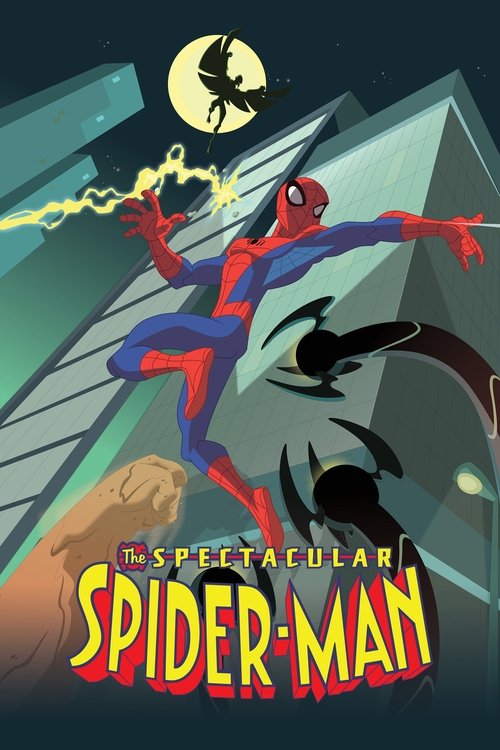
- 2008The Spectacular Spider-Man -- the best animated Spider-Man series The Spectacular Spider-Man
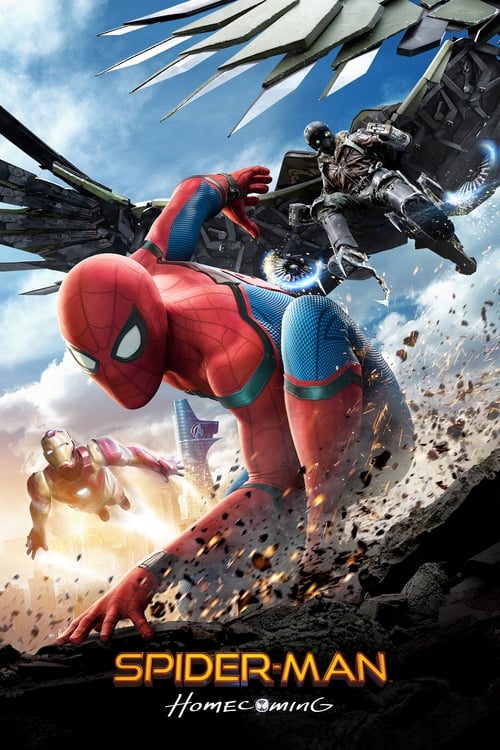
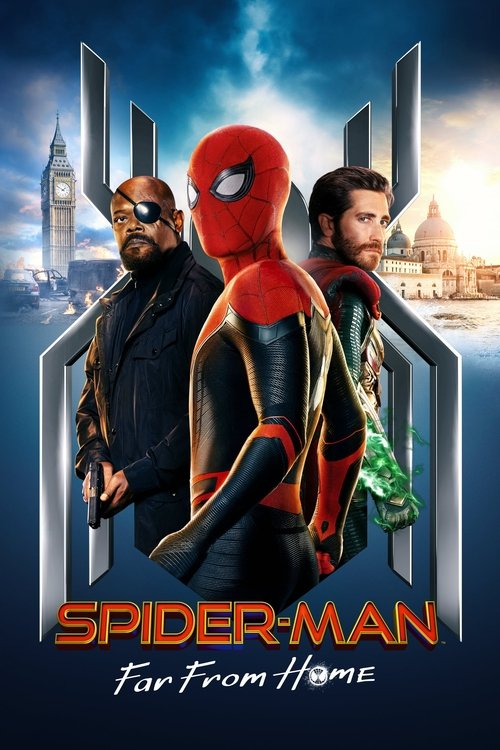
- 2017Homecoming brings Spider-Man into the MCU Spider-Man: Homecoming
- 2018Insomniac's PS4 game redefines superhero open-world games Marvel's Spider-Man 2
- 2018Into the Spider-Verse wins Best Animated Film and changes animation Spider-Man: Into the Spider-Verse
- 2020Miles Morales gets his own game and carries it completely Marvel's Spider-Man: Miles Morales
- 2021No Way Home reunites three Spider-Men for a genuine event film Spider-Man: No Way Home
- 2023Across the Spider-Verse pushes animated filmmaking into new territory Spider-Man: Across the Spider-Verse
- 2023Marvel's Spider-Man 2 expands Insomniac's version of New York City Marvel's Spider-Man 2
More heroes, vigilantes, and the multiverse
Superheroes
Explore the Superheroes guide →With great power there must also come great responsibility. It is not a moral lesson. It is a trap Spider-Man has been escaping and re-entering for sixty years, and every new version of the story finds a different way to make it hurt.The through-line of Spider-Man's entire canon