
Kurt Busiek and Alex Ross published Marvels in four oversized issues in 1994, painting the entire Silver Age of Marvel Comics from the ground up. The narrator is Phil Sheldon, a photojournalist who documents the Marvels (his word for costumed beings) from the debut of the original Human Torch in 1939 through the death of Gwen Stacy in 1973. What Busiek wrote as a meditation on fame, fear, and ordinary human dignity, Ross rendered in oils and gouache that made every panel look like a period photograph. The result was not a superhero story in the conventional sense. It was a story about witnessing power you cannot understand, and still finding a way to live beside it. That combination of mythic scale and intimate civilian perspective is the feeling fans return to, and it runs through decades of fiction across every medium.
Ground-Level Graphic Novels
Comics that put ordinary people at the center of extraordinary events


Alex Ross Changed What Comics Could Look Like
Before Kingdom Come and Marvels, painted comics existed but felt like novelty items. Ross brought a rigour to photorealistic gouache that made fictional characters feel like people who existed in real time, in real light. His reference photography for Marvels turned Phil Sheldon into someone you could believe you had met. The influence on subsequent painted comics and illustrated covers is direct and measurable.


Screen Adaptations with the Same Civilian Gaze
Films and series that place the camera at street level when the extraordinary arrives


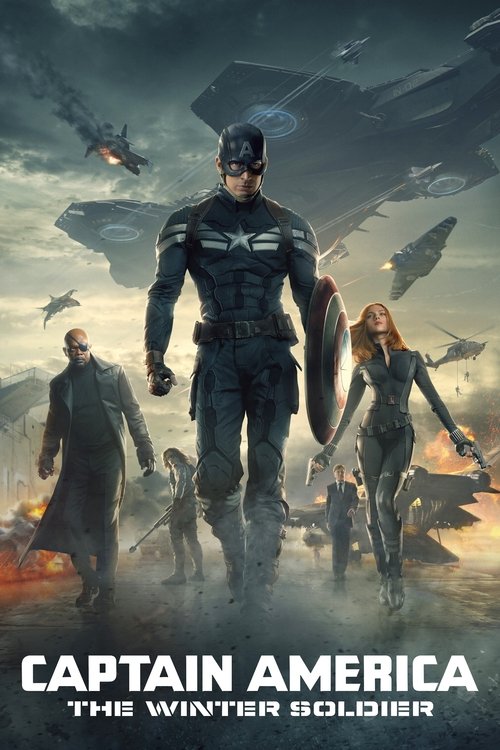
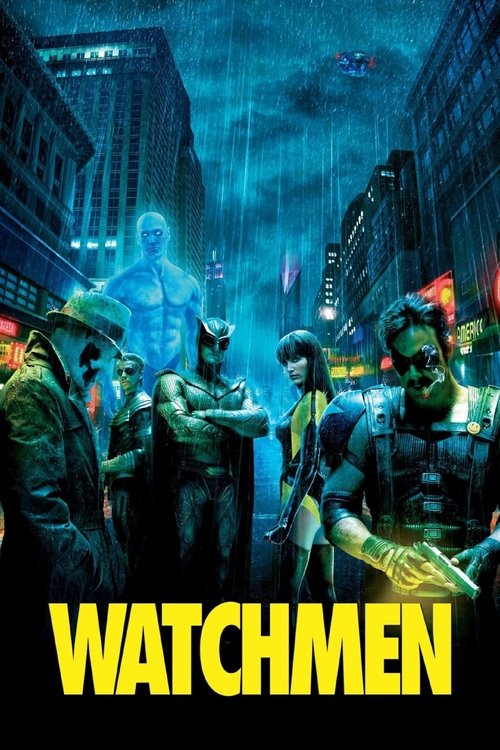
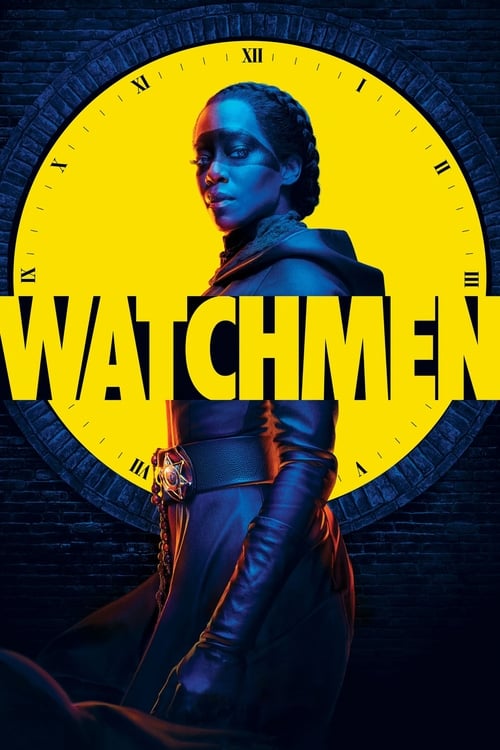

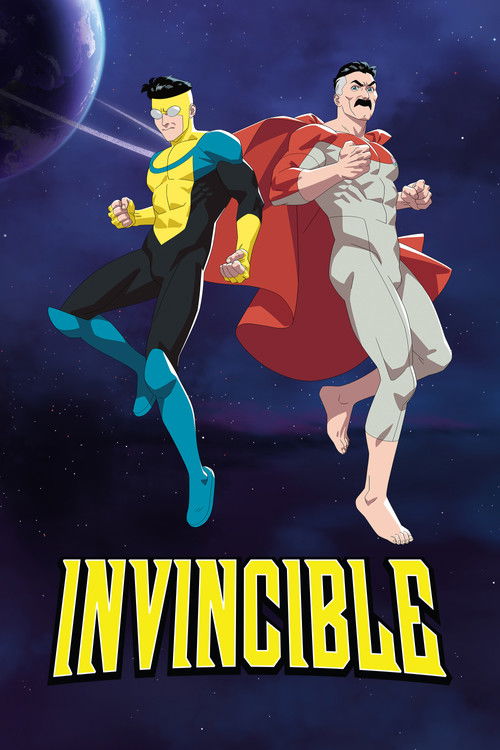
The Boys Is Marvels Turned Inside Out
Where Busiek and Ross asked what it feels like to live in awe of superheroes, The Boys asks what happens when that awe curdles into complicity. Both works start from the same premise: ordinary people navigating a world shaped by power they did not ask for. The cynicism of The Boys lands harder because Marvels established the idealism it is dismantling.
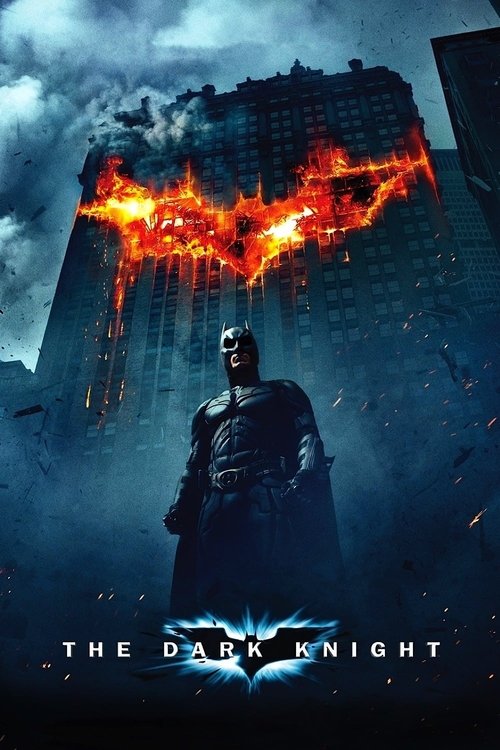
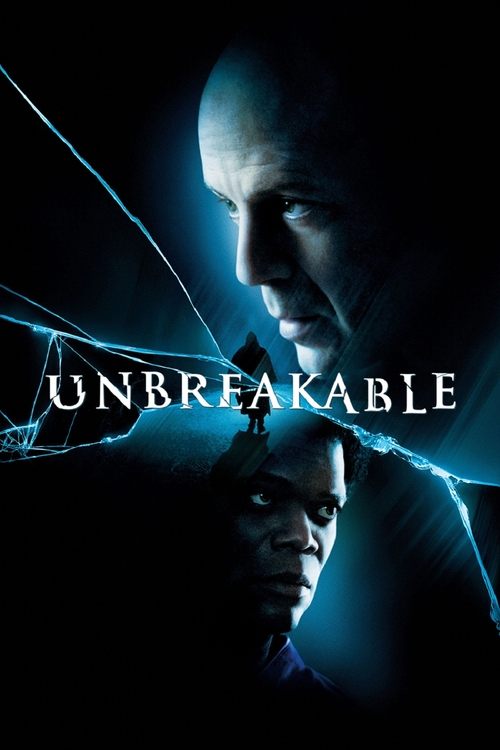
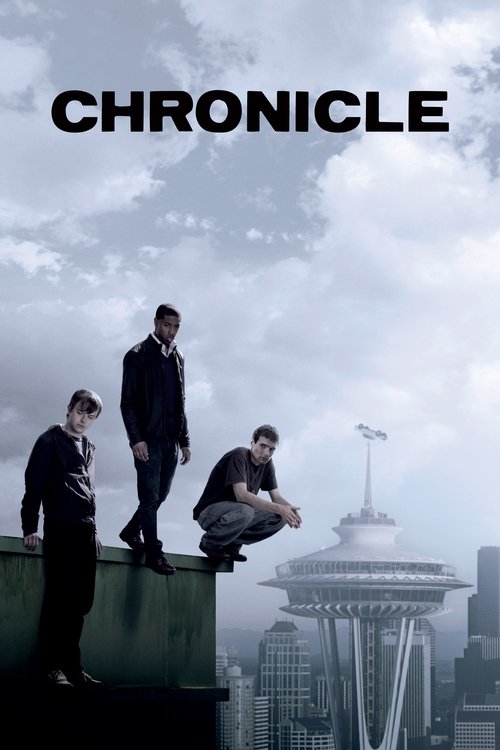
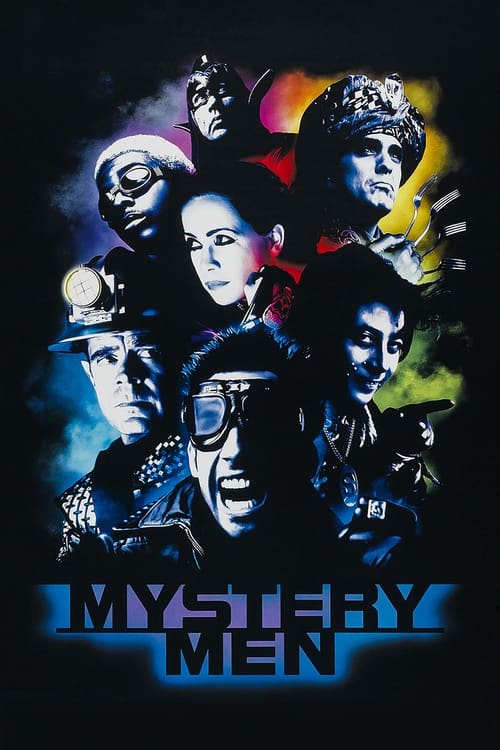
Films That Earn Their Scale
Movies where the spectacle is grounded by a human story worth caring about


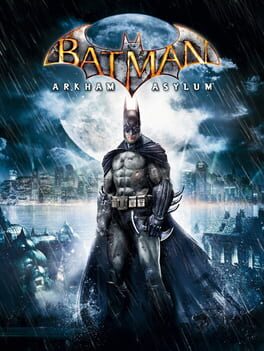
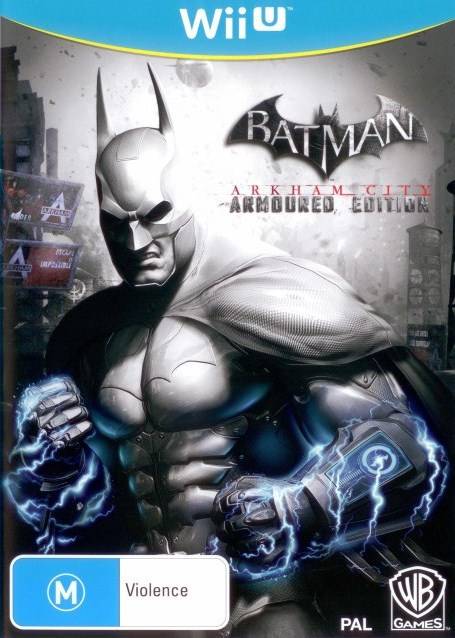
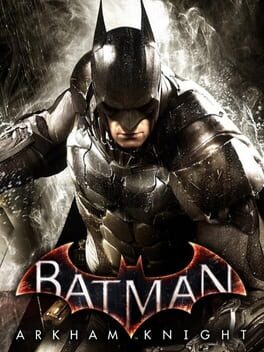
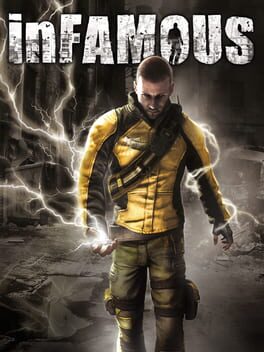
Games That Put You on the Ground
Games where superhero power is felt from the street up, not just from the sky down
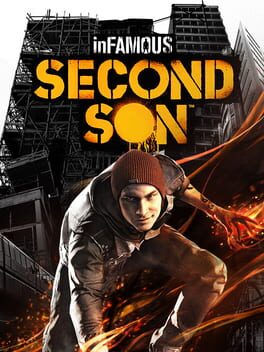
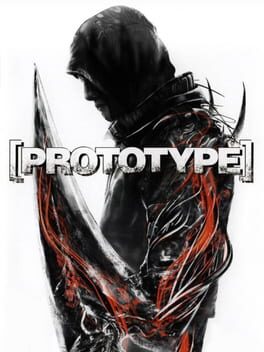
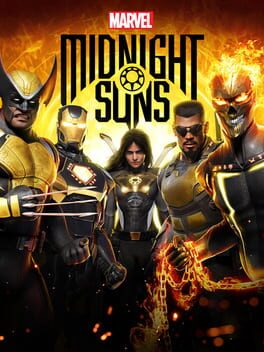
The Marvels Timeline
- 1939Phil Sheldon first photographs the original Human Torch; Marvels begins here
- 1961The Fantastic Four debut in Phil's world; the Silver Age begins
- 1963Anti-mutant sentiment rises; the X-Men appear and Phil confronts his own fear
- 1966Galactus threatens Earth; Phil photographs the Silver Surfer from a rooftop
- 1973Gwen Stacy dies at the George Washington Bridge; Phil gives up photojournalism
- 1994Marvels published by Marvel Comics in four prestige-format issues
- 1995Busiek launches Astro City, extending the civilian-POV superhero tradition
- 1996Kingdom Come published; Ross and Mark Waid revisit DC's mythology with the same painterly ambition Absolute Kingdom Come
- 2009Eye of the Camera sequel released; Phil Sheldon returns in his final years
We live in the age of marvels, and half the time we don't even look up.Phil Sheldon, Marvels (Kurt Busiek, 1994)
Why the Civilian Perspective Is the Hardest One to Write
Superhero stories default to the powered character because that is where the plot lives. Marvels is hard to write because Phil Sheldon has no power and solves nothing. His arc is entirely internal: awe, fear, grief, and finally a kind of peace. Busiek makes that interior journey feel earned by tying it to real Marvel Comics history, so the reader who knows the source material understands exactly what Phil is looking at, and the reader who does not can feel the weight of events Phil cannot explain. The dual-readership design is what makes it a landmark rather than a curiosity.