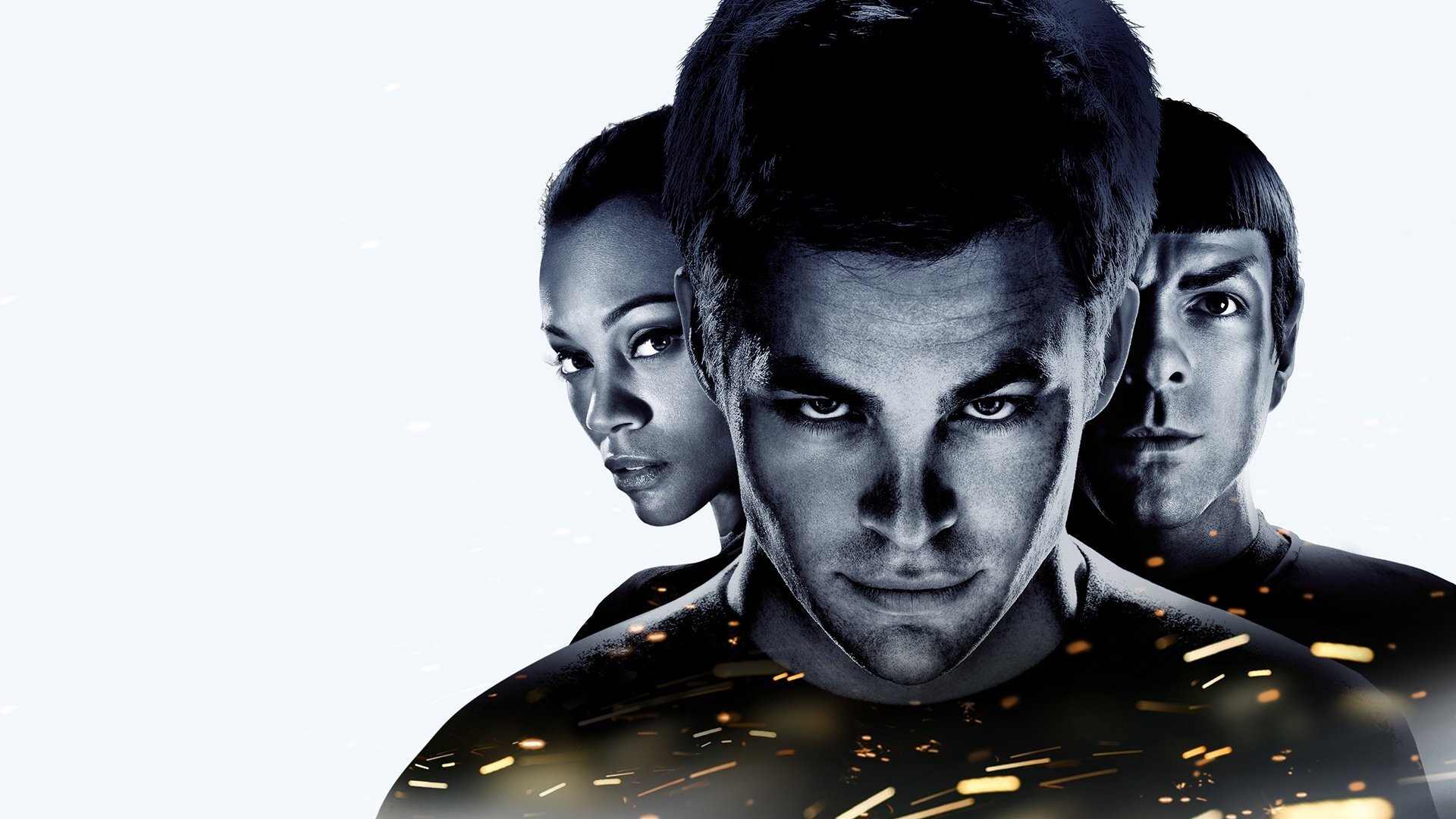

Star Trek began in 1966 as a TV Western set in space, quickly became something else entirely: a weekly ethics seminar disguised as adventure fiction. Gene Roddenberry's founding premise was deceptively simple. Humanity has solved poverty, hunger, and most of its worst impulses. Now what? The answer, across dozens of series and films spanning six decades, is that we explore, we argue, we make contact with the genuinely alien, and we discover that the hardest frontier is still ourselves. The franchise's core tension is not human versus monster but principle versus pragmatism. Kirk bends the rules. Picard refuses to. Sisko breaks them when he has to. That ongoing argument, conducted in transporter rooms and council chambers and Jefferies tubes, is why fans who grew up with one version keep finding new ones to love.
Essential Star Trek
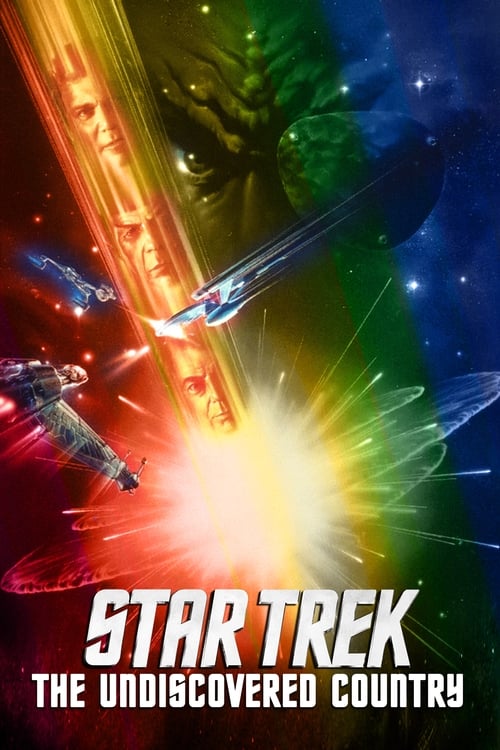
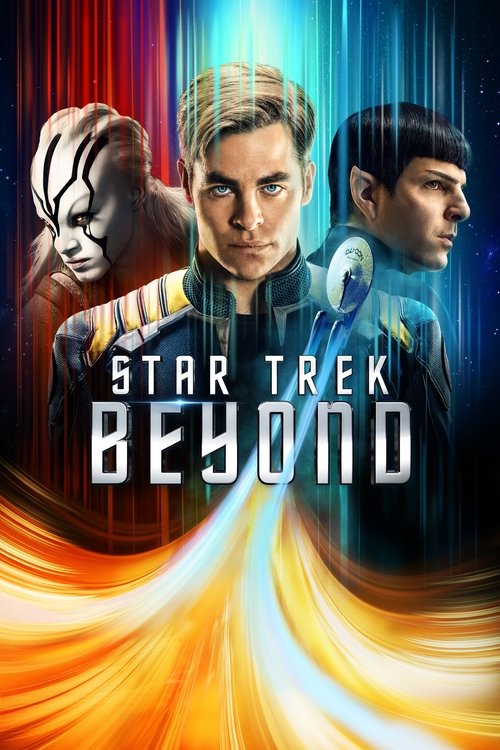
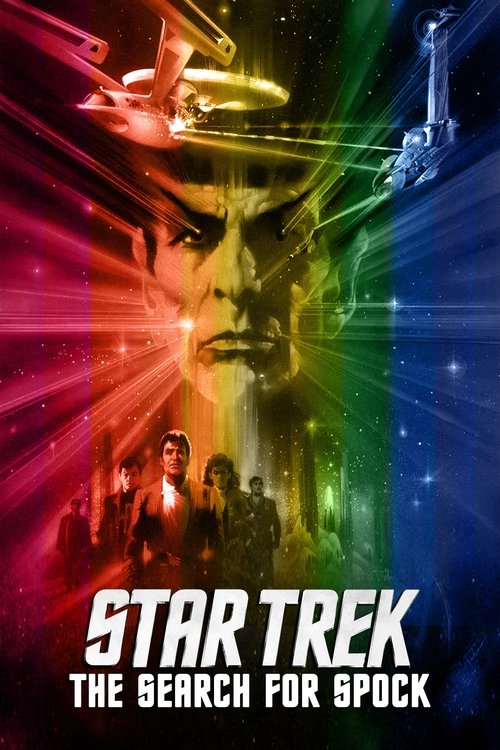
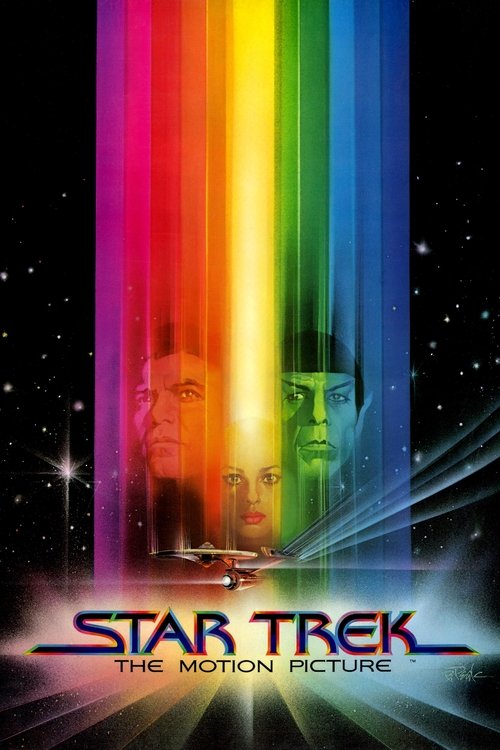
The flagship films and where to enter the universe

The Federation on Television
Series that expanded the universe across centuries
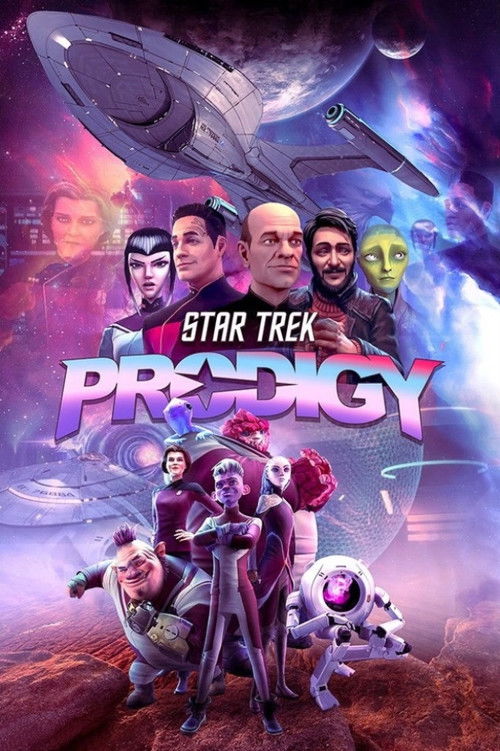
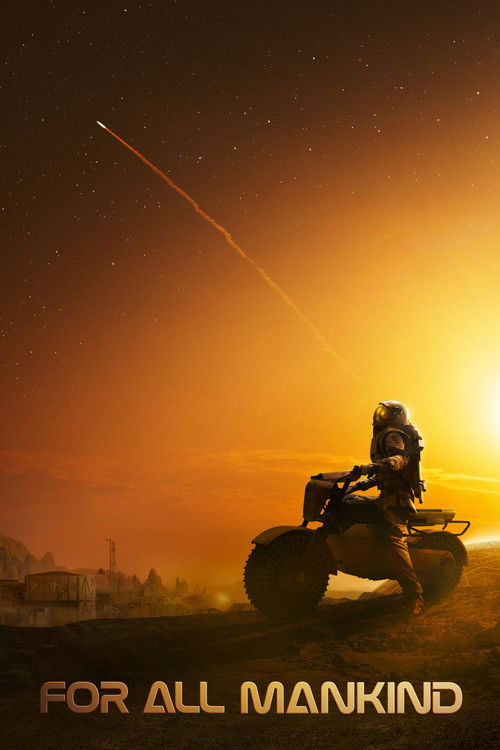
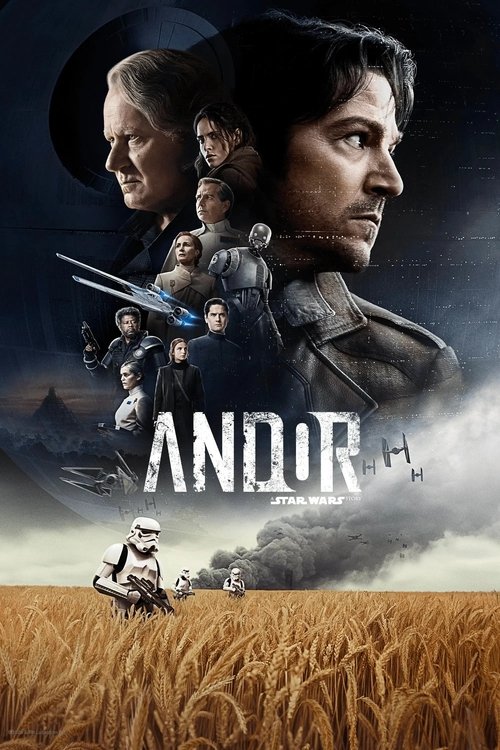
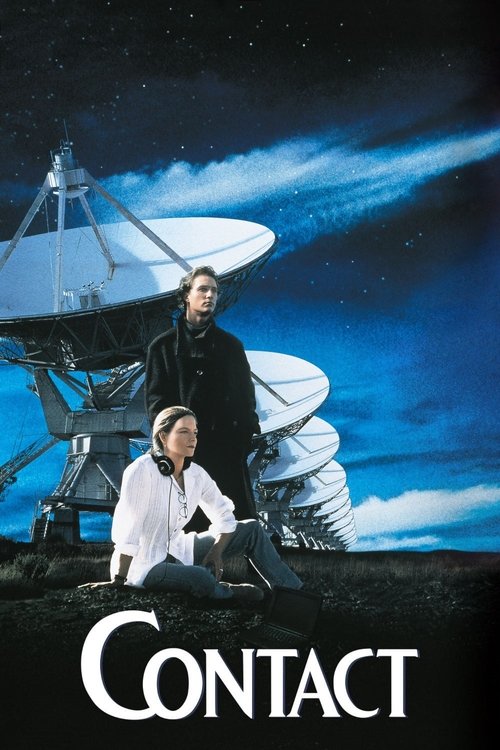
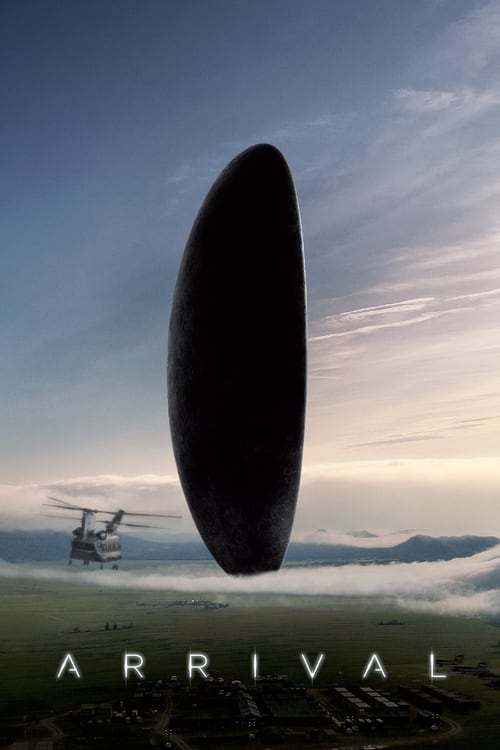
If You Love Principled Space Opera
Science fiction that takes ideas as seriously as action
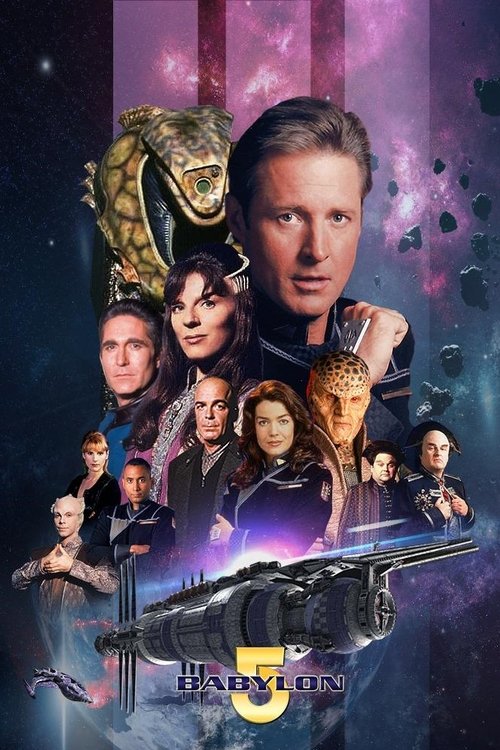
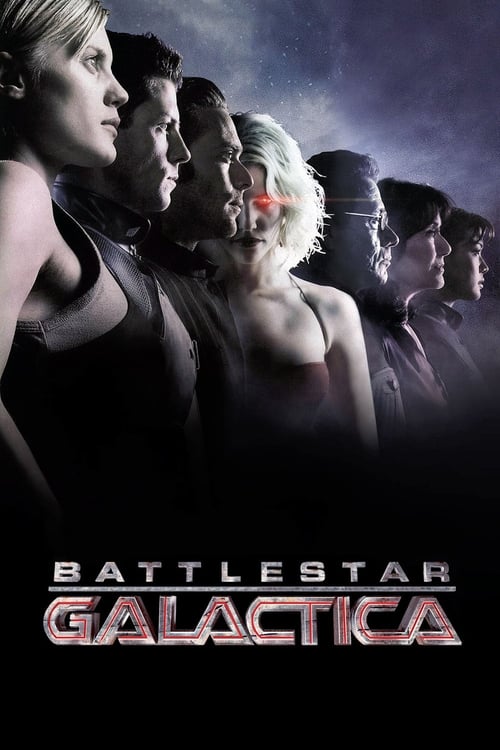
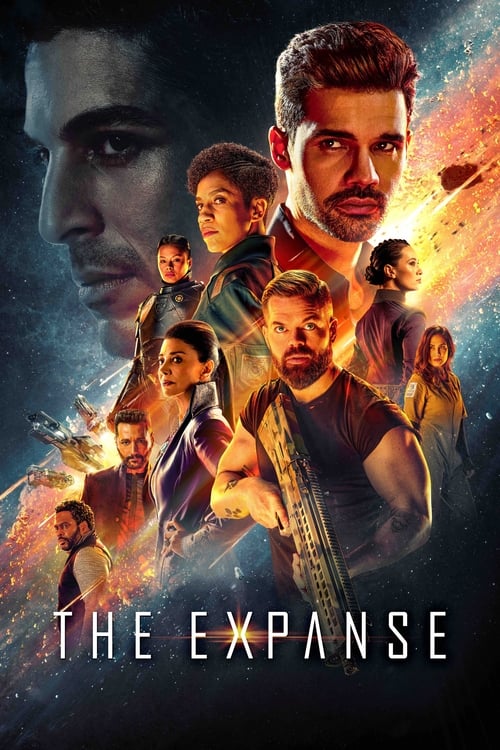

Boldly Go: Games in Trek's Spirit
Strategy, exploration, and diplomacy across space
On the Page: Novels and the Ideas Behind Trek
Books that share the franchise's optimism or sharpen its questions


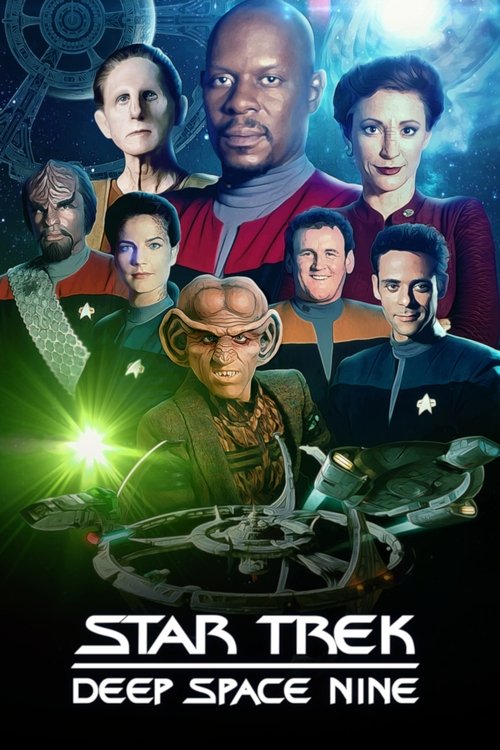
Deep Space Nine Went Places No One Expected
When Star Trek: Deep Space Nine premiered in 1993, skeptics called it Star Trek with nowhere to go. A stationary space station, a damaged Bajoran society, a Starfleet officer who doesn't want to be there. Within two seasons it had quietly become the richest storytelling in the franchise's history. The Dominion War arc gave Trek its first real war, complete with moral compromise, intelligence operations, and characters who did things Picard would never countenance. DS9 proved that Roddenberry's optimism hits harder when it is tested, not assumed.
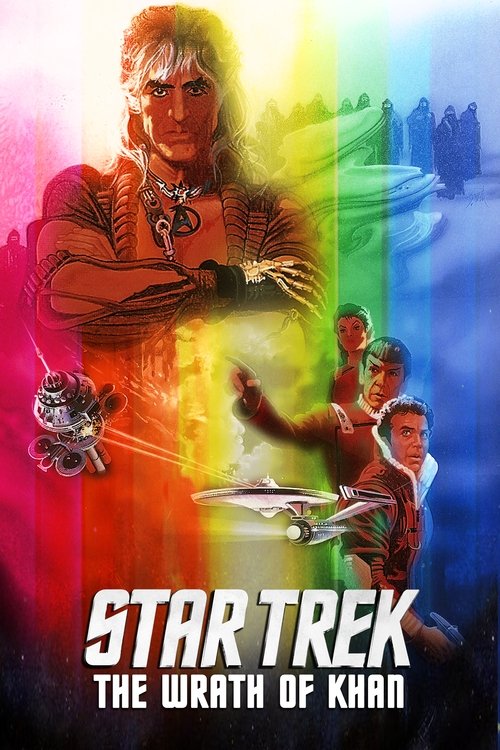
The Wrath of Khan Defined What a Franchise Film Could Be
Star Trek: The Motion Picture (1979) was expensive, slow, and visually magnificent. It proved the property could survive on a big screen. The Wrath of Khan (1982) proved it could matter. Nicholas Meyer stripped the budget and stripped away the awe, replacing it with a naval thriller built on Moby Dick, the cost of ego, and the fact that James Kirk had never faced a no-win scenario. Ricardo Montalban's Khan Noonien Singh remains the franchise's most complete antagonist. The film's final act set the template for blockbuster emotional payoffs that studios are still following.
The Franchise's Biggest Risk Was Letting Picard Be Uncertain
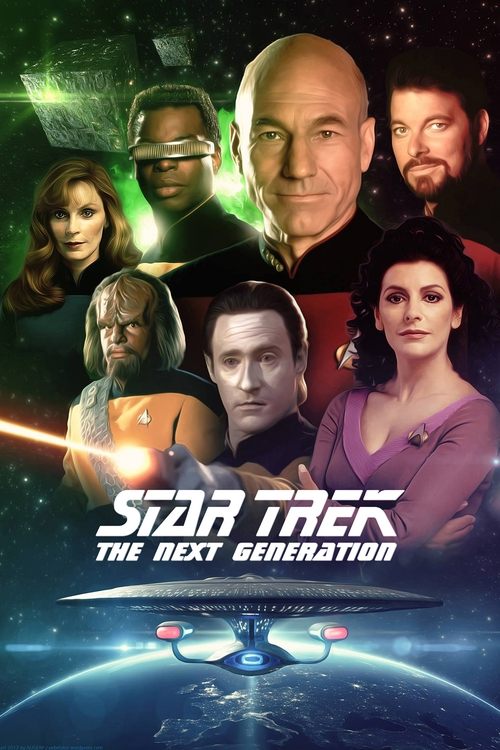
Jean-Luc Picard was designed to be the anti-Kirk: older, measured, more philosopher than cowboy. What made him iconic was that the show kept putting his principles under genuine pressure. 'The Best of Both Worlds,' 'The Measure of a Man,' 'Chain of Command' each found a new angle on the same question: how do you hold to your values when holding to them costs something real? Patrick Stewart carried that weight without ever making Picard preachy. The character was Star Trek's argument that competence and conscience are not opposites.
Science Fiction's Optimism Is a Radical Act
Most contemporary science fiction is dystopian by default. The future is surveillance, collapse, or extinction. Star Trek's insistence that things get better is not naivety but a genuine political choice. Roddenberry imagined a world without money or racism or nationalism partly because he wanted to say clearly that those things are not permanent features of human nature. In 1966 that was provocative. Fifty years of dark science fiction later, it is almost radical. Strange New Worlds and Lower Decks both understand this, keeping the tone bright without dulling the franchise's edge.
Star Trek Through the Decades
- 1966The Original Series premieres on NBC, running three seasons before cancellation
- 1973An animated series revives the crew for two seasons, expanding stories beyond live action ARK: The Animated Series
- 1979The Motion Picture brings Kirk and crew to cinemas a decade after cancellation Star Trek: The Motion Picture
- 1982The Wrath of Khan redefines the franchise and becomes the template for sequel storytelling Star Trek II: The Wrath of Khan
- 1987The Next Generation launches, set 100 years later with an entirely new crew Star Trek: The Next Generation
- 1993Deep Space Nine begins, the first Trek series set on a station rather than a ship Star Trek: Deep Space Nine
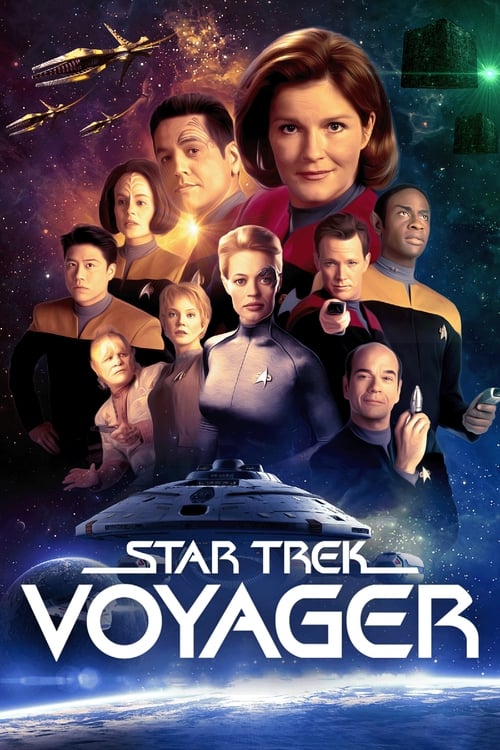
- 1995Voyager sends a crew to the far Delta Quadrant with no way home Star Trek: Voyager
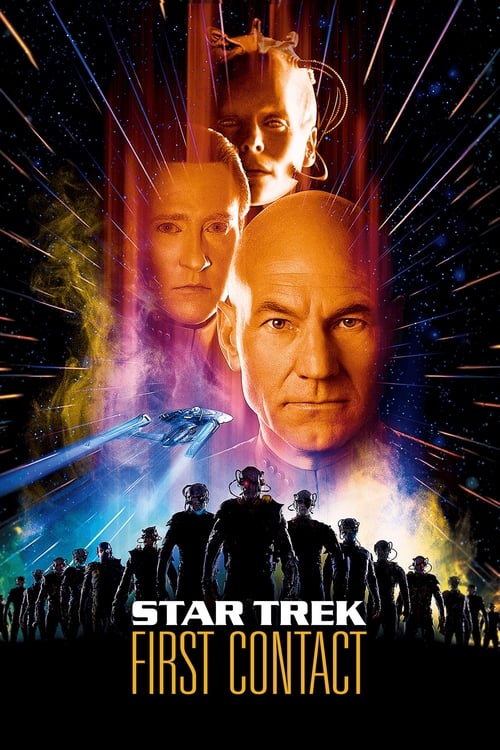
- 1996First Contact arrives in cinemas, widely considered the best TNG film Star Trek: First Contact
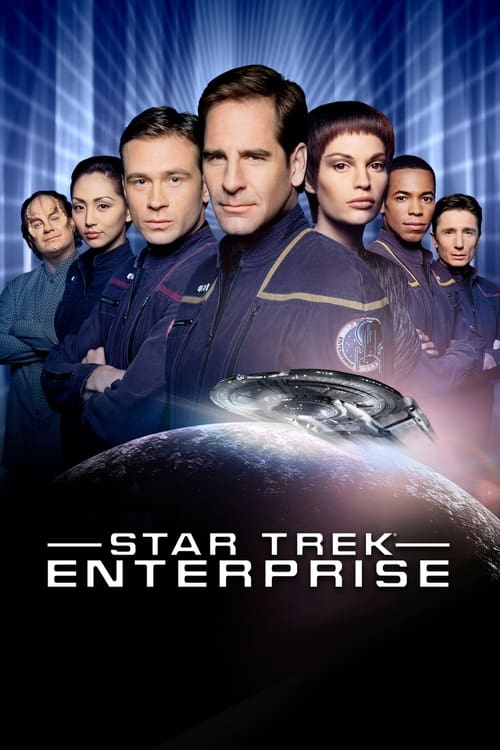
- 2001Enterprise takes the franchise back to the century before Kirk, before the Federation Star Trek: Enterprise
- 2009J.J. Abrams relaunches with a new cast in a parallel Kelvin timeline Star Trek
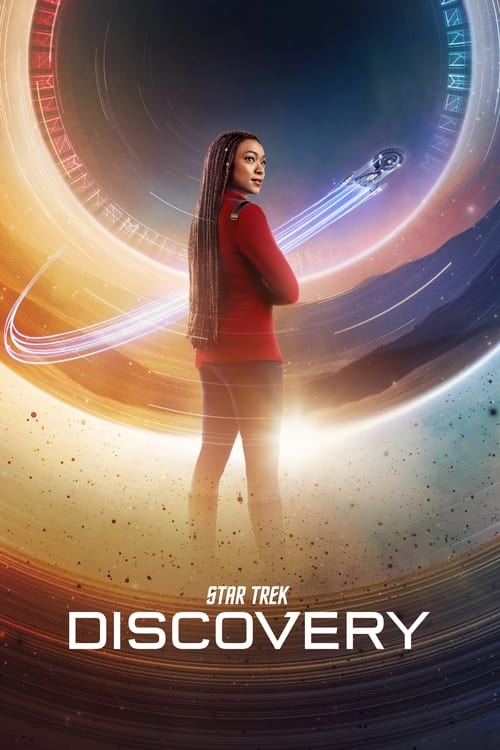
- 2017Discovery launches on CBS All Access, the franchise's return to serialized TV Star Trek: Discovery
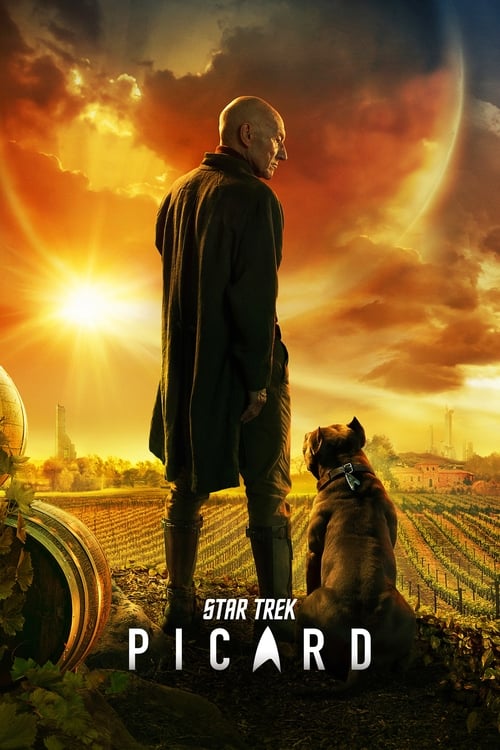
- 2020Picard reunites Patrick Stewart with his signature role thirty years on Star Trek: Picard
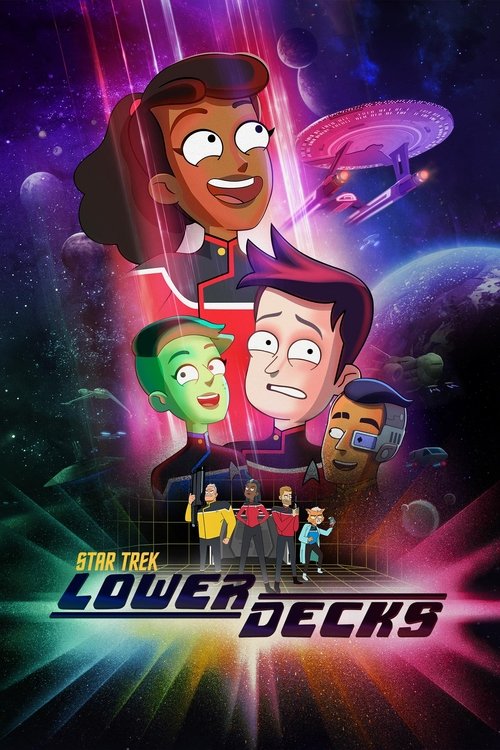
- 2020Lower Decks arrives as the franchise's first adult animated comedy Star Trek: Lower Decks
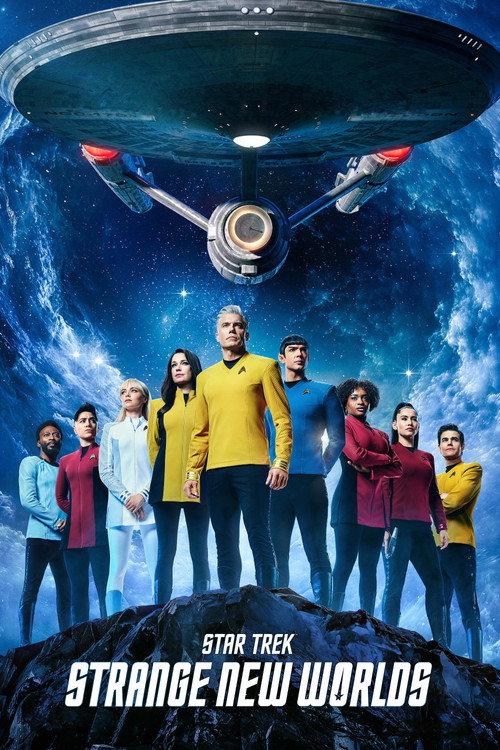
- 2022Strange New Worlds returns to an episodic format with Captain Pike aboard the Enterprise Star Trek: Strange New Worlds
Space opera and alien diplomacy
Every Version of Star Trek: The Next Generation
Explore the Every Version of Star Trek: The Next Generation guide →The human adventure is just beginning.Star Trek: The Motion Picture (1979)