
The Boy Who Had to Win the War Before He Knew He Was Fighting It
Orson Scott Card built his reputation on a paradox: the most brutal act in science fiction history was committed by a child who did not know it was real. Ender's Game (1985) took the military SF genre and turned it inside out, replacing hardware fetishism with psychology, replacing adult heroism with the anguish of a gifted kid weaponized by the adults who claimed to protect him. The novel won both the Hugo and the Nebula, and it earned that double because Card had found something the genre rarely attempted: genuine moral weight.
The through-line fans love is not the space battles. It is the question Card returns to in every major work, in every medium he has touched: what do we owe the person we have made into a weapon, and what does that person owe everyone else? Ender Wiggin carries it. So does Bean. So does the Speaker for the Dead who arrives three thousand years later to mourn an enemy. Card's fiction is relentlessly concerned with empathy as a form of power, with understanding an opponent so completely that you could destroy them, and then choosing what to do with that understanding.
His output spans military SF, political fable, Biblical historical fiction, fantasy, and horror. But his readers follow the moral intelligence, not the genre label. That is what this guide maps: his essential work, its closest kin on screen and in games, and the authors who share his preoccupation with minds under pressure.
Essential Orson Scott Card
The novels and stories that define his voice, from the Ender cycle to Alvin Maker.



If You Love the Ender Films and Series
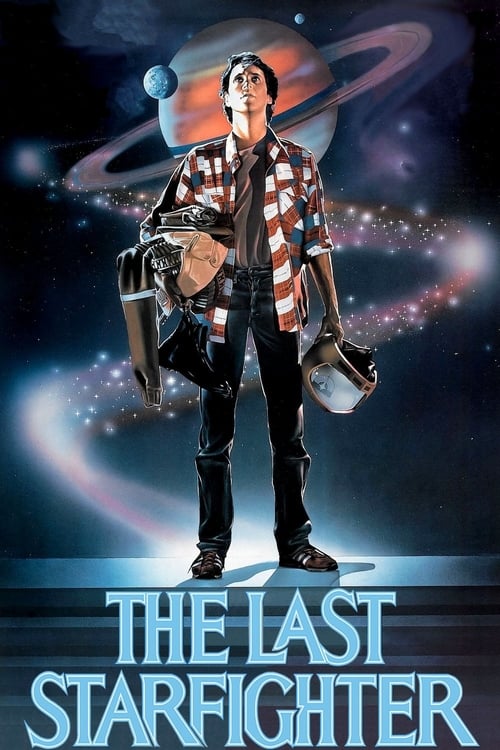
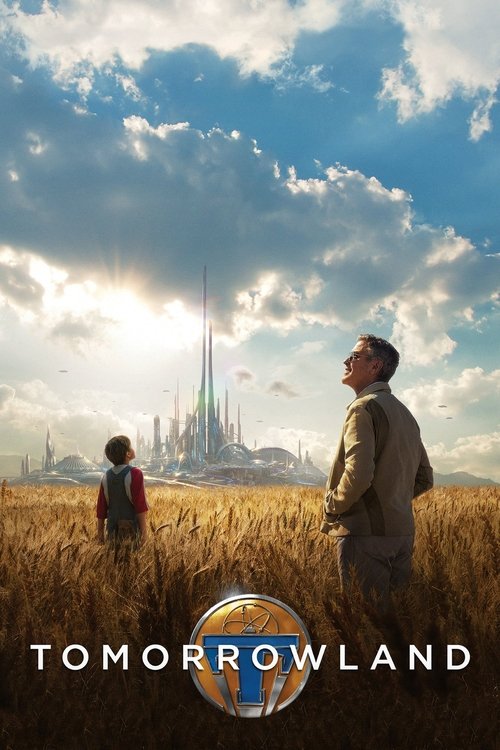
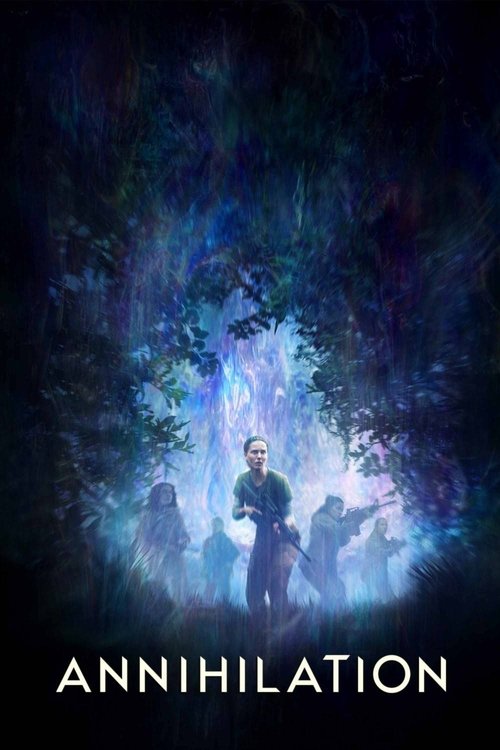
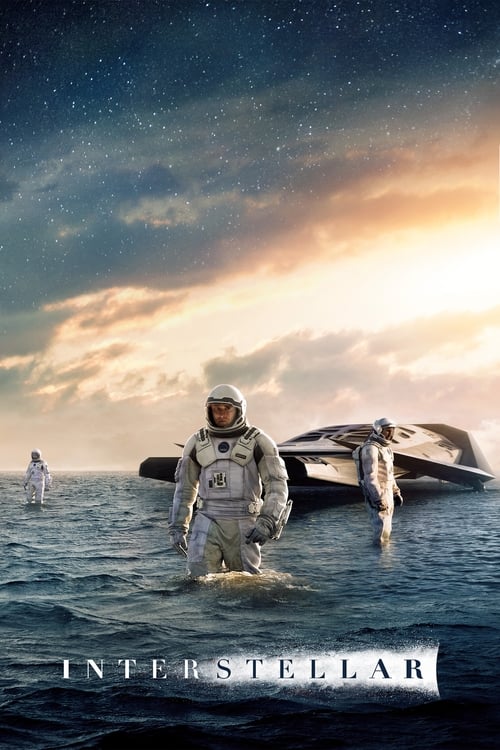
Screen adaptations and originals that share the same DNA: chosen children, impossible choices, military command structures that grind their members.
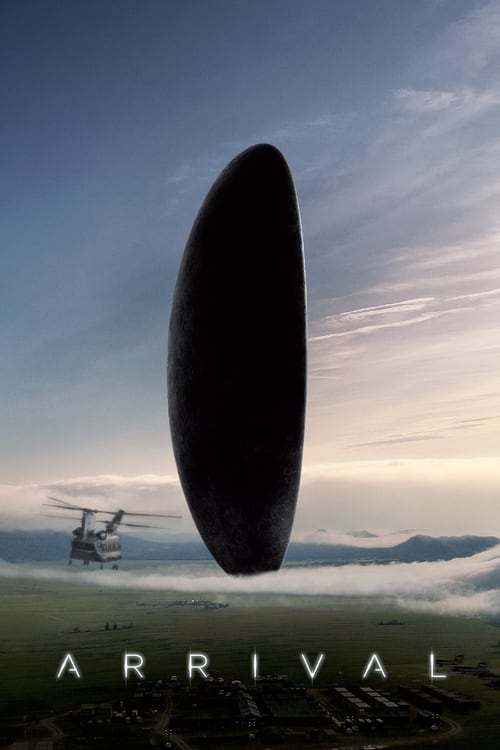
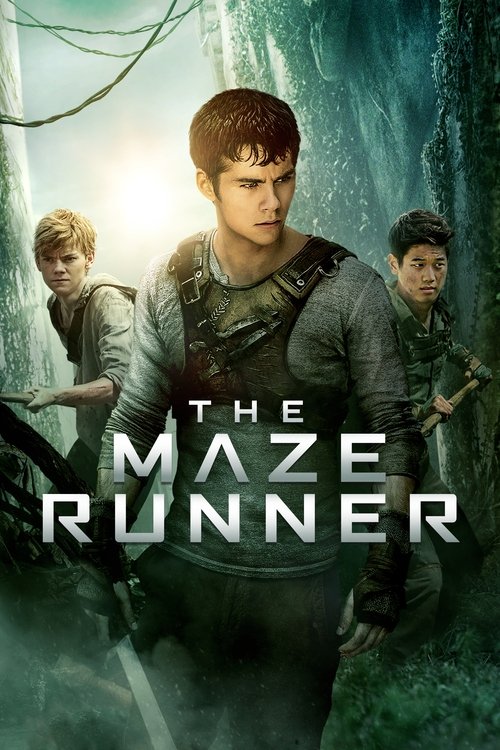


If You Love His Moral Complexity: Authors Who Go There
SF and fantasy writers who put ethics at the center and refuse easy answers, from military command to alien contact.


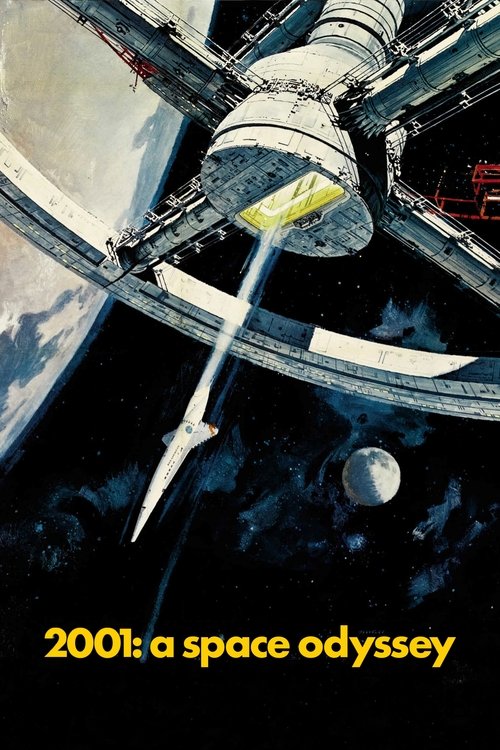
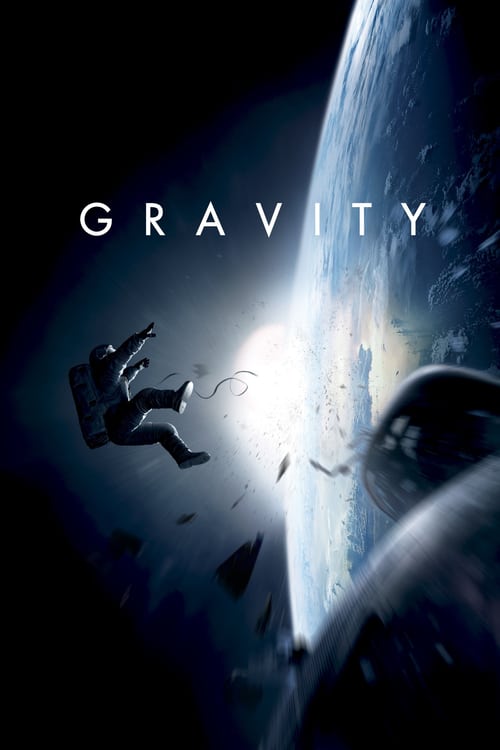
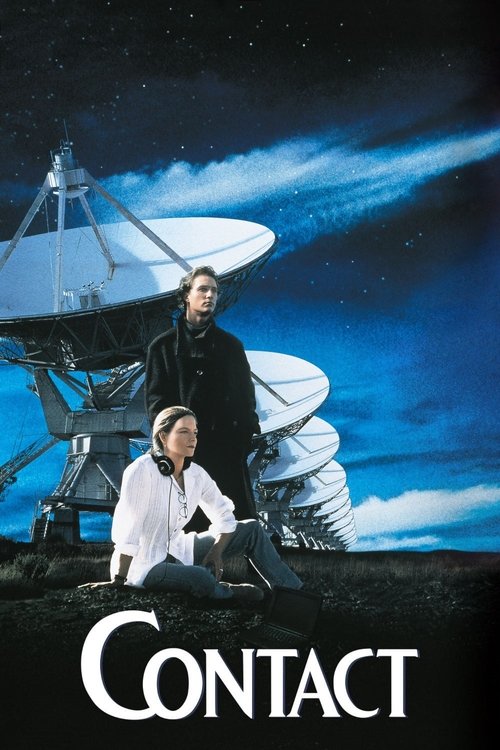
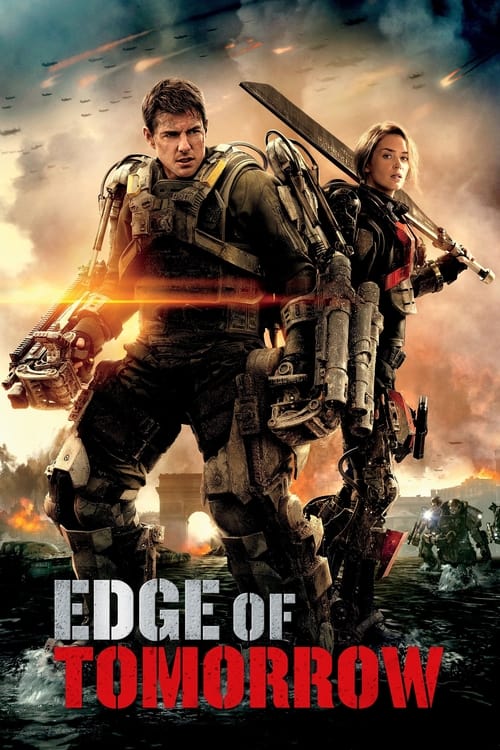
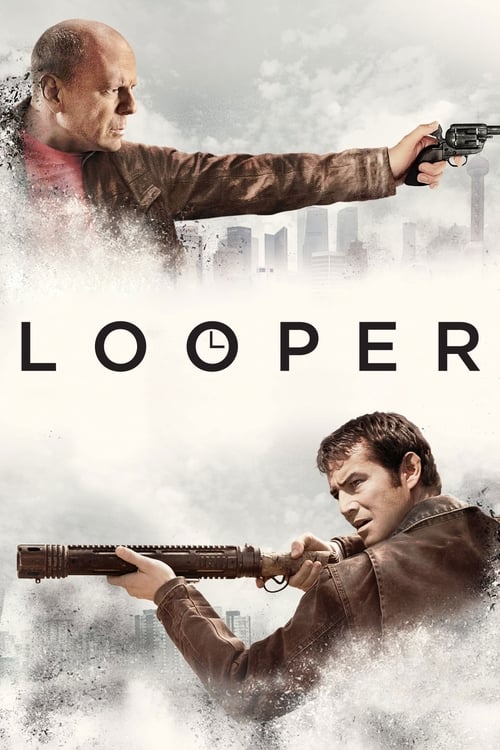
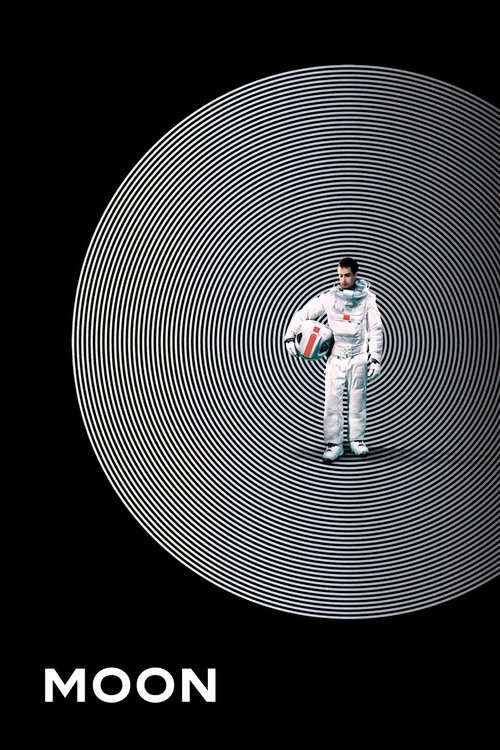
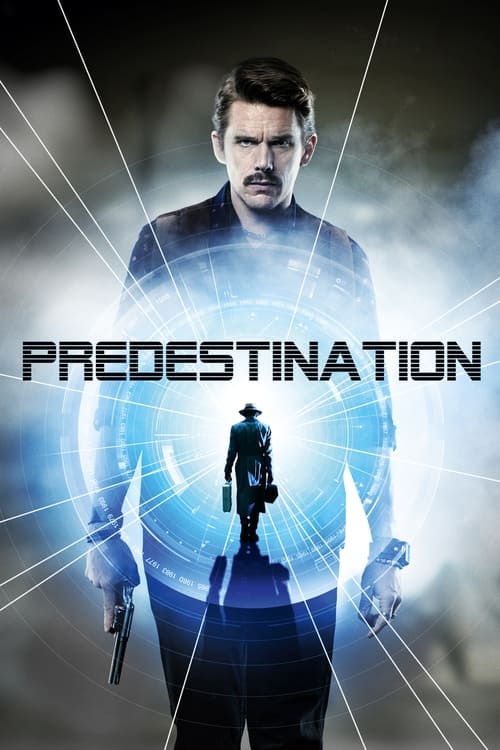
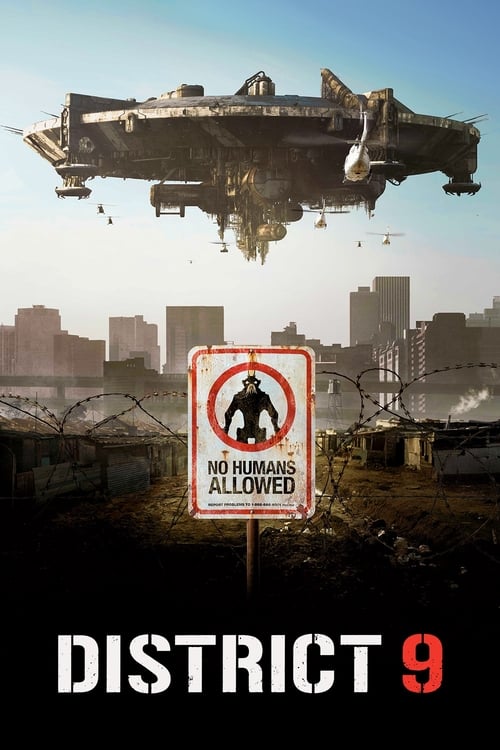
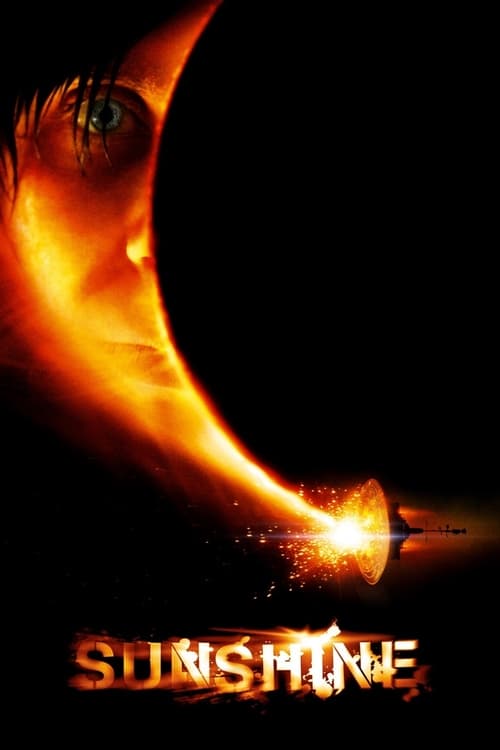
If You Love the Cerebral Military SF: Essential Films
Films that treat war and tactics as intellectual problems, not action spectacle. Strategy, sacrifice, and the people who survive.



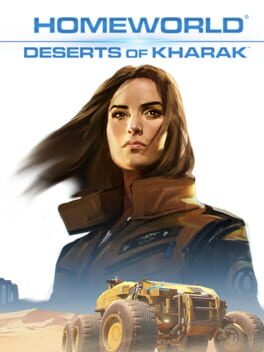
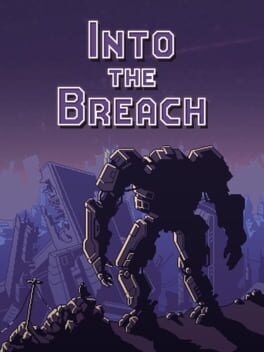
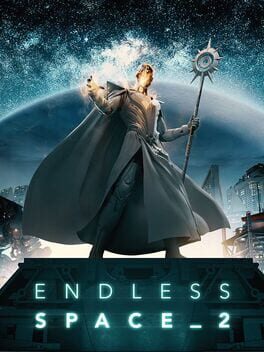
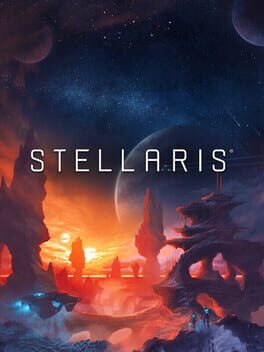
If You Love the Battle Room: Strategy and Tactics Games
Games where outwitting an enemy matters more than reflex, where command decisions carry moral weight, and where the stakes feel real.

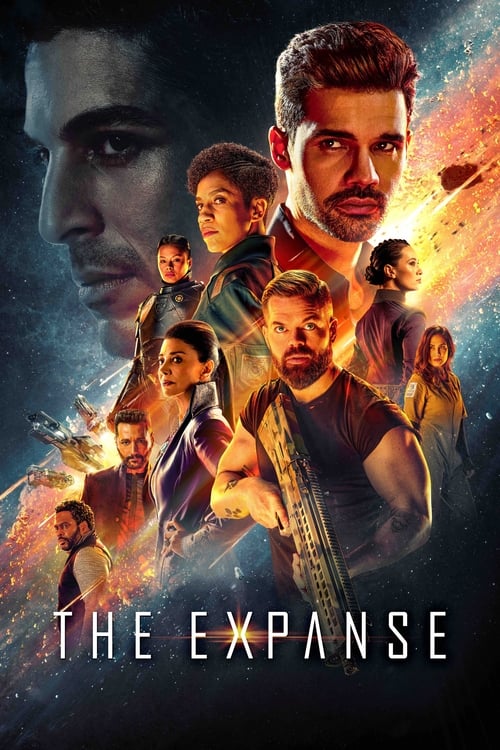
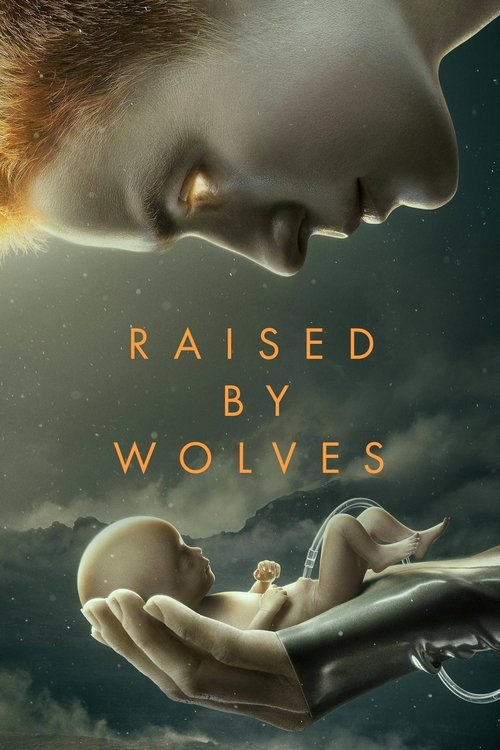
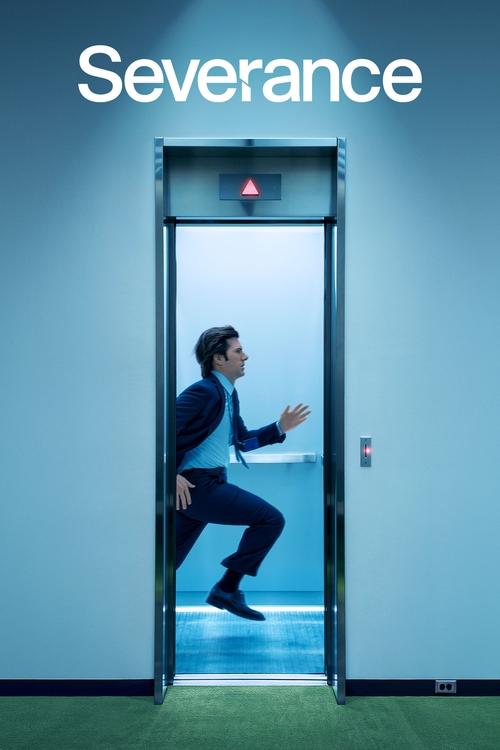
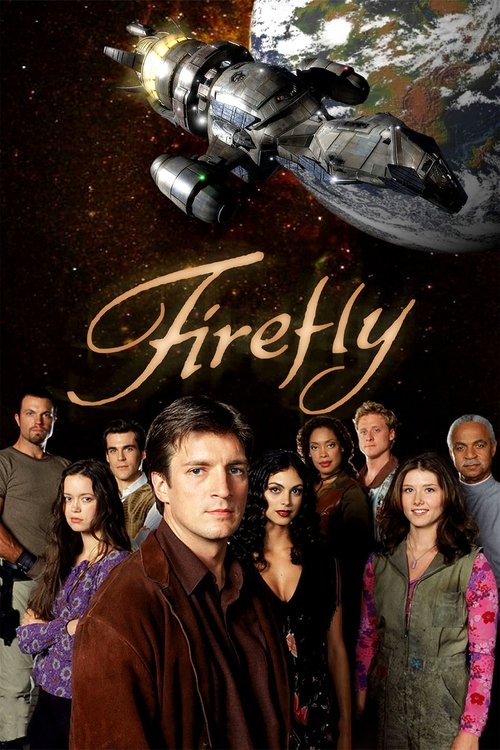
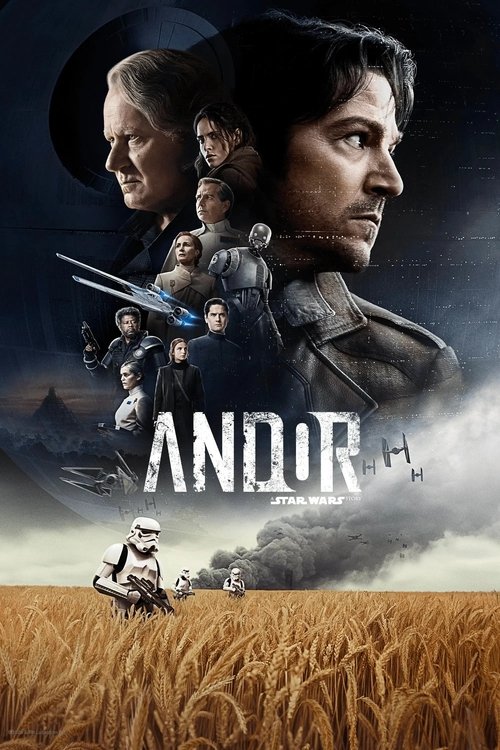
If You Love His Sprawling World-Building: Essential TV
Series that commit to a fully realized universe with political depth, alien intelligences, and humans who are neither heroes nor villains.

The Ender's Shadow Parallel Novel Is an Underrated Master Class
Ender's Shadow retells Ender's Game from Bean's point of view, and the fact that Card pulls this off without the second book feeling like a rehash is a genuine technical achievement. Bean sees different things. He understands the manipulation faster. His survival instincts read the adults in a way Ender never could, because Bean has lived outside any institution's care. Card uses the same events to produce a completely different emotional argument: where Ender's tragedy is innocence weaponized, Bean's is intellect without attachment, slowly, painfully learning what it means to need anyone. Fans who bounced off Ender's Game as too YA often find Ender's Shadow hits harder.
The Ender's Game Film Gets More Right Than Its Reception Suggests
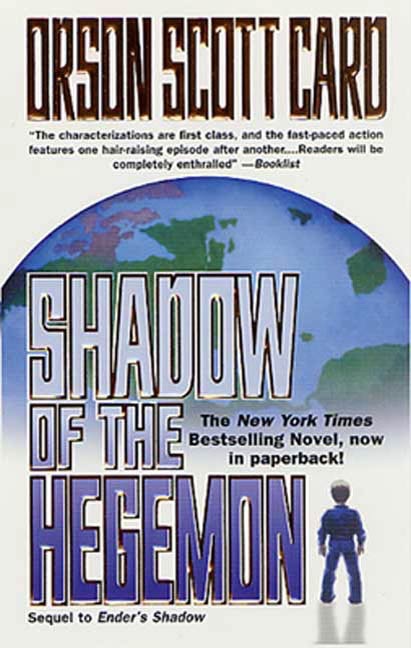
The 2013 adaptation was caught between audiences who wanted a YA action film and readers who wanted the interior monologue that makes the book work. What it actually delivers is a visually credible version of the Battle Room (the zero-gravity combat sequences remain impressive), a committed performance from Asa Butterfield, and a faithful rendering of the ending's gut-punch. The film's real problem is compression: Bean and the other Dragon Army soldiers become indistinct, and the moral aftermath that Card unpacks over the rest of the cycle is reduced to a final image. Take it as a document of what the book's first act looks like rendered in light and it holds up better than its box-office suggested.
The Ender Universe: A Reading and Watching Order
- 1977Ender's Game first published as a short story in Analog Science Fiction.
- 1985Ender's Game expanded to novel length. Ender's Game
- 1986Speaker for the Dead wins Hugo and Nebula back-to-back.
- 1991Xenocide continues the philosophical arc of the Ender cycle.
- 1996Children of the Mind closes the original Ender quartet. Children of the mist
- 1999Ender's Shadow retells Ender's Game through Bean's eyes.
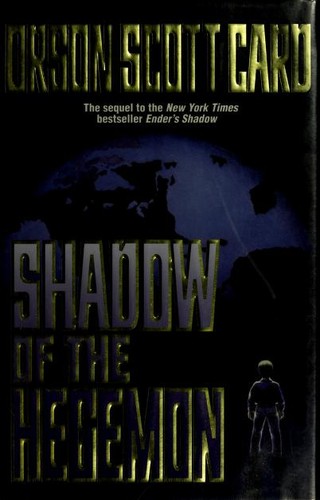
- 2001Shadow of the Hegemon begins the Shadow cycle's political thriller arc. Shadow of the Hegemon
- 2013Ender's Game reaches the screen with Gavin Hood directing. Ender's Game
More military sci-fi and space epics
Military Sci-Fi
Explore the Military Sci-Fi guide →In the moment when I truly understand my enemy, understand him well enough to defeat him, then in that very moment I also love him.Ender Wiggin, Ender's Game