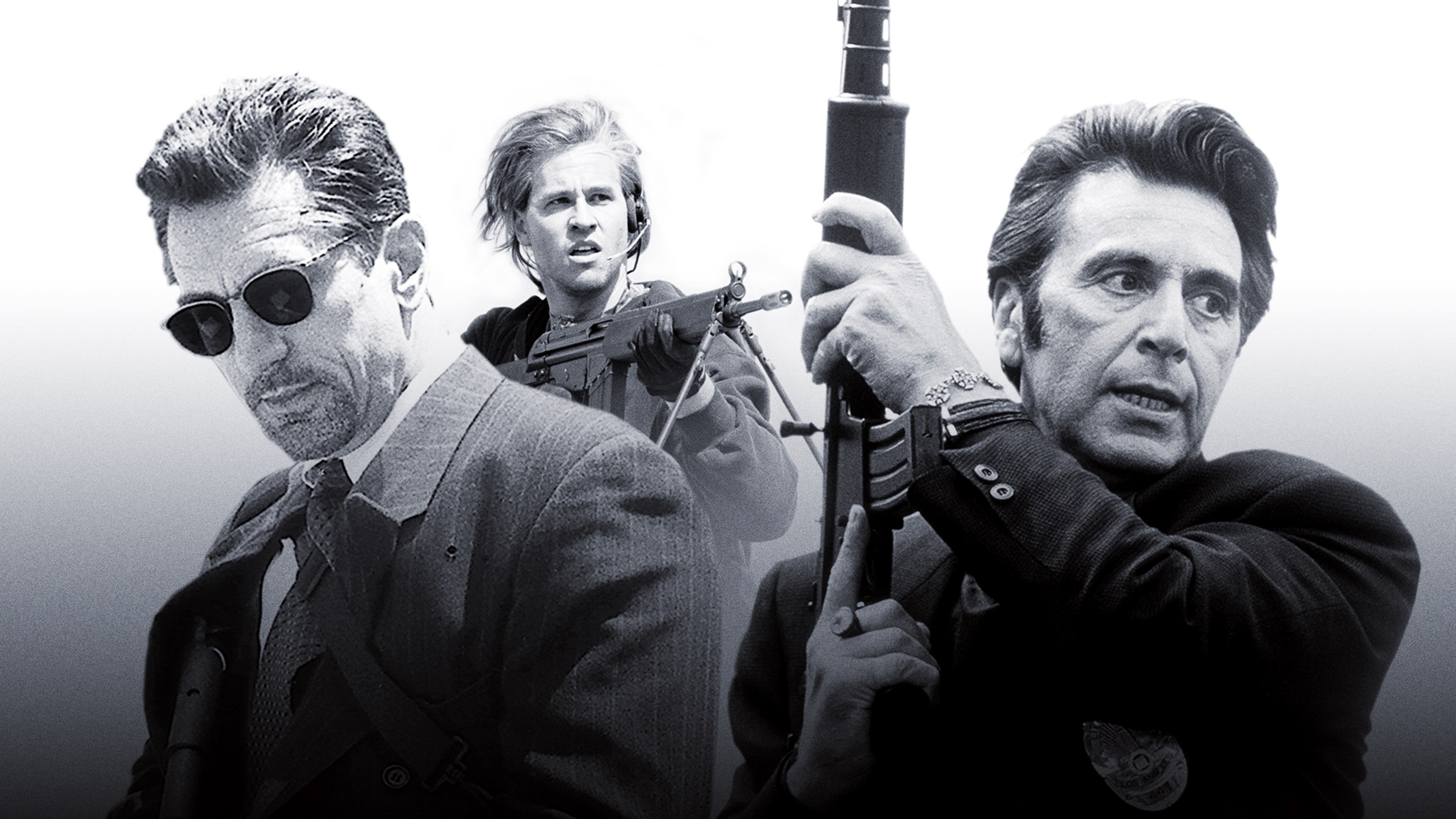

What Heat gets right, and what no imitator has fully replicated, is the idea that professionalism is its own kind of tragedy. Neil McCauley (Robert De Niro) and Lt. Vincent Hanna (Al Pacino) are mirror images: both brilliant, both consumed, both willing to sacrifice everything personal for the work. Michael Mann shot Los Angeles not as glamour but as a grid of glass, concrete, and cold light, a city where emotion is a liability. The downtown bank heist shootout redefined how action was filmed and heard. The coffee-shop scene between De Niro and Pacino, two icons sharing a frame for the first time, is five minutes of two professionals sizing each other up and finding, uncomfortably, something to respect. Heat is a film about people who are very good at what they do and have no idea what to do with themselves otherwise.
Essential Heat
Mann's own films and the works that define the same obsessive register

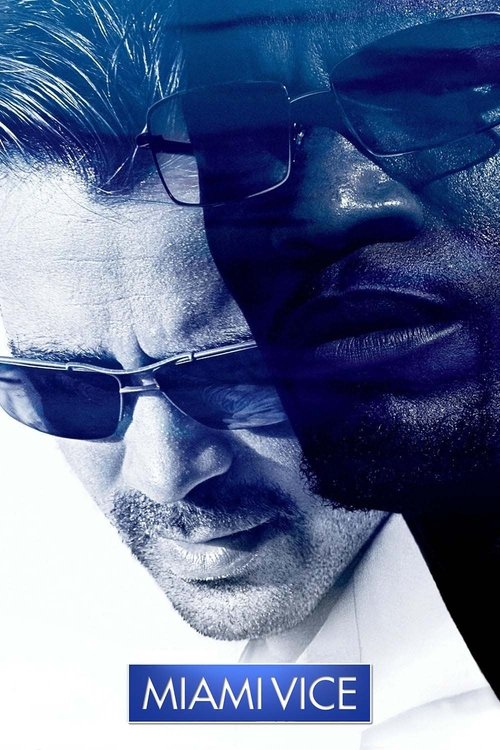
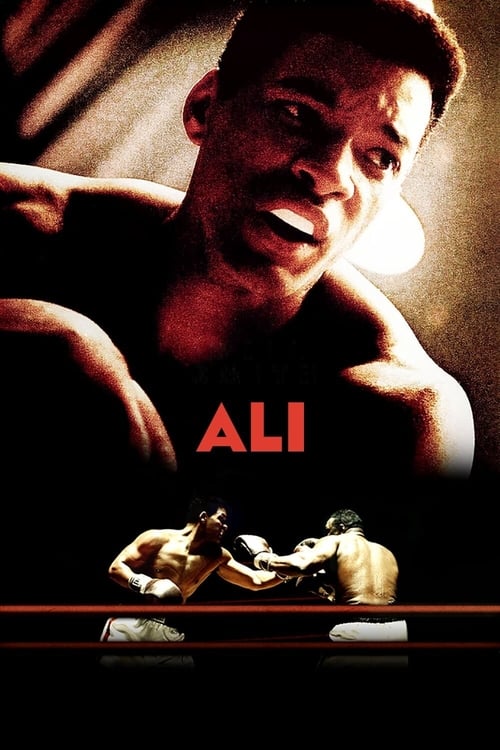
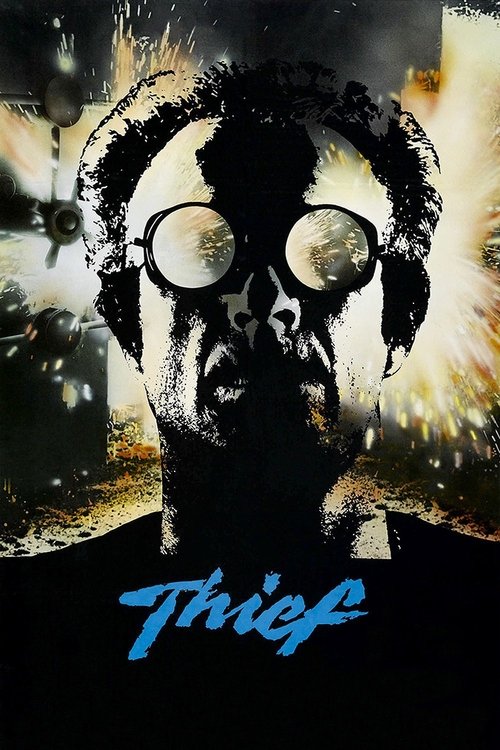
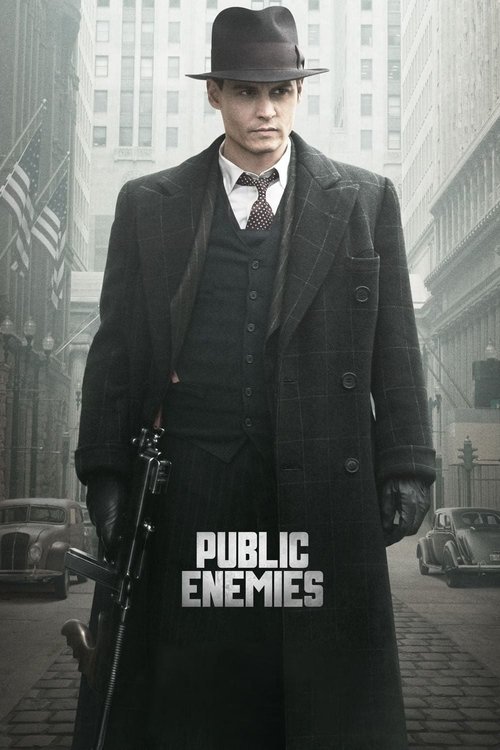
Same-Vibe Crime Films
Cold precision, moral weight, and two sides of an impossible equation
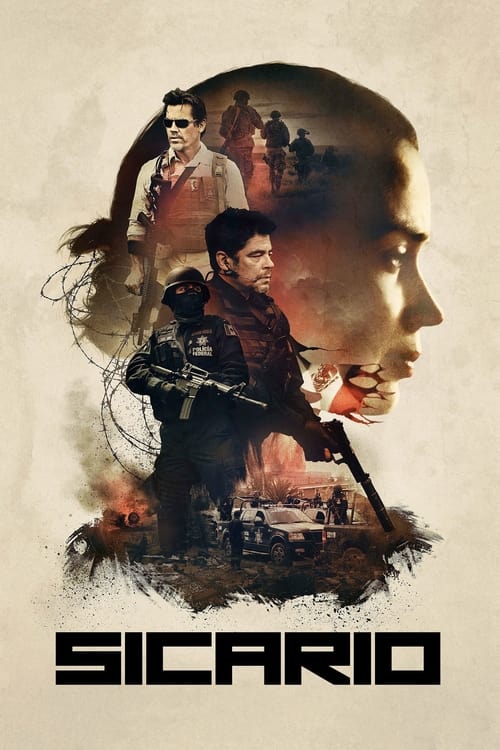
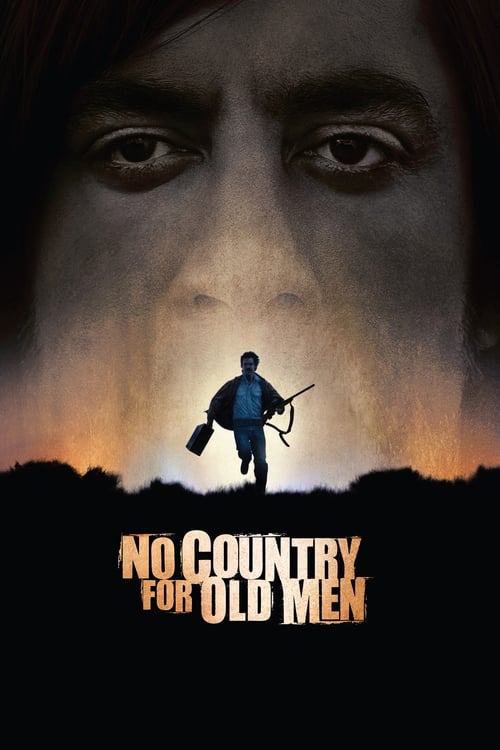
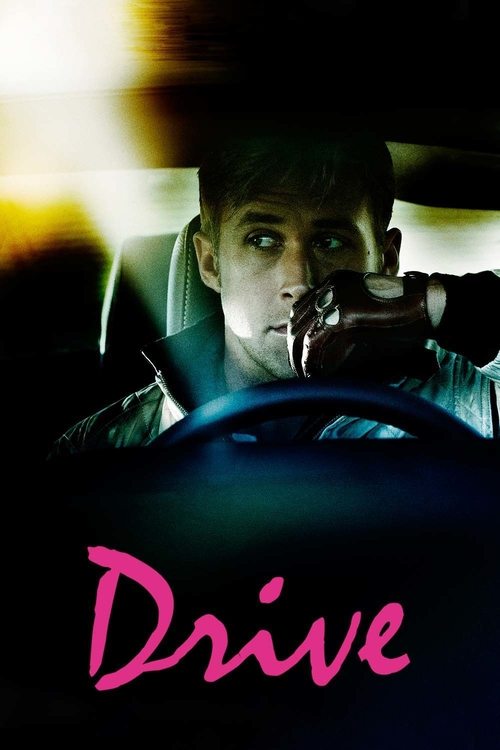
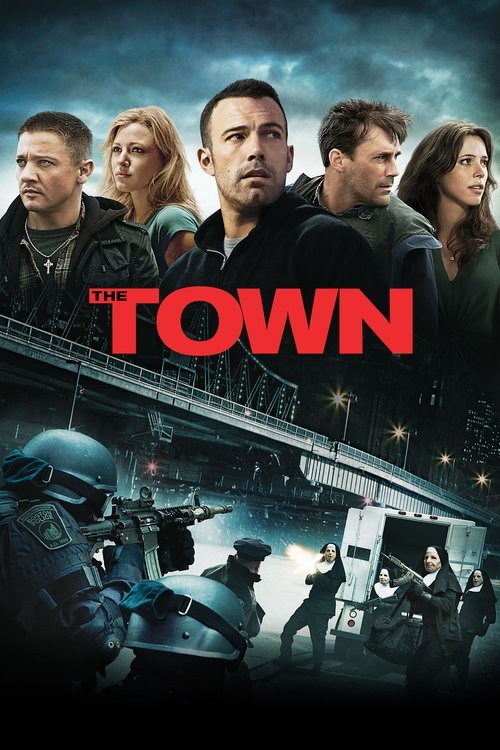
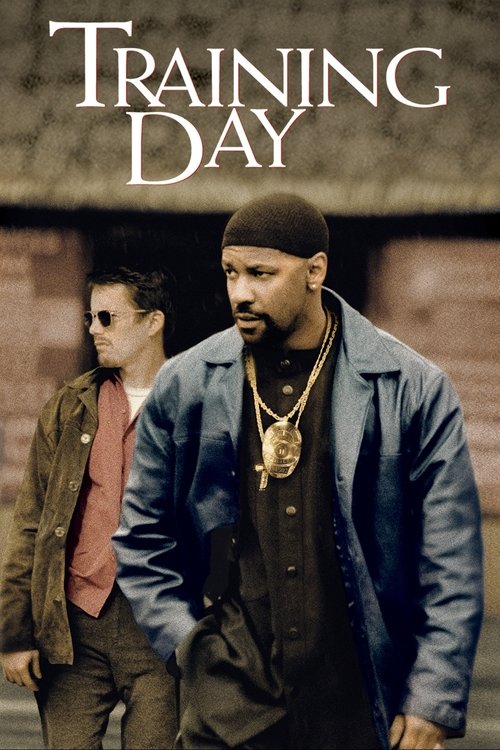

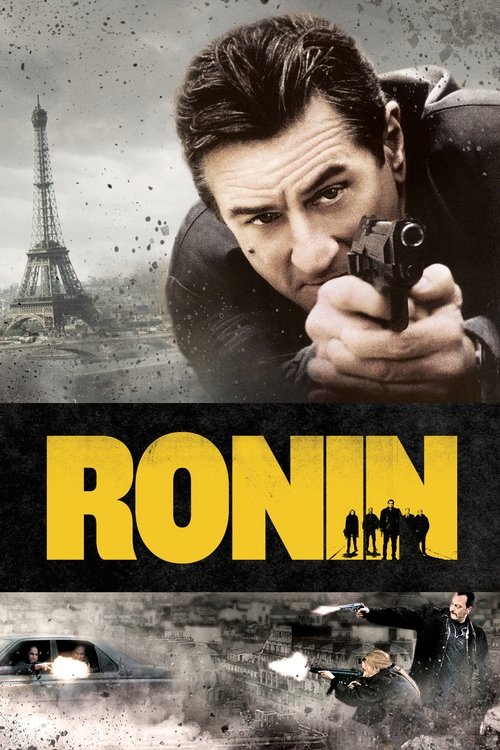
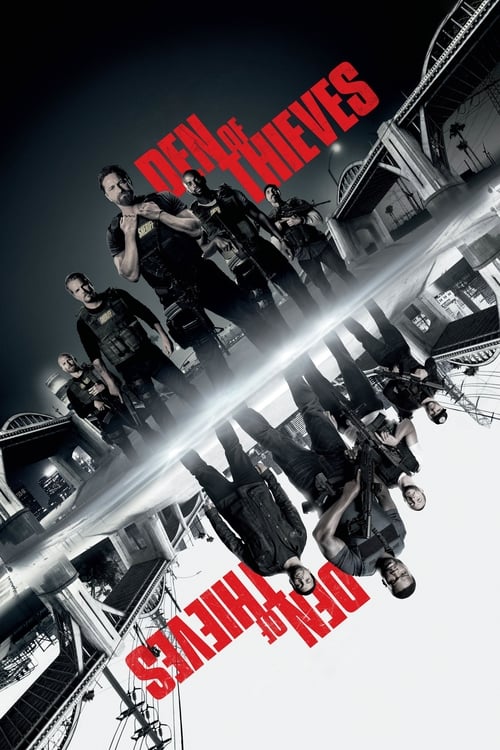
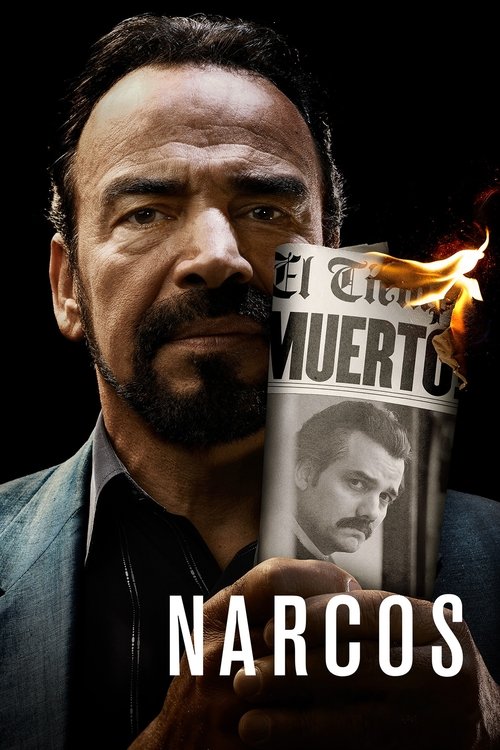
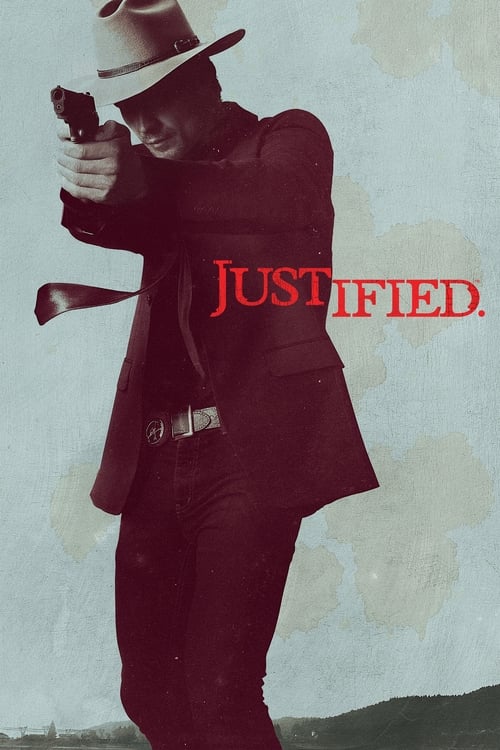
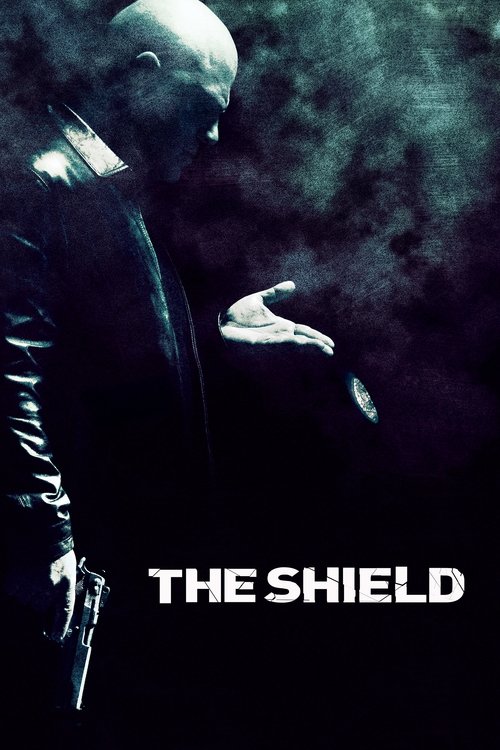
Series with the Same DNA
Long-form crime where craft and consequence share equal billing


The Novels Behind the Crime
Books that share Heat's bone-dry proceduralism and doomed professionalism


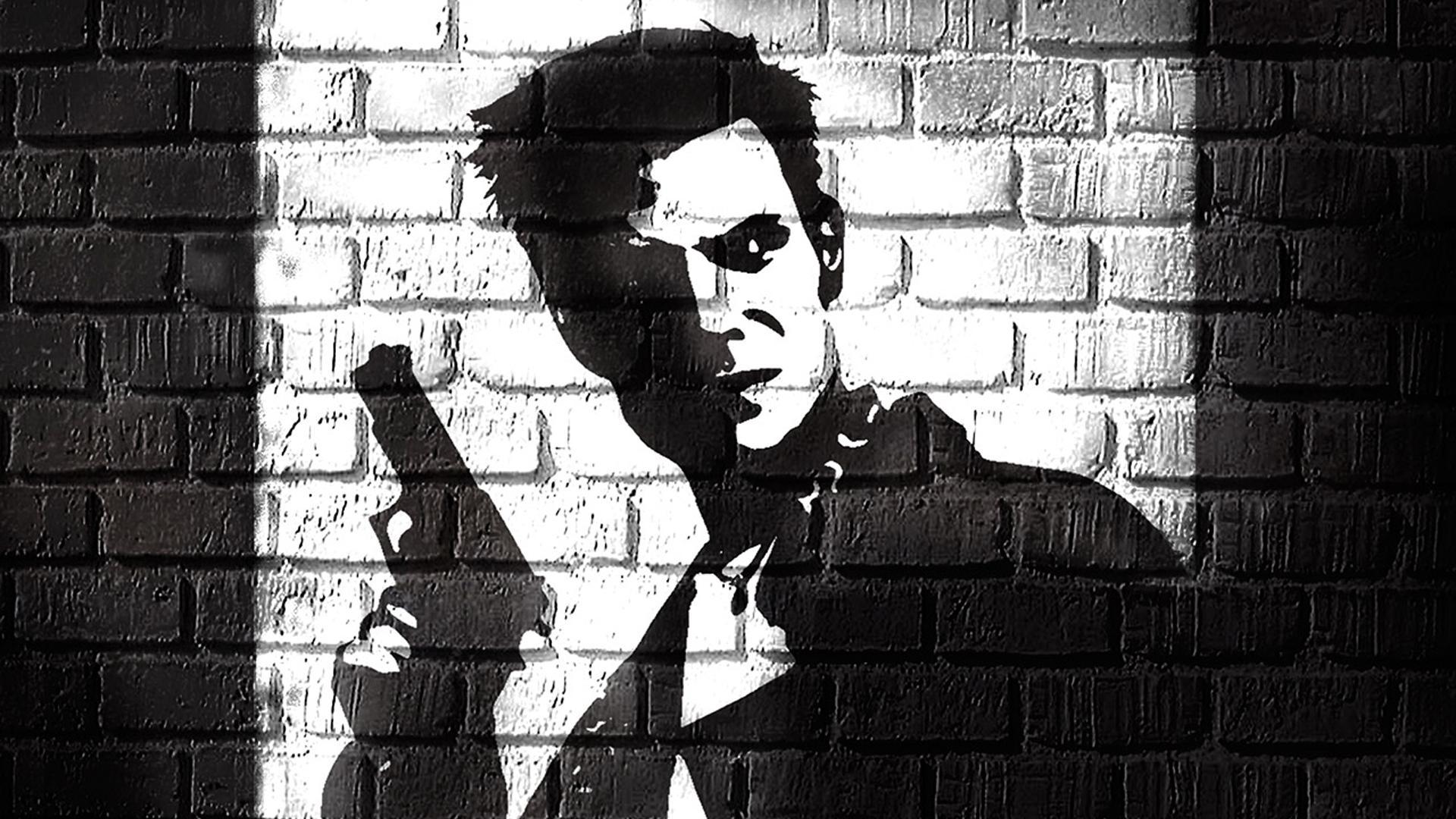
Games Sharing Its DNA
Tactical, high-stakes, and built around the cost of a single mistake



The Shootout Changed Everything
The North Hollywood-style bank heist sequence in Heat was shot with real automatic weapons on actual downtown LA streets, and the sound design was treated as seriously as any dialogue scene. Mann placed microphones to capture the specific acoustic properties of gunfire ricocheting off glass and concrete. Directors from Christopher Nolan to Denis Villeneuve have cited it directly. Before Heat, action scenes were spectacle. After Heat, the best ones were arguments about consequences.
Two Hours and Forty Minutes of Controlled Grief
Heat is often called a thriller but it functions more like a Greek tragedy running at the speed of a procedural. Mann gives both men lives outside the job, relationships that collapse under the weight of who they are, and then strips those lives away methodically. The coffee-shop conversation works because neither man is performing. They are, briefly, honest with each other in a way they can never be with anyone else. That honesty is what makes the ending feel inevitable rather than arbitrary.
The Procedural as Philosophy
Neil McCauley's rule, "Never have anything in your life that you can't walk away from in thirty seconds flat," is the film's philosophical core and its deepest wound. Mann frames it as survival strategy, then systematically shows what it costs. The Wire borrows from the same tradition: procedure as a way of understanding a broken system. Breaking Bad inverts it: a man who had everything to lose builds the same walls. Heat set the template for how prestige crime drama treats competence as both armor and prison.
Heat and the Crime Canon
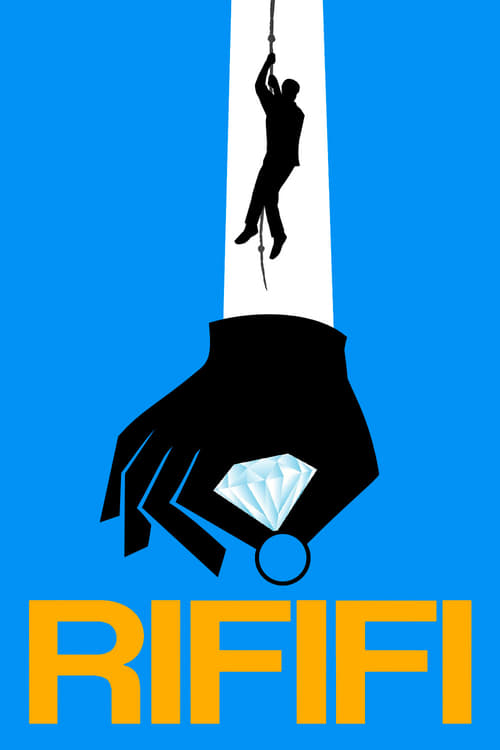
- 1955Rififi, Jules Dassin's jewel-heist masterpiece, establishes the silent-professional template Rififi
- 1967Le Samourai: Alain Delon as the unreachable contract killer, stillness as character Le Samouraï
- 1981Thief: Mann's debut feature, with James Caan as a professional thief who wants one normal life Thief
- 1986Manhunter: Mann adapts Thomas Harris, inventing the FBI-procedural aesthetic Manhunt
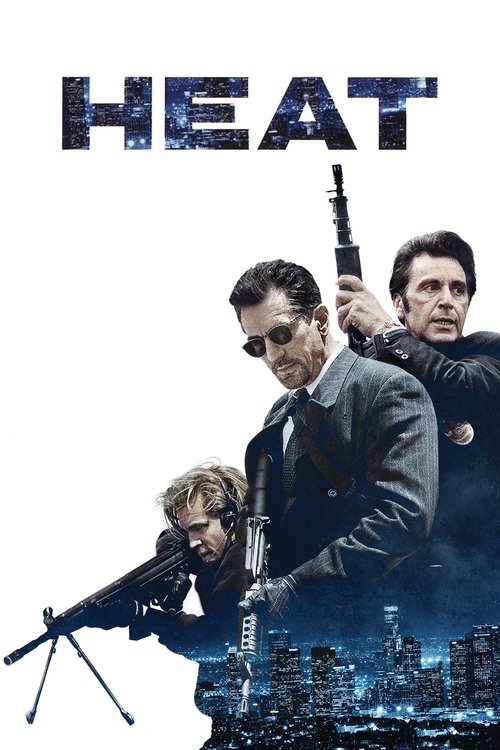
- 1995Heat releases. The shootout and the coffee-shop scene enter the permanent vocabulary of cinema Heat
- 1996The Friends of Eddie Coyle reissued: George V. Higgins' crime novel Heat fans should read immediately
- 2002Payday: The Heist concept gestates; the genre Heat influenced hits games Max Payne 2: The Fall of Max Payne
- 2002The Wire premieres, taking the cop-and-criminal symmetry into long form The Wire
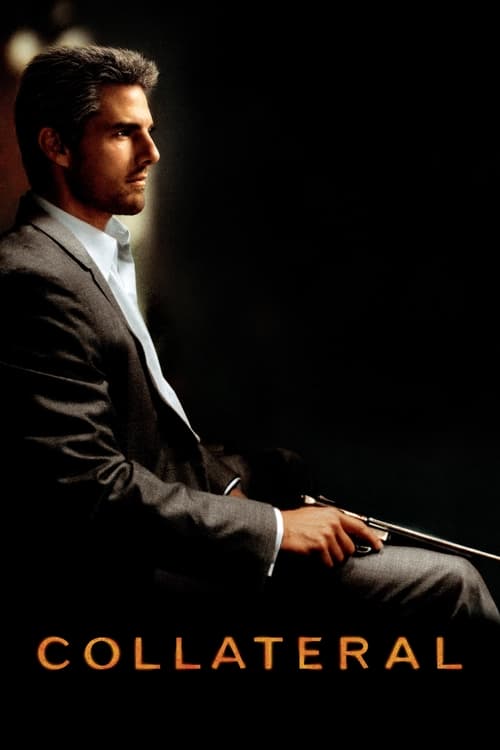
- 2004Collateral: Mann shoots digital LA at night, De Niro's heir apparent in Tom Cruise's hitman Collateral
- 2022Heat 2: Mann and Meg Gardiner extend the story in both directions, as both novel and prequel-sequel Heat
Cops, robbers, and the crime epic
For Fans of Michael Mann
Explore the For Fans of Michael Mann guide →All I am is what I'm going after.Neil McCauley, Heat (1995)