
SZA (Solana Imani Rowe) arrived as something genuinely new: an R&B singer who treated heartbreak, self-doubt, and longing not as performance but as raw material for close observation. Her 2017 debut LP Ctrl rewrote what vulnerability could sound like in contemporary R&B, pairing TDE's crisp production with lyrics that felt like journal entries left in a parking lot. SOS (2022) doubled down, spending a record-breaking 10 weeks at No. 1 on the Billboard 200 and confirming that her audience craved exactly the kind of emotional honesty that radio formats had long discouraged. If you live inside her music, you likely love worlds that reward careful listening: stories about people caught between who they want to be and who they keep showing up as, told with the messy specificity of real life.
If You Love Her: Artists in the Same Key
Neo-soul, alt-R&B, and introspective pop that occupies the same emotional register
Films with the Same Interior Life
Movies that sit with complicated women and refuse easy resolution



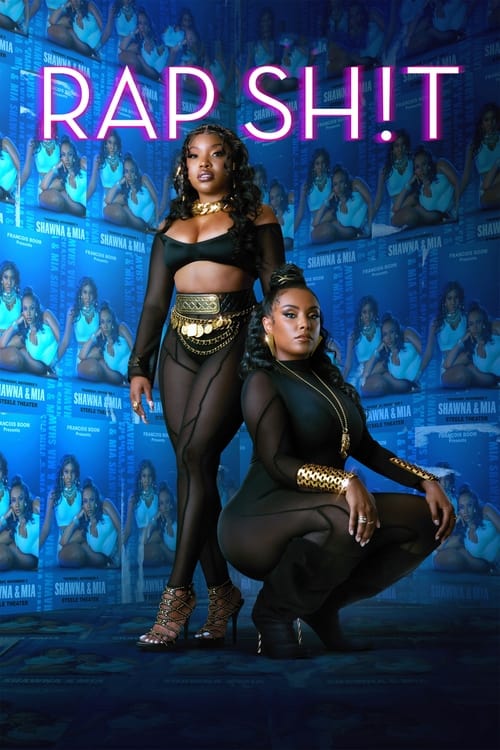
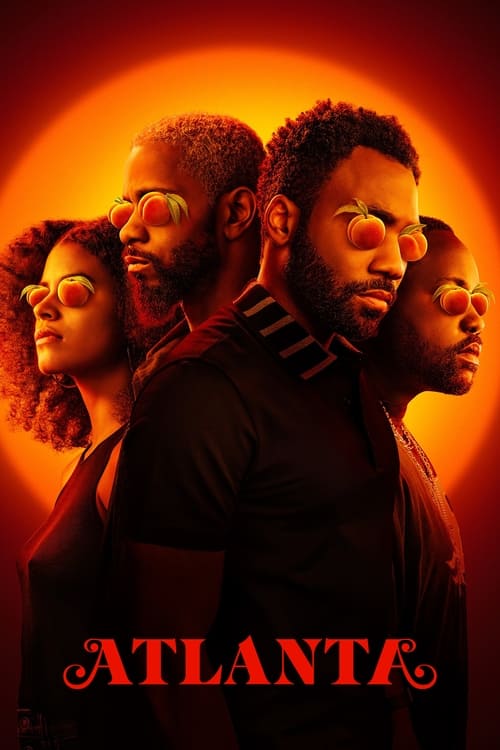
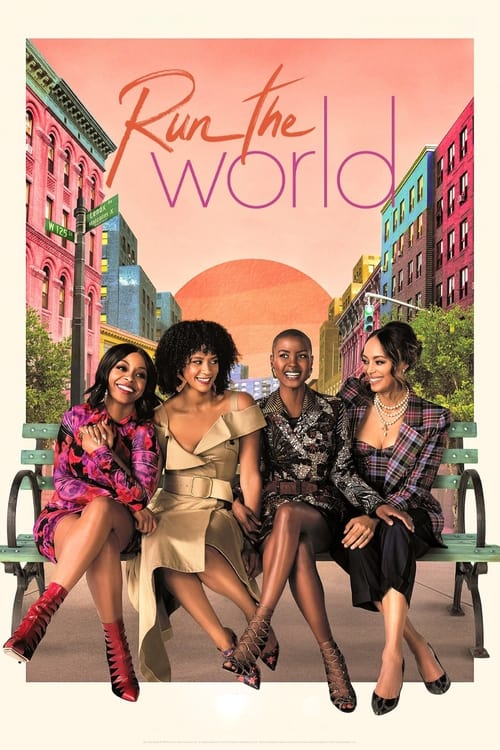
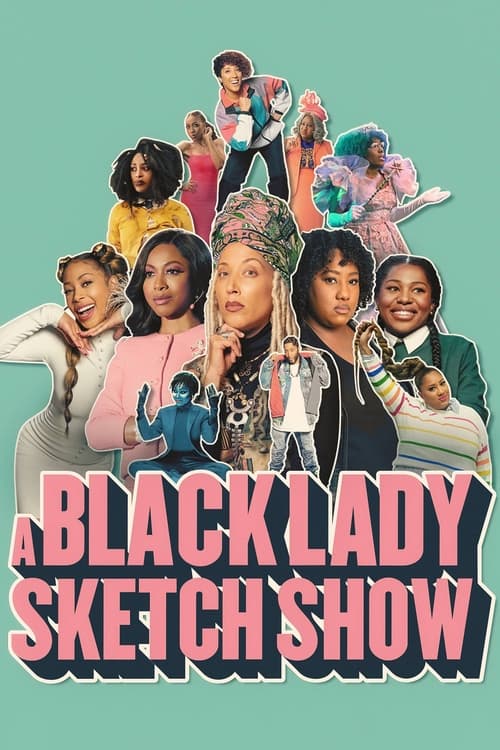
Series That Sit in the Feeling
TV that leans into emotional texture, Black womanhood, and the messy middle of youth
Books for the Same Reader
Fiction and memoir with the same unflinching interiority and self-reckoning


Music Docs and Concert Films
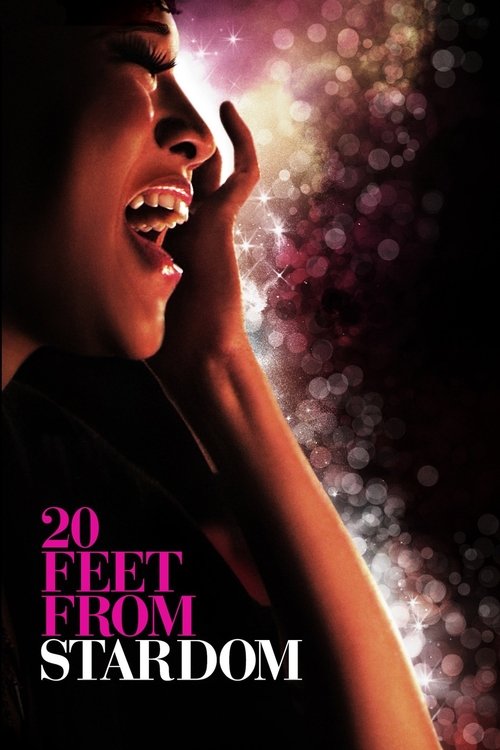
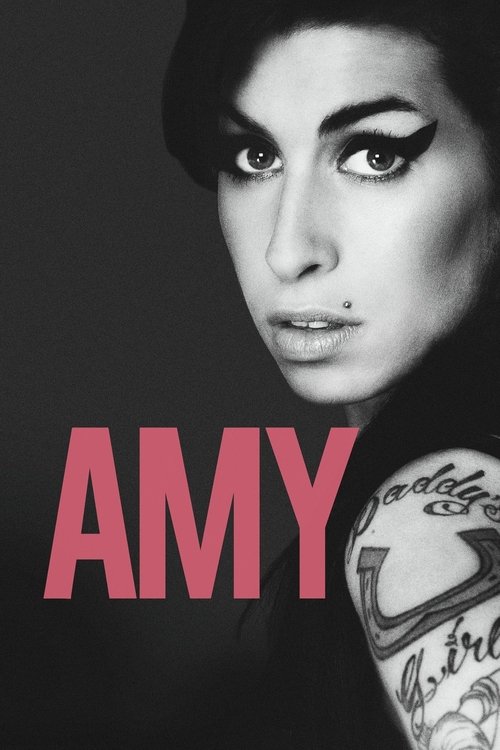
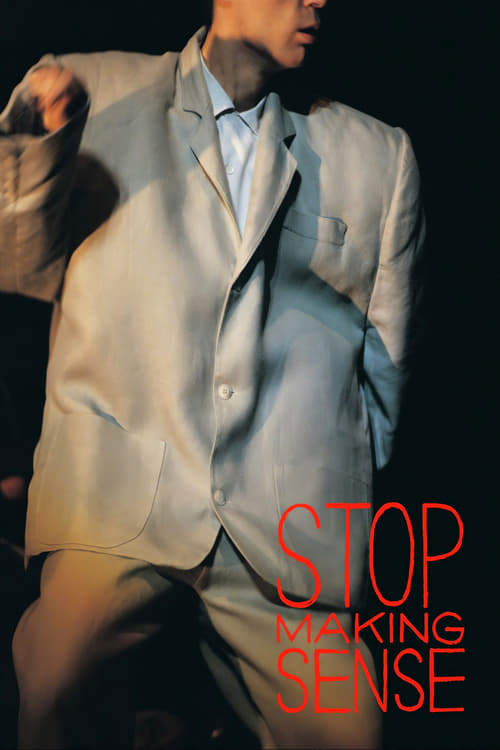
Essential viewing for anyone who loves how music gets made and what it costs


Ctrl Is One of the Best Debut Albums of the 2010s
Debut albums almost never sound this settled in their own voice. Ctrl arrived with no hedging: the production felt lived-in, the lyrics embarrassingly specific, the emotional stakes fully loaded. Songs about waiting for a call back, about knowing a relationship is a bad idea and doing it anyway, about the difference between what you project and what you feel. TDE gave SZA the space and budget to make something that didn't rush toward radio, and the result was a record that kept earning listeners for years after its release.
SOS Proved the Long Album Format Still Works
At 23 tracks, SOS could have collapsed under its own weight. Instead it holds. SZA understood that her audience came to stay for a while, not to cherry-pick singles. The album shifts between grief, spite, humor, and something close to acceptance, sometimes within the same song. Kill Bill, Snooze, Shirt, and Gone Girl function as distinct emotional chapters, and the sequencing earns its running time. It is a structural argument that sprawl, done with conviction, is its own kind of discipline.
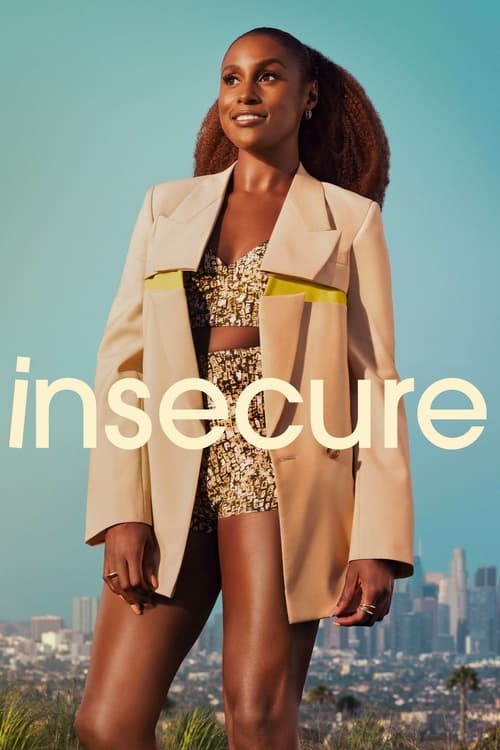
Insecure Gets Closer Than Anything Else to the SZA Feeling on Screen
Issa Rae's Insecure is the closest television equivalent to what SZA does: Black women in their late 20s, coping badly with desire and ambition, narrating themselves through a mix of bravado and transparent self-deception. The show's music supervision leaned heavily on the same neo-soul and alt-R&B world SZA inhabits. Both works treat their protagonists' mistakes with full seriousness and also, crucially, with humor. Neither is interested in the inspirational arc. They want the middle part, where you are still figuring it out.
The Music Game Most Like Her World: Rhythm Heaven and Its Descendants
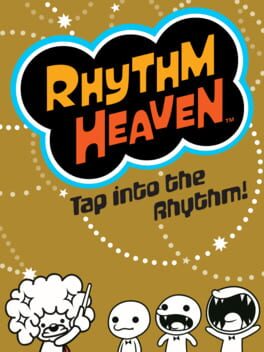
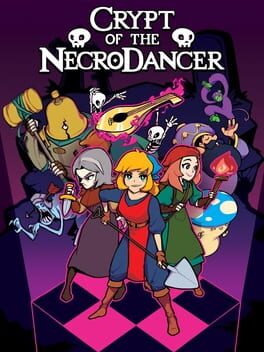
SZA's music is deeply rhythmic beneath its emotional surface: the production on Ctrl and SOS plays with timing in ways that feel improvisational even when they are precisely engineered. Games that reward feel over button accuracy, that treat rhythm as something sensed rather than calculated, live in the same perceptual space. Rhythm Heaven, Crypt of the NecroDancer, and the original Guitar Hero catalog all ask players to let the music into the body and trust it. That is, at its root, what SZA is asking her listeners to do.
SZA: Key Moments
Neo-soul and confessional voices
For Fans of Neo-Soul
Explore the For Fans of Neo-Soul guide →She writes as if no one told her that this much honesty was risky, which is the only reason it works.CrossBinge