
New Wave arrived at the end of the 1970s as punk's art-school sibling: colder, sharper, more interested in Kraftwerk than the Clash. Where punk burned things down, New Wave rebuilt them out of synthesizers, angular guitars, and a very particular kind of emotional distance that somehow made the loneliness feel stylish. The genre pulled in post-punk's tension, disco's grooves, and glam rock's theatrics, and then dressed the whole thing in skinny ties and eyeliner. Bands like Talking Heads, Blondie, Devo, Joy Division, The Cure, Depeche Mode, and New Order defined what pop music could sound like when restlessness met craft. The feeling a New Wave fan chases: that taut, electric mixture of anxiety and cool, urgency and detachment, the uncanny sense that something important is happening right now and nobody quite knows what it means.
Essential New Wave
The albums that defined the genre and still sound like the future
Inside the Scene: Music Documentaries and Concert Films
New Wave captured on film, from the stage to the underground




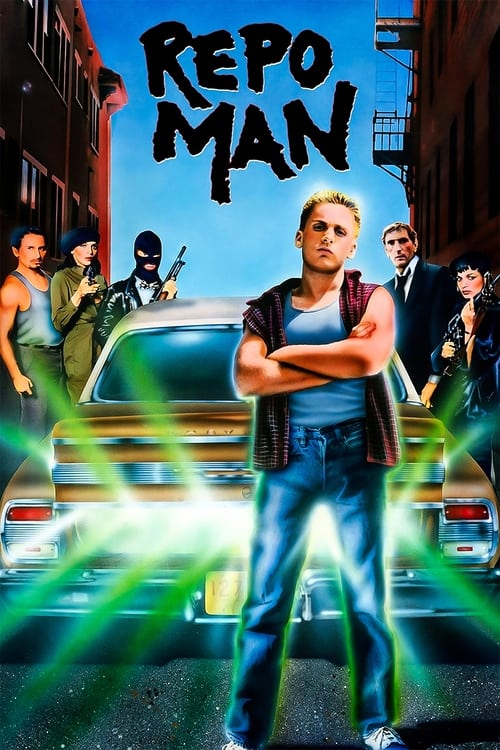
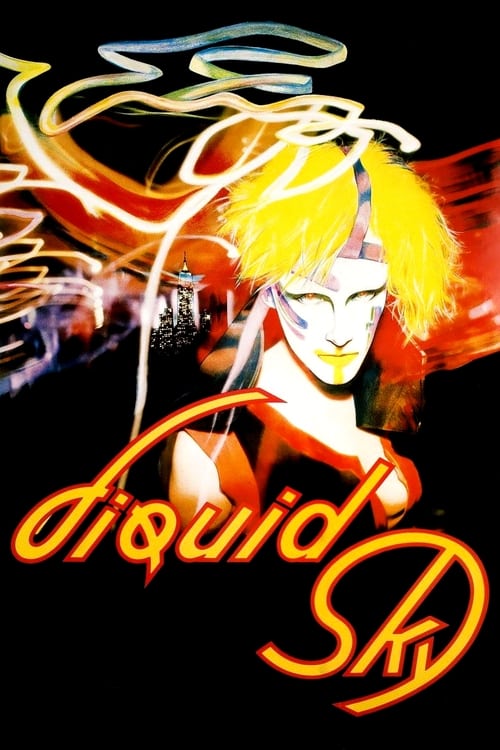
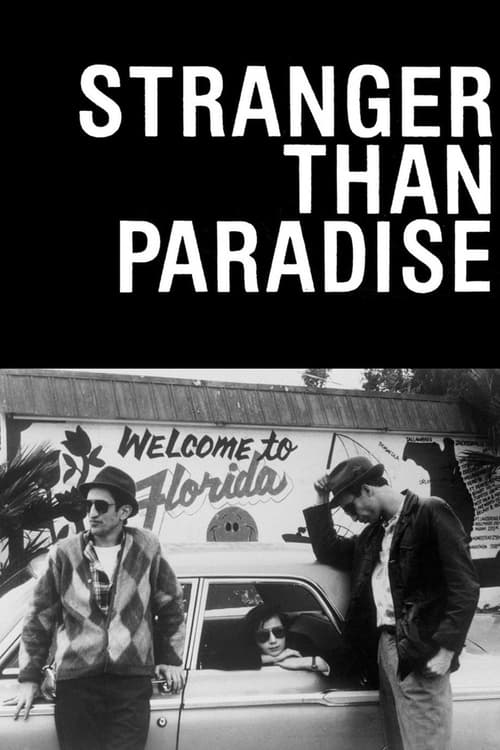
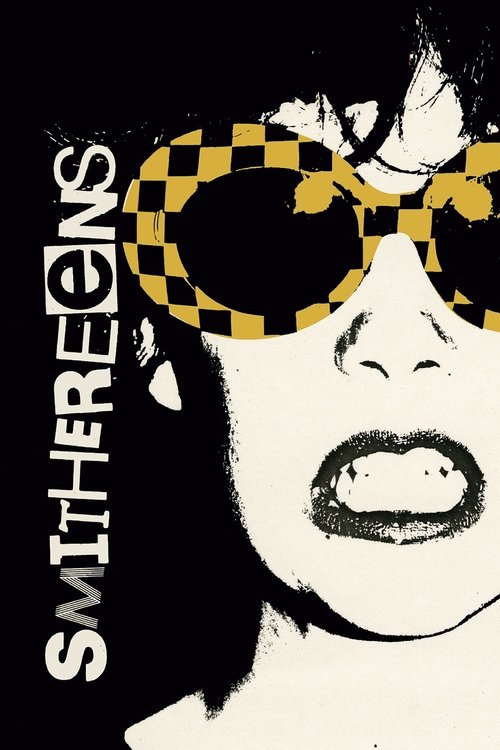
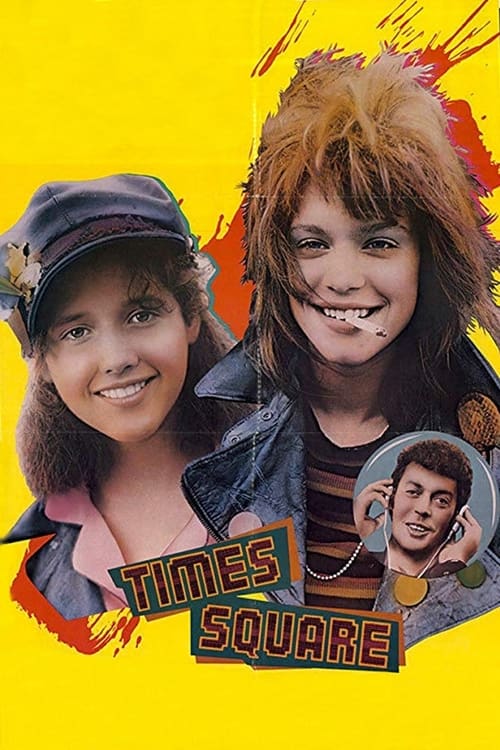
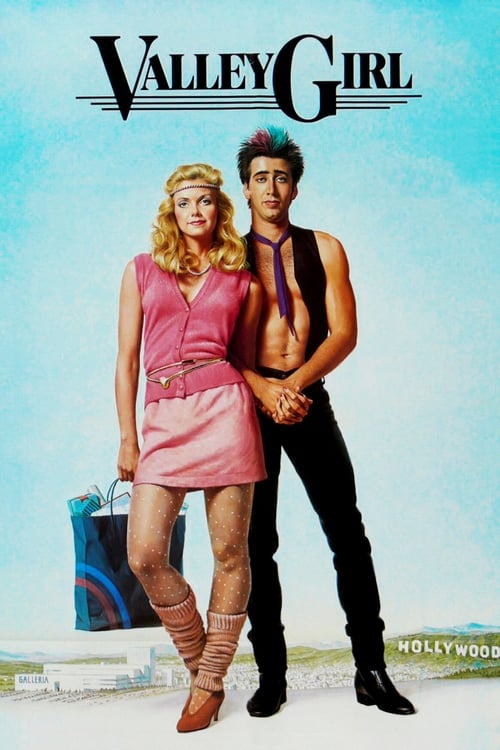
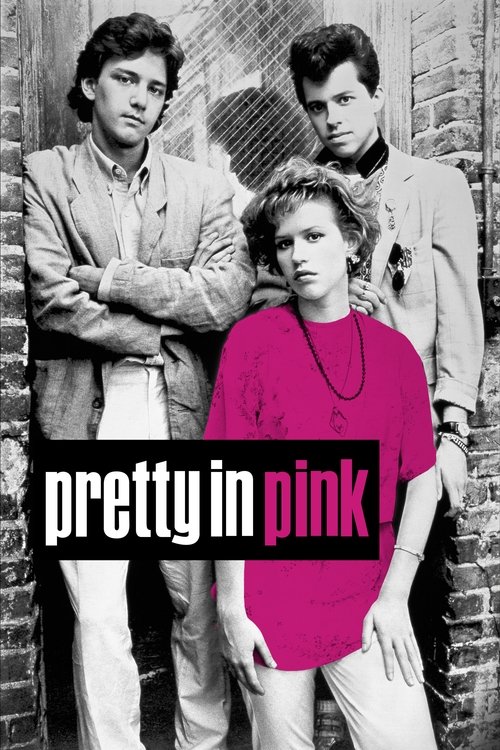
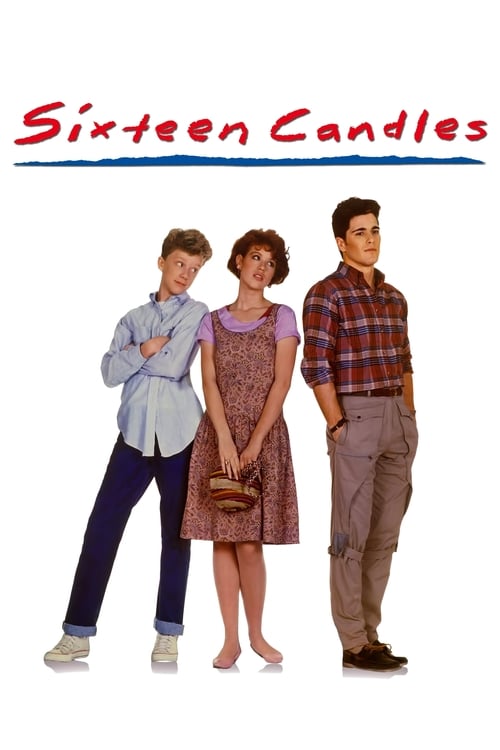
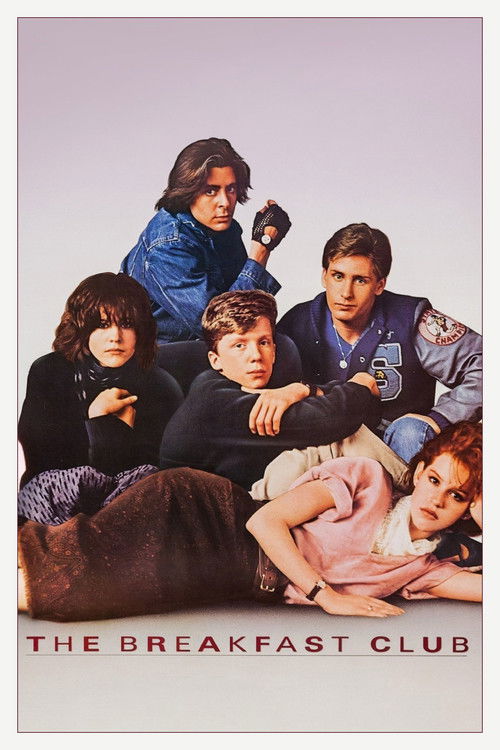
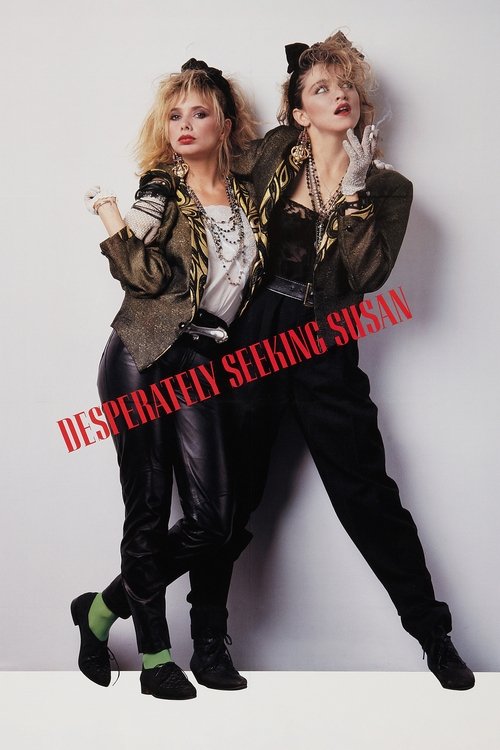
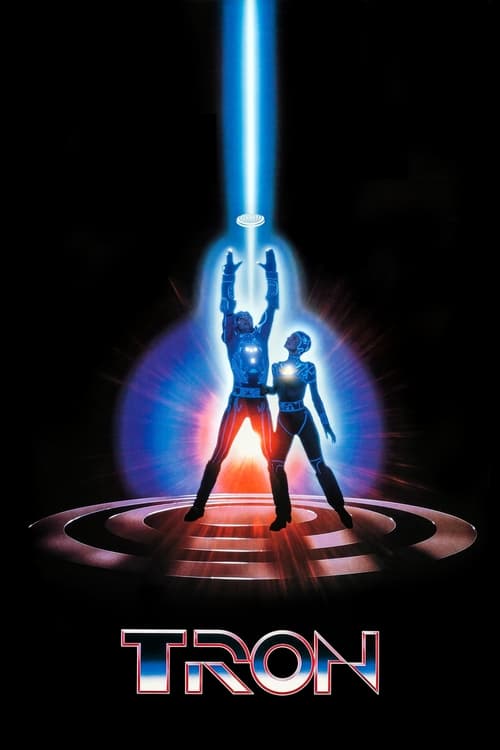
Films That Feel Like a New Wave Record
Movies with the same tension, style, and emotional charge
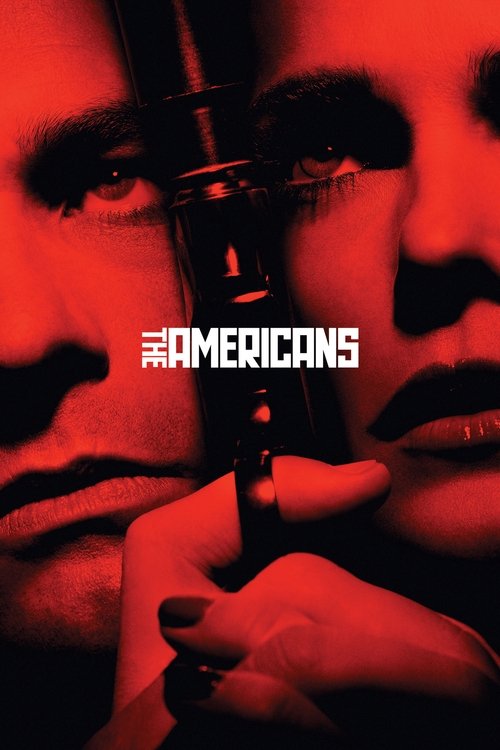
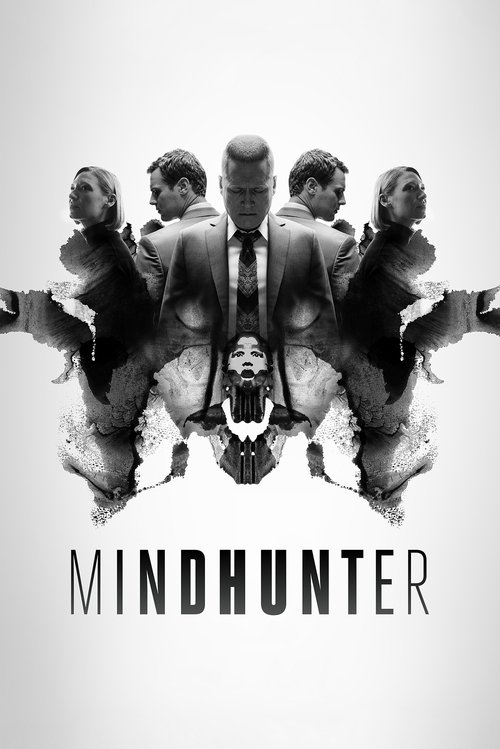
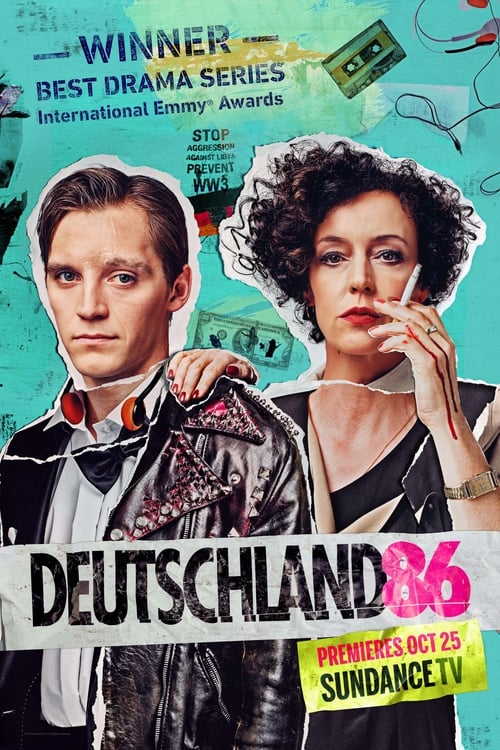
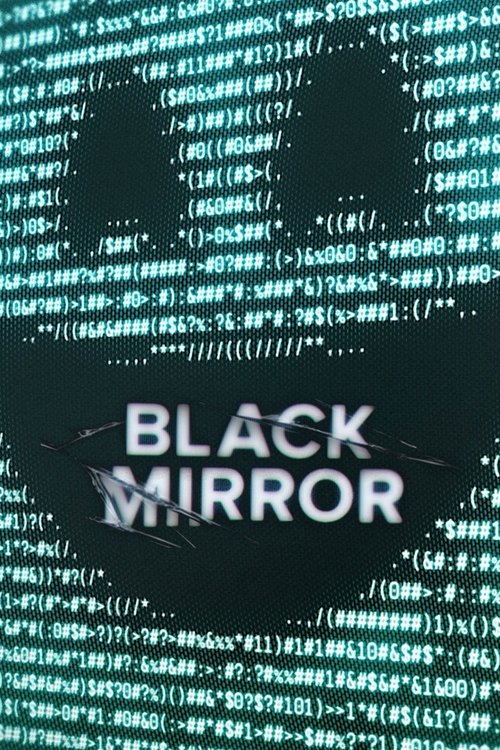
Series With the Same Frequency
TV that captures New Wave's restless, stylized energy
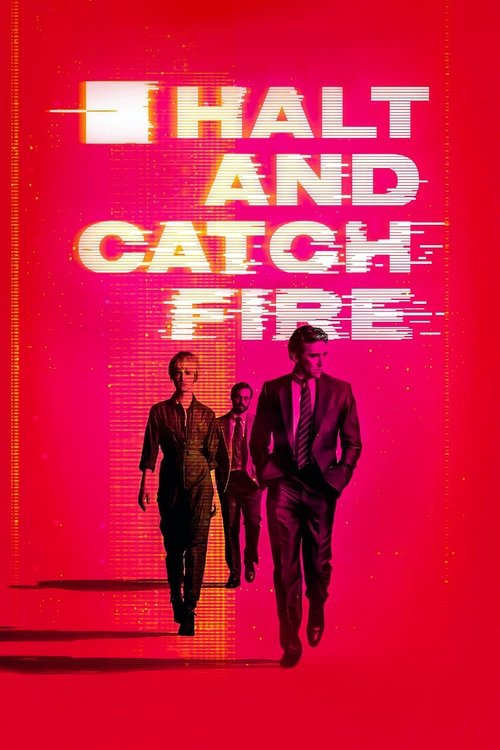
Games That Pulse at the Same Tempo
From synth-soaked rhythm games to neon-lit worlds






Joy Division Changed What Sadness Could Sound Like
Unknown Pleasures arrived in 1979 with the visual language of a seismograph and the emotional weight of something that could not be named. Ian Curtis's voice was not conventionally beautiful, and that was precisely the point. The record proved that despair, rendered with enough precision and craft, could become something close to euphoric. It remains the standard against which serious melancholy in music is measured.
Talking Heads Made Anxiety Sound Like a Dance Party
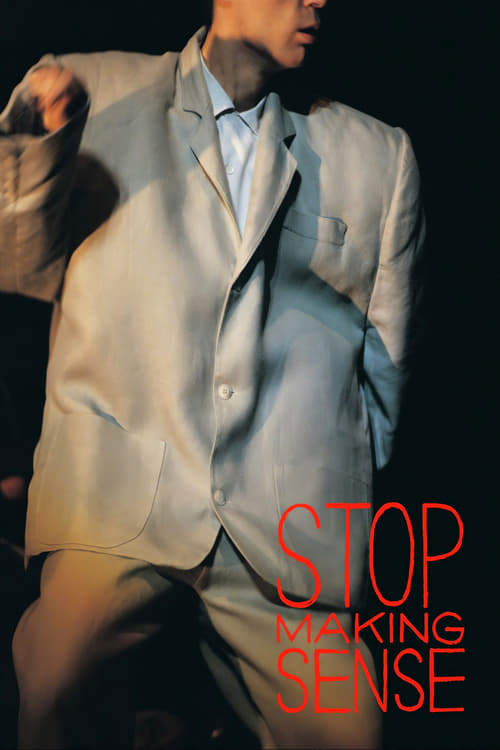
Stop Making Sense is the greatest concert film ever made not because of the production values, though they are extraordinary, but because David Byrne and the band understood that talking about dread in a big suit while everyone dances is a perfectly coherent philosophical position. Fear of Music and Remain in Light take that idea and push it into Afrobeat, polyrhythm, and the kind of paranoia that makes you want to keep moving.
Depeche Mode Took the Synthesizer Somewhere Dark
By the time Some Great Reward arrived in 1984, Depeche Mode had abandoned the cheerful synth-pop of their debut and started asking uncomfortable questions about power, submission, and faith. The decade's critics wrote them off as a singles act, but Songs of Faith and Devotion and Violator stand as two of the most fully realized records in the canon. The band built a cathedral out of drum machines, and it still echoes.
New Order Invented the Dancefloor for Grieving People
After Joy Division ended, the surviving members could have stopped. Instead they walked directly into the future: synthesizers, drum machines, and eventually the Hacienda, the Manchester club that gave birth to the next decade of dance music. Blue Monday is the best-selling 12-inch single in UK history. Power, Corruption and Lies holds together as a record in a way that still surprises people who only know the hit.
New Wave: A Decade of Defining Moments
- 1977Talking Heads release their debut album Talking Heads: 77, landing the art-school contingent of CBGBs on record. Talking Heads: 77
- 1978Parallel Lines makes Blondie one of the first acts to bridge punk, disco, and pop simultaneously. Parallel Lines
- 1979Unknown Pleasures announces that something called post-punk has its own gravity. Unknown Pleasures
- 1980Closer is released weeks after Ian Curtis dies; Joy Division becomes New Order. Closer
- 1981Dare by The Human League becomes one of the first synth-pop records to top the charts in the UK. Dare
- 1981Speak and Spell launches Depeche Mode, who will spend the decade becoming a different band entirely.
- 1983Stop Making Sense is filmed in Los Angeles; it will be released in 1984 as the standard for concert films. Stop Making Sense
- 1983Power, Corruption and Lies marks New Order's full arrival as a band of their own, not Joy Division's aftermath. Power, Corruption & Lies
- 1985The Head on the Door gives The Cure a pop precision without losing its unsettling undertow. The Head on the Door
- 1989Disintegration becomes The Cure's definitive statement and closes the decade's most sustained artistic run. Disintegration
Synths, style, and the 80s future
For Fans of New Order
Explore the For Fans of New Order guide →New Wave was where pop music realized it could be anxious and beautiful at the same time, and decided to stay there.CrossBinge