
The Beach Boys started as a surf group from Hawthorne, California, and ended up making some of the most emotionally complex pop music of the twentieth century. Brian Wilson, his brothers Dennis and Carl, their cousin Mike Love, and friend Al Jardine built their early sound on Chuck Berry guitar riffs and the close vocal harmonies they absorbed from Four Freshmen records. By the mid-1960s Brian had stopped touring and locked himself in the studio, chasing sounds no producer had attempted before. The result was Pet Sounds (1966), a record that stretched what a pop album could carry: longing, displacement, the specific ache of growing up. The Beach Boys are the permanent California fantasy and its shadow at once, the sound of a perfect summer afternoon that contains within it the knowledge that the afternoon will end.
Essential The Beach Boys
The albums that define the catalogue, from the surf era to the studio experiments
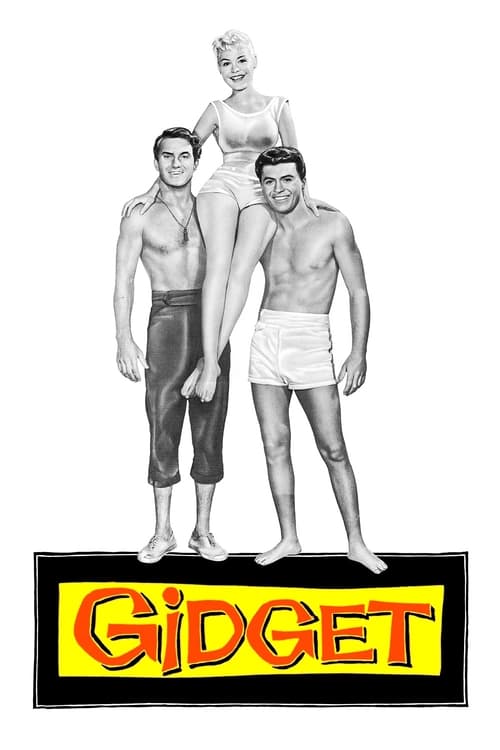
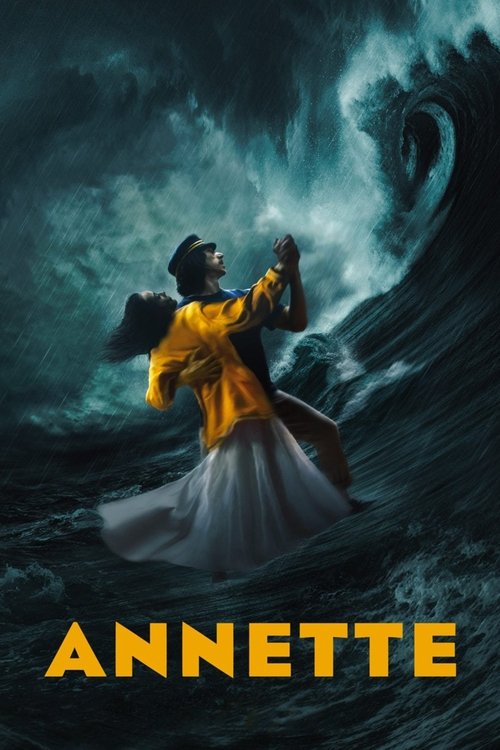
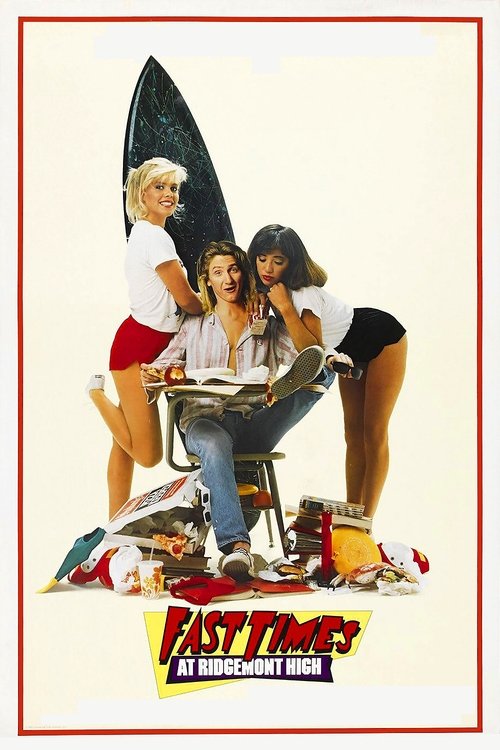
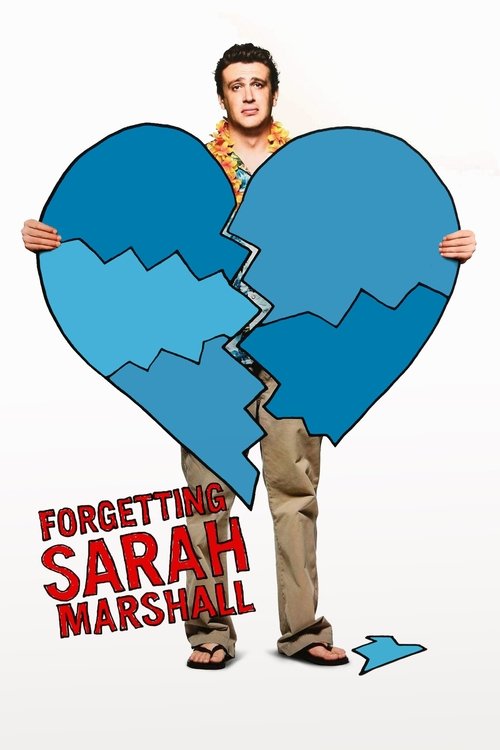
If You Love The Beach Boys: The California Dream on Screen
Films and series soaked in sunlight, highway freedom, and the golden-state mythology the group helped define



If You Love The Beach Boys: Harmony, Ambition, and Psychedelic Pop
Artists and albums that share the obsessive studio craft, lush vocal stacking, and emotional openness
If You Love The Beach Boys: Music Games and Rhythm Worlds
Games built around the feel and history of rock and pop, from garage bands to stadium tours






Pet Sounds Is Not a Nostalgia Record
Pet Sounds gets filed under 'classic' and then treated like wallpaper, something to reference but not to listen to hard. That is a mistake. The album is emotionally destabilizing in a way that has nothing to do with the era it came from. Brian Wilson wrote it at 23 while the rest of the band was on tour. The arrangements are orchestral and strange, built from bicycle bells, barking dogs, and theremin alongside the strings. The lyrics carry an undisguised vulnerability that still sounds raw decades on. 'I just wasn't made for these times' is not nostalgia; it is a diagnosis.
Dennis Wilson Was the Darkest Beach Boy
Brian gets the genius story and Mike gets the controversy, but Dennis Wilson left behind a solo record, Pacific Ocean Blue (1977), that sounds like nothing else in the catalogue. It is slower, sadder, and more unpolished than anything the group released together. Dennis was the only real surfer among them, and his death by drowning in 1983 lends the album a retrospective weight that is hard to shake. Pacific Ocean Blue deserves to sit alongside the canonical Beach Boys records, not as a footnote.
The Beach Boys: Key Moments
- 1961Surfin' released as a regional single; the group forms in Hawthorne, California
- 1963Surfin' USA breaks nationally; the California mythology begins Surfin’ USA
- 1965The Beach Boys Today! marks the shift from surf novelty to emotional songwriting The Beach Boys Today!
- 1966Pet Sounds released; Brian Wilson competes with Sgt. Pepper's in ambition Pet Sounds
- 1967Smile abandoned; the psychedelic peak collapses under Brian's breakdown
- 1970Sunflower: the band's most democratic album, underrated on release Sunflower
- 1972Holland recorded in the Netherlands; Carl Wilson takes on more creative control Holland
- 1977Dennis Wilson releases Pacific Ocean Blue, a cult masterpiece
- 1983Dennis Wilson drowns in Marina del Rey; the group loses its most dangerous voice
- 1988The Beach Boys inducted into the Rock and Roll Hall of Fame
- 1998Carl Wilson dies of cancer; the original lineup loses another founding voice
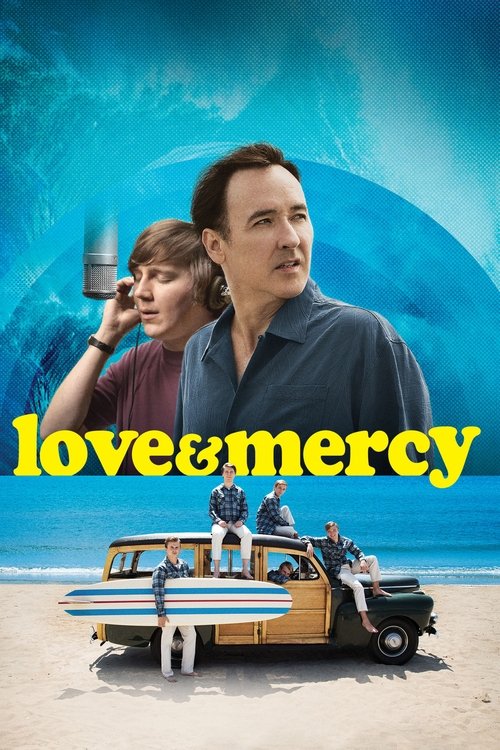
- 2004Love & Mercy film begins development; Brian's story starts to reach wider audiences
- 2011The Smile Sessions finally released officially after 44 years
- 2015Love & Mercy in cinemas; Paul Dano and John Cusack play Brian Wilson across two eras Love & Mercy
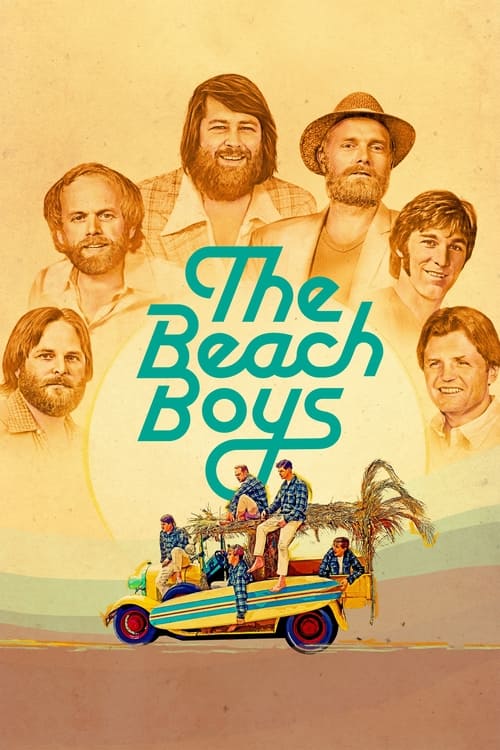
- 2024Disney documentary The Beach Boys premieres on Disney Plus, the most comprehensive survey of the full band story The Beach Boys
Harmony, sunshine, and studio genius
For Fans of The Beatles
Explore the For Fans of The Beatles guide →God only knows what I'd be without you.Brian Wilson, Pet Sounds (1966)