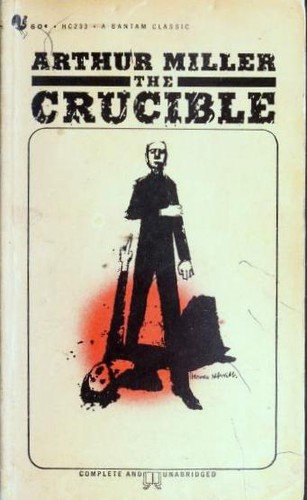

What Arthur Miller's The Crucible delivers is not a horror story about witches. It is a story about what happens when a society decides it needs enemies badly enough to manufacture them. The Salem of 1692 becomes a mirror held up to McCarthyism, to any era of moral panic, to the mechanism by which accusation becomes proof and silence becomes guilt. The fan of The Crucible is chasing a specific sensation: the slow, suffocating dread of watching reasonable people capitulate to unreasonable fear; the lone figure who refuses to sign a false confession even when it would cost nothing but his name; the way private grievances (desire, envy, shame) detonate into public catastrophe. That sensation cuts across every medium. You will find it in courtroom dramas and dystopian fiction, in survival games and folk-horror films, in music built from mourning and accusation. This guide traces it all.
On Screen: The Crucible and Its Kin
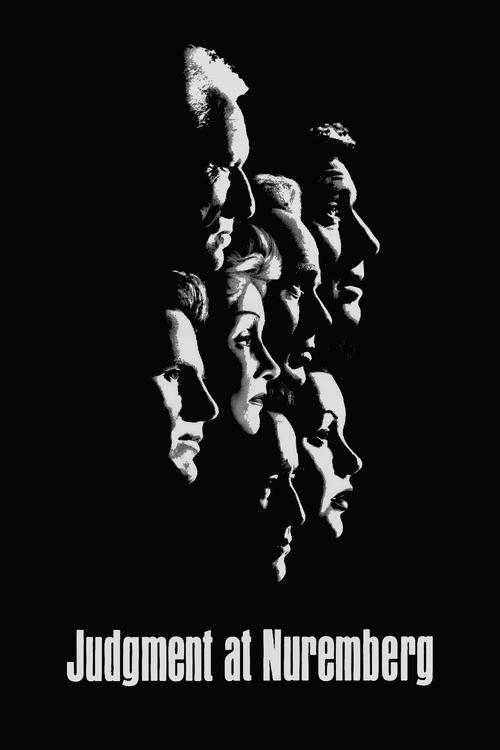
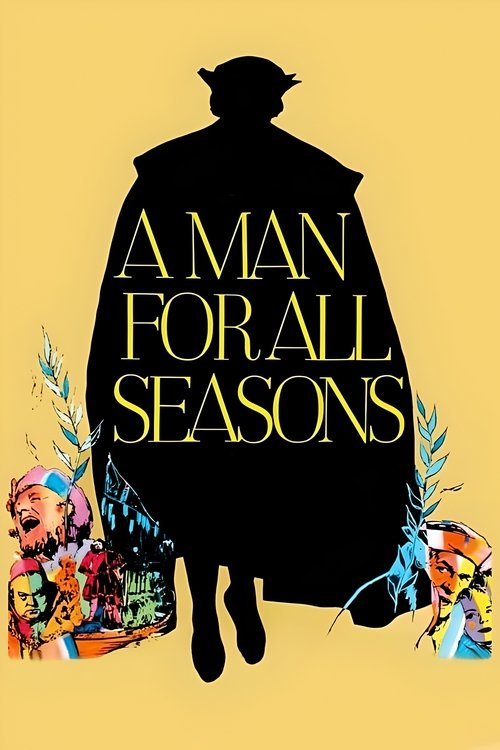
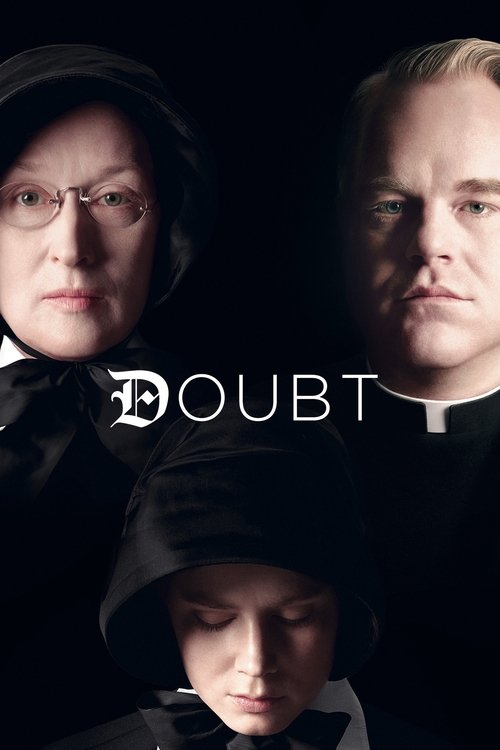
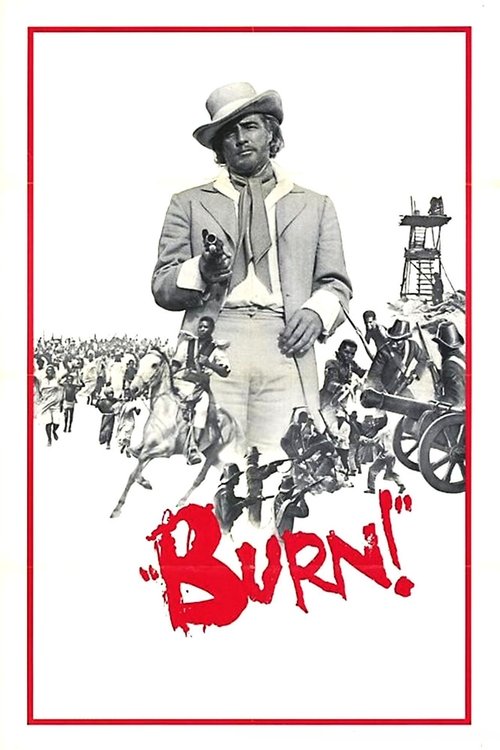
Screen adaptations of the play, plus films that put individuals on trial before a community or system determined to find them guilty.


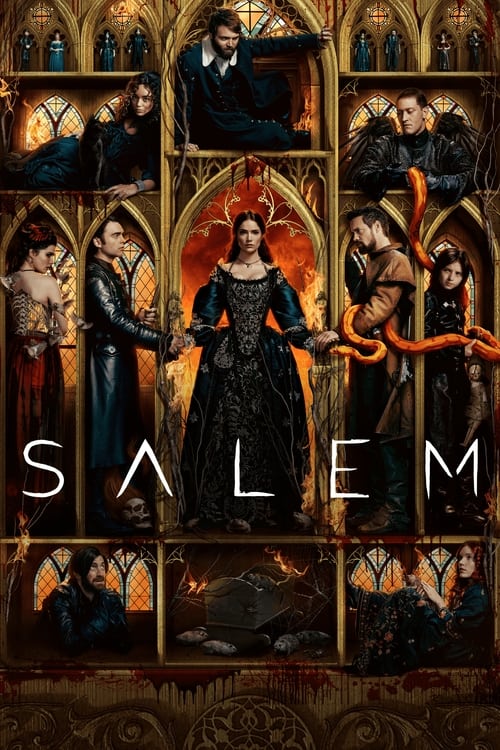
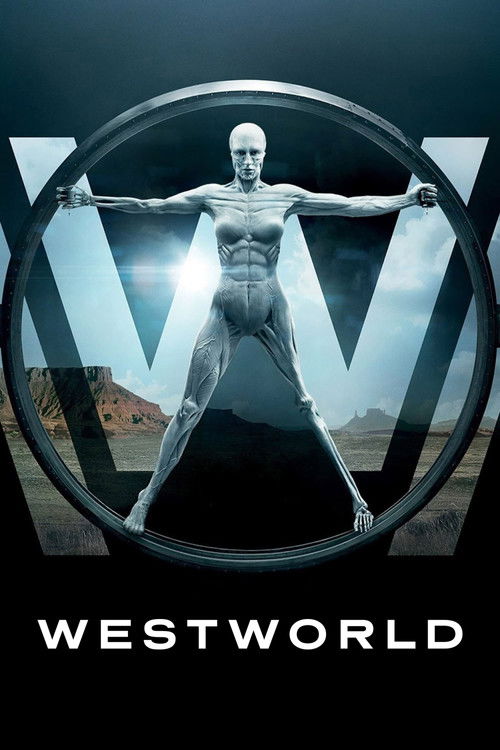
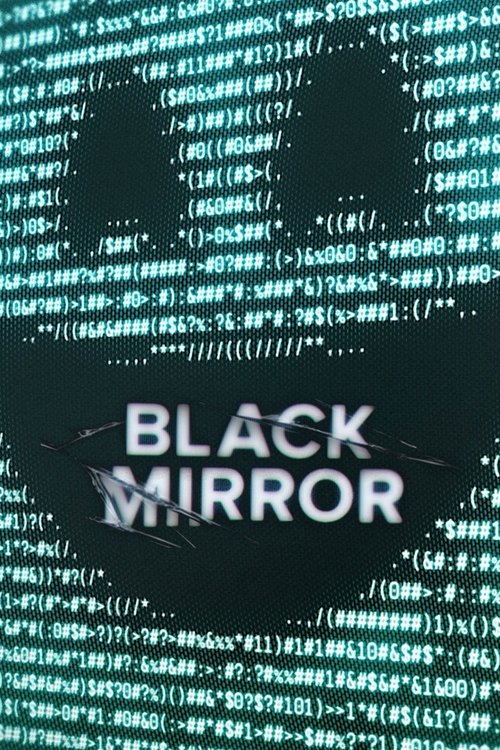
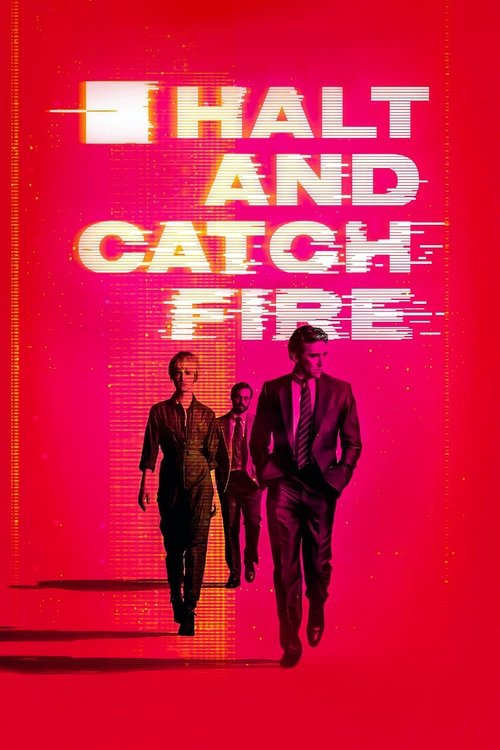
Series Built on Fear and Accusation
Television that recreates the architecture of mass hysteria: closed communities, accusation as power, and the mechanisms of institutional persecution.



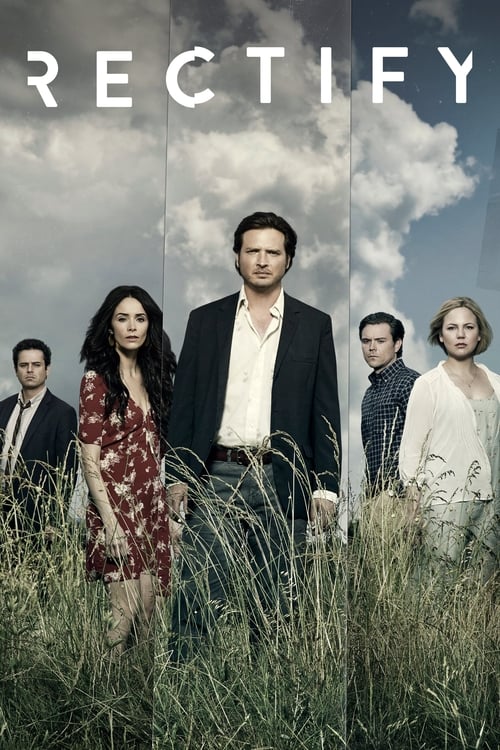
Novels of Witch-Hunts, Show Trials, and Moral Panic
Fiction that puts characters through the machinery of collective accusation, from Puritan New England to Cold War paranoia to totalitarian courts.


Games of Accusation, Survival, and Hidden Guilt
Games that put you inside a community where trust collapses, where the accused must prove innocence, or where fear drives neighbours to turn on each other.
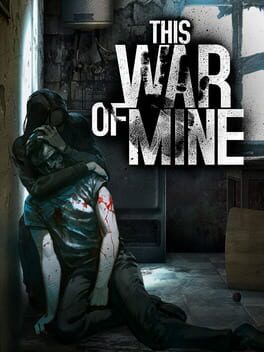
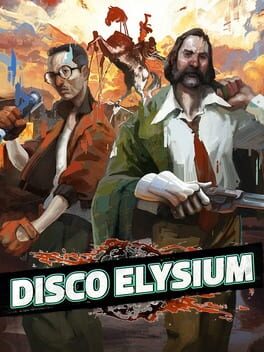




The Real Villain Is the Community, Not the Girls
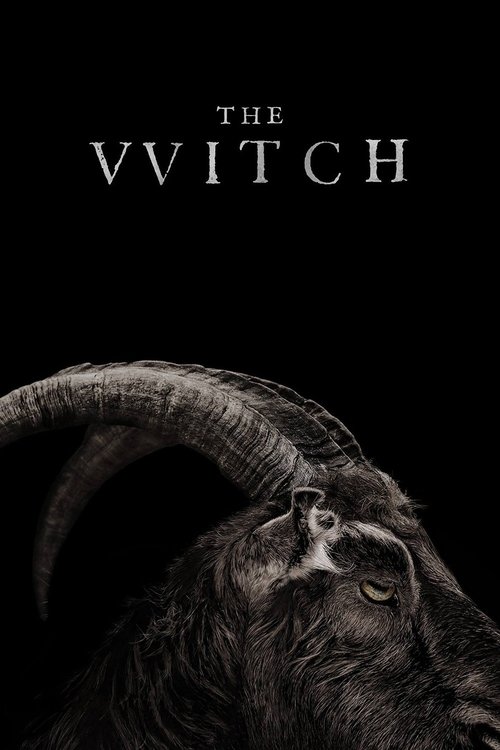
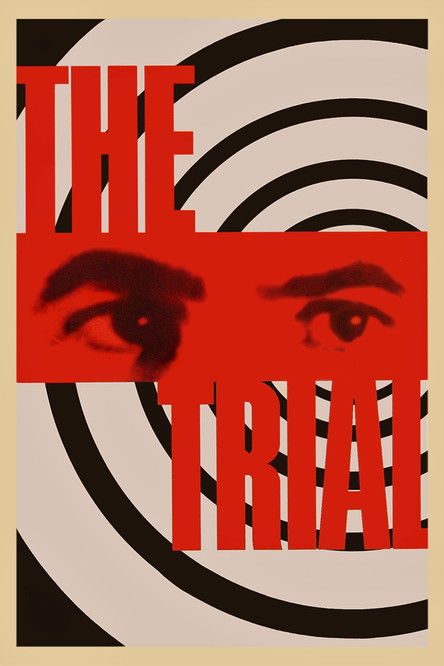
Abigail Williams gets all the dramatic credit, but she works because the adults of Salem are already primed to believe her. The town's patriarchs need a theological explanation for disorder, resentment, and desire; the girls supply one. The Crucible is a study in how institutions amplify private hysteria into public verdict. Josef K. in Kafka's The Trial never learns his charge; Salem's accused at least know theirs, and that makes their situation worse, not better. The same mechanism appears in Robert Eggers's The Witch: the community expels a family, then watches the family collapse from inside. The enemy was never the forest.
John Proctor Is the Template for the Reluctant Conscience
Miller gives us a flawed man, not a saint. Proctor has his own shame to hide and spends most of the play trying to stay out of the way. His refusal to sign the false confession at the end works precisely because we have watched him calculate the cost all evening. That arc, the compromised person who finds a line they will not cross, runs through Thomas More in A Man for All Seasons, through the journalist Edward R. Murrow in Good Night, and Good Luck, and through the detective Harry Ambrose in The Sinner. The hero of the genre is not pure; that is what makes the choice matter.
The Best Dystopias Are Set in the Past, Not the Future
Orwell projects forward; Miller reaches back 260 years and produces something more immediately terrifying than science fiction. The Puritan setting removes the comfort of distance. The Handmaid's Tale understood this instinct: Atwood built Gilead out of historical atrocities, not imagined ones. Beloved does it differently, grounding its supernatural register entirely in the documented horror of slavery. The lesson in all three is the same: the machinery of state violence against the individual does not require an imagined future. It has already existed. The archive is the dystopia.
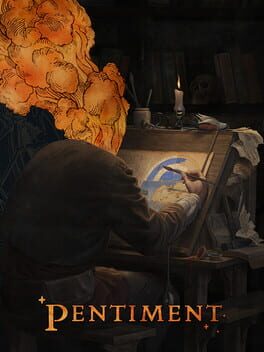
*Pentiment* Is the Most *Crucible*-Adjacent Game Ever Made
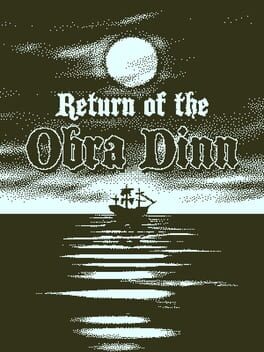
Obsidian's illustrated mystery set in 16th-century Bavaria forces the player to accuse someone of murder with incomplete evidence, then live through the decades that follow. The community's need for closure overrides the truth, and the game does not let you forget whose life you ended. The parallel to Salem is exact: the town decides the answer first, then finds the evidence. Return of the Obra Dinn operates on similar logic from the opposite direction, making you reconstruct deaths from fragments, a process that feels like excavating a trial transcript for what actually happened.
The Life of a Warning: *The Crucible* Through the Decades
- 1692Salem witch trials occur; 19 people hanged, one pressed to death.
- 1950Senator Joseph McCarthy begins the Red Scare hearings that will prompt Miller to write the play.
- 1953World premiere on Broadway. Reviews are mixed; the political allegory is too obvious for some critics. The Crucible
- 1957Miller is cited for contempt of Congress after refusing to name names before HUAC.
- 1958French film adaptation by Raymond Rouleau, scripted by Jean-Paul Sartre.
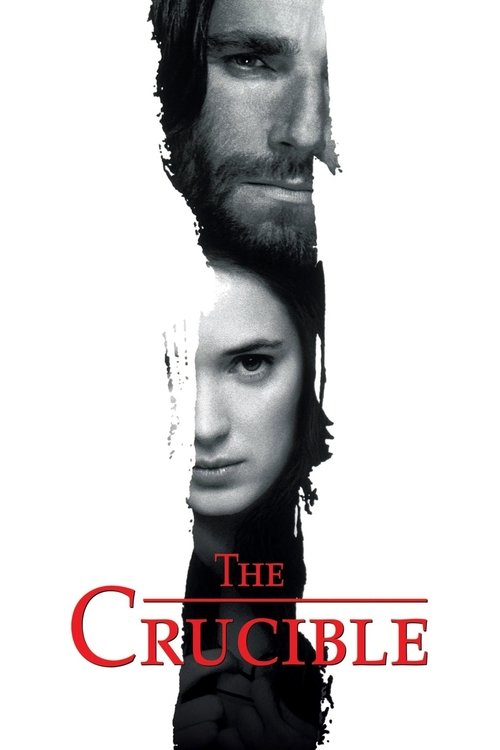
- 1996Daniel Day-Lewis and Winona Ryder film adaptation, screenplay by Miller himself. The Crucible
- 2002Opera by Robert Ward (composed 1961) reaches wider international audiences; now one of the most performed American operas.
- 2014Richard Armitage leads a celebrated Yaël Farber production at the Old Vic, London.
- 2016Revival on Broadway directed by Ivo van Hove; Ben Whishaw plays Proctor.
- 2022Pentiment (Obsidian) released: a medieval murder mystery about communal guilt and flawed verdicts. Pentiment
Because it is my name! Because I cannot have another in my life! Because I lie and sign myself to lies! Because I am not worth the dust on the feet of them that hang!John Proctor, The Crucible, Act IV